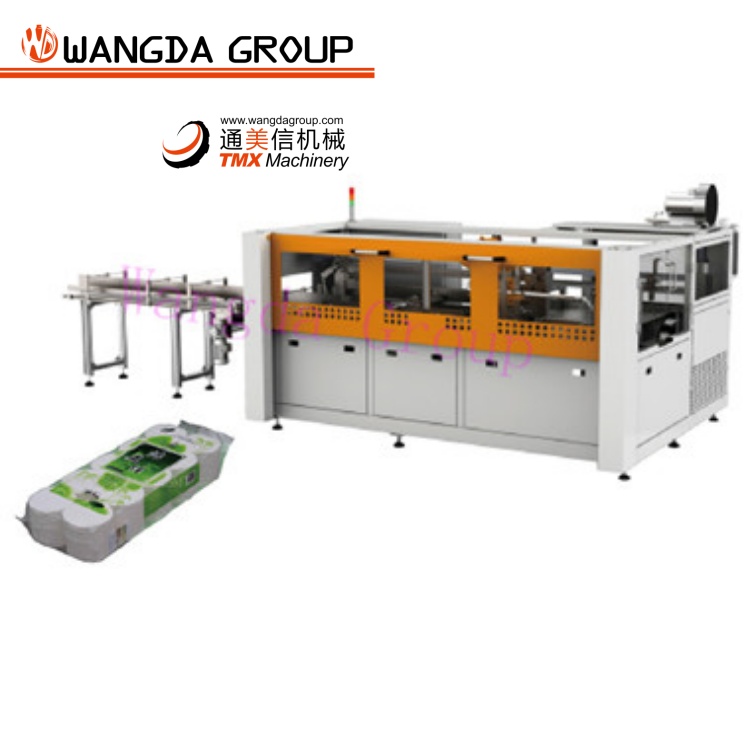
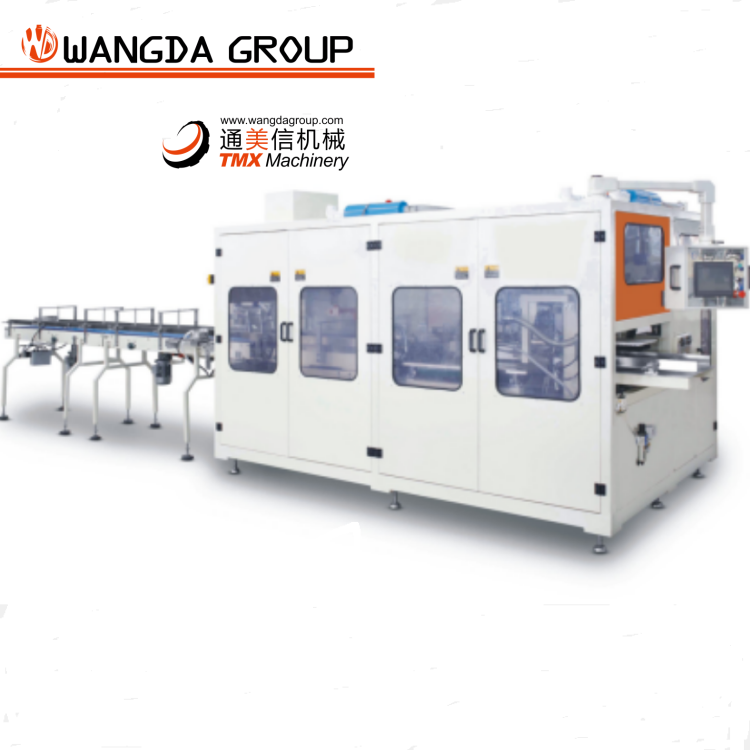
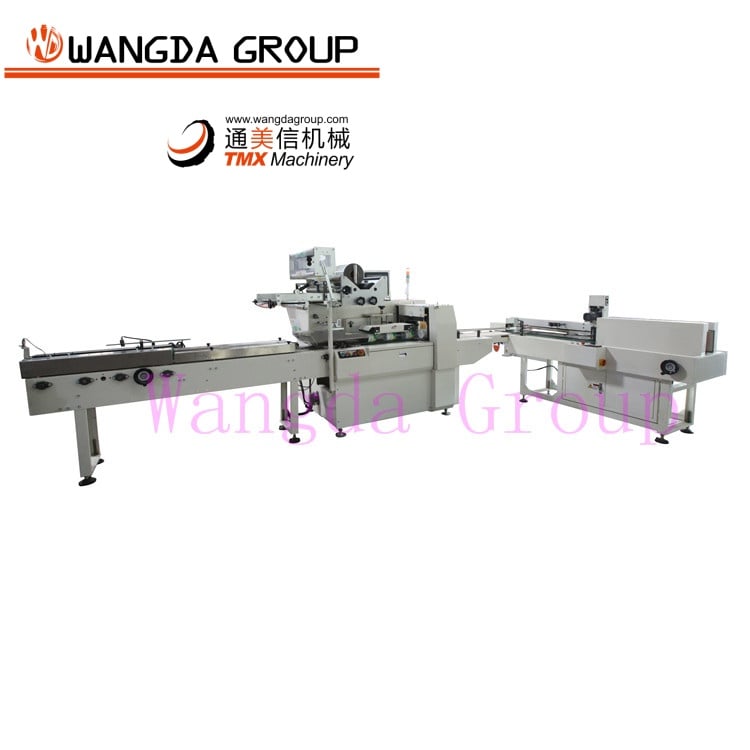
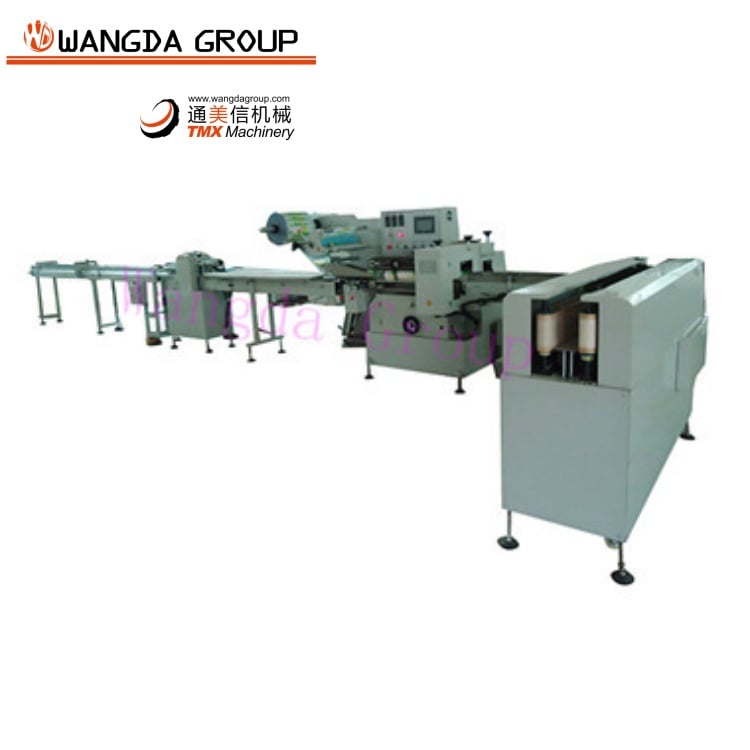
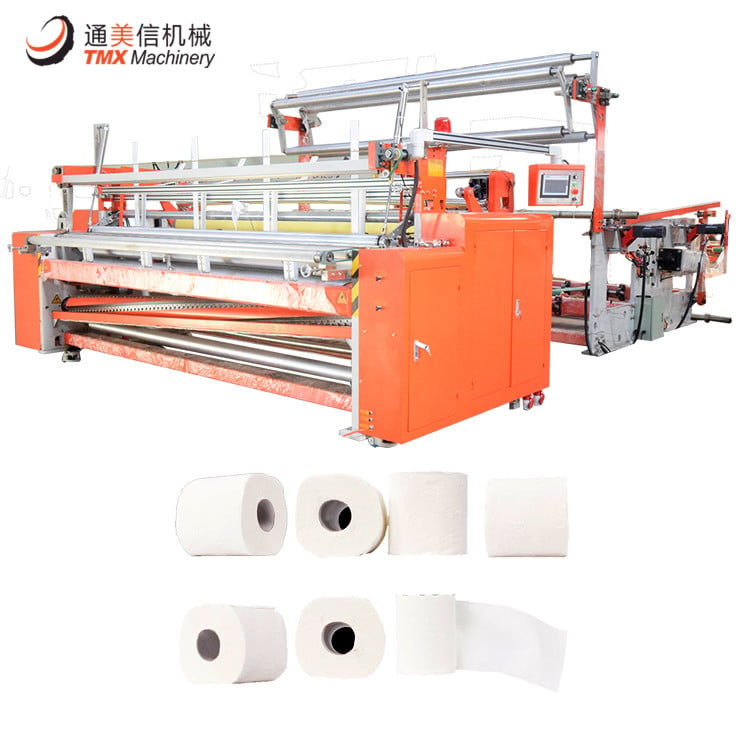
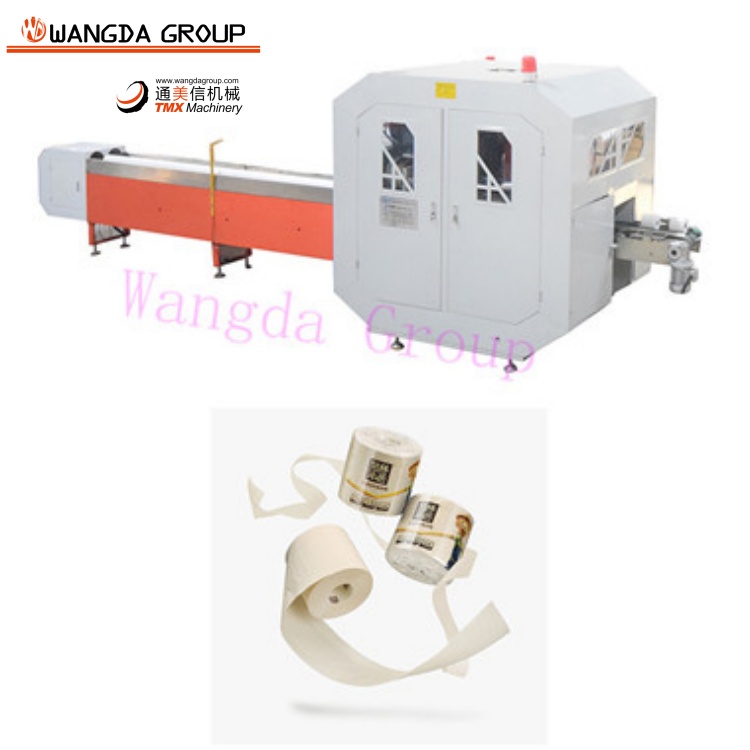
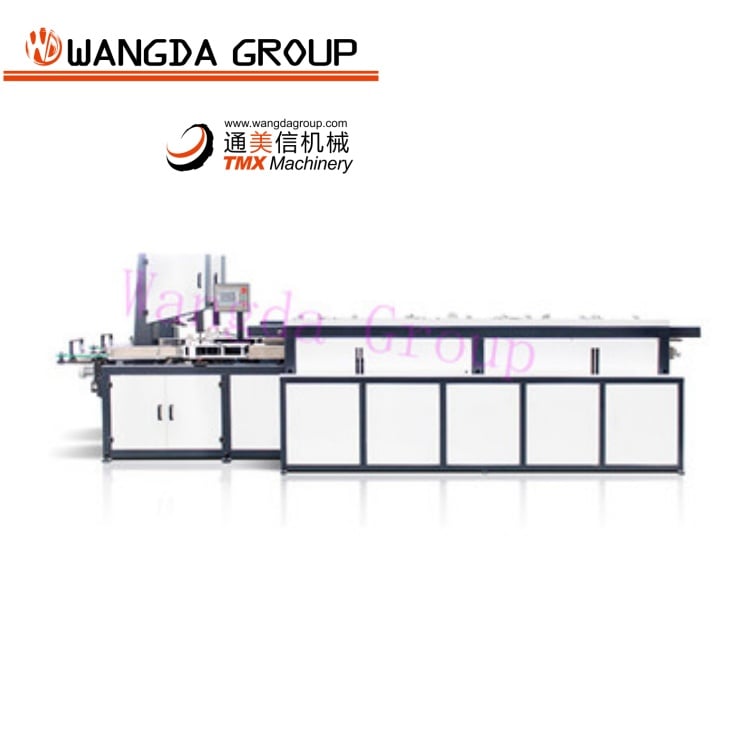
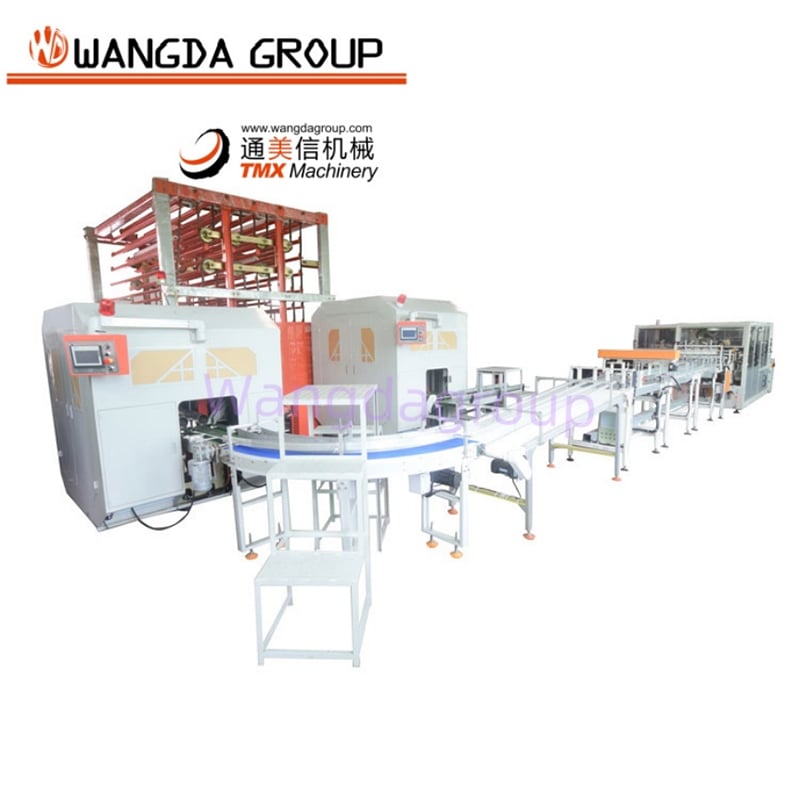
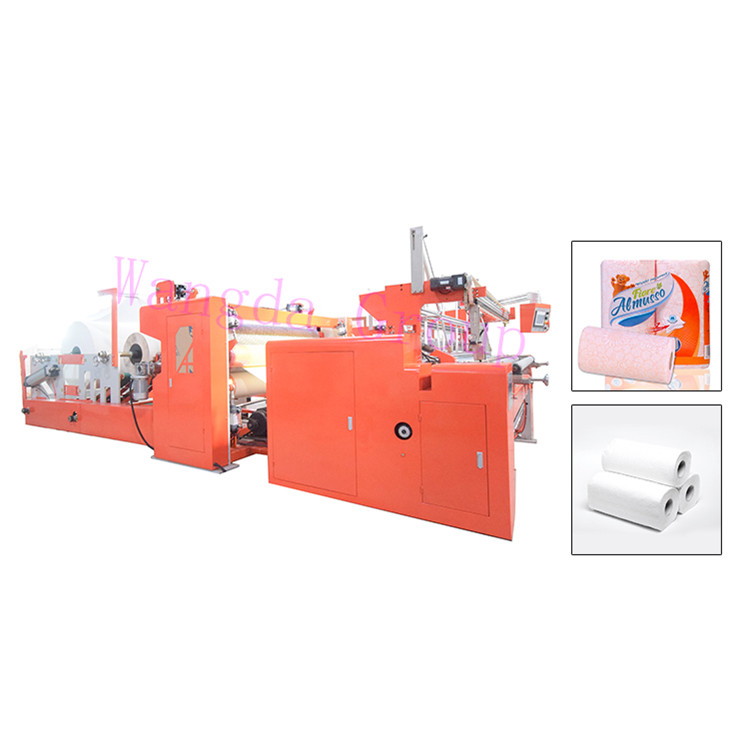
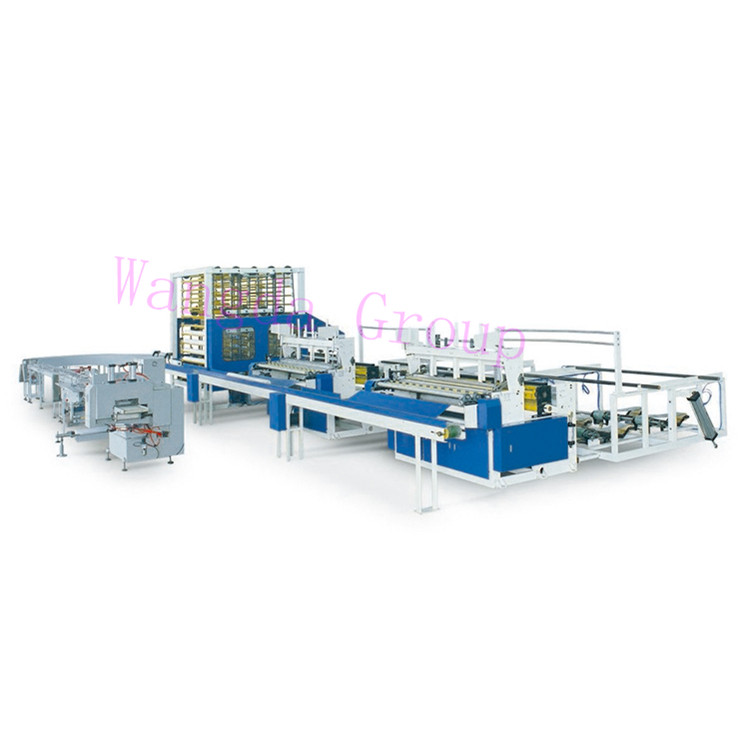
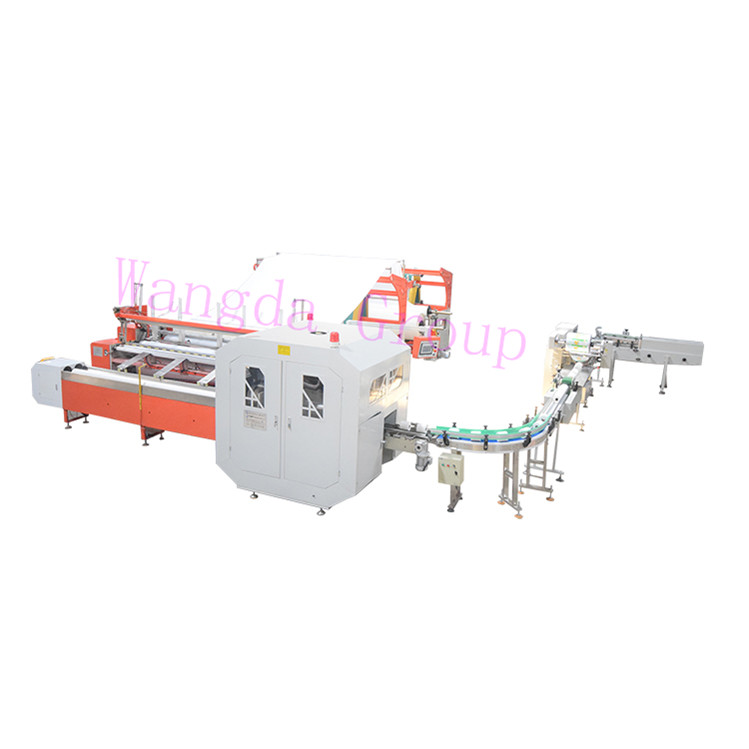
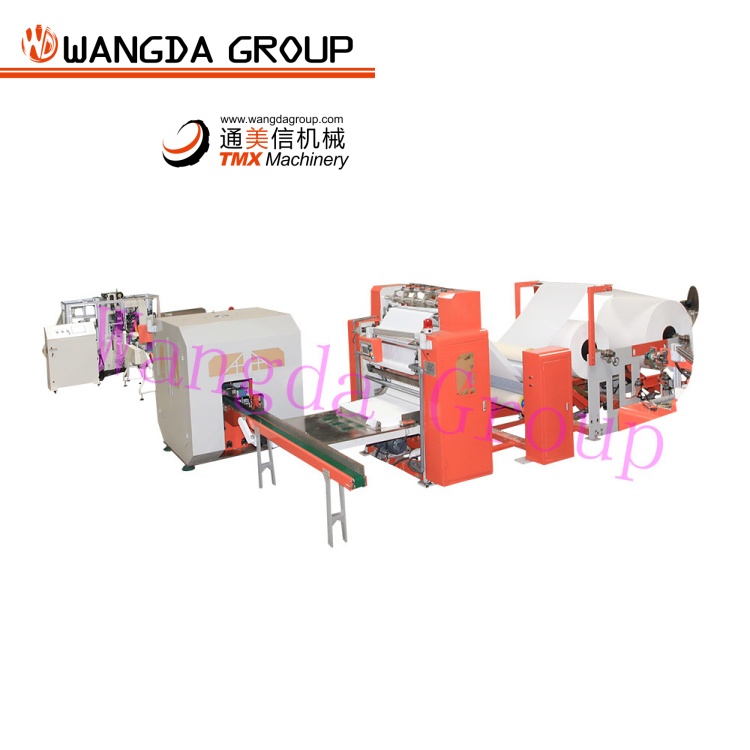
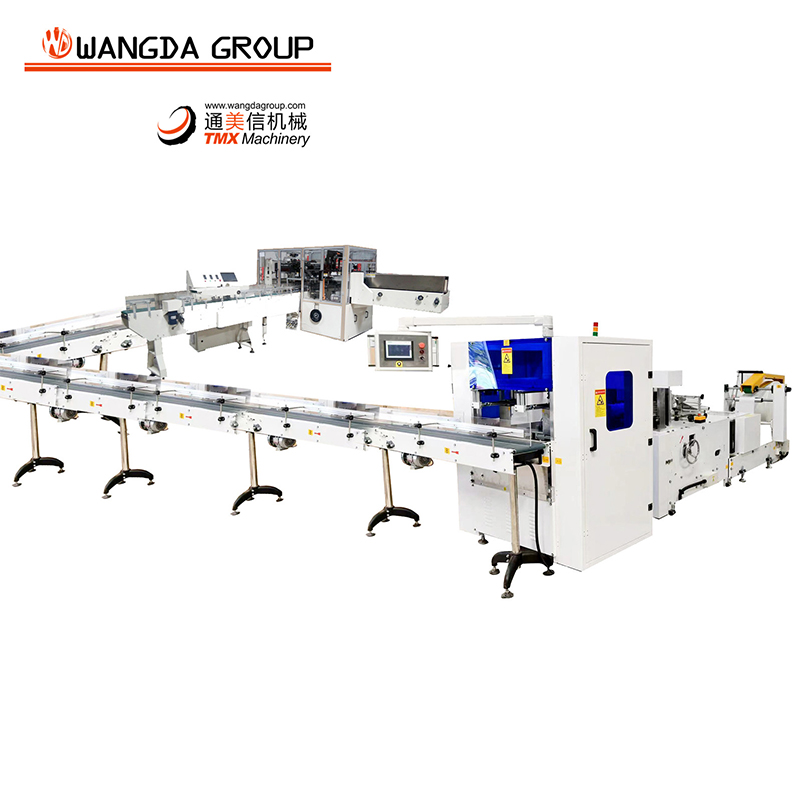
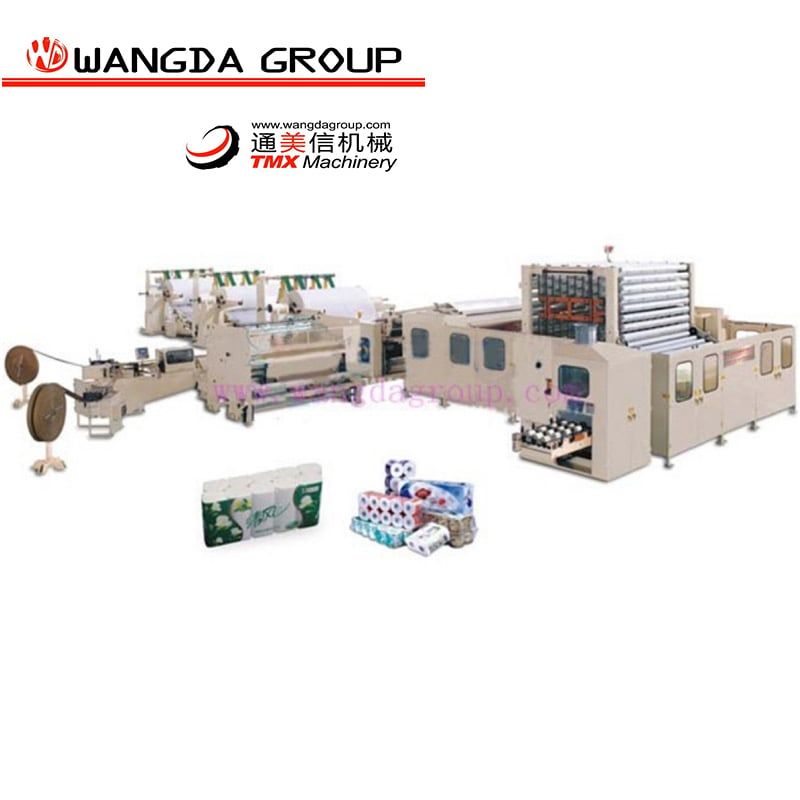
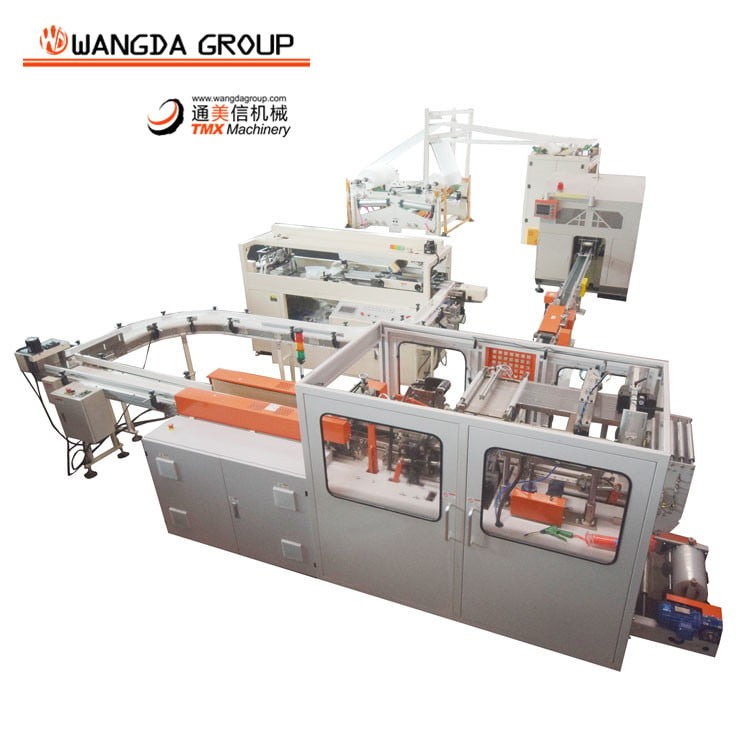
Toilet paper machinery plays a crucial role in the production of one of the most essential hygiene products in our daily lives. For B2B buyers, including purchasing managers, distributors, and engineers, selecting the right machinery is vital to ensure efficiency, quality, and cost-effectiveness in manufacturing processes. This article will cover key specifications, supplier evaluation, applications in various markets, comparisons of full-servo production lines, and the benefits of high-quality Wangda Industrial materials in toilet paper making machine performance.
When selecting Wangda Industrial toilet paper machinery, several key specifications are essential to ensure optimal performance and suitability for production needs.
Production Capacity: This refers to the number of rolls produced per minute. Depending on your operational needs, you should assess whether the machinery can meet your production goals without compromising quality.
Material Compatibility: The machinery should be compatible with various types of paper, including recycled and virgin fibers. This impacts the quality of the final product and may affect your material sourcing options.
Automation Level: Full-servo production lines offer increased automation, resulting in more precise cutting, folding, and packaging processes. This can lead to reduced labor costs and improved efficiency.
Energy Consumption: Energy-efficient machines not only reduce operational costs but also align with sustainability goals. Buyers should look for toilet paper roll making machine that utilize advanced technology to minimize energy use during production.
Quality Control Systems: Integrated quality control systems help monitor the production process in real-time, ensuring that the final product meets quality standards. This includes checks for thickness, density, and surface defects.
Customization Options: Many manufacturers offer customization capabilities to suit specific production requirements. This can include modifications in dimensions, packaging, or operational speeds based on customer needs.

Evaluating supplier reliability is critical to ensuring a successful partnership and consistent product supply. Here are some factors to consider:
Experience and Expertise: Assess the supplier’s experience in manufacturing toilet paper machinery. A supplier with a proven track record in the industry can better understand your needs and offer tailored solutions.
Certifications: Verify any industry certifications the supplier holds. Certifications can indicate compliance with international quality and safety standards, which are crucial for maintaining product reliability.
Customer Testimonials and Case Studies: Look for testimonials and case studies from previous clients. These can provide insights into the supplier's performance, the durability of their machinery, and their customer service quality.
Technical Support and After-Sales Service: Ensure the supplier offers robust technical support and after-sales service. This includes training for your staff, maintenance services, and availability of spare parts.
Lead Times and Delivery Reliability: Evaluate the supplier’s lead times and their ability to meet delivery schedules. Reliable suppliers should have a clear timeline for production and shipping to avoid disruptions in your operations.
Financial Stability: A financially stable supplier is less likely to face operational disruptions. Consider reviewing their financial health through audits or financial statements if available.

Advanced toilet paper machinery finds applications across various markets, each with unique demands and challenges.
Consumer Goods: In the consumer market, high-quality toilet paper is essential. Machinery that can produce soft, absorbent rolls is ideal for meeting consumer expectations for comfort and performance.
Commercial Use: For commercial environments such as hotels and restaurants, the demand is for bulk production of cost-effective toilet paper that maintains quality while being affordable.
Healthcare: In healthcare settings, hygiene is paramount. Machinery that produces hypoallergenic or antibacterial toilet paper can cater to this market, ensuring compliance with health standards.
Export Markets: Different regions have varying preferences and regulations regarding toilet paper products. Equipment that can easily switch between production specifications is advantageous for suppliers catering to international markets.
Eco-Friendly Products: With an increasing demand for sustainable products, machinery capable of producing biodegradable or recycled toilet paper is gaining traction. This appeals to environmentally conscious consumers and businesses.

Full-servo toilet paper production lines are designed for high efficiency and precision. When comparing features, consider the following:
Servo Motors: These provide precise control over the machinery’s movements, leading to accurate cuts and folds. This precision reduces waste and increases the quality of the final product.
Ease of Operation: Full-servo lines often come with user-friendly interfaces that simplify operation and reduce the learning curve for new operators.
Flexibility: These lines can typically handle various roll sizes and specifications without significant downtime, making them ideal for businesses with diverse product lines.
Maintenance Requirements: Evaluate the maintenance needs of the equipment. Full-servo systems often require less frequent maintenance due to fewer mechanical components, which can lead to lower long-term costs.
Production Speed: Full-servo lines generally offer higher production speeds compared to traditional systems. This can dramatically increase output and efficiency in high-demand environments.
Integration Capabilities: Consider whether the toilet paper manufacturing machine can integrate with existing systems, such as packaging and quality control software, to streamline operations further.
We've worked with many clients, both Tissue paper machine home and abroad.
Wangda manufactures toilet paper machines and toilet paper cutting machines Toilet paper packing machines, kitchen towel cutting machines, kitchen towel cutting machines. Kitchen towel packing machines. Tissue paper manufacturing machine facial tissue cutting machines, facial tissue packing machines, box drawing facial tissue machine, nylon bag facial tissue machines, maxi roll rewinding machines, napkin paper machines, serviette making machines, napkin paper packing machines, pocket tissue machines, pocket tissue packing machines, wet wipe folding machines as well as packing machines, and the list goes on. We also supply all related materials for these hygienic products.
Wangda has over 20 years of experience manufacturing all sorts of Tissue making machine, we focus on the machine functions and quality and additionally, we provide after-sales and pre-sales services. We have sold machines in over 100 countries. This has earned us repeated orders and positive feedback from our customers. Wangda is our own R and D departments. Our machines are based on advanced Germany, Japan and Italian technology and is updated day by day. Our machines have passed ISO9002, CE, BV and other certifications. We provide turnkey projects all the way from A to Z that includes more than machines.
Our after-sales and sales teams are extremely Toilet paper manufacturing machine and skilled. About 80% of our team has been working in the field of hygienic products for over 10 years. We understand what our customers want and what they worry. Our customers aren't only purchasing our machines We also assist them to profit in this business of hygienic items. We provide our customers with the services after-sales they need.
The materials used in Wangda Industrial toilet paper machinery significantly impact its performance and the quality of the final product. Here are key considerations:
Durability: High-quality materials ensure that the machinery can withstand the rigors of continuous operation without frequent breakdowns. This is crucial for maintaining production efficiency.
Performance Consistency: Materials that are resistant to wear and tear help maintain consistent performance over time. This is important for producing toilet paper that meets quality standards consistently.
Maintenance: Machinery made from high-quality materials typically requires less maintenance, reducing downtime and associated costs. Buyers should confirm the material specifications to ensure longevity.
Safety Standards: Ensure that the materials comply with safety regulations to prevent contamination of the final product. This is especially important in markets where hygiene standards are stringent.
Cost-Effectiveness: While high-quality materials may have a higher initial cost, they often lead to lower total ownership costs due to reduced maintenance and longer lifespan.
Customization: High-quality materials can also support customization in machinery design, allowing for unique features that cater to specific market needs or production requirements.
By understanding these aspects of toilet paper machinery, B2B buyers can make informed decisions that align with their operational needs and market demands.