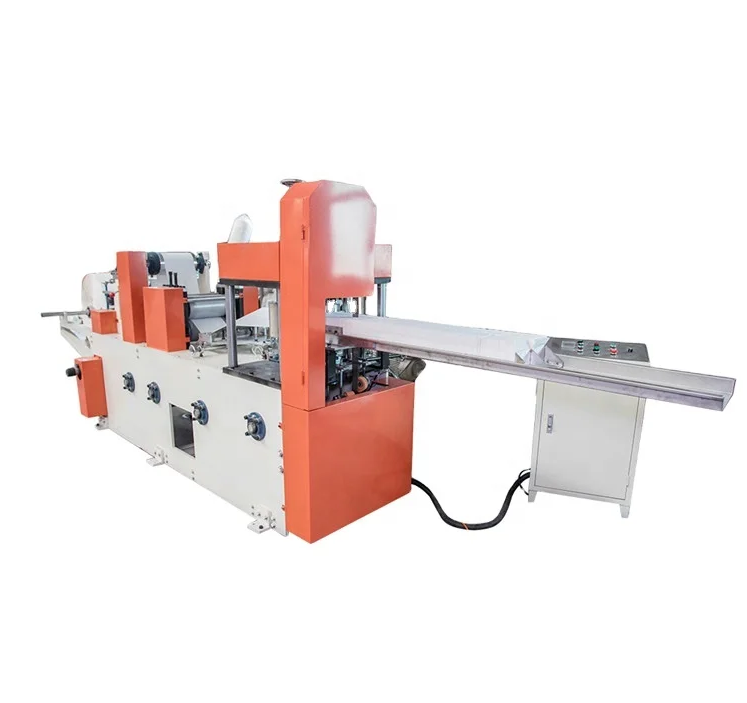
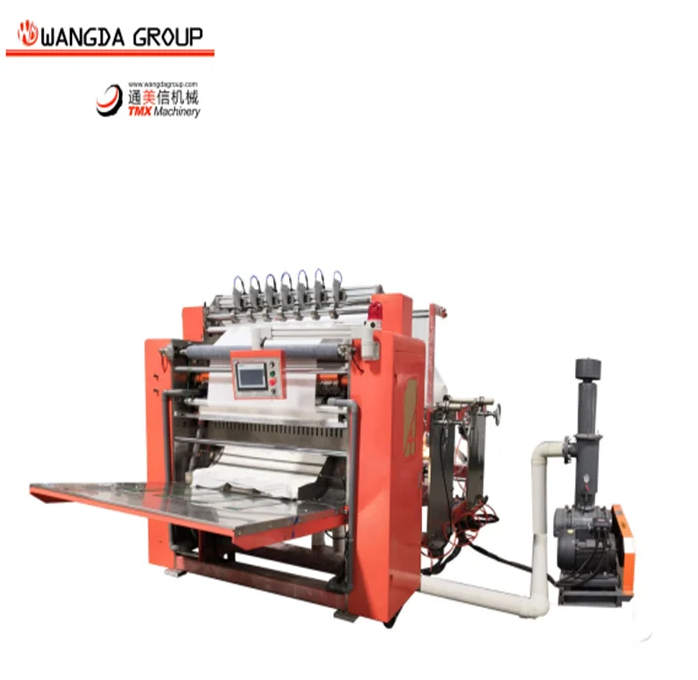
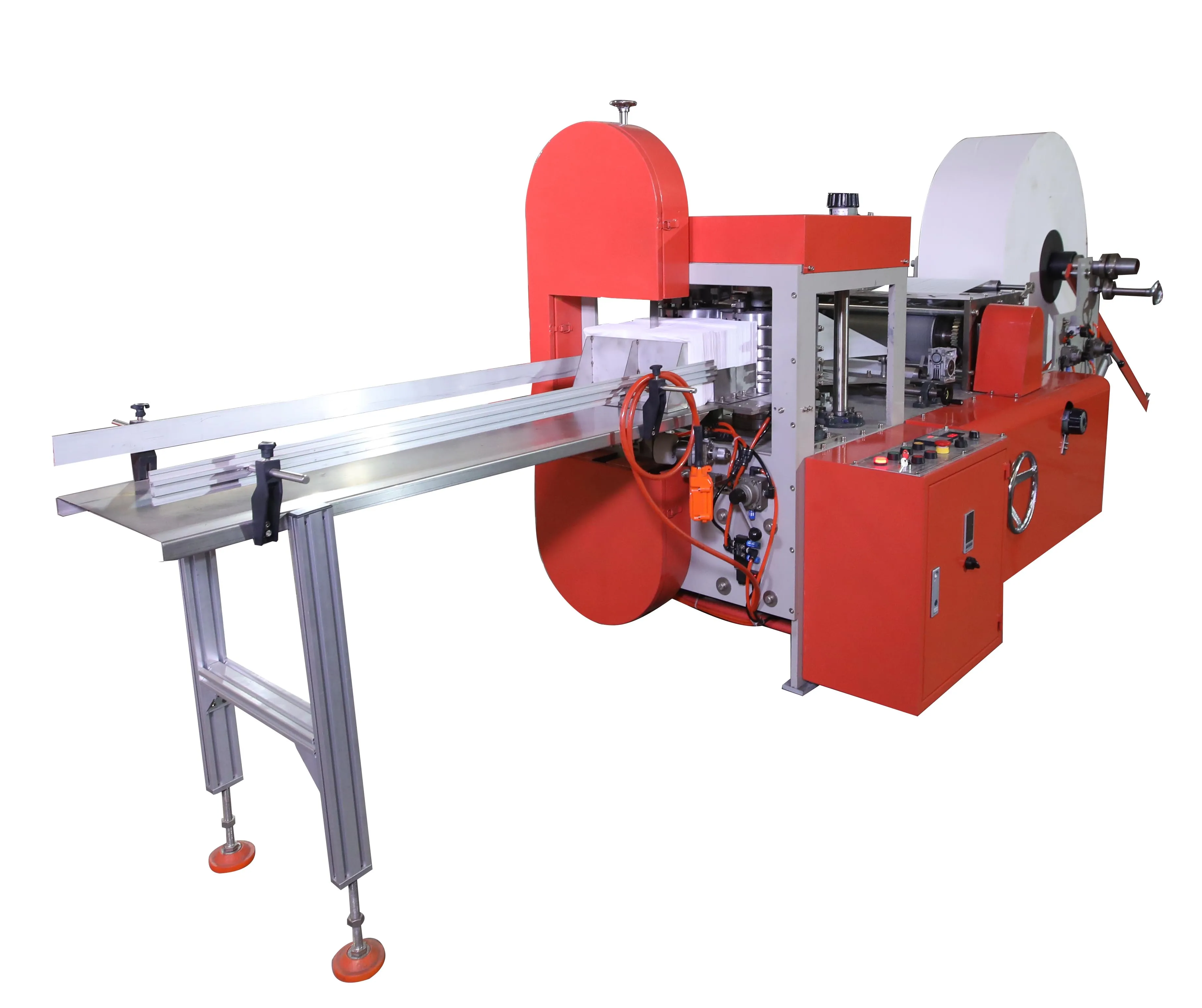
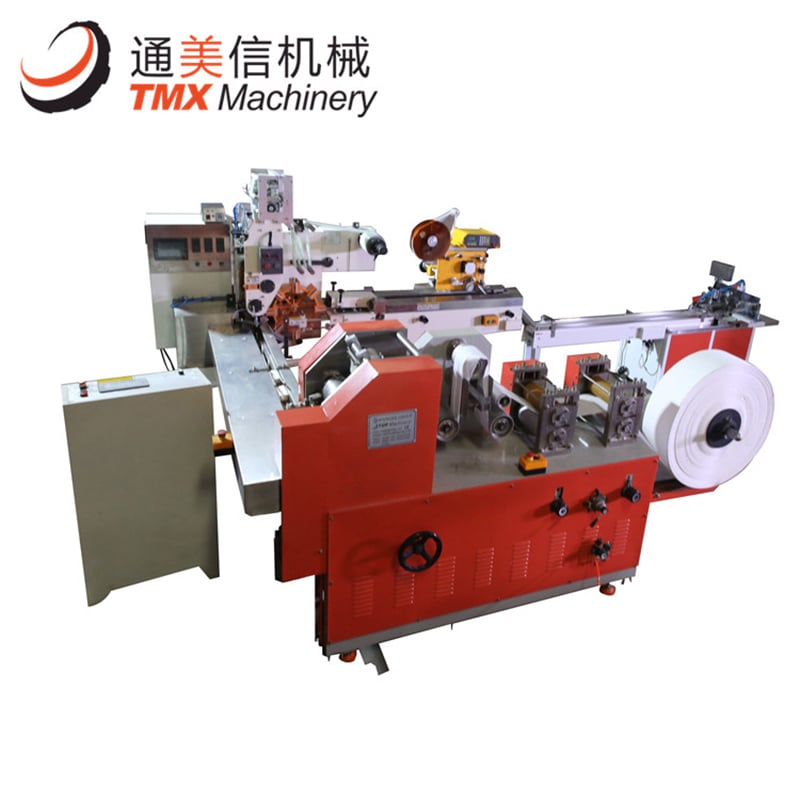
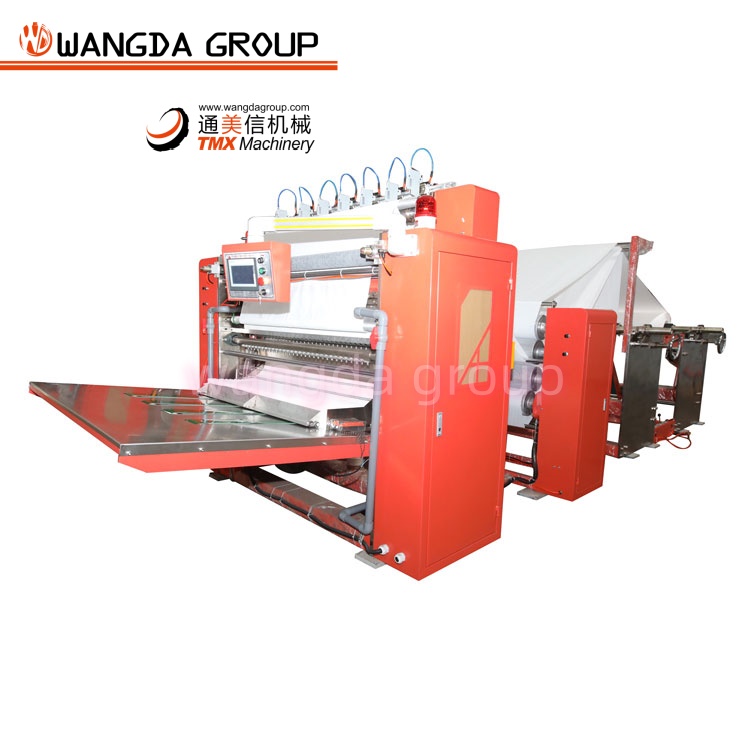
Choosing the right tissue paper making machine in Sri Lanka is critical for manufacturers looking to produce high-quality hygienic products efficiently. As a B2B buyer, your main concerns will likely revolve around machine specifications, production capabilities, quality assurance, and cost-effectiveness. This article will provide practical insights into what to consider when selecting a tissue paper making machine, along with a comprehensive buyer's guide, quality control measures, common issues, and applications relevant to various industries.
When selecting a tissue paper making machine, several factors should be evaluated to ensure optimal performance and suitability for your production needs. Key considerations include:
Production Capacity: Understand the expected output in terms of tons of tissue paper per day. This will heavily depend on your market demand and operational goals. A machine's speed and efficiency should match your production requirements.
Machine Specifications: Look for details on the machine's size, weight, and the type of technology it employs (full-servo systems). These specifications affect not only the production output but also the space required and energy consumption.
Material Compatibility: Ensure that the machine can handle the types of raw materials you plan to use, whether it’s recycled paper or virgin pulp. Different materials can affect the machine’s performance and the quality of the final product.
Customization Options: Many manufacturers offer machines that can be customized to meet specific production requirements. This could include variations in sheet size, packaging options, or additional features like embossing or perforating.
After-Sales Support: Evaluate the level of technical support and maintenance services provided by the manufacturer. This can be critical for minimizing downtime and ensuring smooth operations.

When preparing to purchase a tissue paper making machine, it’s essential to gather the right information for a seamless procurement process. Here’s a checklist to guide you:
Technical Specifications: Request detailed documentation on machine specifications, including dimensions, weight, and the technology used.
Sample Approval: Always request a sample product before finalizing your order. This allows you to assess the quality and suitability of the machine's output.
Quotation Requirements: Provide the supplier with specific details, including production capacity, preferred materials, and any customization needs. This helps in obtaining an accurate quote.
Lead Time: Inquire about the expected lead time for delivery and installation, ensuring it aligns with your production schedule.
Certifications: Check for any quality certifications or compliance with industry standards that the tissue paper machine may hold, as this can impact its reliability and durability.

Quality control is paramount in tissue paper manufacturing. Here are some essential measures to consider:
Material Quality: The quality of raw materials directly affects the end product. Conduct inspections on the pulp used to ensure it meets specified standards.
Machine Calibration: Regular calibration of the tissue paper manufacturing machine settings is necessary to maintain consistent output quality. This includes checking the pressure, temperature, and speed settings.
Output Testing: Implement a system for testing the output tissue paper for strength, softness, and other quality parameters. This should be done continuously to ensure all produced batches meet quality standards.
Maintenance Protocols: Establish routine maintenance schedules to prevent machine breakdowns and ensure longevity. This includes cleaning, part replacement, and software updates.

Even with high-quality machines, issues can arise during operation. Here are some common problems and solutions:
Jamming: This can occur due to improper paper alignment or foreign objects in the machine. Regular maintenance and proper training for operators can minimize this issue.
Quality Variability: Inconsistent product quality may result from fluctuations in raw materials or machine settings. Implementing strict quality control measures can help reduce variability.
Mechanical Failures: Wear and tear on parts can lead to breakdowns. Keeping an inventory of critical spare parts can reduce downtime in case of failure.
Inaccurate Measurements: If the machine produces incorrect dimensions for the tissue paper, recalibrating the machine and conducting regular checks can resolve this.
Wangda has more than 20 years experience in the Toilet paper making machine of all kinds of tissue machines, we pay much attention to the features of the machine and its quality, as well as in addition, after sales and pre-sales services. We've sold machines in over 100 countries. This has resulted in many repeat orders and good reviews from our clients. Wangda has its own R and D departments. Our machine is based on the latest Germany Japanese, Japan and Italian technology, and is upgraded day by day. Our machines have been certified to ISO9002, CE, BV and other certifications. We offer turnkey projects that span from A to Z, not just machines.
Wangda has very professional with a long-standing sales team as well as an after-sales department, with 80% of the team has worked for over 10 years in our company within this Hygienic products industry. Our teams are experienced in the daily use of paper tissue machines, packing machines and many other Hygienic products machines We have a wide range of professional information in this area, we think what our customer would like, and we make sure that our customers are worried about. Our customers aren't just purchasing machines from us We also assist them make money from this Toilet paper machine business. We offer our customers with the after-sales services they require.
Wangda has Toilet roll manufacturing machine with various clients both from home and abroad. We have worked with large companies from GCC countries such as Fine Hygienic across different nations, Nesto Hypermarket, Top one and two hygienic producer Band G, the Meghna Groups of Bangladesh. Outnet Group from African countries. And as well, there are big European brand, American brands, Latin American brands we have cooperated for a great number of years. We have several factories outside of the United States that you can visit to look at our products which is more efficient. Also you are invited to come to our factory to see our products on the spot. We will be happy to answer your questions at any time, and we hope to begin our mutual benefit story right away.
Wangda Tissue making machine toilet tissue machines (including cutting and packing), kitchen towel machines (including cutting and packing) facial tissue machines (including cutting and packing) as well as nylon bag facial tissues machines. We also make maxi roll rewinding equipment as well as perforating machines.
Tissue paper machines are versatile and find applications across various sectors, including:
Food Service: Restaurants and catering services use tissue papers for napkins, which require high absorbency and softness for customer satisfaction.
Healthcare: Hospitals and clinics use tissue papers for hygiene and patient care, necessitating high standards for cleanliness and softness.
Household Products: Manufacturers produce toilet rolls, facial tissues, and paper towels for everyday consumer use, focusing on comfort and functionality.
Industrial Use: In manufacturing and production environments, tissue paper can be used for wiping and cleaning, requiring durability and strength.
By understanding these applications, manufacturers can tailor their production processes to meet specific market demands.
In summary, selecting the right tissue paper making machine in Sri Lanka involves detailed consideration of technical specifications, production capacity, quality control, and potential applications. By following the outlined guidelines, B2B buyers can make informed decisions that align with their organizational goals and market needs.