When considering the purchase of a tissue paper making machine in Nigeria, buyers must navigate a range of factors to ensure they select equipment that meets their production needs. This article will provide insights into essential considerations, quality evaluations, installation guidance, common issues, and applications of these machines. Understanding these elements will help purchasing managers, distributors, and engineers make informed decisions while optimizing their investments in tissue paper manufacturing.
When selecting a tissue paper making machine, buyers should consider several key factors:
Production Capacity: Determine the required output based on market demand. Machines come with varying capacities, typically measured in tons per day. A higher capacity may be necessary for larger operations, while smaller businesses might opt for lower-capacity machines.
Machine Specifications: Understand the technical specifications of the machine, including the type of tissue being produced (napkin, facial tissue, toilet paper, etc.), the roll width, and the GSM (grams per square meter). These specs directly influence product quality and production efficiency.
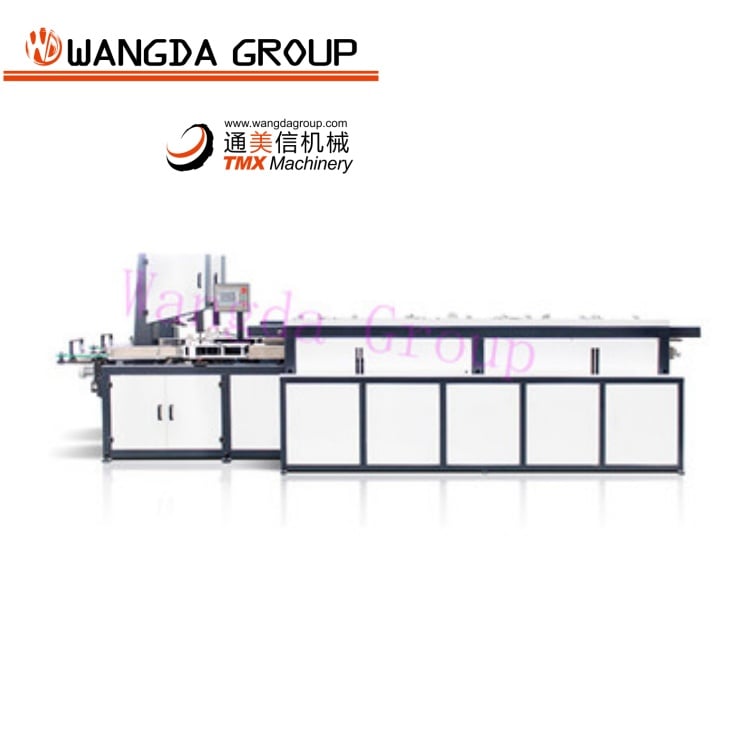
Customization Options: Many manufacturers, like Wangda Industrial Co., Limited, offer customization capabilities. Consider whether you need specific features or configurations, such as size adjustments or automated packing options, which may affect both the cost and efficiency of your production line.
Material Compatibility: Evaluate the types of raw materials that the machine can process, as different materials can impact the final product's quality. For example, some machines may be optimized for recycled paper, while others might be better suited for virgin pulp.
Energy Efficiency: Energy consumption is a critical cost factor in manufacturing. Look for machines designed with energy-saving features to help reduce operational costs over time.
Budget and ROI: Assess your budget, including not only the initial purchase price but also ongoing maintenance and operational costs. A more expensive machine may offer features that lead to greater efficiency and lower long-term costs.

To ensure that a tissue paper making machine meets quality standards, buyers should consider the following evaluation criteria:
Certifications: Verify if the machine complies with international standards and has necessary certifications. This can include ISO certification or CE marking, indicating compliance with safety and performance standards.
Build Quality: Inspect the materials and construction of the machine. High-quality components can lead to better durability and less downtime. Look for machines made from robust materials that can withstand the rigors of continuous operation.
Performance Testing: Request performance data or conduct tests to evaluate the machine's efficiency and output quality. It's advisable to obtain samples of the final products to assess texture, strength, and overall quality.
User Reviews and Case Studies: Seek feedback from other users or case studies related to the specific machine model. Understanding the experiences of others can provide valuable insights into the machine's reliability and performance in real-world applications.
After-sales Support: Evaluate the manufacturer's customer service and technical support. A reliable after-sales service can significantly impact ongoing operations, ensuring that any issues are resolved quickly.

Proper installation is crucial for the efficient operation of a tissue paper making machine. Here are some key points to consider:
Site Preparation: Ensure that the installation site is suitable, with adequate space, power supply, and ventilation. The flooring should be leveled and capable of supporting the weight of the machine.
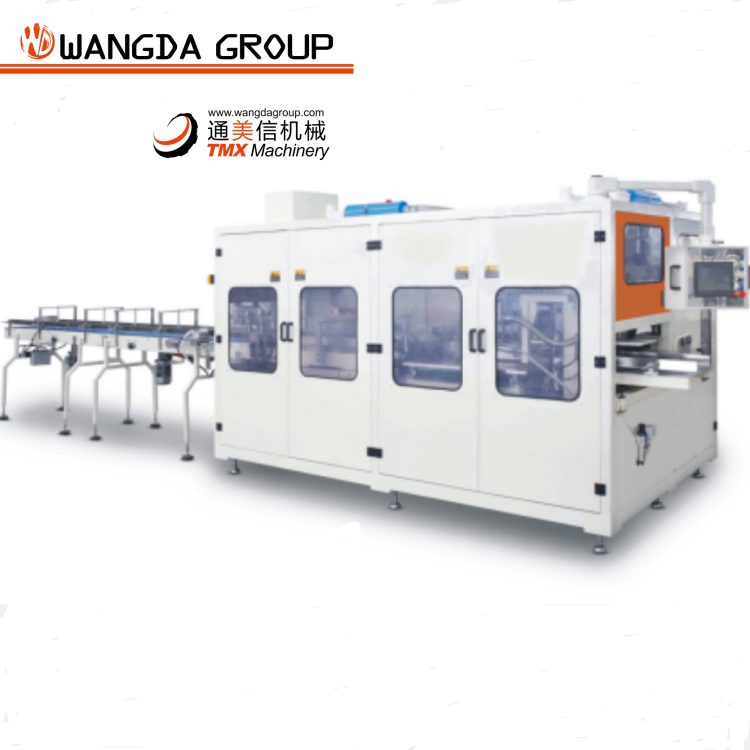
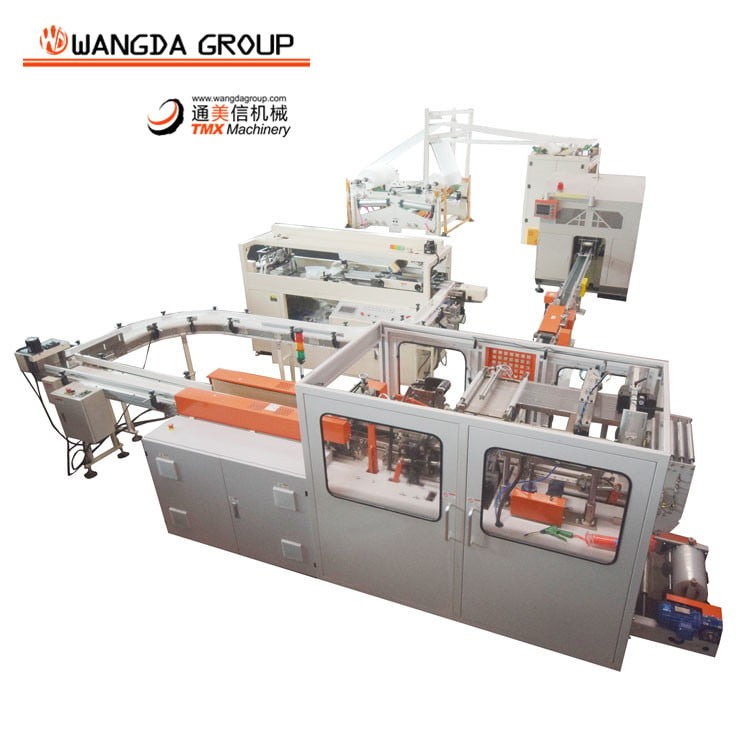
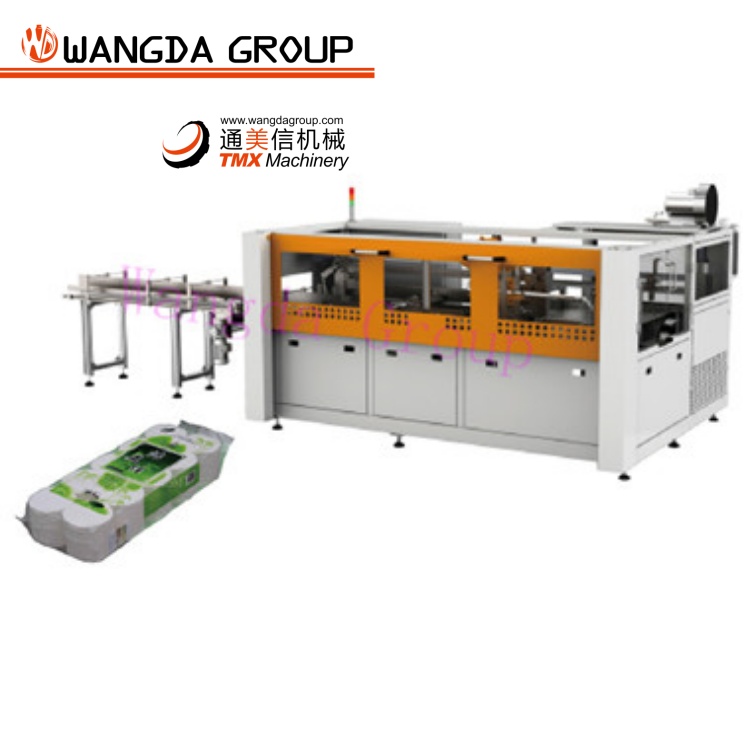
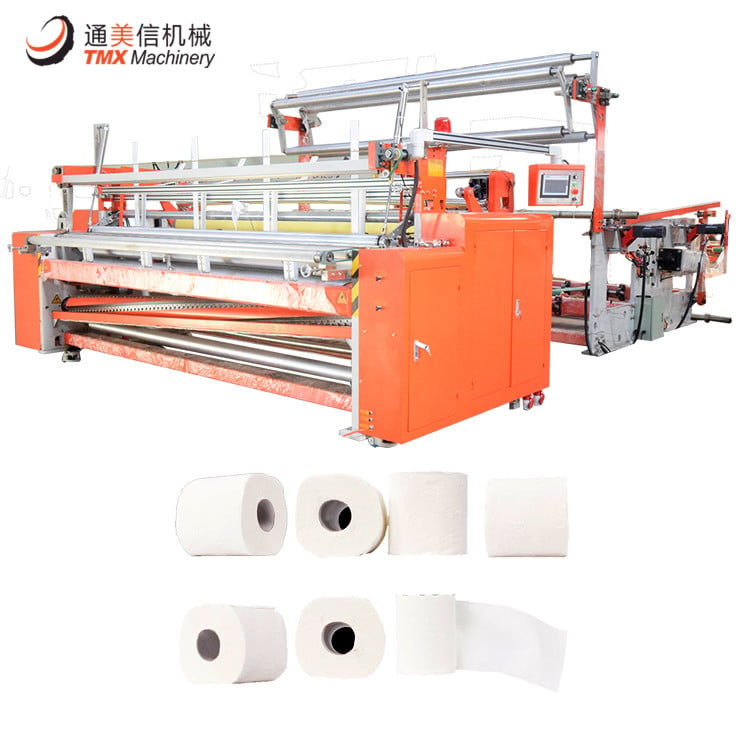
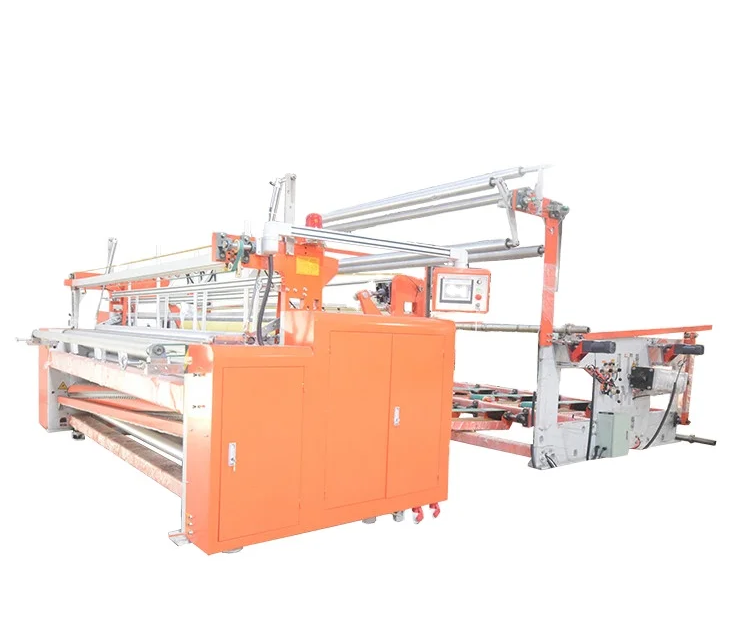
Professional Installation: It is recommended to have professionals from the manufacturer conduct the installation. They possess the expertise to set up the fully automatic toilet paper making machine correctly and ensure optimal performance from the start.
Training: Ensure that operators receive training on the machine's operation, maintenance, and troubleshooting. Proper training reduces the likelihood of operational errors and enhances safety.
Testing Before Full Operation: After installation, conduct initial tests to ensure that everything is functioning correctly. This should include running the machine without load and then gradually introducing materials to monitor performance.

Despite their efficiency, tissue paper making machines can encounter several common issues. Here are some problems and their potential solutions:
Paper Jamming: This can occur due to incorrect feeding of raw materials or a misalignment in the rollers. Regular maintenance checks and ensuring proper setup can help minimize this issue.
Quality Fluctuations: Variations in the paper quality may result from inconsistent raw materials or incorrect machine settings. Establishing strict quality control processes and using high-quality materials can alleviate these problems.
Mechanical Failures: Over time, components may wear out, leading to failures. Implementing a regular maintenance schedule can help identify wear and tear before it leads to significant downtime.
Energy Inefficiency: If a machine consumes more power than expected, check for misalignments or obstructions that may be causing excess strain on the motor. Regular maintenance can also ensure that all systems are running efficiently.
We've worked Tissue paper manufacturing machine a variety of clients both at home and internationally.
Wangda has over Toilet paper manufacturing machine of of experience in the production of various tissue machines. We pay much attention to the equipment's functions and quality as well as additionally, we provide after-sales and pre-sales services. We supply self machines to more than 100 countries and regions that get positive feedback from clients and repeat orders. Wangda has its own R and D departments. Our machines use the most advanced Germany Japanese, Japan and Italian technology and is constantly upgraded. Our machines have achieved ISO9002, CE, BV and many other certifications. What we supply is not only machines. What we supply is a complete turnkey solution from A to Z, we can accept customized orders for these machines.
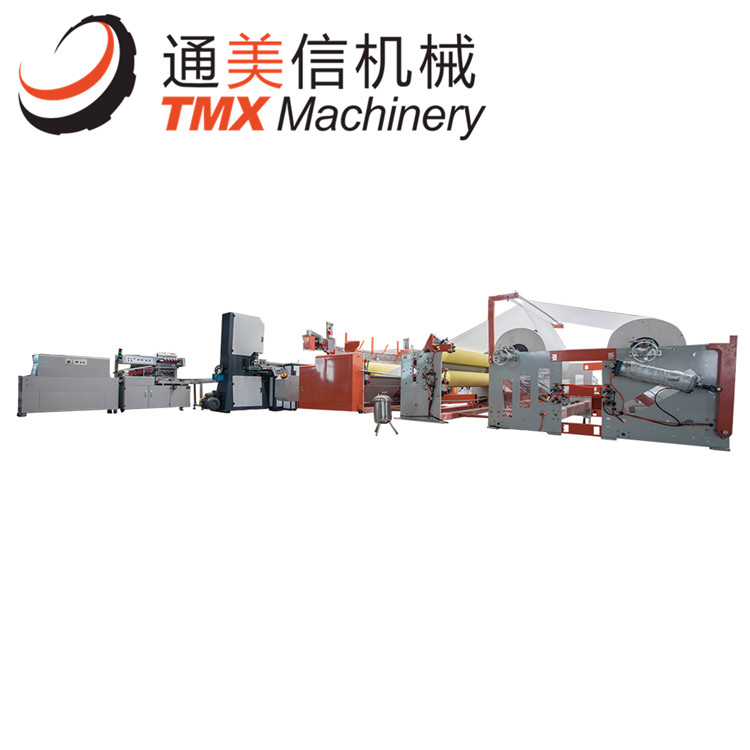
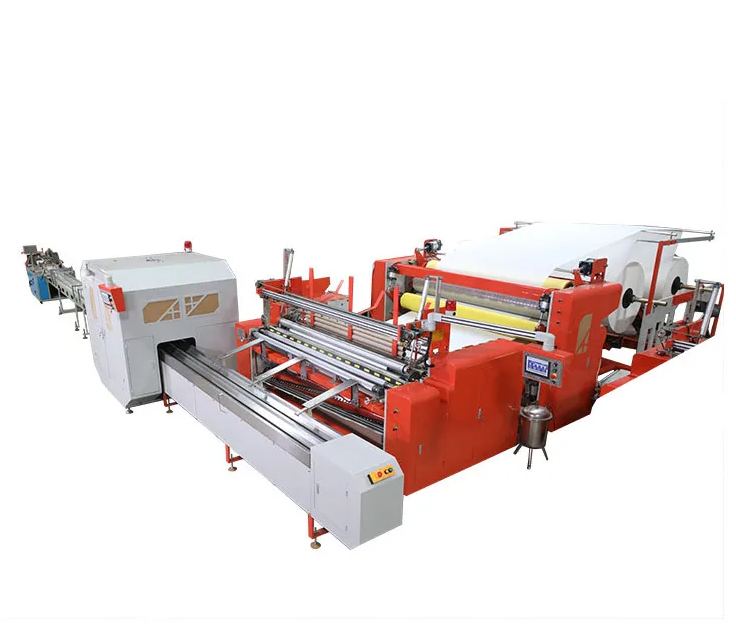
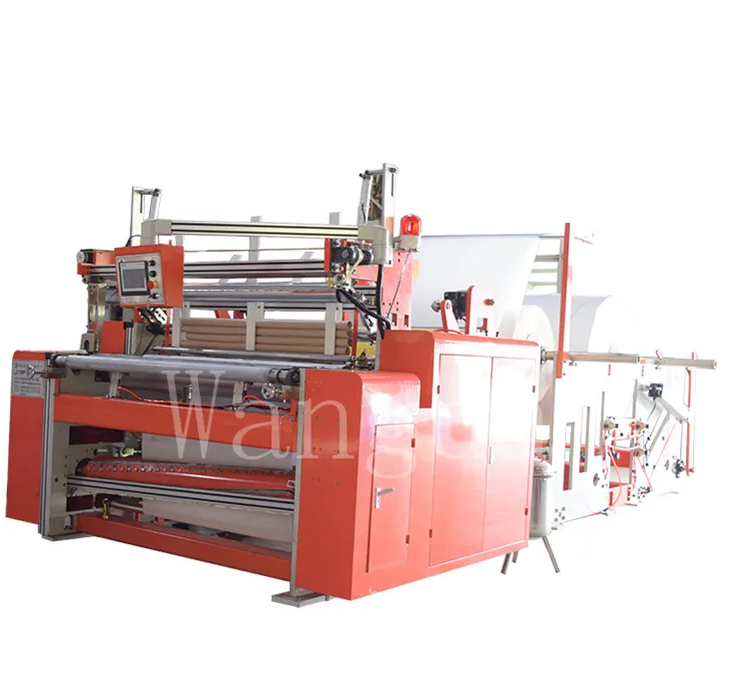
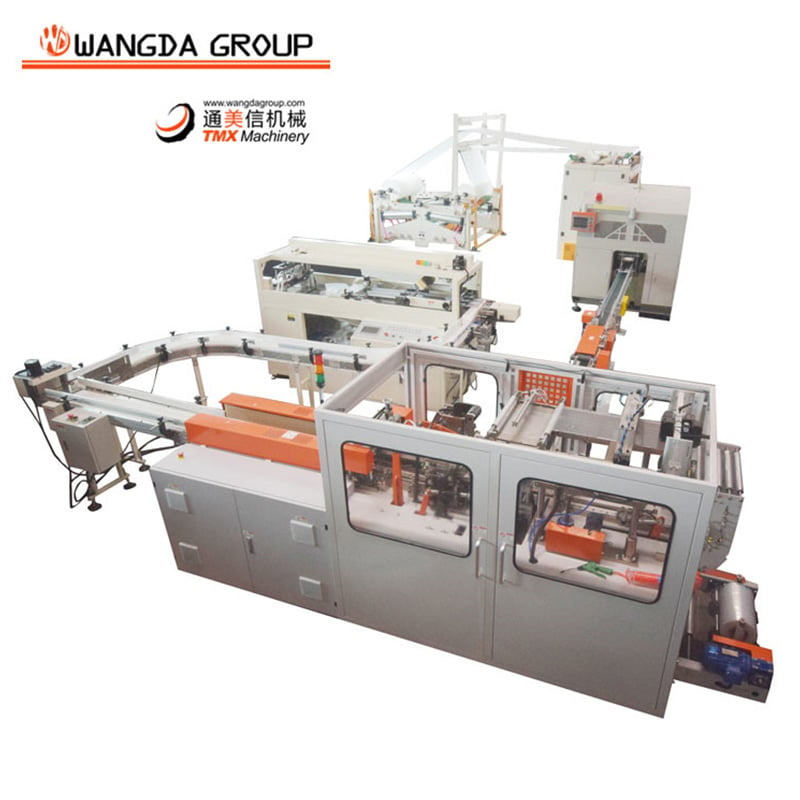
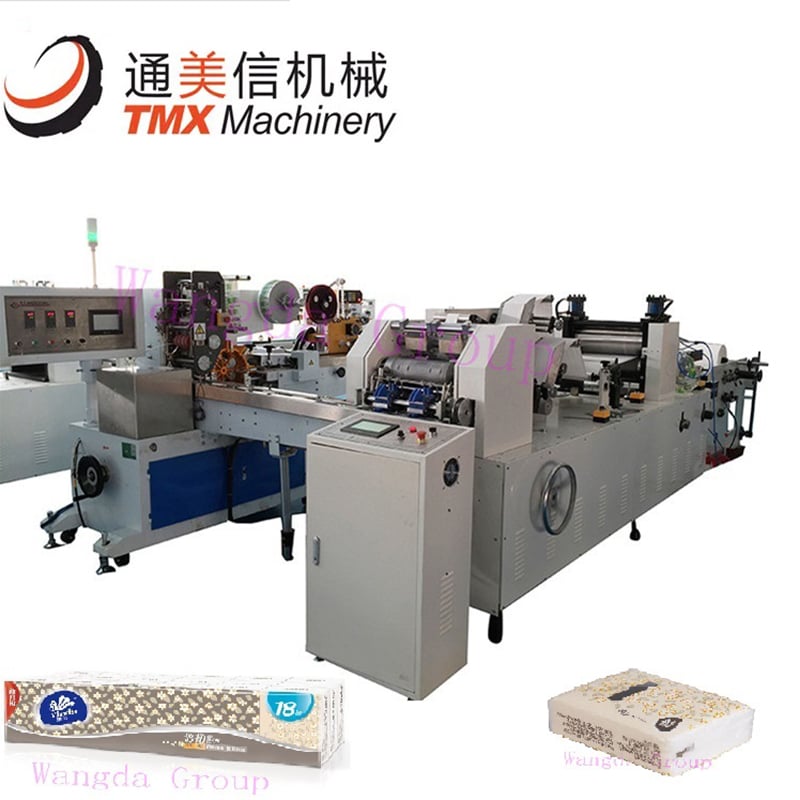
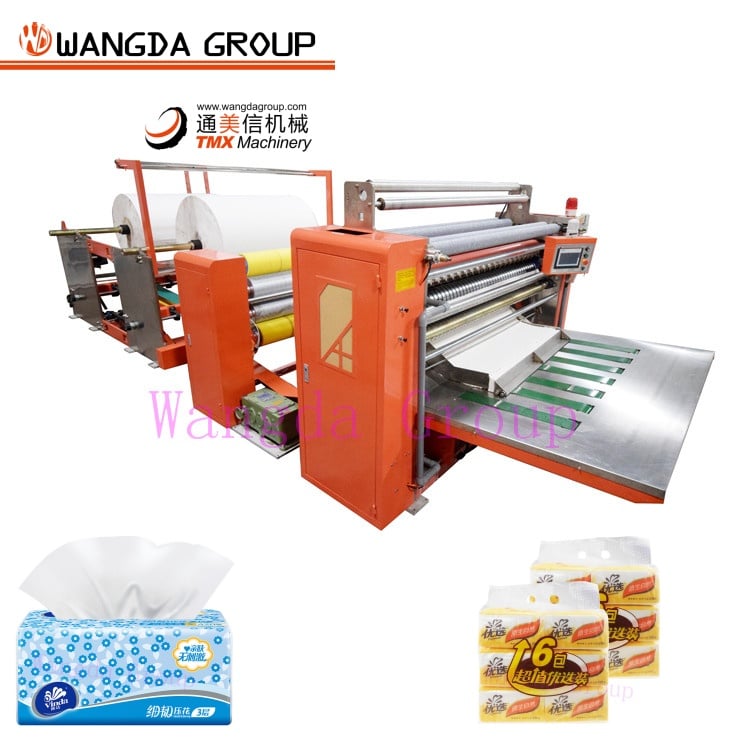
Wangda Tissue paper making machine toilet tissue machines (including cutting and packing), kitchen towel machines (including cutting and packing) facial tissue machines (including cutting and packing) as well as nylon bag facial tissues machines. We also make maxi roll rewinding equipment as well as perforating machines.
Toilet paper making machine has a very experienced with a long-standing sales team as well as an after-sales staff, 80% of the team has worked for more than 10 years in our business in this hygienic product industry. Our team members have a lot of experience working with daily-use paper tissue machines, related packing machines and so on hygienic product machines We are experts in a range of information in this area, we know what our clients need, and worry about the things that make they are concerned about. We don't only sell machines to our customers, we also assist our customers to make profit from this hygienic business, to provide the lifelong after-sales service to our customers on time.
Tissue paper making machines serve diverse applications across multiple industries:
Hygienic Products: These machines are primarily used for producing facial tissues, toilet paper, and napkins, catering to the growing demand for hygiene products in households and commercial settings.
Food Service: In the food industry, napkins and food wraps are essential. Tissue paper machine can be tailored to produce high-quality, food-safe products that meet industry regulations.
Healthcare: Hospitals and clinics require soft, absorbent tissues for patient care. Tissue paper machines can produce specialized products that meet the stringent hygiene and quality standards of the healthcare sector.
Packaging: Tissue paper is also used in packaging applications, providing cushioning for delicate items. Machines can be configured to produce lighter or thicker papers depending on the packaging needs.
By understanding the factors involved in choosing, evaluating, and installing tissue paper making machines, as well as addressing common issues and exploring applications, buyers in Nigeria can make informed decisions that support their operational efficiency and product quality.