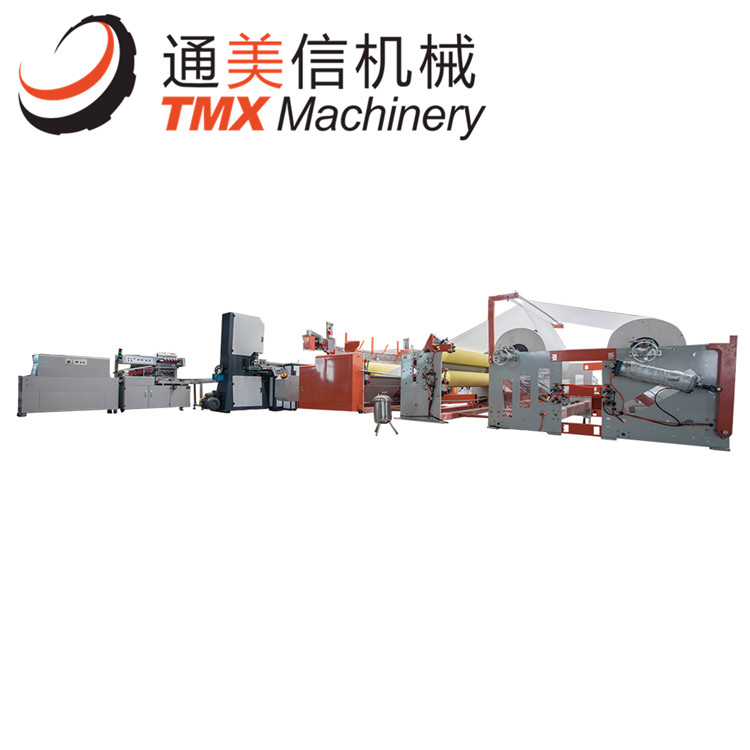
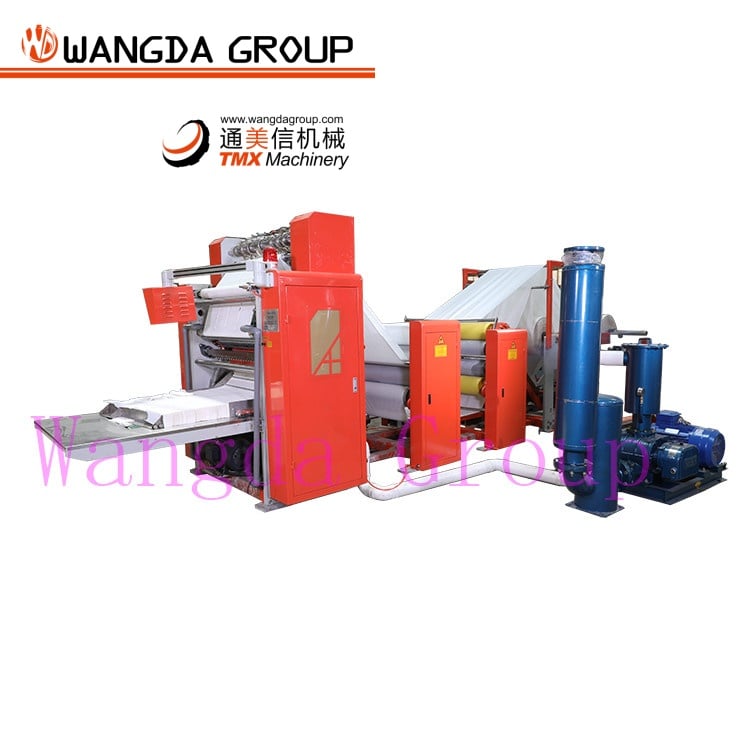
Understanding tissue paper making machines is crucial for businesses in Nepal looking to invest in hygienic product manufacturing. These machines not only produce essential products like napkins, facial tissues, and toilet paper but also influence various aspects of quality, production efficiency, and operational costs. This article addresses key considerations for B2B buyers, including tissue paper machine specifications, quality evaluation, installation challenges, technical operation knowledge, and machine model comparisons, ensuring that manufacturers and distributors can make informed decisions.
When evaluating a tissue paper making machine in Nepal, it's essential to understand its specifications, as they directly impact production capacity and product quality. Key specifications to consider include:
Production Speed: Measured in meters per minute, this determines how quickly the machine can produce tissue paper. Higher speeds can lead to increased output but may require more robust machinery and careful monitoring to ensure quality.
Width of the Paper Roll: The standard width typically ranges from 1.5 to 3 meters, depending on the market demand. Buyers should consider their target market and product offerings when selecting the width.
Technology Type: Full-servo machines offer precise control and efficiency, making them ideal for high-quality production. Less advanced machines might be more affordable but could compromise on speed and quality.
Power Consumption: Energy efficiency is crucial for long-term operational costs. The tissue paper making machine with lower power consumption can significantly reduce overhead expenses while still maintaining production output.
Material Handling: The machine should be compatible with various raw materials, including recycled paper and virgin pulp, depending on the buyer's sustainability goals and cost considerations.
Understanding these specifications ensures that buyers select a machine that meets their production needs while aligning with their operational capabilities.

Quality evaluation of tissue paper production equipment involves several critical factors that directly affect the end product. Here are the main aspects to consider:
Material Quality: The machine must handle various paper grades effectively. The tissue paper manufacturing machine that can manage both high-quality and recycled materials provide flexibility for different market segments.
Manufacturing Standards: Buyers should ensure that the machines comply with international manufacturing standards and certifications. This not only guarantees quality but also enhances the machine’s resale value and reliability.
Durability and Maintenance: A robust machine design will lead to lower maintenance costs and increased longevity. Buyers should assess the manufacturer's reputation for durability and service support.
Quality Control Systems: Integrated quality control mechanisms, such as sensors and automated adjustments, help maintain consistency in paper thickness and tensile strength, reducing waste and improving product quality.
User Feedback and Reviews: Gathering insights from current users can provide valuable information about the machine's performance, common issues, and overall satisfaction.
By thoroughly evaluating these factors, buyers can ensure they invest in high-quality machinery that meets their production requirements and minimizes operational challenges.

Installing a tissue paper making machine can present various challenges, especially in Nepal where infrastructure and technical expertise may vary. Here are some common issues and their potential solutions:
Space Constraints: The machine’s footprint must be considered before installation. Planning for adequate space not only accommodates the machine but also allows for maintenance and operator movement.
Electrical and Water Supply: Ensuring that the site has the appropriate electrical supply and water connections is crucial. Consulting with local utilities before installation can prevent delays.
Technical Expertise: Skilled technicians are essential for proper installation and setup. If local expertise is lacking, buyers should consider engaging the manufacturer's technicians or investing in training for local staff.
Calibration and Testing: After installation, the machine must be calibrated for optimal performance. This process may require specific knowledge of the machine's operation, which can be addressed through comprehensive training provided by the manufacturer.
Integration with Existing Systems: If the new machine is to be integrated with existing production lines, compatibility issues may arise. Early communication with suppliers regarding technical specifications can help resolve potential conflicts.
Addressing these challenges proactively can lead to smoother installations and more efficient operations.

Operating tissue paper machinery requires a solid understanding of technical aspects to ensure efficiency and quality. Here are key areas of knowledge for operators:
Machine Controls: Familiarity with the control panel, including start/stop functions, speed adjustments, and emergency shutdown procedures, is vital for safe operation.
Maintenance Procedures: Operators should know routine maintenance tasks, such as lubrication, cleaning, and parts replacement, to minimize downtime and extend the machine's lifespan.
Production Monitoring: Understanding how to monitor production metrics, such as paper thickness and speed, allows operators to make real-time adjustments to maintain quality.
Troubleshooting Skills: Operators should be trained to identify and resolve common issues, such as jams or irregular paper quality. Quick problem-solving can significantly reduce production delays.
Safety Protocols: Knowledge of safety equipment and emergency procedures is essential to maintain a safe working environment and comply with local regulations.
Investing in operator training can lead to better machine performance, fewer accidents, and improved product quality.

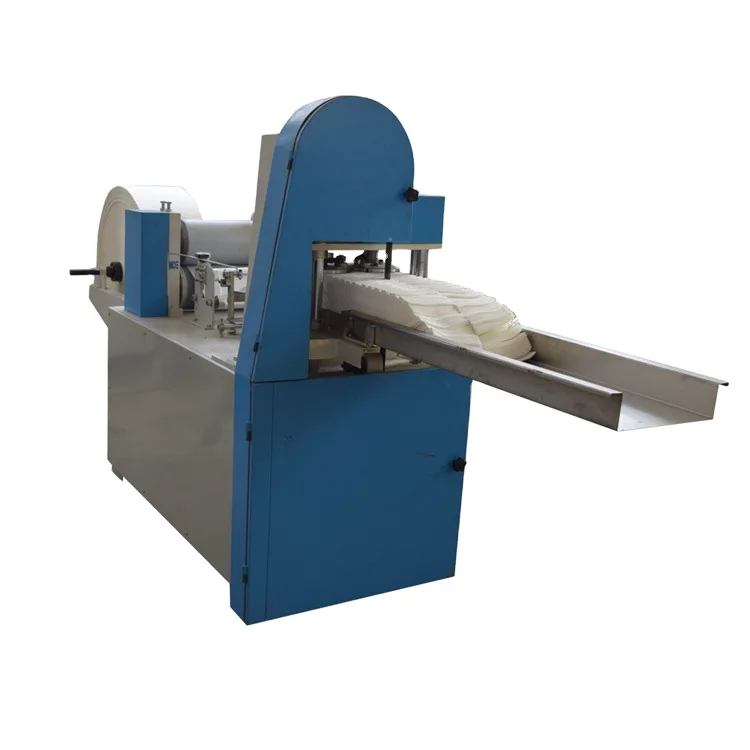
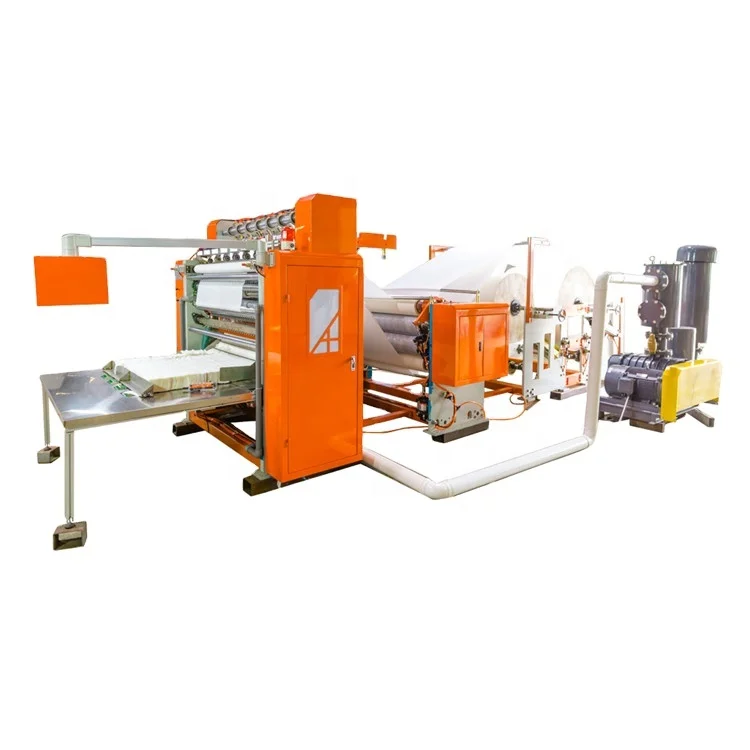
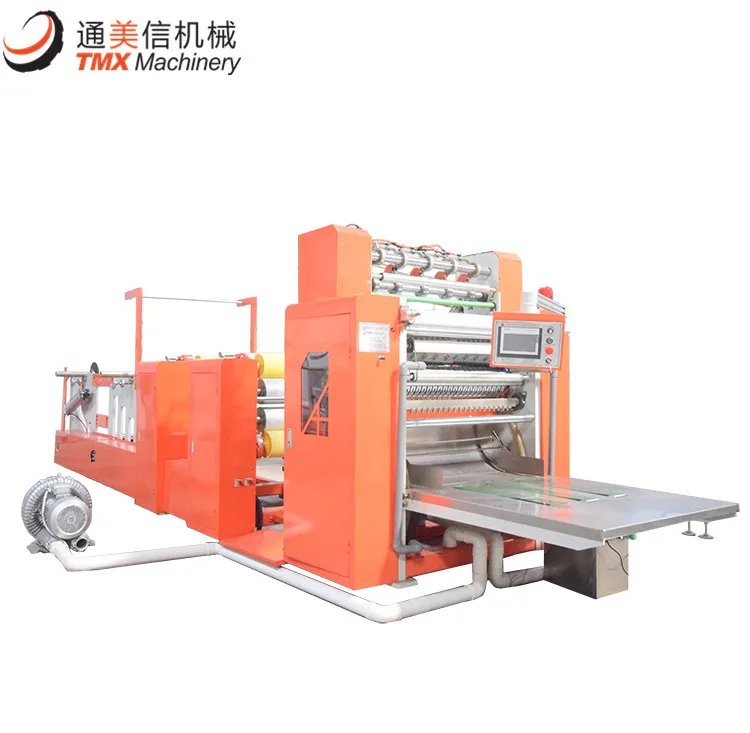
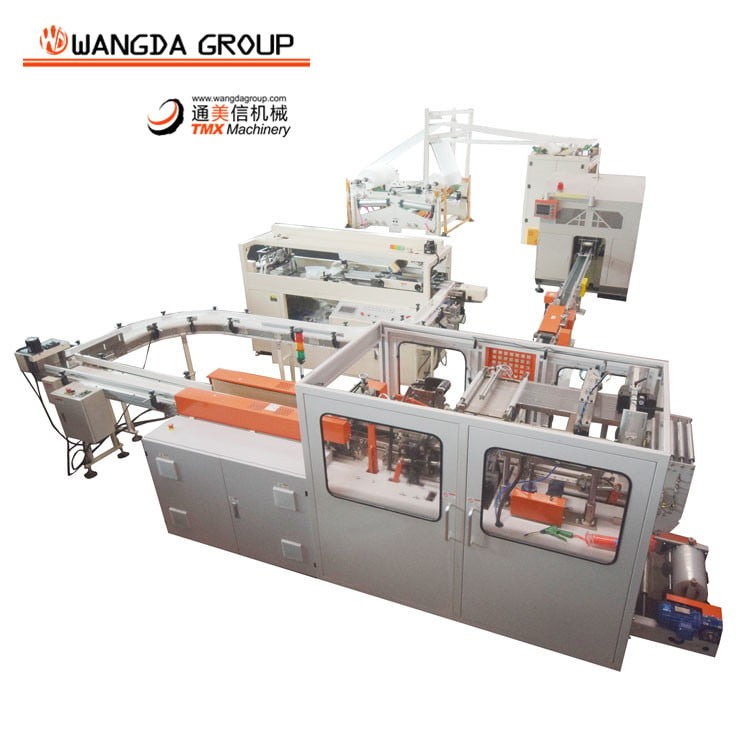
Wangda manufactures toilet paper machines and toilet paper cutting machines Toilet paper packing machines, kitchen towel cutting machines, kitchen towel cutting machines. Kitchen towel packing machines. Tissue paper manufacturing machine facial tissue cutting machines, facial tissue packing machines, box drawing facial tissue machine, nylon bag facial tissue machines, maxi roll rewinding machines, napkin paper machines, serviette making machines, napkin paper packing machines, pocket tissue machines, pocket tissue packing machines, wet wipe folding machines as well as packing machines, and the list goes on. We also supply all related materials for these hygienic products.
We've worked Tissue paper manufacturing machine a variety of clients both at home and internationally.
Wangda is a highly professional and knowledgeable sales staff and after-sales team, 80% of the team has been in Tissue paper manufacturing machine for more than 10 years in our company in this hygiene-conscious product industry. Our team has a wealth of experience in the daily use of paper tissue machines, related packing machines and many other Hygienic products machines We have a wide range of professional expertise in this field, we are aware of what our customers wants, we worry about what our customers worry about. We not just sell the machines to our clients, but we help our customers earn money through this business of hygienic products, to provide the lifelong after-sale services to our customers at the right time.
Wangda has more than 20 years experience in the Toilet tissue machine of all kinds of tissue machines, we pay much attention to the features of the machine and its quality, as well as in addition, after sales and pre-sales services. We've sold machines in over 100 countries. This has resulted in many repeat orders and good reviews from our clients. Wangda has its own R and D departments. Our machine is based on the latest Germany Japanese, Japan and Italian technology, and is upgraded day by day. Our machines have been certified to ISO9002, CE, BV and other certifications. We offer turnkey projects that span from A to Z, not just machines.
When selecting a tissue paper making machine, comparing different models is crucial for achieving optimal performance. Here are considerations for making effective comparisons:
Production Capacity: Evaluate each model's maximum output and how that aligns with anticipated demand. Higher capacity machines may come with increased costs, but they can offer better long-term value.
Technology Features: Advanced features like automation, energy efficiency, and user-friendly interfaces can significantly impact operational efficiency. Compare these features across models to determine which best fits your business needs.
Customization Options: Some manufacturers offer customizable machines that can be tailored to specific production requirements. This flexibility can be a significant advantage for businesses looking to differentiate their products.
Cost of Ownership: Beyond the initial purchase price, consider operating costs such as energy consumption, maintenance, and parts replacement. A lower-cost machine might lead to higher long-term expenses if not carefully evaluated.
Support and Service: Investigate the level of customer support and service offered by the manufacturer. Good post-purchase support can be critical for minimizing downtime and addressing potential issues quickly.
By systematically comparing these factors, businesses in Nepal can select a tissue paper making machine that not only meets their current production needs but also supports future growth and adaptability in the market.