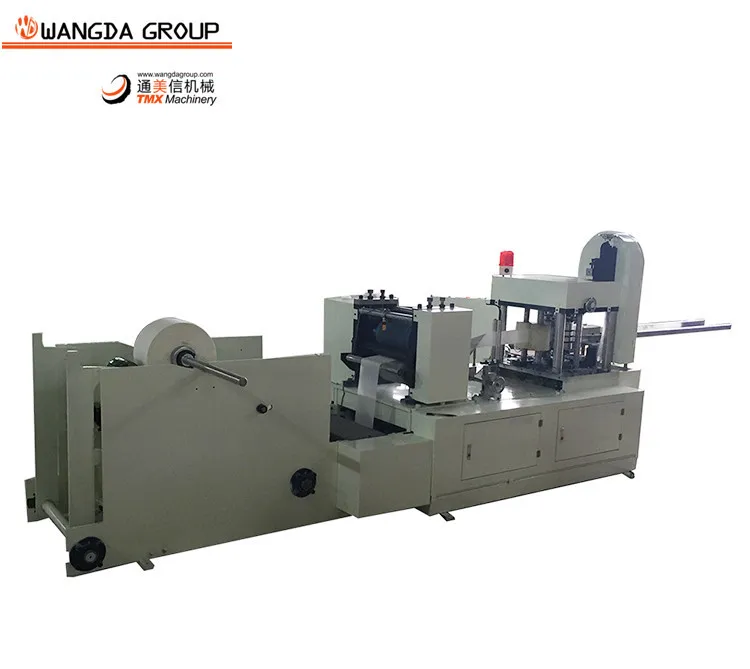
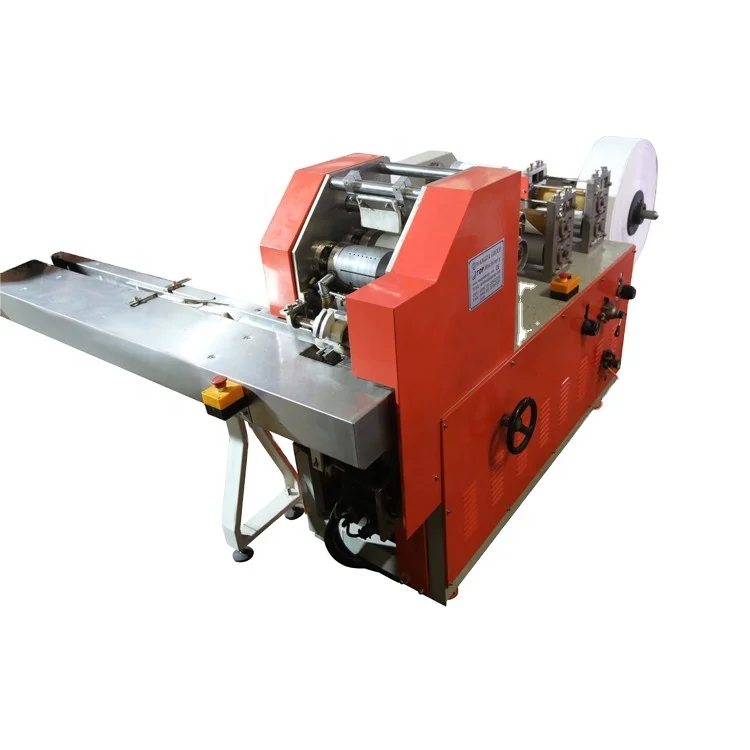
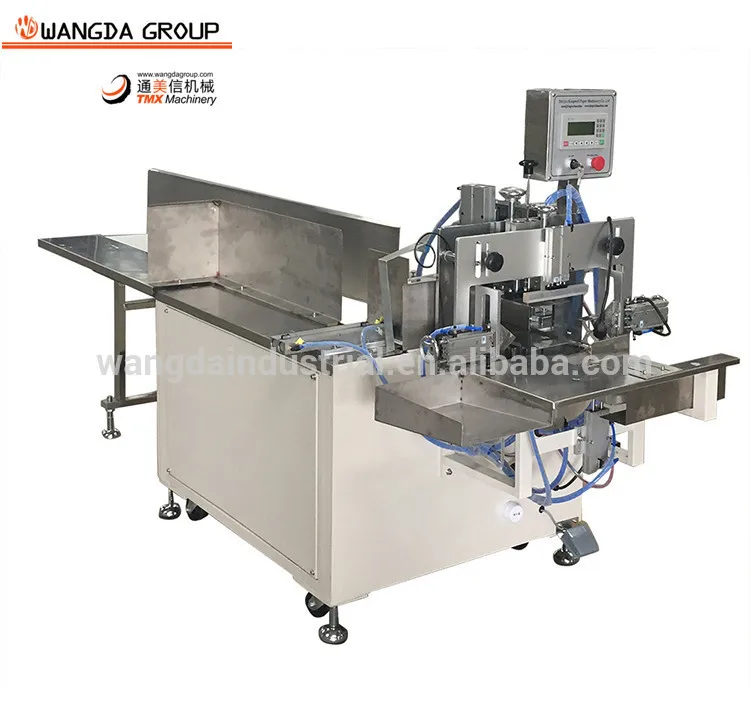
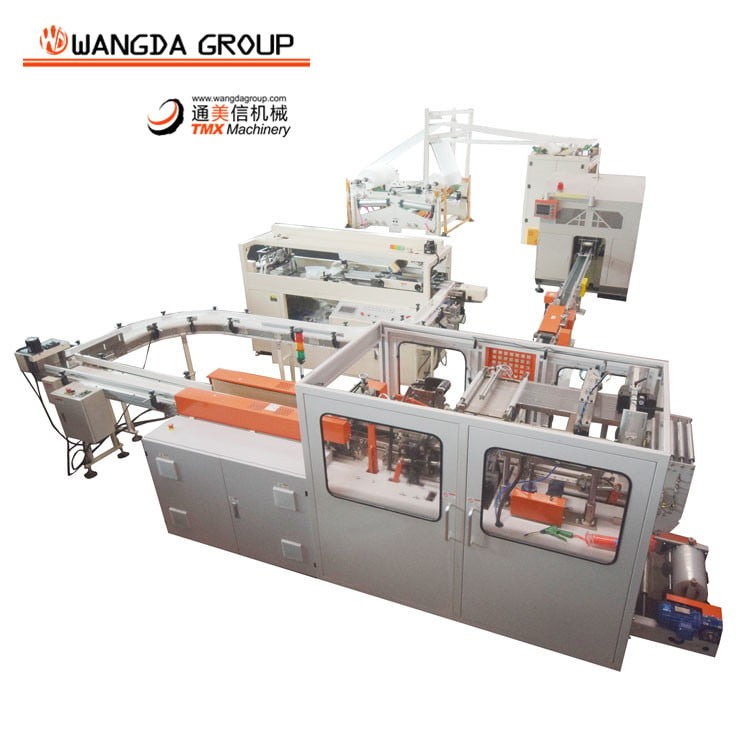
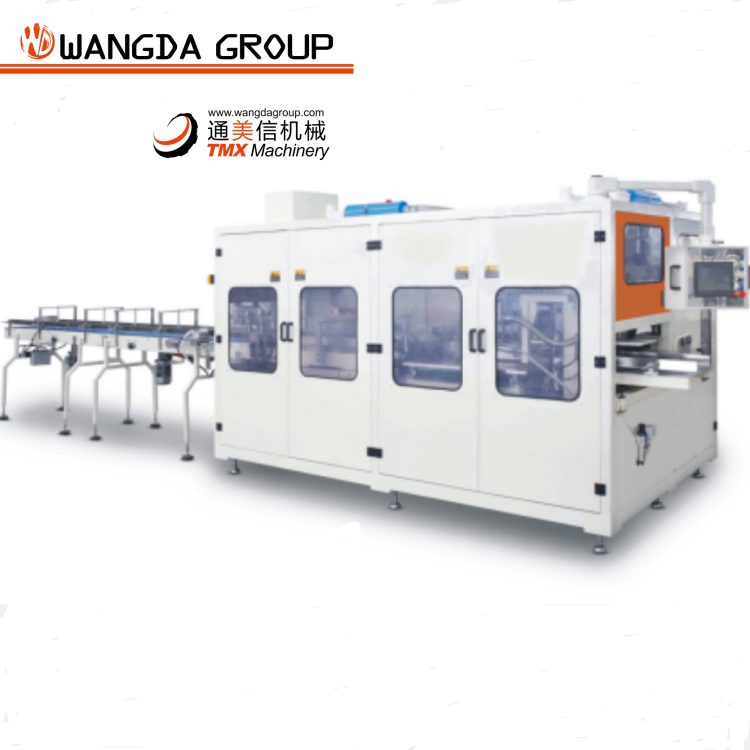
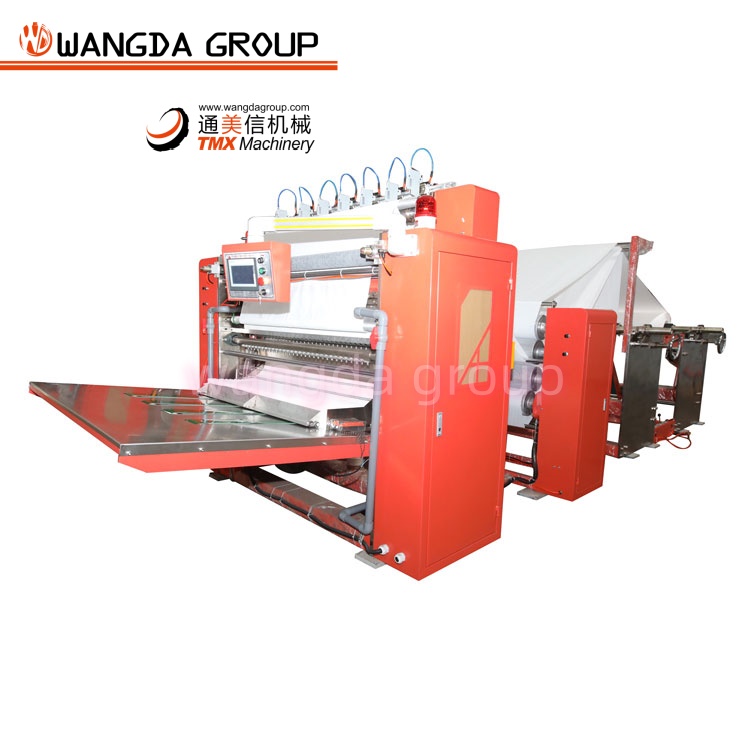
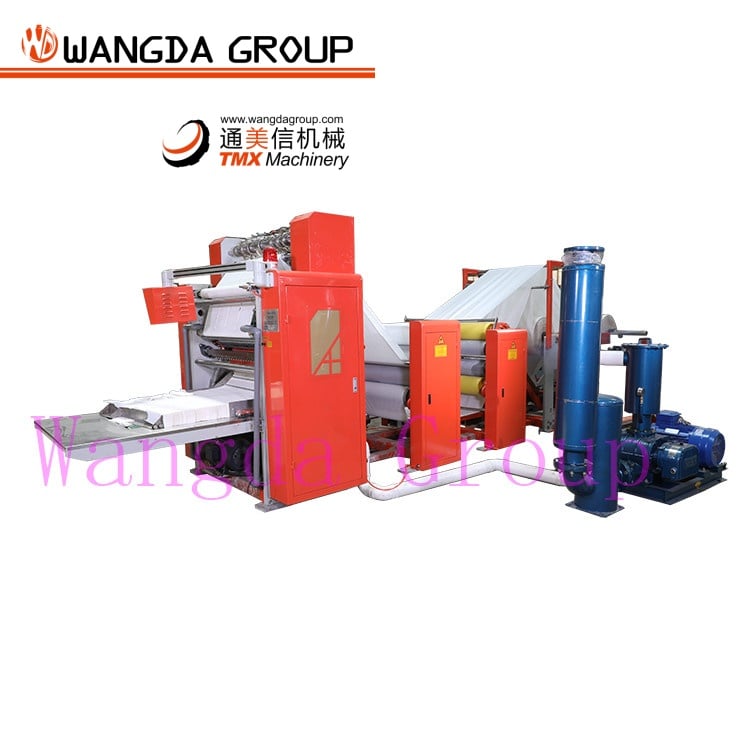
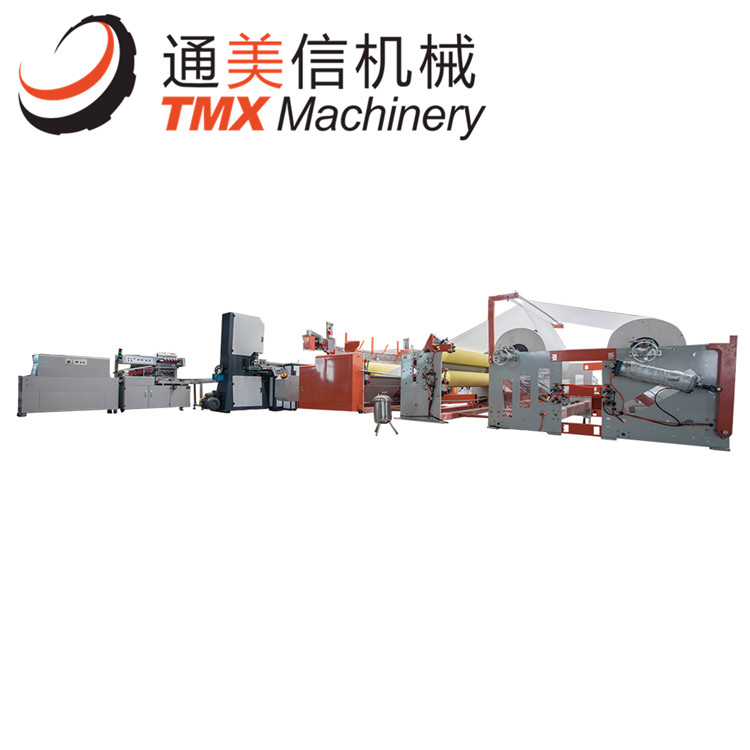
When considering a tissue paper making machine in Kenya, it’s vital to understand the unique requirements of the local market, including production capacity, machine specifications, and operational efficiency. Buyers, such as purchasing managers and distributors, are often concerned with sourcing reliable machinery that balances quality and cost-effectiveness. This article will provide essential insights into sourcing, specifications, installation, and supplier evaluation for tissue paper making machine, helping you make an informed purchasing decision.
When sourcing tissue paper making machines in Kenya, several factors should be taken into account to ensure you select the right equipment for your needs. First, assess the production capacity required for your operations. Understand your target market and the volume of tissue paper you intend to produce, as this will influence the size and complexity of the machine you need.
Next, consider the type of tissue paper you plan to manufacture. Different tissue making machine are designed for various products, such as facial tissue, toilet paper, or napkins. Ensure that the machine's specifications align with the product types you will be producing.
Additionally, evaluate the machine's energy efficiency and maintenance requirements. High energy consumption can significantly impact operational costs, so opt for machines designed to minimize energy usage. Maintenance should also be straightforward, as complex machinery may lead to increased downtime and repair costs.
Finally, research the supplier’s reputation in the industry. Look for feedback from other buyers and assess their after-sales support, as reliable customer service is crucial for addressing any operational issues that may arise post-purchase.

When evaluating tissue paper making machines in Kenya, several key specifications should be prioritized to ensure you make an informed purchase.
Production Speed: The machine's output speed, measured in meters per minute, is critical. A higher production speed means more output, which can enhance your profitability. However, ensure that speed does not compromise product quality.
Material Compatibility: The machine should efficiently process different types of raw materials, such as recycled paper or virgin fiber. Verify that the machine components are designed to handle the selected materials effectively.
Automation Level: Full-servo machines provide high levels of automation, enhancing precision and reducing labor costs. Evaluate whether a fully automated line is necessary for your operations or if a semi-automated option may suffice.
Energy Consumption: Look for machines that are designed for energy efficiency. Lower energy consumption will not only reduce operational costs but also support sustainability efforts, which is becoming increasingly important in the industry.
Quality Control Features: Machines equipped with advanced quality control systems can help identify defects in real-time, ensuring that your production runs smoothly and that you maintain high-quality standards.
Understanding these specifications allows you to choose a machine that aligns with your operational goals and production needs.

Proper installation of tissue paper production lines is crucial for optimizing performance and minimizing operational issues. Here are some essential considerations for ensuring successful installation:
Site Preparation: Before installation, ensure that the workspace is adequately prepared. This includes ensuring adequate space for the machine itself and any associated equipment, such as packing machines or storage areas. The floor should be level and able to support the weight of the tissue paper manufacturing machine.
Technical Support: Engage the supplier for installation support, as they often provide technicians familiar with the specific machine. This ensures that the machine is set up correctly and can operate at peak efficiency.
Calibration and Testing: After installation, thorough testing should be conducted to ensure that all components function correctly. This includes checking the machine’s speed, alignment, and quality control systems. Running a few test batches before full-scale production is advisable to identify any potential issues.
Operator Training: It’s essential to train your operators on the specific machine's operation and maintenance. This helps reduce the likelihood of operational errors and extends the machine's lifespan.
By focusing on these aspects during installation, you can ensure that your tissue paper production line operates smoothly and meets your production requirements.

Finding reliable suppliers of tissue paper making machines in Kenya is critical for ensuring the quality and efficiency of your production. Begin your search by leveraging industry connections and trade shows, which can provide direct access to manufacturers and distributors. Look for established companies with a proven track record in the industry, such as Wangda Industrial Co.,Limited, known for their extensive range of hygienic product machines.
Additionally, online platforms and directories can be useful for identifying potential suppliers. However, it's important to conduct thorough due diligence on any suppliers you consider. Check for customer reviews, request references, and evaluate their after-sales support and warranty policies.
Another effective method is to engage with local industry associations or trade bodies, which can often provide insights into reputable suppliers in the region. Networking with other manufacturers can also yield valuable recommendations based on firsthand experiences.
Wangda is a highly professional and knowledgeable sales staff and after-sales team, 80% of the team has been in Tissue paper manufacturing machine for more than 10 years in our company in this hygiene-conscious product industry. Our team has a wealth of experience in the daily use of paper tissue machines, related packing machines and many other Hygienic products machines We have a wide range of professional expertise in this field, we are aware of what our customers wants, we worry about what our customers worry about. We not just sell the machines to our clients, but we help our customers earn money through this business of hygienic products, to provide the lifelong after-sale services to our customers at the right time.
Wangda has cooperated with Tissue paper making machine both from the home country and abroad. We have collaborated with major groups from GCC countries such as Fine Hygienic from several nations, Nesto Hypermarket, Top One and Two hygienic product manufacturer B and G, Meghna Groups of Bangladesh. Outnet Group from African countries. And as well, there are large European brands, American brands, Latin American brands we have worked with for a great number of years. We have a number of sample factories outside of the United States that you can visit to look at our products. This is more convenient. Also we invite you to visit our factory to experience our products right at the moment. We will be happy to answer your questions anytime, and hope to begin our mutual benefit story asap.
Wangda manufactures toilet tissue machines (including cutting and Toilet paper roll making machine) Kitchen towel machines (including cutting and packing) facial tissue machines (including cutting and packing) and nylon bag facial tissues machines. We also produce maxi roll rewinding as well as perforating machines.
Wangda has over 20 years of experience manufacturing all sorts of Tissue making machine, we focus on the machine functions and quality and additionally, we provide after-sales and pre-sales services. We have sold machines in over 100 countries. This has earned us repeated orders and positive feedback from our customers. Wangda is our own R and D departments. Our machines are based on advanced Germany, Japan and Italian technology and is updated day by day. Our machines have passed ISO9002, CE, BV and other certifications. We provide turnkey projects all the way from A to Z that includes more than machines.
When considering bulk orders of tissue paper making machines, it’s essential to compare various models and manufacturers to ensure the best fit for your specific needs. Here are several factors to consider during your comparison:
Pricing and Total Cost of Ownership: While the initial cost is important, also consider the total cost of ownership, which includes maintenance, energy consumption, and potential downtime. A lower-priced machine may incur higher operating costs over time.
Customization Options: Depending on your production requirements, you may need a machine that can be customized. Check if suppliers offer modification options to meet your specific needs, such as additional features or upgraded components.
Lead Time: Evaluate the lead time for delivery and installation. Suppliers with shorter lead times may offer a competitive advantage, especially if you have tight deadlines for launching production.
Warranty and Support: Investigate the warranty options provided by different suppliers. A comprehensive warranty can offer peace of mind and protect your investment. Additionally, assess the supplier’s technical support and availability of spare parts to ensure long-term operational reliability.
Machine Configuration: Different machines may have varying configurations, such as the number of layers produced or the type of packaging system integrated. Ensure that the configurations align with your production goals.
By carefully comparing these factors, you can select the most suitable tissue paper making machine for your bulk order, ensuring a solid return on investment and meeting your production needs effectively.