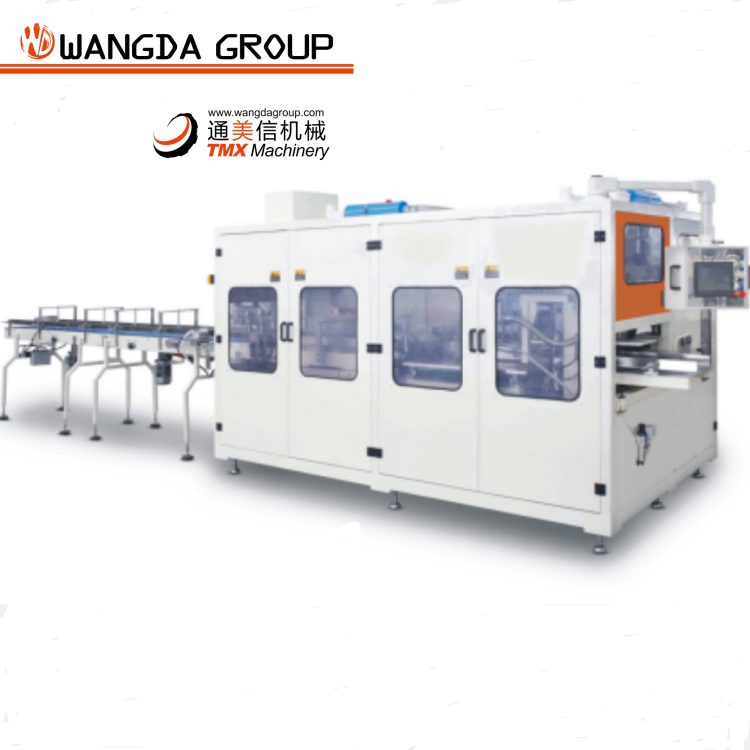
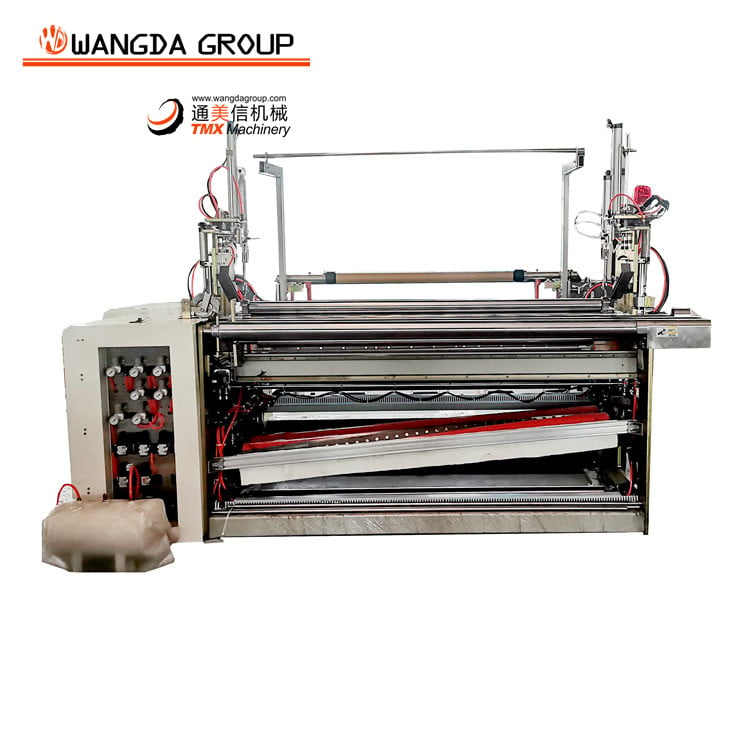
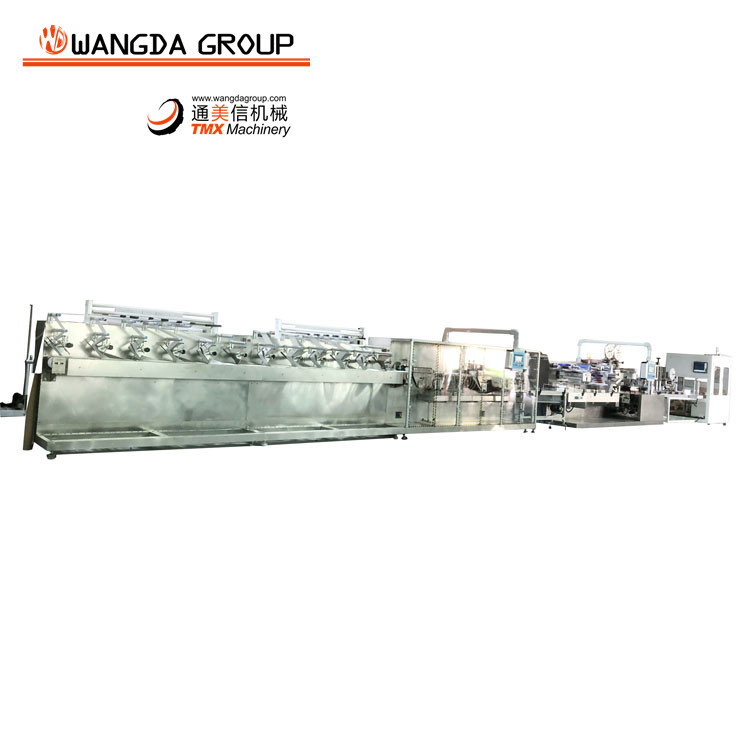
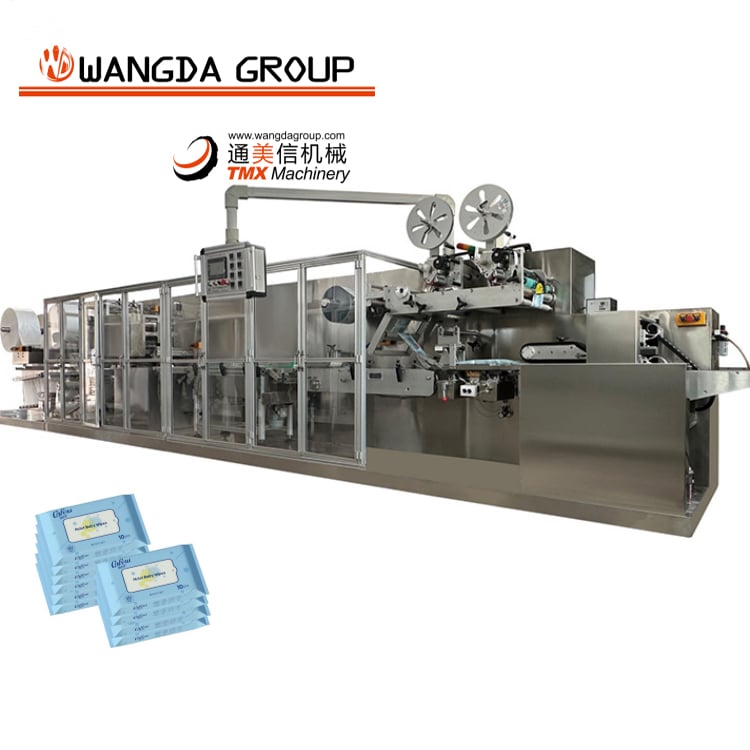
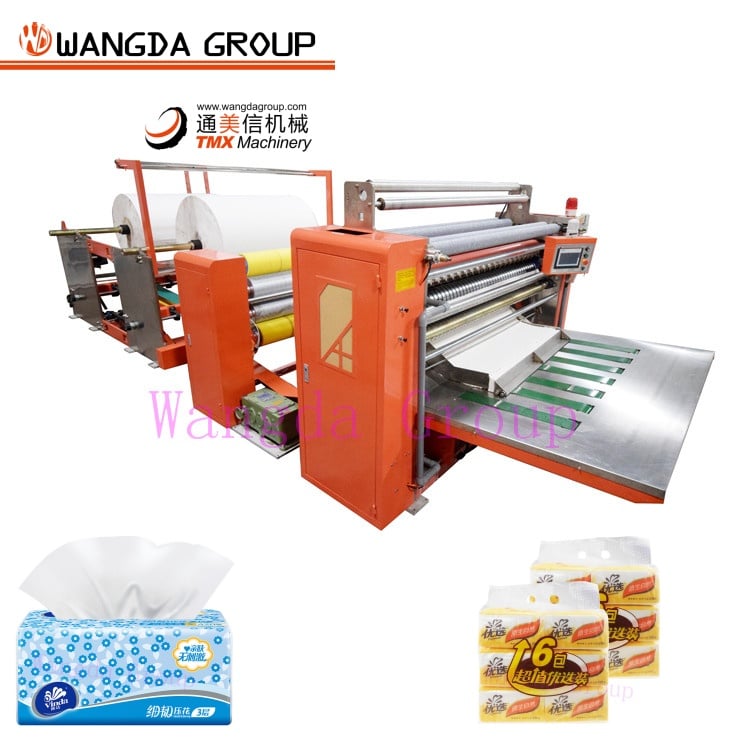
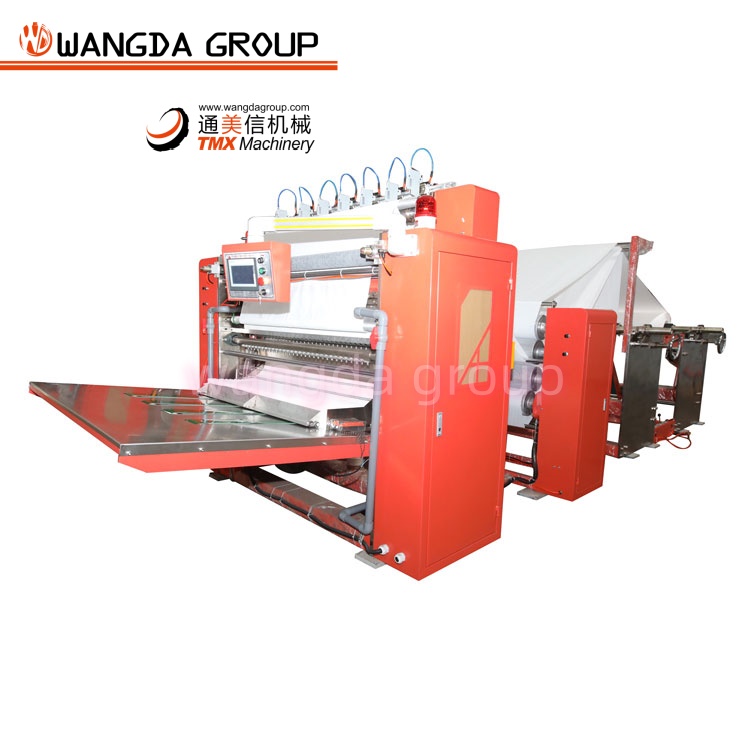
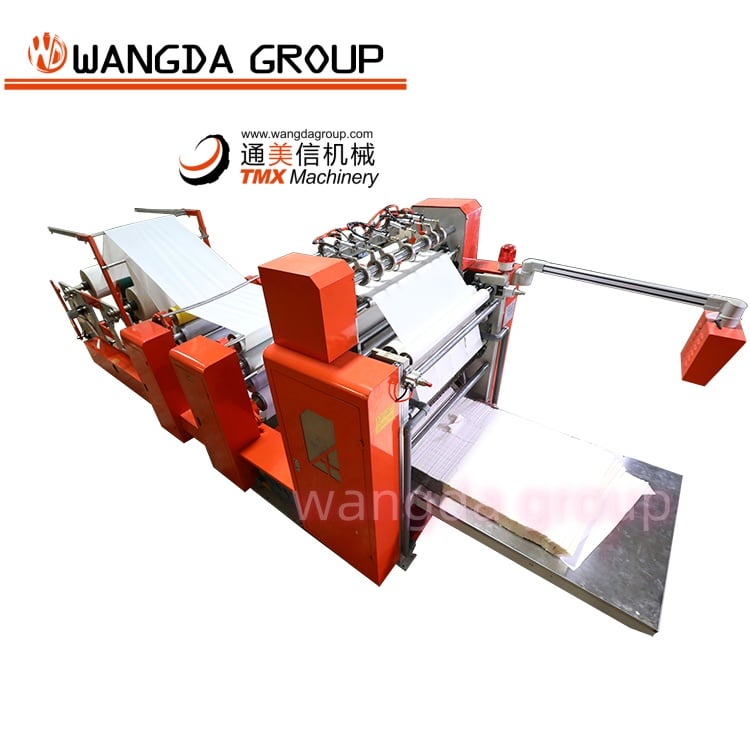
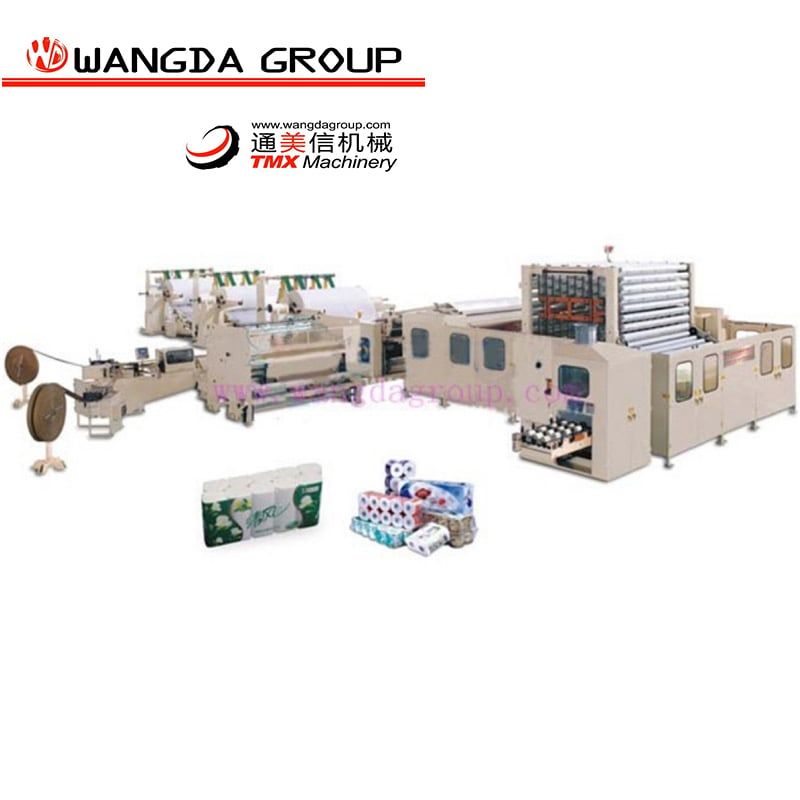
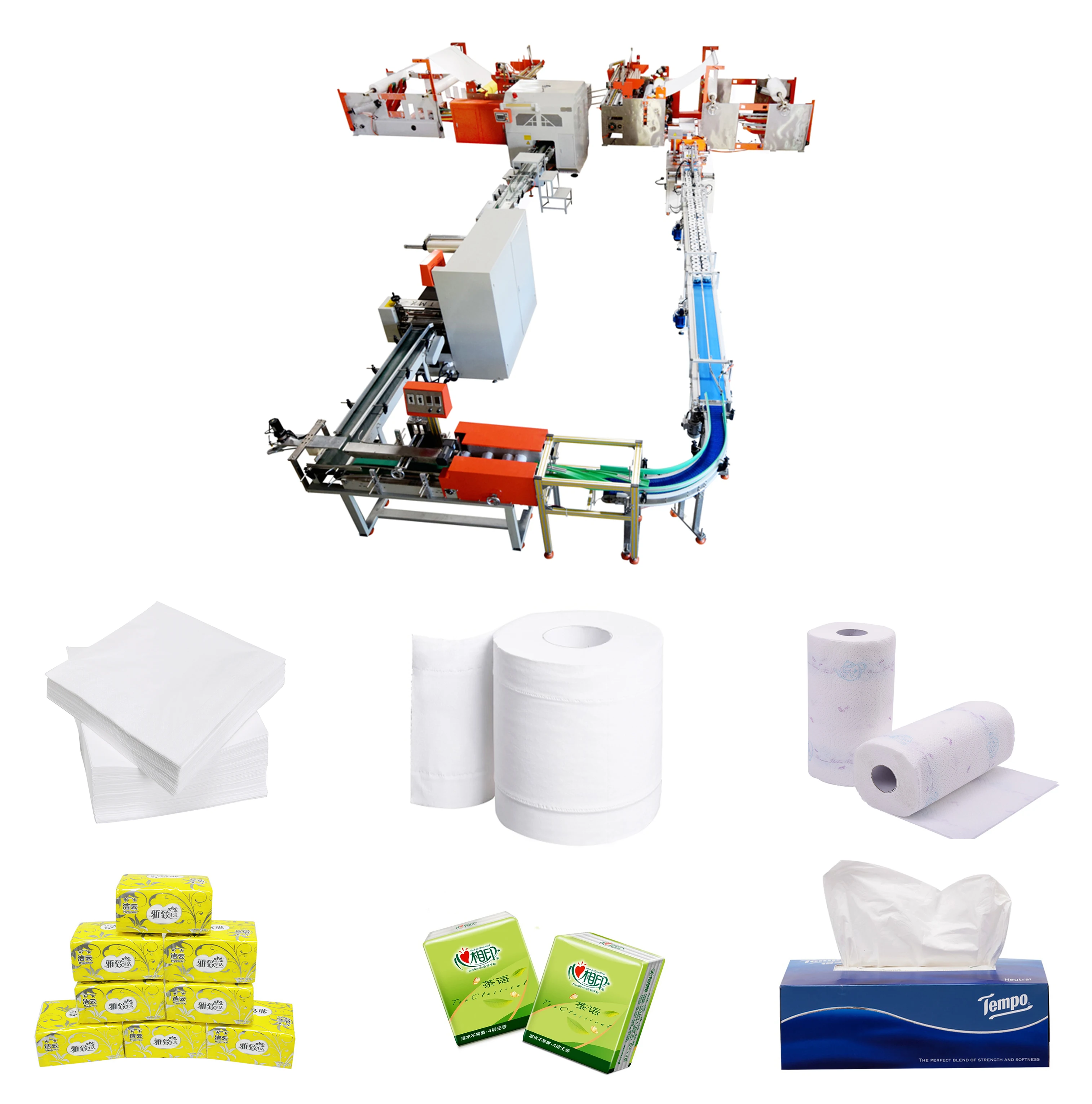
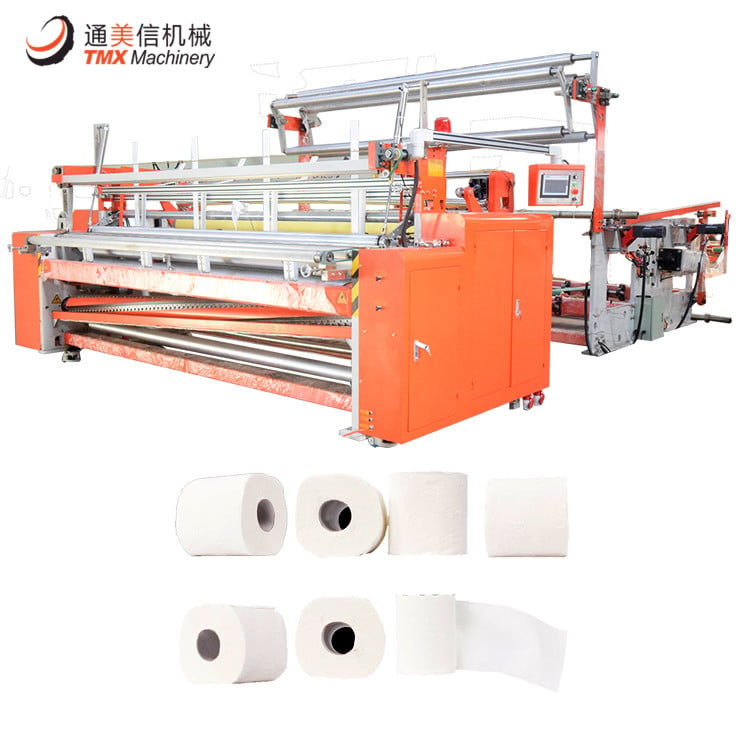
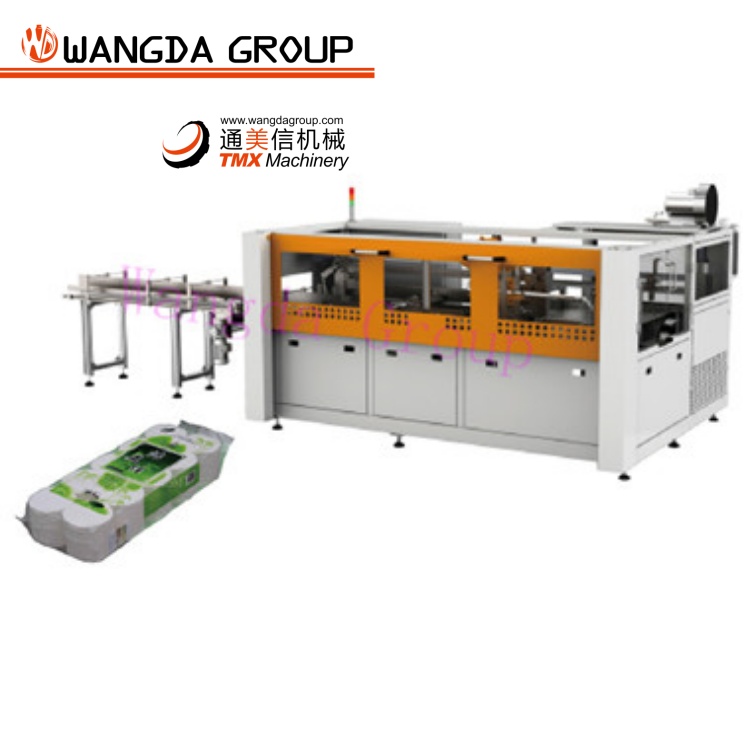
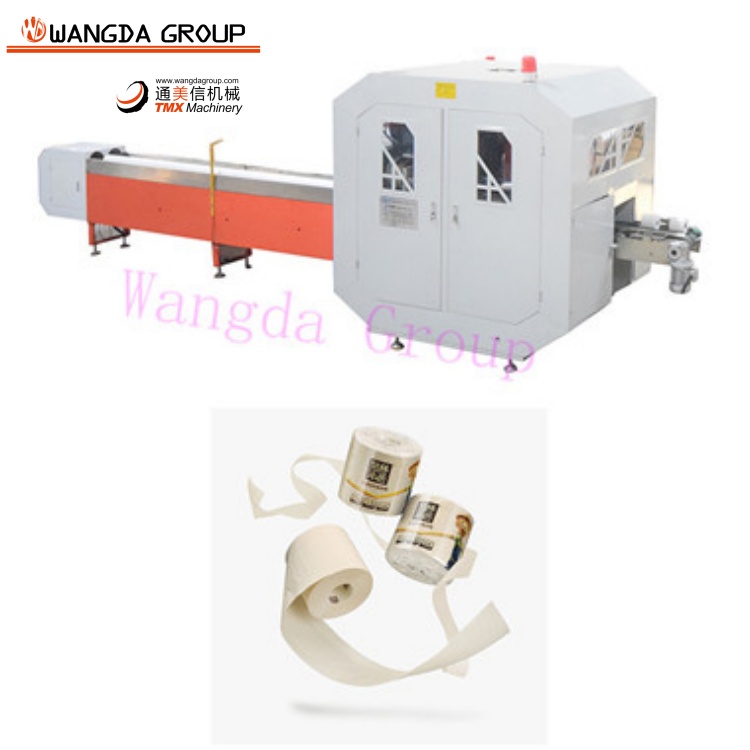
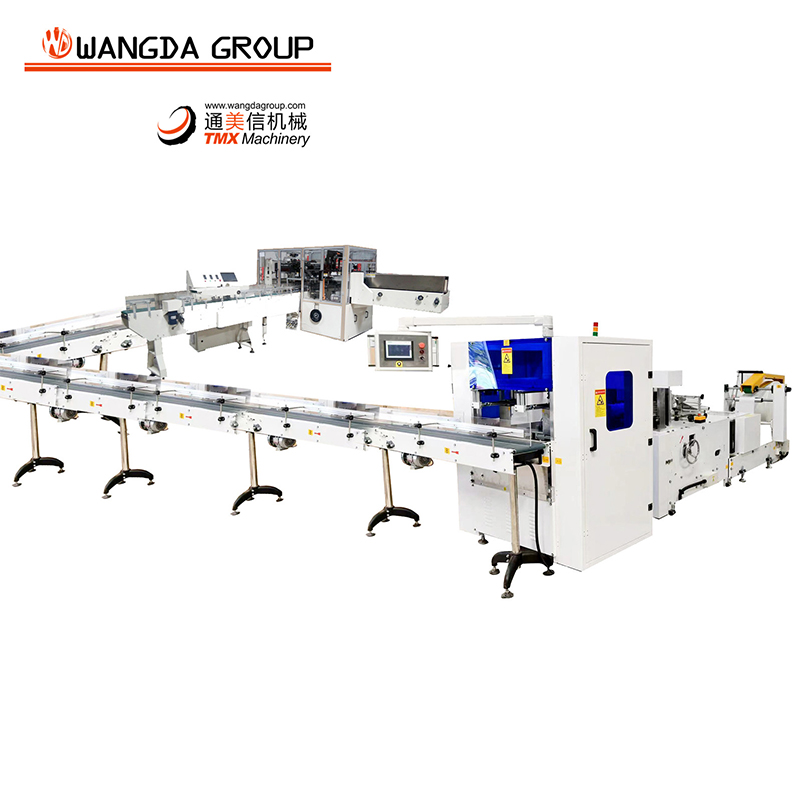
Choosing the right tissue paper machine in Bangladesh requires careful consideration of various factors that impact production efficiency, product quality, and overall operational costs. This article aims to provide insights into what buyers should prioritize when selecting a machine, key specifications to look for, sourcing options, and common issues along with their solutions. Understanding these elements will help purchasing managers, distributors, and engineers make informed decisions to enhance their production capabilities.
When selecting a tissue paper machine, buyers should consider several critical factors that influence both the initial investment and long-term operational efficiency.
Production Capacity: Assess the machine's production capacity in relation to your projected output. A machine that meets or exceeds your demand helps avoid bottlenecks and ensures consistent supply.
Customization Options: Different applications may require specific features, such as varying roll sizes or packaging types. Ensure the manufacturer can customize the machine to fit your unique production needs.
Energy Efficiency: Given the rising energy costs, selecting a machine with energy-efficient operations can lead to significant cost savings over time. Look for features like servo motors that enhance energy consumption.
Quality Assurance: Confirm that the tissue paper making machine complies with industry standards and certifications. High-quality machinery not only improves product consistency but also minimizes defects during production.
After-Sales Support: Consider the level of technical support and warranty provided by the manufacturer. Reliable after-sales support can be crucial for addressing any operational challenges that arise post-installation.

Understanding the specifications of tissue paper machines is essential for ensuring they meet production requirements. Here are some key specifications to consider:
Raw Material Compatibility: The machine should be compatible with various types of raw materials, such as recycled paper or virgin pulp. This versatility helps in adapting to market changes and cost variations.
Speed and Efficiency: Evaluate the tissue paper manufacturing machine operating speed, typically measured in meters per minute. High-speed machines can enhance productivity, but ensure that they do not compromise quality.
Automation Features: Full-servo systems can enhance precision and reduce labor costs. Automation features such as automatic roll change systems can improve efficiency and reduce downtime.
Control Systems: Advanced control systems enable real-time monitoring and adjustments. This capability is essential for maintaining quality and consistency in production processes.
Maintenance Requirements: Consider the ease of maintenance and availability of spare parts. Machines that require less frequent maintenance can significantly reduce downtime and operational costs.

Sourcing a tissue paper machine involves evaluating several potential suppliers. Here are some steps to streamline the process:
Research Reputable Manufacturers: Look for manufacturers with a proven track record in the industry. Consider their experience, production capabilities, and customer reviews to gauge reliability.
Request Proposals: After identifying potential suppliers, request detailed proposals including specifications, pricing, and lead times. This will help you compare options effectively.
Visit Production Facilities: If possible, visit the manufacturing facilities to assess their capabilities and quality control processes. This first-hand observation can provide valuable insights into their operations.
Request Samples: Before making a final decision, request samples of the tissue paper machine produced by the machine. This will allow you to evaluate the quality and suitability for your target market.
Negotiate Terms: Engage in discussions regarding pricing, payment terms, and delivery schedules. Clear agreements on these aspects can prevent misunderstandings later in the procurement process.

Define Your Requirements: Clearly outline your production needs, including output volume, product specifications, and any customization requirements.
Conduct Market Research: Investigate available manufacturers and their offerings in Bangladesh. Take note of their reputations, certifications, and customer feedback.
Engage with Suppliers: Communicate your requirements to selected suppliers and request detailed quotations. Compare their responses meticulously.
Evaluate Proposals: Assess the proposals based on price, specifications, and after-sales support. Consider factors such as warranty terms and technical assistance.
Finalize Purchase: Once you have selected a supplier, finalize the purchase agreement, confirming all details including delivery timelines and payment methods.
Wangda manufactures toilet tissue machines (including cutting and packing), Tissue paper machine (including cutting and packing), facial tissue machines (including cutting and packing) as well as nylon bag facial tissues machines. We also produce maxi roll rewinding as well as perforating machines.
Wangda has more than 20 years experience in the Toilet tissue machine of all kinds of tissue machines, we pay much attention to the features of the machine and its quality, as well as in addition, after sales and pre-sales services. We've sold machines in over 100 countries. This has resulted in many repeat orders and good reviews from our clients. Wangda has its own R and D departments. Our machine is based on the latest Germany Japanese, Japan and Italian technology, and is upgraded day by day. Our machines have been certified to ISO9002, CE, BV and other certifications. We offer turnkey projects that span from A to Z, not just machines.
We've worked with many clients, both Tissue paper machine home and abroad.
Wangda is a highly professional and knowledgeable sales staff and after-sales team, 80% of the team has been in Tissue paper manufacturing machine for more than 10 years in our company in this hygiene-conscious product industry. Our team has a wealth of experience in the daily use of paper tissue machines, related packing machines and many other Hygienic products machines We have a wide range of professional expertise in this field, we are aware of what our customers wants, we worry about what our customers worry about. We not just sell the machines to our clients, but we help our customers earn money through this business of hygienic products, to provide the lifelong after-sale services to our customers at the right time.
Despite their efficiency, tissue paper machines can encounter various issues. Here are some common problems and their solutions:
Quality Fluctuations: Inconsistent product quality can result from improper settings or raw material variations. Regular calibration and using consistent raw materials can mitigate this issue.
Mechanical Failures: Machines may experience mechanical breakdowns due to wear and tear or operational errors. Implementing a routine maintenance schedule and training staff on proper operation techniques can prevent these occurrences.
Production Downtime: Unexpected downtime can disrupt production schedules. Ensuring a reliable supply of spare parts and having a trained technician on hand for quick repairs can minimize downtime.
Waste Generation: High waste levels can impact profitability. Optimizing machine settings and conducting regular audits of production processes can help reduce waste.
Energy Inefficiency: Machines that consume excessive energy can inflate operational costs. Upgrading to energy-efficient models or retrofitting existing machines with better technology can enhance efficiency.
By understanding these factors, specifications, and common challenges associated with tissue paper machines, buyers in Bangladesh can make informed decisions that align with their production goals. With the right machine, companies can achieve improved efficiency, better product quality, and ultimately, higher profitability.