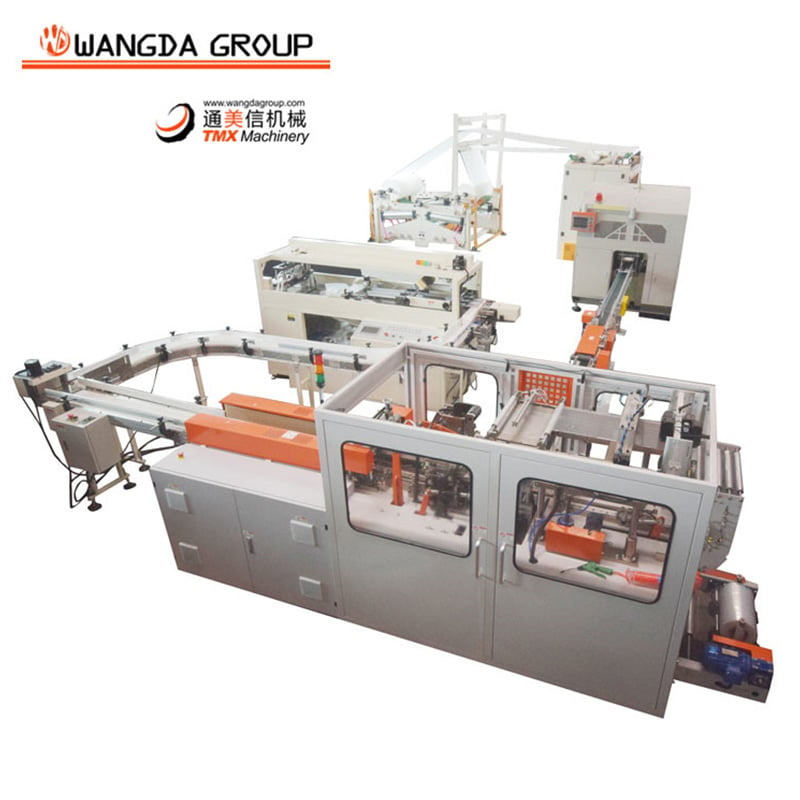
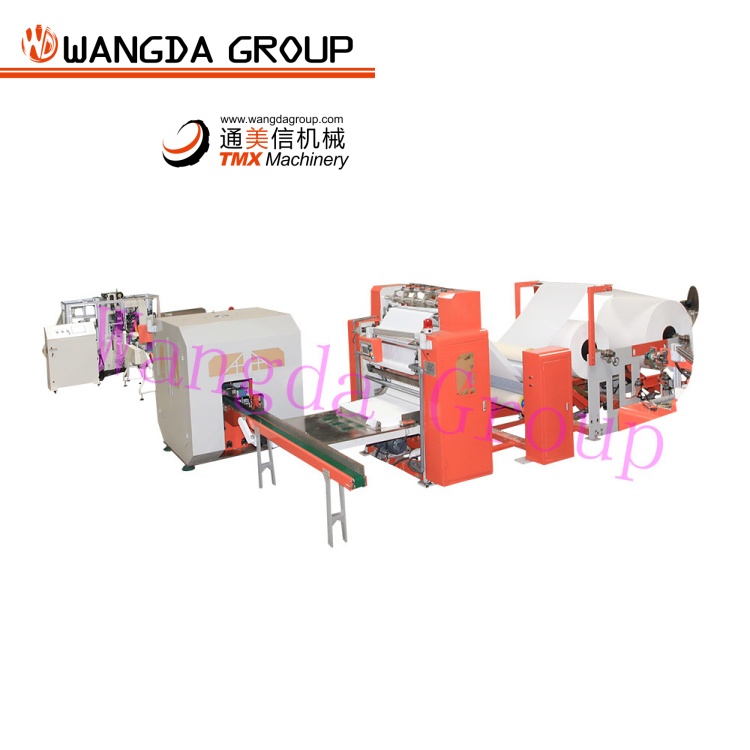
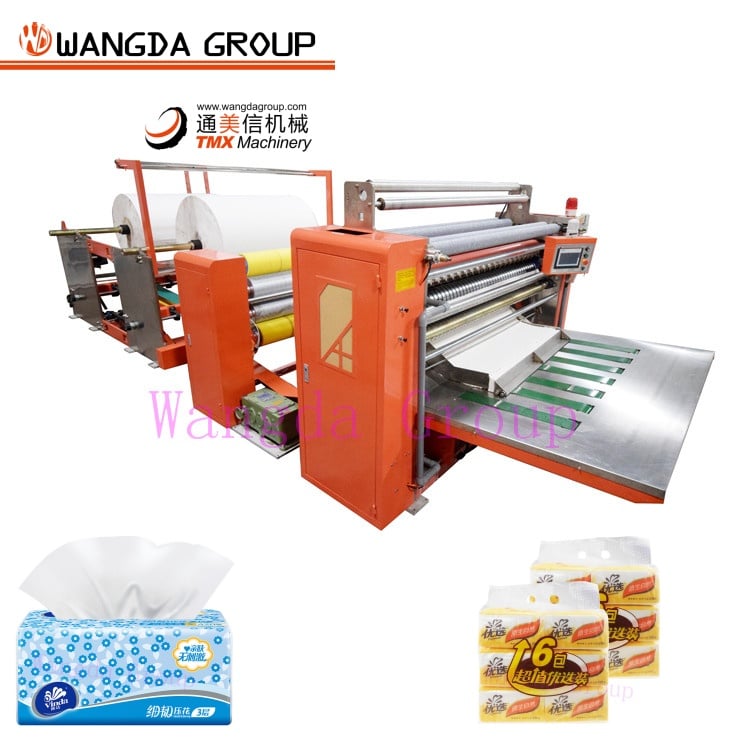
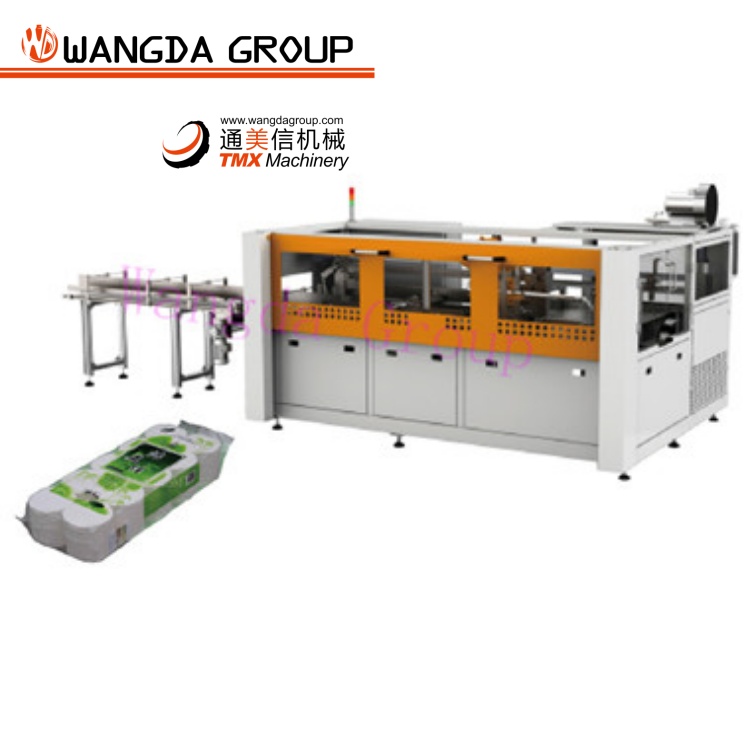
When considering the production of branded tissue products, a tissue paper logo printing machine plays a pivotal role. These machines enable manufacturers to print custom logos and designs directly onto tissue paper, catering to diverse customer needs and enhancing product branding. Buyers looking for such equipment often have concerns about quality, performance, and the suitability of the tissue paper machine for their specific production requirements. This article will guide you through essential factors to consider when sourcing a tissue paper logo printing machine, helping you make an informed decision.
When sourcing a tissue paper logo printing machine, several factors need attention to ensure the right fit for your production line. First, consider the machine's printing technology. Options may include flexographic printing, digital printing, or gravure printing, each with its advantages and limitations. For example, flexographic printing is well-suited for high-speed production runs and offers good quality for larger orders.
Next, assess the machine's production capacity and speed. This is critical for meeting customer demands and ensuring timely delivery. A machine with a higher output may be beneficial if you expect large orders or require quick turnaround times.
Compatibility with your existing production line is another important consideration. Ensure that the dimensions, setup, and technical specifications of the new machine align with your current equipment to avoid costly adjustments or incompatibilities.
Lastly, consider the level of customization available. Many buyers seek machines that can handle a range of design specifications, including different colors, patterns, and sizes. This flexibility can enhance your product offerings and appeal to a broader customer base.

Wholesale buyers often prioritize efficiency and cost-effectiveness when sourcing tissue paper logo printing machines. Understanding the total cost of ownership is vital. This includes the initial purchase price, maintenance costs, and the potential for downtime. A machine that may seem cheaper upfront could incur higher operational costs if it requires frequent repairs or lacks efficiency.
Buyers should also evaluate the machine’s material compatibility. It's essential to confirm that the printing process works well with the types of tissue paper you plan to use, as this impacts print quality and durability. In addition, inquire about the machine's certifications and compliance with industry standards, as these can affect marketability and acceptance in various regions.
For wholesale buyers, negotiating minimum order quantities (MOQs) and production lead times can also be advantageous. Knowing the lead times for machine delivery and the expected production capacity will help in planning inventory and meeting customer demands effectively.

Installing a tissue paper logo printing machine can present a range of challenges. One common issue is ensuring proper alignment with existing production equipment. Misalignment can lead to inefficiencies or even damage during operation. It's advisable to have a clear layout plan and involve technical experts during the installation phase.
Another challenge is the calibration of the machine for optimal performance. Each tissue paper manufacturing machine may require specific settings based on the type of tissue paper and ink used. Conducting thorough testing and adjustments during the initial setup is crucial to avoid production issues later.
Additionally, training personnel on the new machine is essential. Staff should be knowledgeable about its operation, maintenance, and troubleshooting procedures. Investing in comprehensive training can reduce operational errors and enhance overall productivity.

Tissue paper logo printing machines find applications across multiple industries, including hospitality, healthcare, and retail. In the hospitality sector, branded tissues enhance the customer experience in restaurants, hotels, and events. Custom logo printing on facial tissues or napkins can reinforce brand identity and create a lasting impression on guests.
In healthcare, printed tissues can be used for promotional purposes, ensuring that medical facilities convey a professional image while promoting their services. For example, hospitals may provide branded tissues in waiting areas, enhancing patient comfort while promoting their brand.
Retail businesses also benefit from custom-printed tissue paper for packaging. Retailers often use branded tissue to wrap products, adding a touch of elegance and reinforcing brand identity. This practice not only enhances the unboxing experience but also serves as a marketing tool.
Wangda has over Toilet paper manufacturing machine of of experience in the production of various tissue machines. We pay much attention to the equipment's functions and quality as well as additionally, we provide after-sales and pre-sales services. We supply self machines to more than 100 countries and regions that get positive feedback from clients and repeat orders. Wangda has its own R and D departments. Our machines use the most advanced Germany Japanese, Japan and Italian technology and is constantly upgraded. Our machines have achieved ISO9002, CE, BV and many other certifications. What we supply is not only machines. What we supply is a complete turnkey solution from A to Z, we can accept customized orders for these machines.
Wangda has very professional with a long-standing sales team as well as an after-sales team, 80% of the team has worked for over 10 years in our company in the Toilet paper roll making machine industry. Our teams have much experience working with daily-use paper tissue machines, packing machines, and more Hygienic products machines We are experts in a range of expertise in this field, we think what our customer wants, we worry about what our customers are worried about. Our customers aren't just purchasing equipment from us, we also help them earn a profit from the hygiene-related business. We provide our clients with the after-sales services they require.
Wangda has Toilet roll manufacturing machine with various clients both from home and abroad. We have worked with large companies from GCC countries such as Fine Hygienic across different nations, Nesto Hypermarket, Top one and two hygienic producer Band G, the Meghna Groups of Bangladesh. Outnet Group from African countries. And as well, there are big European brand, American brands, Latin American brands we have cooperated for a great number of years. We have several factories outside of the United States that you can visit to look at our products which is more efficient. Also you are invited to come to our factory to see our products on the spot. We will be happy to answer your questions at any time, and we hope to begin our mutual benefit story right away.
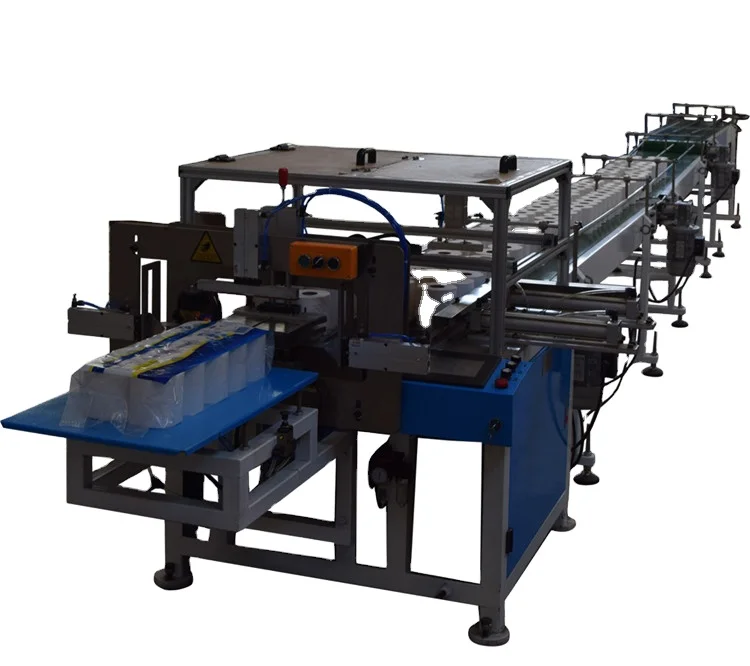
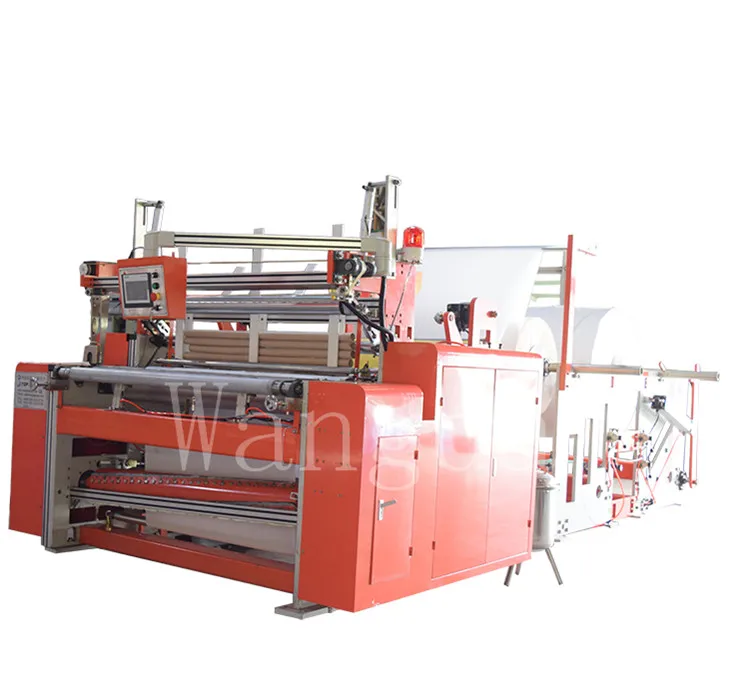
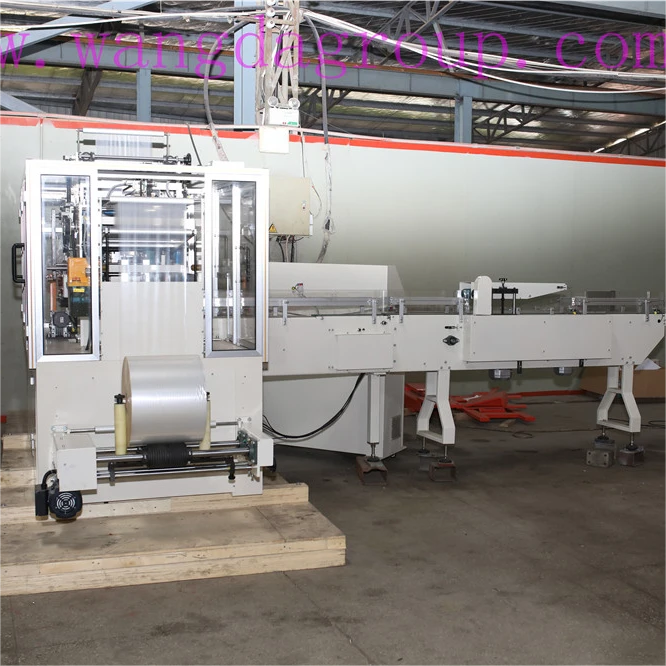
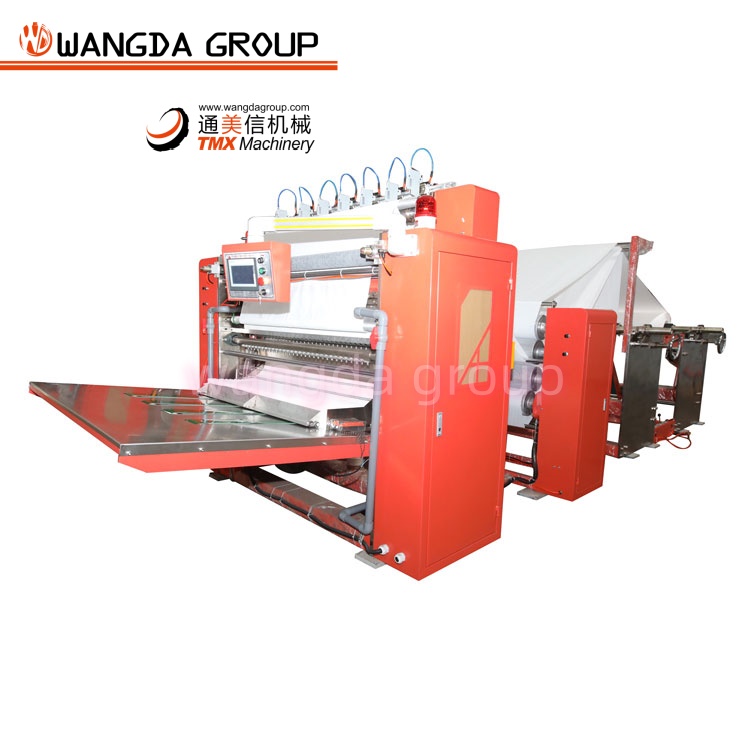
Wangda manufactures toilet tissue machines (including cutting and packing), Tissue paper machine (including cutting and packing), facial tissue machines (including cutting and packing) as well as nylon bag facial tissues machines. We also produce maxi roll rewinding as well as perforating machines.
Common problems in the tissue paper printing process can undermine the quality of the final product. One frequent issue is ink smudging, which can occur if the ink does not dry properly. To mitigate this, ensure that the machine’s drying system is adequate for the speed and type of ink used.
Another challenge is print resolution. If the machine is not calibrated correctly, the print may appear blurry or misaligned. Regular maintenance and recalibration can help maintain print quality. It is advisable to conduct sample tests before initiating full production runs to confirm that the print quality meets expectations.
Lastly, material compatibility issues can arise, particularly when using different paper types. Ensure that the tissue paper making machine can handle the specific tissue grades and weights you plan to print on. Understanding the interaction between the paper and the printing process can significantly impact the quality and durability of the printed product.
By addressing these common issues and considering the factors highlighted , you can effectively navigate the complexities of sourcing and operating a tissue paper logo printing machine.