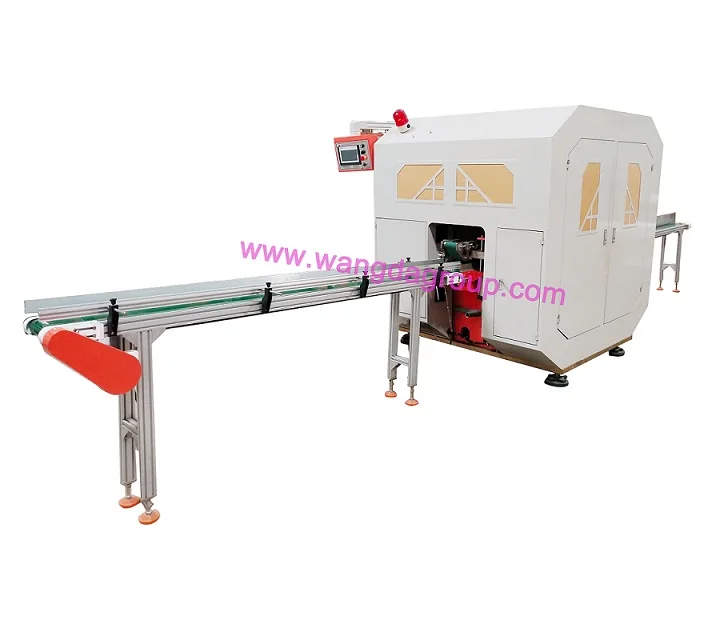
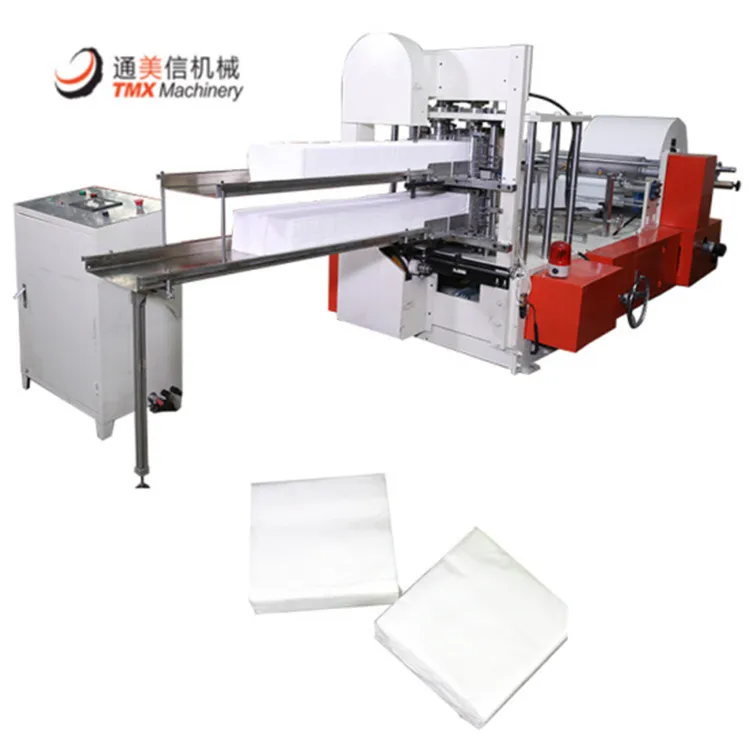
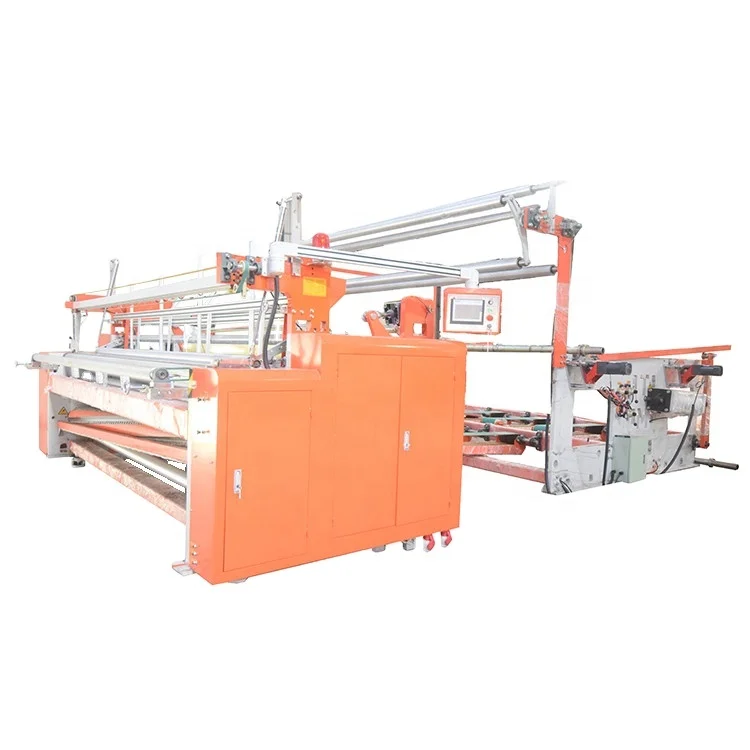
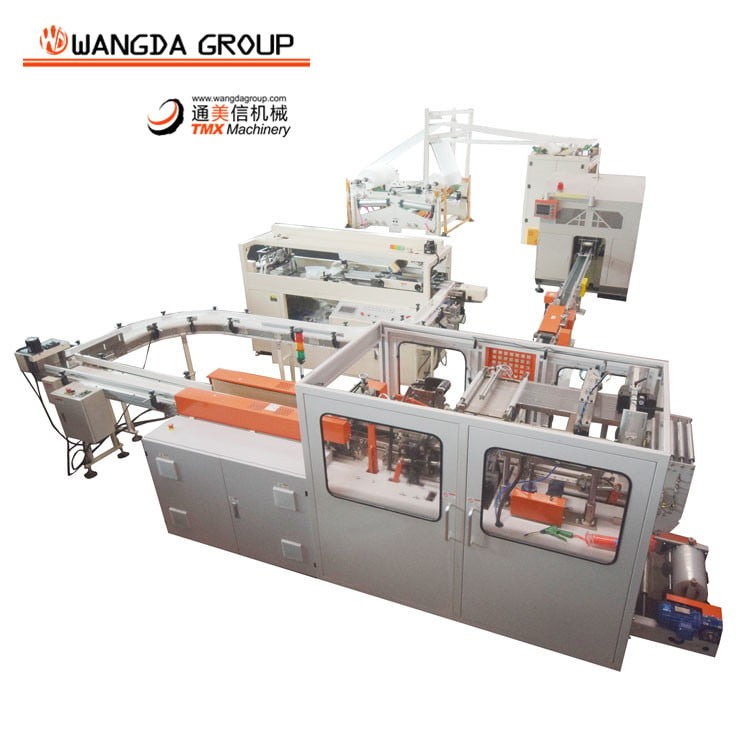
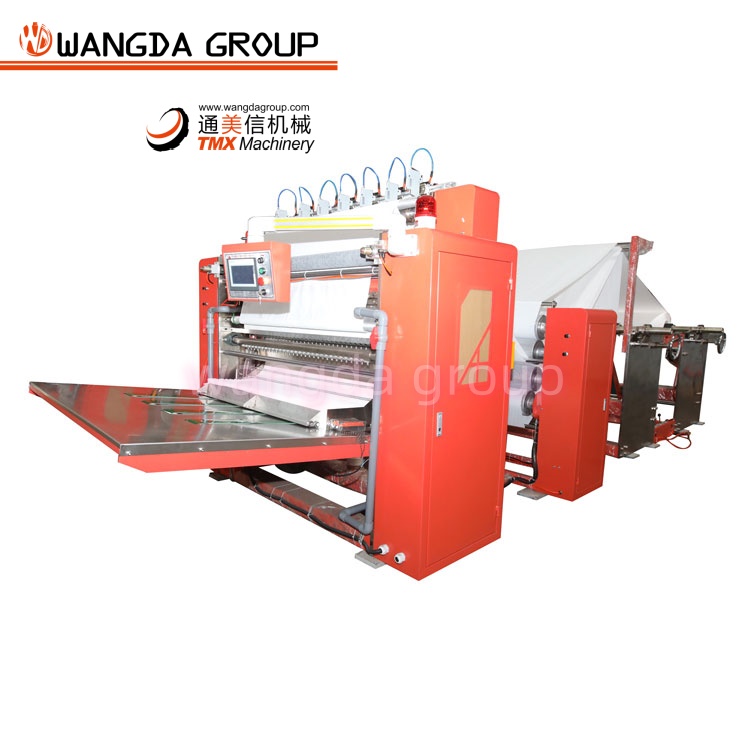
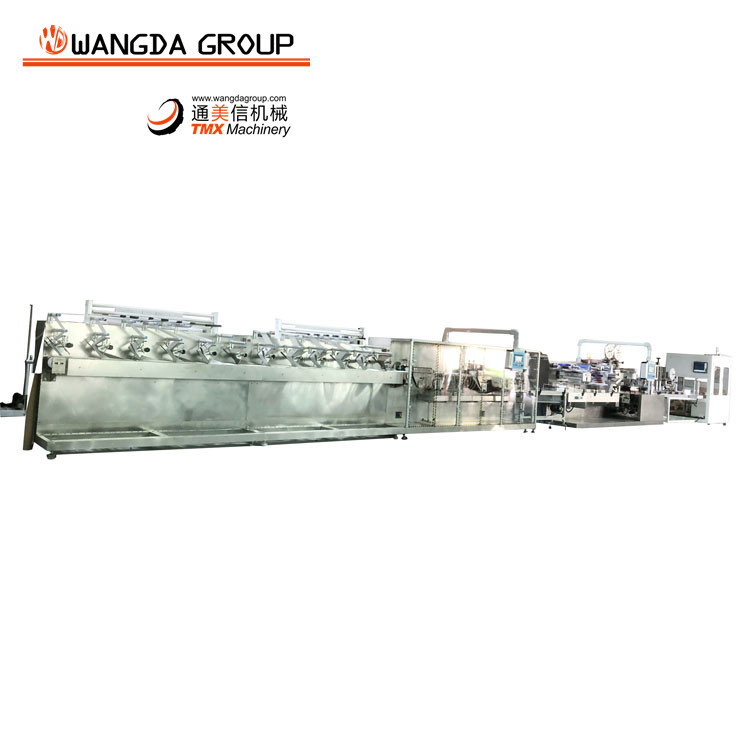
In the manufacturing of hygienic products, the role of tissue paper machines is pivotal. These tissue paper machine are designed to produce various types of tissue papers, including napkin paper, facial tissue, handkerchief tissue, and toilet paper. For businesses looking to invest in a tissue paper ki machine, understanding how to select the right equipment is crucial. This article addresses key considerations for B2B buyers, including specifications, applications, common challenges, and technical knowledge essential for installation. Our aim is to help purchasing managers and industry professionals make informed decisions when choosing machinery for their operations.
Selecting the appropriate tissue paper machine involves assessing several factors that align with your production goals. First, consider the type of tissue you aim to produce different machines cater to specific products such as napkins or toilet paper. Next, evaluate the production capacity required to meet your market demand. High-capacity tissue paper making machine are ideal for larger operations, while smaller models may suffice for niche markets.
Another critical factor is the machine layout and automation level. Full-servo production lines offer enhanced efficiency and precision, reducing labor costs while ensuring consistent product quality. Additionally, assess customization capabilities; the ability to tailor the machine to specific product dimensions or features can provide a competitive edge in the market.
Lastly, consider the total cost of ownership, which includes not just the purchase price but also maintenance, operational costs, and potential downtime. Understanding these aspects will help you make a well-rounded decision that meets your business needs.

When evaluating tissue paper machines, several specifications are essential to ensure optimal performance and product quality. Key specifications include:
Production Speed: Measured in meters per minute, this indicates how quickly the machine can produce tissue. Higher speeds can lead to increased output but may affect quality if not managed properly.
Sheet Size and Weight: The tissue paper manufacturing machine should accommodate the specific dimensions and weight of the tissue products you plan to manufacture. Different applications may require varying thickness and softness levels.
Material Compatibility: Ensure the machine can handle the types of raw materials you intend to use, such as recycled or virgin pulp. The choice of material affects not only the final product quality but also the machine's operational efficiency.
Energy Consumption: Machines that operate efficiently can significantly reduce operational costs. Look for models with energy-saving features without compromising performance.
Automation Features: Advanced machines often come with automated controls for monitoring and adjusting settings, which can improve precision and reduce waste.
Understanding these specifications helps buyers assess how well a machine will perform in relation to their specific production goals and quality standards.

Tissue paper machines have a wide range of applications across various industries. In the hospitality sector, they are essential for producing napkins and facial tissues used in restaurants and hotels. The healthcare industry relies on high-quality facial tissues and toilet paper to maintain hygiene standards in clinics and hospitals.
In the retail sector, these machines produce products for consumer use in homes, catering to demand for eco-friendly and disposable tissues. Furthermore, industrial applications may involve producing larger rolls of tissue for packaging or cleaning purposes in manufacturing facilities.
Understanding the specific needs of these industries can guide manufacturers in selecting machines that meet industry standards and consumer expectations, thereby enhancing market competitiveness.

Tissue paper machines, while robust, can encounter several common issues that may affect production efficiency. One frequent problem is paper jams, often caused by improper loading or incompatible raw materials. Ensuring proper training for staff on machine operation and regular maintenance can help mitigate this issue.
Another challenge is inconsistent product quality, which can arise from fluctuations in raw material quality or machine calibration. Implementing strict quality control measures and regular machine inspections can help maintain consistent output.
Additionally, downtime due to mechanical failure can be costly. Investing in quality machinery with reliable components and establishing a preventive maintenance schedule can minimize unexpected breakdowns.
Lastly, operational inefficiencies may occur if the machine is not correctly set up for the intended production run. Detailed training for operators and clear operational guidelines can enhance productivity and reduce errors.
Tissue making machine has cooperated with different customers from both home and abroad. We have collaborated with major companies from GCC countries such as Fine Hygienic across different nations, Nesto Hypermarket, Top One and Two hygienic product producer B and G, Meghna Groups from Bangladesh. Outnet Group of African countries. And as well, there are huge European brand, American brands, Latin American brands with whom we have worked for a great long years. We have a number of sample factories in other countries that you can visit and see our products which is more comfortable. Also we invite you for a visit to our factory and experience our products right in person. We welcome your enquiry at any time, hope to start our mutual benefit story right away.
Wangda has very professional with a long-standing sales team as well as an after-sales team, 80% of the team has worked for over 10 years in our company in the Toilet paper roll making machine industry. Our teams have much experience working with daily-use paper tissue machines, packing machines, and more Hygienic products machines We are experts in a range of expertise in this field, we think what our customer wants, we worry about what our customers are worried about. Our customers aren't just purchasing equipment from us, we also help them earn a profit from the hygiene-related business. We provide our clients with the after-sales services they require.
Wangda produces toilet tissue machines (including cutting and packing) kitchen towels machines (including cutting and packing) facial tissue machines (including cutting and packing) bags of Toilet tissue machine facial tissue machines. We also make maxi roll rewinding devices as well as perforating machines.
Wangda has more than 20 years experience in the Toilet tissue machine of all kinds of tissue machines, we pay much attention to the features of the machine and its quality, as well as in addition, after sales and pre-sales services. We've sold machines in over 100 countries. This has resulted in many repeat orders and good reviews from our clients. Wangda has its own R and D departments. Our machine is based on the latest Germany Japanese, Japan and Italian technology, and is upgraded day by day. Our machines have been certified to ISO9002, CE, BV and other certifications. We offer turnkey projects that span from A to Z, not just machines.
Installing a tissue paper manufacturing machine requires a blend of technical knowledge and practical experience. First, it’s crucial to understand the site requirements, including space, electrical supply, and ventilation. Proper installation ensures not just efficient operation but also compliance with safety regulations.
Next, familiarization with the machine’s control systems is vital. Operators should be trained in both manual and automated functions to maximize production efficiency. Understanding how to troubleshoot common issues is also essential; this includes knowledge of the machine's mechanical components and software controls.
Lastly, buyers should consider the integration of the machine with existing production lines. Compatibility with upstream and downstream processes is critical for a seamless workflow. Proper planning and communication with the supplier regarding installation requirements can facilitate a smoother setup.
By addressing these technical aspects, businesses can optimize their investment in tissue paper machinery and ensure a successful production process.