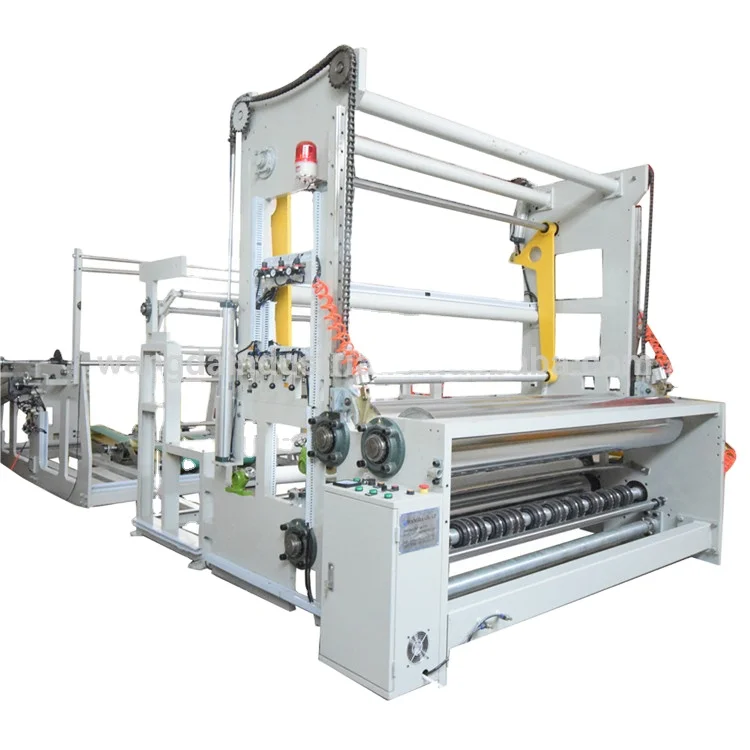
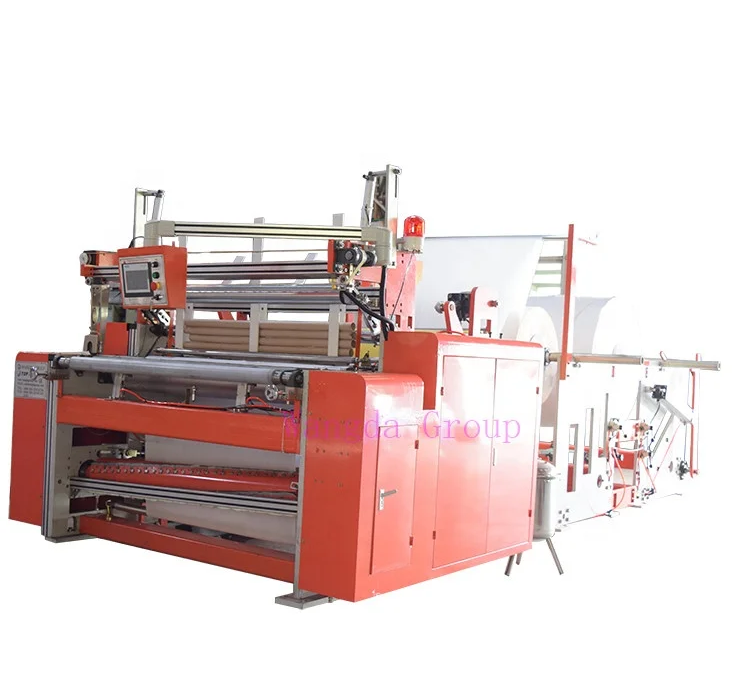
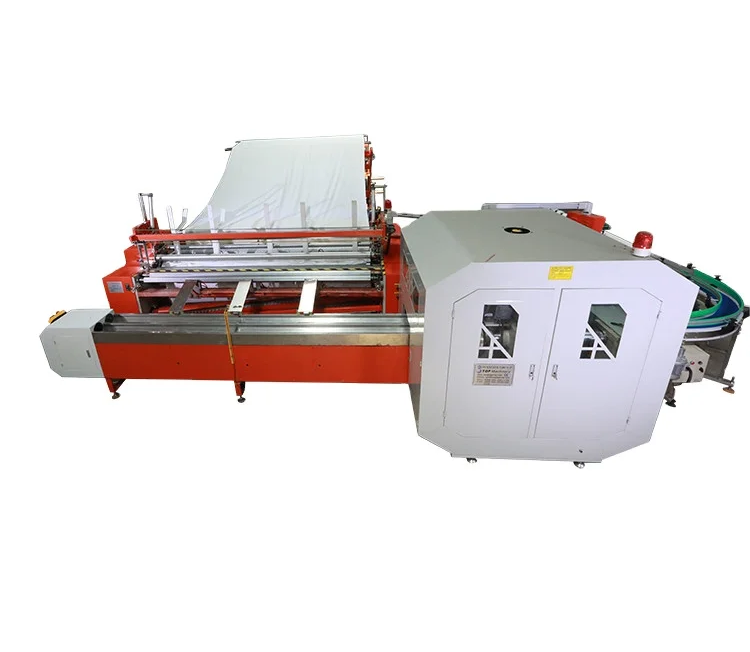
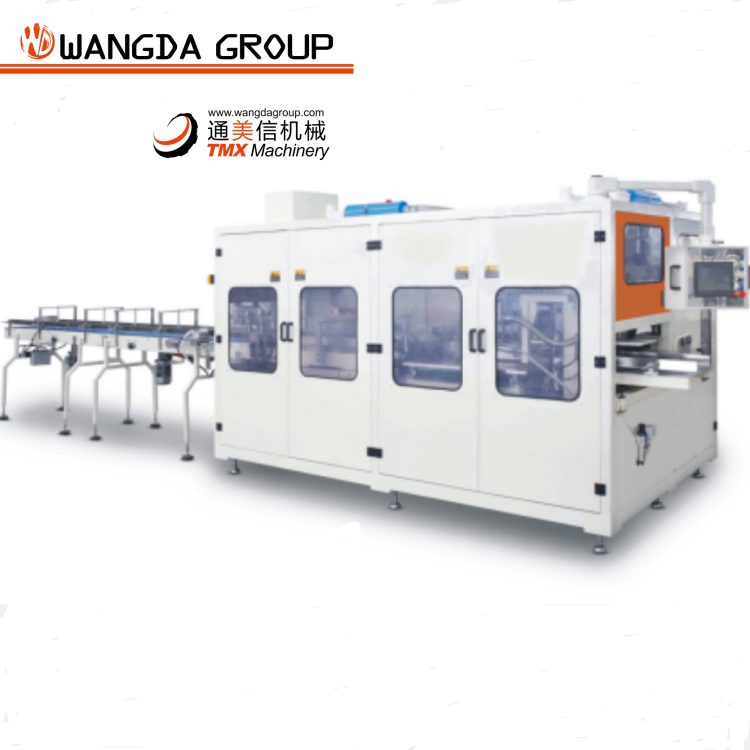
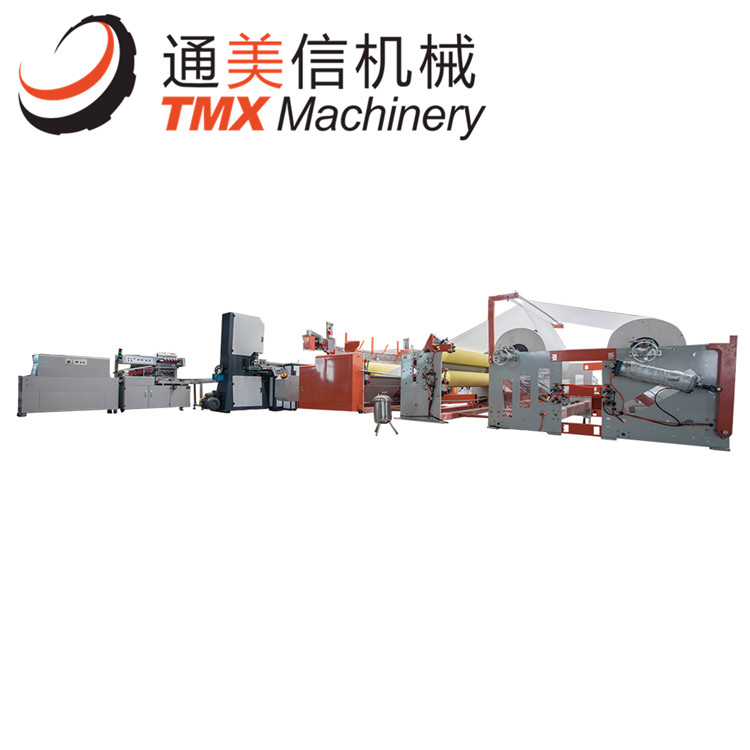
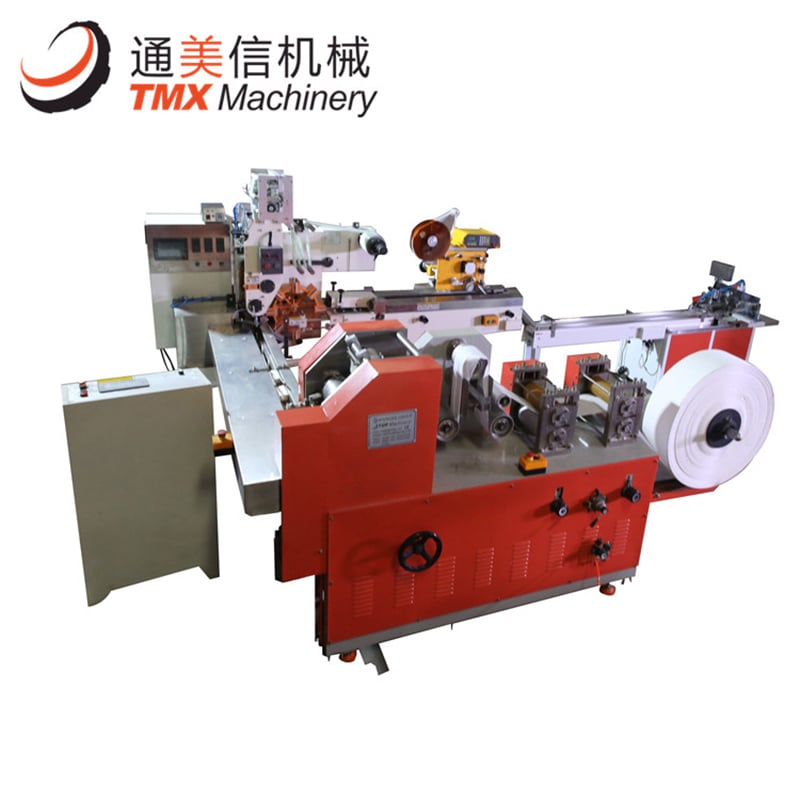
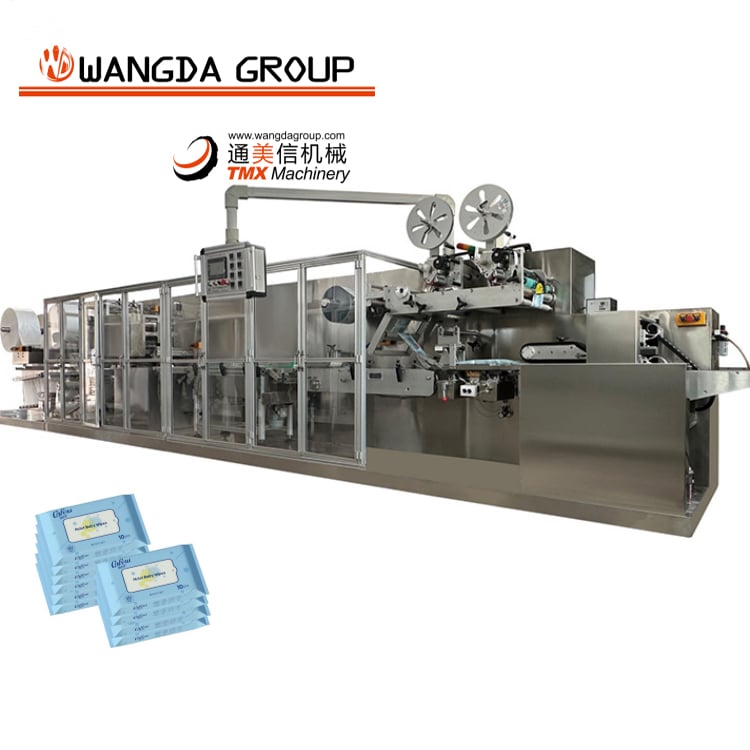
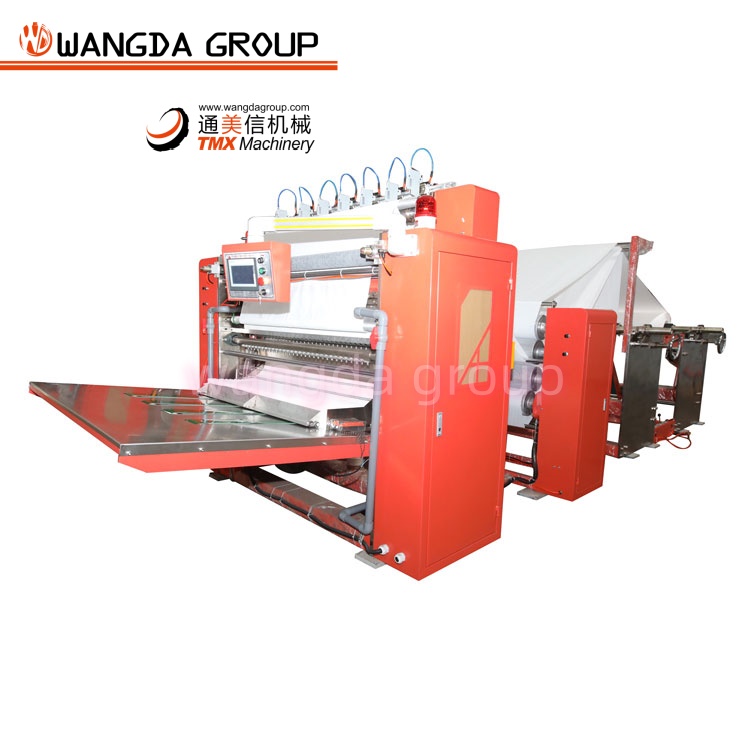
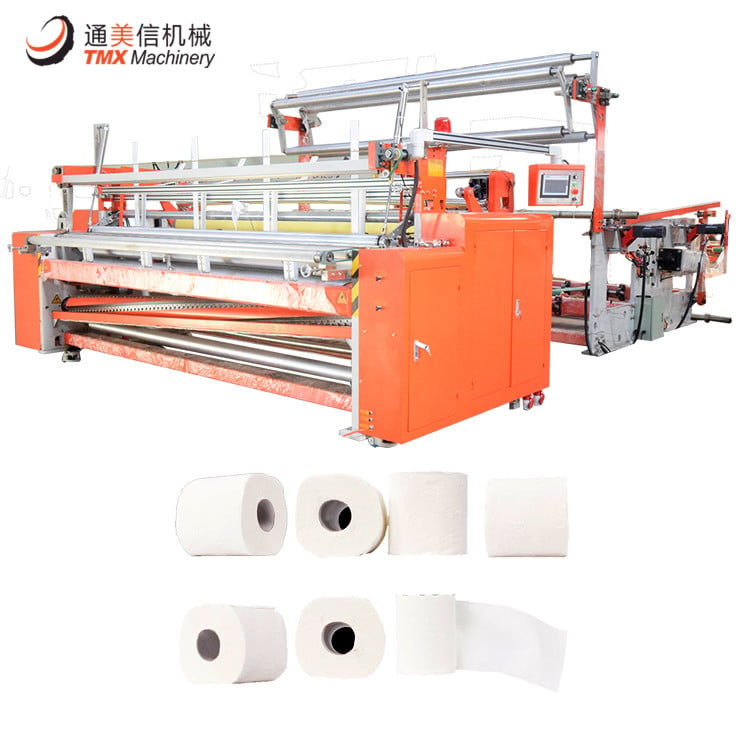
Tissue paper converting machines are essential for the production of various hygienic paper products, including napkins, facial tissues, and toilet paper. In Vietnam, where manufacturing is booming, sourcing reliable tissue paper converting machines is a priority for many businesses looking to enhance their production capabilities. Buyers typically have concerns about quality, tissue paper machine compatibility, and operational efficiency. This article aims to provide insights into evaluating quality standards, sourcing reliable machines, installation guidance, and purchasing tips tailored for B2B buyers in the tissue paper industry.
When assessing tissue paper converting machines, quality standards play a crucial role in ensuring operational efficiency and product reliability. Key factors to evaluate include the machine's construction material, precision engineering, and compliance with international safety and performance standards.
Construction Material: Machines made from high-grade materials such as stainless steel offer durability and resistance to corrosion, ensuring a longer lifespan. Buyers should confirm that materials meet food-grade standards if the products are intended for direct contact with food items.
Precision Engineering: Accurate tolerances in machine parts affect the quality of the final product. Look for manufacturers that provide detailed specifications regarding tolerances and machine capabilities, ensuring that the equipment can produce consistent results.
Certifications: Certifications such as ISO9001 or CE mark indicate adherence to quality management standards and safety requirements. Buyers should verify these certifications to ensure they are purchasing reliable equipment.
A comprehensive quality inspection process, including testing prototypes and reviewing past production runs, can help ensure that the tissue paper making machine meets these standards before purchase.

Vietnam is emerging as a competitive hub for manufacturing tissue paper converting machines, with several reputable suppliers available. To source reliable equipment, consider the following strategies:
Trade Shows and Exhibitions: Attending industry-specific exhibitions in Vietnam provides opportunities to meet manufacturers, see machines in action, and compare various models. Events like the Vietnam International Paper Industry Exhibition can be particularly useful.
Online Marketplaces and B2B Platforms: Websites allow buyers to connect with various suppliers. Look for manufacturers with positive reviews, verified credentials, and a history of international exports.
Local Industry Associations: Engaging with local industry associations can provide insights into reputable suppliers. Associations often have directories or can recommend manufacturers based on their track record.
Direct Manufacturer Contact: Establishing direct communication with manufacturers can facilitate clearer discussions about specifications, customization options, and after-sales support. Requesting references from previous clients can also help gauge reliability.

Proper installation of tissue paper converting machines is critical to ensuring optimal performance. Here are key considerations for the installation process:
Site Preparation: Ensure that the installation site meets the necessary power requirements, space, and environmental conditions. Evaluate floor strength, ventilation, and access for maintenance as part of your preparation.
Professional Installation Services: Many manufacturers offer installation services. Utilizing professional installers can mitigate risks associated with improper setup, which can lead to operational inefficiencies.
Training for Operators: After installation, it’s vital to train operators on machine functionalities, safety protocols, and maintenance procedures. Training sessions should cover everyday operations, troubleshooting, and emergency procedures to ensure smooth operation.
Post-Installation Testing: Once installed, conduct thorough testing of the machinery to ensure it meets the expected production standards. This should include running trial batches to verify quality and performance.

Tissue paper converting machines are versatile and support a wide range of applications in the hygiene products industry. Key applications include:
Production of Facial Tissue: Machines can be configured to produce various sheet sizes and packaging options, catering to both consumer and commercial needs.
Napkin Production: Converting machines provide the flexibility to produce different types of napkins, from basic dinner napkins to high-quality beverage napkins suited for restaurants.
Toilet Paper Manufacturing: These tissue paper manufacturing machine can produce toilet paper rolls in various ply configurations, meeting diverse consumer preferences and market demands.
Custom Products: Manufacturers can adapt machines to create specialized products such as handkerchief tissues or eco-friendly paper options, responding to growing consumer trends for sustainability.
Understanding the specific applications of the machines can help buyers select the right equipment for their production needs.
Wangda has Toilet roll manufacturing machine with various clients both from home and abroad. We have worked with large companies from GCC countries such as Fine Hygienic across different nations, Nesto Hypermarket, Top one and two hygienic producer Band G, the Meghna Groups of Bangladesh. Outnet Group from African countries. And as well, there are big European brand, American brands, Latin American brands we have cooperated for a great number of years. We have several factories outside of the United States that you can visit to look at our products which is more efficient. Also you are invited to come to our factory to see our products on the spot. We will be happy to answer your questions at any time, and we hope to begin our mutual benefit story right away.
Wangda manufactures toilet tissue machines (including cutting and Toilet paper roll making machine) Kitchen towel machines (including cutting and packing) facial tissue machines (including cutting and packing) and nylon bag facial tissues machines. We also produce maxi roll rewinding as well as perforating machines.
Wangda has very professional with a long-standing sales team as well as an after-sales team, 80% of the team has worked for over 10 years in our company in the Toilet paper roll making machine industry. Our teams have much experience working with daily-use paper tissue machines, packing machines, and more Hygienic products machines We are experts in a range of expertise in this field, we think what our customer wants, we worry about what our customers are worried about. Our customers aren't just purchasing equipment from us, we also help them earn a profit from the hygiene-related business. We provide our clients with the after-sales services they require.
Wangda has more than 20 years experience in the Toilet paper roll making machine of all kinds of tissue machines, we pay much attention to the features of the machine and its quality, as well as in addition, after sales and pre-sales services. We've sold machines in over 100 countries. This has resulted in many repeat orders and good reviews from our clients. Wangda has its own R and D departments. Our machine is based on the latest Germany Japanese, Japan and Italian technology, and is upgraded day by day. Our machines have been certified to ISO9002, CE, BV and other certifications. We offer turnkey projects that span from A to Z, not just machines.
Purchasing tissue paper converting machinery wholesale requires careful planning and consideration of several key factors:
Specification Confirmation: Before placing an order, confirm specifications such as machine capacity, dimensions, and material compatibility. This ensures the equipment aligns with your production goals and facility requirements.
Minimum Order Quantity (MOQ): Be aware of the MOQ set by manufacturers. This can significantly impact pricing and inventory management, especially for smaller businesses.
Pricing Factors: Several elements influence the pricing of converting machinery, including material costs, technological features, and customization options. Compare quotes from multiple suppliers while considering the total cost of ownership, including maintenance and operational expenses.
Lead Time and Delivery: Discuss lead times for production and delivery with suppliers. Understanding these timelines is crucial for planning your production schedule and managing inventory effectively.
Sample Approval: Request samples or trial runs of the equipment before full-scale production. This step allows for verification of performance and quality, reducing the risk of costly errors in the production process.
By following these tips, buyers can make informed decisions and establish fruitful relationships with suppliers in the tissue paper converting machinery market.