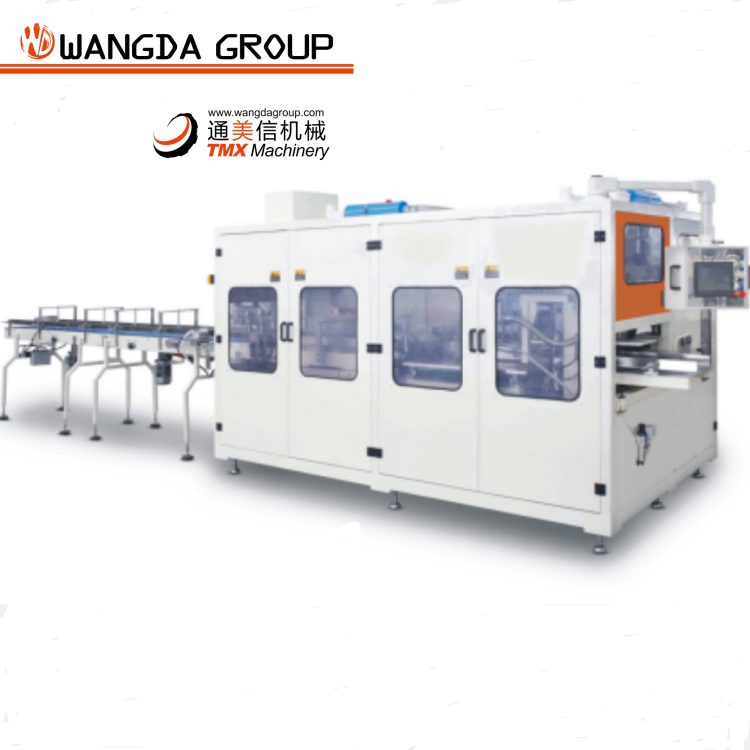
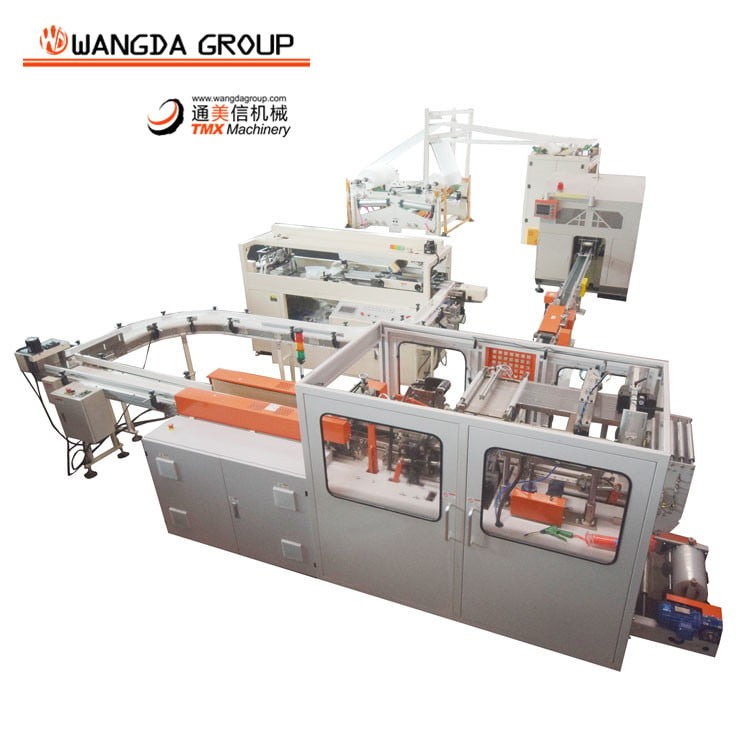
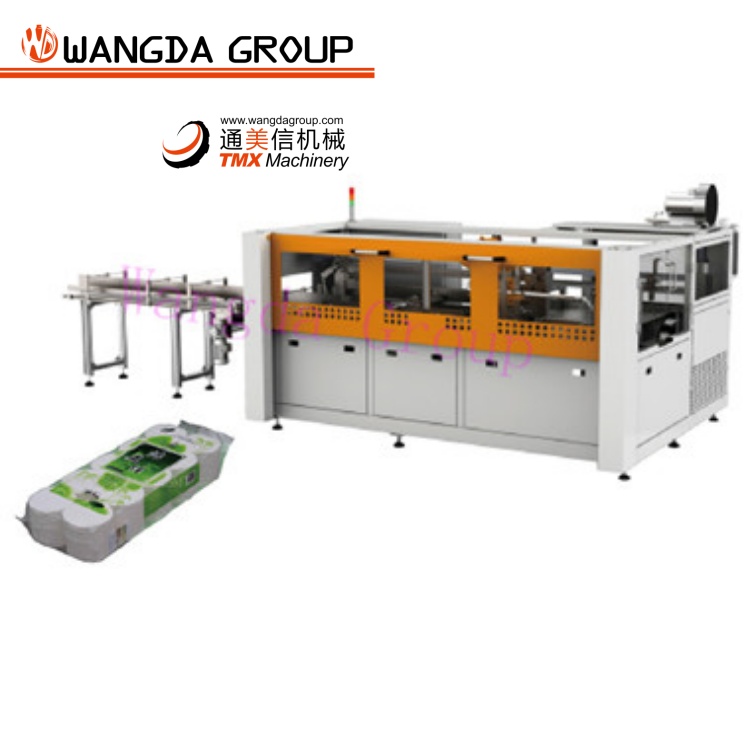
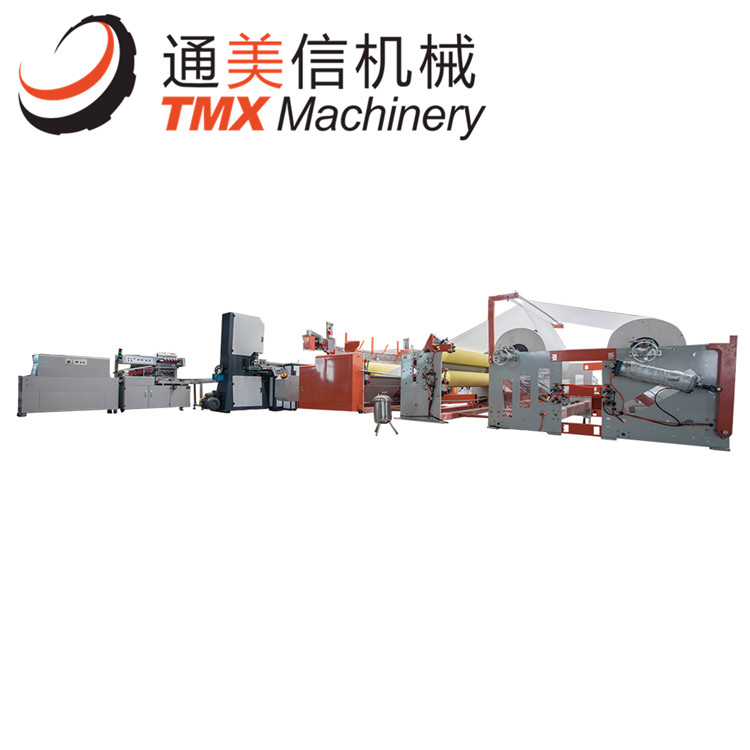
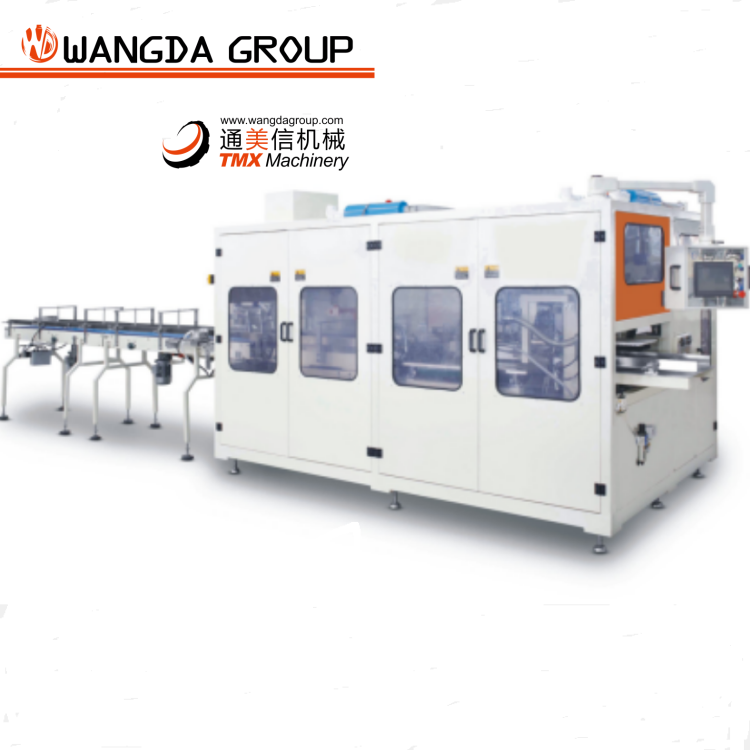
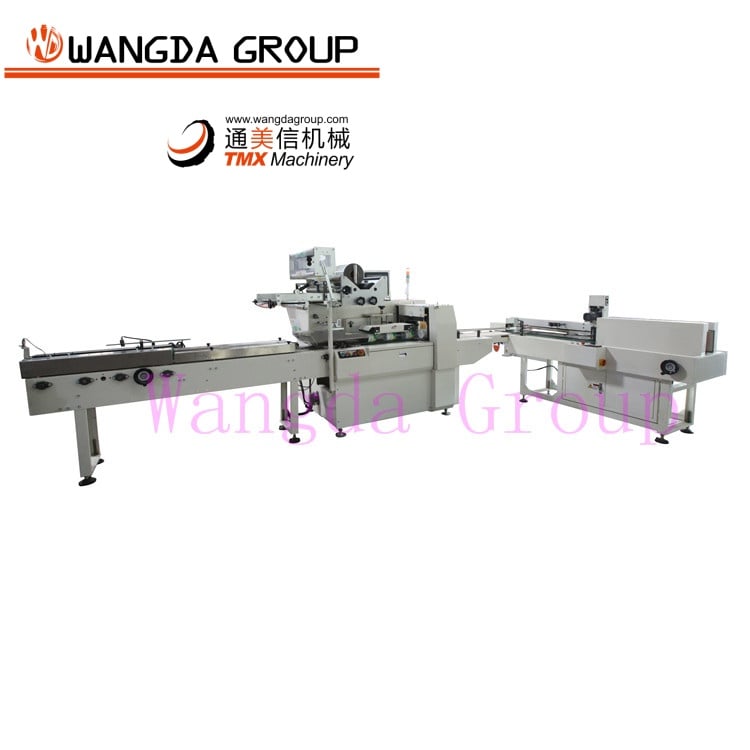
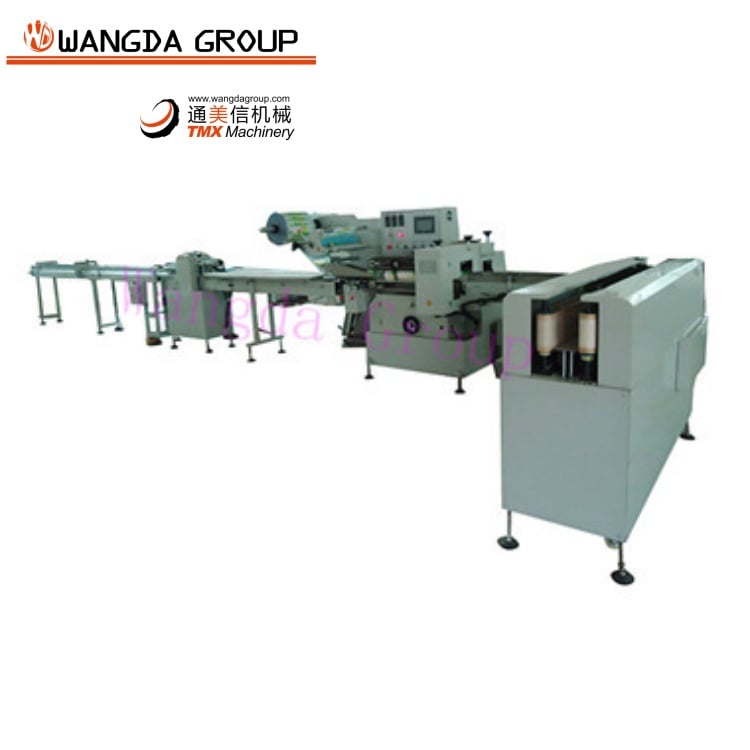
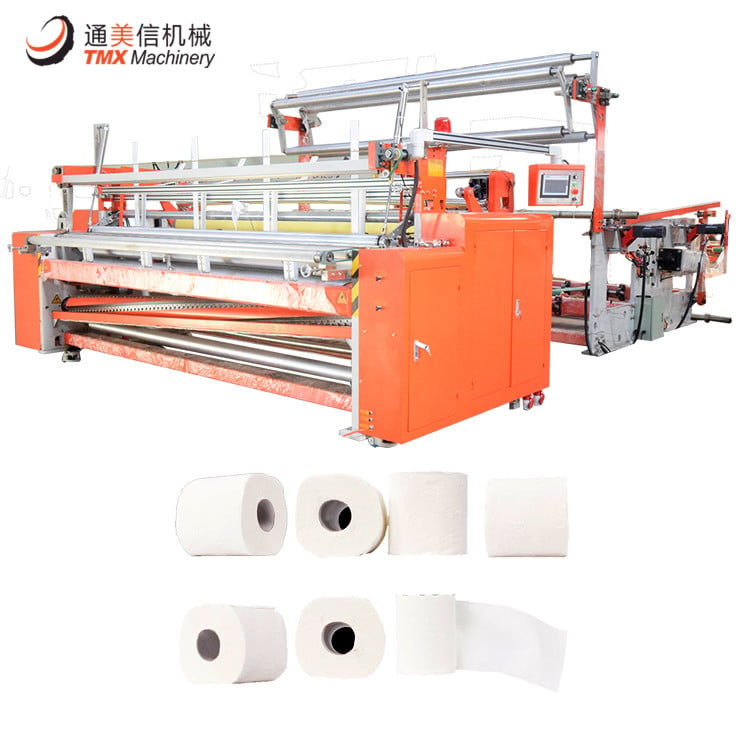
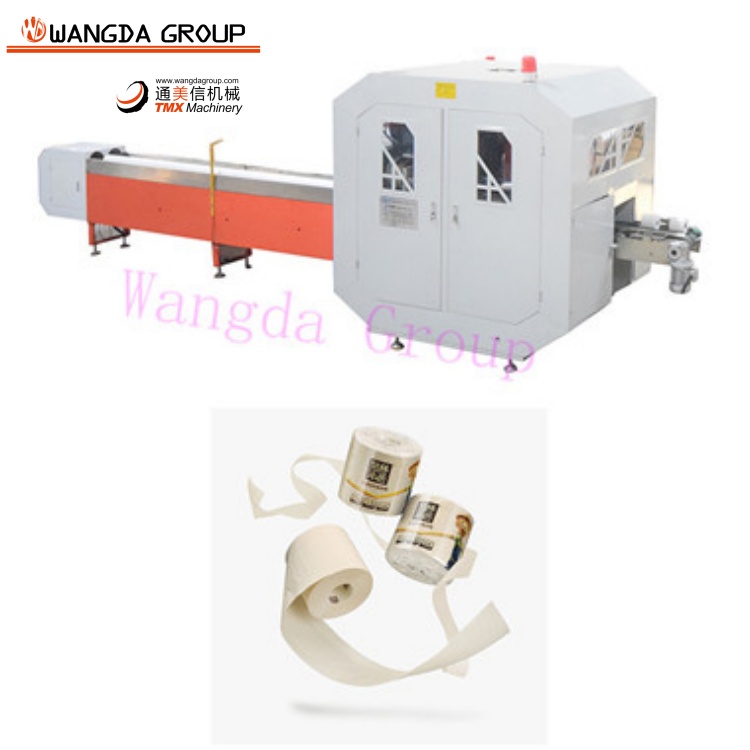
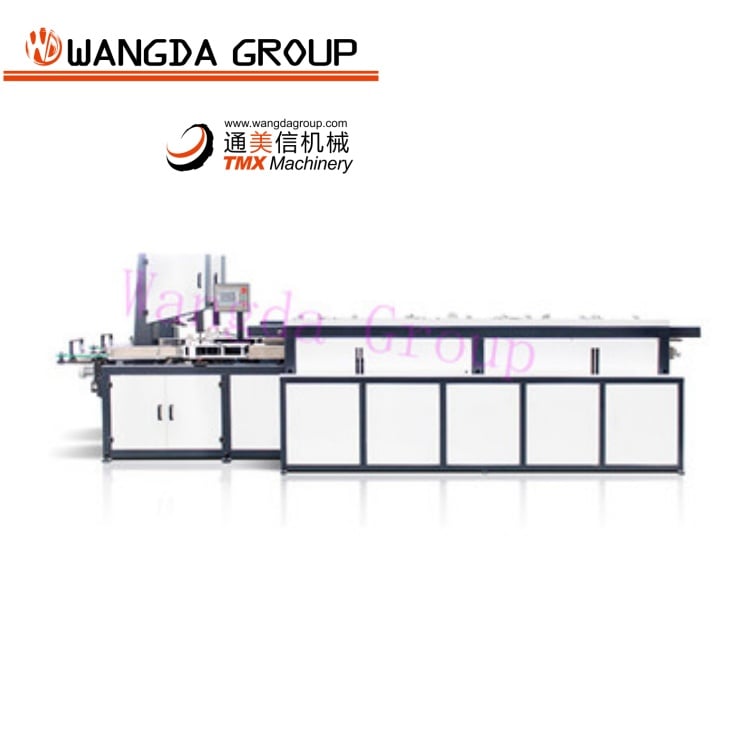
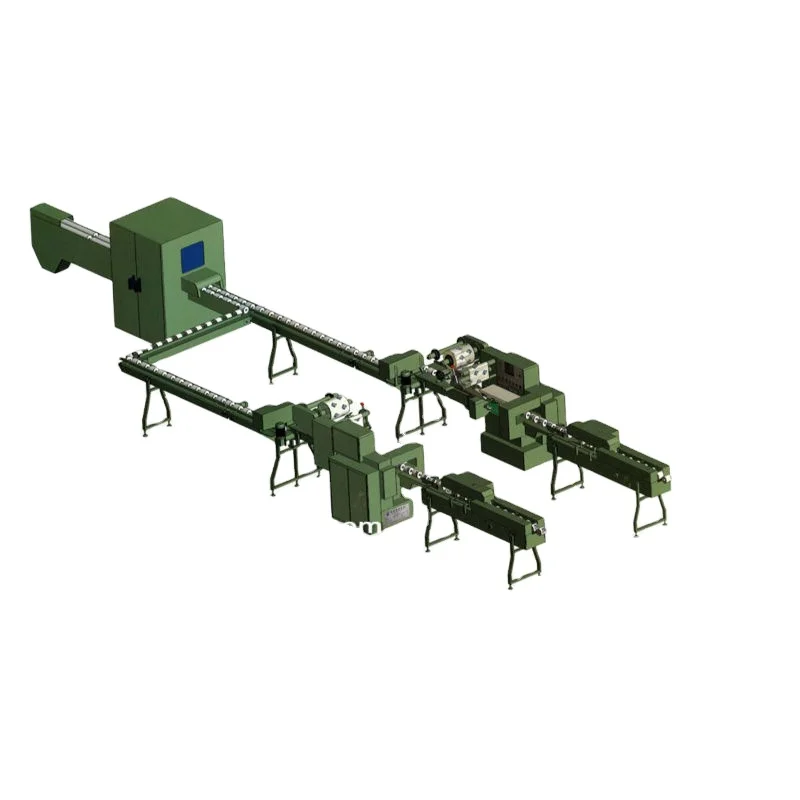
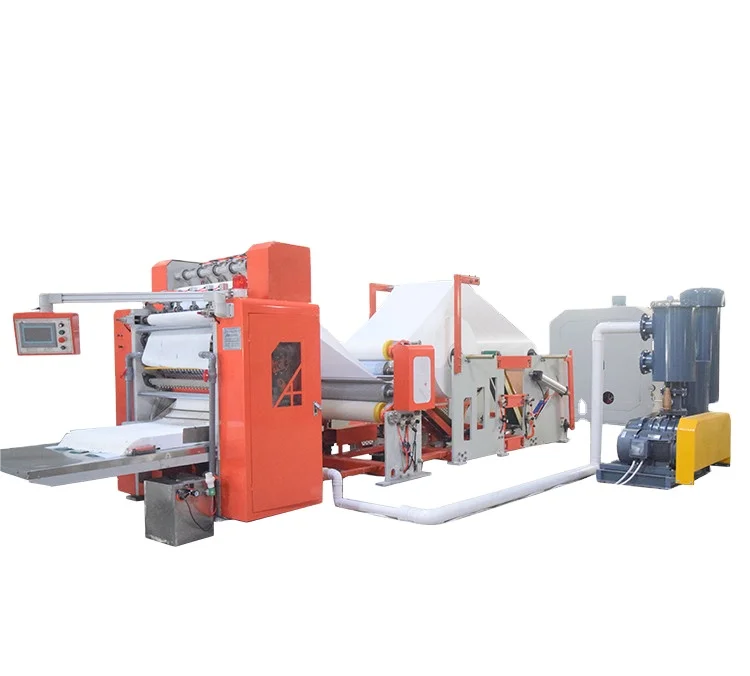
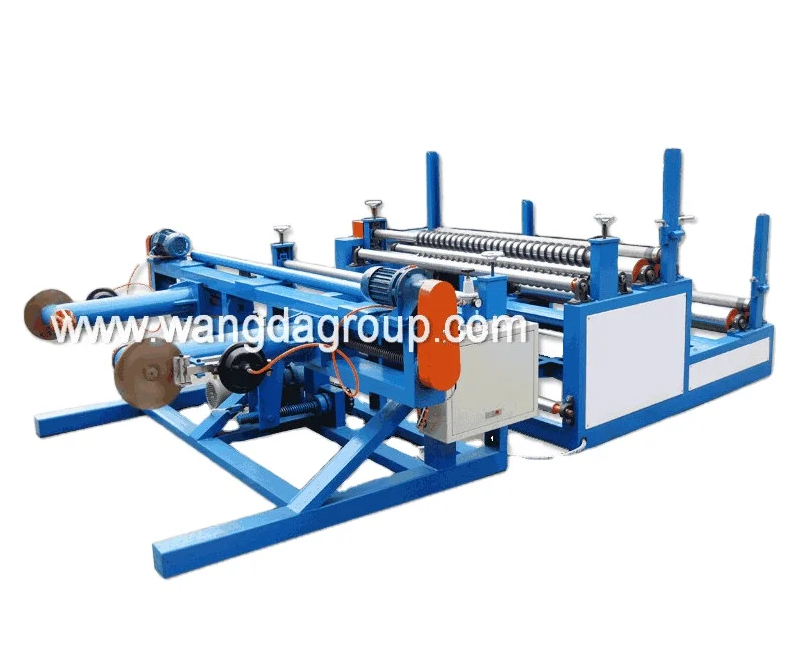
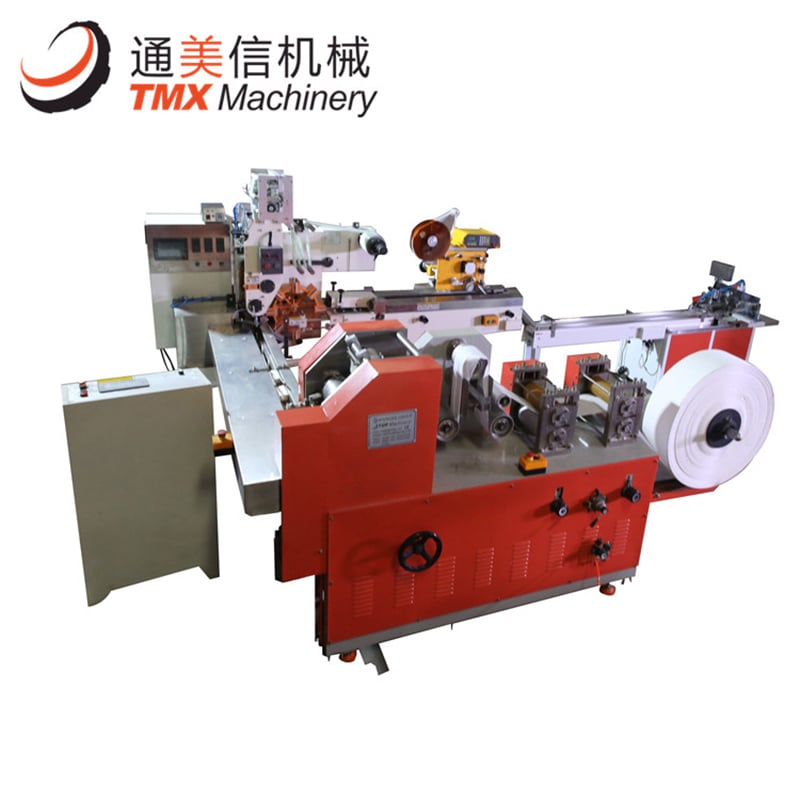
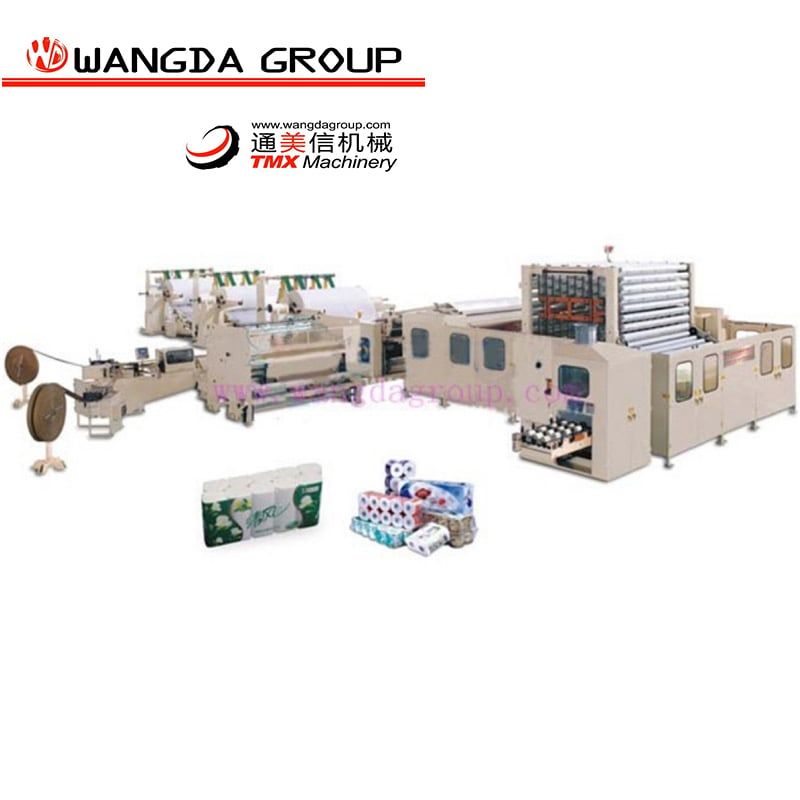
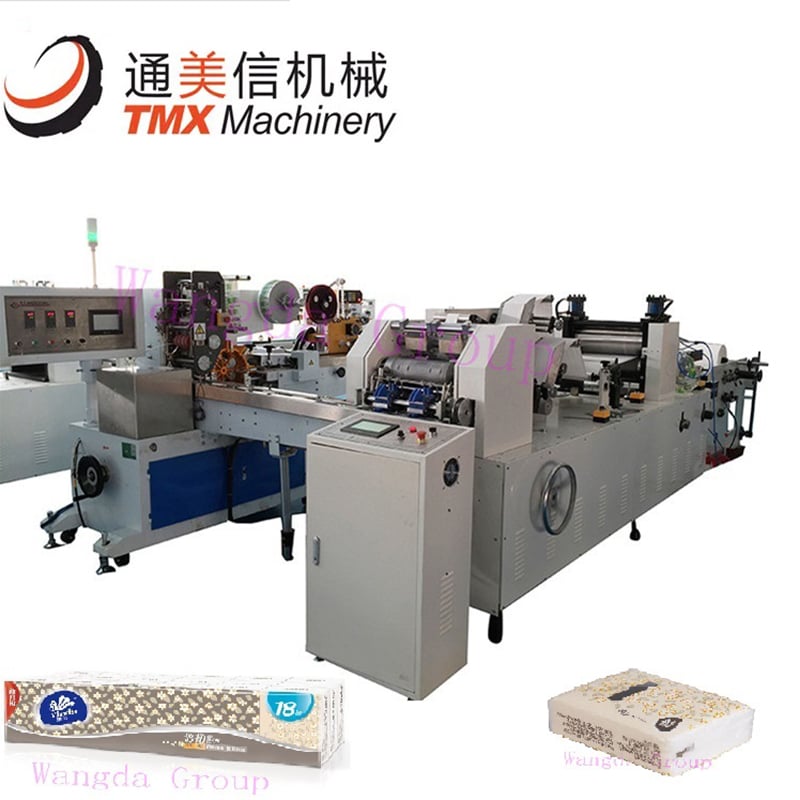
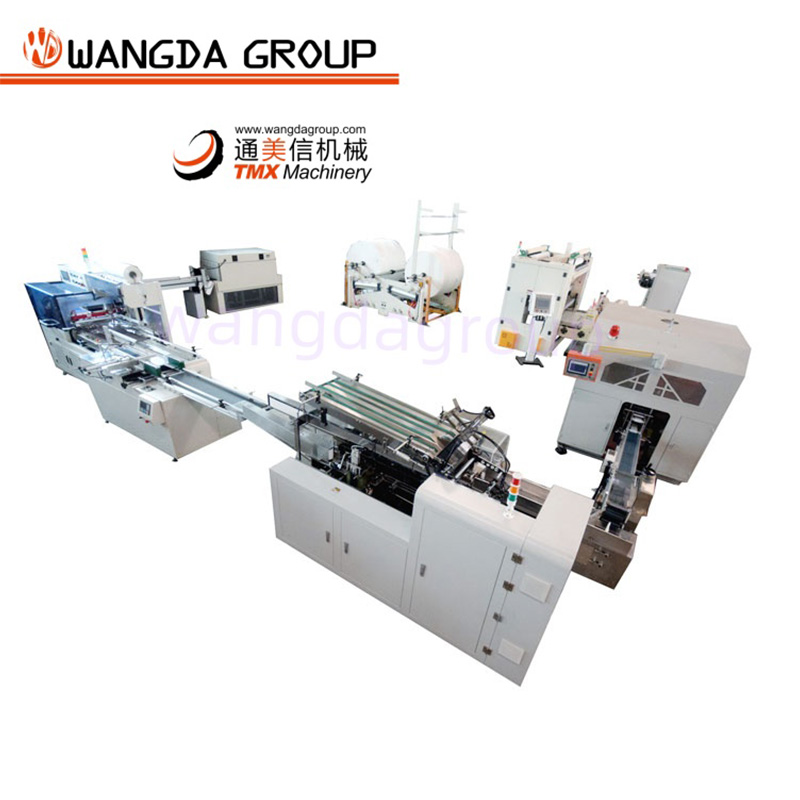
In the competitive landscape of hygienic product manufacturing, selecting the right tissue machinery company is crucial for ensuring efficient production and high-quality output. Buyers, including purchasing managers, engineers, and distributors, face several concerns such as machinery specifications, production capacity, cost evaluation, and installation requirements. This article will provide insights into key specifications, cost evaluation, installation guidance, and material advantages, helping you make informed decisions when sourcing tissue production machinery.
When evaluating tissue machinery, several specifications should be prioritized to ensure the equipment meets production needs and quality standards. Key specifications include:
Production Capacity: This refers to the machine's output rate, typically measured in tons of tissue produced per hour. Understanding your production requirements will guide you in selecting machinery that can meet demand without excessive downtime.
Material Type: The choice of materials affects not only the quality of the final product but also the machine's durability. Common materials used include stainless steel for its corrosion resistance and longevity, and certain plastics for components that require flexibility.
Automation Level: Full-servo production lines offer higher efficiency and reduced labor costs. Automation can enhance precision in tissue cutting, folding, and packaging processes, which is crucial for maintaining product consistency.
Energy Efficiency: Look for machines that are designed to minimize energy consumption while maximizing output. tissue paper machine price can lead to significant cost savings over time and a lower environmental impact.
Compliance and Certifications: Ensure that the machinery complies with international safety and quality standards. Certification marks can indicate that the equipment meets certain performance benchmarks.
Understanding these specifications will help you identify the right machinery that aligns with your production goals while meeting quality expectations.

Evaluating the cost of tissue machinery involves understanding several factors beyond the initial purchase price. Here are key considerations:
Total Cost of Ownership: This includes not just the initial investment but also ongoing operational costs, maintenance, and potential downtime. A machine with a lower upfront cost may incur higher energy or maintenance costs in the long run.
Customization Options: Custom features may increase the price but can significantly enhance production efficiency or quality. Assess whether these options provide value that justifies the additional cost.
Lead Time and Delivery Costs: Factor in the time it takes for production and delivery of the machinery. Longer lead times can affect your production schedule, impacting overall costs.
Financing Options: Some manufacturers offer financing solutions that can make higher-quality machinery more accessible. Evaluate the terms and how they fit into your budget.
Warranty and After-Sales Support: A robust warranty and reliable support services can mitigate future repair costs and ensure that your toilet roll making machine remains operational. Investigate the manufacturer's support reputation.
By carefully considering these factors, you can make a more informed decision that balances upfront costs with long-term value.

When preparing to purchase tissue machinery, it's important to gather relevant information that will facilitate a smooth procurement process. Here’s a checklist for buyers:
Define Your Requirements: Determine the specific types of tissue products you will be producing (e. g., napkin paper, facial tissue) and the expected production volumes.
Request Detailed Specifications: Ask suppliers for detailed technical specifications, including energy consumption, production speed, and dimensions. Ensure these align with your operational needs.
Evaluate Supplier Experience: Look for a tissue machinery company with proven experience in manufacturing the type of machinery you require. Review case studies or testimonials from similar clients.
Inspect Sample Products: Before finalizing a purchase, request samples of the tissue produced by the machinery to check for quality and consistency.
Negotiate Terms: Discuss payment terms, shipping arrangements, and installation services. Ensure all agreements are documented in the contract.
Plan for Installation and Training: Factor in the time and resources needed for proper installation and training of your staff to operate the machinery effectively.
By following this guide, buyers can navigate the purchasing process more efficiently, reducing the risk of costly mistakes.
Proper installation of tissue production machinery is essential for optimal performance. Here are key steps to ensure a smooth installation process:
Site Preparation: Ensure the installation site meets all requirements, including sufficient space, electrical supply, and ventilation. toilet tissue making machine will help avoid operational issues later.
Technical Support: Engage with the supplier’s technical team during installation. They can provide insights and support to ensure that the machinery is set up correctly.
Testing and Calibration: Once installed, conduct thorough testing to calibrate the machinery. This includes adjusting settings for cutting, folding, and packaging to align with your production specifications.
Operator Training: Provide comprehensive training for operators to familiarize them with the machinery. Understanding the features and controls will enhance efficiency and safety.
Ongoing Maintenance Plan: Establish a maintenance schedule to ensure the machinery operates efficiently over time. Regular checks can help identify potential issues before they lead to costly downtime.
Following these guidelines will help ensure that your tissue production machinery is installed correctly and operates at peak efficiency.
Wangda has cooperated with Toilet paper making machine both from the home country and abroad. We have collaborated with major groups from GCC countries such as Fine Hygienic from several nations, Nesto Hypermarket, Top One and Two hygienic product manufacturer B and G, Meghna Groups of Bangladesh. Outnet Group from African countries. And as well, there are large European brands, American brands, Latin American brands we have worked with for a great number of years. We have a number of sample factories outside of the United States that you can visit to look at our products. This is more convenient. Also we invite you to visit our factory to experience our products right at the moment. We will be happy to answer your questions anytime, and hope to begin our mutual benefit story asap.
Wangda has over 20 years of experience manufacturing all sorts of Tissue making machine, we focus on the machine functions and quality and additionally, we provide after-sales and pre-sales services. We have sold machines in over 100 countries. This has earned us repeated orders and positive feedback from our customers. Wangda is our own R and D departments. Our machines are based on advanced Germany, Japan and Italian technology and is updated day by day. Our machines have passed ISO9002, CE, BV and other certifications. We provide turnkey projects all the way from A to Z that includes more than machines.
Wangda manufactures toilet tissue machines (including cutting and Toilet paper roll making machine) Kitchen towel machines (including cutting and packing) facial tissue machines (including cutting and packing) and nylon bag facial tissues machines. We also produce maxi roll rewinding as well as perforating machines.
Wangda has very professional with a long-standing sales team as well as an after-sales department, with 80% of the team has worked for over 10 years in our company within this Hygienic products industry. Our teams are experienced in the daily use of paper tissue machines, packing machines and many other Hygienic products machines We have a wide range of professional information in this area, we think what our customer would like, and we make sure that our customers are worried about. Our customers aren't just purchasing machines from us We also assist them make money from this Toilet paper machine business. We offer our customers with the after-sales services they require.
The materials used in tissue machinery significantly impact the production process and final product quality. Here are some material considerations:
Stainless Steel: Many tissue machines are constructed from stainless steel due to its resistance to corrosion and ease of cleaning. This is particularly important in hygienic product manufacturing, where cleanliness is paramount.
Plastics and Composites: Certain components may use high-grade plastics or composites to reduce weight and enhance flexibility. This can improve overall machine performance, particularly in cutting and folding mechanisms.
Chemical Resistance: If the manufacturing process involves chemicals (e. g., for cleaning or maintenance), ensure that the materials used in the machinery can withstand exposure without degrading.
Durability: Evaluate the durability of materials against wear and tear during operation. High-quality materials can reduce maintenance needs and extend the lifespan of the machinery.
Performance Specifications: The selection of material should also consider the performance requirements of the final tissue product, such as softness, strength, and absorbency.
By understanding these material advantages, buyers can select machinery that not only meets their production needs but also enhances the quality of the tissue products manufactured.