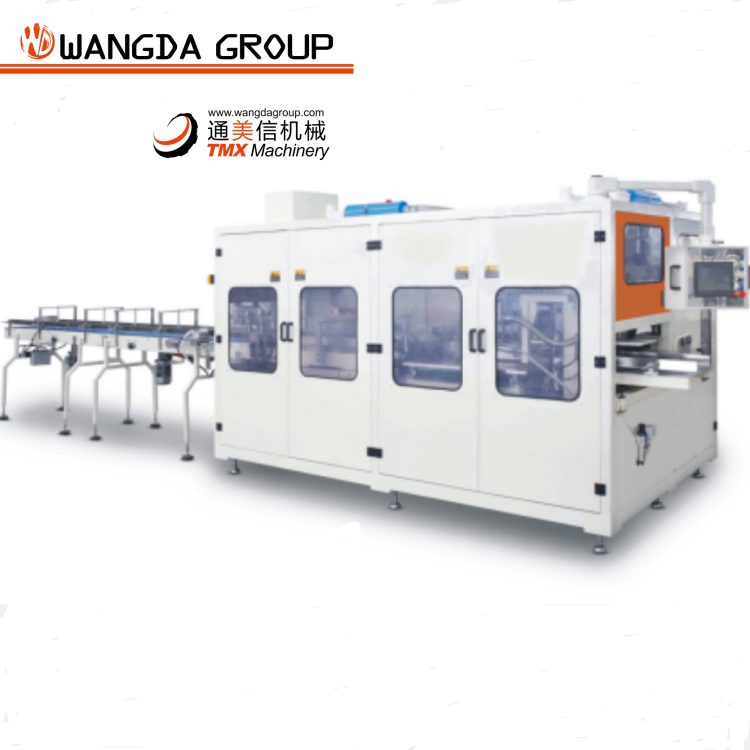
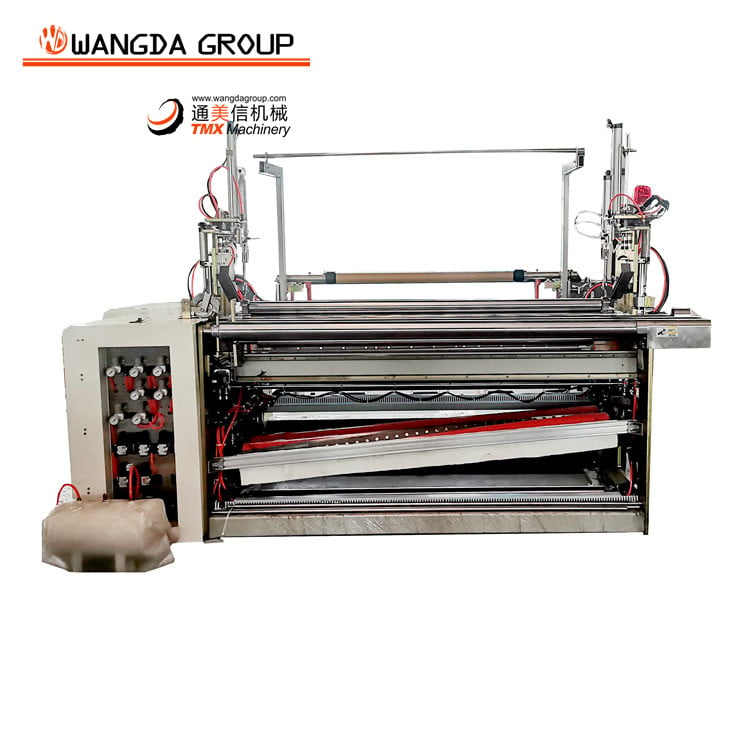
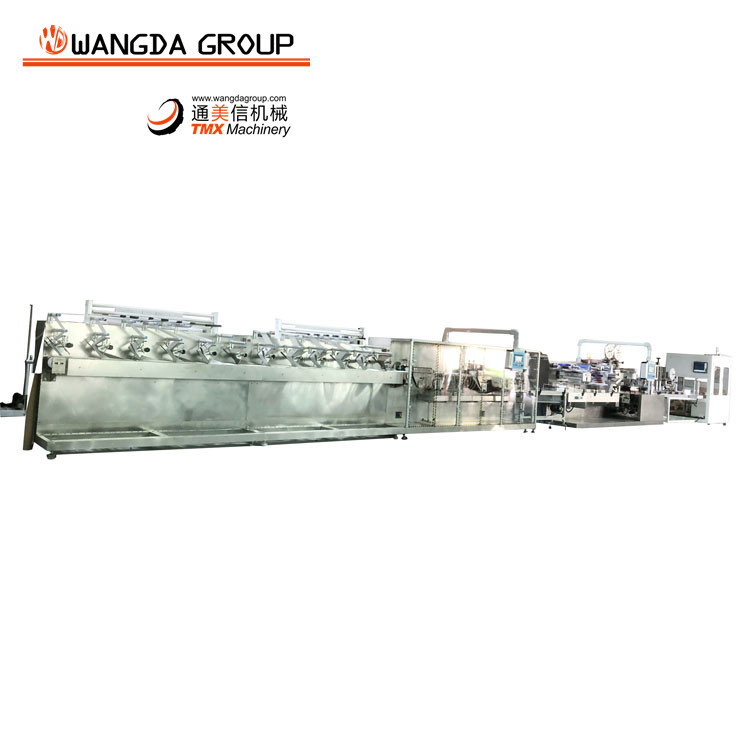
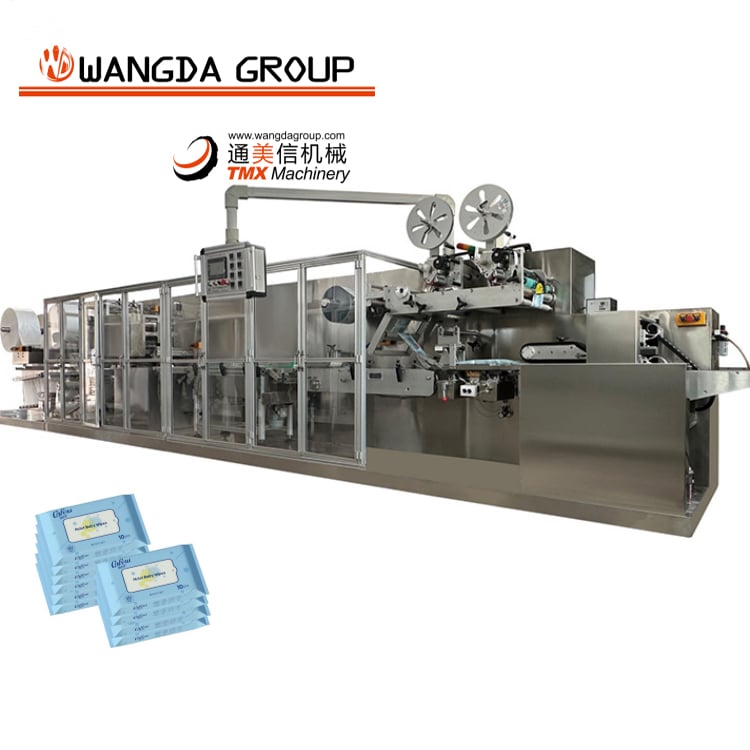
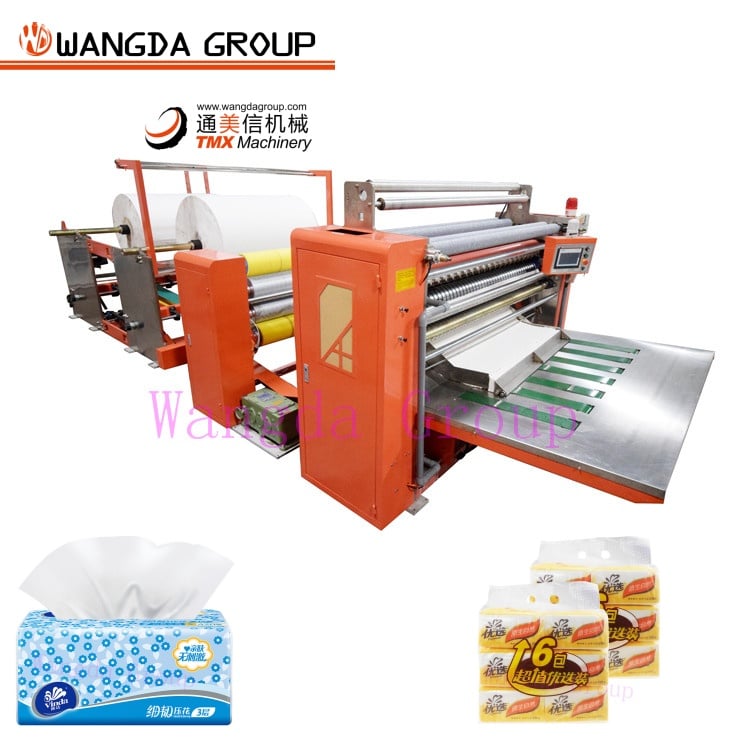
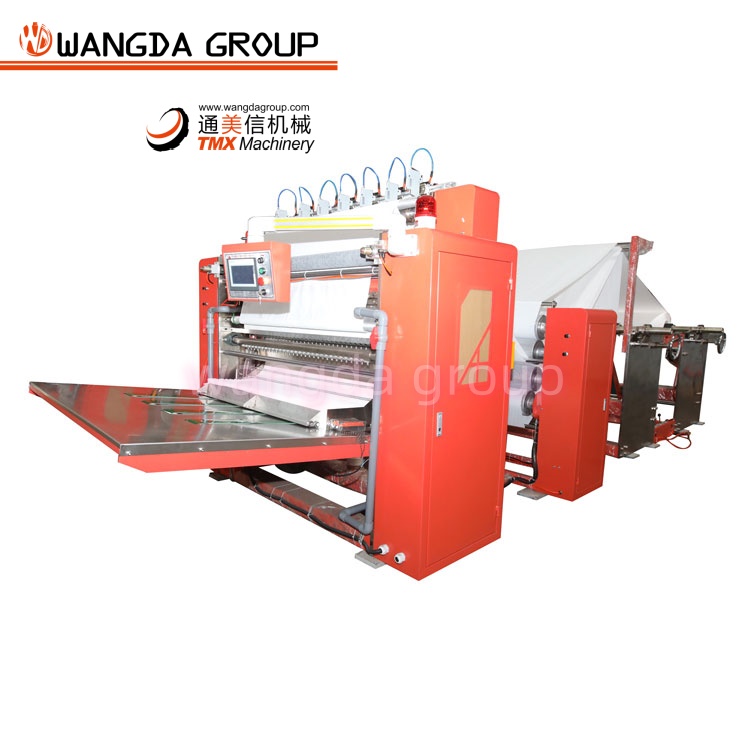
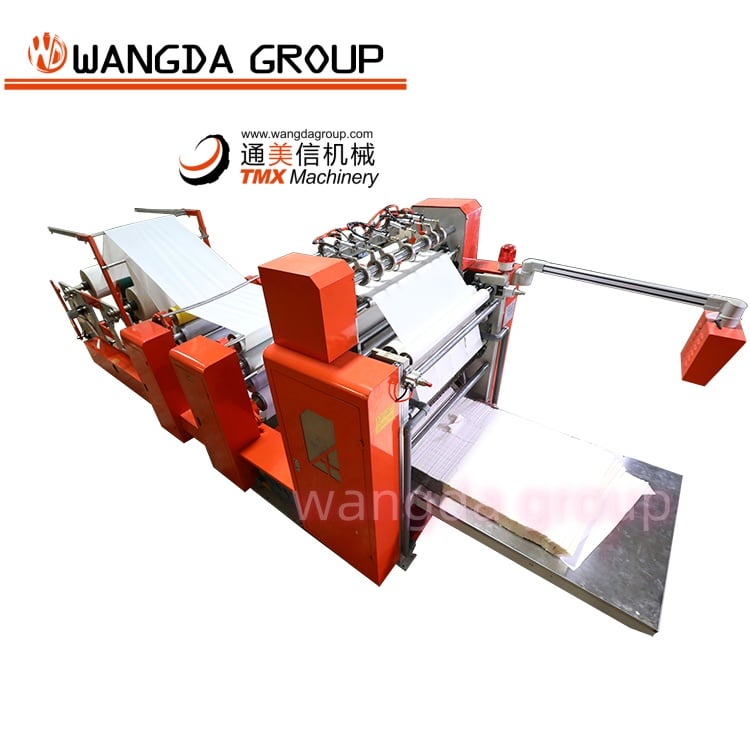
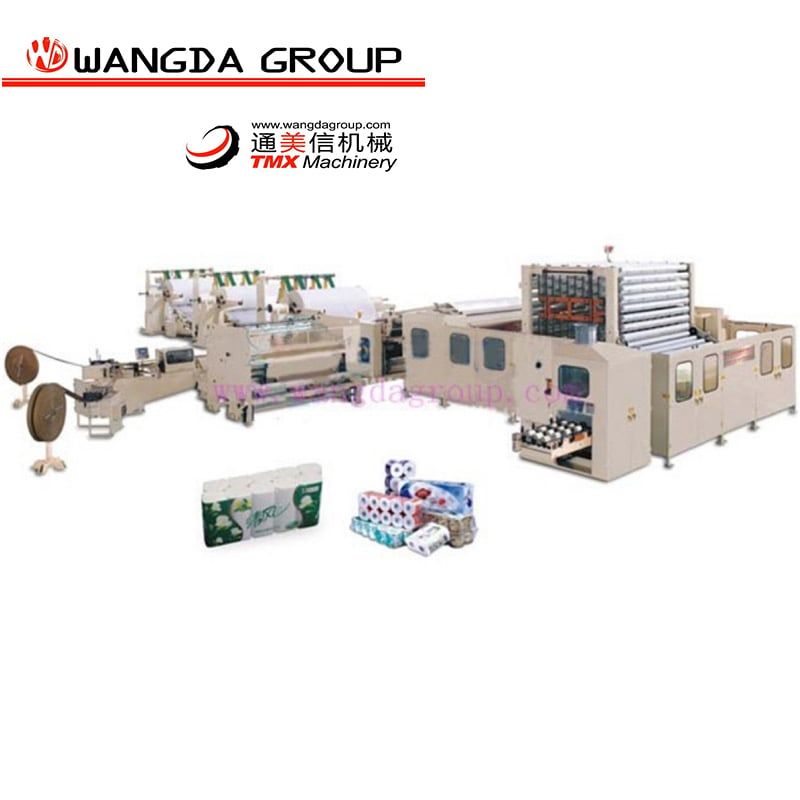
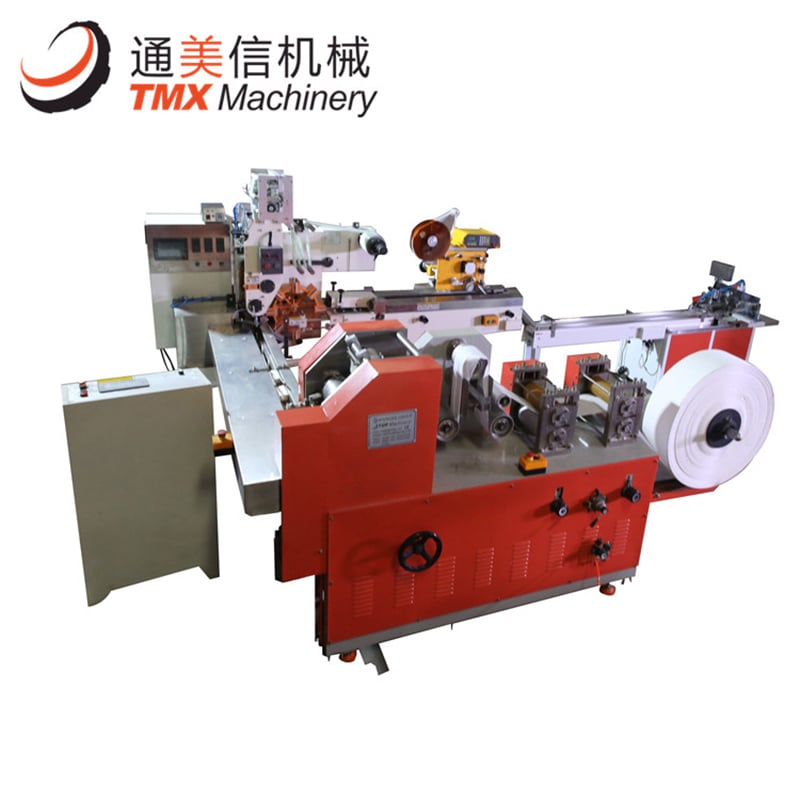
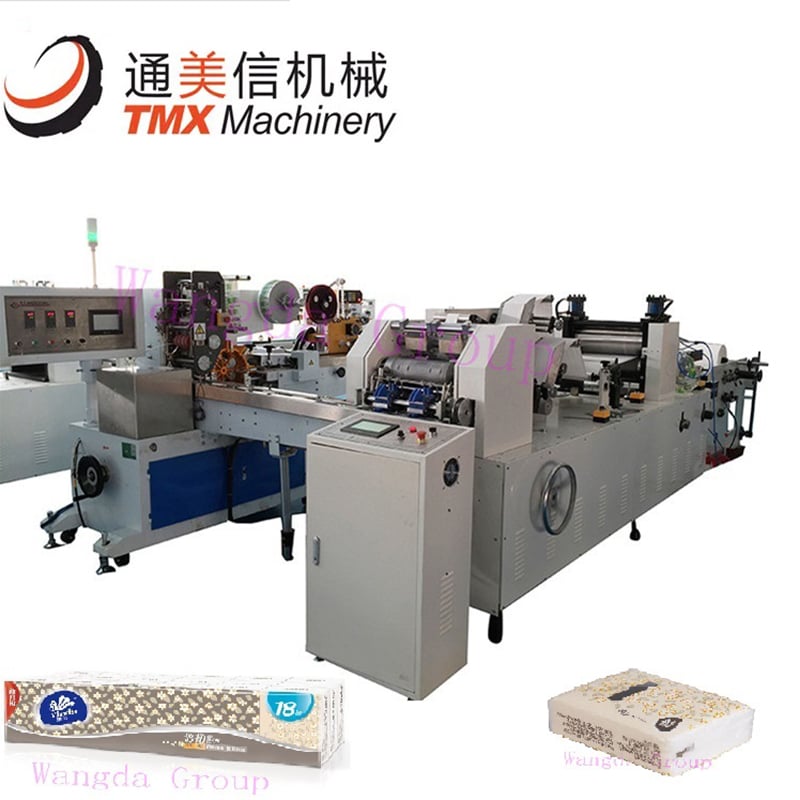
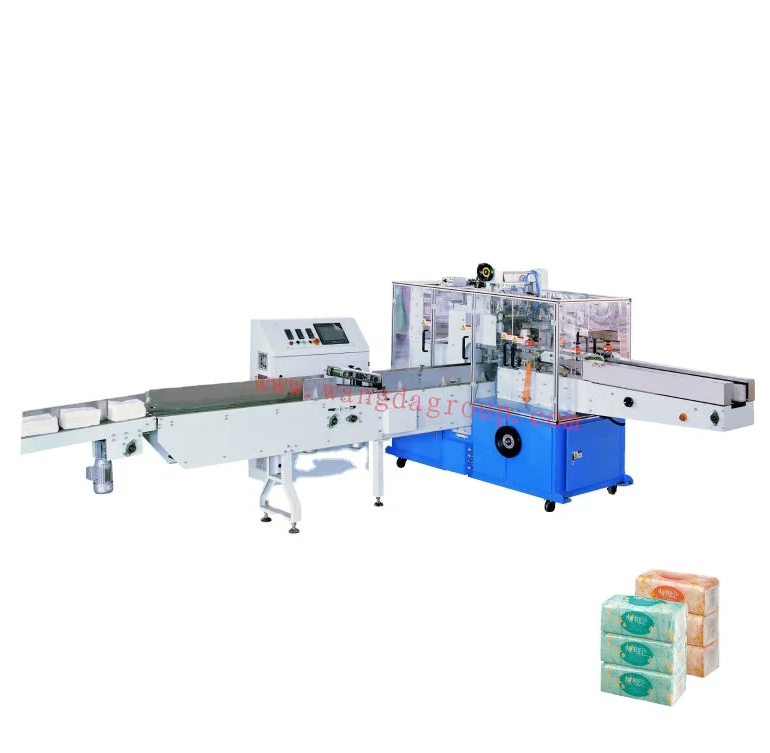
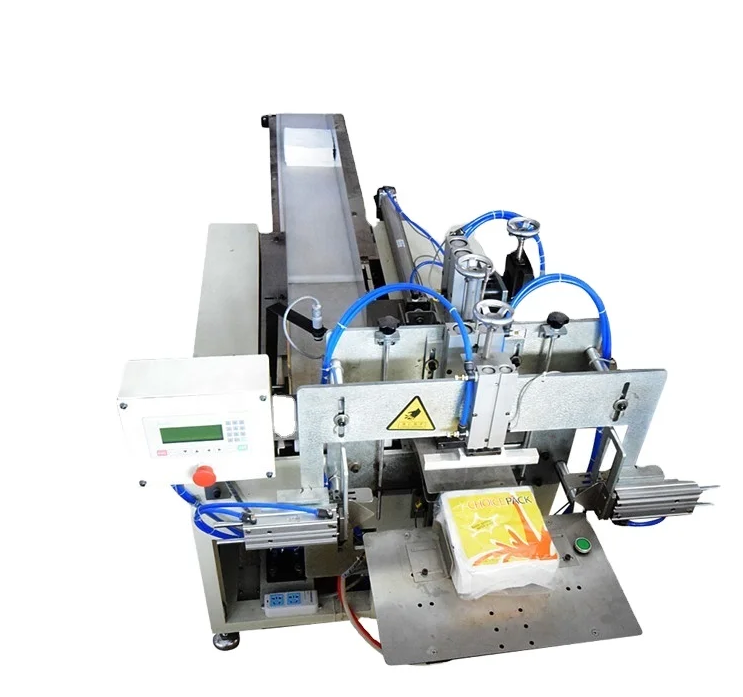
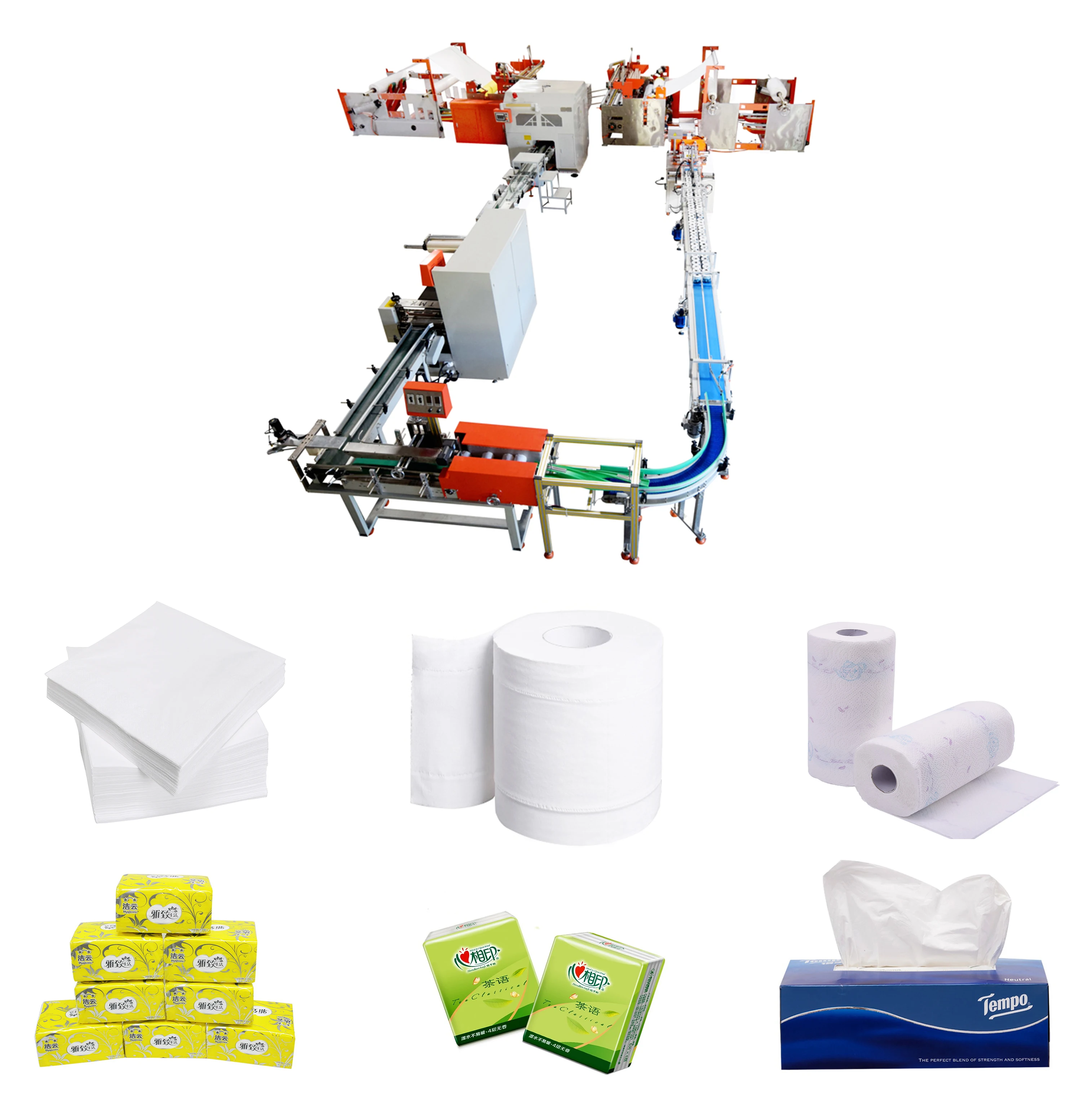
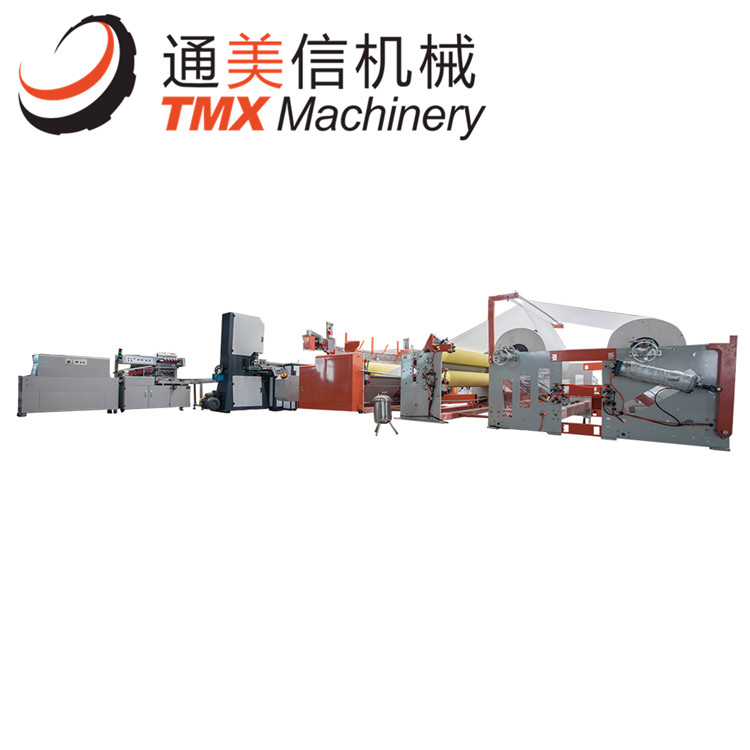
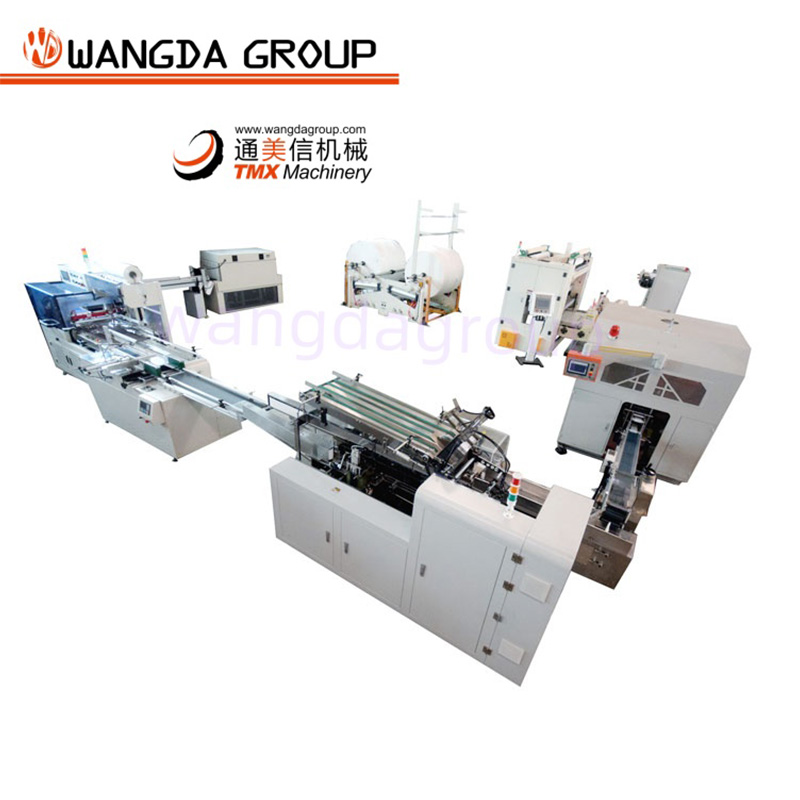
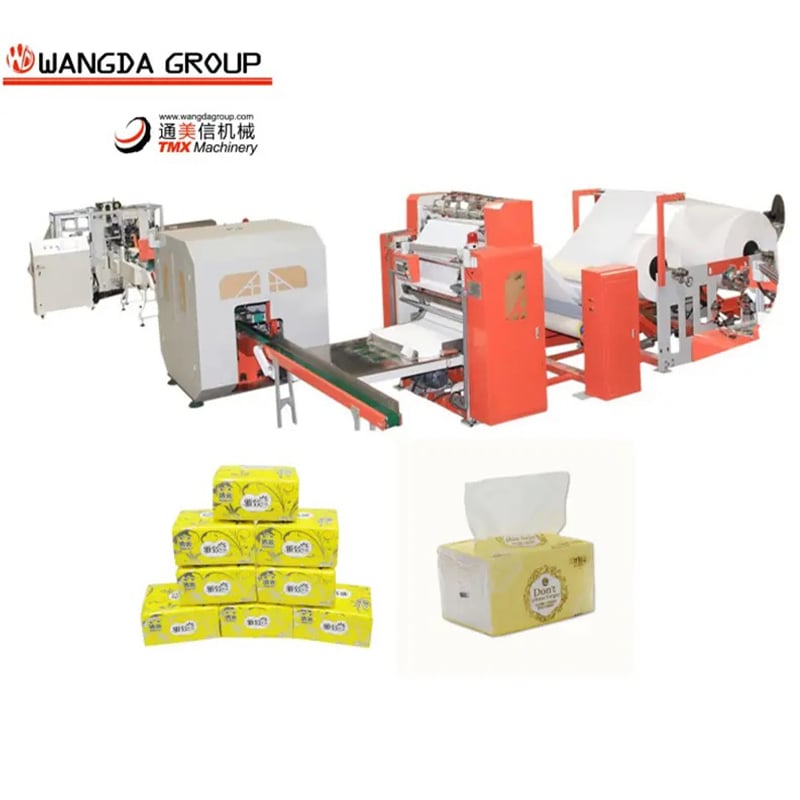
Understanding the intricacies of a tissue box machine is essential for any buyer in the hygiene industry. These tissue box packing machine are pivotal in producing hygienic, consumer-ready products like facial tissues and napkins. B2B buyers, including purchasing managers and distributors, often have concerns regarding specifications, costs, and operational requirements. This article aims to clarify these aspects, helping you make informed purchasing decisions about Wangda Industrial tissue box machines.
When evaluating tissue box machines, several key specifications should be considered:
Production Capacity: This indicates how many boxes can be produced per hour. It’s critical to choose a machine that aligns with your production goals. For instance, if you anticipate high demand, look for machines that can produce 200-300 boxes per minute.
Material Compatibility: Ensure the machine is compatible with the type of tissue paper you plan to use, whether it's recycled paper, virgin fiber, or specialty papers. Each material may require different handling and processing capabilities.
Dimensions and Size: The dimensions of the machine itself can impact your factory layout. Ensure that the machine's size fits your space and that it allows for adequate workflow and operator accessibility.
Automation Level: Consider whether a fully automated or semi-automated machine fits your production needs. Fully automated machines often reduce labor costs and improve efficiency but come with higher initial investments.
Quality Control Features: Look for machines equipped with sensors and monitoring systems that ensure quality throughout production, such as checking for proper sealing and box integrity.
Energy Efficiency: Machines that consume less energy can significantly reduce operational costs, making them a more sustainable choice in the long run.
Understanding these specifications will help you identify the most china facial tissue box packing machine for your production needs.

When comparing Wangda Industrial tissue box machines, it's important to take a systematic approach:
Request Detailed Quotations: Ensure that you obtain comprehensive quotes from multiple suppliers. These should include pricing, lead times, and after-sales support details.
Evaluate Technical Specifications: Compare the specifications mentioned in the previous section across different machines. Pay attention to production capacity and automation levels as they directly affect your operational efficiency.
Inspect Customer Reviews and References: Engage with other businesses that have purchased the machines you are considering. Their feedback on performance, reliability, and after-sales service can provide valuable insights.
Check for Customization Options: Some manufacturers may offer customizable features that better suit your specific production needs. Inquire about the flexibility of modifying machine settings or configurations.
Assess Shipping and Installation Services: Consider whether the manufacturer provides installation services and training for your staff. This support can be crucial for ensuring that the equipment is set up correctly and used effectively.
By following these steps, you can make a more informed decision when selecting a tissue box machine for bulk orders.

The cost of tissue box manufacturing is influenced by several factors:
Machine Cost: The initial purchase price of the tissue box machine is often the largest expense. Machines with higher automation and better efficiency may come with a higher price tag but can lead to savings in labor and production costs over time.
Material Costs: The type of paper used for production will significantly affect your overall costs. Recycled materials may be cheaper but can require different handling compared to premium virgin fibers.
Operational Costs: Consider the costs of energy, labor, and maintenance. Fully automated machines may reduce labor costs but could have higher energy consumption.
Shipping and Import Fees: If sourcing machinery from international suppliers, factor in shipping costs and any applicable customs duties. These can vary greatly depending on the shipping destination.
Quality Control and Testing: Ensuring the facial tissue box packaging machine meets industry standards often involves additional testing and quality control measures, which can add to the overall cost.
Customization and Upgrades: If you require specific features or enhancements, these can also increase the base cost. Discuss your requirements upfront to understand how they will affect pricing.
A thorough understanding of these cost factors will help you budget more effectively and avoid unexpected expenses during the procurement process.

Proper installation of a Wangda Industrial tissue box machine is critical to its performance and longevity. Here are some key considerations:
Site Preparation: Before the machine arrives, ensure that the installation site is prepared according to the manufacturer's specifications. This may include ensuring adequate power supply, ventilation, and space for maintenance access.
Professional Installation: Engage the manufacturer's installation team if available. They have the expertise to set up the machine correctly and can provide training to your staff on its operation.
Testing and Calibration: Once installed, the machine should undergo a series of tests to ensure it operates as expected. This includes calibrating settings for speed, pressure, and material feeding.
Operator Training: Provide comprehensive training for your operators. They should understand the machine's functions, maintenance requirements, and safety protocols to ensure smooth operation.
Maintenance Schedule: Establish a routine maintenance schedule based on the manufacturer's recommendations. Regular inspections can prevent downtime and extend the machine's lifespan.
By following these installation guidelines, you can maximize the efficiency and reliability of your tissue box machine.
Wangda manufactures toilet paper machines and toilet paper cutting machines Toilet paper packing machines, kitchen towel cutting machines, kitchen towel cutting machines. Kitchen towel packing machines. Tissue paper manufacturing machine facial tissue cutting machines, facial tissue packing machines, box drawing facial tissue machine, nylon bag facial tissue machines, maxi roll rewinding machines, napkin paper machines, serviette making machines, napkin paper packing machines, pocket tissue machines, pocket tissue packing machines, wet wipe folding machines as well as packing machines, and the list goes on. We also supply all related materials for these hygienic products.
We've Toilet tissue machine with many clients both in the United States as well as abroad.
Wangda has over Toilet paper manufacturing machine of of experience in the production of various tissue machines. We pay much attention to the equipment's functions and quality as well as additionally, we provide after-sales and pre-sales services. We supply self machines to more than 100 countries and regions that get positive feedback from clients and repeat orders. Wangda has its own R and D departments. Our machines use the most advanced Germany Japanese, Japan and Italian technology and is constantly upgraded. Our machines have achieved ISO9002, CE, BV and many other certifications. What we supply is not only machines. What we supply is a complete turnkey solution from A to Z, we can accept customized orders for these machines.
Wangda has very professional with a long-standing sales team as well as an after-sales team, 80% of the team has worked for over 10 years in our company in the Toilet paper roll making machine industry. Our teams have much experience working with daily-use paper tissue machines, packing machines, and more Hygienic products machines We are experts in a range of expertise in this field, we think what our customer wants, we worry about what our customers are worried about. Our customers aren't just purchasing equipment from us, we also help them earn a profit from the hygiene-related business. We provide our clients with the after-sales services they require.
Tissue box machines serve a vital role in the hygiene industry, producing products that are essential for everyday use. Some of the primary applications include:
Facial Tissues: These machines are widely used to produce soft, absorbent facial tissues that are packaged in boxes for easy consumer access. The ability to customize box sizes and designs can meet diverse market demands.
Napkin Production: Tissue box machines can also be configured to produce napkins, which are essential in both commercial and residential settings. The machines can handle various paper sizes and thicknesses to create products suitable for different occasions.
Handkerchief Tissues: Handkerchiefs produced with these machines provide a more premium option for consumers, and the ability to package them attractively increases their appeal.
Eco-Friendly Products: With the growing demand for sustainable products, tissue box machines can be adapted to use recycled or biodegradable materials, catering to environmentally conscious consumers.
Commercial Applications: Beyond consumer goods, tissue box machines can serve commercial enterprises, including hotels, restaurants, and healthcare facilities, where hygiene products are in high demand.
Understanding the various applications of tissue box machines allows buyers to tailor their purchases to meet specific market needs, increasing their competitiveness in the hygiene sector.