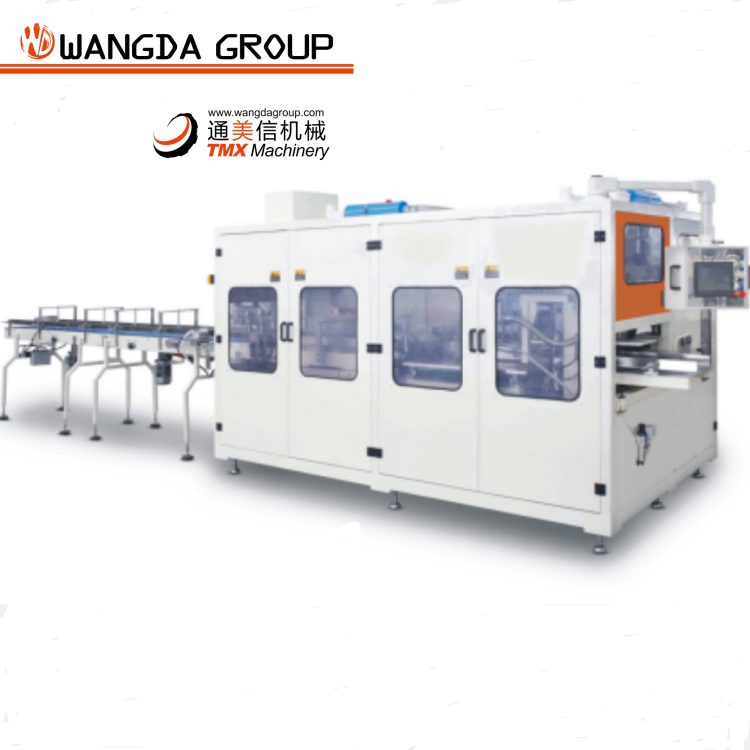
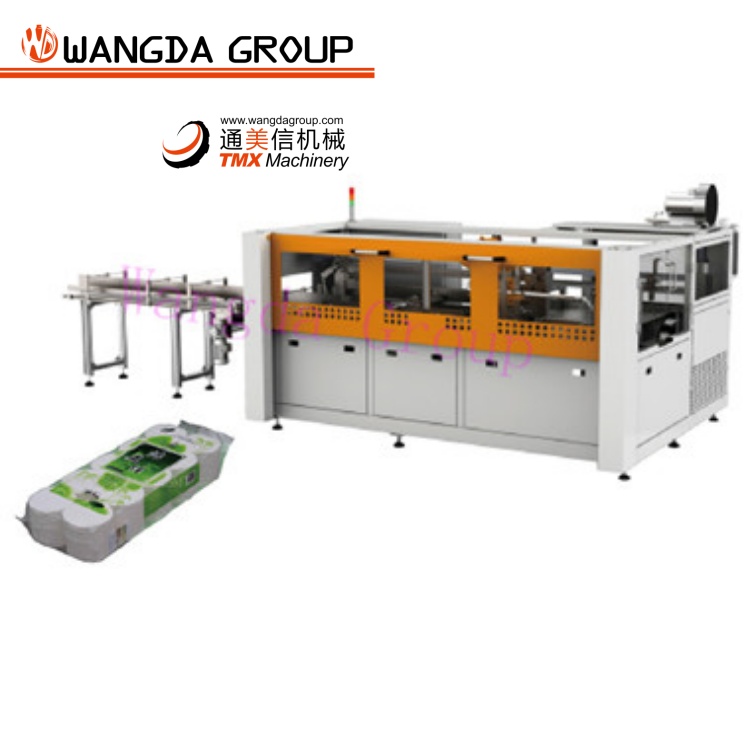
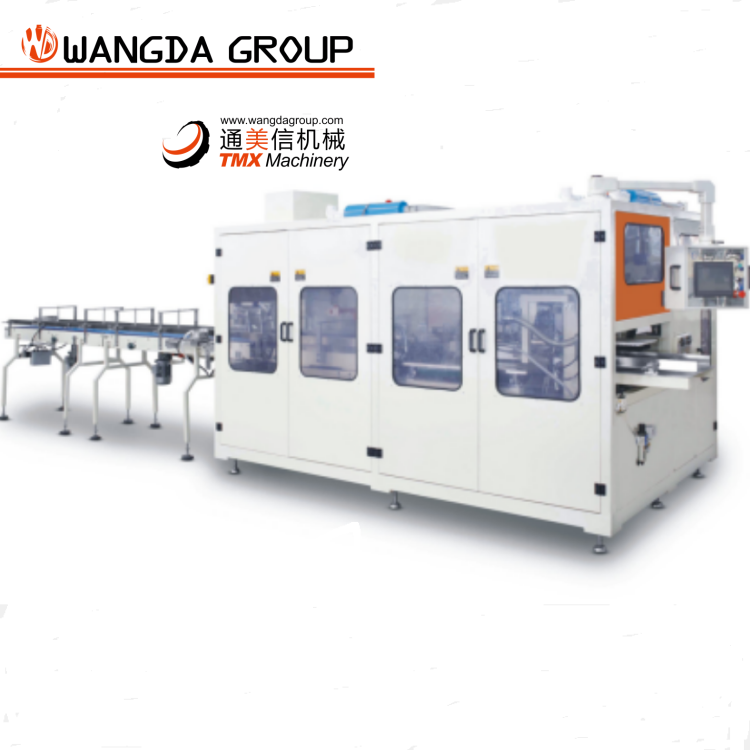
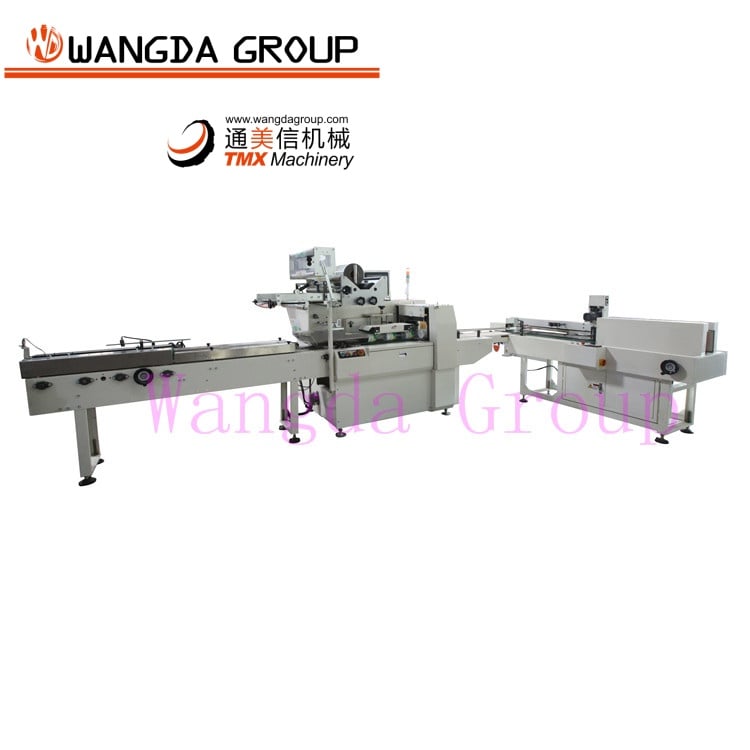
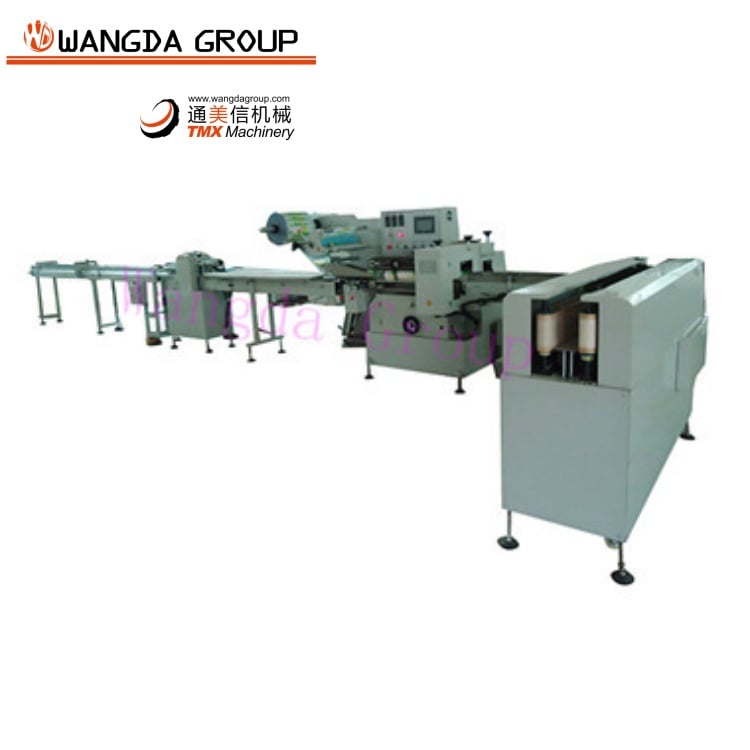
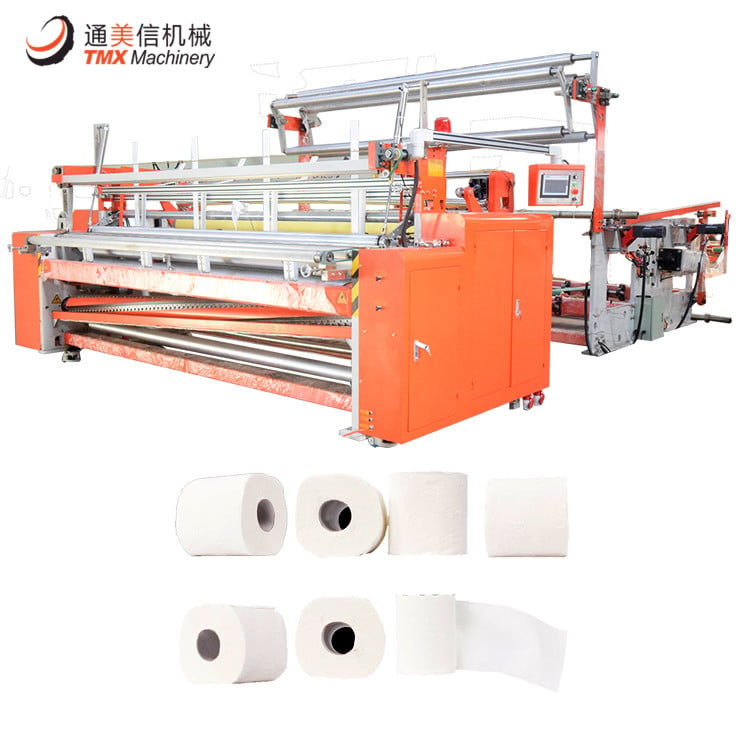
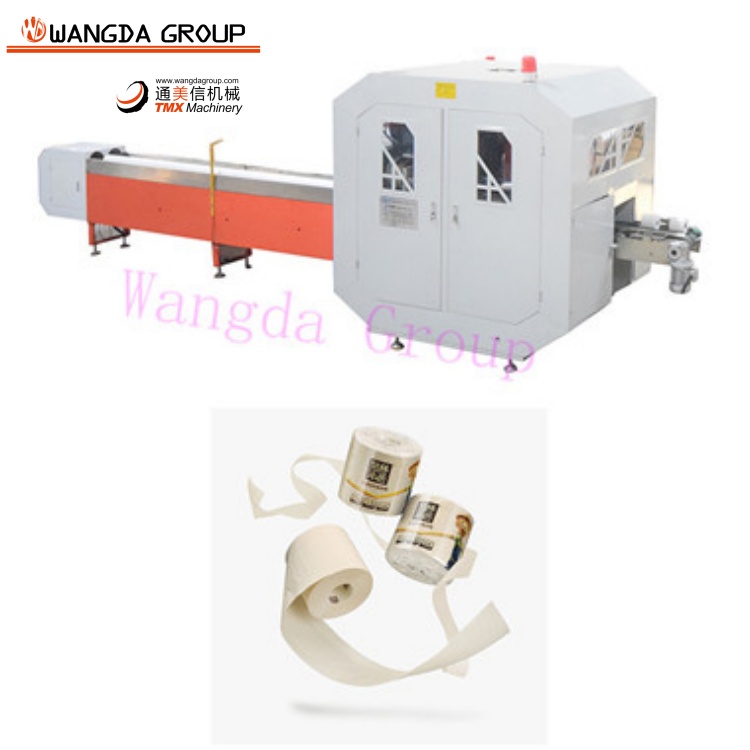
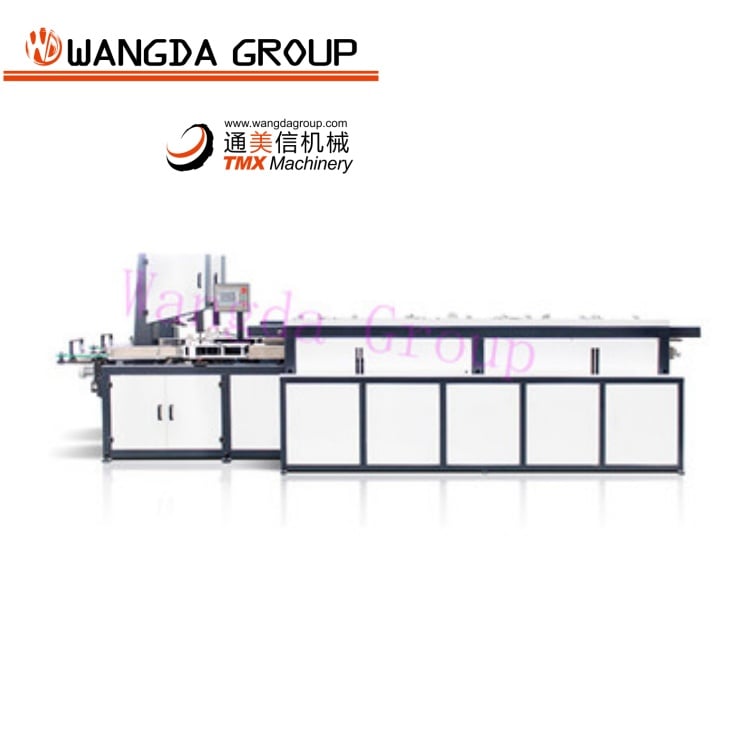
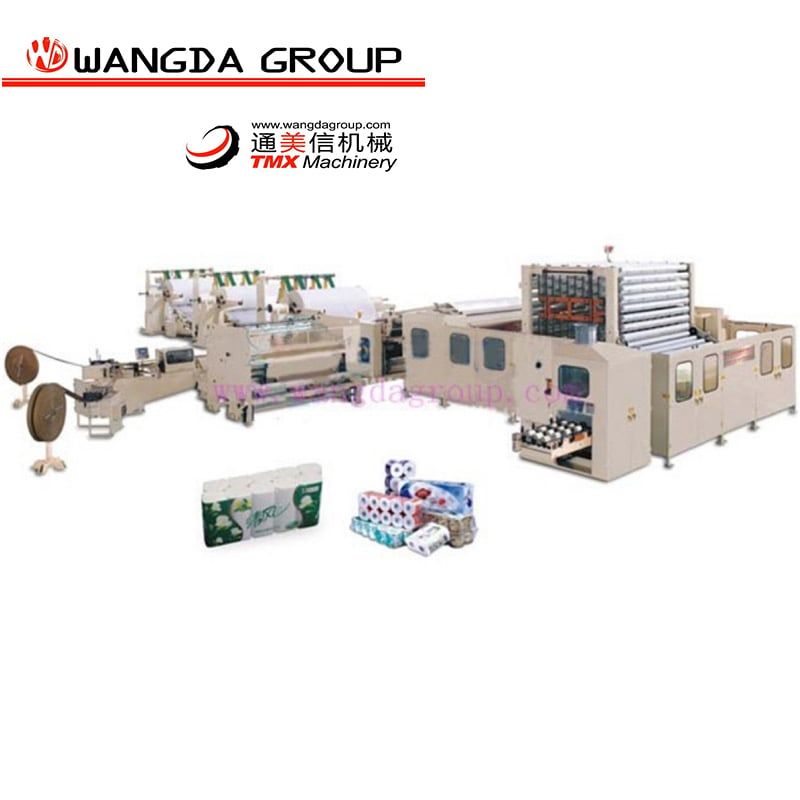
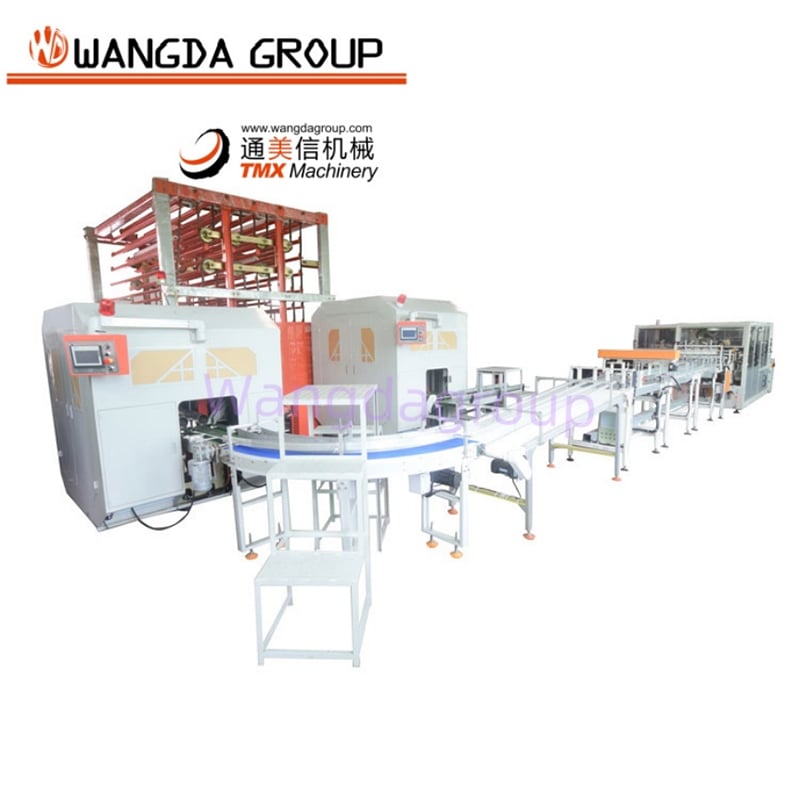
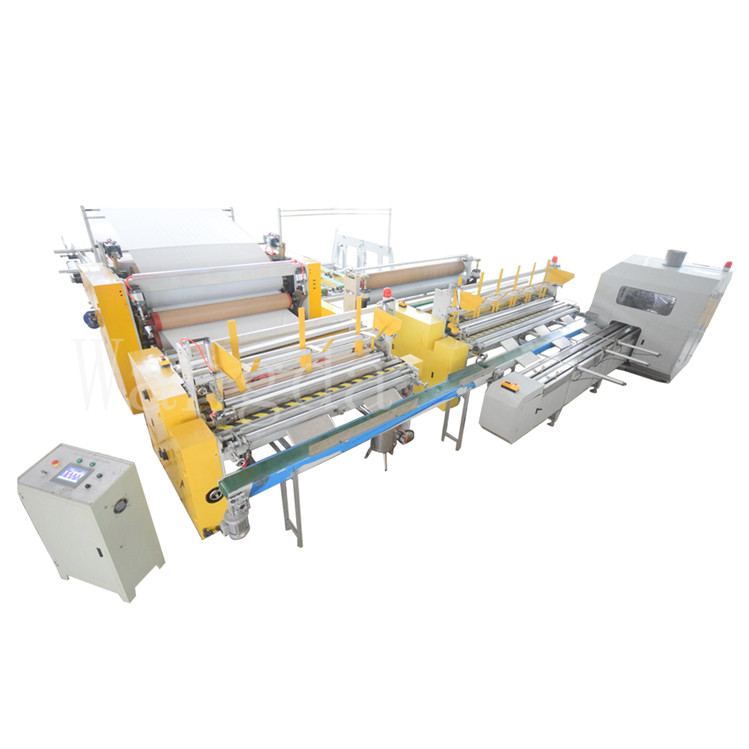
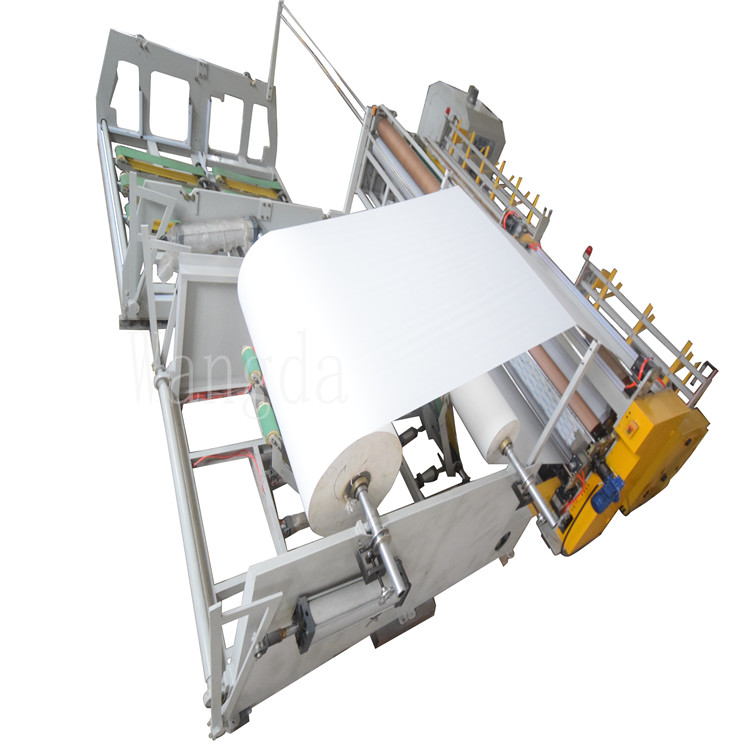
Toilet paper machines are essential for producing one of the most widely used hygiene products globally. Understanding the complexities of these machines is crucial for B2B buyers, including purchasing managers and distributors, who seek reliable and efficient manufacturing solutions. This article will guide you through the key considerations when selecting a toilet paper machine supplier, evaluating costs, understanding applications, troubleshooting common issues, and recognizing the benefits of bulk ordering.
When selecting a toilet paper machine supplier, several critical factors should be considered to ensure a successful partnership. First, assess the supplier's manufacturing capabilities and experience in producing toilet paper machine for sale. A supplier like Wangda Industrial Co., Limited, known for its robust production lines, can offer advanced technology and reliable machinery. Next, consider the certifications held by the manufacturer, which reflect their commitment to quality and compliance with industry standards. Look for suppliers with ISO certifications or other relevant industry qualifications, as these can provide assurance of product quality and reliability. Additionally, evaluate the supplier's customer service and support. Efficient communication and after-sales service are essential when issues arise or when you require technical assistance. A supplier that offers comprehensive support can significantly reduce downtime and enhance operational efficiency. Finally, inquire about customization options. Each production line may have unique requirements, and a supplier that can tailor machinery to meet specific production needs will be invaluable.

The cost of toilet paper manufacturing equipment can vary significantly based on several factors, including machine specifications, production capacity, and included features. When evaluating costs, it's vital to break down the total price, including any additional expenses that may arise, such as installation, training, and maintenance. Start by identifying the machine's specifications that align with your production goals. For instance, consider the production speed, which can impact overall efficiency and cost. Machines with higher output capacities may have a higher initial investment but can lead to lower operational costs over time due to increased productivity. Next, factor in the materials used in construction. High-quality materials may result in a higher initial cost but can enhance durability and reduce long-term maintenance expenses. Ask suppliers like Wangda about the types of materials they use and how these choices affect pricing. Lastly, consider the total cost of ownership, which includes ongoing operational costs such as energy consumption and maintenance. A machine that is energy-efficient and requires minimal upkeep may have a higher upfront cost but lower long-term expenses, making it a more economical choice.

Toilet paper machines play a crucial role in the hygiene industry, producing products for various applications. The primary application is, of course, the manufacturing of toilet paper, which is essential in residential, commercial, and institutional settings. Additionally, these machines can be adapted to produce other hygienic products, such as paper towels and facial tissues. This versatility allows manufacturers to diversify their product lines and cater to different market demands.
Moreover, toilet paper machines can be designed to accommodate various paper grades and sizes, enabling producers to meet specific customer preferences. High-quality machines can also produce products with different levels of softness and strength, depending on the intended use. In today's market, the demand for eco-friendly products is rising. Modern toilet paper machine price can incorporate sustainable practices, such as using recycled materials or reducing waste during production. This not only meets consumer preferences but also aligns with global sustainability goals.
Despite their efficiency, toilet paper machines can encounter common issues that may disrupt production. Understanding these problems and their solutions is essential for maintaining smooth operations. One frequent issue is paper jams, which can occur due to improper alignment or incorrect material specifications. Regular maintenance and proper operator training can help mitigate this risk. Ensure that your team is well-versed in machine operation and troubleshooting techniques to address minor issues promptly. Another common problem is inconsistent paper quality, which can result from variations in raw materials or machine settings. To avoid this, establish quality control protocols that involve regular testing of raw materials and finished products. Working with a reputable supplier like Wangda, who can provide high-quality materials, will also help maintain consistency. Lastly, equipment wear and tear can lead to mechanical failures. Implementing a preventative maintenance schedule can help identify issues before they escalate, reducing downtime and repair costs.
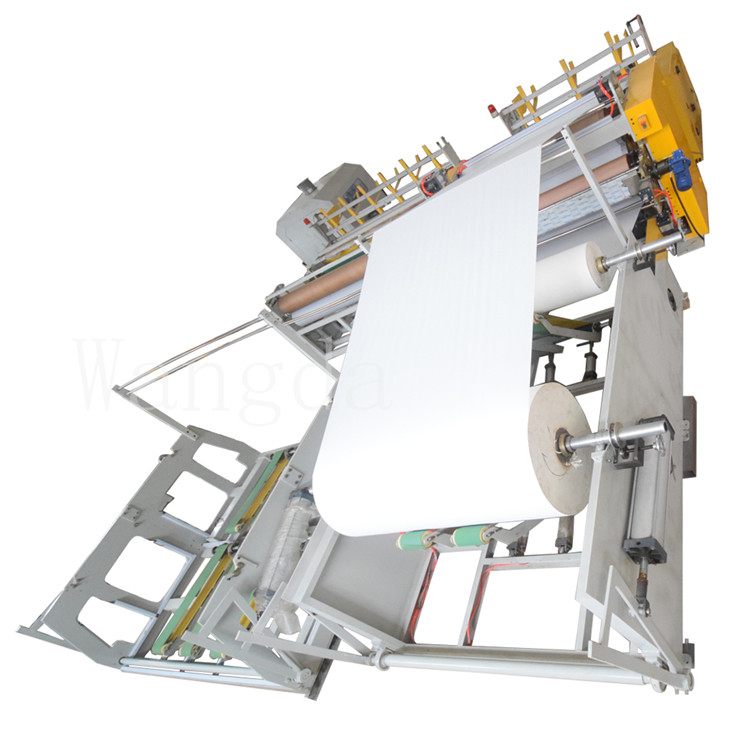
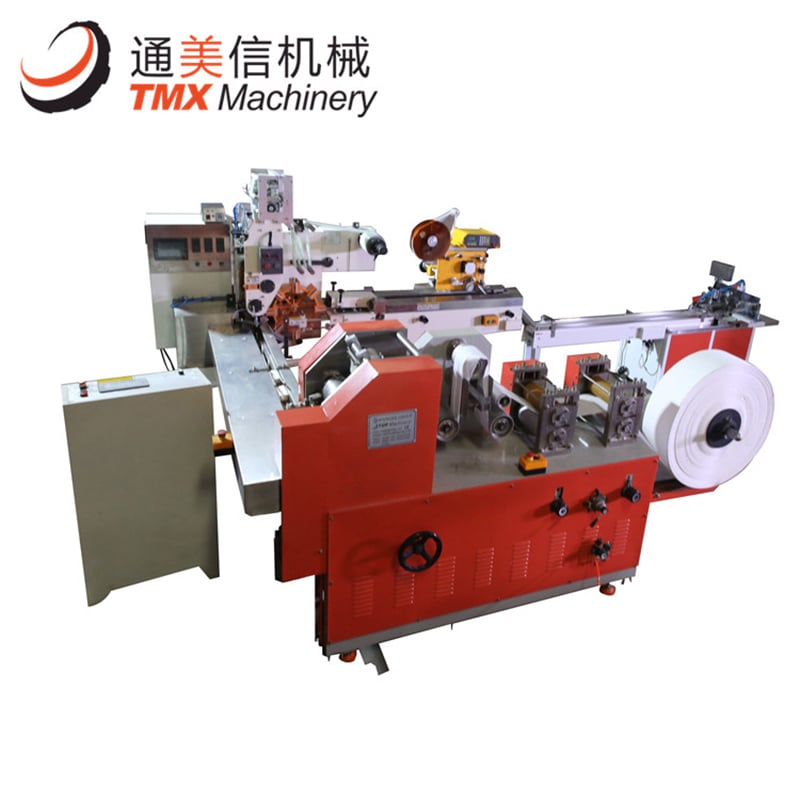
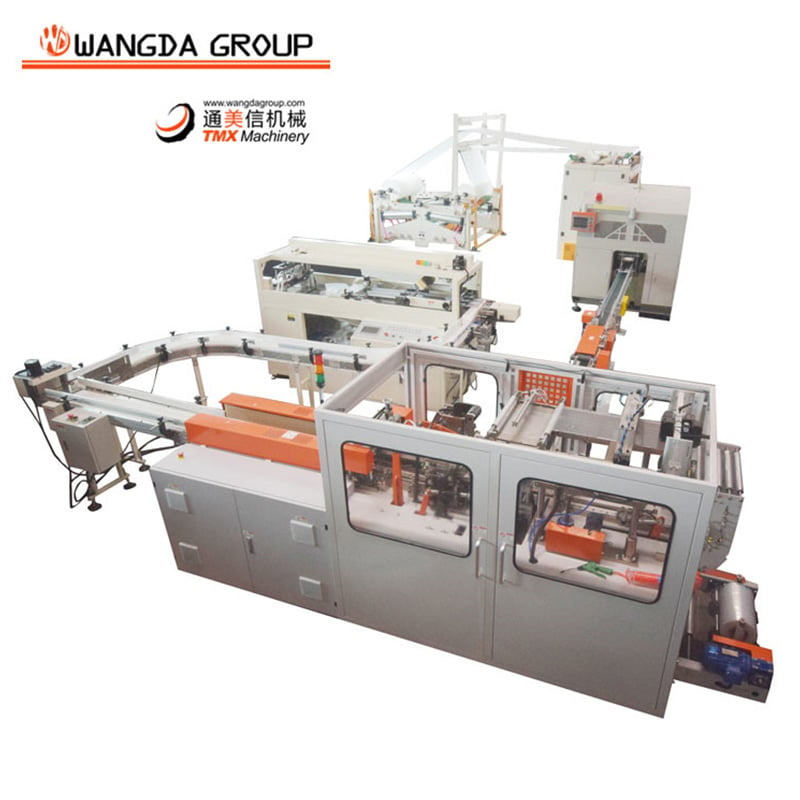
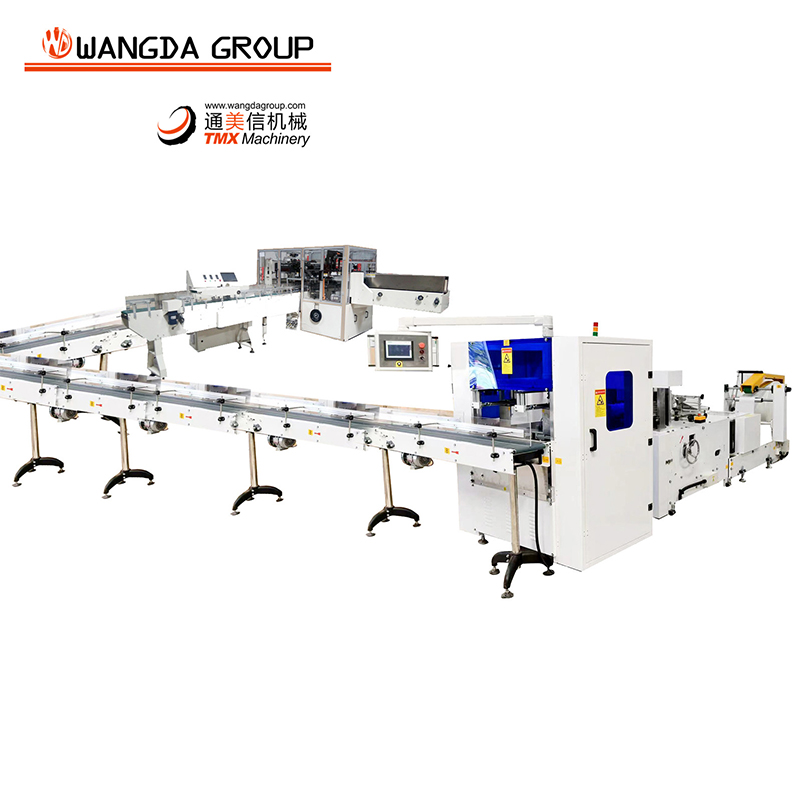
Wangda produces toilet tissue machines (including cutting and packing) kitchen towels machines (including cutting and packing) facial tissue machines (including cutting and packing) bags of Toilet tissue machine facial tissue machines. We also make maxi roll rewinding devices as well as perforating machines.
Tissue paper machine has a very experienced with a long-standing sales team as well as an after-sales staff, 80% of the team has worked for more than 10 years in our business in this hygienic product industry. Our team members have a lot of experience working with daily-use paper tissue machines, related packing machines and so on hygienic product machines We are experts in a range of information in this area, we know what our clients need, and worry about the things that make they are concerned about. We don't only sell machines to our customers, we also assist our customers to make profit from this hygienic business, to provide the lifelong after-sales service to our customers on time.
Wangda has Toilet roll manufacturing machine with various clients both from home and abroad. We have worked with large companies from GCC countries such as Fine Hygienic across different nations, Nesto Hypermarket, Top one and two hygienic producer Band G, the Meghna Groups of Bangladesh. Outnet Group from African countries. And as well, there are big European brand, American brands, Latin American brands we have cooperated for a great number of years. We have several factories outside of the United States that you can visit to look at our products which is more efficient. Also you are invited to come to our factory to see our products on the spot. We will be happy to answer your questions at any time, and we hope to begin our mutual benefit story right away.
Wangda has more than 20 years of experience manufacturing tissue machines. We pay attention to the quality of machines, their function as well as pre and post sales service. We've sold machines to over 100 countries. This has resulted in numerous orders and good feedback from our customers. Our R and D department is a part of Wangda. We have our own R and D departments. Our machines are constantly upgraded and are incorporating the latest technology of Germany, Japan, and Italy. They have received ISO9002, CE and BV certifications. We offer turnkey projects that span from Toilet paper machine that includes more than machines.
Bulk ordering toilet paper machinery offers numerous advantages for distributors looking to streamline their operations. One significant benefit is cost savings. When ordering multiple machines or full production lines, many manufacturers, including Wangda Industrial Co., Limited, may offer discounts, lowering the overall investment. Additionally, bulk orders can lead to better negotiation terms, including favorable payment schedules and extended warranty periods. This can enhance cash flow management and provide peace of mind knowing that you have reliable equipment backed by solid support. Bulk ordering also enables distributors to standardize their machinery, making maintenance and training more straightforward. With uniform equipment across production lines, operators can become more proficient, reducing training time and enhancing productivity. Finally, having multiple machines allows for scalability. As demand for toilet paper increases, distributors can ramp up production without needing to source additional equipment quickly. This flexibility can give businesses a competitive edge in the market. selecting the right toilet paper machine and supplier requires careful consideration of manufacturing capabilities, cost evaluation, and understanding common operational challenges. By focusing on these key areas, B2B buyers can make informed decisions that enhance their production efficiency and product quality.