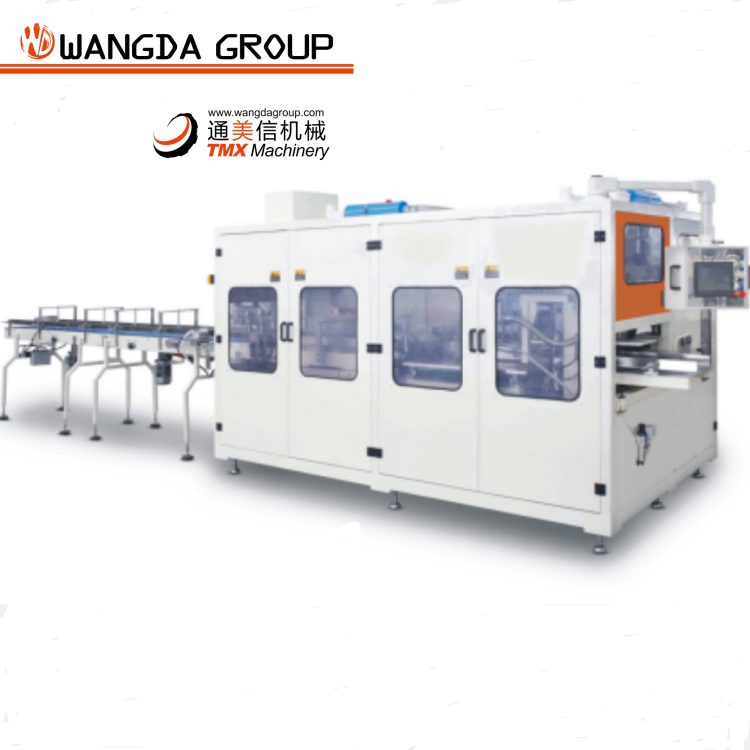
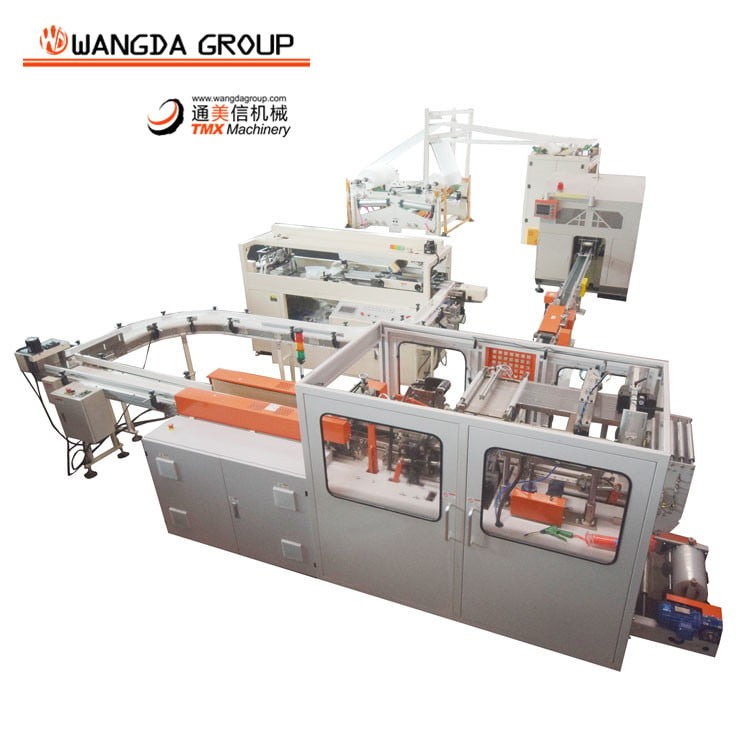
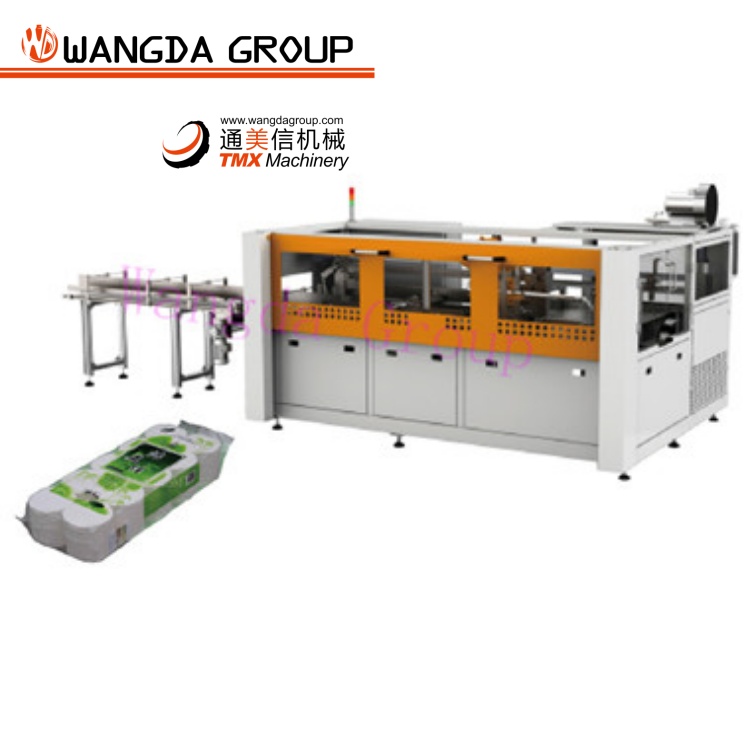
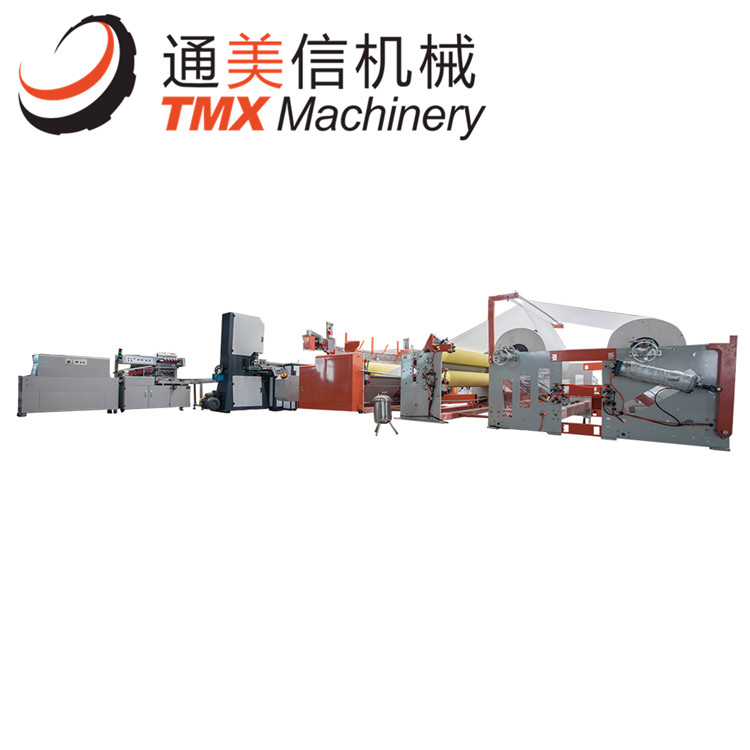
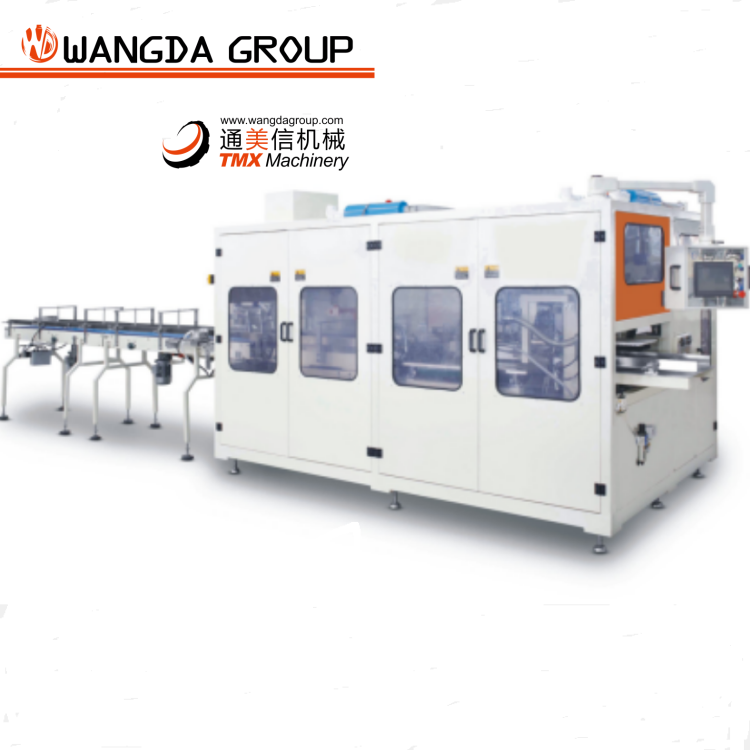
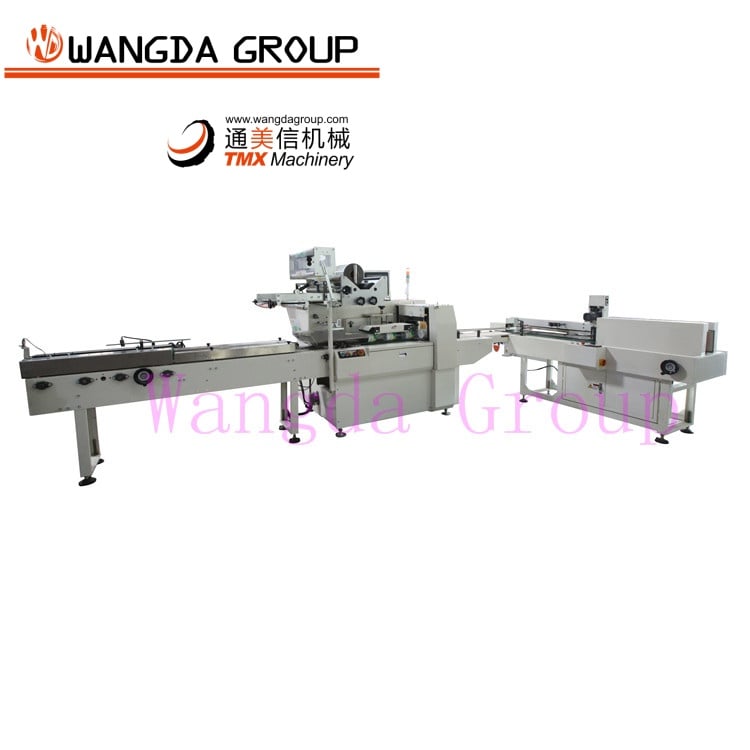
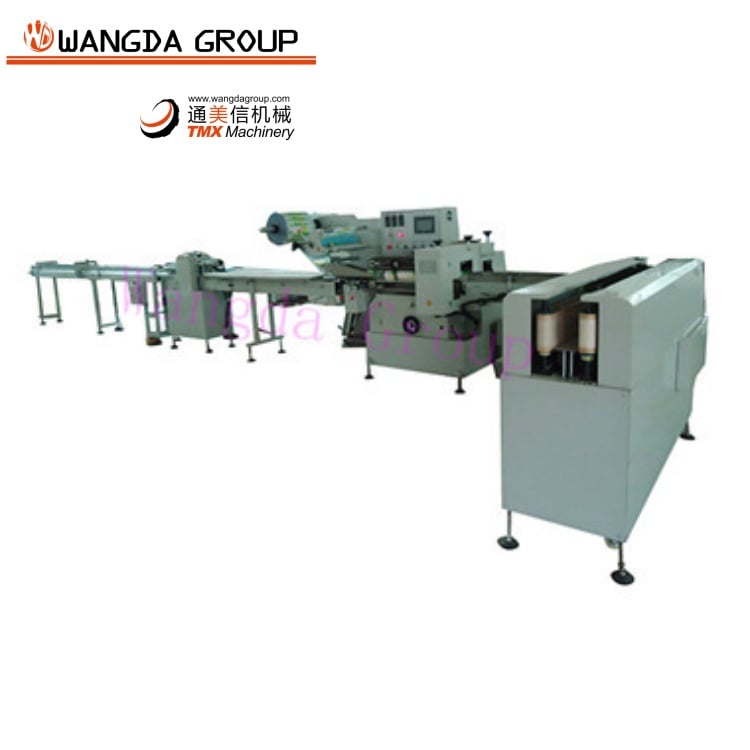
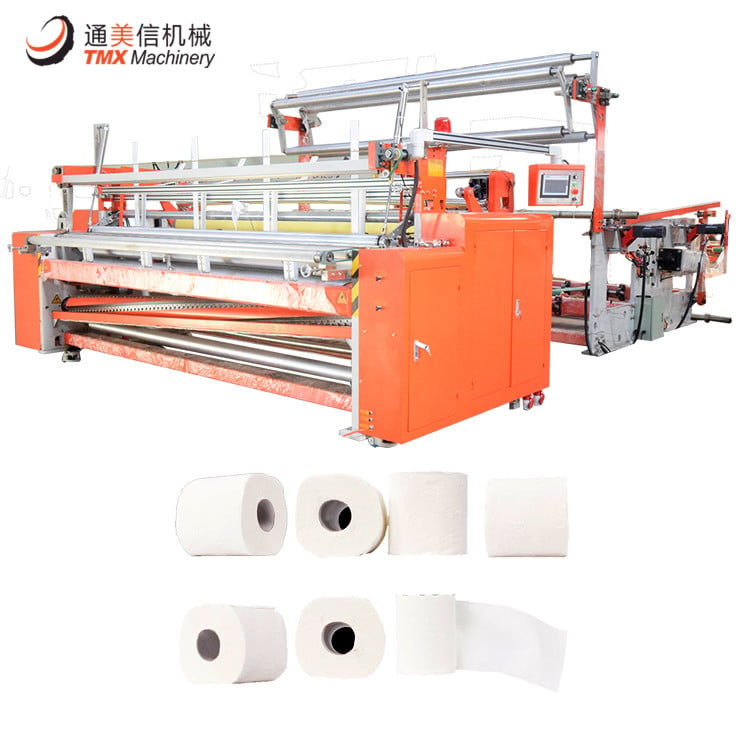
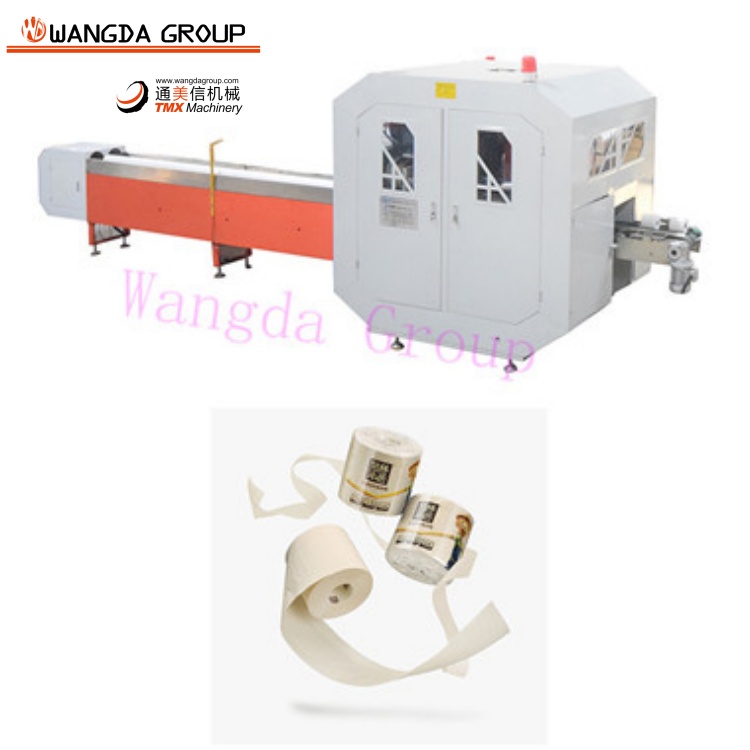
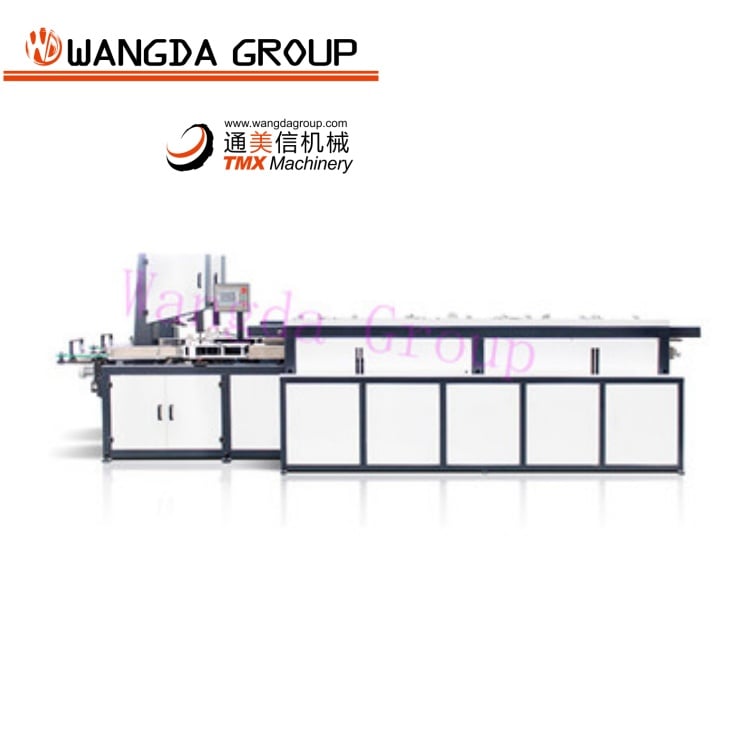
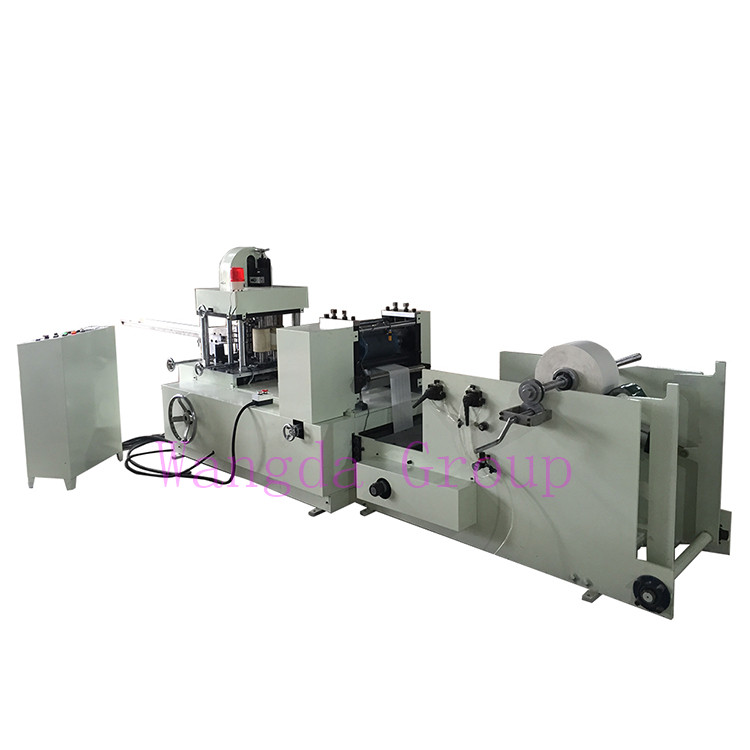
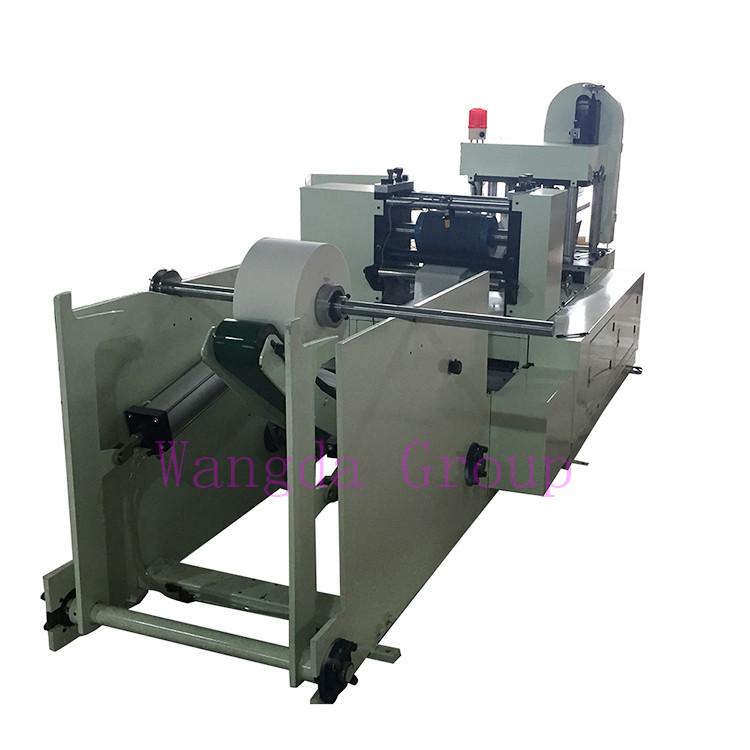
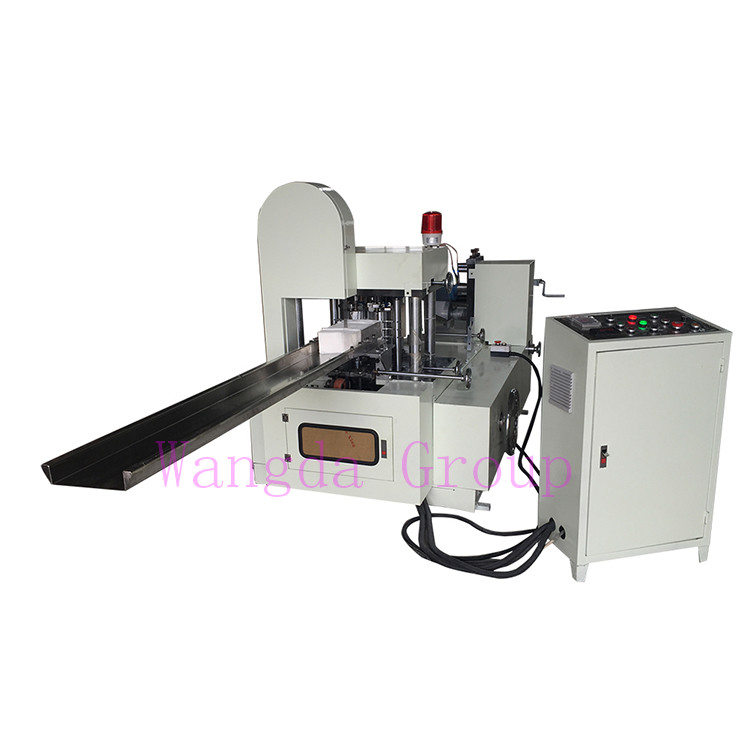
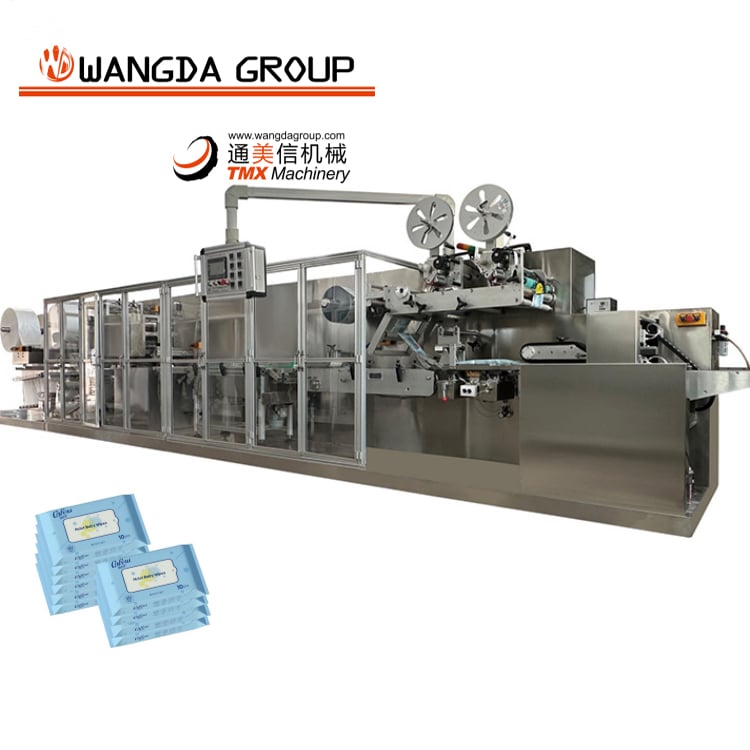
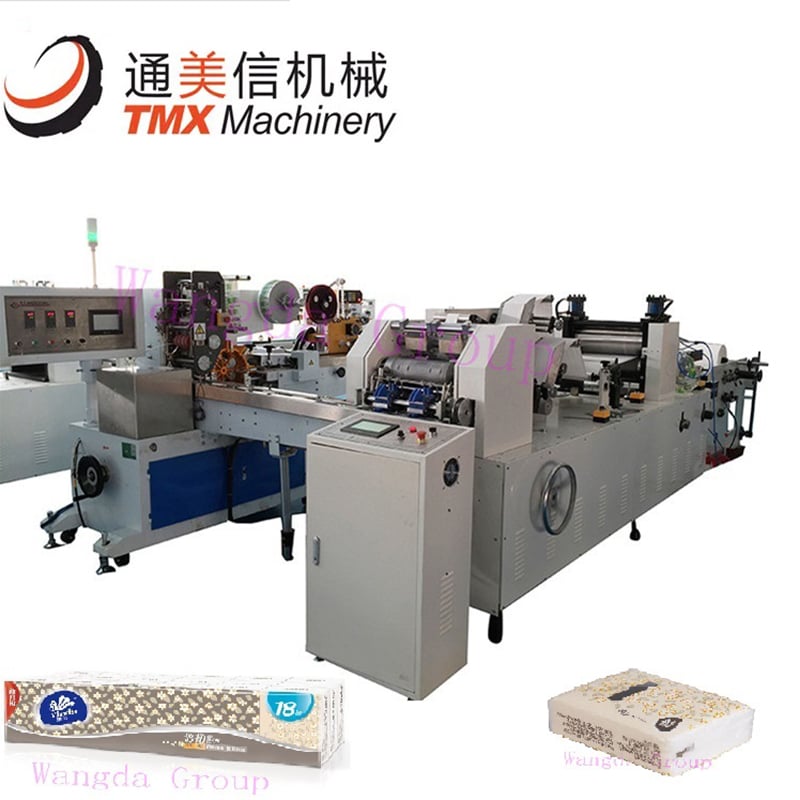
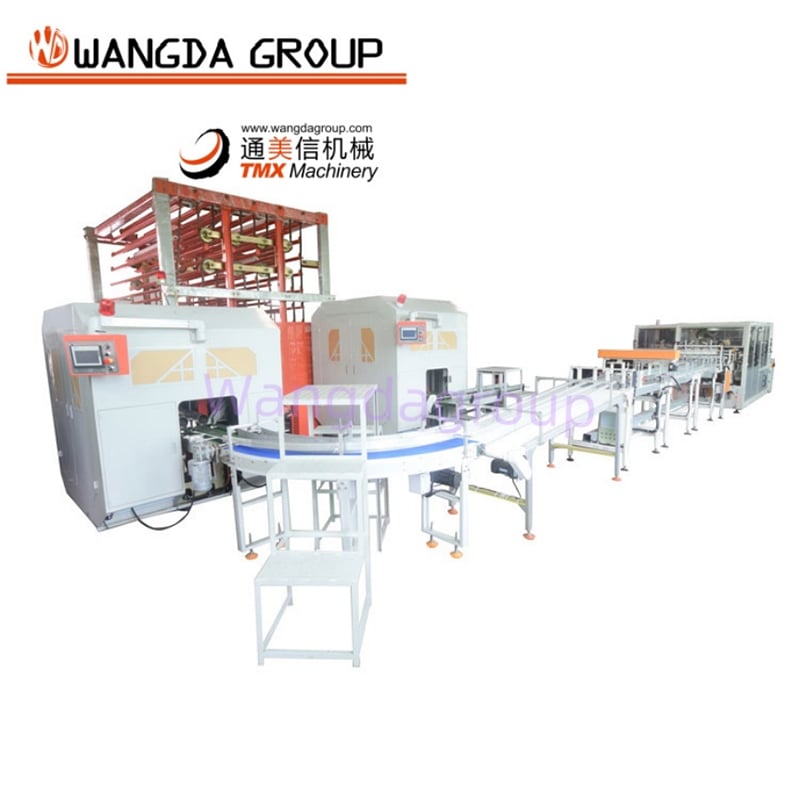
Investing in a napkin paper making machine is a significant decision for businesses in the hygienic product manufacturing sector. These machines are crucial for producing high-quality napkin paper that meets customer demands. Buyers often seek to understand the various aspects of these machines, including their specifications, sourcing options, cost factors, and potential discounts on bulk orders. This article aims to elucidate these essential considerations, helping purchasing managers and other professional buyers make informed decisions.
When evaluating the quality of a napkin paper making machine, several key specifications and features should be considered. First, examine the machine's production capacity, which is often measured in tons per hour. This figure indicates how efficiently the machine can meet your production goals and directly impacts profitability.
Next, consider the materials used in the machine's construction. High-quality steel components are essential for durability and longevity. Additionally, look for machines that incorporate advanced technology, such as full-servo systems, which enhance precision in cutting and folding processes.
Quality control processes are also crucial. A reputable manufacturer should provide documentation of compliance with international quality standards. toilet tissue making machine certification ensures that the machine operates reliably and produces consistent product quality. Furthermore, request information about the manufacturer's after-sales support and warranty policies, as these factors can significantly affect operational uptime and maintenance costs.

Finding a reliable supplier for napkin paper making machines is vital for ensuring the quality and performance of your investment. Start by evaluating potential suppliers based on their manufacturing capabilities and experience within the industry. Companies that specialize in hygienic product machines, like Wangda Industrial Co., Limited, often have the expertise needed to provide machines that meet specific industry standards.
Additionally, inquire about the supplier's export experience. A supplier with a proven track record in international markets, such as the Middle East, Asia, Africa, and the Americas, is likely to have a better understanding of diverse market needs and compliance requirements. tissue paper making machine price experience can be beneficial in ensuring that the equipment aligns with local regulations and customer expectations.
Requesting references from previous customers can also provide insights into the supplier's reliability and customer service. A supplier that is willing to share testimonials or case studies demonstrates confidence in their product and service quality.

The cost of a napkin paper making machine can vary significantly based on several factors, including the machine's specifications, production capacity, and features. When assessing costs, consider the following elements:
Initial Purchase Price: This includes the base cost of the machine and any additional features that may be required for your specific production needs.
Installation and Setup Costs: These can add to the overall expenditure. Ensure that the supplier provides a clear breakdown of these costs and whether they include training for your staff.
Operational Costs: Evaluate energy consumption, maintenance requirements, and the availability of replacement parts. toilet roll making machine with higher efficiency ratings may have a higher upfront cost but can lead to lower operational expenses over time.
Custom Features: If you require specialized features or modifications, these can increase the overall cost. Discuss customization options with the supplier to understand how they impact pricing.
Being aware of these factors can help you create a more accurate budget and ensure that you choose a machine that offers the best value for your investment.

When purchasing napkin paper making machines, consider the potential for bulk order discounts. Many suppliers, including those like Wangda Industrial Co., Limited, offer pricing incentives for larger orders, which can significantly reduce your overall investment.
To negotiate effectively, determine your exact needs regarding quantity and model specifications. Discuss your production goals with the supplier to see if they can provide flexible solutions that meet both your operational requirements and budget constraints.
It's also wise to compare the total cost of ownership between different models when considering bulk purchases. Sometimes, a slightly higher initial investment in a more advanced machine can lead to greater savings through efficiency and reduced maintenance costs over time.
Wangda Tissue making machine toilet tissue machines (including cutting and packing), kitchen towel machines (including cutting and packing) facial tissue machines (including cutting and packing) as well as nylon bag facial tissues machines. We also make maxi roll rewinding equipment as well as perforating machines.
Wangda has more than 20 years experience in the Toilet tissue machine of all kinds of tissue machines, we pay much attention to the features of the machine and its quality, as well as in addition, after sales and pre-sales services. We've sold machines in over 100 countries. This has resulted in many repeat orders and good reviews from our clients. Wangda has its own R and D departments. Our machine is based on the latest Germany Japanese, Japan and Italian technology, and is upgraded day by day. Our machines have been certified to ISO9002, CE, BV and other certifications. We offer turnkey projects that span from A to Z, not just machines.
Wangda has cooperated with Tissue paper making machine both from the home country and abroad. We have collaborated with major groups from GCC countries such as Fine Hygienic from several nations, Nesto Hypermarket, Top One and Two hygienic product manufacturer B and G, Meghna Groups of Bangladesh. Outnet Group from African countries. And as well, there are large European brands, American brands, Latin American brands we have worked with for a great number of years. We have a number of sample factories outside of the United States that you can visit to look at our products. This is more convenient. Also we invite you to visit our factory to experience our products right at the moment. We will be happy to answer your questions anytime, and hope to begin our mutual benefit story asap.
Wangda has very professional with a long-standing sales team as well as an after-sales team, 80% of the team has worked for over 10 years in our company in the Toilet paper roll making machine industry. Our teams have much experience working with daily-use paper tissue machines, packing machines, and more Hygienic products machines We are experts in a range of expertise in this field, we think what our customer wants, we worry about what our customers are worried about. Our customers aren't just purchasing equipment from us, we also help them earn a profit from the hygiene-related business. We provide our clients with the after-sales services they require.
When comparing different napkin paper machine models, focus on several critical aspects to ensure you select the right equipment for your operations. Start with the production capacity of each model, as this will directly influence your ability to meet customer demand.
Next, examine the technical specifications, such as the machine's dimensions, weight, and power requirements. Ensure that the selected model fits within your production facility and is compatible with existing infrastructure.
Another essential factor is the ease of operation. Machines that feature user-friendly interfaces and automated settings can reduce training time for operators and improve overall efficiency. Look for models that offer flexibility in production, allowing for various napkin sizes and types without extensive downtime during changeovers.
Lastly, consider the long-term support and maintenance options offered by the manufacturer. Models that come with comprehensive service agreements or warranties can provide peace of mind and protect your investment over time.
By taking the time to evaluate these factors, you can make an informed decision that aligns with your production needs and business goals.