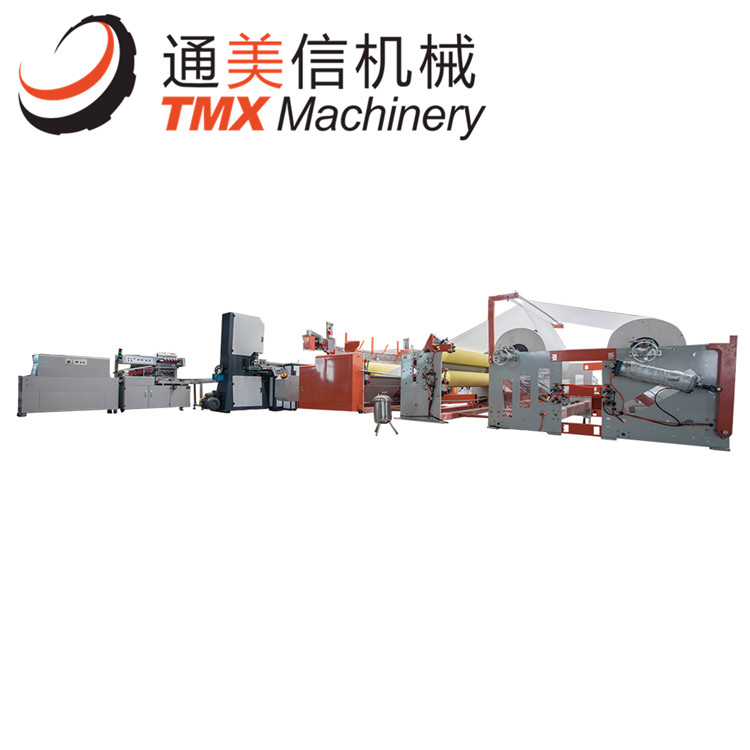
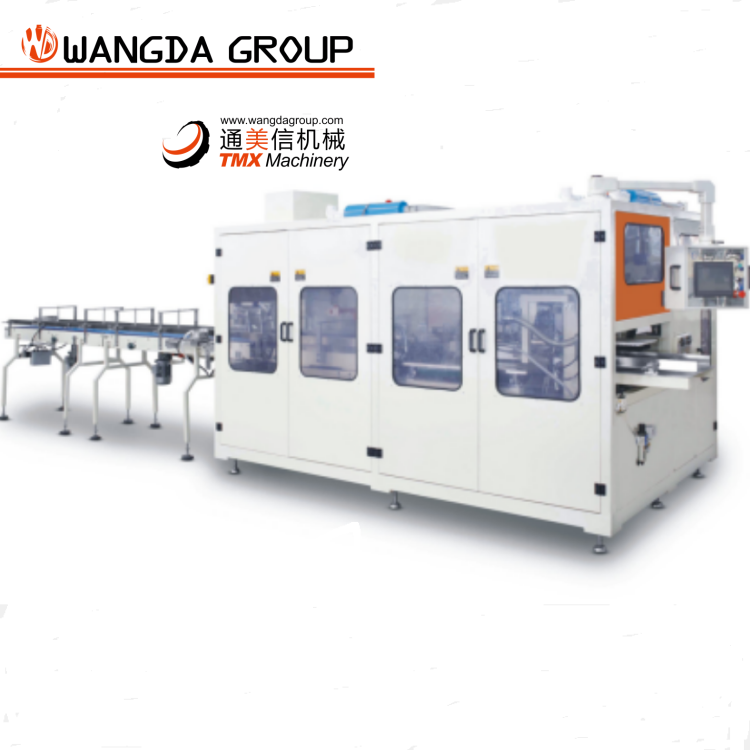
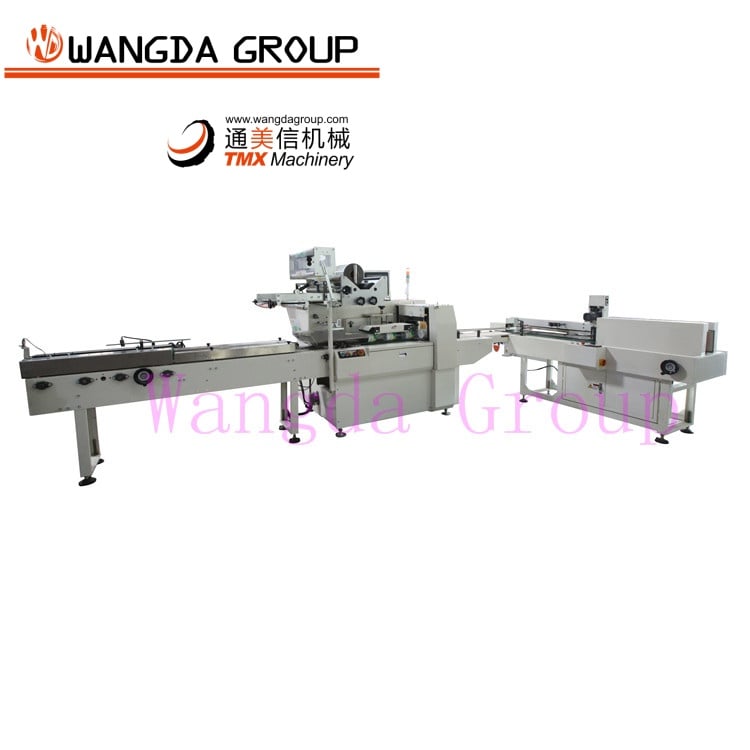
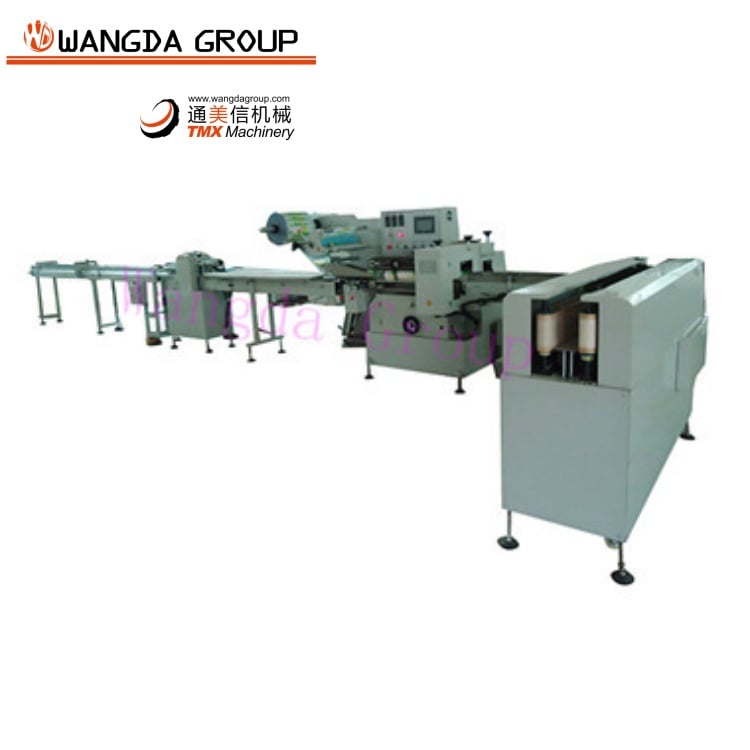
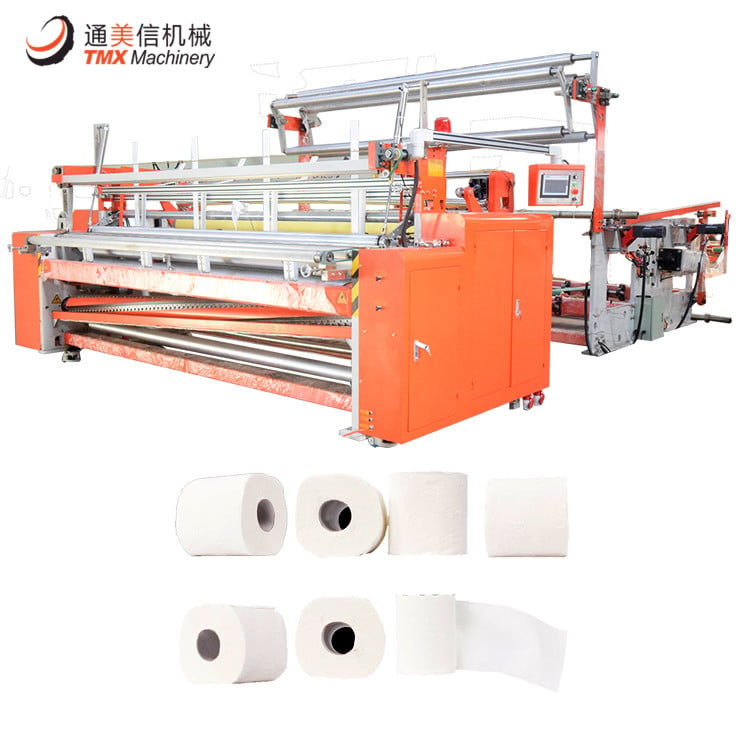
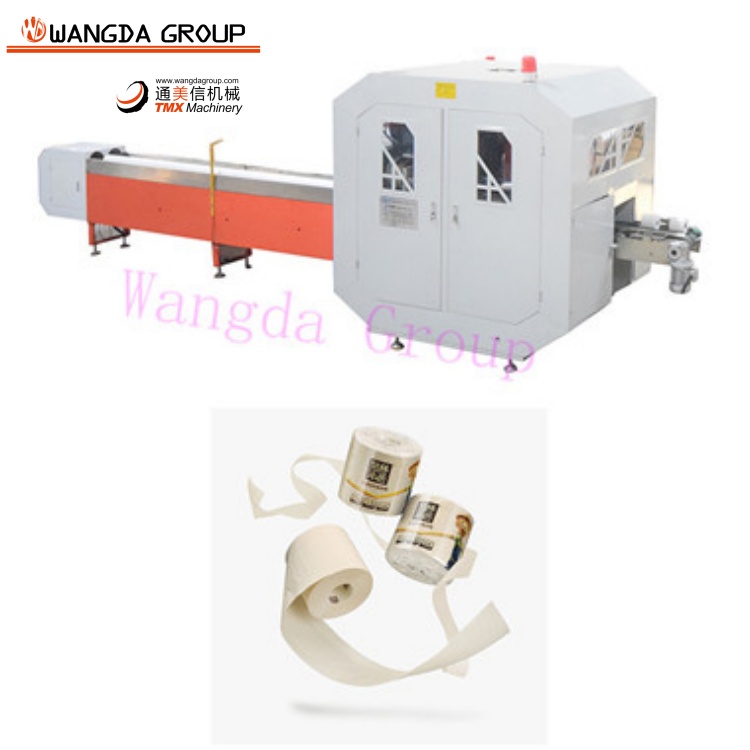
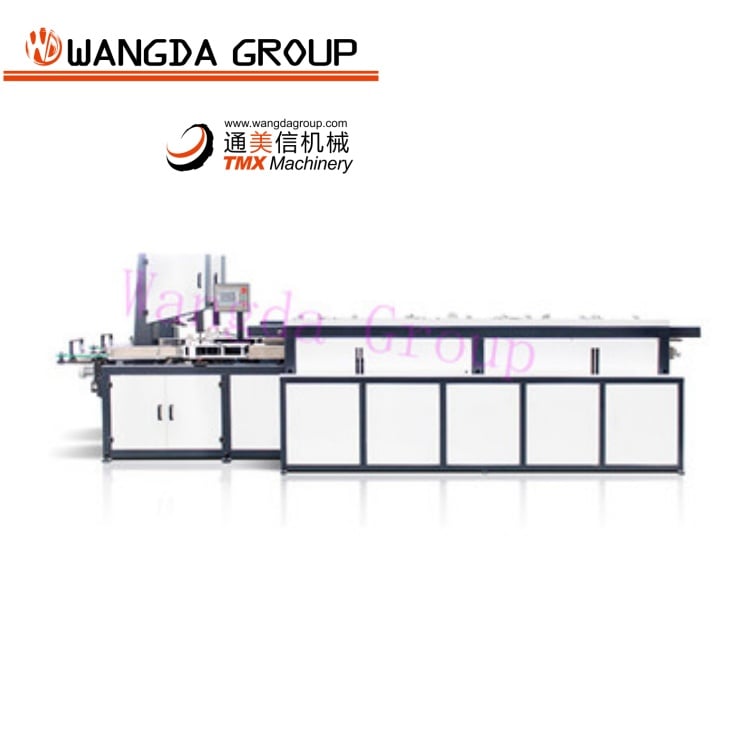
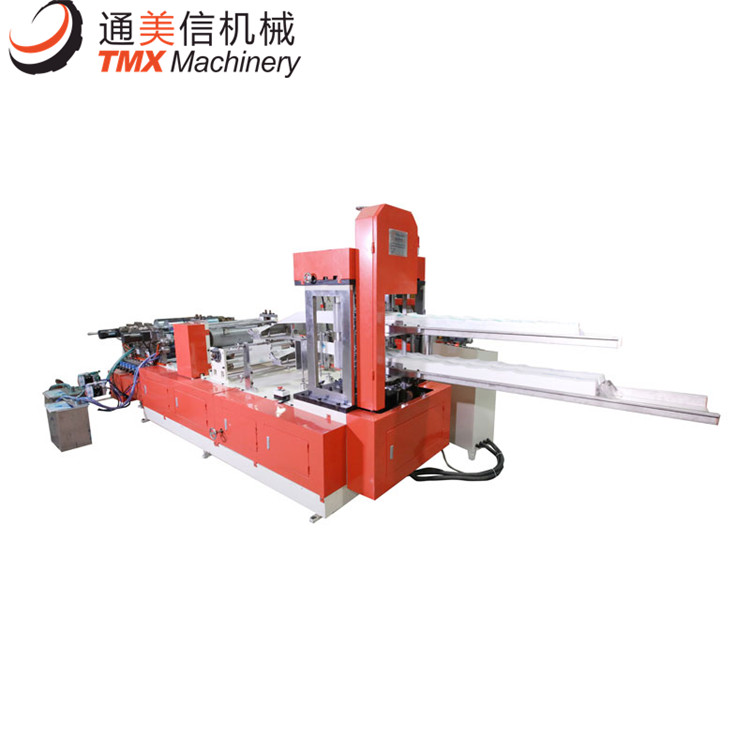
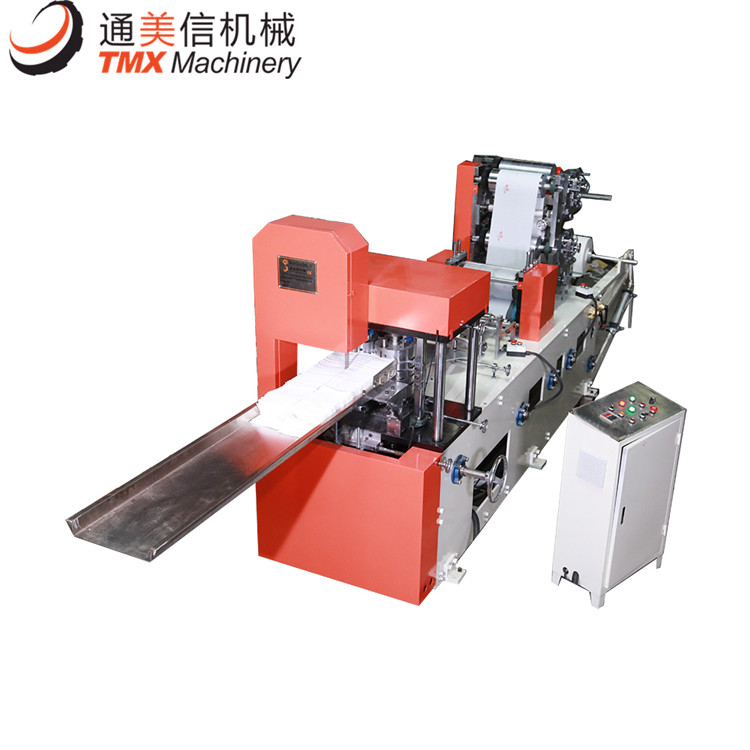
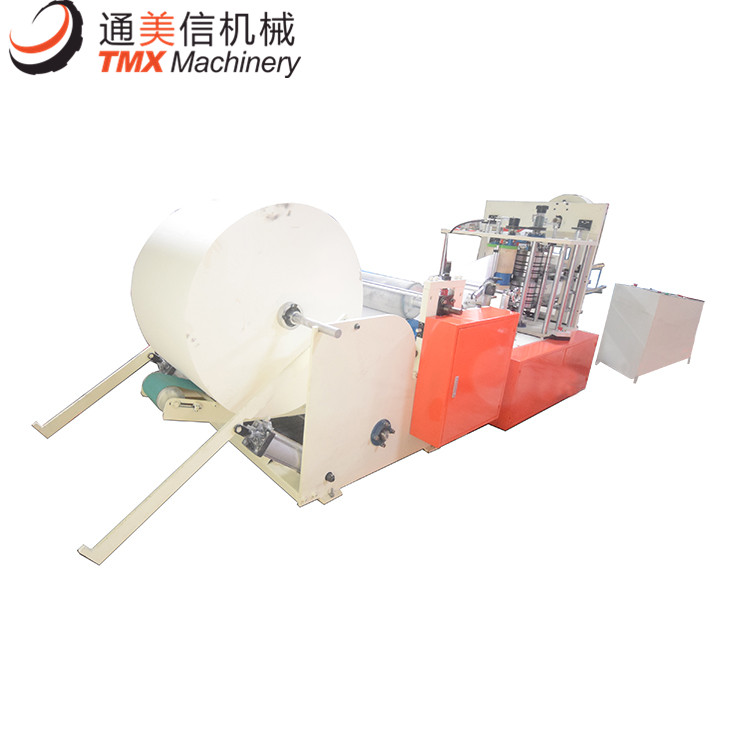
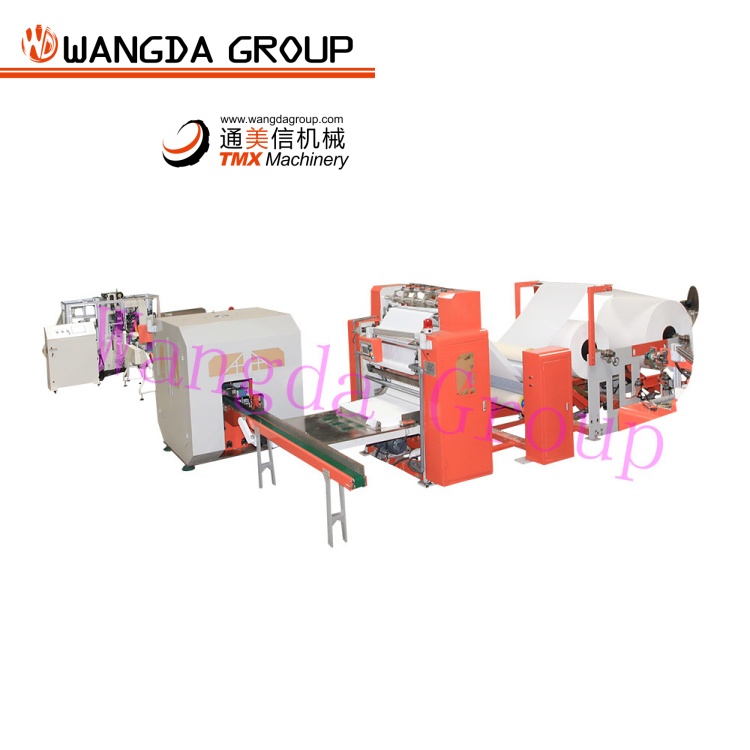
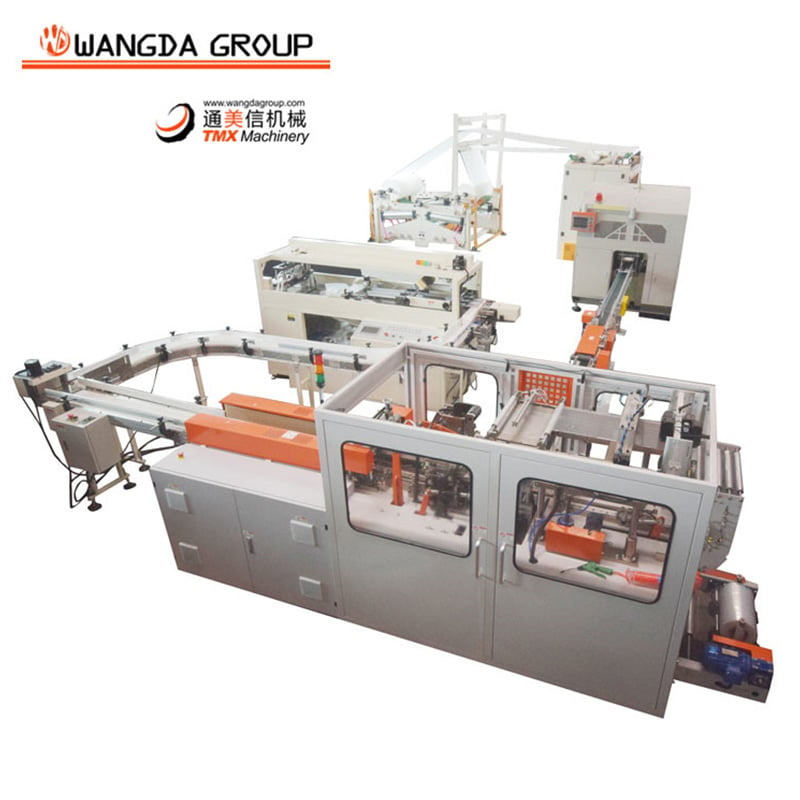
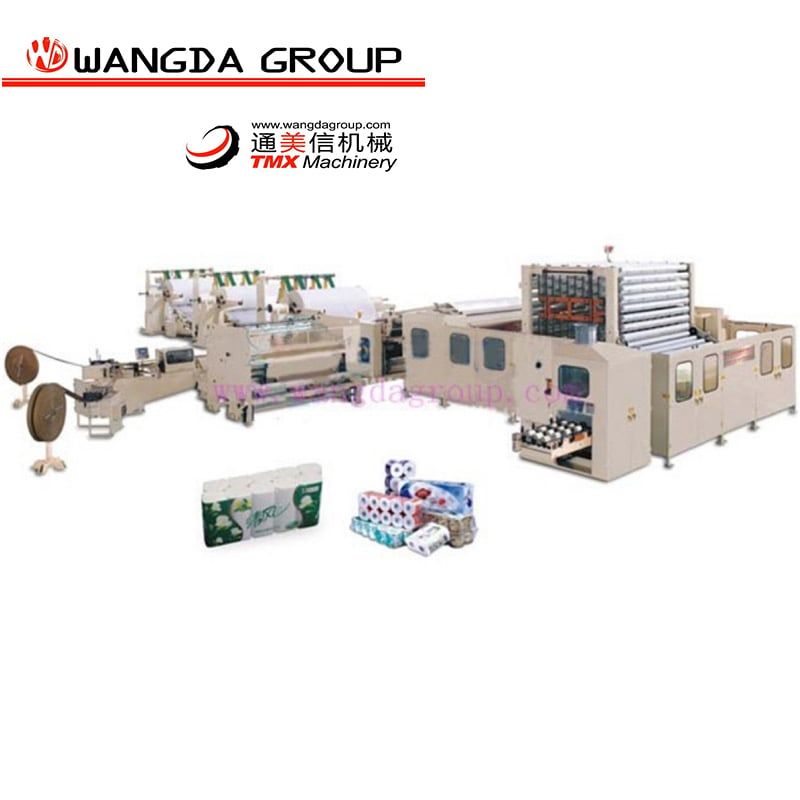
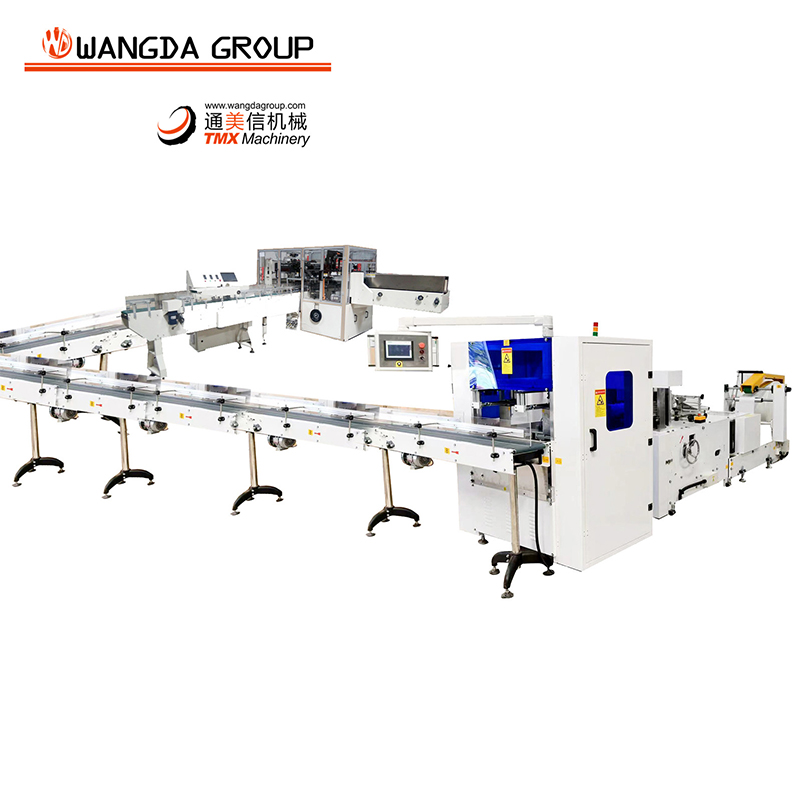
Toilet paper machines are essential for manufacturers in Nigeria looking to meet the growing demand for hygiene products. As a significant investment, understanding how to evaluate these machines, their specifications, and costs is critical for purchasing managers and distributors. This article will guide you through evaluating the quality of toilet paper production equipment, essential specifications for wholesale machines, purchasing tips, cost factors, and common installation challenges, ensuring you make informed decisions.
When evaluating toilet paper production equipment, buyers should focus on several key aspects: manufacturing capability, material quality, and technology used in the machines. Look for machines that utilize advanced technologies, such as full-servo systems, which offer precision in production and reduce wastage. Assess the quality of materials used in the machine's construction; robust, corrosion-resistant materials typically ensure longevity and durability, which can result in lower maintenance costs over time.
Moreover, inquire about the manufacturer's quality control processes. A reliable manufacturer will have a stringent quality assurance system in place, including certifications that validate adherence to international standards. Before finalizing any purchase, it is advisable to visit the manufacturing facility if possible, or request a demonstration of the machine to evaluate its performance under actual operating conditions.

When sourcing wholesale toilet paper machines, focus on specifications that directly impact production efficiency and product quality. Key specifications to consider include:
Production Capacity: This specifies the number of rolls produced per minute. Ensure that the capacity aligns with your anticipated demand to avoid production bottlenecks.
Roll Diameter and Width: These measurements affect packaging and storage. You should understand your market preferences to select the correct dimensions.
Material Compatibility: The machine should be compatible with various paper grades, including recycled paper, to cater to different customer needs.
Automation Level: Machines with high automation reduce labor costs and minimize human error. Consider full-servo machines that enhance precision in cutting and winding.
Energy Efficiency: Energy-efficient machines help lower operational costs and are more sustainable, which can appeal to environmentally conscious consumers.
Confirm that the machine’s specifications match your production requirements and market demands. tissue paper making machine price will not only improve efficiency but also ensure that the final product meets quality expectations.

When purchasing toilet paper production equipment wholesale, thorough preparation is essential. Start by defining your requirements, including production volume, necessary features, and budget constraints. Engage with multiple suppliers to compare offerings; this will give you a better understanding of market pricing and available technologies.
Request detailed quotations that outline price breakdowns, including machine cost, shipping, installation, and any additional accessories needed. Always verify the supplier's reputation through reviews or referrals. Experienced manufacturers, such as Wangda Industrial Co., Limited, can offer insights into their toilet tissue paper making machine, ensuring you receive a quality product.
Additionally, always negotiate terms of warranty and after-sales support. Reliable support can significantly reduce downtime and maintenance costs in the long run. Lastly, consider requesting samples of the final product to ensure the machine meets your quality standards before committing to a purchase.

The cost of toilet paper machines can vary widely based on several factors. Identifying these factors will help you budget effectively:
Machine Type: Full-servo machines may have a higher upfront cost but can result in lower operational costs due to their efficiency. Assess whether the initial investment aligns with your long-term production goals.
Customization Options: Custom machines designed to meet specific production requirements can increase costs. However, tissue making machine price may provide better performance tailored to your needs.
Shipping and Installation: Consider logistics costs based on your location. Import duties and shipping fees can significantly affect the total cost. Additionally, installation costs and any required modifications to your facility should be included in your budget.
Maintenance and Operational Costs: Evaluate ongoing costs such as energy consumption, spare parts, and labor. Machines that require less maintenance may have higher upfront costs but can save money over time.
Supplier Support: The level of after-sales support offered by the supplier can also impact overall costs. Ensure that you factor in potential costs associated with downtime if support is inadequate.
Understanding these cost factors can help you make a more informed purchasing decision that aligns with your financial expectations.
Wangda is a highly professional and knowledgeable sales staff and after-sales team, 80% of the team has been in Toilet tissue machine for more than 10 years in our company in this hygiene-conscious product industry. Our team has a wealth of experience in the daily use of paper tissue machines, related packing machines and many other Hygienic products machines We have a wide range of professional expertise in this field, we are aware of what our customers wants, we worry about what our customers worry about. We not just sell the machines to our clients, but we help our customers earn money through this business of hygienic products, to provide the lifelong after-sale services to our customers at the right time.
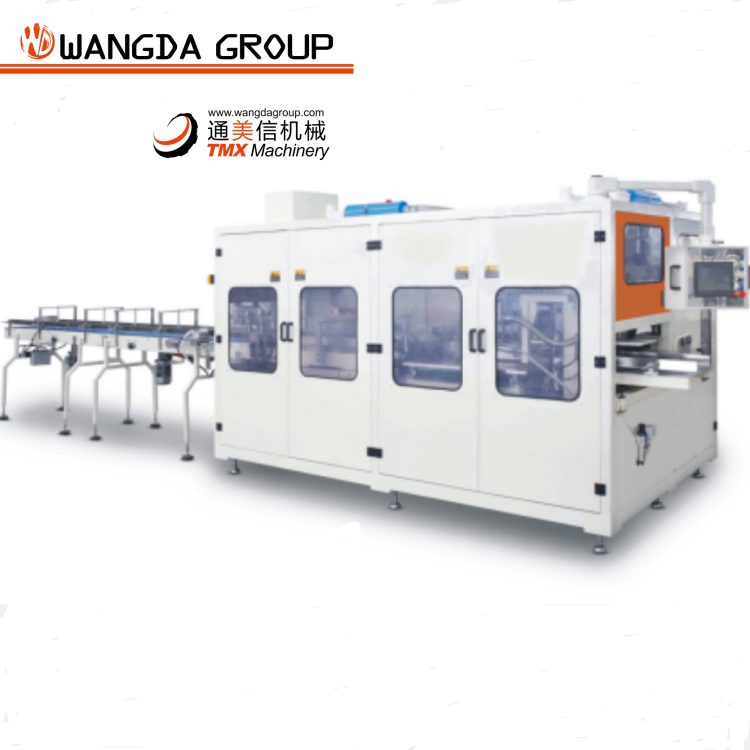
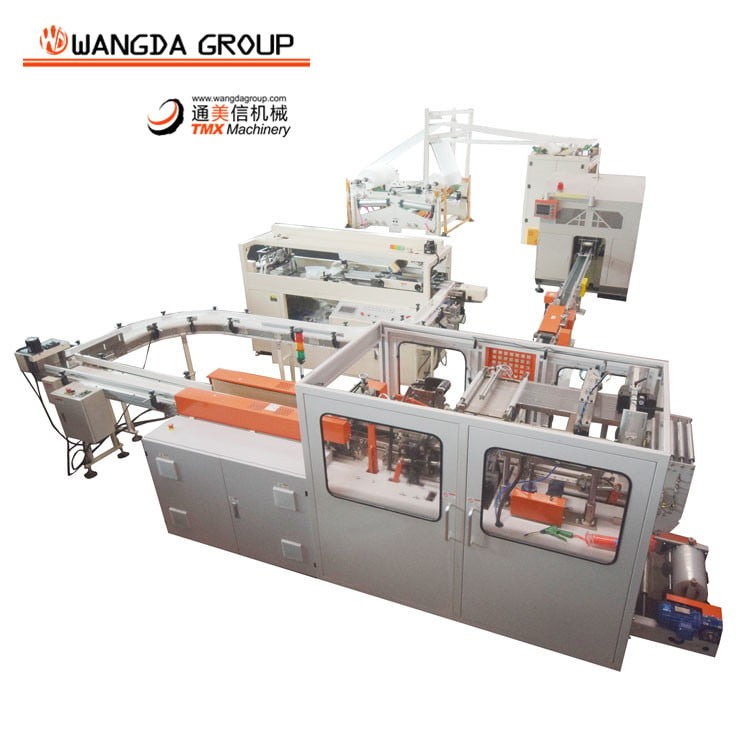
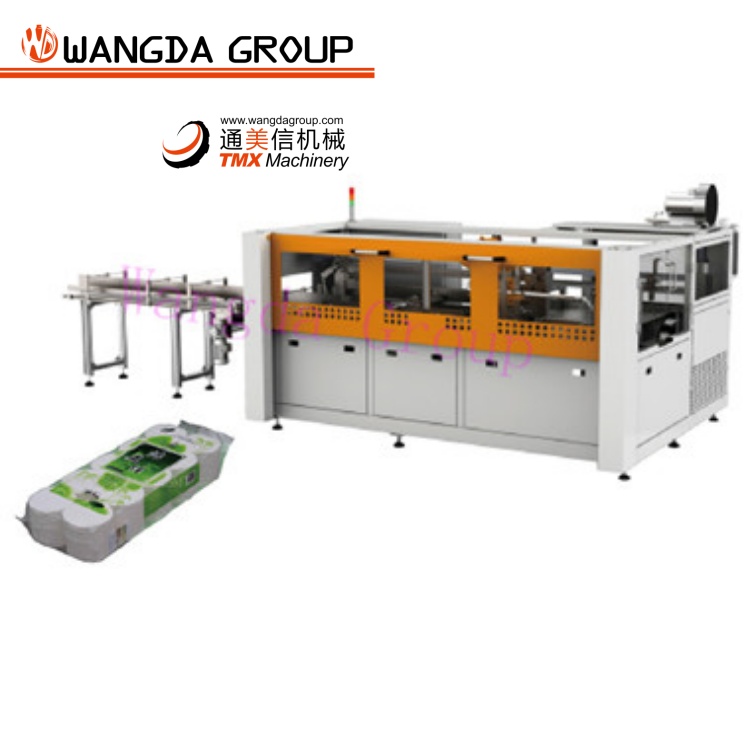
Wangda produces toilet tissue machines (including cutting and packing) kitchen towels machines (including cutting and packing) facial tissue machines (including cutting and packing) bags of Toilet paper making machine facial tissue machines. We also make maxi roll rewinding devices as well as perforating machines.
We've Toilet tissue machine with many clients both in the United States as well as abroad.
Wangda has more than 20 years of experience manufacturing tissue machines. We pay attention to the quality of machines, their function as well as pre and post sales service. We've sold machines to over 100 countries. This has resulted in numerous orders and good feedback from our customers. Our R and D department is a part of Wangda. We have our own R and D departments. Our machines are constantly upgraded and are incorporating the latest technology of Germany, Japan, and Italy. They have received ISO9002, CE and BV certifications. We offer turnkey projects that span from Toilet paper machine that includes more than machines.
Installing toilet paper machines can present various challenges that require careful planning and execution. Common issues include:
Space Constraints: Ensure that your facility has enough space to accommodate the machine and allows for safe operation. If space is limited, consult with the supplier to ensure the machine’s layout is optimized for your environment.
Utility Connections: Toilet paper machines require specific utility connections (water, electricity, air pressure). Verify that your facility can meet these requirements before installation to avoid costly modifications.
Training Needs: Operators must be trained effectively to handle the machinery. Providing comprehensive training can minimize errors during operation, leading to better production efficiency.
Testing and Calibration: Following installation, extensive testing is necessary to ensure all functions are operational and that the product meets quality standards. Establish a timeline for this process to avoid production delays.
Supplier Coordination: Effective communication with the supplier during installation can prevent misunderstandings. Ensure that all technical support personnel are available during the installation phase for troubleshooting.
By anticipating these challenges and preparing accordingly, you can facilitate a smoother installation process that minimizes downtime and enhances productivity from the outset.