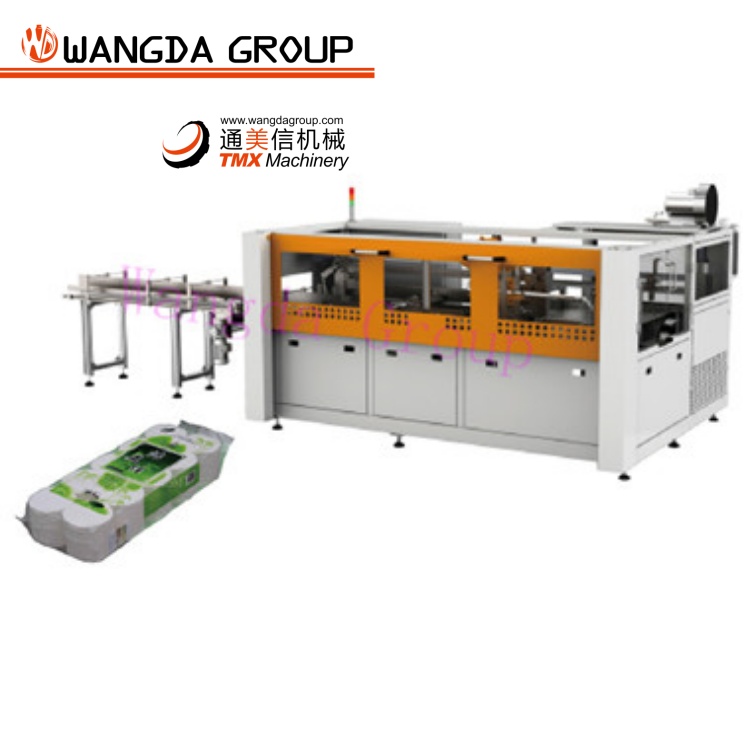
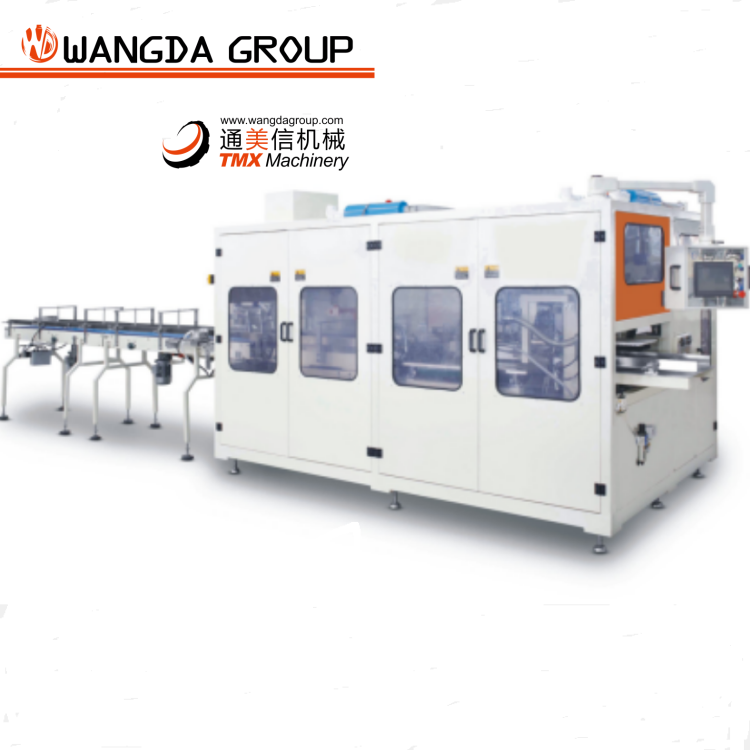
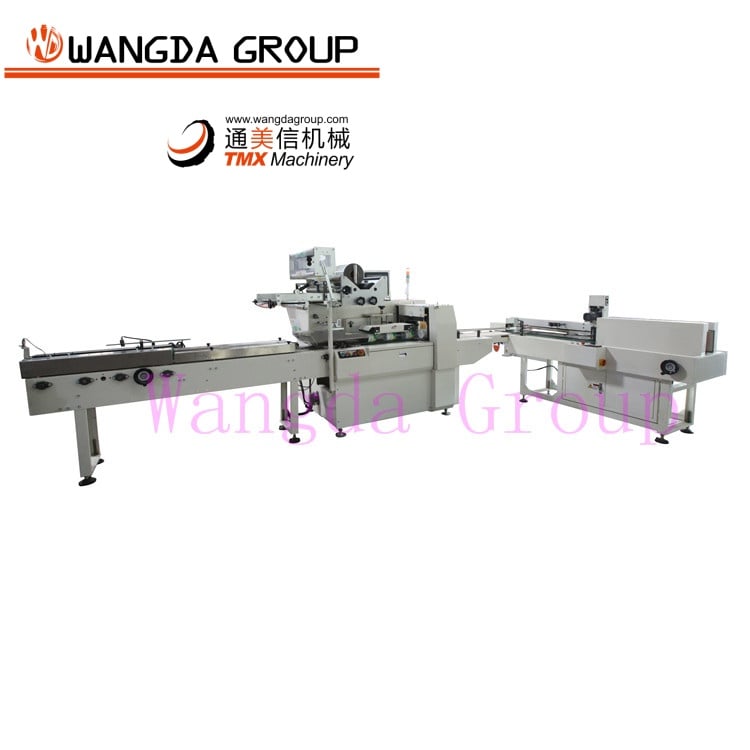
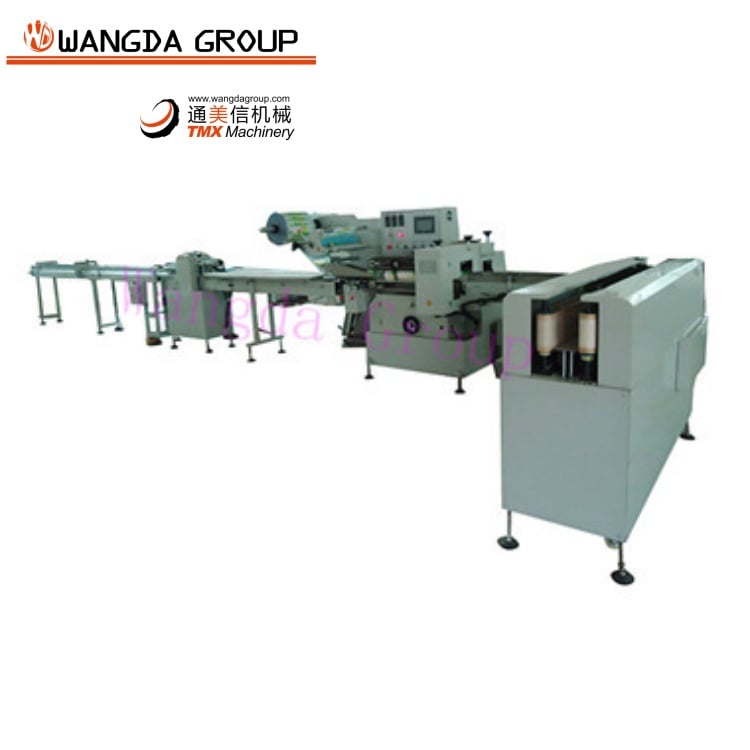
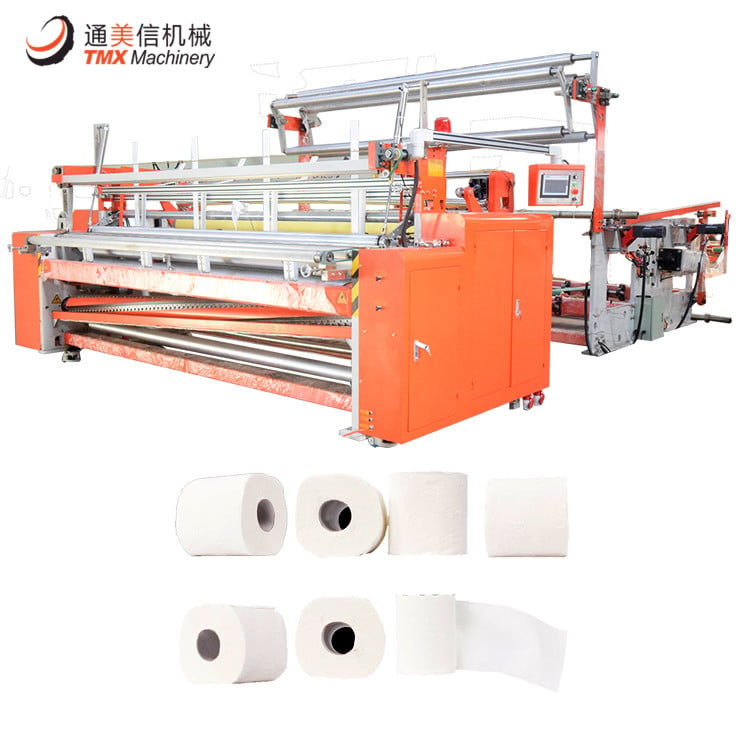
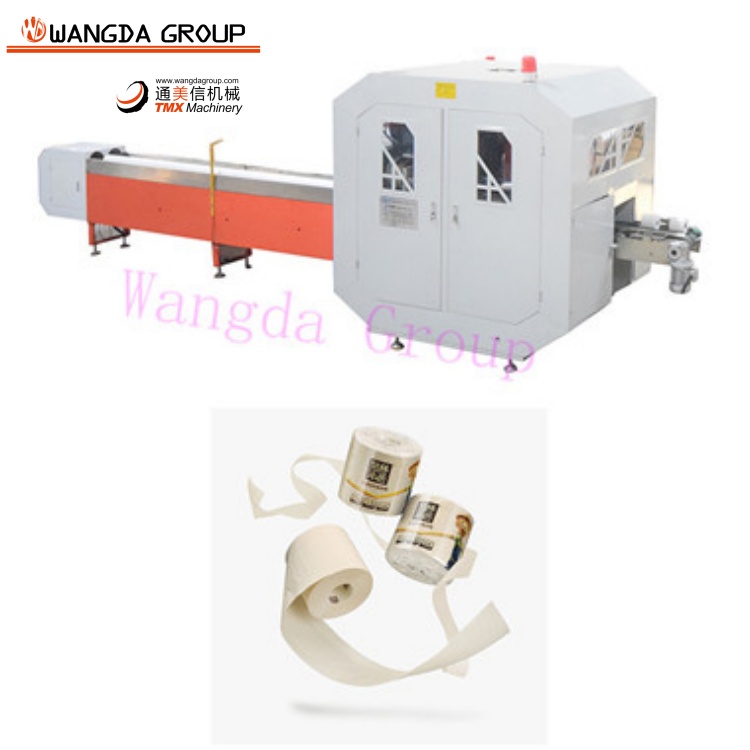
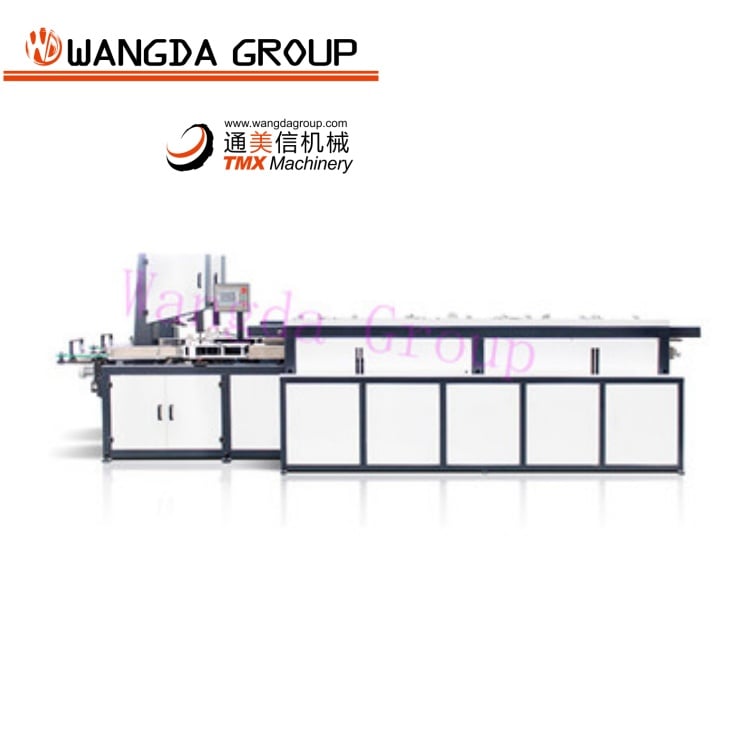
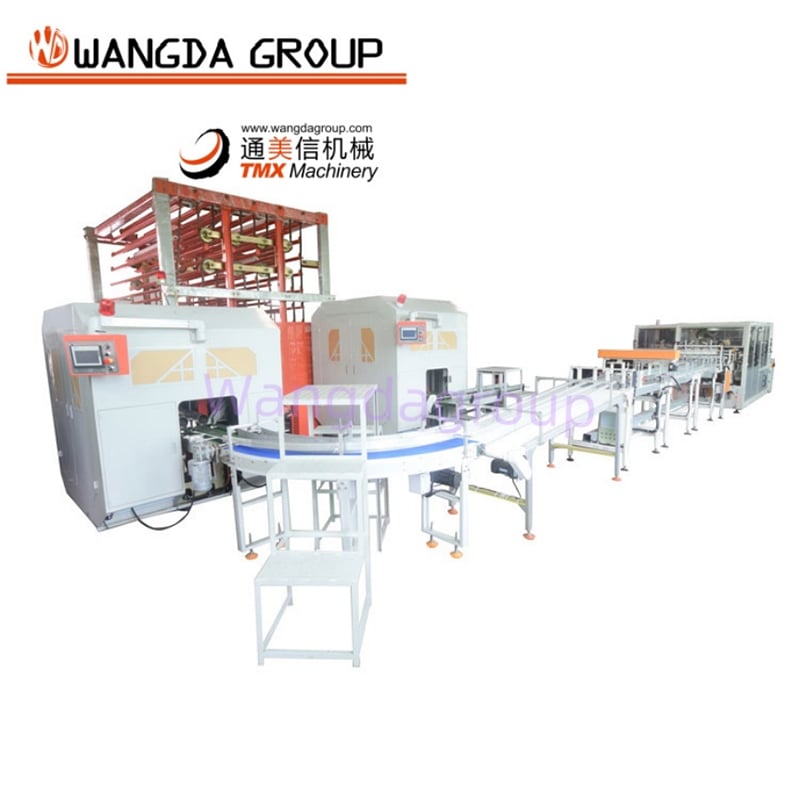
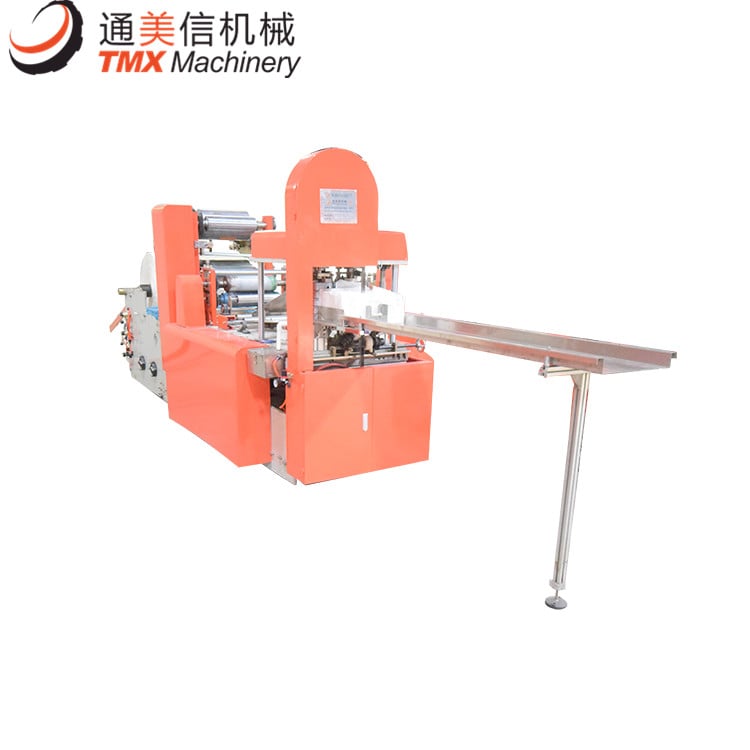
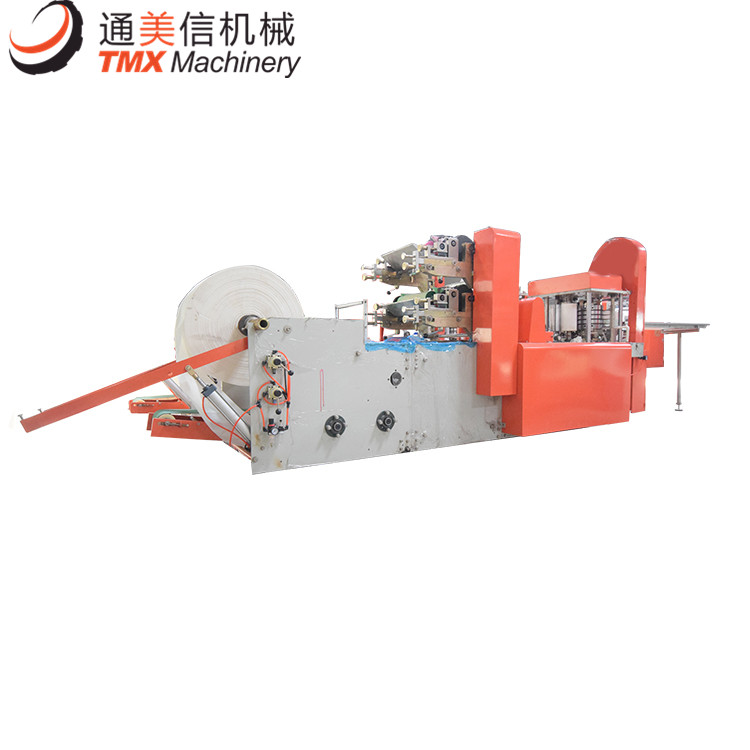
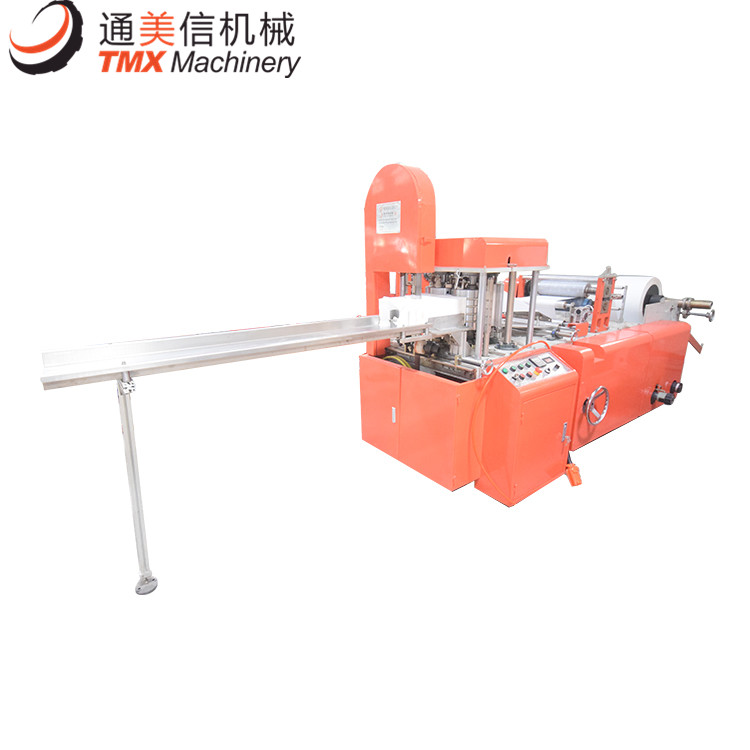
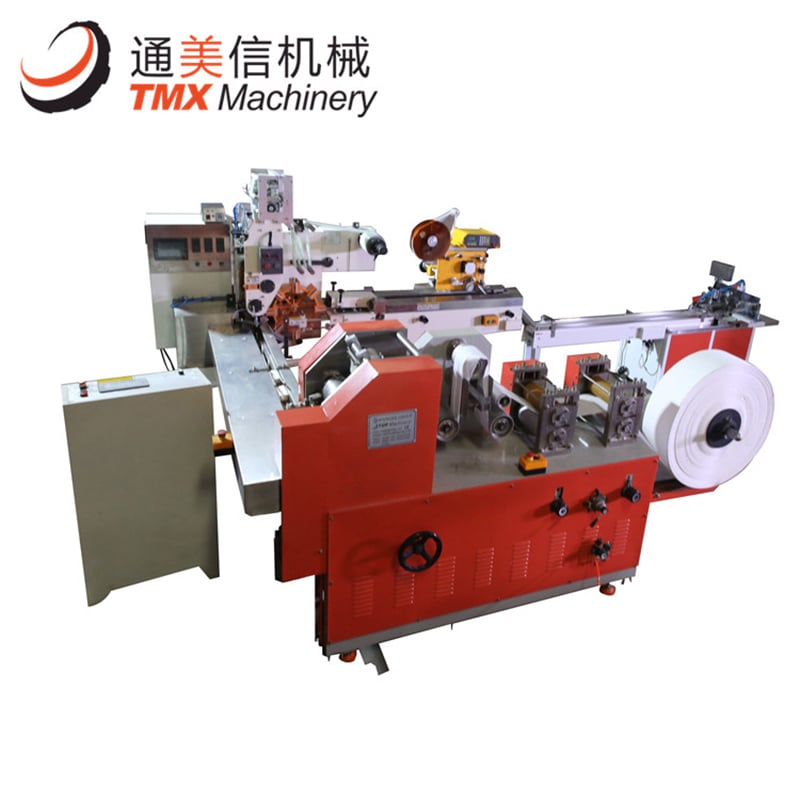
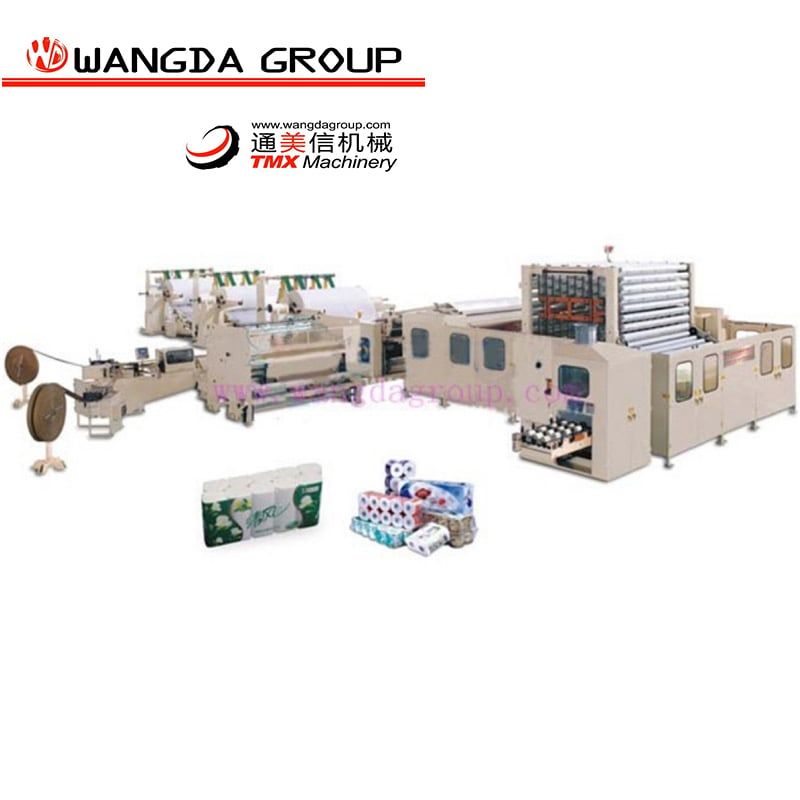
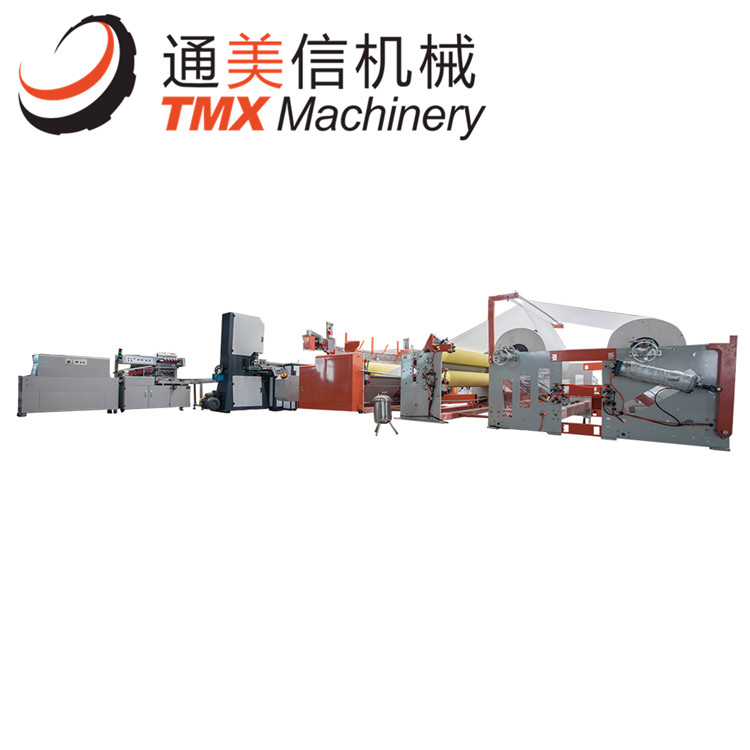
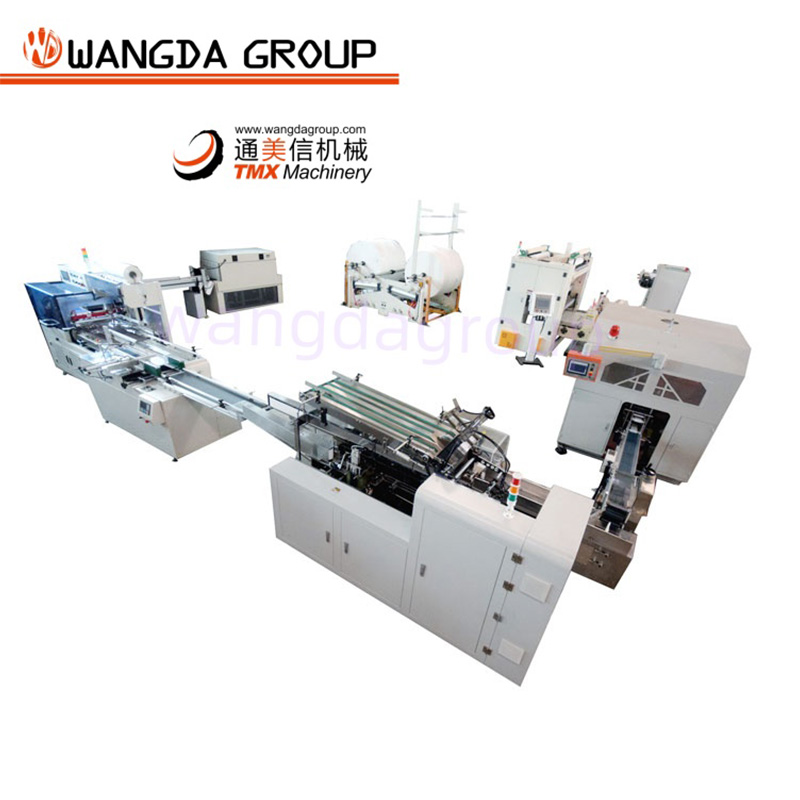
Toilet paper machines are essential equipment for manufacturers looking to produce high-quality toilet paper at scale. In Kenya, where demand for hygienic products is continuously rising, understanding the cost components and features of these toilet paper machine is vital for purchasing managers, distributors, and engineers. This article will delve into the key considerations when sourcing toilet paper machines in Kenya, including specifications, installation guidance, common issues, and how to choose the right machine for bulk orders.
When sourcing toilet paper machines in Kenya, buyers should pay attention to several critical factors. First, consider the machine's production capacity, which should align with your anticipated demand. Machines with higher capacities can be more cost-effective in the long run but may require a higher upfront investment.
Next, evaluate the technology used in the machines. Full-servo technology, for instance, offers precision and efficiency, leading to better product quality and reduced waste. Additionally, consider the toilet paper making machine availability of spare parts and maintenance support in Kenya, as this can significantly impact the operational continuity of your manufacturing process.
Lastly, assess the supplier's reputation and experience in the field. Established manufacturers, like Wangda Industrial Co., have the necessary expertise and certifications to ensure that their machines meet international quality standards, which is crucial for gaining trust with your customers.

When evaluating toilet paper machines, focus on several key specifications that directly influence performance and product quality:
Production Speed: This determines how many rolls can be produced in a given time. A higher speed can lead to increased output but may require more technical expertise to operate effectively.
Roll Width and Diameter: Ensure that the machine can accommodate your desired roll sizes. Machines that can handle multiple sizes may offer more flexibility.
Material Compatibility: The toilet paper roll making machine should be compatible with various types of paper, including recycled materials. This flexibility can help you adapt to market changes or customer preferences.
Energy Efficiency: Machines that consume less energy can significantly reduce operational costs, making them more appealing to budget-conscious buyers.
Automation Features: Look for machines with automated controls for easier operation and fewer labor costs. Features such as automatic threading and web guiding systems can enhance efficiency.
Understanding these specifications allows buyers to make informed decisions that align with their production goals and operational budgets.

The installation of toilet paper machines is a critical step that can affect their performance. Proper installation ensures that the machines operate efficiently and meet production targets. Here are some guidelines to follow:
Site Preparation: Ensure that the installation site meets the machine's space and utility requirements, including power supply, water supply, and ventilation. Proper space allocation is crucial to facilitate smooth operation and maintenance.
Alignment and Leveling: The machine must be installed on a level surface to avoid operational issues. Misalignment can lead to uneven product quality and increased wear on components.
Calibration and Testing: After installation, conduct thorough calibration and testing to ensure that the machine operates as expected. Configuration settings should be verified against the manufacturer's specifications.
Training for Operators: Provide training for operators to familiarize them with the machine's features and operational procedures. Proper training reduces the risk of errors and enhances safety.
By following these guidelines, manufacturers can ensure a smooth installation process that sets the stage for optimal machine performance.

While toilet paper machines are generally reliable, several common issues can arise during operation. Recognizing these problems and knowing how to address them can save time and reduce costs.
Paper Jams: This is a frequent issue that can halt production. Regular maintenance and ensuring proper loading of paper rolls can help prevent jams. Operators should be trained to quickly diagnose and resolve jams without damaging the machine.
Quality Control Issues: Variations in thickness or perforation can affect product quality. Implementing quality control checks during production and using high-quality raw materials can mitigate these problems.
Wear and Tear: Over time, machine components may wear out, leading to reduced efficiency. Regular inspections and timely replacement of wear parts are essential to maintaining consistent production levels.
Software Glitches: Automated machines may experience software issues that affect operation. Keeping software updated and having access to technical support from the manufacturer can help address these problems swiftly.
By understanding these common problems and their solutions, buyers can better prepare for potential challenges, ensuring smoother operations.
Wangda has very professional with a long-standing sales team as well as an after-sales department, with 80% of the team has worked for over 10 years in our company within this Hygienic products industry. Our teams are experienced in the daily use of paper tissue machines, packing machines and many other Hygienic products machines We have a wide range of professional information in this area, we think what our customer would like, and we make sure that our customers are worried about. Our customers aren't just purchasing machines from us We also assist them make money from this Toilet paper machine business. We offer our customers with the after-sales services they require.
Wangda manufactures toilet tissue machines (including cutting and Toilet paper roll making machine) Kitchen towel machines (including cutting and packing) facial tissue machines (including cutting and packing) and nylon bag facial tissues machines. We also produce maxi roll rewinding as well as perforating machines.
We've Toilet tissue machine with many clients both in the United States as well as abroad.
Wangda has over 20 years of experience manufacturing all sorts of Tissue making machine, we focus on the machine functions and quality and additionally, we provide after-sales and pre-sales services. We have sold machines in over 100 countries. This has earned us repeated orders and positive feedback from our customers. Wangda is our own R and D departments. Our machines are based on advanced Germany, Japan and Italian technology and is updated day by day. Our machines have passed ISO9002, CE, BV and other certifications. We provide turnkey projects all the way from A to Z that includes more than machines.
Selecting the right toilet paper machine requires a clear understanding of your specific needs and production goals. Here are some factors to consider:
Production Capacity: Determine how much toilet paper you plan to produce daily or monthly. Choose a machine that meets or slightly exceeds your production requirements to accommodate growth.
Customization Options: Consider whether you need a machine that can produce different types of toilet paper, such as standard or premium quality. Customization capabilities can enhance your product offerings and appeal to a broader market.
Budget Constraints: Assess your total budget, including the initial investment, operational costs, maintenance, and potential upgrades. A lower-priced machine may not always be the best choice if it compromises on efficiency or quality.
Supplier Support: Evaluate the level of support offered by the supplier, including installation, maintenance, and training services. A supplier that provides comprehensive support can be invaluable, particularly for first-time buyers.
Lead Time: Understand the lead time for delivery and installation. Ensure that the timeline aligns with your production schedule to avoid delays in launching your product.
By carefully considering these factors, buyers can select a toilet paper machine that aligns with their operational needs and positions them for success in the market.