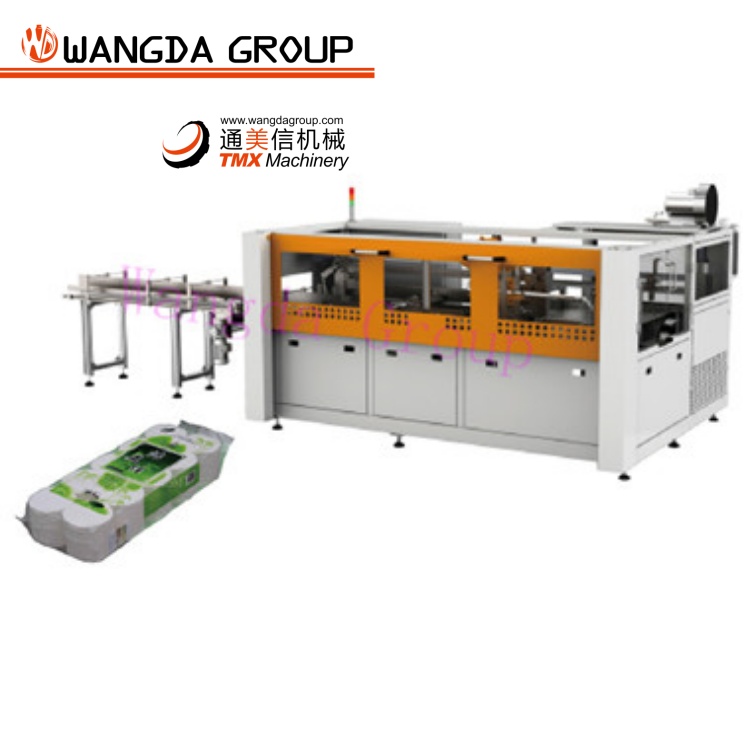
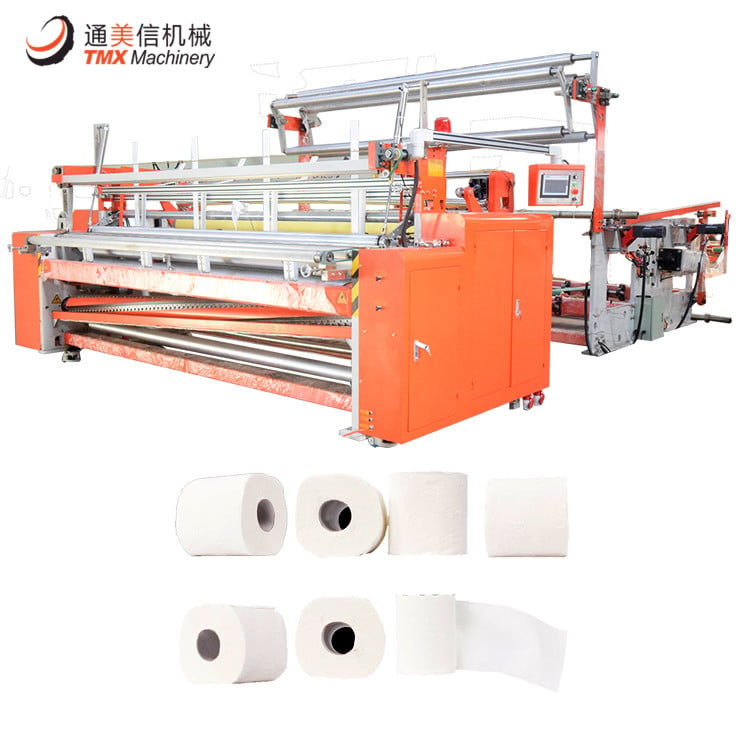
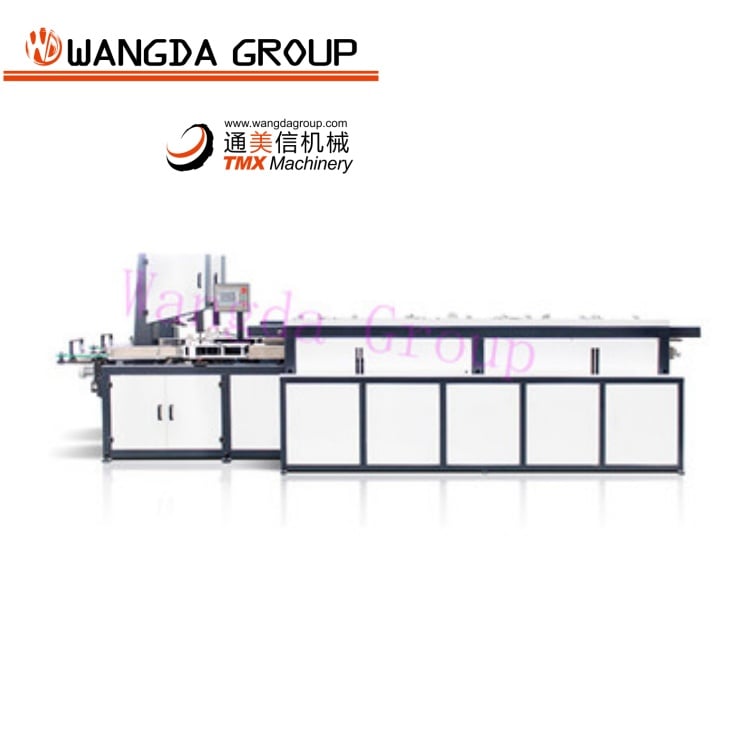
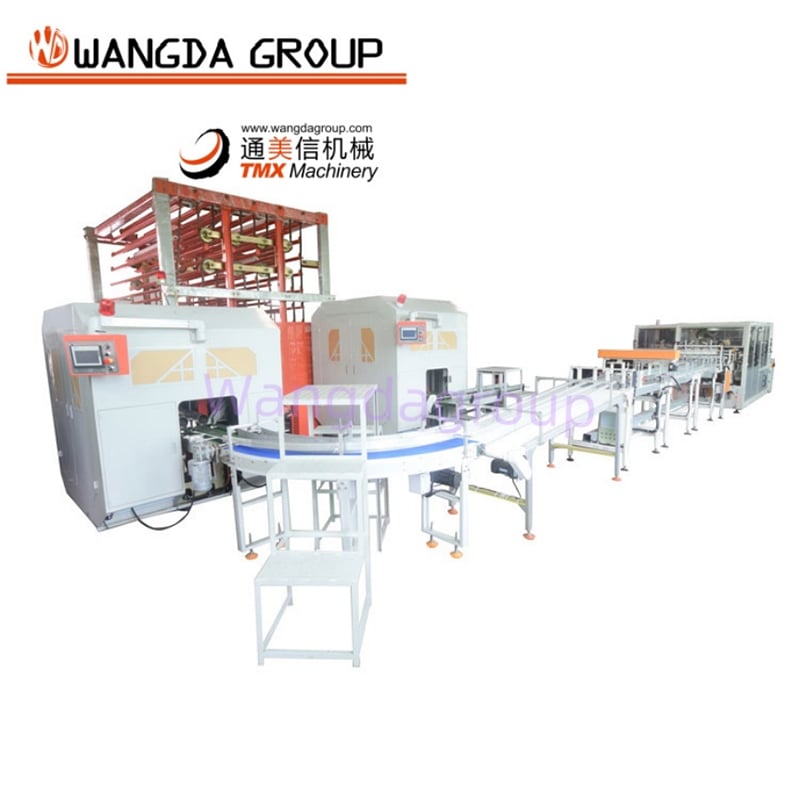
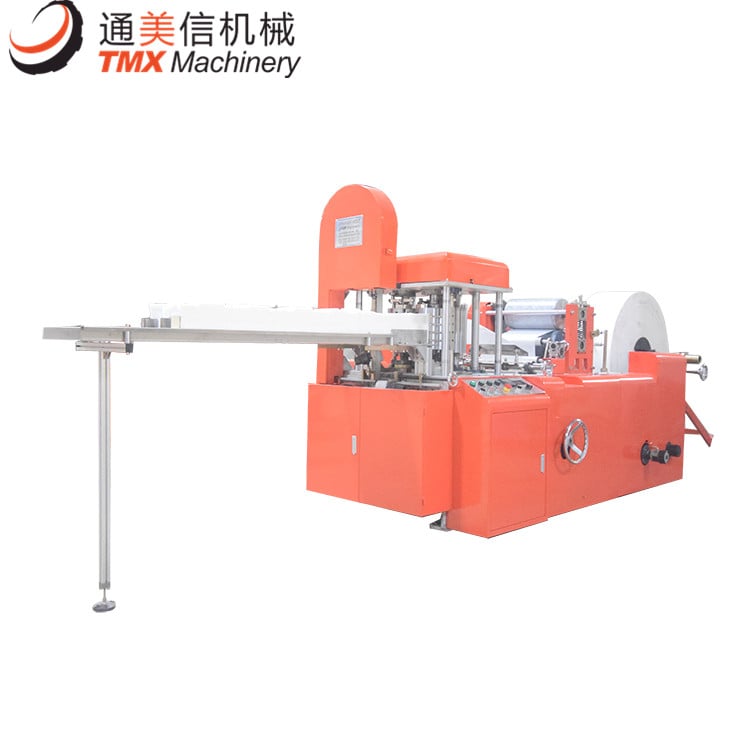
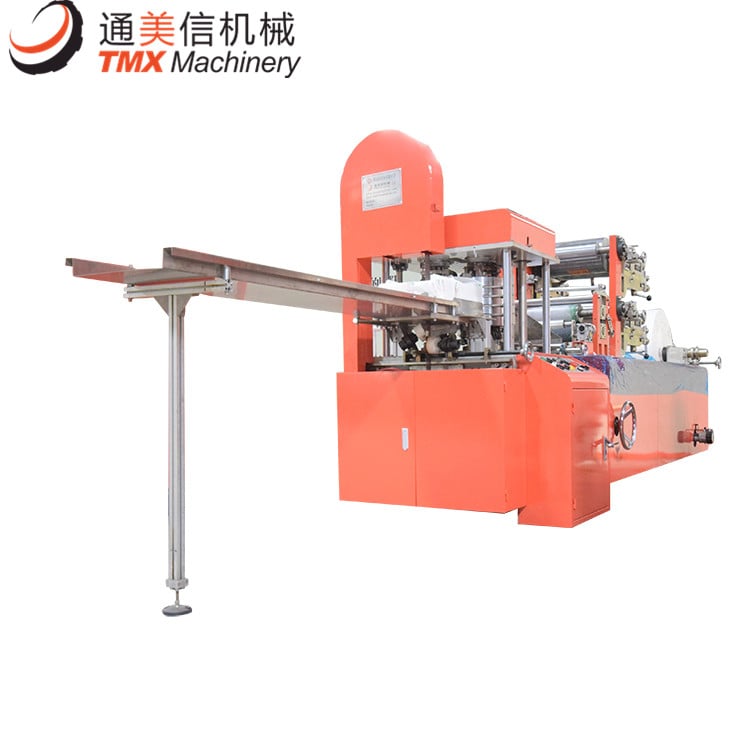
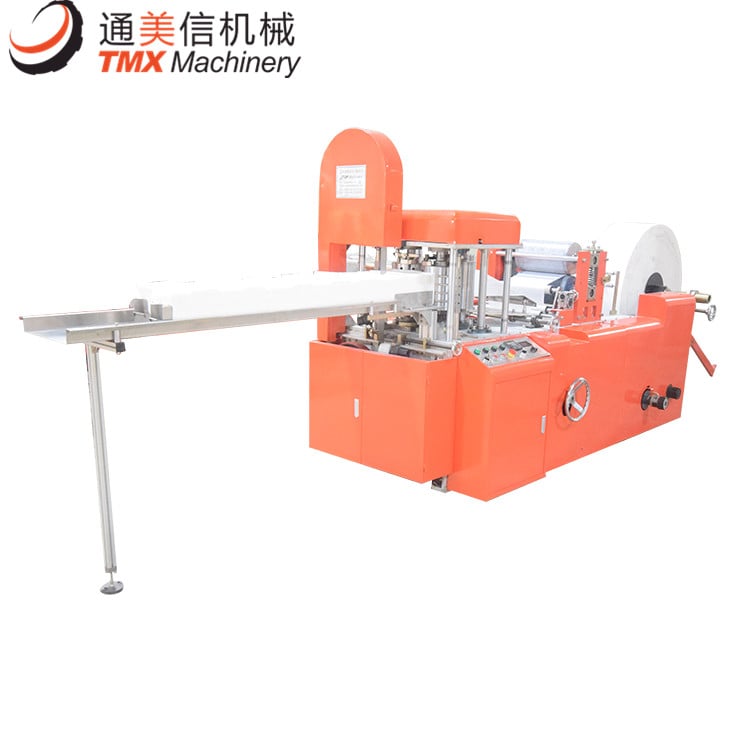
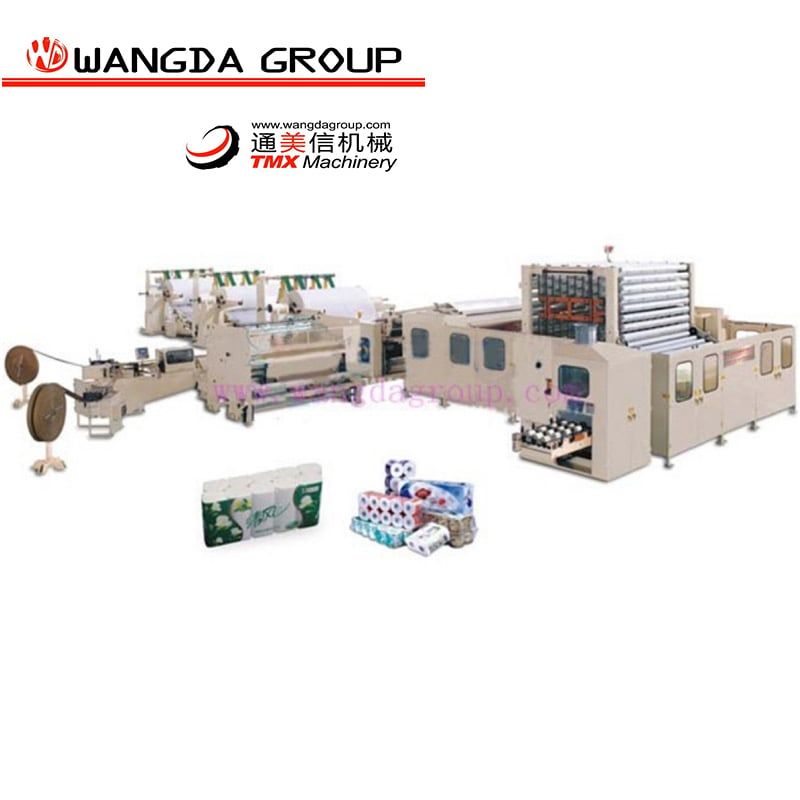
Toilet paper machines are crucial for manufacturing one of the most essential hygiene products in the world. In Ghana, the demand for toilet paper machines is growing as businesses seek to meet local and export needs. Understanding how much a toilet paper machine costs in Ghana involves considering various factors, including machine specifications, quality, and supplier reliability. This article will guide you through critical considerations when selecting a toilet paper machine, sourcing suppliers, evaluating quality, comparing specifications, and addressing common operational issues.
When investing in a toilet paper machine, several factors need to be assessed to ensure the right fit for your production needs.
Production Capacity: Determine the volume of toilet paper you plan to produce. Machines typically range in capacity from small, low-output models to high-capacity models capable of producing thousands of rolls per hour. Your choice should align with your business demand.
Machine Specifications: Pay attention to technical specifications such as dimensions, weight, and power requirements. These factors influence installation and operational costs. Consider machines that can handle various paper grades and thicknesses.
Material Quality: The construction material of the machine should be durable and resistant to wear and tear. Stainless steel is often preferred due to its longevity and ease of maintenance.
Automation Level: Fully automated machines can enhance production efficiency and reduce labor costs. However, they may come with a higher initial investment.
Customization Options: Depending on your market needs, a machine that allows for customization in roll sizes, packaging methods, and branding can be beneficial.
Quality Certifications: Ensure that the machine meets international quality and safety standards. This is vital for marketability and compliance.
Understanding these factors will help you make a more informed decision regarding the cost and suitability of a toilet paper making machine in Ghana.

Finding reliable suppliers for toilet paper machines in Ghana is critical to ensuring quality and support throughout the purchasing process. Here are several strategies to locate trusted suppliers:
Industry Trade Shows and Exhibitions: Attending trade shows related to manufacturing and hygiene products can be an effective way to meet suppliers and see their machines in action.
Online B2B Marketplaces: Platforms can help you find suppliers that specialize in toilet paper machines. Always check their reviews and ratings.
Manufacturers’ Websites: Research manufacturers who specialize in hygienic product machinery, such as Wangda Industrial Co., Limited. Their websites often provide detailed information about their products, certifications, and customer testimonials.
Local Distributors: Engage with distributors who have established relationships with manufacturers. They can provide insights into machine performance and after-sale support.
Industry Networks: Joining industry associations or forums can connect you with experienced buyers who can recommend trustworthy suppliers.
Once you identify potential suppliers, conduct due diligence, such as verifying their business licenses, checking references, and reviewing their product offerings.

Evaluating the quality of toilet paper manufacturing equipment involves a systematic approach to ensure that the machine meets both operational and safety standards. Here are key aspects to consider:
Material Integrity: Verify that the machine is made from high-quality materials, such as stainless steel, which enhances durability and reduces maintenance costs.
Production Consistency: Quality machines should offer consistent output in terms of roll size and weight. Request samples from the supplier to check for uniformity.
Quality Control Features: Look for machines that incorporate quality control mechanisms, such as sensors and automatic adjustments, to minimize defects during production.
Certification and Compliance: Ensure the machine complies with relevant international standards, such as ISO certifications. This is crucial for quality assurance and competitive advantage.
Warranty and After-Sales Support: Check the warranty offered by the supplier. A comprehensive warranty indicates confidence in the machine's quality. Additionally, inquire about after-sales support, including technical assistance and spare parts availability.
Customer Reviews and Case Studies: Research existing customers' experiences with the machine. Case studies can provide insights into long-term performance and support.
Assessing these factors will help ensure that you invest in reliable, high-quality equipment for your manufacturing needs.

When comparing toilet paper machines, it's essential to analyze various specifications to determine which model best suits your production requirements. Here are some critical specifications to consider:
Output Capacity: Machines typically vary in output, from 1,000 to over 5,000 rolls per hour. Choose a toilet paper manufacturing machine that matches your production goals.
Roll Size and Weight: Evaluate the machine's capability to produce different roll sizes and weights, especially if you plan to cater to various market segments.
Power Consumption: Energy-efficient machines can significantly reduce operational costs. Check the power ratings and compare energy consumption across models.
Automation Features: Fully automatic machines may be more expensive but can lead to significant savings in labor costs and lower error rates during production.
Footprint and Installation Requirements: Ensure the machine fits within your production facility's layout and meets any installation requirements, such as plumbing and electrical needs.
Customization Options: Some machines allow for modular upgrades or adjustments, which can be beneficial as your production needs evolve.
By carefully comparing these specifications, you can select a machine that not only fits your current requirements but also adapts to future demands.
Wangda has cooperated with Tissue paper making machine both from the home country and abroad. We have collaborated with major groups from GCC countries such as Fine Hygienic from several nations, Nesto Hypermarket, Top One and Two hygienic product manufacturer B and G, Meghna Groups of Bangladesh. Outnet Group from African countries. And as well, there are large European brands, American brands, Latin American brands we have worked with for a great number of years. We have a number of sample factories outside of the United States that you can visit to look at our products. This is more convenient. Also we invite you to visit our factory to experience our products right at the moment. We will be happy to answer your questions anytime, and hope to begin our mutual benefit story asap.
Toilet paper making machine has a very experienced with a long-standing sales team as well as an after-sales staff, 80% of the team has worked for more than 10 years in our business in this hygienic product industry. Our team members have a lot of experience working with daily-use paper tissue machines, related packing machines and so on hygienic product machines We are experts in a range of information in this area, we know what our clients need, and worry about the things that make they are concerned about. We don't only sell machines to our customers, we also assist our customers to make profit from this hygienic business, to provide the lifelong after-sales service to our customers on time.
Wangda Toilet paper machine toilet tissue machines (including cutting and packing), kitchen towel machines (including cutting and packing) facial tissue machines (including cutting and packing) as well as nylon bag facial tissues machines. We also make maxi roll rewinding equipment as well as perforating machines.
Wangda has over 20 years of manufacturing tissues machines. We pay close attention to the quality of machines, their function and pre and post sales service. We have sold machines in more than 100 countries, which has won us many repeat orders and good reviews from our clients. Wangda has our own R and D departments. Our machines are based on advanced Germany Japanese, Japan and Italian technology and is keeping updated day by day. Our machines have been certified to ISO9002, Tissue paper making machine, BV and others certifications. We offer turnkey solutions that span from A to Z Not just machines.
While toilet paper machines are designed for efficiency, they can encounter specific operational issues. Understanding these common problems and their solutions can help maintain production continuity:
Jamming: Machines can jam due to debris, incorrect paper alignment, or mechanical failure. Regular maintenance and cleaning can prevent paper jams. Ensure operators are trained to handle jams quickly to minimize downtime.
Inconsistent Roll Quality: Variations in roll thickness or weight can occur due to improper tension settings or material quality. Regularly calibrate the machine and monitor raw material quality to ensure consistency.
Mechanical Failures: Components like motors and belts may wear out over time. Schedule routine inspections and replace worn parts proactively to avoid unexpected breakdowns.
Power Fluctuations: Sudden power outages or fluctuations can affect machine performance. Using voltage stabilizers or uninterruptible power supplies (UPS) can help maintain stability during production.
Poor Adhesion in Packaging: If the packaging machine fails to seal properly, it can lead to product damage. Regularly inspect and maintain the sealing mechanisms to ensure they function correctly.
By being aware of these issues and implementing preventive measures, you can enhance the reliability of your toilet paper manufacturing processes.
Understanding the cost and operational requirements of toilet paper machines in Ghana involves careful consideration of specifications, supplier reliability, and potential operational challenges. By following the guidelines outlined , you can make informed decisions that align with your business goals.