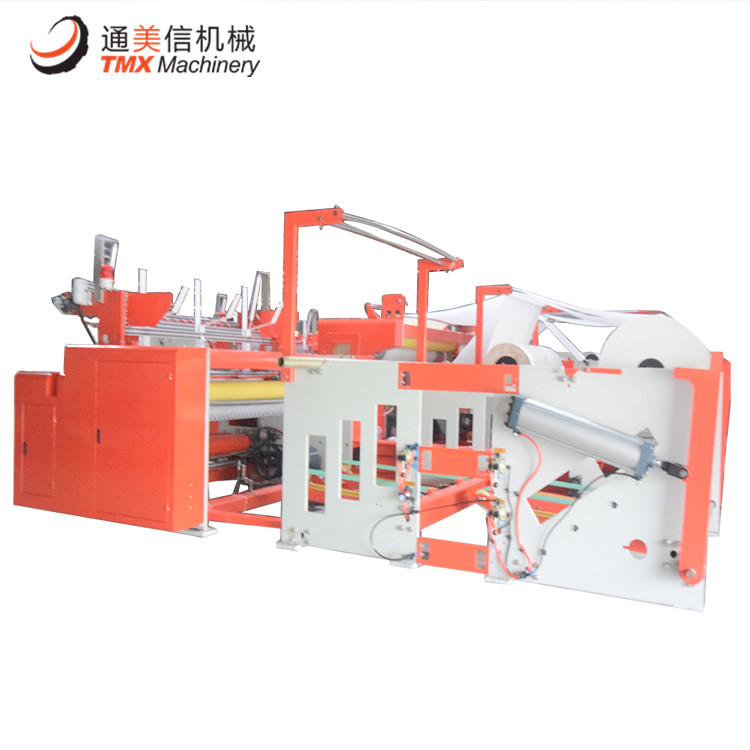
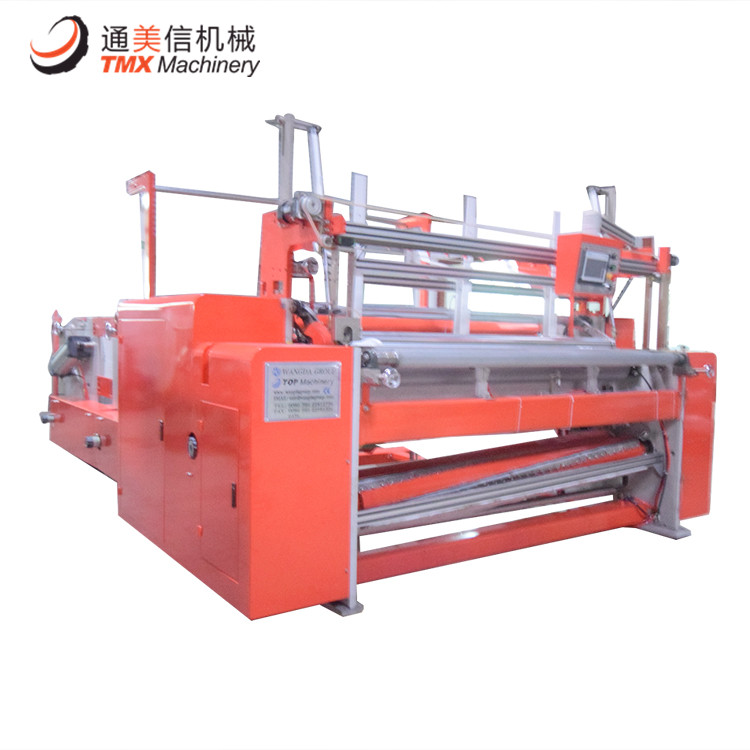
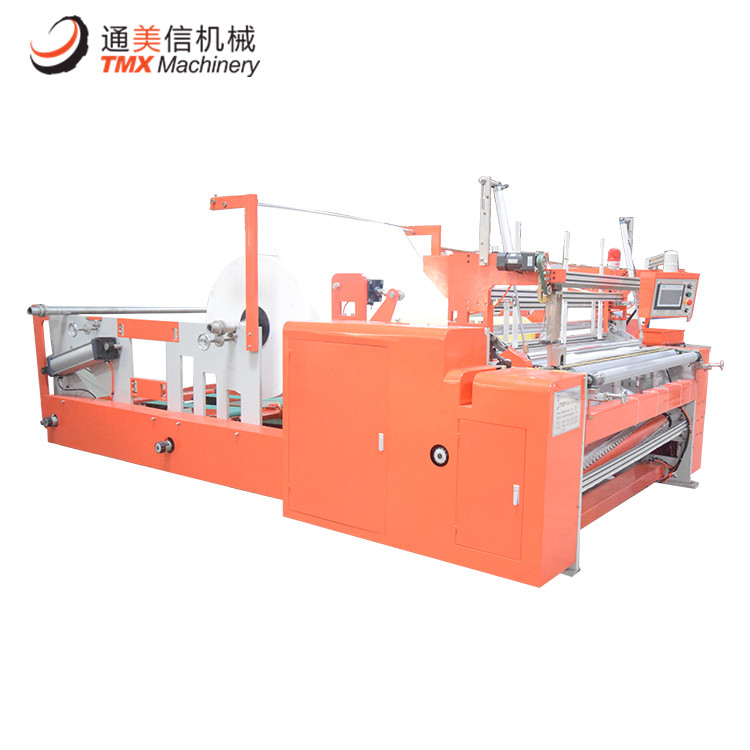
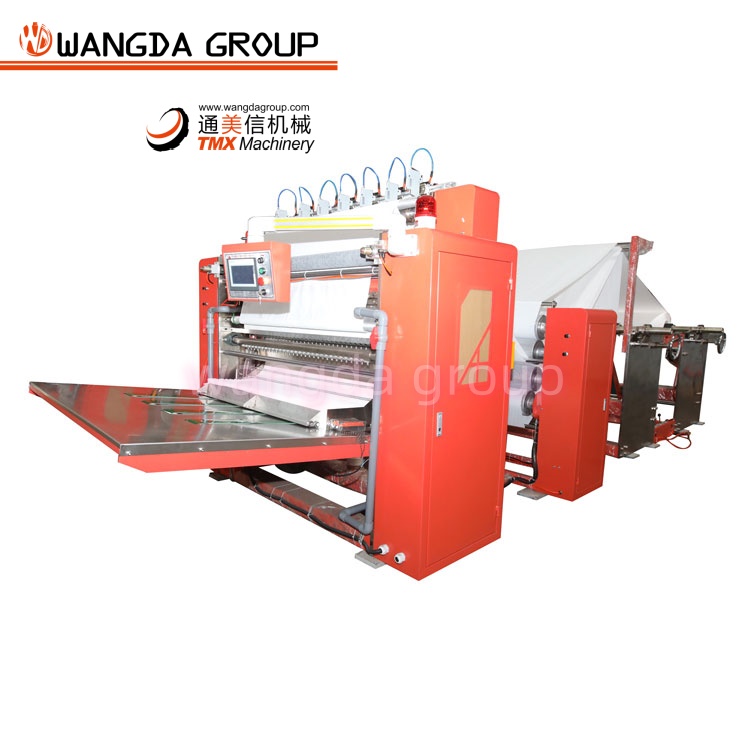
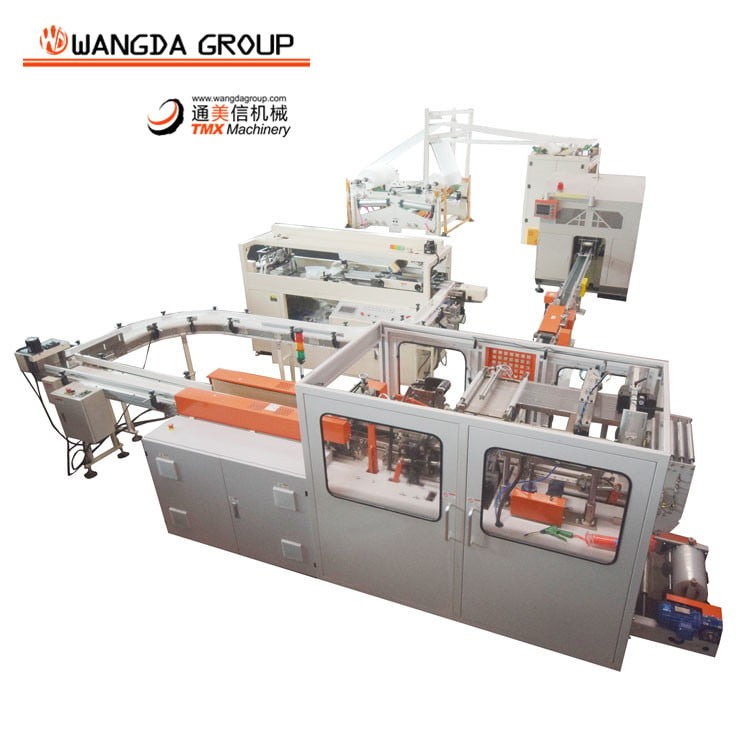
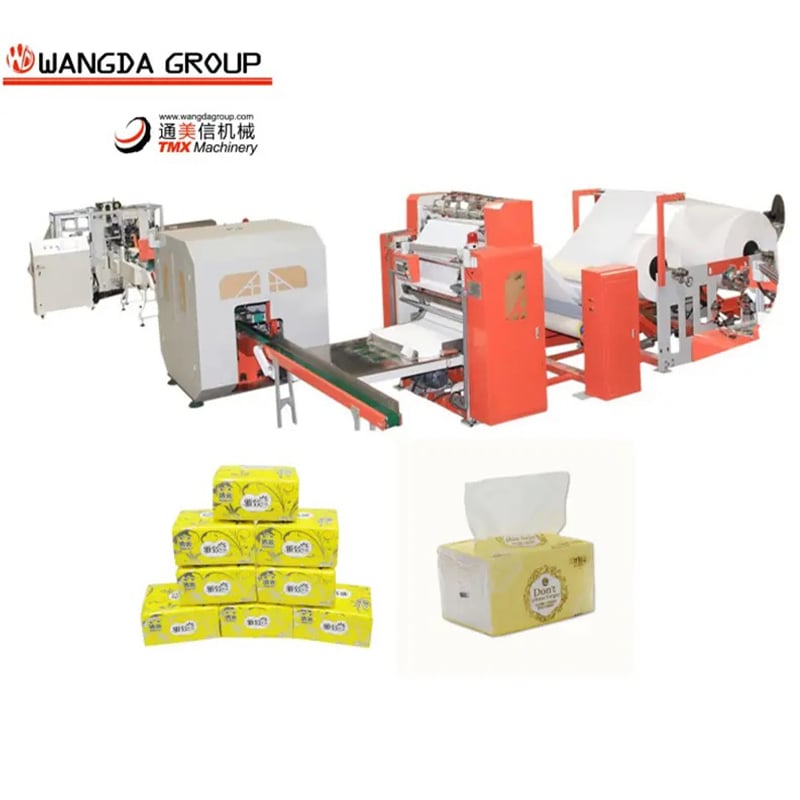
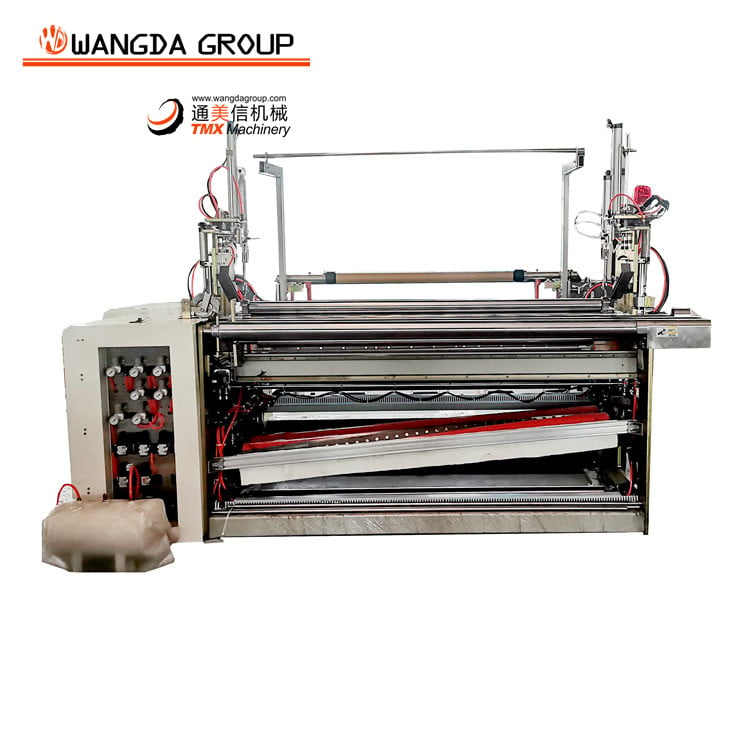
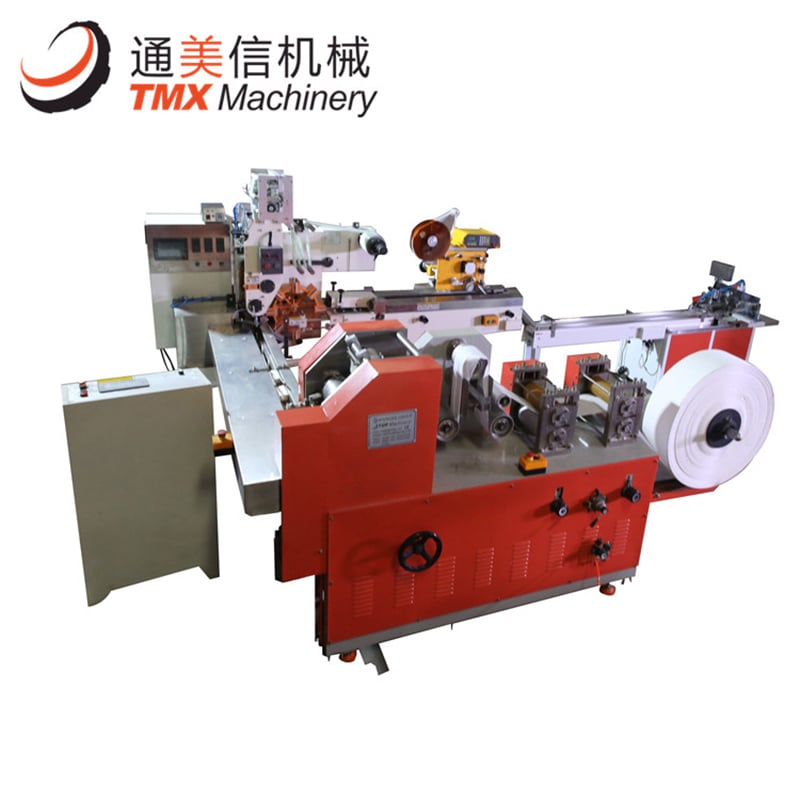
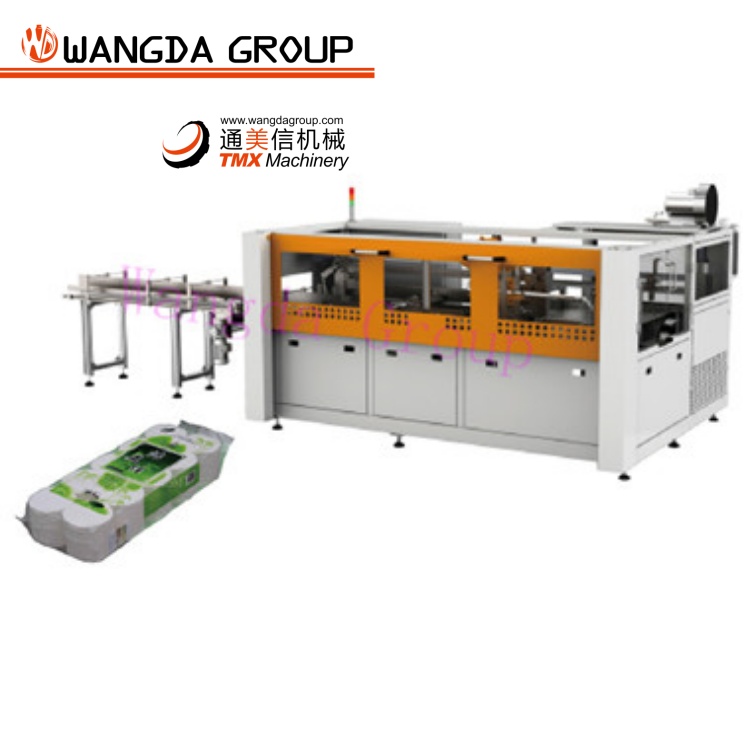
In the manufacturing industry, the demand for hygienic products has led to the development of specialized machines for tissue paper production. A machine for tissue paper production is a comprehensive solution that automates the manufacturing process of various tissue products, including napkin paper, facial tissues, handkerchiefs, and toilet paper. For B2B buyers in this sector, key concerns often center around machine specifications, supplier reliability, cost factors, and quality control measures. This article will provide insights into what to consider when evaluating tissue paper production machines, helping you make informed purchasing decisions.
When selecting a machine for tissue paper production, several key specifications should be carefully evaluated:
Production Capacity: This refers to the amount of tissue produced in a given time frame, often measured in tons per hour. Understanding your production needs will help you determine the appropriate capacity.
Automation Level: Full-servo production lines offer advanced automation, which can increase efficiency and reduce labor costs. Evaluate the extent of automation that fits your operational goals.
Material Compatibility: Different machines may be designed for specific types of paper or tissue. Ensure the tissue paper making machine can handle the materials you plan to use, whether it's recycled paper or virgin pulp.
Energy Efficiency: Look for machines that offer energy-saving features. This will not only reduce operational costs but also support sustainability efforts.
Certification Compliance: Ensure the machine complies with relevant industry standards and certifications, which can vary by region and application.
Customization Options: Depending on your specific production needs, you may require certain customizations. Discuss the potential for tailored solutions with suppliers.
By thoroughly assessing these specifications, buyers can ensure they select a tissue paper machine that aligns with their production requirements and operational goals.

Finding a reliable supplier for tissue paper production equipment is critical. Here are some factors to consider:
Industry Experience: Look for suppliers with a proven track record in manufacturing tissue paper machinery. Companies like Wangda Industrial Co., Limited, which specializes in this field, often have the experience necessary to navigate common challenges.
Customer Support: Evaluate the level of post-purchase support offered. Reliable suppliers should provide installation assistance, operator training, and ongoing technical support.
References and Reviews: Seek feedback from other companies that have purchased machinery from potential suppliers. Positive references can provide assurance of the supplier’s reliability and product quality.
Warranty and Maintenance: Understand the warranty offered on the machinery and inquire about maintenance services. A robust warranty can safeguard your investment.
Export Capabilities: If you are sourcing from overseas, ensure that the supplier has experience exporting to your region, as this can influence lead times and shipping costs.
Choosing a reputable supplier can significantly impact the success of your tissue paper production business.

The cost of a machine for tissue paper production can vary widely based on a number of factors:
Machine Specifications: Advanced features, such as automation and energy efficiency, may increase the initial investment but could lead to long-term savings.
Material Costs: Understand the materials required for the machine’s construction and operation. Variations in material prices can affect the overall cost.
Shipping and Import Fees: If purchasing from international suppliers, consider the shipping costs and any import duties that may apply. These can significantly affect the final price.
Installation and Training: Factor in the costs associated with installation and operator training, which can add to the total expenditure.
Maintenance and Operating Costs: Investigate the expected maintenance requirements and operational costs, such as energy consumption. A lower-cost machine may have higher long-term operational expenses.
Financing Options: Explore whether the supplier offers financing options, which can be beneficial for cash flow management.
By understanding these cost factors, buyers can better evaluate the total investment required for tissue paper production machinery.

Machines for tissue paper production are versatile and find applications across multiple sectors:
Consumer Goods: The most common application is in the production of everyday products like toilet paper, facial tissues, and napkins.
Healthcare: In the medical field, disposable tissue products are crucial for hygiene and patient care, necessitating specialized production capabilities.
Hospitality: Hotels and restaurants require a steady supply of high-quality tissue products, often demanding custom sizes and packaging.
Food Service: Food packaging and presentation often utilize napkins and paper towels, highlighting the need for machines that can produce these items efficiently.
Industrial Cleaning: Heavy-duty paper towels and wipes are used in manufacturing and cleaning industries, requiring robust machinery capable of handling thicker materials.
Understanding the specific applications of tissue paper manufacturing machine can help buyers select equipment that meets their unique production needs.
Wangda is a highly professional and knowledgeable sales staff and after-sales team, 80% of the team has been in Toilet tissue machine for more than 10 years in our company in this hygiene-conscious product industry. Our team has a wealth of experience in the daily use of paper tissue machines, related packing machines and many other Hygienic products machines We have a wide range of professional expertise in this field, we are aware of what our customers wants, we worry about what our customers worry about. We not just sell the machines to our clients, but we help our customers earn money through this business of hygienic products, to provide the lifelong after-sale services to our customers at the right time.
Wangda manufactures Toilet roll manufacturing machine tissue machines (including cutting and packing), kitchen towels machines (including cutting and packing), facial tissue machines (including cutting and packing) bags of nylon facial tissues machines. We also manufacture maxi roll rewinding equipment as well as perforating machines.
Wangda has more than 20 years experience in the production of various tissue machines. We take great care of the machines' functions and the quality, and additionally, we provide after-sales and pre-sales services. We've sold machines to over 100 countries, which has resulted in many repeat orders and good reviews from our clients. Wangda has its own R and D departments. Our machines are based on advanced Germany, Japan and Italian technology and is updated day by day. Our machines has passed Toilet roll manufacturing machine, CE, BV and many more certifications. What we supply is not only machines. What we supply is turnkey projects from A-Z. can accept customized requests for these tissue machines.
Wangda has Toilet roll manufacturing machine with various clients both from home and abroad. We have worked with large companies from GCC countries such as Fine Hygienic across different nations, Nesto Hypermarket, Top one and two hygienic producer Band G, the Meghna Groups of Bangladesh. Outnet Group from African countries. And as well, there are big European brand, American brands, Latin American brands we have cooperated for a great number of years. We have several factories outside of the United States that you can visit to look at our products which is more efficient. Also you are invited to come to our factory to see our products on the spot. We will be happy to answer your questions at any time, and we hope to begin our mutual benefit story right away.
Implementing rigorous quality control measures is essential in the tissue paper production process. Here are key strategies:
Raw Material Inspection: Ensure that raw materials meet specified quality standards before production begins. This can prevent defects in the final product.
In-Process Monitoring: Utilize sensors and automated systems to monitor production parameters such as paper thickness, moisture content, and tensile strength throughout the manufacturing process.
Final Product Testing: Establish a testing protocol for the finished products, evaluating characteristics like softness, durability, and absorbency to ensure they meet customer expectations.
Regular Maintenance: Schedule regular maintenance for machinery to prevent breakdowns and ensure consistent quality. This includes inspecting critical components and performing necessary adjustments.
Operator Training: Ensure that all operators are trained in quality control practices. They should understand the importance of monitoring production parameters and how to identify potential quality issues early.
By establishing comprehensive quality control measures, manufacturers can enhance product reliability and customer satisfaction.
Investing in a machine for tissue paper production involves careful consideration of specifications, supplier reliability, cost factors, applications, and quality control. By understanding and evaluating these aspects, B2B buyers can make informed decisions that align with their production goals and operational requirements.