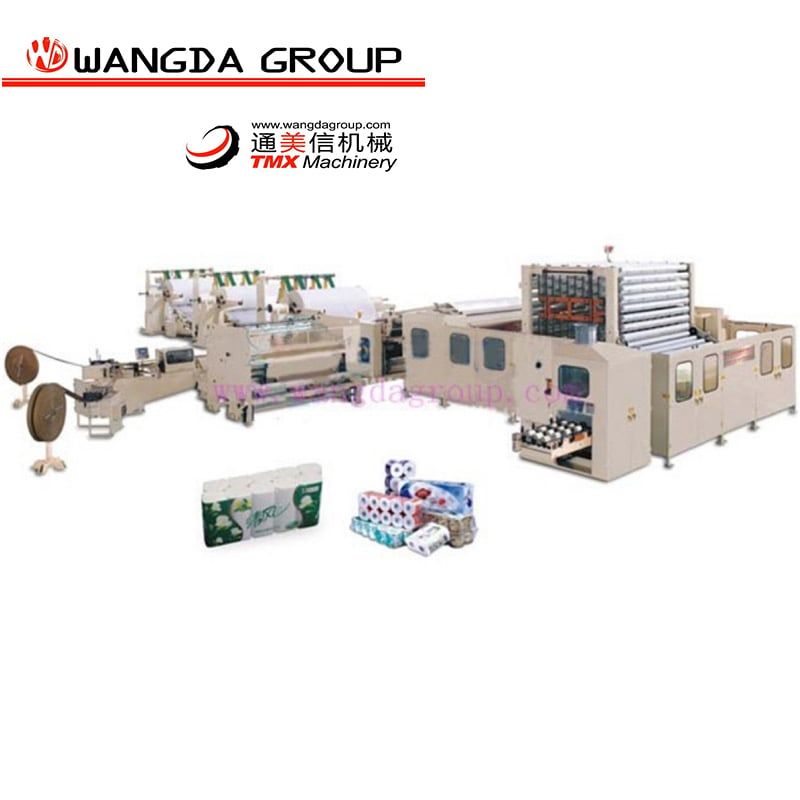
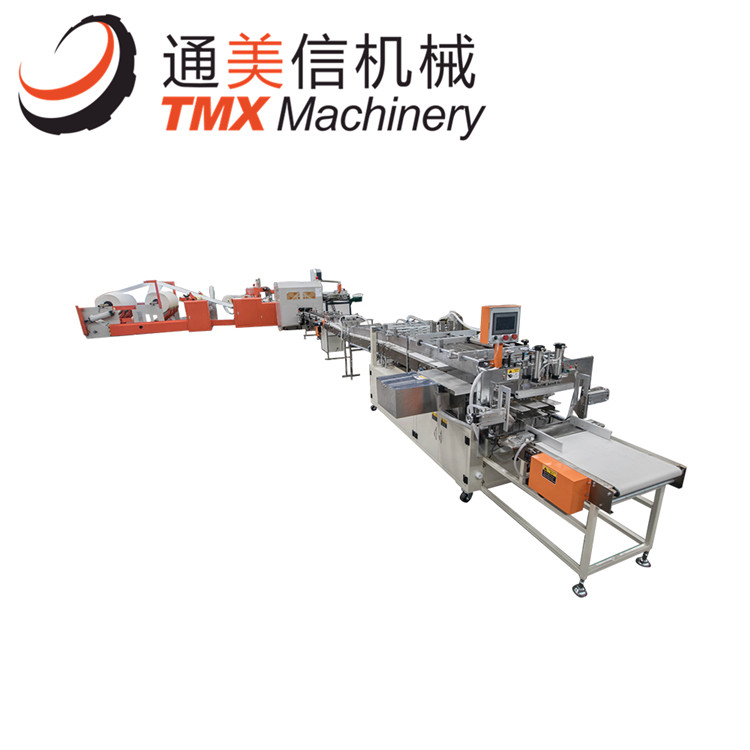
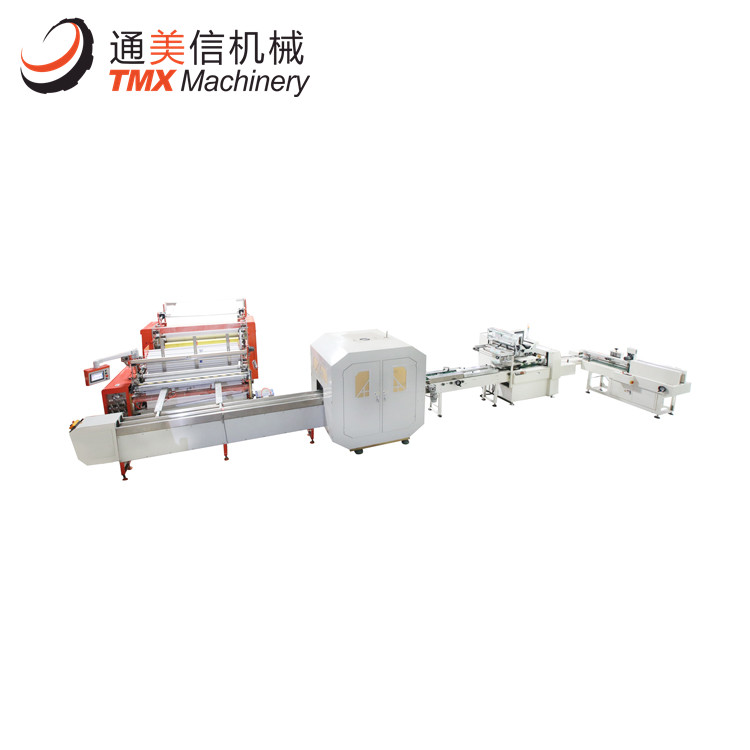
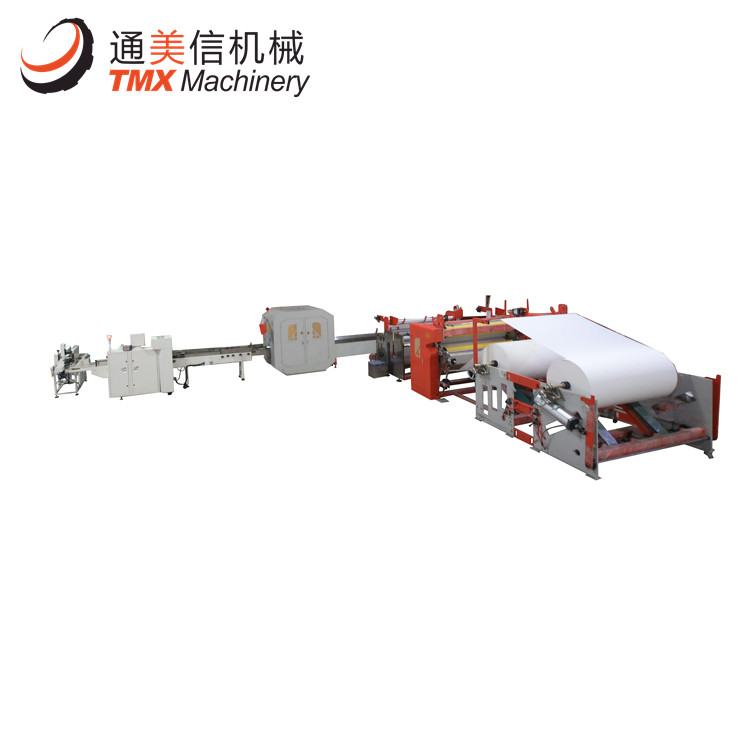
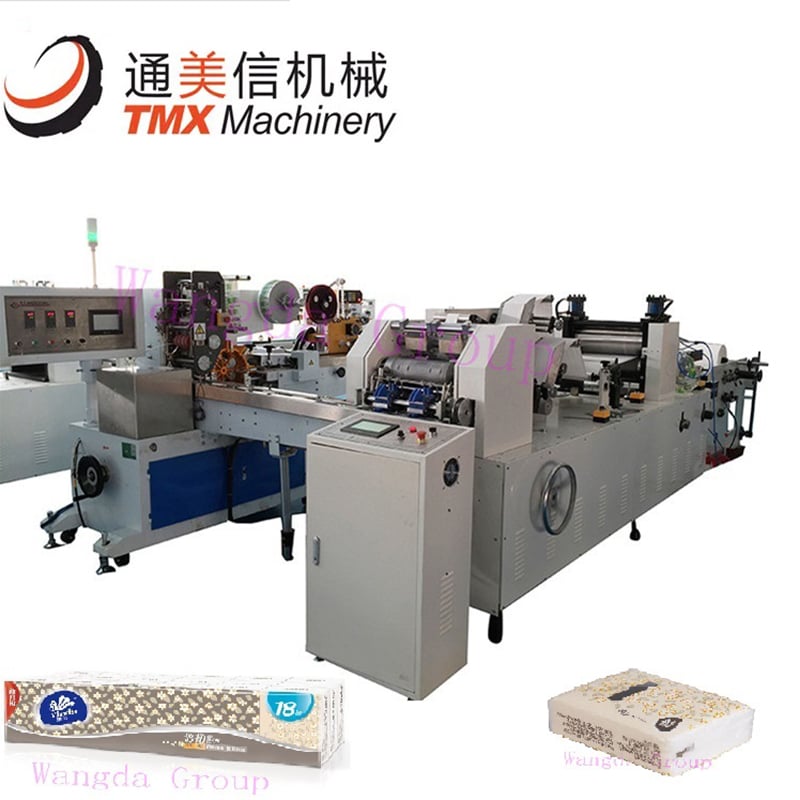
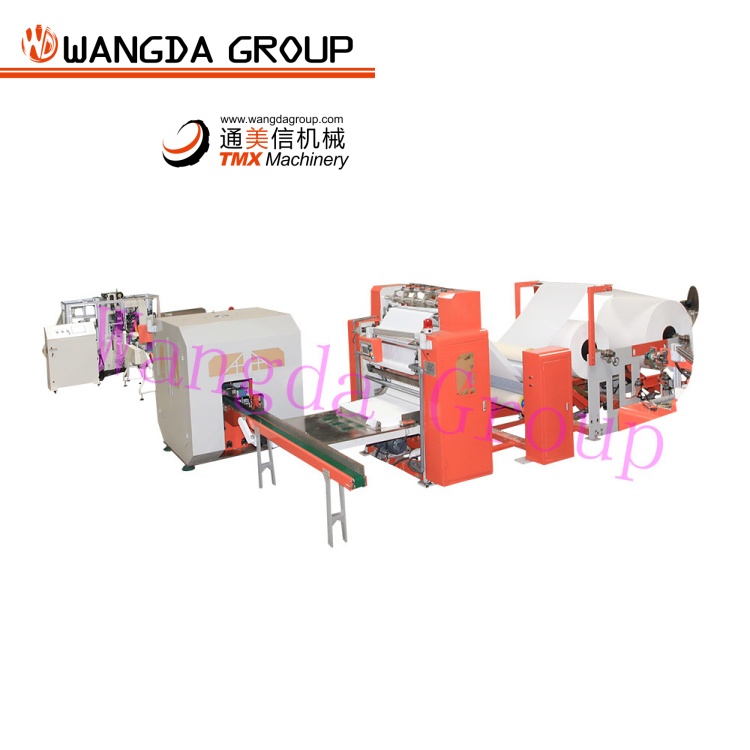
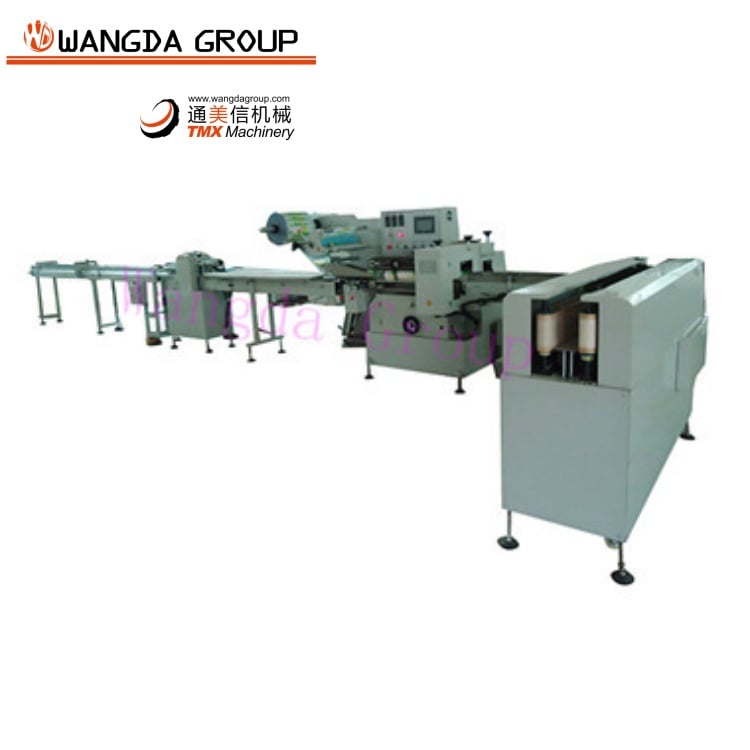
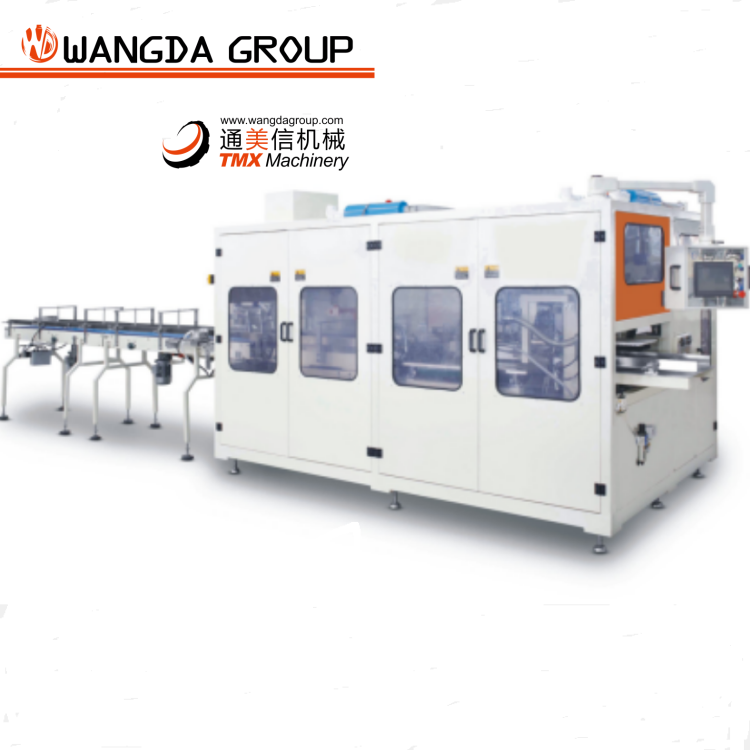
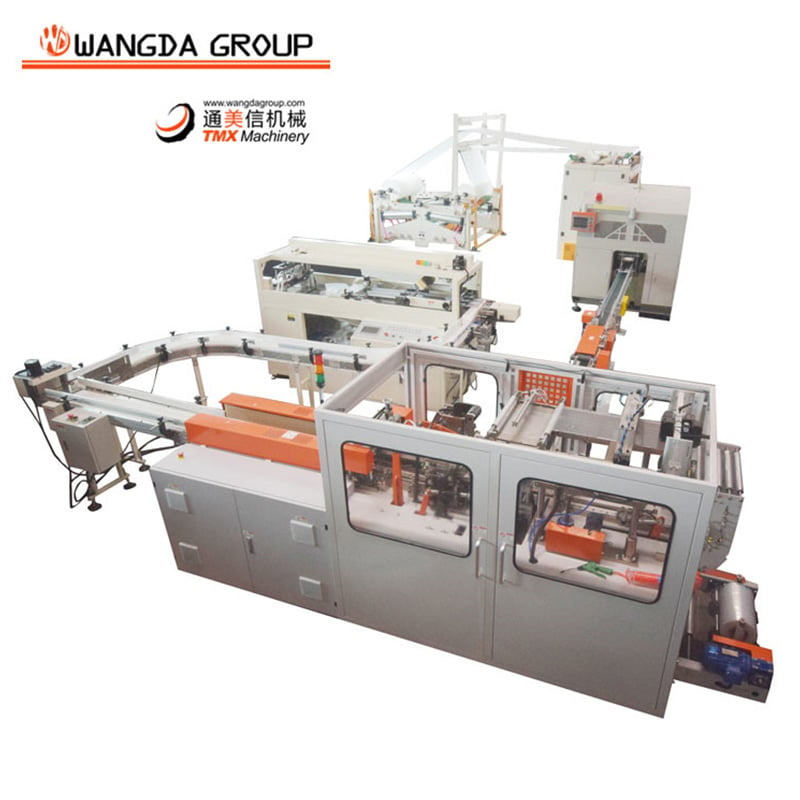
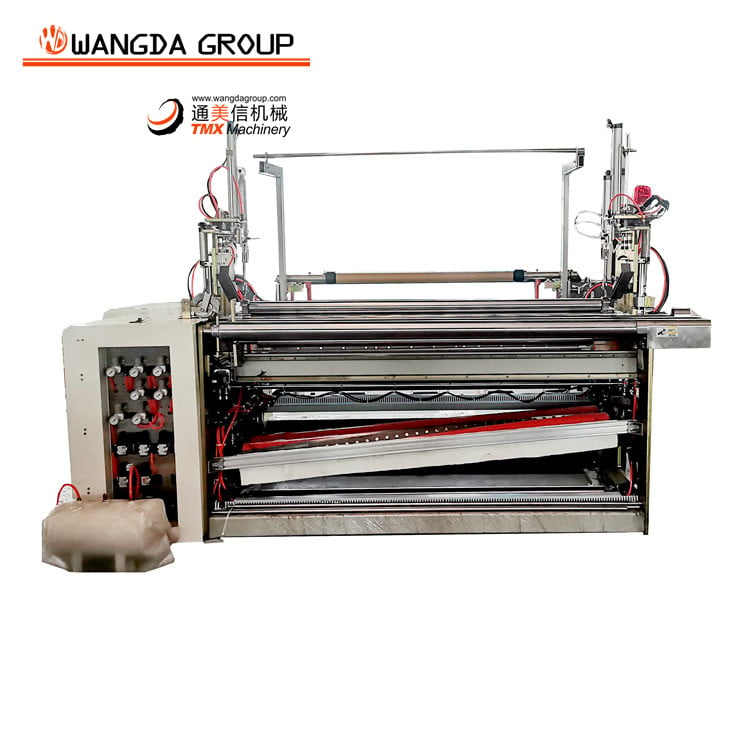
When considering the purchase of a kitchen towel tissue making machine in the USA, buyers face a variety of challenges, from understanding technical specifications to ensuring high quality and efficiency. This article aims to provide practical insights into selecting the right machine, evaluating quality, and understanding installation and application across various industries. With a focus on manufacturing capabilities and real-world experience, we'll help you navigate the complexities of this important investment.
Selecting a kitchen towel paper machine requires a careful assessment of your specific production needs. Key factors to consider include production capacity, the type of materials you plan to use, and the desired output quality. For instance, if your operation demands high-volume production, a full-servo production line may be the most efficient choice. Alternatively, smaller operations might benefit from semi-automatic machines that offer flexibility without sacrificing quality.
It's also essential to evaluate the machine's compatibility with various paper types, such as recycled or virgin pulp. Different machines may have unique specifications that affect their performance with specific materials, impacting the final product's quality and durability. Prioritize machines that allow for easy adjustments to accommodate different paper grades and weights.

When assessing kitchen towel tissue making machines, several key specifications should guide your decision:
Production Speed: Measured in meters per minute, production speed affects your overall output and efficiency. Machines with higher speeds may reduce labor costs and improve turnaround times.
Roll Diameter and Width: These dimensions determine the size of the finished products. Ensure that the machine can produce rolls that meet your market's standards.
Power Consumption: Energy efficiency is crucial for long-term operational costs. Machines with lower power consumption can significantly reduce overall expenses.
Automation Features: Full-automation versus semi-automation can impact labor needs and operational efficiency. Fully automated machines often require less manual intervention, which can lead to fewer errors and faster production.
Material Compatibility: Make sure the machine can handle the specific types of paper you intend to use, including variations in thickness and texture.
Understanding these specifications will help you make an informed decision that aligns with your production goals.

Quality evaluation of kitchen roll making machine involves several critical steps:
Manufacturer Reputation: Research the manufacturer's history, focusing on their experience in producing tissue machines. A company with a strong track record is more likely to provide reliable equipment.
Certifications: Verify any industry certifications the manufacturer holds. Certifications can indicate adherence to quality standards and best practices in manufacturing.
Material Quality: Inspect the materials used in the machine's construction. High-quality components can enhance durability and performance, reducing maintenance needs over time.
User Reviews and Testimonials: Gather feedback from current users of the machine. Their insights can reveal potential issues or advantages that are not immediately apparent from specifications alone.
Sample Testing: If possible, request a sample of the machine's output. This hands-on experience allows you to assess the quality of the tissue produced and its suitability for your applications.
By following these evaluation steps, buyers can gain confidence in their machine selection.

Proper installation is crucial for the optimal performance of kitchen towel tissue making machines. Here are essential installation guidelines:
Site Preparation: Ensure that the installation site meets all electrical and operational requirements. Adequate space for maintenance and operation is also necessary.
Professional Installation: It is advisable to have the machine installed by qualified technicians from the manufacturer. Their expertise ensures that the machine is set up correctly and operates at peak performance.
Calibration: After installation, the machine should be calibrated according to the specific paper types and production settings. This step is vital for achieving the desired quality and output.
Training: Provide training for your operators. Understanding how to operate the machine and troubleshoot common issues will enhance productivity and minimize downtime.
Regular Maintenance Schedule: Establish a maintenance routine to keep the machine in good condition. Regular checks and servicing can help prevent operational hiccups and extend the machine's lifespan.
Following these guidelines will help ensure that your machine operates efficiently and effectively from day one.
Wangda manufactures toilet tissue machines (including cutting and packing), Tissue paper machine (including cutting and packing), facial tissue machines (including cutting and packing) as well as nylon bag facial tissues machines. We also produce maxi roll rewinding as well as perforating machines.
Tissue making machine has cooperated with different customers from both home and abroad. We have collaborated with major companies from GCC countries such as Fine Hygienic across different nations, Nesto Hypermarket, Top One and Two hygienic product producer B and G, Meghna Groups from Bangladesh. Outnet Group of African countries. And as well, there are huge European brand, American brands, Latin American brands with whom we have worked for a great long years. We have a number of sample factories in other countries that you can visit and see our products which is more comfortable. Also we invite you for a visit to our factory and experience our products right in person. We welcome your enquiry at any time, hope to start our mutual benefit story right away.
Our after-sales and sales teams are extremely Toilet paper manufacturing machine and skilled. About 80% of our team has been working in the field of hygienic products for over 10 years. We understand what our customers want and what they worry. Our customers aren't only purchasing our machines We also assist them to profit in this business of hygienic items. We provide our customers with the services after-sales they need.
Wangda has more than 20 years experience in the Toilet paper making machine of all kinds of tissue machines, we pay much attention to the features of the machine and its quality, as well as in addition, after sales and pre-sales services. We've sold machines in over 100 countries. This has resulted in many repeat orders and good reviews from our clients. Wangda has its own R and D departments. Our machine is based on the latest Germany Japanese, Japan and Italian technology, and is upgraded day by day. Our machines have been certified to ISO9002, CE, BV and other certifications. We offer turnkey projects that span from A to Z, not just machines.
Kitchen towel tissue making machines find applications across several industries, highlighting their versatility:
Food Service: Restaurants and catering businesses utilize kitchen towels for cleanliness and hygiene. Machines that produce high-quality, absorbent towels are crucial in this sector.
Healthcare: Hospitals and clinics require disposable kitchen towels for sanitary purposes. The ability to produce towels that meet stringent hygiene standards is essential.
Household Products: Retailers and wholesalers distributing household goods often seek reliable kitchen towel machine to ensure consistent quality and supply for their kitchen towel products.
Industrial Use: Factories and workshops use kitchen towels for spill management and equipment cleaning. Machines that can produce durable, absorbent towels are preferred in these environments.
Export Markets: Many companies in the USA also export their kitchen towel products. A machine that can produce high-quality towels at competitive speeds is essential for remaining competitive in the global market.
Understanding these applications can guide you in selecting a machine that not only meets your current needs but also adapts to future market demands.