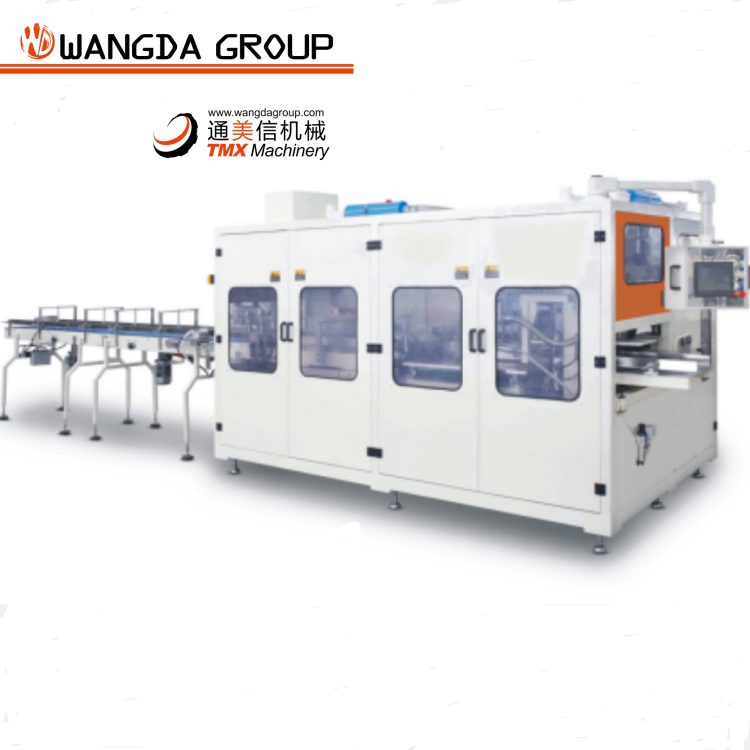
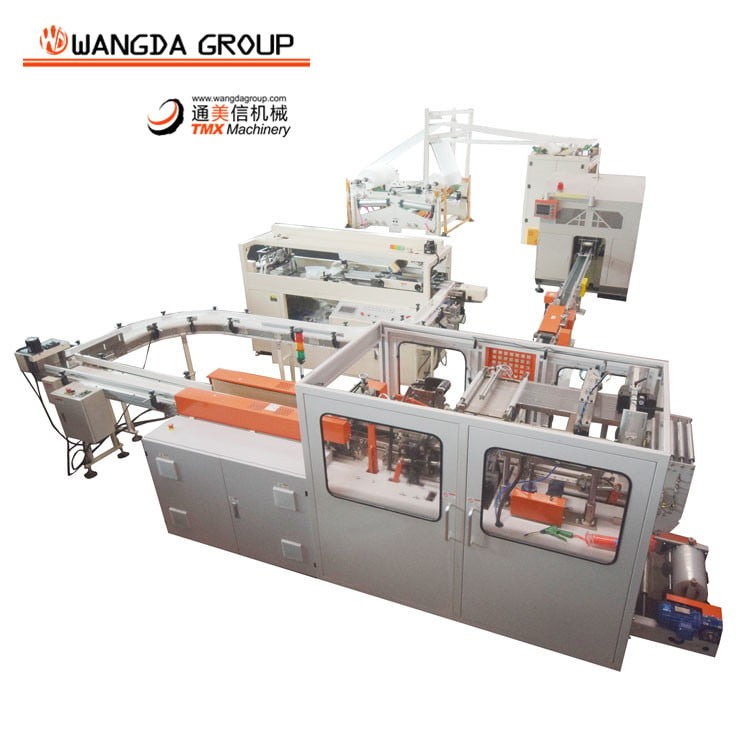
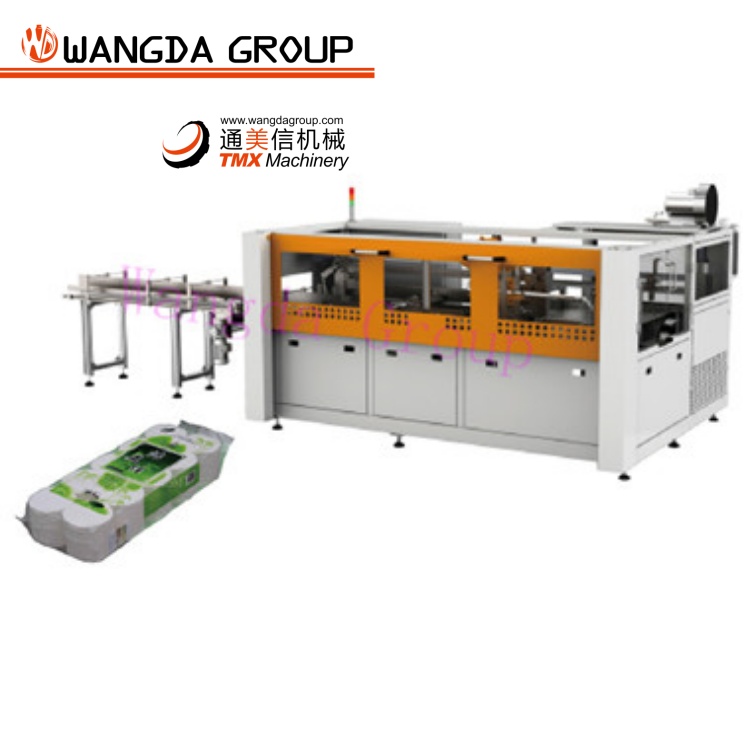
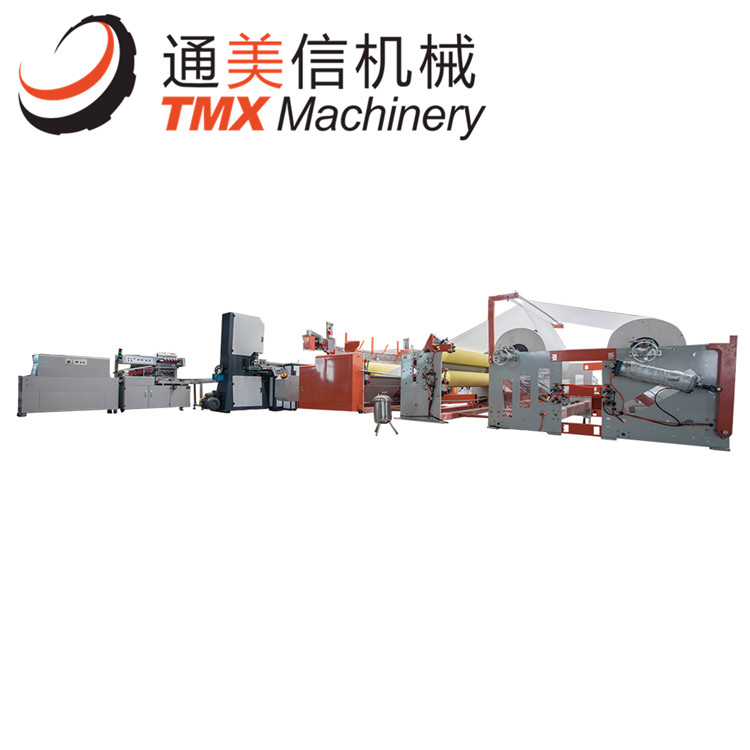
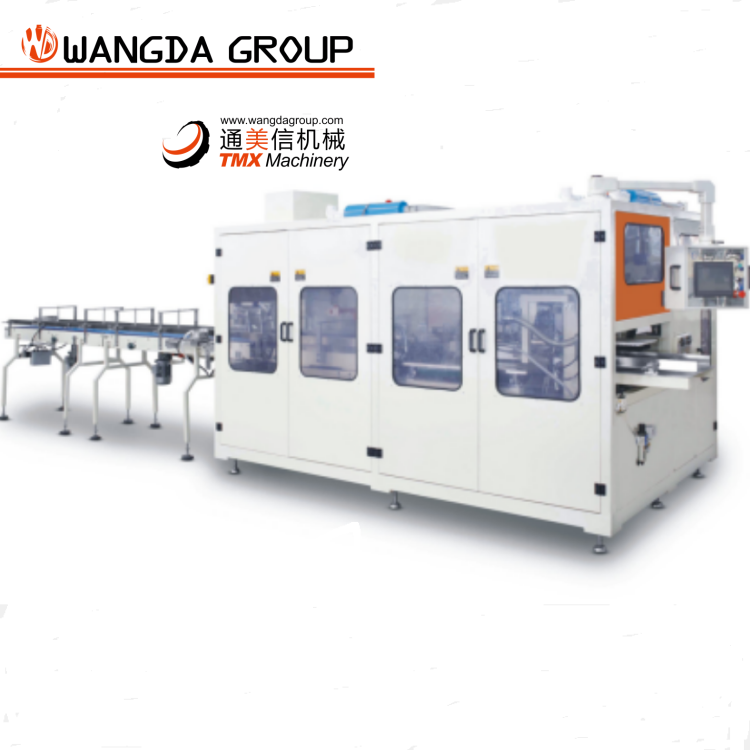
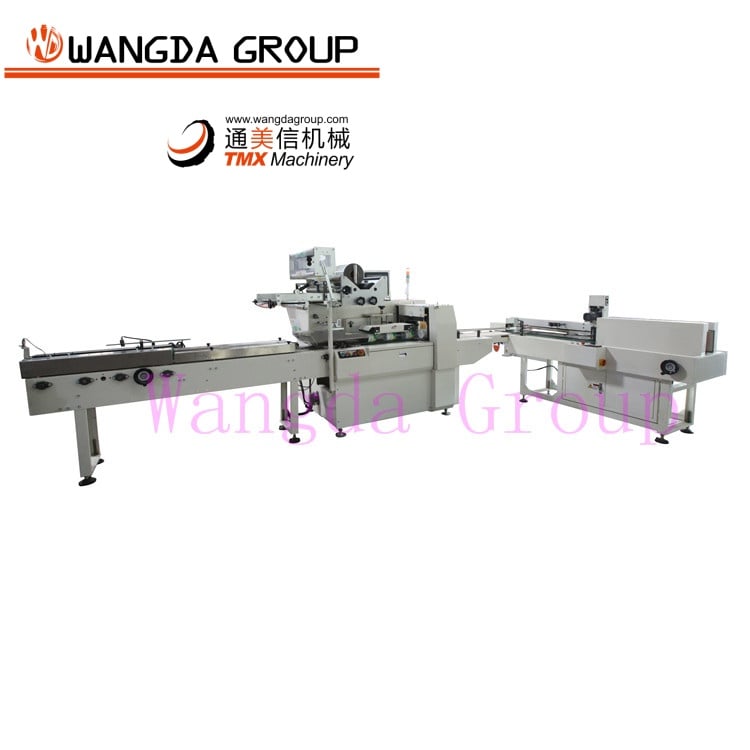
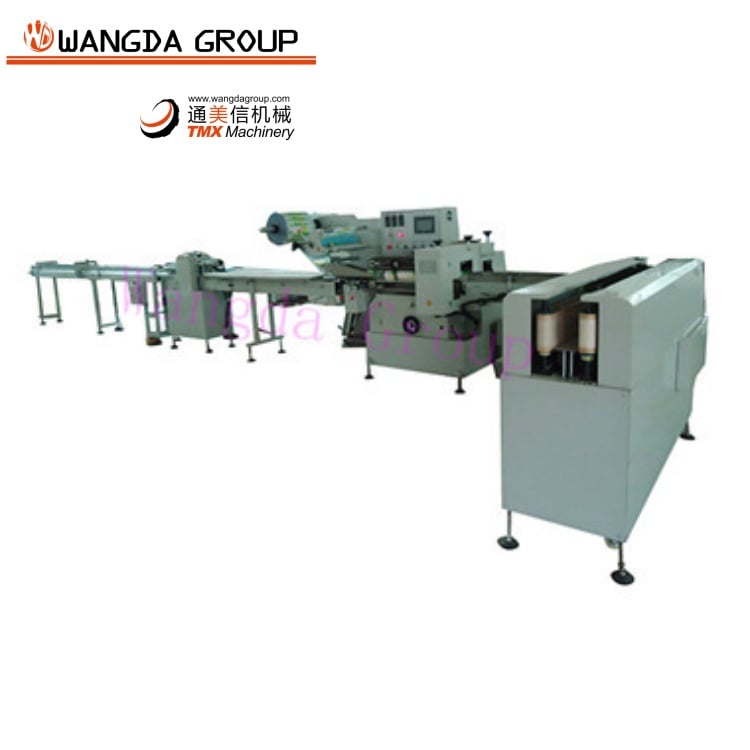
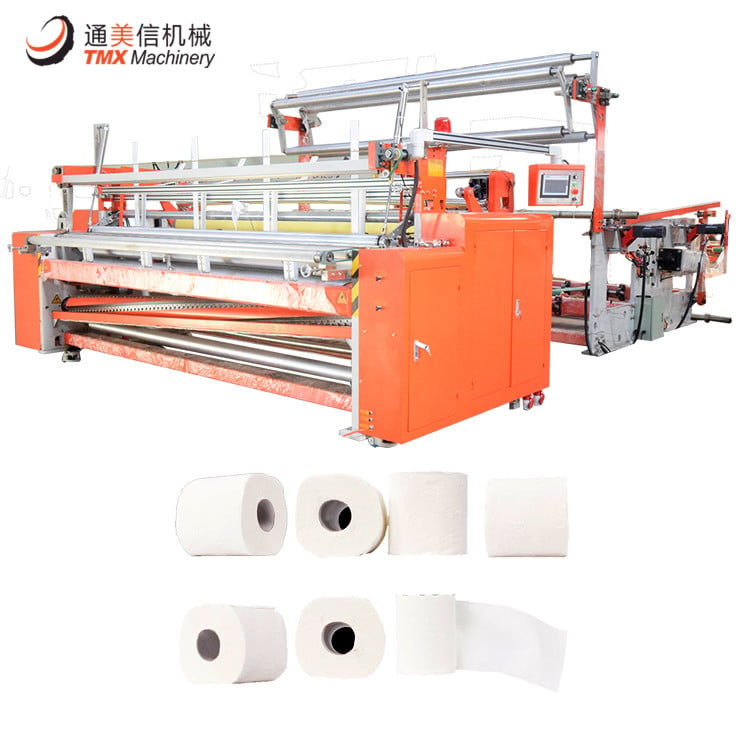
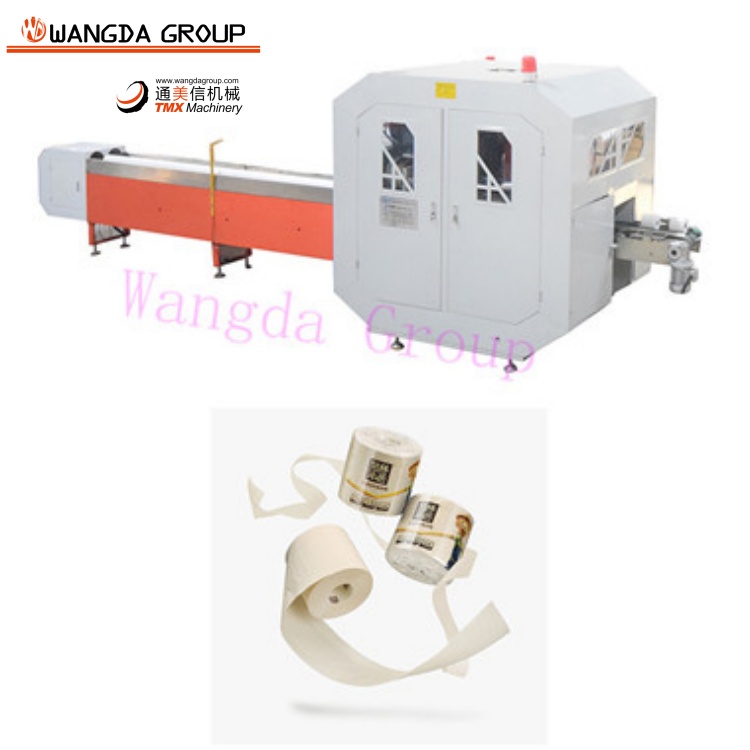
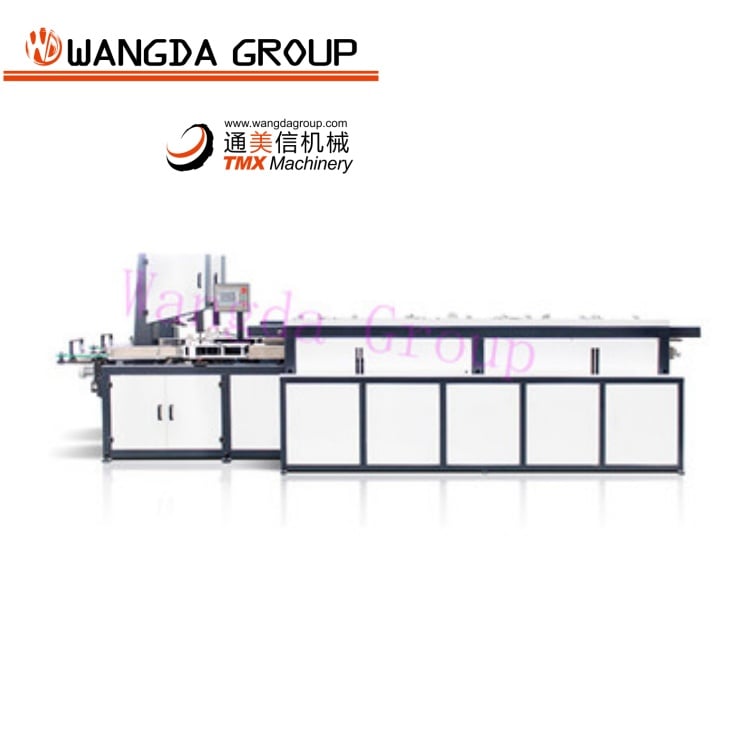
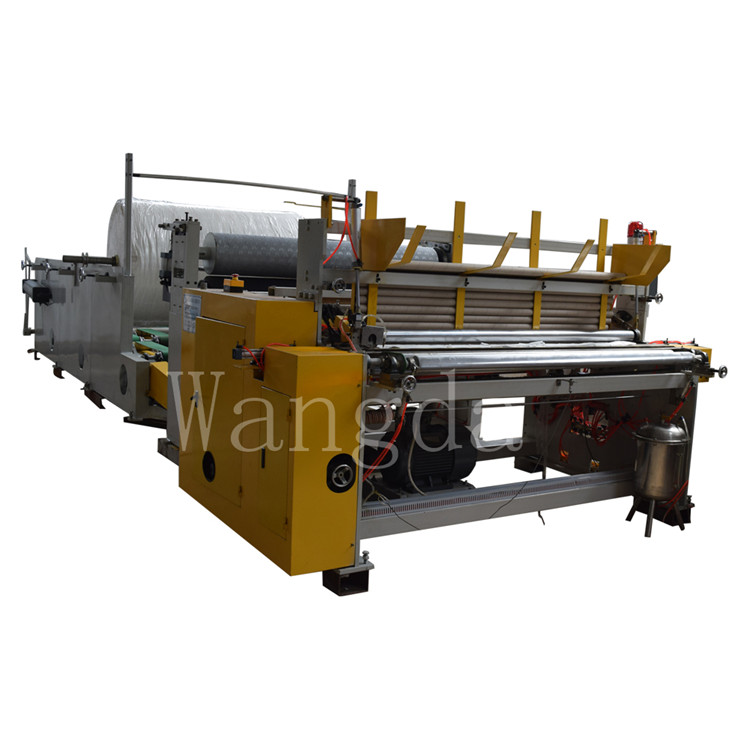
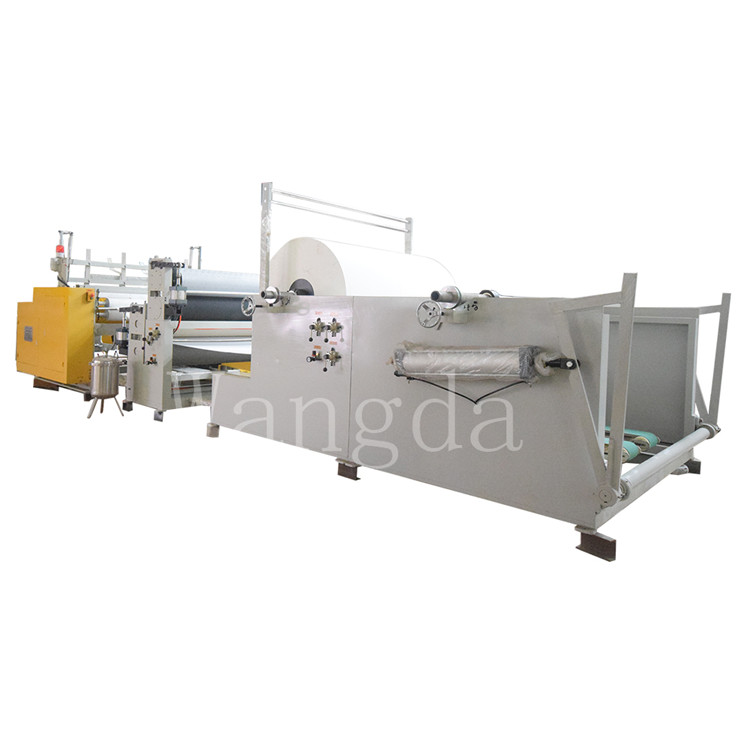
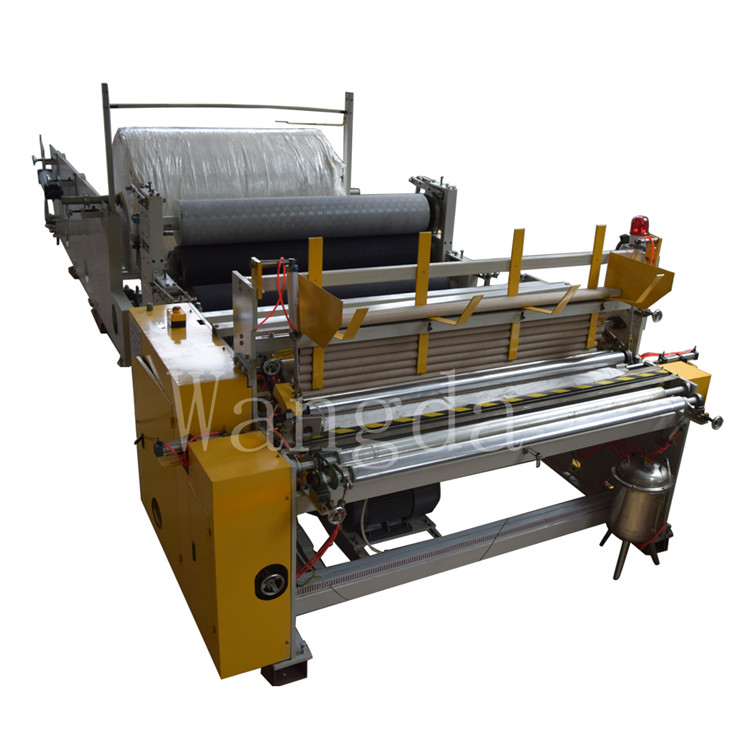
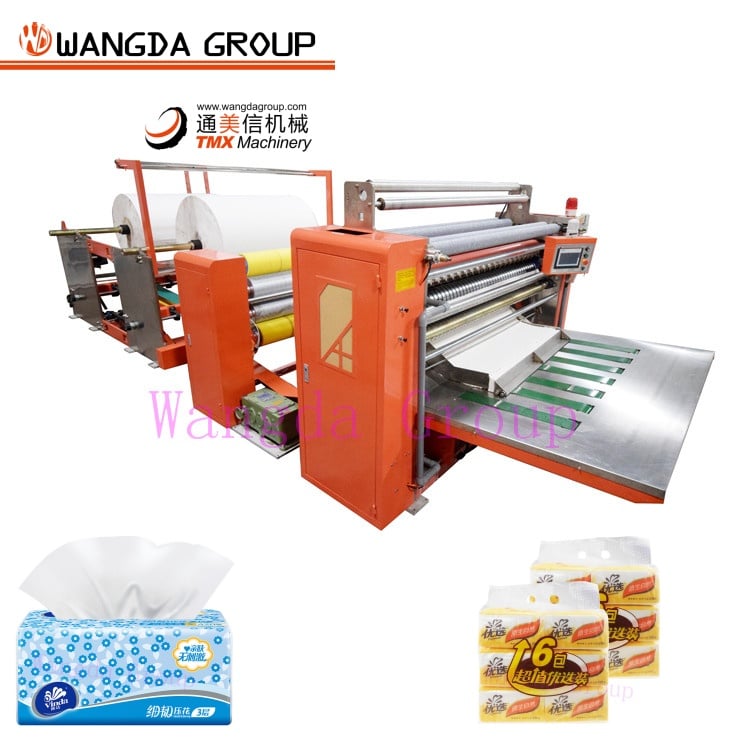
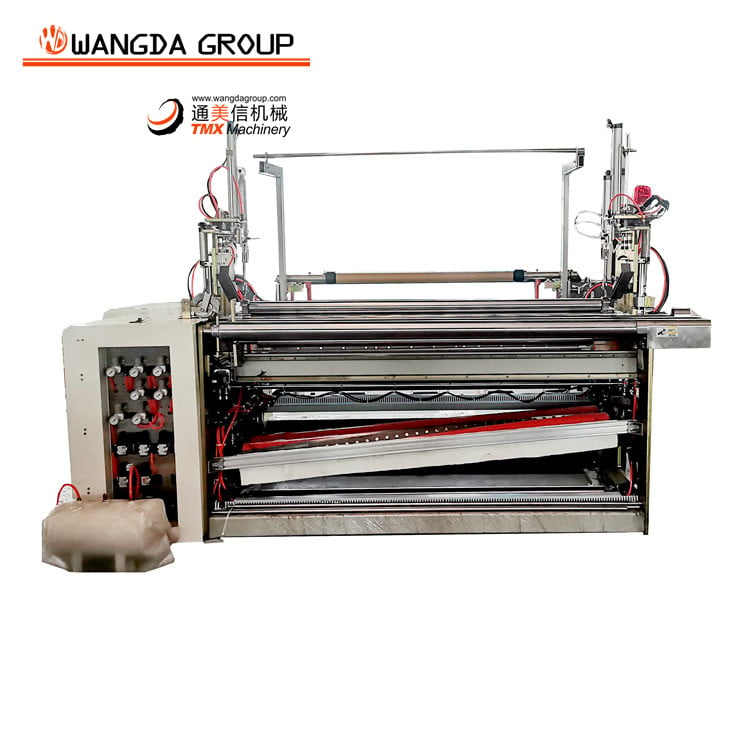
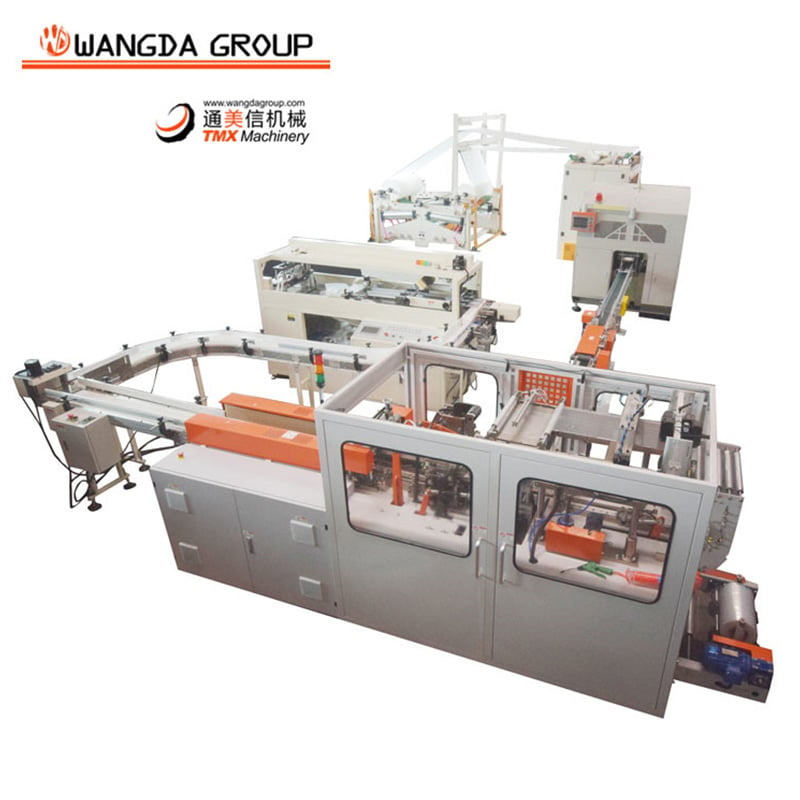
A Wangda Industrial-made kitchen roll making machine is specialized equipment designed for the efficient production of kitchen roll paper, a staple in both commercial and residential settings. For B2B buyers such as purchasing managers and distributors, understanding the capabilities and quality metrics of these machines is crucial for making informed investment decisions. This article will explore how to evaluate kitchen roll production equipment, address common issues and their resolutions, discuss cost factors in purchasing, provide installation guidance, and outline the various applications of kitchen roll machines across industries
When assessing Wangda Industrial's kitchen towel paper machine, buyers should focus on several key specifications and features that directly impact performance and output quality. Key criteria include:
Production Capacity: This indicates the volume of kitchen rolls the machine can produce within a specific timeframe. Higher capacity machines may be suitable for large-scale manufacturing operations, while smaller machines may suffice for smaller companies
Material Handling: The machine should be compatible with various paper grades and thicknesses. Quality kitchen roll machines can handle multiple types of raw materials, ensuring flexibility in production
Control Systems: Advanced kitchen roll machines often feature full-servo technology, allowing for precise adjustments and better quality control. This can lead to reduced material waste and enhanced product consistency
Certifications: Ensure that the machines are certified for safety and quality standards relevant to your market. This is critical for maintaining compliance and ensuring product reliability
Durability and Maintenance: Assess the build quality and the manufacturer's recommendations for maintenance. Machines designed for easy upkeep can reduce downtime and enhance long-term operational efficiency
By prioritizing these aspects, buyers can select a kitchen roll machine that meets their production requirements and quality expectations.

Despite their reliability, Wangda Industrial-made kitchen roll making machine can encounter several common issues that may affect production efficiency. Here are some frequent problems along with potential solutions:
Paper Jamming: This often occurs due to improper loading of raw materials or mechanical misalignments. Regular maintenance checks and proper training for operators can mitigate this issue
Inconsistent Roll Quality: Variations in thickness or density can arise from fluctuations in raw material quality or machine settings Conducting routine quality checks and calibrating the machine according to raw material specifications can help ensure uniformity
Mechanical Failures: Common mechanical failures may result from wear and tear or insufficient lubrication. Establishing a regular maintenance schedule that includes inspection of moving parts can reduce the occurrence of these failures
Production Speed Issues: If the machine is not running at optimal speeds, it may be due to mechanical drag or an overload of materials. Reviewing the operational settings and ensuring that the machine is not overloaded can improve performance
Understanding these common issues and their solutions can help buyers prepare for operational challenges and minimize downtime.

The cost of kitchen roll machines can vary significantly based on several factors. Understanding these can help buyers make informed budgetary decisions:
Machine Specifications: Higher capacity and advanced feature machines typically come at a premium price. Buyers should assess their production needs carefully to avoid overspending on unnecessary features
Customization Requirements: Custom features or adaptations to meet specific production needs can increase costs. Buyers should clearly define their requirements before requesting quotes to ensure accurate pricing
Supplier Reputation: Established manufacturers may charge higher prices due to their proven track record and quality assurance. Investing in a reputable supplier can lead to better service and support in the long run
Shipping and Installation Costs: Depending on the supplier's location, shipping costs can add significantly to the total purchase price. Additionally, installation services, if required, may incur further expenses
Operational Costs: Consider the long-term operational costs, including energy consumption, maintenance, and spare parts. Machines that are more efficient in their operation may offer better value over time
By evaluating these cost factors, buyers can align their investment with their operational budget and long-term goals.

Proper installation of kitchen roll machines is critical for optimal performance. Here are essential considerations for a successful setup:
Site Preparation: Ensure that the installation site is clean, dry, and capable of supporting the machine's weight. The area should also have adequate space for operation and maintenance
Utilities and Connections: Check that all necessary utilities, such as power and water supply, are available and properly configured. Verify that the electrical supply matches the machine's requirements to avoid operational issues
Leveling and Alignment: Properly level and align the machine during installation to ensure smooth operation. Misalignment can lead to mechanical wear and affect production quality
Operator Training: Once the machine is installed, providing training for operators is essential. Familiarity with the machine's features and troubleshooting procedures will help minimize mistakes and enhance efficiency
Testing and Calibration: Before full-scale production begins, conduct tests and calibrate the machine to ensure that it operates within the desired parameters. This step is crucial for identifying any issues before they affect production
Following these installation guidelines will help ensure that your kitchen roll machine operates effectively and efficiently from the outset.
Wangda Tissue paper making machine toilet tissue machines (including cutting and packing), kitchen towel machines (including cutting and packing) facial tissue machines (including cutting and packing) as well as nylon bag facial tissues machines. We also make maxi roll rewinding equipment as well as perforating machines.
Wangda is a highly professional and knowledgeable sales staff and after-sales team, 80% of the team has been in Toilet tissue machine for more than 10 years in our company in this hygiene-conscious product industry. Our team has a wealth of experience in the daily use of paper tissue machines, related packing machines and many other Hygienic products machines We have a wide range of professional expertise in this field, we are aware of what our customers wants, we worry about what our customers worry about. We not just sell the machines to our clients, but we help our customers earn money through this business of hygienic products, to provide the lifelong after-sale services to our customers at the right time.
We've Toilet paper roll making machine with many clients both in the United States as well as abroad.
Wangda has over 20 years of manufacturing tissues machines. We pay close attention to the quality of machines, their function and pre and post sales service. We have sold machines in more than 100 countries, which has won us many repeat orders and good reviews from our clients. Wangda has our own R and D departments. Our machines are based on advanced Germany Japanese, Japan and Italian technology and is keeping updated day by day. Our machines have been certified to ISO9002, Tissue paper manufacturing machine, BV and others certifications. We offer turnkey solutions that span from A to Z Not just machines.
Kitchen roll machines serve a variety of applications across multiple industries, highlighting their versatility:
Food Service: Restaurants and catering services use kitchen rolls for food preparation and cleaning, making efficient production crucial for meeting high demand
Healthcare: Hospitals and clinics rely on hygienic paper products for cleanliness. Kitchen roll machines can be adapted to produce high-quality, absorbent rolls tailored for medical use
Household Products: Retailers require consistent and economical production of kitchen rolls for consumer markets. This drives demand for machines that offer flexibility in production sizes and packaging
Hospitality: Hotels and resorts utilize kitchen rolls for both guest services and operational needs. Machines that can produce customized rolls may appeal to businesses looking to enhance their branding
Industrial Cleaning: Cleaning companies often require robust kitchen rolls for various cleaning tasks. Machines designed for higher durability can cater to this market segment effectively
By understanding the diverse applications of kitchen roll machines, buyers can better assess their needs and select equipment that aligns with their target markets
With this information, B2B buyers can confidently evaluate, purchase, and implement kitchen roll machines that meet their production needs while minimizing operational challenges.