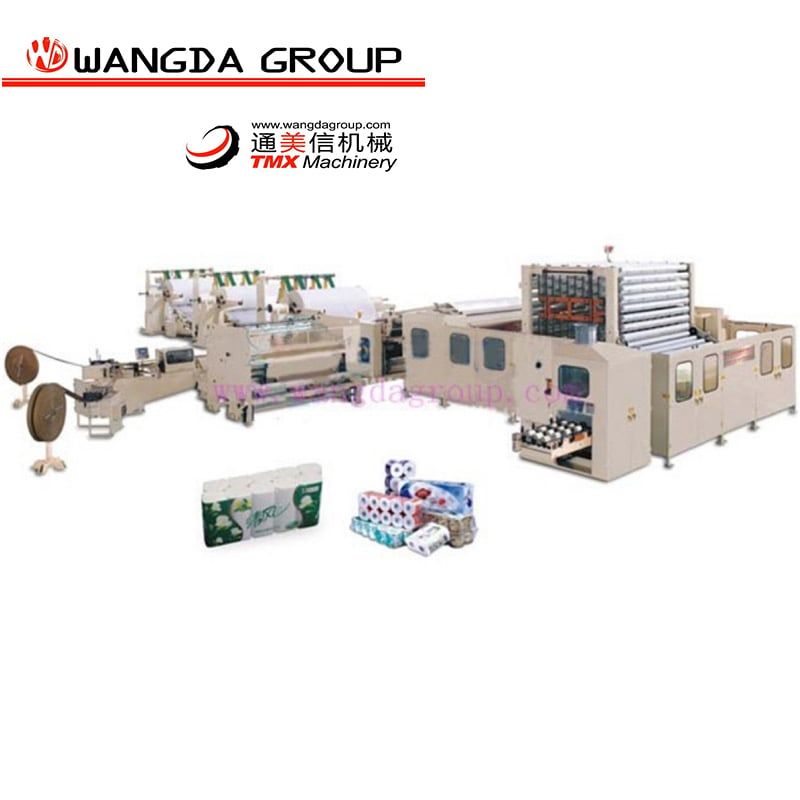
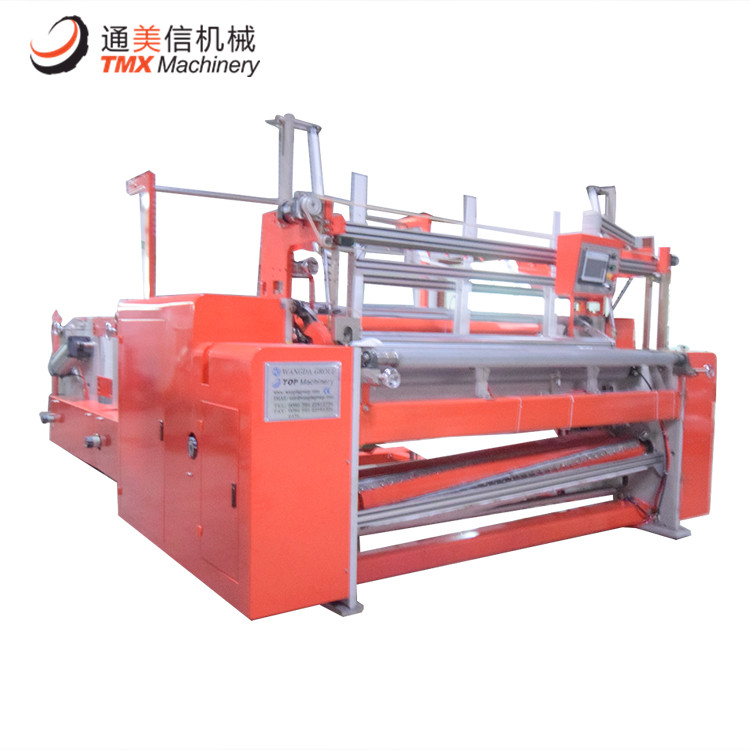
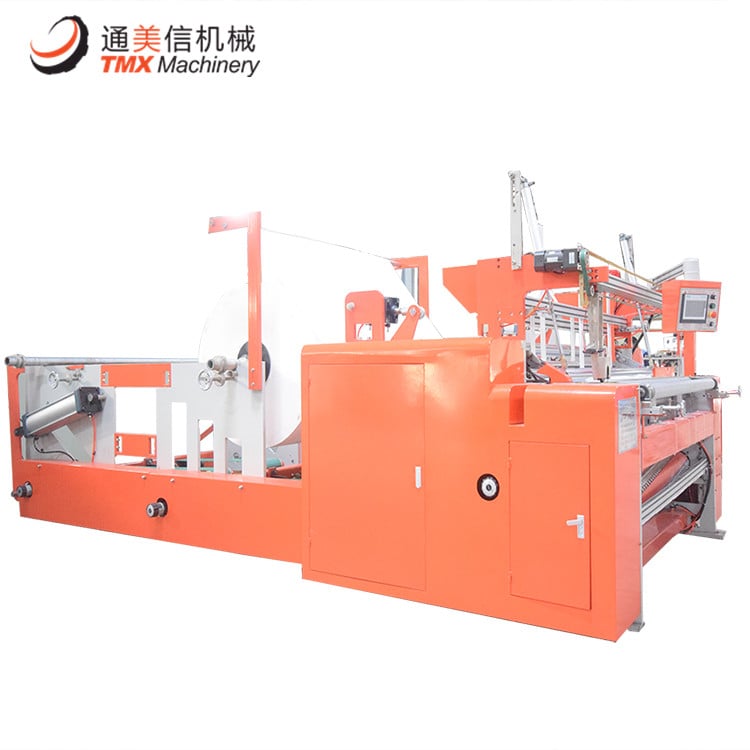
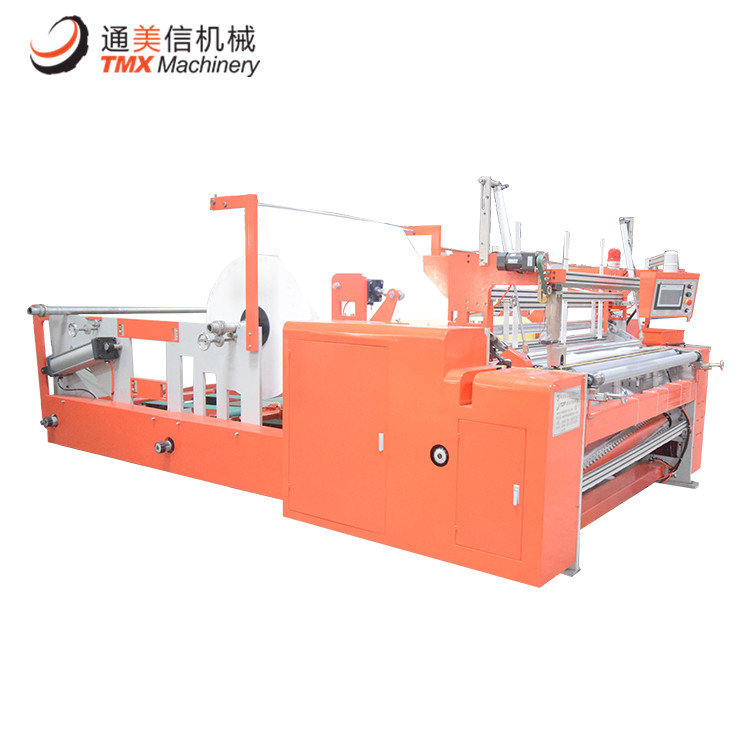
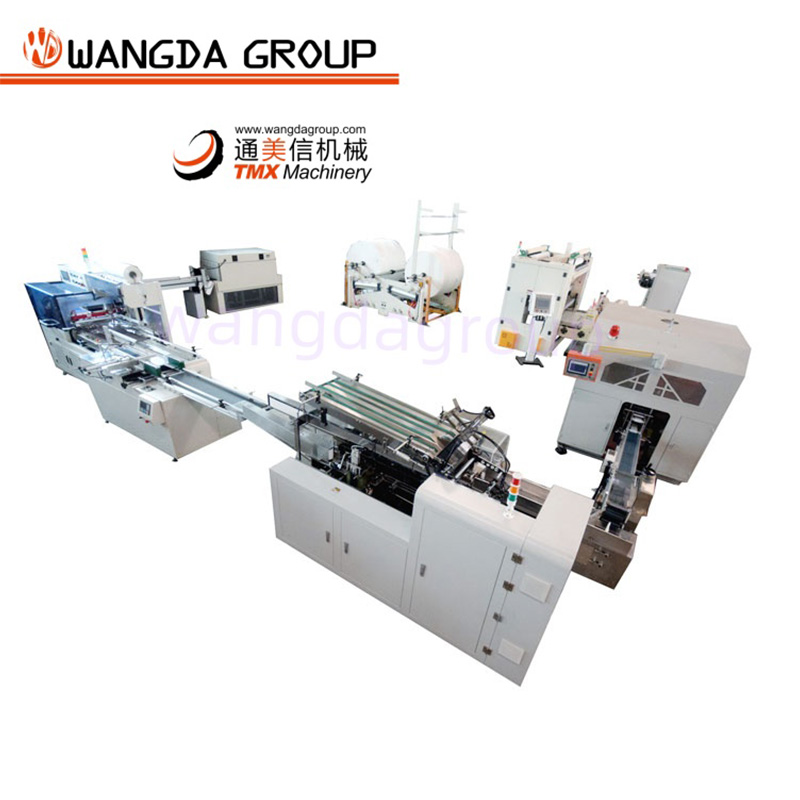
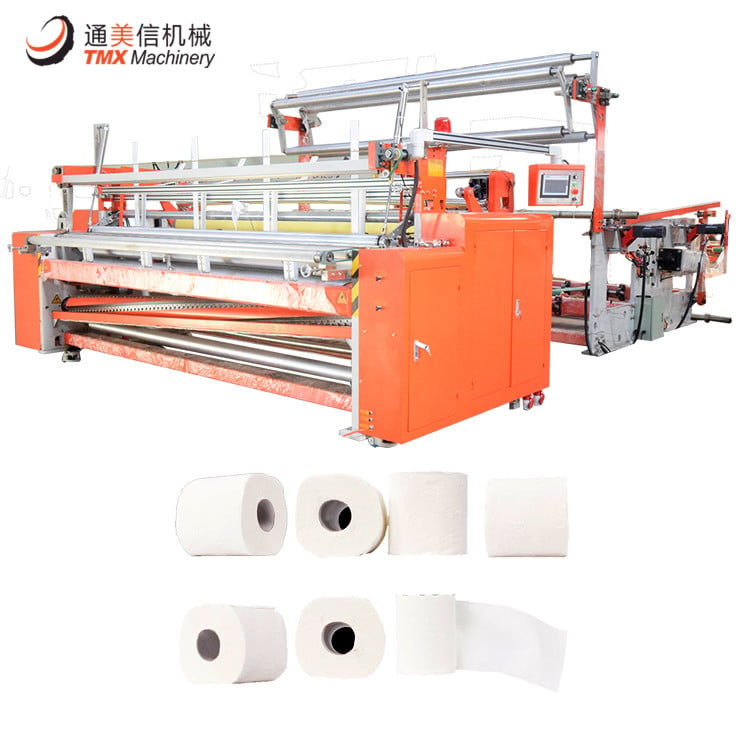
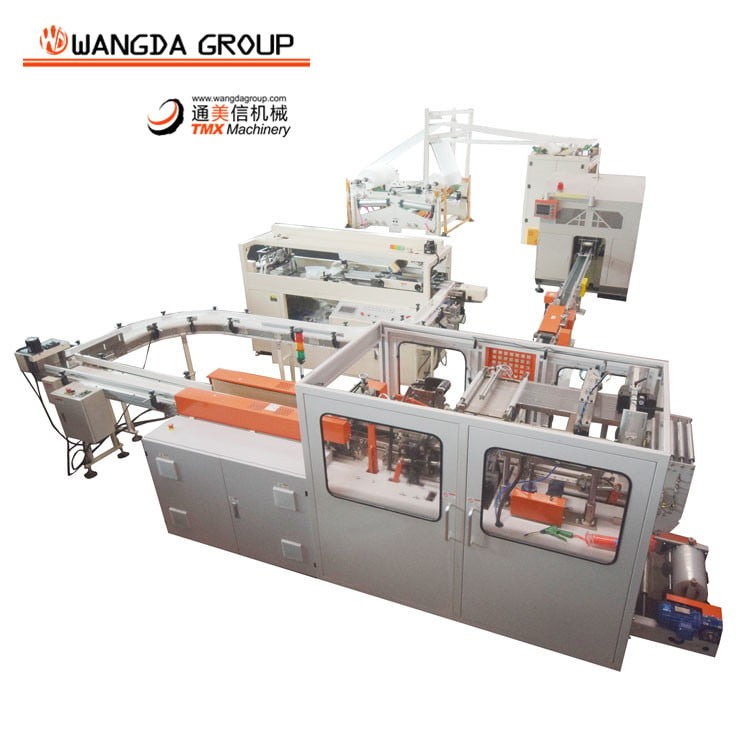
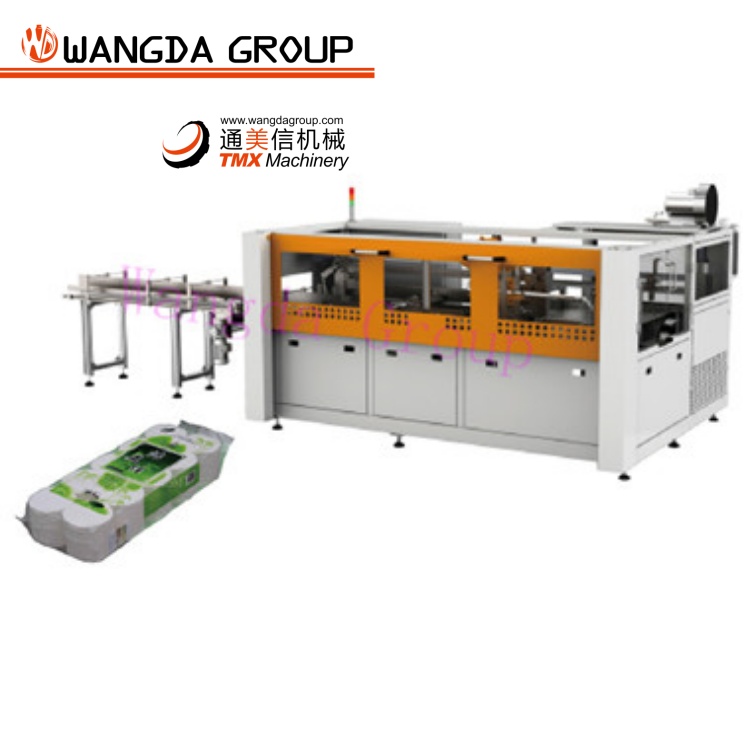
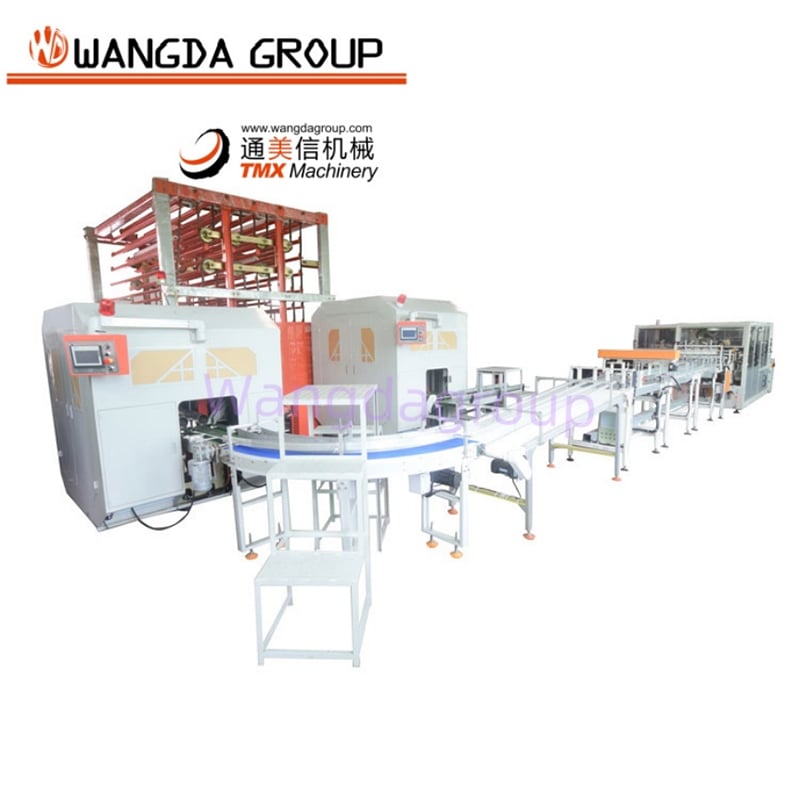
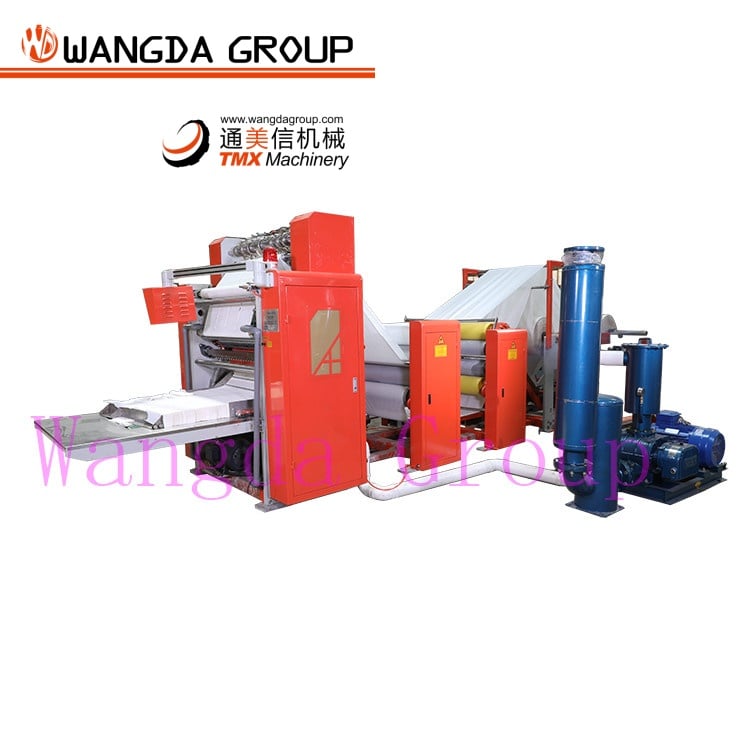
In the competitive landscape of hygiene products, kitchen towel tissue making machines play a crucial role in ensuring efficiency and quality in production. Sourced primarily from manufacturers like Wangda Industrial Co., Limited in China, these machines are essential for businesses looking to meet the growing demand for kitchen towels. Buyers often seek reliable machines that not only deliver high-quality output but also adhere to their specific production requirements. This article will guide you through essential considerations when sourcing toilet paper kitchen towel rewinder machine making machines, helping you make informed purchasing decisions.
When sourcing kitchen towel tissue making machines, several key factors must be evaluated to ensure the right fit for your production needs.
Specifications and Capacity: Understand the machine's production capacity, which is typically measured in tons of tissue produced per hour. This will depend on your expected output and market demand. Evaluate the machine's dimensions and weight to ensure compatibility with your production line layout.
Technology and Features: Look for machines equipped with advanced technology, such as full-servo systems, which enhance precision and reduce waste. Features such as automatic roll cutting, folding mechanisms, and packing options can significantly improve efficiency.
Quality and Certifications: Ensure that the machines comply with international quality standards. Certifications such as ISO can provide assurance regarding the machine’s reliability and safety.
Materials Used: Assess the materials that the kitchen towel paper machine can work with, including the thickness and type of paper. This will determine the quality of the final product and its market appeal.
Maintenance and Support: Investigate the availability of spare parts and technical support from the supplier. A reliable maintenance plan can reduce downtime and enhance the longevity of your equipment.
Understanding these considerations will help streamline your sourcing process and ensure that you select a machine that meets your operational requirements.

Selecting the right supplier for kitchen towel tissue making machines involves more than just comparing prices. Here are some criteria to consider:
Experience and Reputation: Look for suppliers with a proven track record in manufacturing and supplying tissue machinery. Companies like Wangda Industrial Co., Limited, known for their extensive experience and global reach, can offer insights into the industry and innovative solutions.
Customization Capabilities: Assess whether the supplier can customize machines according to your specific needs. Customization may include adjustments in speed, size, and additional features that cater to unique production requirements.
Customer Reviews and References: Seek feedback from previous customers to gauge the supplier's reliability and product performance. Satisfied customers can provide valuable insights into the supplier's after-sales support and service quality.
Warranty and Service Agreements: Ensure that the kitchen towel machine supplier offers a solid warranty and service agreement. This can protect your investment and ensure prompt assistance in case of any issues.
Communication and Responsiveness: Evaluate the supplier’s communication practices. A supplier who is responsive and transparent in their dealings will likely provide better support throughout the purchasing process.
By carefully evaluating these factors, you can identify a supplier that aligns with your business needs and fosters a long-term partnership.

When considering the cost of kitchen towel tissue making equipment, several elements can influence the final price:
Machine Specifications: Higher capacity machines with advanced features typically come at a higher price. Ensure that the specifications align with your production goals to avoid overspending on unnecessary features.
Material Costs: The type of materials used in manufacturing the machine will affect the overall cost. Machines made from higher-quality materials may have a higher upfront cost but can lead to decreased maintenance expenses over time.
Customization Features: If you require customized solutions, be prepared for additional costs. Customization can include specific functionalities or adaptations to fit your existing production line.
Shipping and Import Duties: If sourcing from abroad, consider shipping costs and import duties. These can significantly affect the total investment, especially for larger machinery.
After-Sales Support and Maintenance: Factor in costs related to ongoing maintenance and technical support. A supplier that offers comprehensive after-sales service may charge more upfront but can save costs in the long run through reduced downtime and efficient repairs.
Understanding these cost factors will help you create a realistic budget and make informed purchasing decisions.

Kitchen towel tissue making machines may encounter several common issues during operation. Here are some challenges and practical solutions:
Paper Jamming: A frequent issue in tissue machines is paper jamming, often caused by improper alignment or faulty sensors. Regular maintenance and checks can prevent this, and operators should be trained to quickly troubleshoot and realign the paper feed.
Quality Variability: Inconsistent quality can arise from varying paper thickness or moisture content. Implementing stringent quality control measures during raw material selection and ensuring a stable operating environment can help maintain consistency.
Power Failures: Machines may experience power interruptions, leading to production delays. Investing in backup power solutions or generators can minimize downtime during electrical outages.
Mechanical Failures: Over time, wear and tear can lead to mechanical failures. Regular maintenance schedules, including lubrication and part replacements, can extend the life of the machine and prevent unexpected breakdowns.
Incorrect Settings: Operators may unintentionally set incorrect parameters, affecting production efficiency. Comprehensive training and clear operational manuals can mitigate this risk, ensuring staff are well-equipped to operate the machinery effectively.
Addressing these common problems proactively can enhance productivity and reduce operational costs.
Wangda has more than 20 years experience in the Toilet tissue machine of all kinds of tissue machines, we pay much attention to the features of the machine and its quality, as well as in addition, after sales and pre-sales services. We've sold machines in over 100 countries. This has resulted in many repeat orders and good reviews from our clients. Wangda has its own R and D departments. Our machine is based on the latest Germany Japanese, Japan and Italian technology, and is upgraded day by day. Our machines have been certified to ISO9002, CE, BV and other certifications. We offer turnkey projects that span from A to Z, not just machines.
We've Toilet paper manufacturing machine with many clients both in the United States as well as abroad.
Wangda Tissue paper making machine toilet tissue machines (including cutting and packing), kitchen towel machines (including cutting and packing) facial tissue machines (including cutting and packing) as well as nylon bag facial tissues machines. We also make maxi roll rewinding equipment as well as perforating machines.
The sales and after-sales departments are very experienced and professional. Our team has worked in the field of hygienic products for over 10 years. We are aware of what our customers are looking for and are Tissue paper making machine of what makes them worry. Our clients are not just purchasing machines from us but also helping them earn a profit from the hygiene-related business. We provide our clients with the services after-sales they need.
Kitchen towel tissue making machines serve various applications across different industries, underlining their versatility:
Food Service Industry: These machines are crucial for producing disposable kitchen towels used in restaurants, cafes, and catering services. High-quality towels are essential for maintaining hygiene standards in food preparation and service areas.
Household Products: In the consumer market, kitchen towels are a staple item. Machines that produce high-quality, absorbent towels cater to households looking for effective cleaning solutions.
Hospitality Sector: Hotels and resorts utilize kitchen towels in kitchens and guest rooms. The demand for eco-friendly and durable towels is increasing, prompting manufacturers to innovate accordingly.
Healthcare Facilities: Hospitals and clinics require disposable towels for hygienic purposes. Machines that can produce towels with specific antibacterial properties are gaining traction in this sector.
Retail Distribution: Supermarkets and retail chains rely on kitchen towel tissue making machines to supply their inventory. Ensuring consistent quality and supply is vital for meeting consumer demand.
Understanding the diverse applications of kitchen towel tissue machines can help manufacturers tailor their products to specific market needs, enhancing their competitive edge.
By focusing on these areas, potential buyers can effectively navigate the complexities of sourcing kitchen towel tissue making machines, ensuring they choose the right equipment for their operational requirements.