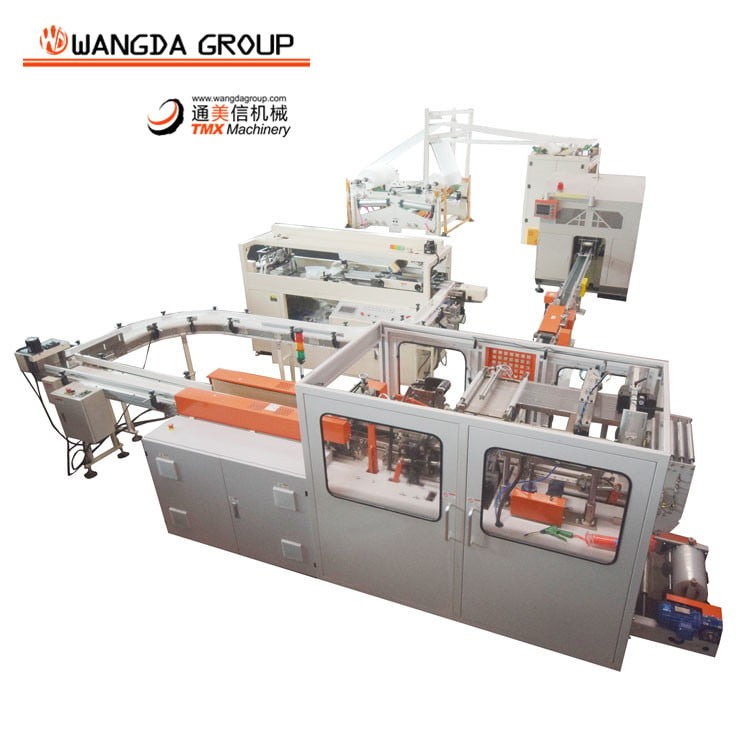
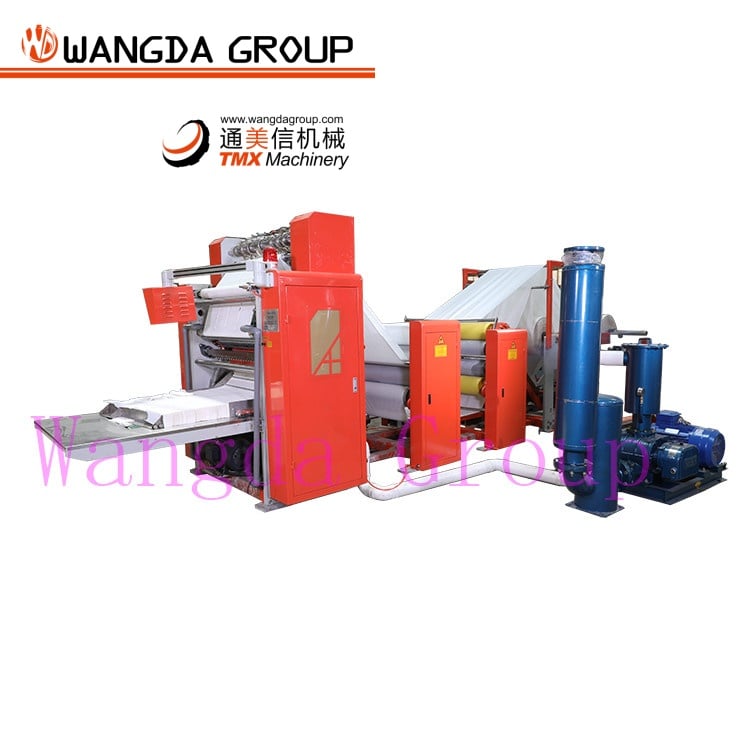
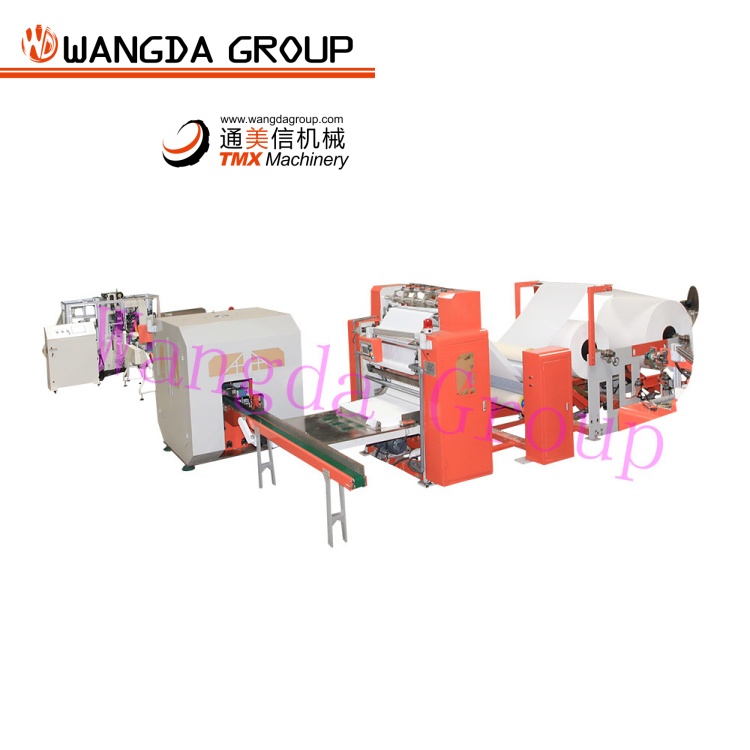
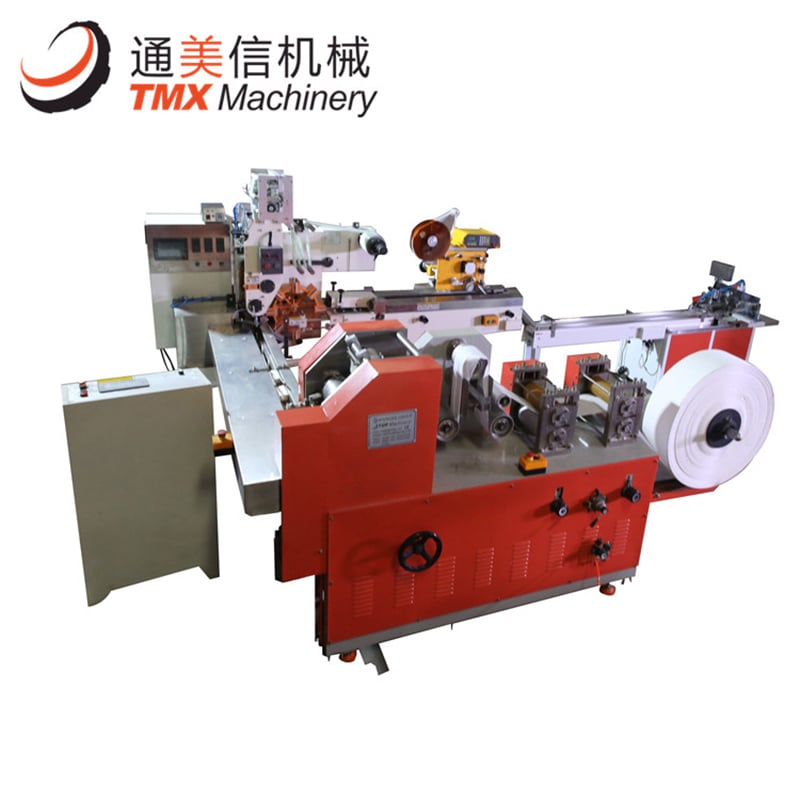
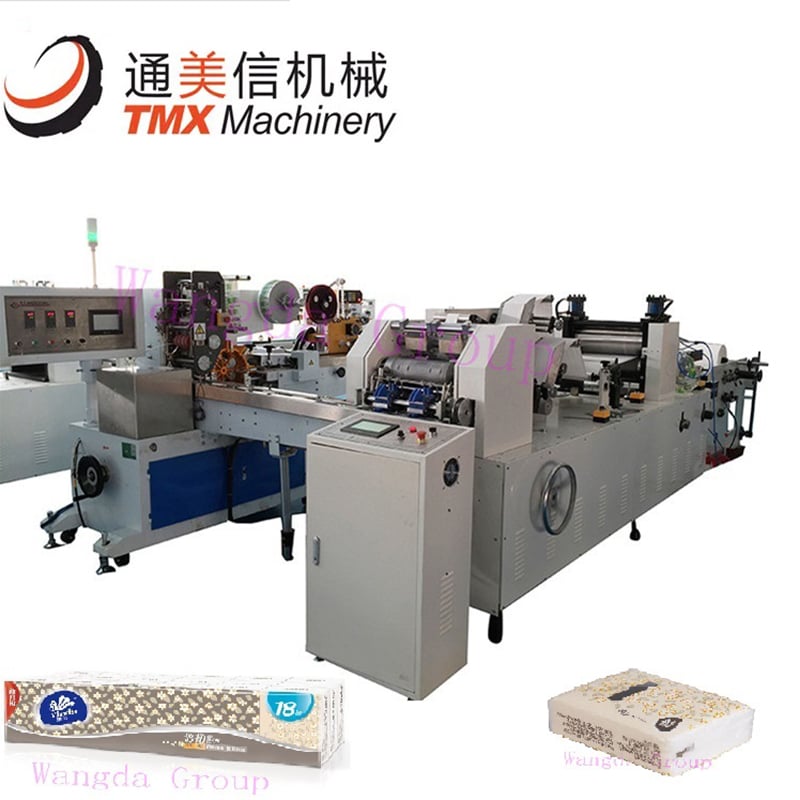
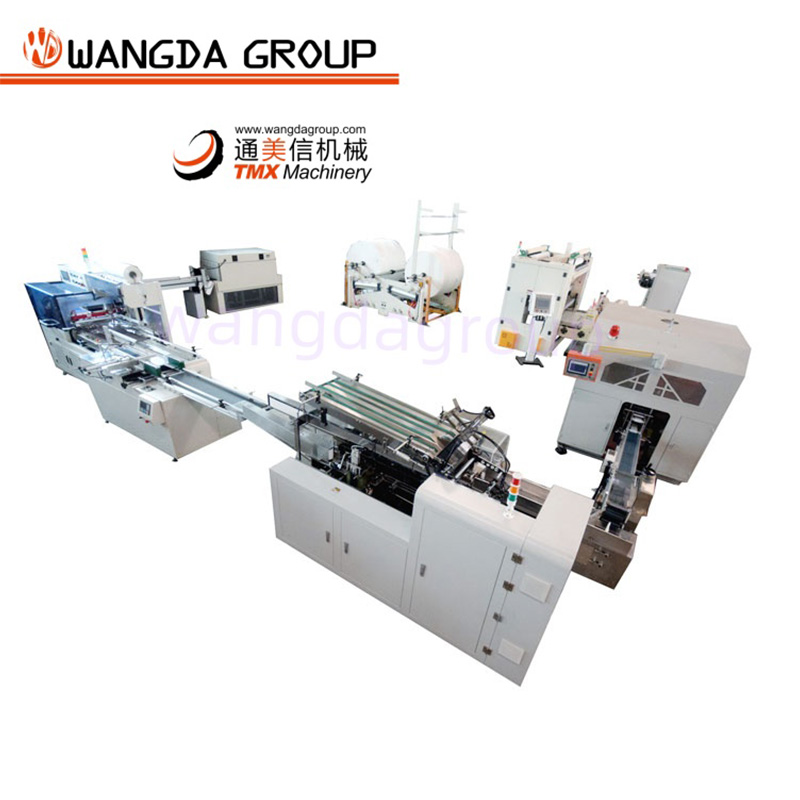
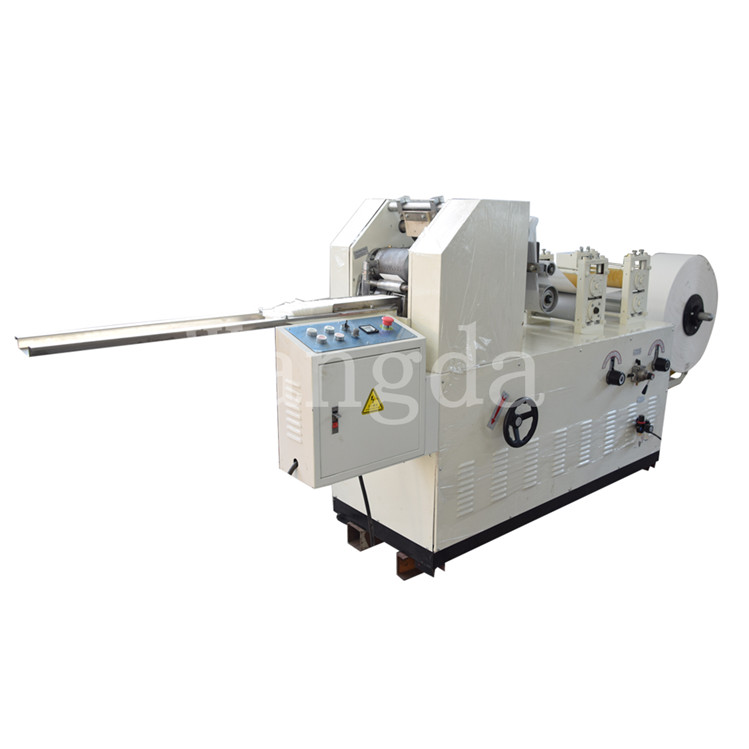
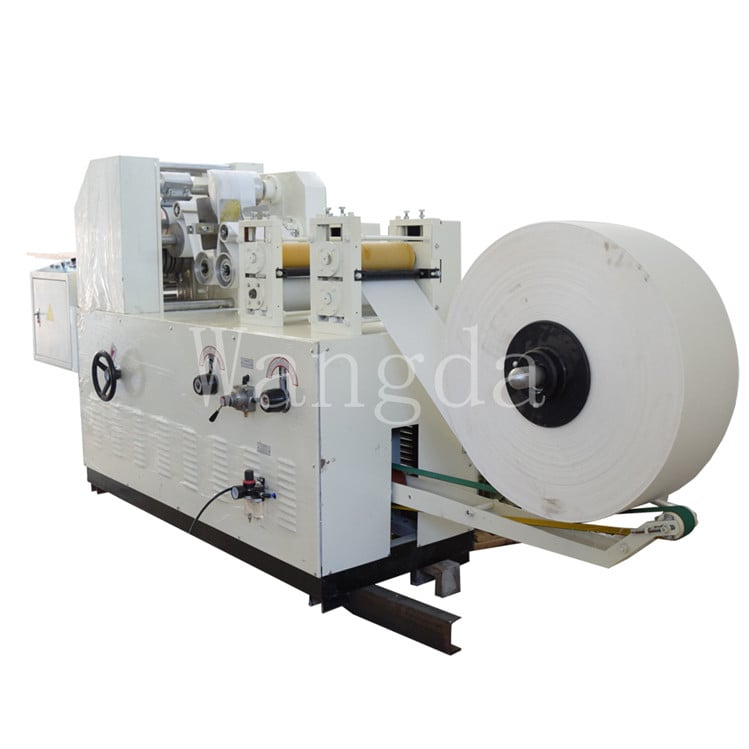
Hanky making machines are essential for producing high-quality handkerchiefs, a staple in hygiene and personal care products. As a purchasing manager, distributor, or product manager, your primary concerns may include machine efficiency, production capacity, and quality control measures. This article will guide you through selecting the right handkerchief tissue machine for your needs, provide a wholesale buying guide, outline quality control measures, and address common problems you may encounter, ensuring you make an informed decision.
When selecting a hanky making machine, consider several critical factors:
Production Capacity: Determine your production needs. Machines vary in capacity, with some capable of producing thousands of handkerchiefs per hour. Understand your expected output to avoid bottlenecks.
Material Compatibility: Hanky making machines can handle various materials, including recycled paper and virgin pulp. Ensure the machine you choose can process the specific materials you plan to use, as this affects product quality and machine efficiency.
Automation Level: Consider whether you need a fully automated or semi-automated machine. Fully automated handkerchief making machine often have higher initial costs but can reduce labor costs and increase production efficiency.
Customization Options: Your production requirements may necessitate custom features. Look for manufacturers that offer customization capabilities, such as machine size adjustments or specific packaging options.
Quality Certifications: Ensure the machine complies with international quality standards. Certifications can indicate reliability and adherence to safety and quality protocols.
Taking time to evaluate these factors can greatly enhance your investment, leading to improved production efficiency and product quality.

When purchasing a hanky making machine in bulk, follow these guidelines to ensure a smooth transaction:
Request Quotations: Contact multiple suppliers to compare prices and specifications. Provide detailed information about your requirements, including the desired production capacity, material type, and any customization needs.
Verify Supplier Credentials: Investigate the manufacturer's reputation and history in the industry. Look for reviews, ask for references, and check their export experience, especially in your target market.
Inquire About Support and Maintenance: Understand the after-sales support available. A reliable supplier should offer maintenance services and readily available spare parts.
Negotiate Terms: Discuss payment terms, delivery schedules, and warranties before finalizing the purchase. Ensure you are clear about the minimum order quantity (MOQ) and any associated costs.
Confirm Packaging and Shipping: Understand how the machines will be packaged and shipped. Proper packaging is crucial to avoid damage during transport.
By following these steps, you can mitigate risks associated with wholesale purchases and ensure you receive a quality product that meets your needs.

Here’s a step-by-step approach to acquiring a hanky making machine:
Define Your Requirements: Assess your production capacity, material preferences, and any special features needed.
Research Suppliers: Identify reputable manufacturers like Wangda Industrial Co., Limited, known for their comprehensive range of hygienic product machines.
Request Product Samples: Before mass production, request samples or demonstrations of the handkerchief tissue production machine. This will help you evaluate its performance, ease of operation, and compatibility with your materials.
Review Technical Specifications: Ensure that all technical parameters, such as dimensions and operational speed, align with your production goals.
Finalize the Order: Once satisfied with the machine and its specifications, proceed with the purchase agreement, ensuring all details are clearly outlined.
Following this methodical approach helps ensure that you choose the right machine and avoid common pitfalls associated with industrial equipment purchases.

Quality control is crucial in the production process to ensure the handkerchiefs meet industry standards. Here are key quality control measures to implement:
Material Inspection: Before production begins, inspect incoming raw materials for quality and compliance with specifications. Poor-quality materials can lead to defects in the final product.
In-Process Checks: Implement regular monitoring during production to identify any discrepancies early. This includes checking the machine's performance, the quality of the produced hankies, and the consistency of the material feed.
Final Product Testing: After production, conduct thorough testing of the finished products. Check for softness, absorbency, and durability, ensuring they meet quality benchmarks.
Machine Calibration: Regularly calibrate the machine to maintain its efficiency and accuracy. This helps prevent production errors and ensures consistent product quality.
Documentation and Reporting: Keep detailed records of all quality inspections and tests. This documentation can be crucial for compliance and for addressing any issues that arise.
By implementing these quality control measures, you can ensure that your production process remains efficient and yields high-quality handkerchiefs.
Wangda has collaborated with various clients from home and abroad. We have cooperated with big groups from GCC countries such as Fine Hygienic from various nations, Nesto Hypermarket, Top One and Two hygienic producer B and G, the Meghna Groups from Bangladesh. Outnet Group of African countries. And as well, there are big European brands, American brands, Toilet paper machine brands we have cooperated for long years. We have several manufacturing facilities outside of the United States that you can visit and see our products. This is more convenient. Also you are warmly welcome for a visit to our factory and see our products on the spot. We welcome your enquiry anytime and hope to begin our mutual benefit story soon.
The sales and after-sales departments are very experienced and professional. Our team has worked in the field of hygienic products for over 10 years. We are aware of what our customers are looking for and are Tissue paper making machine of what makes them worry. Our clients are not just purchasing machines from us but also helping them earn a profit from the hygiene-related business. We provide our clients with the services after-sales they need.
Wangda Tissue making machine toilet tissue machines (including cutting and packing), kitchen towel machines (including cutting and packing) facial tissue machines (including cutting and packing) as well as nylon bag facial tissues machines. We also make maxi roll rewinding equipment as well as perforating machines.
Wangda has more than 20 years experience in the Toilet paper making machine of all kinds of tissue machines, we pay much attention to the features of the machine and its quality, as well as in addition, after sales and pre-sales services. We've sold machines in over 100 countries. This has resulted in many repeat orders and good reviews from our clients. Wangda has its own R and D departments. Our machine is based on the latest Germany Japanese, Japan and Italian technology, and is upgraded day by day. Our machines have been certified to ISO9002, CE, BV and other certifications. We offer turnkey projects that span from A to Z, not just machines.
Understanding common issues that may arise with hanky making machines can help you mitigate risks effectively. Here are some frequent problems and their solutions:
Paper Jamming: This is a common issue that can disrupt production. To resolve it, ensure proper alignment of the paper feed and regularly clean the machine's feed rollers to prevent buildup.
Inconsistent Cutting: If the machine produces uneven or poorly cut handkerchiefs, check the blade sharpness and alignment. Regular maintenance and timely replacement of blades can address this issue.
Quality Fluctuations: Variations in product quality can arise from inconsistent material quality or machine settings. Establish strict material quality controls and routinely check machine settings to maintain consistency.
Mechanical Failures: Regular maintenance is essential to prevent unforeseen breakdowns. Create a maintenance schedule and adhere to it, ensuring all components are functioning correctly.
Overheating Issues: If the machine overheats during operation, it may need better ventilation or lubrication. Regularly check the lubrication system and ensure the working environment is adequately ventilated.
By being proactive about these common problems, you can maintain smooth operations and ensure production efficiency in your hanky manufacturing process.