
 EN
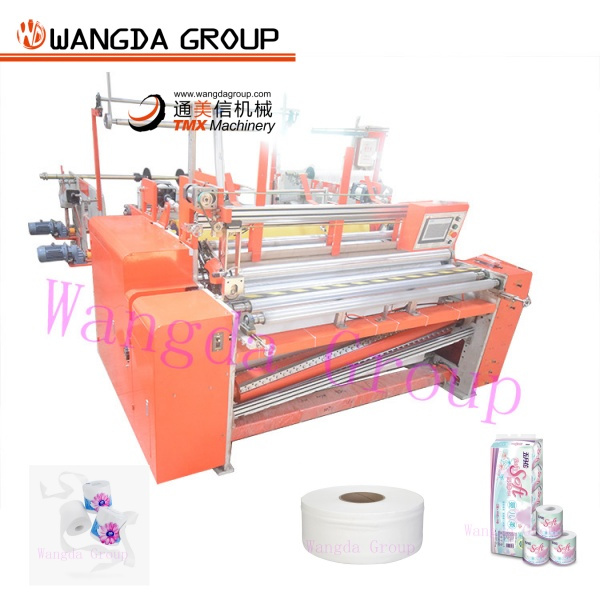
The rewinding section of a toilet tissue machine plays a critical role in ensuring the efficient production of high-quality toilet paper. Understanding the working principle of this section is essential for purchasing managers, engineers, and product managers who aim to optimize their manufacturing processes. This article will explore the mechanics behind the rewinding section, its key specifications, quality control measures, cost considerations, and installation guidelines, helping buyers make informed decisions.
Understanding the Working Principle of Toilet Tissue Machine Rewinding
The rewinding section of a toilet tissue machine is where the continuous sheet of tissue paper is transformed into individual rolls. This process involves several key steps, including unwinding the parent roll, tensioning the sheet, and rewinding it onto a core.
Initially, the large parent roll is mounted on an unwinding stand. As the tissue paper unwinds, it passes through a series of rollers that help control the tension and ensure a smooth feed. The rewinding mechanism then takes this continuous sheet and rolls it onto a cardboard core. The key to effective rewinding lies in maintaining consistent tension throughout the process, which prevents defects such as wrinkles or uneven rolls.
In modern machines, full-servo technology is often employed, allowing precise control over the tension and speed of the rewinding process. This not only improves the quality of the finished product but also increases production efficiency, making it a preferred choice for manufacturers.
Key Specifications of Rewinding Sections in Toilet Tissue Machines
When evaluating the rewinding section of a toilet tissue machine, several specifications are crucial for ensuring optimal performance:
Roll Diameter and Width: The size of the finished roll, defined by its diameter and width, is fundamental. Common roll diameters range from 90 to 160 millimeters, while widths can vary based on the intended application.
Tension Control Mechanism: Efficient tension control is vital to avoid defects. Buyers should look for machines equipped with automatic tension control systems that adjust based on the material's characteristics and the speed of production.
Core Diameter: The core diameter should match the requirements of the final product. Standard core sizes include 38 mm and 50 mm, and compatibility with existing packaging systems is essential.
Speed of Operation: The speed of rewinding significantly affects productivity. Modern machines can operate at speeds exceeding 600 meters per minute, allowing manufacturers to meet high demand.
Servo Motors and Drives: Full-servo motors provide precise control over the rewinding process, enhancing efficiency and reducing energy consumption. This technology also allows for quick adjustments, facilitating production of various roll sizes.
Understanding these specifications helps buyers select a machine that meets their production needs while ensuring quality output.
Evaluating Quality Control in Toilet Tissue Machine Rewinding
Quality control in the rewinding section is vital to maintaining product standards. Manufacturers should implement a robust quality assurance process that includes:
Material Inspection: Before the production process begins, raw materials should be inspected for defects. This ensures that only high-quality paper is used, reducing the risk of issues during rewinding.
In-Process Monitoring: During rewinding, continuous monitoring of tension, speed, and roll symmetry is crucial. Many modern tissue making machine come equipped with sensors to detect anomalies in real time, allowing for immediate adjustments.
Final Product Inspection: After rewinding, every roll should be inspected for uniformity in size and quality. Any rolls that do not meet specifications should be flagged for rework or disposal.
Documentation and Traceability: Maintaining records of quality inspections enables manufacturers to trace issues back to specific batches of material or production conditions, facilitating continuous improvement.
Implementing effective quality control measures ensures that the final product meets customer expectations and regulatory standards.
Cost Factors Influencing Toilet Tissue Machine Rewinding Sections
Several cost factors influence the pricing of rewinding sections in toilet tissue machines:
Equipment Specifications: Higher-end machines with advanced features such as servo motors and automated tension control systems typically come at a premium. Buyers should weigh the benefits of these features against their budget constraints.
Production Capacity: The capacity of the rewinding section directly correlates with its cost. Machines designed for high output will generally be more expensive due to the additional technology and materials required.
Customization: Tailoring a machine to specific production requirements can incur additional costs. Buyers should consider their unique needs and whether standard models can meet them to save on expenses.
After-Sales Support: Investing in machines from reputable manufacturers often includes robust after-sales support and warranties, which can affect overall costs. It's essential to evaluate the total cost of ownership, including maintenance and support.
By understanding these cost factors, purchasing managers can better allocate budgets and negotiate with suppliers.
Installation Guidelines for Efficient Rewinding Operations
Proper installation of the rewinding section is crucial for maximizing efficiency and minimizing downtime. Here are key guidelines to consider:
Site Preparation: Ensure that the installation area is clean, dry, and free from obstructions. Adequate space should be allocated around the machine for maintenance and operation.
Leveling and Alignment: The toilet paper rewinding machine must be installed on a level surface to ensure proper operation. Misalignment can lead to uneven rolls and increased wear on components.
Power and Connectivity: Verify that electrical connections meet the machine’s specifications. Adequate power supply and proper grounding are essential for safe operation.
Training for Operators: Operators should be trained on the specific rewinding machine to understand its controls and maintenance requirements. Proper training can significantly reduce the risk of operational errors.
Initial Testing: After installation, conduct thorough testing before full-scale production. This allows for adjustments to be made and ensures that all systems are functioning correctly.
By following these installation guidelines, manufacturers can optimize their rewinding operations and enhance overall productivity.
Understanding the working principle of the rewinding section in a toilet tissue machine is crucial for making informed purchasing decisions. By considering the specifications, quality control processes, cost factors, and installation guidelines, B2B buyers can ensure they select the right equipment to meet their production needs effectively.
Table of Contents
- Understanding the Working Principle of Toilet Tissue Machine Rewinding
- Key Specifications of Rewinding Sections in Toilet Tissue Machines
- Evaluating Quality Control in Toilet Tissue Machine Rewinding
- Cost Factors Influencing Toilet Tissue Machine Rewinding Sections
- Installation Guidelines for Efficient Rewinding Operations