 EN
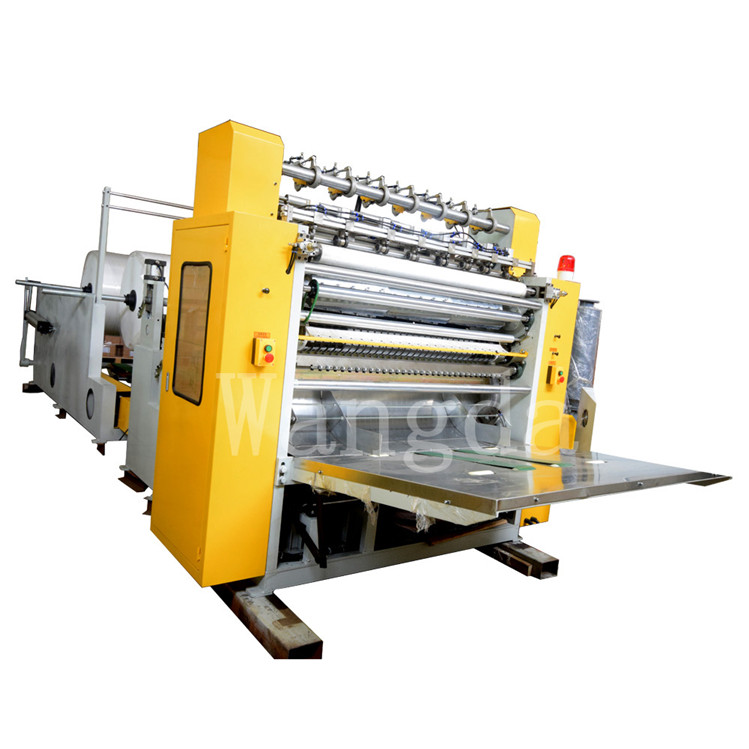
When selecting a face tissue machine for boxpack tissue manufacturing, understanding the machine’s specifications and capabilities is crucial. The right choice ensures efficiency, quality, and cost-effectiveness for your production line. This article will address key considerations that B2B buyers often have when evaluating face tissue machines, helping you make informed purchasing decisions.
What Specifications Should You Look for in Face Tissue Machines?
When assessing face tissue machines suitable for boxpack tissue manufacturing, several specifications are essential:
Production Capacity: Determine the machine's output rate, typically measured in tissues per minute. This helps align the machine's capabilities with your production demands.
Material Compatibility: The machine should efficiently handle various paper grades, including recycled and virgin pulp. Ensuring compatibility with the intended raw materials is crucial for maintaining quality and performance.
Automation Features: Full-servo technology is a significant advantage, providing precise control over the production process, reducing waste, and enhancing product consistency.
Packaging Options: Look for facial tissue machine series that offer flexibility in packaging formats, including individual wraps and bulk packaging, to cater to diverse market needs.
Quality Control Mechanisms: Integrated quality control systems that monitor parameters such as paper thickness, folding accuracy, and cutting precision are vital for maintaining product standards.
Energy Efficiency: Machines designed to minimize energy consumption not only reduce operational costs but also contribute to sustainability efforts.
Understanding these specifications helps ensure that the selected machine meets your operational requirements while optimizing production efficiency.
Where to Source Reliable Suppliers for Face Tissue Manufacturing Machines
Sourcing reliable suppliers for face tissue manufacturing machines involves several steps:
Industry Directories and Trade Shows: Utilize industry directories and attend trade shows to identify reputable manufacturers. Events like the Tissue World Conference offer opportunities to meet suppliers and see their machines in action.
Online Marketplaces: Platforms such as Alibaba or Made-in-China can help you connect with various manufacturers. Ensure to check supplier ratings and reviews to gauge their reliability.
Request for Proposals (RFPs): Issue RFPs to multiple suppliers, detailing your requirements and specifications. This approach allows you to compare offerings and pricing transparently.
Distributor Networks: Partnering with distributors who represent multiple manufacturers can provide access to a broader range of machines and expert advice on selection.
Certifications and References: Look for suppliers with relevant certifications such as ISO or CE, which indicate adherence to quality standards. Always ask for references from previous clients to assess their reliability and service quality.
By following these steps, you can establish connections with trustworthy suppliers capable of meeting your manufacturing needs.
Cost Factors to Consider When Purchasing Face Tissue Machines
The cost of face tissue making machine can vary widely based on several factors:
Machine Type and Features: The complexity of the machine, including automation levels and additional features (like packaging capabilities), significantly influences the price. Full-servo machines generally command a higher price due to their advanced technology.
Customization Requirements: If you need specific modifications to the standard machine design, expect additional costs. Customizations can include size adjustments or specialized packaging solutions.
Volume Discounts: Larger orders often come with discounts. If your business model supports high-volume purchases, negotiate pricing based on your expected order quantities.
Shipping and Installation Costs: Factor in shipping fees, which can vary based on the machine's size and destination. Additionally, installation costs should be considered, especially if the supplier provides professional setup services.
Maintenance and After-Sales Support: Evaluate the cost of ongoing maintenance and the availability of spare parts. Suppliers that offer comprehensive after-sales support may charge a premium but can save costs in the long run through reliable service.
Understanding these cost factors will help you budget effectively and identify the best value for your investment in face tissue manufacturing machines.
Common Installation Issues with Face Tissue Machines and Their Solutions
Installing face tissue machines can present challenges. Common issues include:
Space Constraints: Ensure that your facility can accommodate the machine's dimensions and required clearance for operation. A pre-installation site assessment can help avoid future complications.
Power Supply Compatibility: Verify that your facility's electrical system meets the machine's power requirements. Incompatibility can lead to operational issues or damage to the equipment.
Calibration and Testing: Proper calibration is crucial for machine performance. Work closely with the supplier during installation to ensure that the machine is set up correctly, and conduct thorough testing before full-scale production begins.
Training Staff: Ensure that your staff receives adequate training on machine operation and maintenance. A lack of knowledge can lead to operational mistakes and potential downtime.
Addressing these installation issues proactively can facilitate a smoother transition to production and minimize disruptions.
Comparing Different Face Tissue Machines for Wholesale Purchase Decisions
When comparing different facial tissue paper making machine for wholesale purchases, consider the following criteria:
Technical Specifications: Review each machine’s technical specifications, including production speed, dimensions, and material compatibility. This evaluation ensures that the machine meets your operational requirements.
Performance Reviews: Seek feedback from other buyers regarding their experiences with specific models. Performance reviews can provide insights into the machine's reliability and efficiency in real-world conditions.
Warranty and Service Agreements: Compare warranty terms and the availability of service agreements. A robust warranty can protect your investment, while good service agreements ensure that support is available when needed.
Supplier Reputation: Research the manufacturer's reputation within the industry. Established suppliers like Wangda Industrial Co., Limited often have proven track records, which can add a layer of confidence to your purchase.
Price vs. Value: While cost is a significant factor, consider the overall value offered by the machine. A higher initial investment may pay off in terms of reduced operational costs and improved product quality over time.
By thoroughly comparing these aspects, you can make an informed decision that aligns with your production needs and budget.
Table of Contents
- What Specifications Should You Look for in Face Tissue Machines?
- Where to Source Reliable Suppliers for Face Tissue Manufacturing Machines
- Cost Factors to Consider When Purchasing Face Tissue Machines
- Common Installation Issues with Face Tissue Machines and Their Solutions
- Comparing Different Face Tissue Machines for Wholesale Purchase Decisions