
 EN
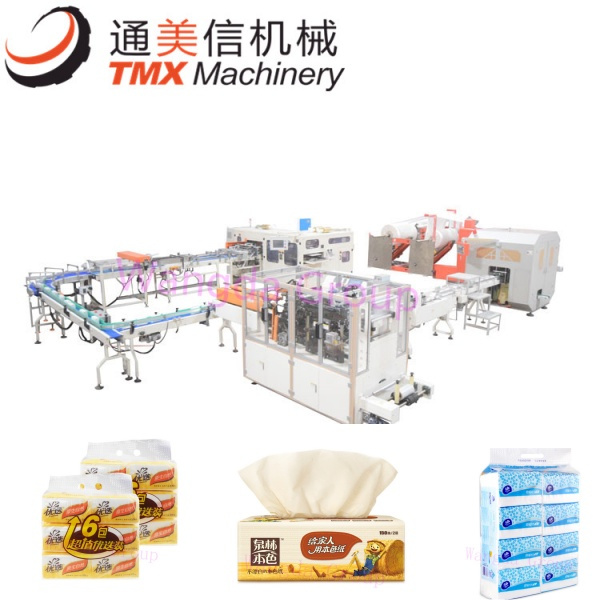
Jumbo roll feeding is a crucial component of modern tissue paper making machines, enhancing production efficiency and ensuring consistent quality. For B2B buyers, understanding how jumbo roll feeding works on modern tissue paper making machines is essential for optimizing their manufacturing processes. This article will delve into the intricacies of jumbo roll feeding, address common buyer concerns, and provide actionable insights that can aid in selecting the right equipment and troubleshooting potential issues.
How Jumbo Roll Feeding Enhances Tissue Production Efficiency
Jumbo roll feeding systems are designed to facilitate the seamless integration of raw materials into the tissue production process. By utilizing large rolls of paper, manufacturers can significantly reduce downtime associated with frequent roll changes, thereby optimizing operational efficiency. These systems ensure a consistent feed rate, which minimizes variations in product quality and enhances output.
One of the key advantages of jumbo roll paper cutting machine is its capacity to handle varying roll sizes, allowing manufacturers to customize their production based on demand. This flexibility not only improves operational efficiency but also helps in managing inventory more effectively. Moreover, advanced servo motor technology in modern machines ensures precise control over the feeding process, leading to a reduction in waste and an increase in overall production yield.
Choosing the Right Jumbo Roll for Your Tissue Paper Production
Selecting the appropriate jumbo roll is pivotal for a successful tissue production line. Buyers should consider several specifications, including the roll diameter, width, and paper grade. The roll diameter affects the duration between roll changes, while width influences the final product size. It's crucial to align these specifications with the production requirements to ensure compatibility with the feeding system.
Additionally, the paper grade impacts the performance of the feeding mechanism. High-quality paper with consistent thickness and tensile strength is essential to prevent jams and ensure smooth operation. Buyers should also evaluate the core size and material, as this affects how the rolls are handled and fed into the machine.
To aid in the selection process, buyers should communicate their production capacity requirements and any specific application needs to their suppliers. This ensures that the chosen jumbo roll aligns with their operational goals and contributes positively to production efficiency.
Common Problems with Jumbo Roll Feeding and Their Solutions
Despite the advantages of jumbo roll feeding, manufacturers may encounter several common issues. One frequent problem is paper jams, which can lead to production delays. Jams typically occur due to improper tension settings or incorrect roll placement. Regular maintenance and calibration of the feeding mechanism can mitigate these issues.
Another challenge is inconsistent feeding, which may stem from variations in roll quality or improper alignment. To address this, it's essential to implement a quality control process for incoming rolls, ensuring that only suitable materials are used in production. Moreover, training operational staff on the importance of proper installation and setup of the feeding system can further reduce the likelihood of these problems.
Understanding the common pitfalls associated with toilet paper jumbo roll making machine enables buyers to take proactive measures, reducing downtime and maintaining production flow.
Installation Guide for Jumbo Roll Feeding Systems in Tissue Production
Installing a jumbo roll feeding system involves several critical steps to ensure optimal performance. First, it is essential to assess the existing production line to determine the best integration points for the new system. Collaboration with equipment suppliers can provide insights into the necessary modifications and compatibility with existing machinery.
Next, proper alignment and calibration of the feeding mechanism are crucial. Misalignment can lead to feeding inconsistencies and increased wear on components. Buyers should follow the manufacturer's guidelines for installation, including torque specifications for any fasteners and electrical connections.
Once installed, conducting a thorough testing phase is vital. This should include running several rolls through the system to identify any potential issues before full-scale production begins. Continuous monitoring during the initial production runs can help catch any misalignments or feeding problems early on.
Exploring Applications of Jumbo Roll Feeding in Modern Tissue Manufacturing
Jumbo roll feeding systems are not limited to tissue paper production machine alone; they have various applications within the hygienic products manufacturing sector. For instance, they are integral to the production of napkin paper, facial tissue, and handkerchiefs. The ability to efficiently feed large rolls of material allows manufacturers to scale their operations and meet diverse market demands.
Moreover, advanced jumbo roll feeding systems can be adapted for use with different materials, such as recycled paper or specialty grades optimized for certain applications. This adaptability makes them a valuable asset for manufacturers looking to innovate or expand their product offerings.
Understanding the broad applications of jumbo roll feeding systems can help buyers appreciate their versatility and potential return on investment, encouraging informed decision-making when selecting equipment for various tissue and hygiene product lines.
By grasping the functionality and implications of jumbo roll feeding systems, B2B buyers can enhance their production strategies, ensuring efficient, high-quality output that meets market demands.
Table of Contents
- How Jumbo Roll Feeding Enhances Tissue Production Efficiency
- Choosing the Right Jumbo Roll for Your Tissue Paper Production
- Common Problems with Jumbo Roll Feeding and Their Solutions
- Installation Guide for Jumbo Roll Feeding Systems in Tissue Production
- Exploring Applications of Jumbo Roll Feeding in Modern Tissue Manufacturing