
 EN
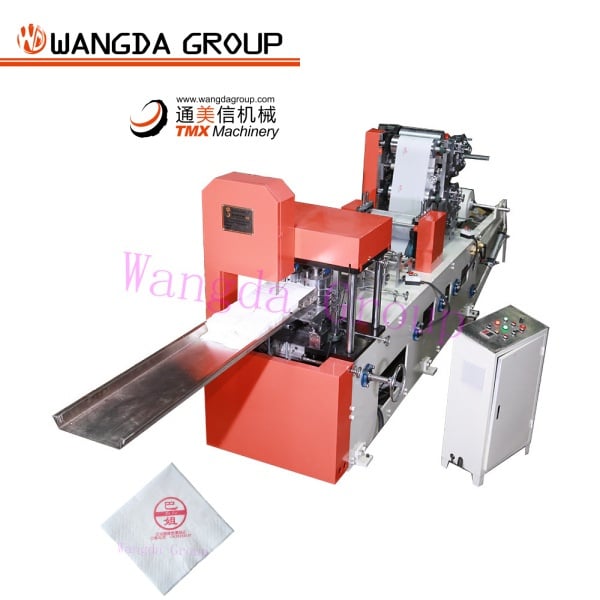
The PLC setup workflow for a full-auto tissue paper making machine is integral to ensuring the efficiency and quality of production. For manufacturers and purchasing managers, understanding this workflow is vital to optimize operations and minimize issues during production. This article will delve into the specifics of the PLC setup workflow, address common concerns, and provide practical insights for buyers looking to invest in tissue paper manufacturing equipment.
Understanding the PLC Setup Workflow for Tissue Paper Machines
The PLC (Programmable Logic Controller) setup workflow for full-auto tissue paper making machines involves a series of steps that ensure seamless control of the production process. A robust PLC can automate various functions, such as controlling the speed of the machine, monitoring the temperature and pressure of the production line, and managing the paper cutting and packaging processes.
Initial Configuration: The first step involves configuring the PLC according to the specifications of the tissue paper machine. This includes setting parameters such as input/output configurations and communication protocols with other machines in the production line.
Programming: Next, the PLC is programmed using ladder logic or other programming languages to define the actions required during different phases of production. This includes defining safety protocols, operational workflows, and sequences for paper production, cutting, and packaging.
Testing: After programming, a series of tests are conducted to ensure that the PLC responds correctly to inputs and executes commands as expected. This step is crucial for identifying any programming errors or issues in machine interaction.
Integration: Once testing is complete, the PLC is integrated with other components of the tissue paper making machine, such as sensors, motors, and conveyors. Proper integration ensures that all parts work in harmony, minimizing downtime and maximizing efficiency.
Monitoring and Maintenance: Continuous monitoring of the PLC system during operation is essential. This allows operators to detect and rectify any issues promptly. Regular maintenance checks should be scheduled to ensure the PLC remains in optimal condition, thus preventing unexpected production interruptions.
Understanding this workflow helps manufacturers select the right PLC systems and configure them for their specific production needs, ultimately enhancing production efficiency and product quality.
Wholesale Purchasing Guide for Tissue Paper Manufacturing Equipment
When investing in tissue paper manufacturing equipment, particularly full-auto machines, several factors should be considered to ensure a successful purchase. Here’s a guide to help you navigate the wholesale purchasing process:
Define Your Needs: Before contacting suppliers, clearly define your production requirements, including the type of tissue paper (napkin, facial, toilet), desired production capacity (units per hour), and any specific features (e.g., embossing, printing).
Evaluate Supplier Credentials: Look for manufacturers with a proven track record in the industry. Check their certifications, quality control processes, and customer feedback. Reliable suppliers should also provide evidence of compliance with international standards.
Request Detailed Quotations: When requesting quotes, include detailed specifications such as machine type, capacity, required automation level, and any customization needs. This ensures you receive accurate pricing and options tailored to your requirements.
Inquire About Lead Times: Understand the expected lead times for production and delivery. This will help you plan your operations and inventory management effectively.
Assess After-Sales Support: Inquire about the level of after-sales support the supplier offers, including installation services, training for operators, and ongoing technical support. A good support system can significantly impact your operational efficiency.
Consider Total Cost of Ownership: Beyond the initial purchase price, consider ongoing costs such as maintenance, energy consumption, and spare parts availability. A machine with a higher initial cost might offer lower long-term costs due to efficiency and durability.
By following this guide, you can make informed decisions that align with your business goals and enhance your manufacturing capabilities.
Common Problems in PLC Setup and Effective Solutions for Buyers
Setting up a PLC for a full-automatic tissue paper machine can present challenges. Here are some common problems buyers may encounter and effective solutions:
Communication Issues: Sometimes, the PLC may not communicate effectively with other components. This can be caused by incorrect wiring or incompatible protocols. Solution: Ensure all connections are secure and use compatible communication standards. Conduct thorough testing during the setup phase.
Incorrect Programming: Programming errors can lead to machine malfunctions or inefficient operations. Solution: Implement a rigorous testing phase after programming. Use simulations to validate the logic before deploying the PLC in the production environment.
Sensor Malfunctions: Sensors may fail to provide accurate readings, leading to incorrect operational adjustments. Solution: Regularly check and calibrate sensors. Consider using high-quality sensors that are proven to be reliable in industrial environments.
Software Bugs: Bugs in the PLC software can disrupt production. Solution: Work with suppliers who provide robust support and regular software updates. Maintain documentation of any software changes to facilitate troubleshooting.
Operator Training Gaps: Inadequate training can lead to improper use of the PLC system. Solution: Invest in comprehensive training sessions for operators, ensuring they understand both the PLC functionality and the overall machine operation.
By addressing these common issues proactively, buyers can enhance the reliability and efficiency of their tissue paper production processes.
Where to Source Reliable Suppliers for Tissue Paper Manufacturing
Finding reliable suppliers for tissue paper manufacturing equipment is crucial for ensuring quality and efficiency. Here are effective strategies to source trustworthy suppliers:
Industry Trade Shows: Attending trade shows focused on manufacturing and industrial machinery can provide direct access to leading suppliers. These events allow you to see machinery demonstrations, discuss specifications, and network with industry professionals.
Online Marketplaces and Directories: Websites like Alibaba, Made-in-China, and industry-specific directories can connect you with manufacturers globally. Look for suppliers with verified credentials and positive reviews.
Industry Associations: Joining industry associations can provide valuable resources and connections. These organizations often have lists of reputable suppliers and can offer recommendations based on member experiences.
Referrals and Recommendations: Reaching out to other businesses in the tissue paper manufacturing sector for recommendations can lead you to reliable suppliers. Peer feedback is often a trustworthy resource.
Supplier Audits: Before finalizing a supplier, consider conducting an audit of their manufacturing facilities. This allows you to assess their capabilities, quality control processes, and adherence to safety standards.
By employing these strategies, buyers can identify suppliers that align with their quality standards and operational needs, ultimately enhancing their manufacturing capabilities.
Technical Expertise in Automating Your Tissue Paper Production Process
Automating the tissue paper production process through PLC and other technologies offers significant benefits, including increased efficiency, reduced labor costs, and consistent product quality. Here are some technical considerations for effective automation:
System Compatibility: Ensure that all components of the production line, including machines, sensors, and PLCs, are compatible. The integration of different systems should be seamless to avoid operational disruptions.
Custom Programming: Depending on the specific requirements of your production, customization of the PLC programming might be necessary. Consider hiring experienced programmers who understand both the technical and practical aspects of tissue paper production machine.
Data Monitoring and Analysis: Implement data monitoring systems that allow for real-time analysis of production metrics. This can help identify inefficiencies and areas for improvement, leading to optimized operations.
Scalability: When setting up your automation system, consider future scalability. Ensure that your PLC and other equipment can be easily upgraded to accommodate increased production demands or new product lines.
Regular Maintenance: Establish a maintenance schedule for all automated systems to ensure they remain in optimal condition. Regular checks can prevent unexpected downtime and extend the lifespan of your equipment.
By focusing on these technical aspects, manufacturers can successfully automate their tissue paper production processes, leading to enhanced efficiency and product quality.
Table of Contents
- Understanding the PLC Setup Workflow for Tissue Paper Machines
- Wholesale Purchasing Guide for Tissue Paper Manufacturing Equipment
- Common Problems in PLC Setup and Effective Solutions for Buyers
- Where to Source Reliable Suppliers for Tissue Paper Manufacturing
- Technical Expertise in Automating Your Tissue Paper Production Process