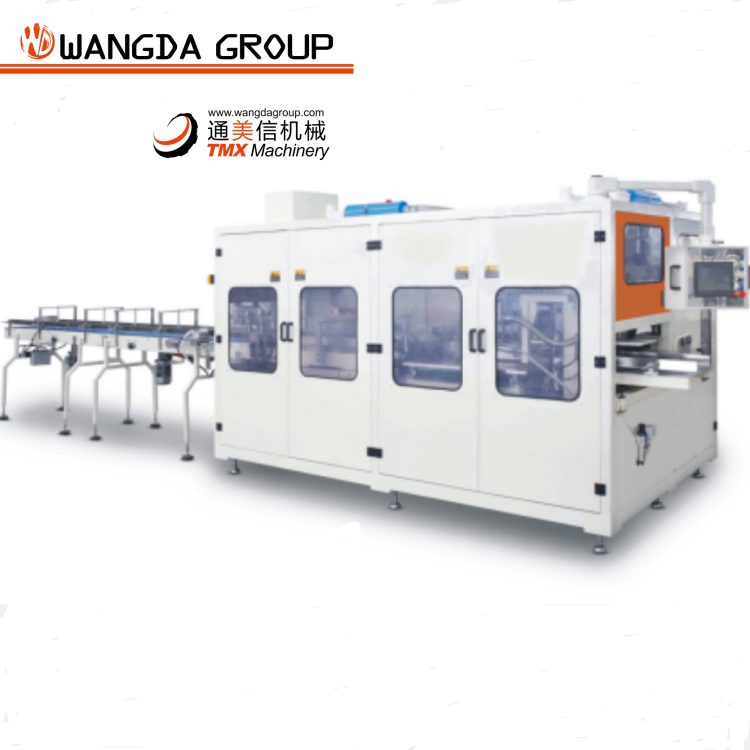
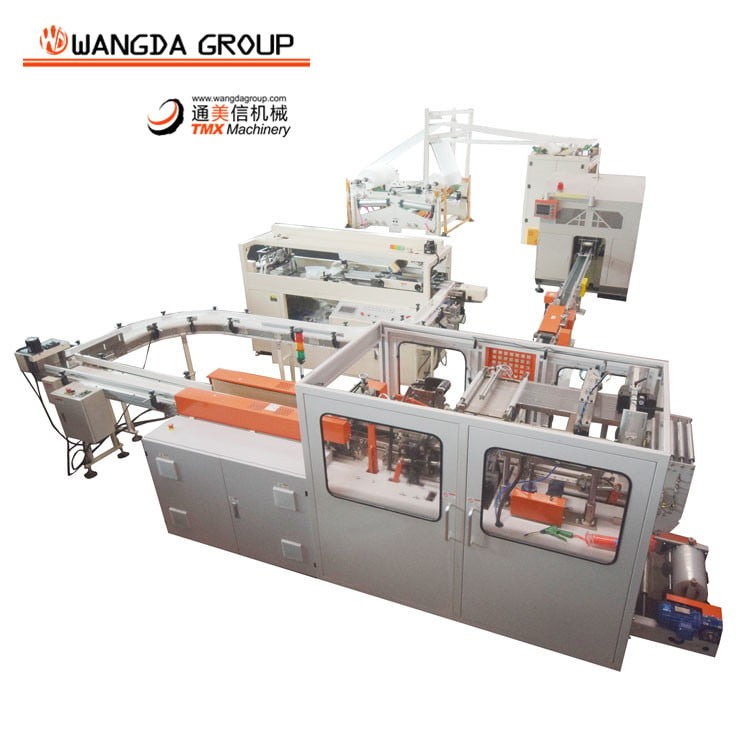
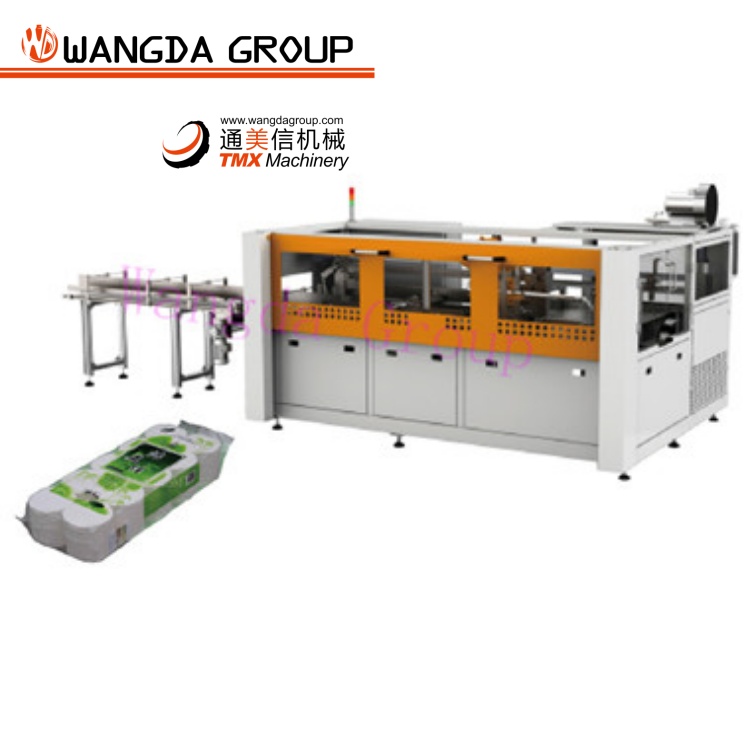
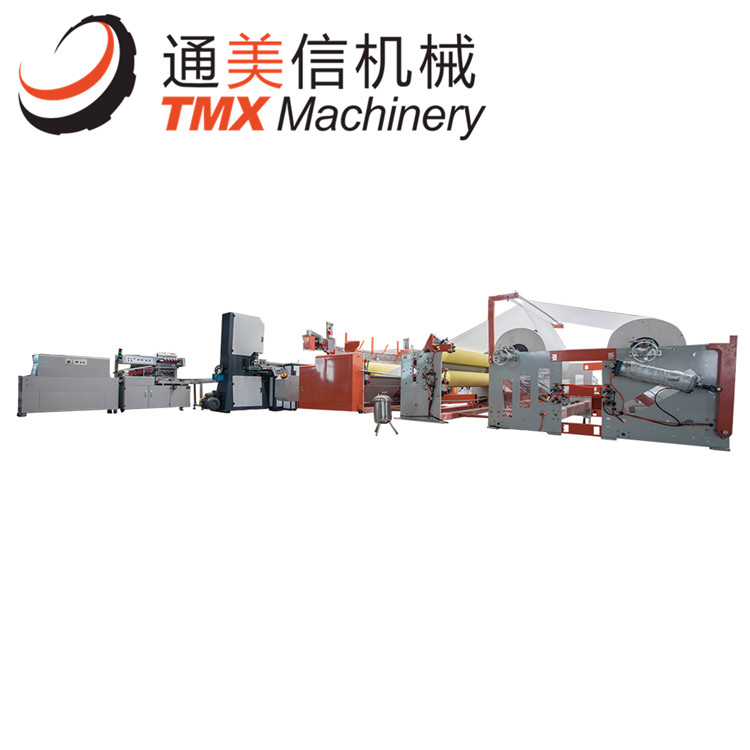
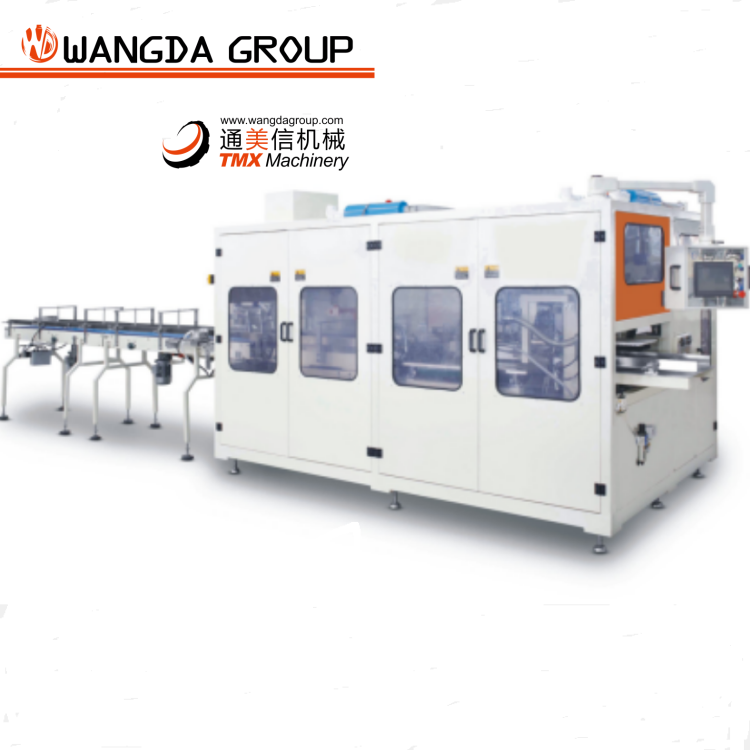
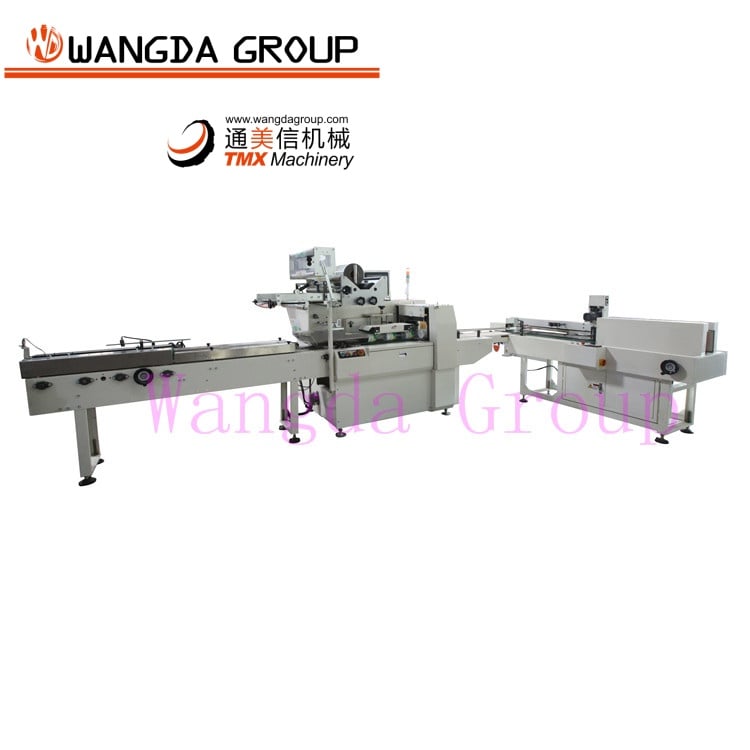
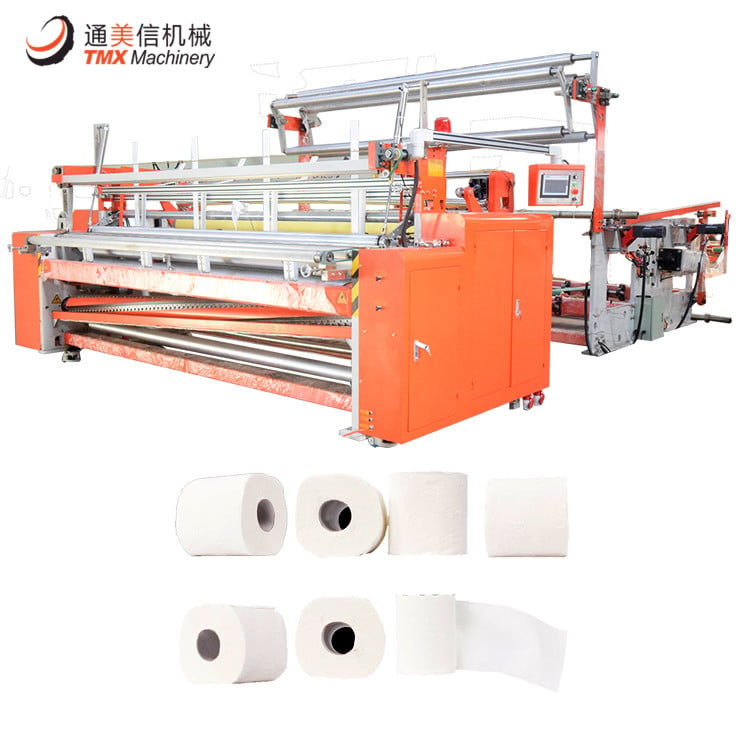
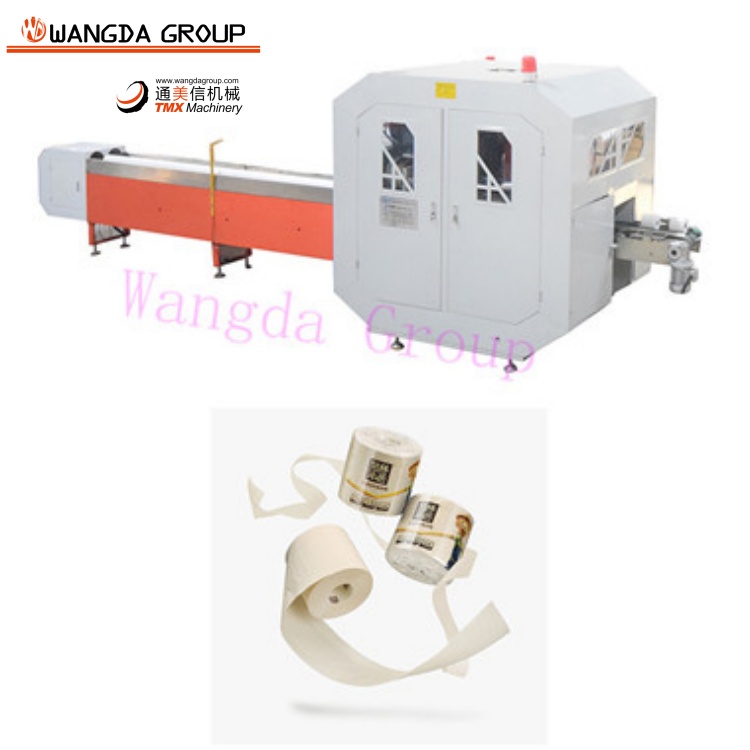
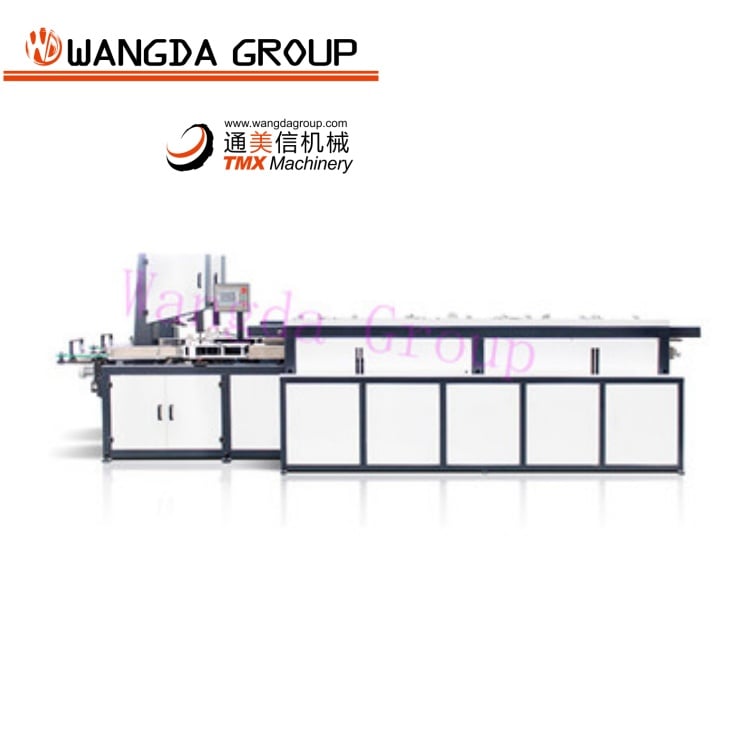
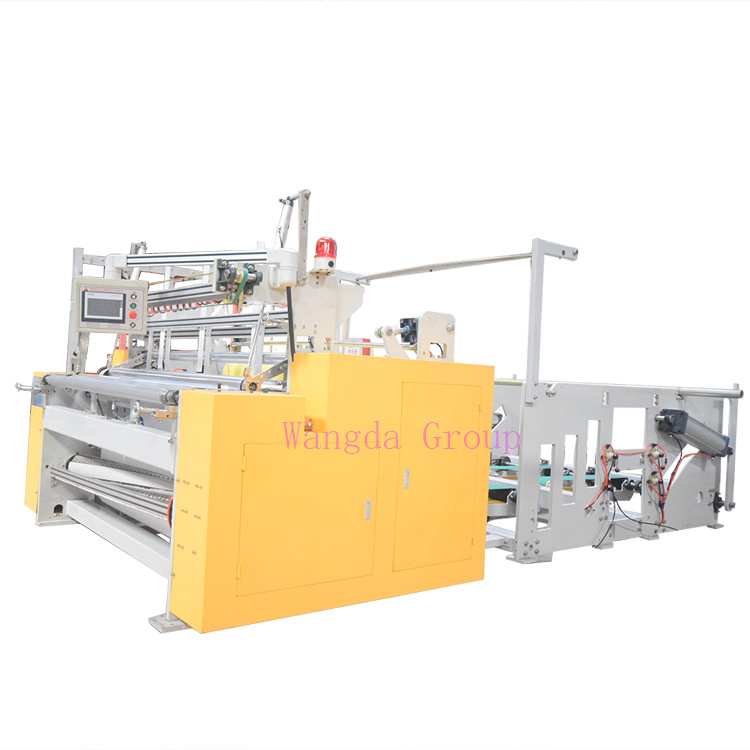
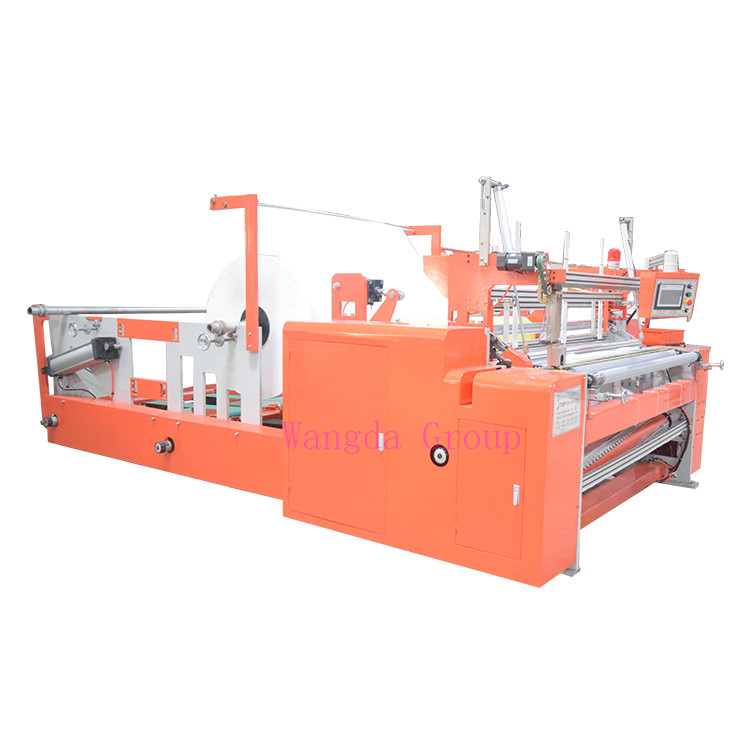
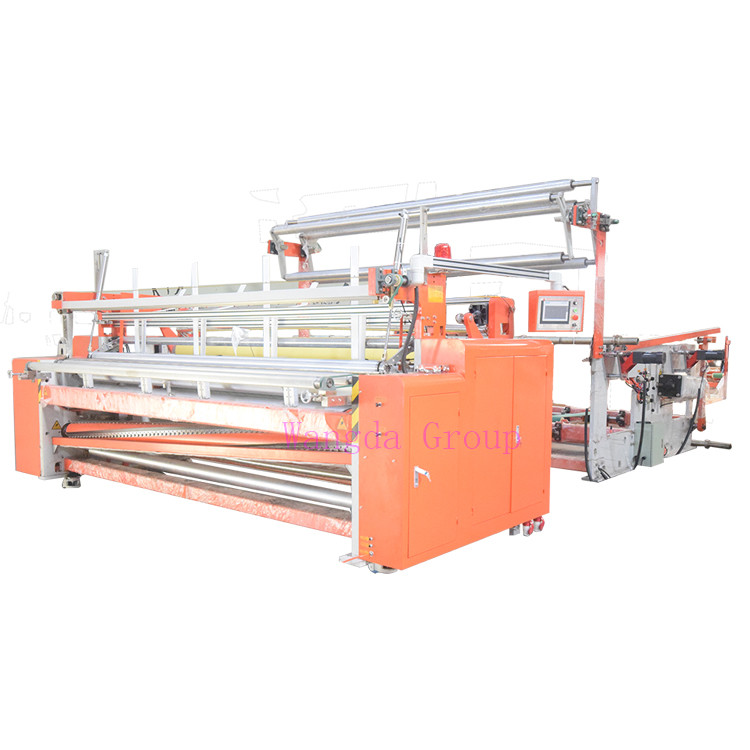
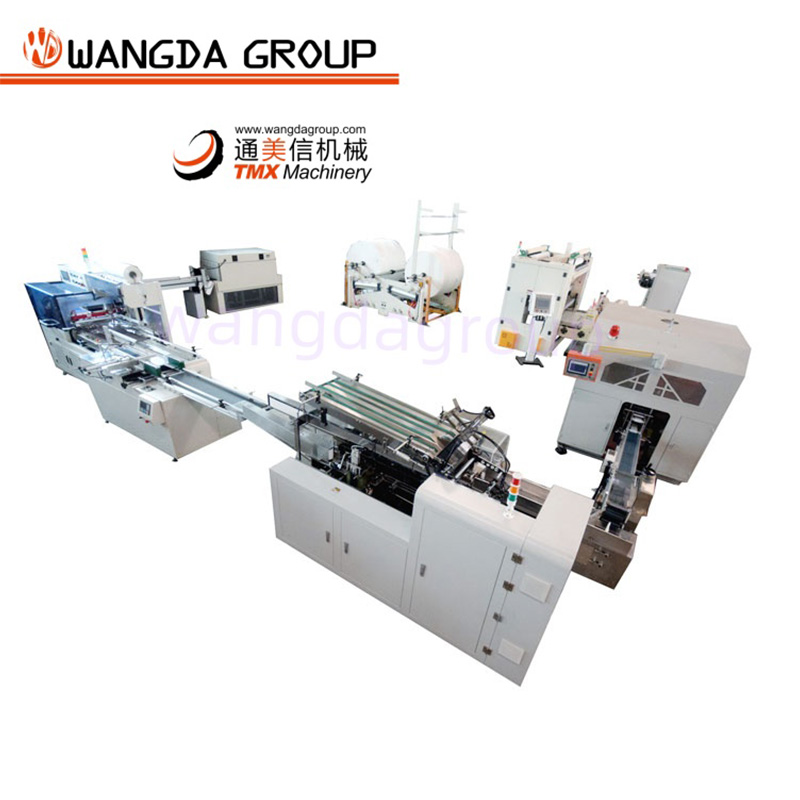
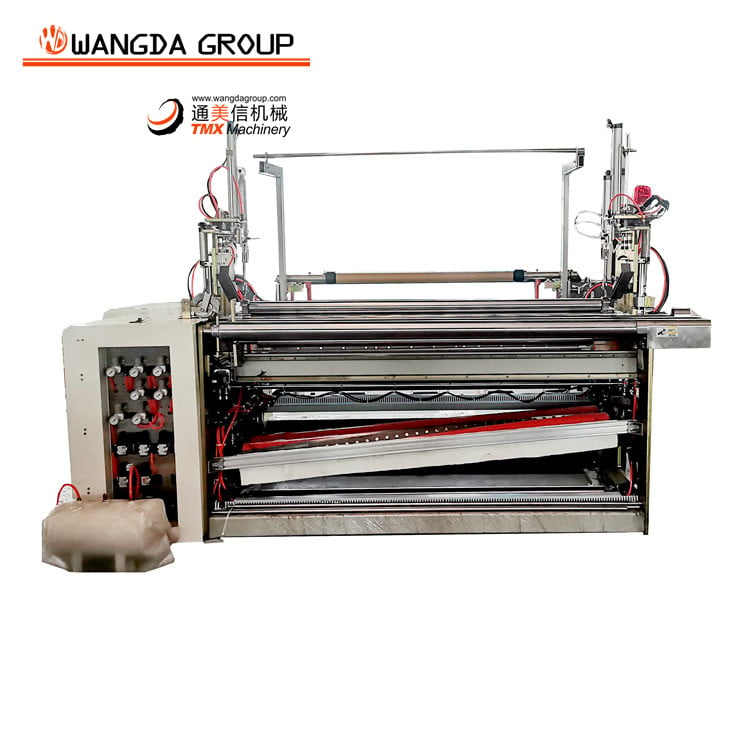
The toilet roll making machine in South Africa is a crucial piece of equipment for manufacturers in the hygiene product sector. Understanding its specifications, installation, and applications is vital for purchasing managers, distributors, and engineers looking to invest in reliable machinery. This article will provide insights into key specifications, benefits of bulk orders, common operational issues, installation guidance, and the specific applications of toilet roll making machines in the South African market.
When selecting a toilet roll making machine, buyers should focus on several key specifications to ensure optimal performance and product quality.
Production Capacity: This refers to the number of rolls the machine can produce per hour. A higher capacity is essential for meeting large demand, particularly in commercial settings. Understanding the expected production volume will help in selecting a machine that aligns with operational needs.
Material Compatibility: The machine should be compatible with various types of raw materials, such as recycled paper and virgin pulp. This flexibility is crucial for manufacturers aiming to cater to different markets or product lines.
Automation Level: Full-Servo machines provide enhanced precision and efficiency, reducing labor costs and increasing production speed. Features like automatic roll cutting and packaging systems can significantly streamline operations.
Quality Control Features: Integrated quality control systems, such as monitoring for roll thickness and density, help ensure that the finished product meets industry standards. Regular quality checks during production can prevent costly defects.
Size and Dimensions: The machine's size should fit within the existing production space. Additionally, tissue paper making machine should accommodate the dimensions of the toilet rolls being produced, which can vary depending on market requirements.
Certifications and Standards: Ensure that the machine complies with relevant safety and quality standards. Certifications can also indicate the reliability of the machinery, providing peace of mind to buyers.
By prioritizing these specifications, buyers can select a toilet roll making machine that meets their production goals and quality standards.

Distributors considering bulk orders of toilet roll making machines can enjoy several advantages that enhance profitability and operational efficiency.
Cost Savings: Bulk purchasing often leads to significant discounts. Manufacturers may offer lower per-unit prices, which can improve margins for distributors. Additionally, reduced shipping costs per unit can contribute to overall savings.
Consistency in Quality: Ordering multiple machines at once helps ensure that all units share the same quality standards and specifications. This consistency can be crucial for distributors who want to maintain a reliable product line for their clients.
Supply Chain Reliability: By securing a bulk order, distributors can better manage their inventory and reduce lead times. This is particularly beneficial in markets with fluctuating demand, as it ensures that adequate stock is available to meet customer needs.
Customization Options: When ordering in bulk, distributors may have greater leverage to negotiate customization options, such as specific features or branding requirements. This flexibility can help them cater to their client's unique needs.
Simplified Logistics: A single shipment for multiple machines streamlines logistics, reducing the complexity of managing several smaller orders. tissue paper manufacturing machine efficiency can lead to better planning and execution of distribution strategies.
Overall, bulk ordering can be a strategic move for distributors looking to enhance their product offerings and improve their bottom line.

Despite their efficiency, toilet roll making machines can encounter several common issues that may disrupt production. Understanding these problems and their solutions is crucial for maintaining operational continuity.
Jam Issues: Paper jams can occur due to misalignment or improper handling of raw materials. Regular maintenance and adjustments can help prevent these issues. Operators should be trained to troubleshoot jams quickly, minimizing downtime.
Quality Variability: Inconsistent roll thickness or poor-quality output can arise from fluctuations in raw material quality or machine calibration. Implementing stringent quality control measures during production can help identify and rectify these inconsistencies.
Mechanical Failures: Wear and tear on mechanical components can lead to breakdowns. Regular maintenance schedules and prompt replacement of worn parts can help minimize unexpected downtime. Operators should also be trained to recognize early signs of mechanical issues.
Power Supply Fluctuations: Variations in electrical supply can affect machine performance. Using voltage stabilizers or surge protectors can help ensure that the machine operates within its specified power requirements.
Operator Errors: Inadequate training can lead to operational mistakes. Comprehensive training programs for operators can reduce errors and improve overall machine efficiency.
By proactively addressing these common issues, manufacturers can maintain a smooth production process and ensure high-quality output.

Proper installation is critical for the optimal performance of a toilet roll making machine. Here are key steps to ensure a successful setup:
Site Preparation: Ensure that the installation site meets the machine’s space and environmental requirements. This includes sufficient electrical supply, ventilation, and access for maintenance.
Assembly Instructions: Follow the manufacturer’s assembly instructions carefully. Ensure that all components are correctly installed and aligned. Misalignment can lead to operational failures or increased wear on parts.
Calibration: After installation, calibrate the machine according to the specific production requirements. toilet paper making machine includes setting parameters for roll size, cutting length, and speed.
Testing: Conduct a thorough test run to identify any potential issues. This should involve monitoring for paper jams, ensuring proper cutting, and checking the quality of the finished rolls.
Operator Training: Before starting full production, ensure that all operators are adequately trained on the machine’s operation and safety protocols. This training should cover emergency procedures and routine maintenance tasks.
Following these guidelines will help ensure that the machine operates efficiently and reliably from the outset.
Wangda Tissue making machine toilet tissue machines (including cutting and packing), kitchen towel machines (including cutting and packing) facial tissue machines (including cutting and packing) as well as nylon bag facial tissues machines. We also make maxi roll rewinding equipment as well as perforating machines.
Wangda has more than 20 years of experience manufacturing tissue machines. We pay attention to the quality of machines, their function as well as pre and post sales service. We've sold machines to over 100 countries. This has resulted in numerous orders and good feedback from our customers. Our R and D department is a part of Wangda. We have our own R and D departments. Our machines are constantly upgraded and are incorporating the latest technology of Germany, Japan, and Italy. They have received ISO9002, CE and BV certifications. We offer turnkey projects that span from Toilet paper machine that includes more than machines.
We've worked Tissue paper manufacturing machine a variety of clients both at home and internationally.
The sales and after-sales departments are very experienced and professional. Our team has worked in the field of hygienic products for over 10 years. We are aware of what our customers are looking for and are Tissue making machine of what makes them worry. Our clients are not just purchasing machines from us but also helping them earn a profit from the hygiene-related business. We provide our clients with the services after-sales they need.
In South Africa, toilet roll making machines serve a vital role in the hygiene products sector, with applications ranging from household to commercial uses.
Household Products: The demand for toilet paper in residential settings remains consistently high. Manufacturers can produce various sizes and types of toilet rolls to cater to different consumer preferences.
Commercial Use: Businesses such as hotels, restaurants, and public facilities require bulk quantities of toilet paper. Machines capable of high-speed production help meet this demand efficiently.
Export Opportunities: South African manufacturers can leverage their toilet roll making machines to produce quality products for export to neighboring countries in Africa, where demand for hygienic products is rising.
Customization for Markets: The ability to customize rolls for specific markets, such as eco-friendly options or branded products, enhances competitiveness. Manufacturers can adapt their production lines to meet these diverse market needs.
Regulatory Compliance: With increasing regulations on hygiene products, machines that can produce compliant products are essential. This includes ensuring that the materials used meet health and safety standards.
By understanding these applications and market needs, manufacturers can better position themselves to capitalize on opportunities within the South African hygiene product market.