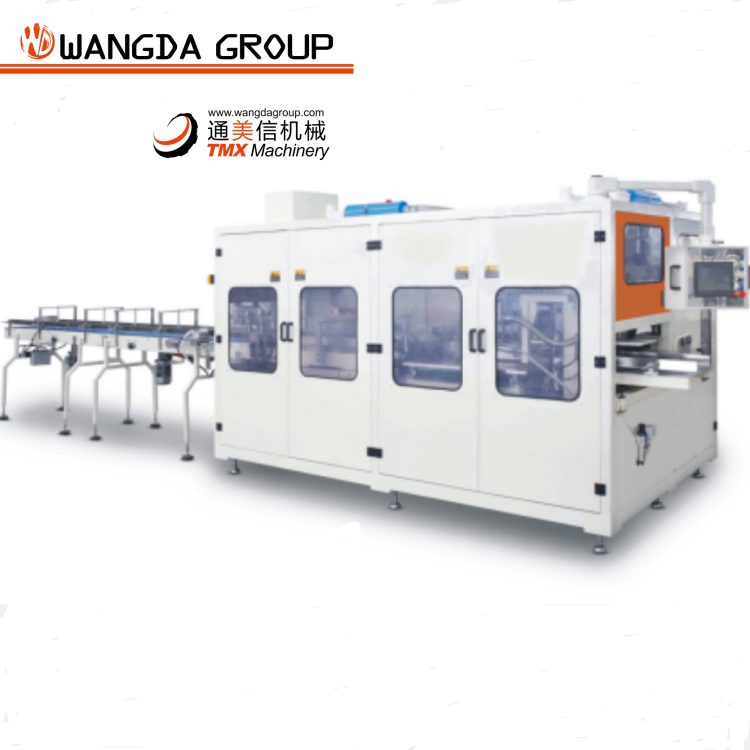
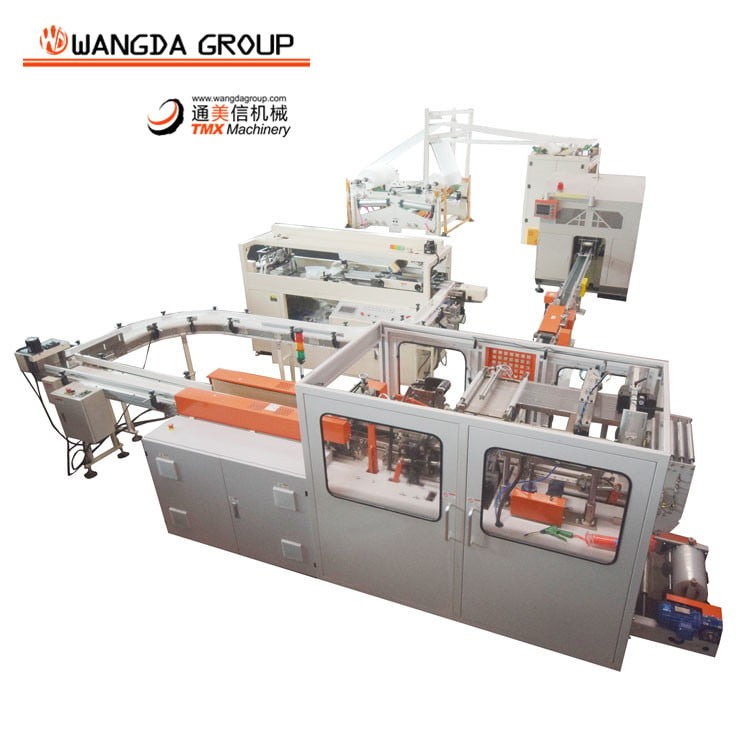
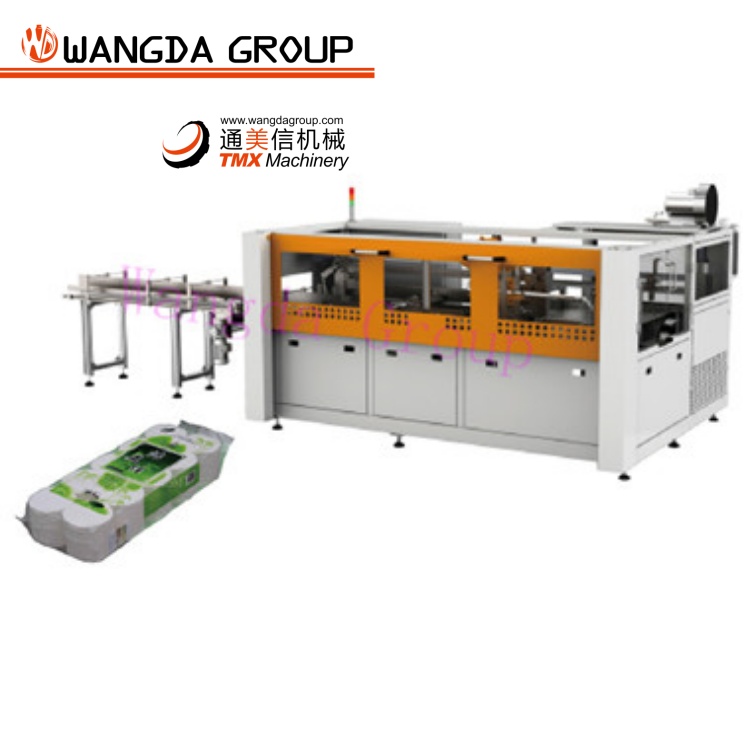
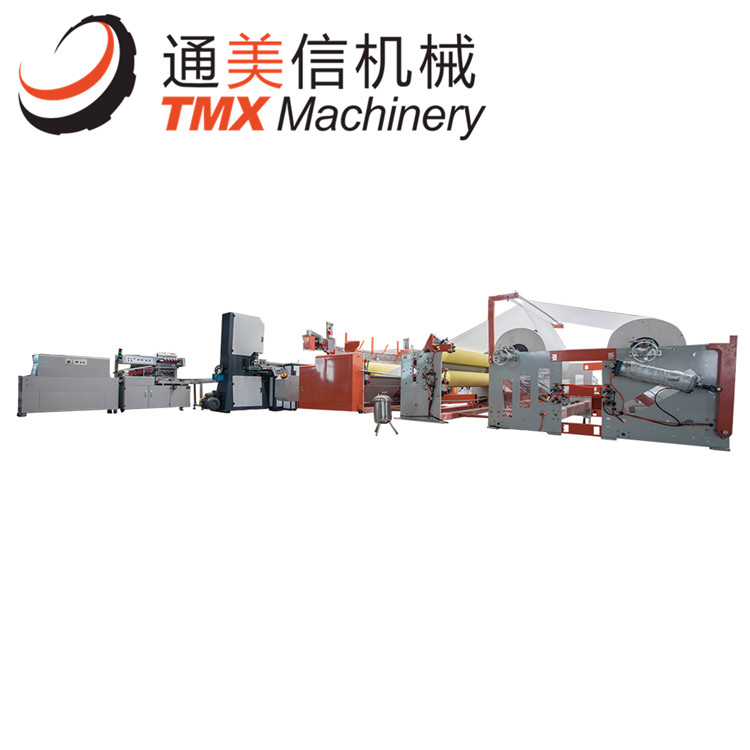
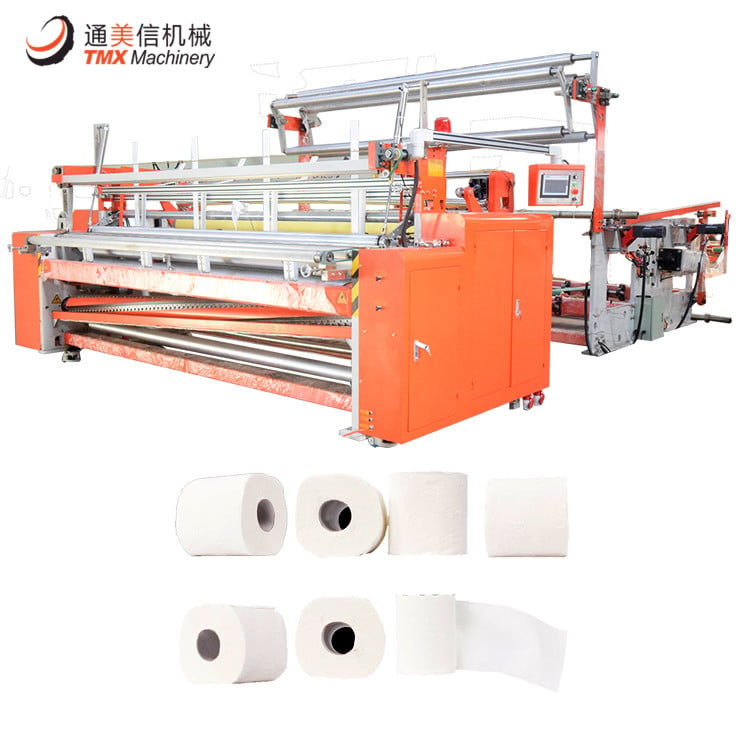
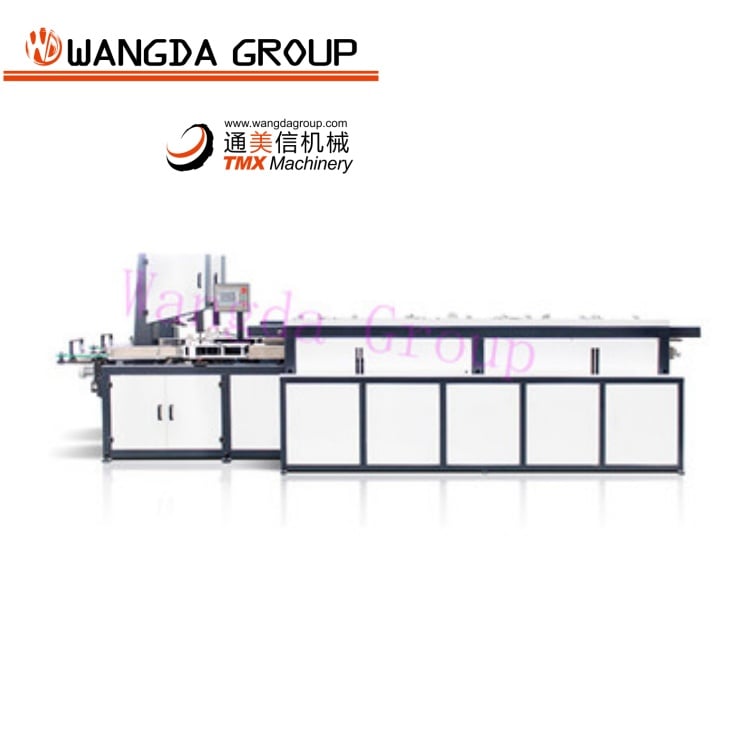
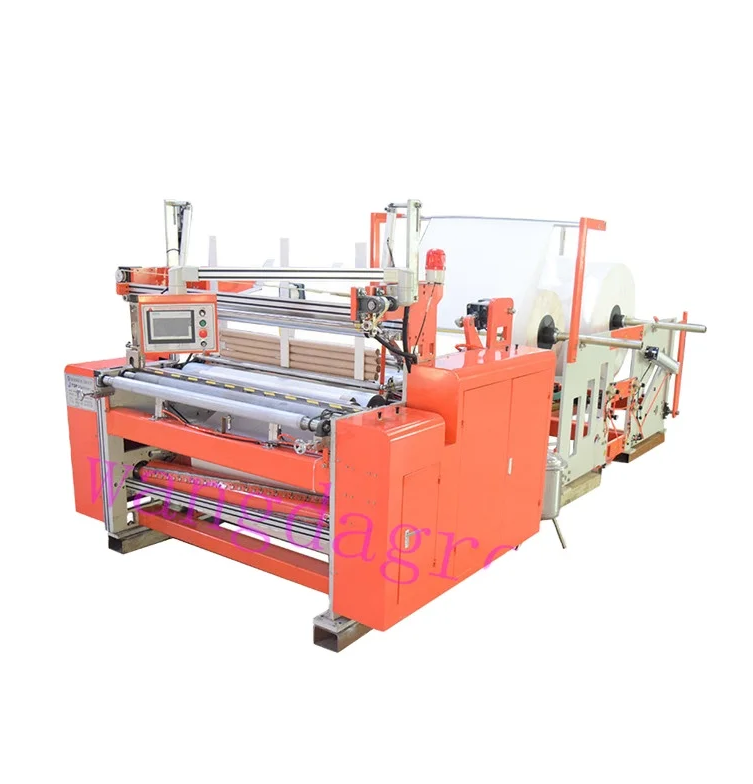
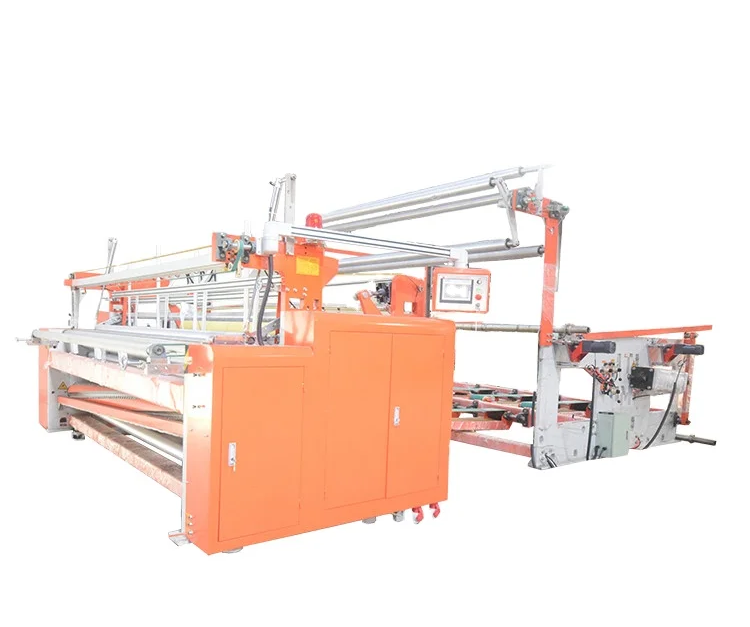
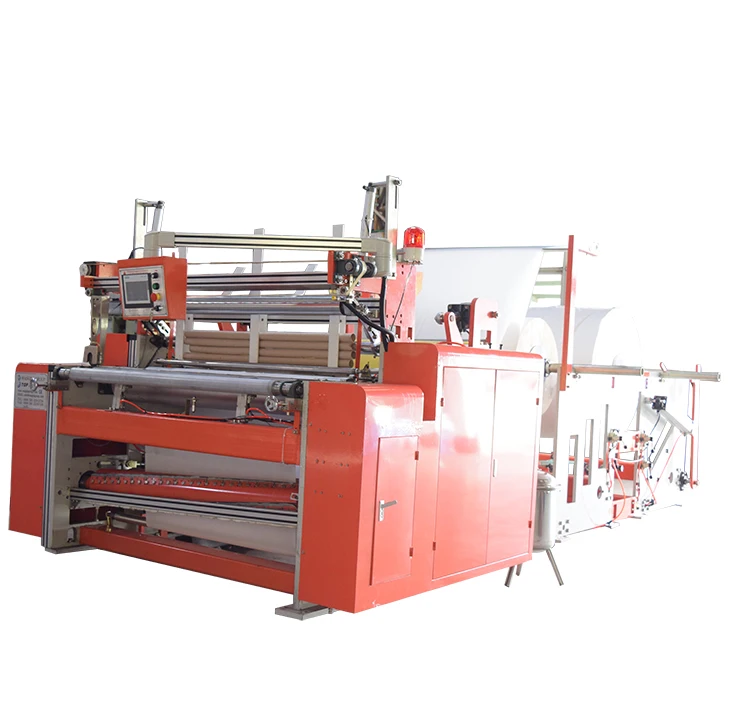
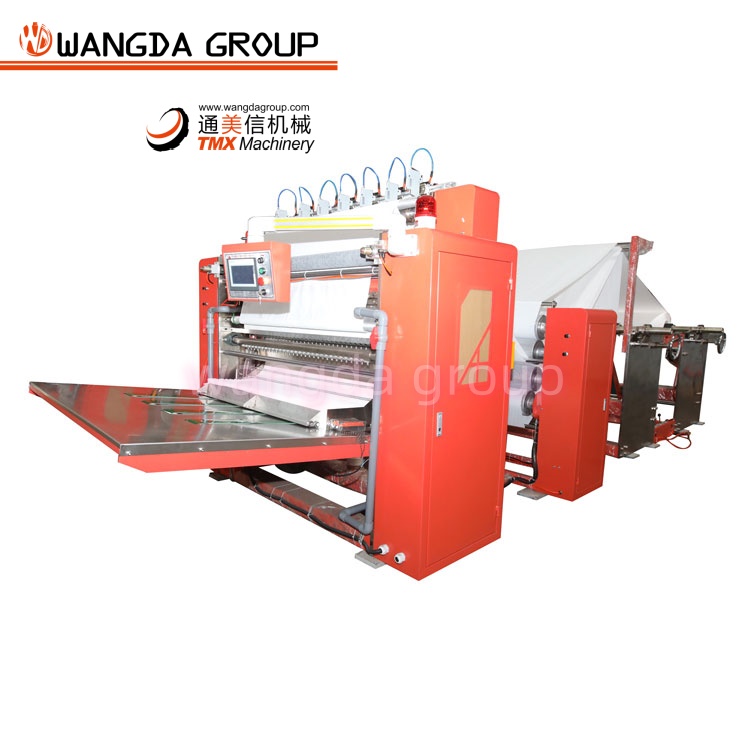
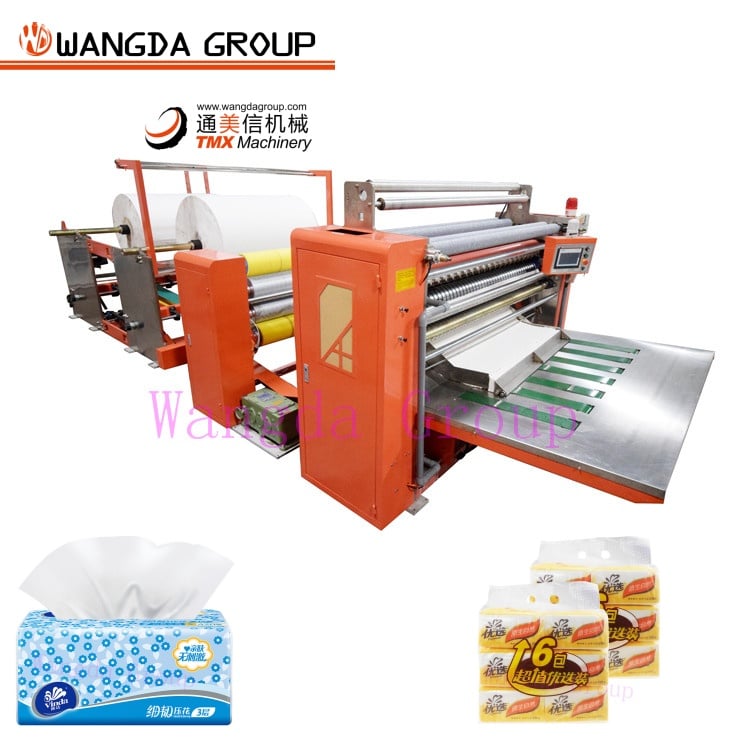
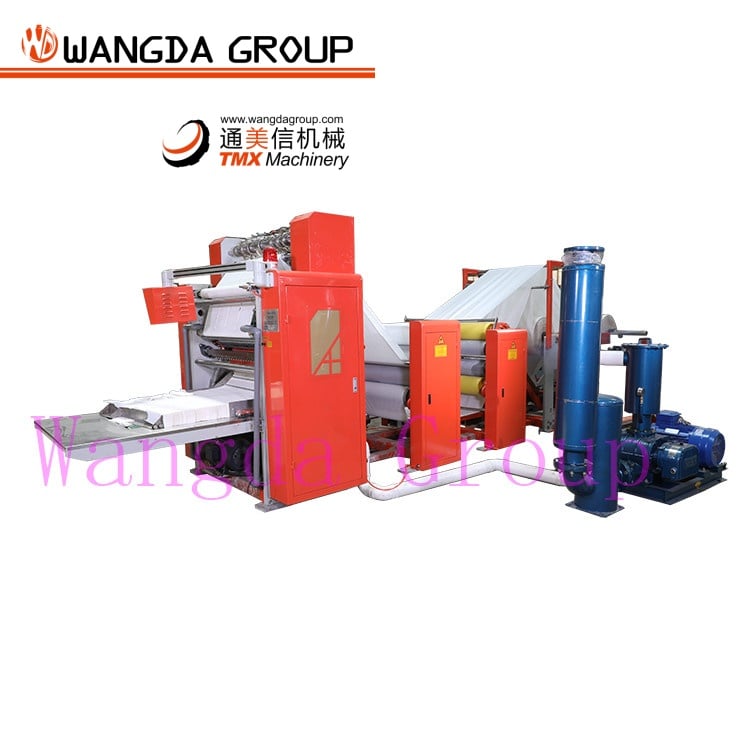
Toilet roll machines are essential for manufacturers focused on producing high-quality toilet paper efficiently and economically. In South Africa, where the demand for hygienic products continues to rise, sourcing the right toilet roll machine becomes crucial for business success. This article explores key specifications, cost factors, installation challenges, applications specific to the South African market, and comparisons of different models to help purchasing managers and distributors make informed decisions.
When selecting a toilet roll machine, buyers should focus on several key specifications that can significantly impact production efficiency and product quality. These specifications typically include:
Production Capacity: The machine's output per hour is vital for meeting market demand. Understanding the production speed helps in aligning your supply with consumer needs.
Roll Diameter and Width: Machines are often customizable to produce rolls of different diameters and widths. tissue paper machine price is crucial to specify these dimensions based on your target market requirements.
Material Compatibility: The machine should handle various paper grades, from recycled to premium quality. This flexibility allows manufacturers to cater to different consumer preferences.
Automation Level: Full-servo machines offer greater efficiency and precision, minimizing waste and increasing production speed. Consider whether you need basic machines or fully automated solutions that integrate seamlessly into existing production lines.
Quality Control Features: Look for machines equipped with sensors and automated adjustments to maintain consistent product quality. These features can reduce defect rates and improve customer satisfaction.
Understanding these specifications enables buyers to evaluate different machines effectively and select one that aligns with their production goals and quality standards.

When it comes to bulk orders of toilet roll machines, several cost factors should be taken into account. First, the initial purchase price is a significant consideration; however, it should not be the sole focus. Buyers must also evaluate:
Shipping and Import Duties: For South African buyers, understanding the cost of shipping and any applicable import duties is crucial for accurate budgeting.
Operational Costs: Calculate the energy consumption and maintenance costs associated with each machine. More efficient machines may have higher upfront costs but can lead to lower operating expenses over time.
Customization Costs: If specific customizations are needed to meet unique production needs, ensure that these costs are factored into the overall budget.
Training and Installation Fees: Consider the costs of training staff to operate the new machinery and any installation fees that may be incurred.
Warranty and Support: Evaluate the warranty terms and post-purchase support from the manufacturer. A robust support system can save costs related to downtime and repairs in the long run.
By carefully analyzing these factors, buyers can ensure that their investment in toilet roll machines is sound and aligns with their business objectives.

Installing toilet roll machines can present various challenges that, if not addressed, may hinder operational efficiency. Common installation issues include:
Space Constraints: Many manufacturing facilities may not have sufficient space for larger machines. It’s essential to conduct a thorough site assessment to determine the optimal layout before installation.
Power Supply Compatibility: Ensure that the existing electrical systems can support the new machinery. If necessary, consult with an electrical engineer to make appropriate upgrades.
Integration with Existing Equipment: Buyers must consider how new machines will fit into their current production lines. Compatibility issues can lead to increased downtime and operational disruptions.
Training Needs: Employees may need training to operate the new machines effectively. Planning for this can mitigate delays in production once the machine is installed.
By anticipating these challenges, buyers can develop comprehensive installation plans that minimize disruption and promote efficient machine operation from day one.

Toilet roll machines serve various applications in the South African market, reflecting the country's growing demand for hygienic products. Key applications include:
Household Use: With increasing awareness of hygiene, the demand for toilet paper in residential settings is on the rise. Manufacturers can capitalize on this trend by producing quality rolls that meet consumer expectations.
Commercial Facilities: Businesses such as hotels, restaurants, and office buildings require reliable supply chains for toilet paper. toilet tissue paper making machine that can produce rolls in bulk sizes or specialized formats can cater to this market.
Export Opportunities: South Africa is strategically positioned for exporting to neighboring countries. Companies producing toilet paper can explore regional markets, enhancing their competitiveness.
Customization: Some manufacturers may choose to offer customized products, such as branded toilet paper or eco-friendly options, to differentiate themselves in the market.
Understanding these applications allows buyers to make informed decisions about machine features and capabilities that align with market demands.
Wangda produces toilet tissue machines (including cutting and packing) kitchen towels machines (including cutting and packing) facial tissue machines (including cutting and packing) bags of Toilet tissue machine facial tissue machines. We also make maxi roll rewinding devices as well as perforating machines.
We've Toilet paper manufacturing machine with many clients both in the United States as well as abroad.
Wangda has more than 20 years experience in the Toilet tissue machine of all kinds of tissue machines, we pay much attention to the features of the machine and its quality, as well as in addition, after sales and pre-sales services. We've sold machines in over 100 countries. This has resulted in many repeat orders and good reviews from our clients. Wangda has its own R and D departments. Our machine is based on the latest Germany Japanese, Japan and Italian technology, and is upgraded day by day. Our machines have been certified to ISO9002, CE, BV and other certifications. We offer turnkey projects that span from A to Z, not just machines.
Wangda has very professional with a long-standing sales team as well as an after-sales department, with 80% of the team has worked for over 10 years in our company within this Hygienic products industry. Our teams are experienced in the daily use of paper tissue machines, packing machines and many other Hygienic products machines We have a wide range of professional information in this area, we think what our customer would like, and we make sure that our customers are worried about. Our customers aren't just purchasing machines from us We also assist them make money from this Toilet paper machine business. We offer our customers with the after-sales services they require.
In the competitive landscape of producing toilet paper, comparing different models of toilet roll machines is essential for making a well-informed purchase decision. Consider the following aspects when evaluating different models:
Output Capacity: Different models offer varying production speeds. Assess your production needs to ensure you choose a model that meets your output requirements without sacrificing quality.
Automation Features: Some models provide advanced automation, reducing labor costs and improving efficiency. Consider whether your operation would benefit from these features.
Material Handling Flexibility: Evaluate the machine’s ability to handle different paper grades and sizes. A versatile machine can adapt to changing market demands, reducing the need for additional investments in the future.
Support and Maintenance: Research the manufacturer's reputation for providing reliable support and maintenance services. tissue making machine price factor can significantly influence your long-term operational success.
Cost vs. Performance: Balance the initial investment against the machine's performance and reliability. Cheaper models may lead to higher operational costs or lower quality, impacting your long-term profitability.
By carefully comparing these factors, buyers can select the toilet roll machine model that best fits their business needs, ensuring a sound investment that contributes to operational efficiency and product quality.