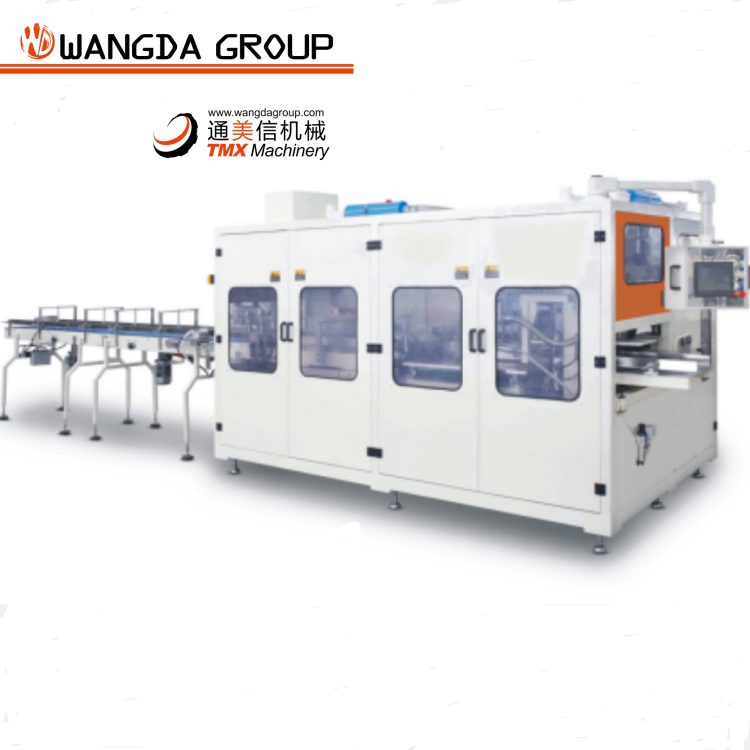
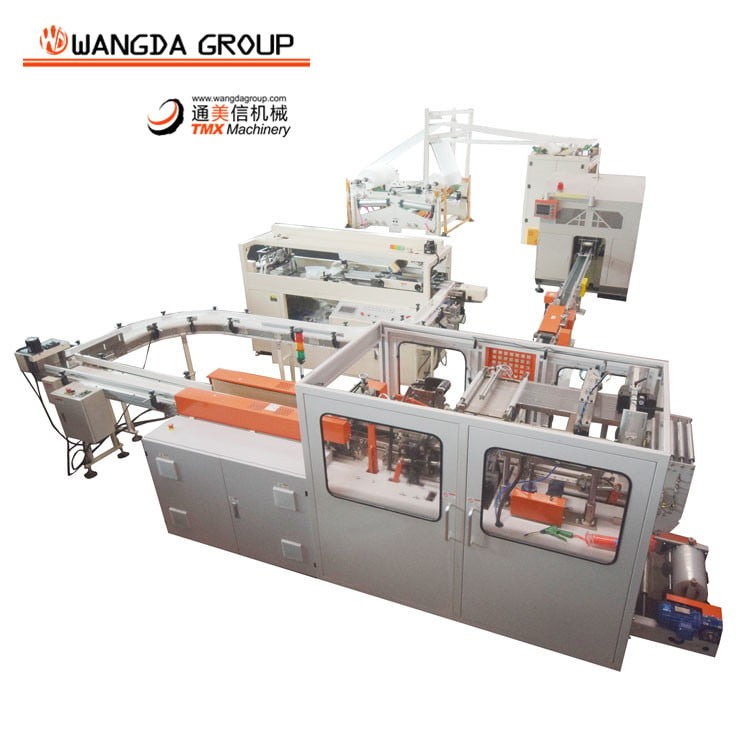
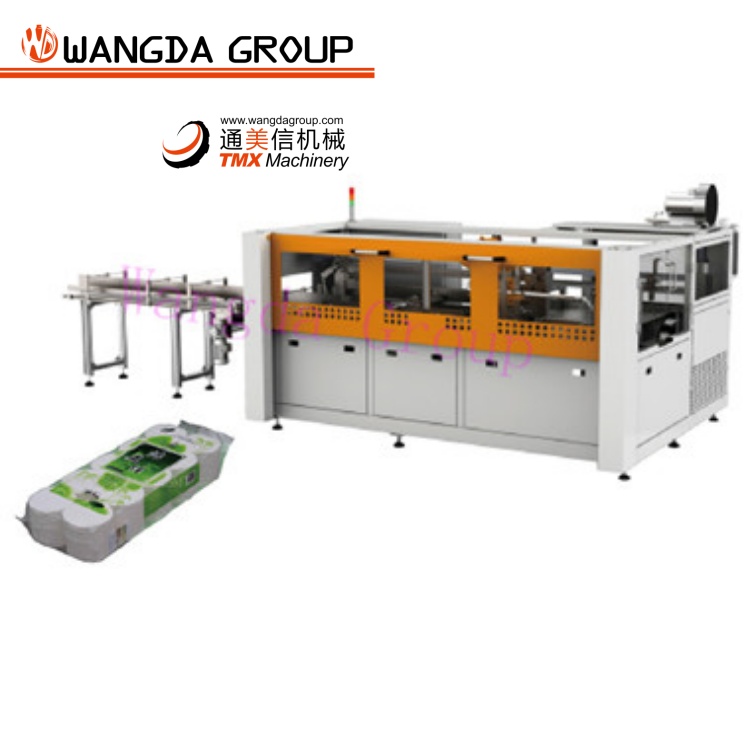
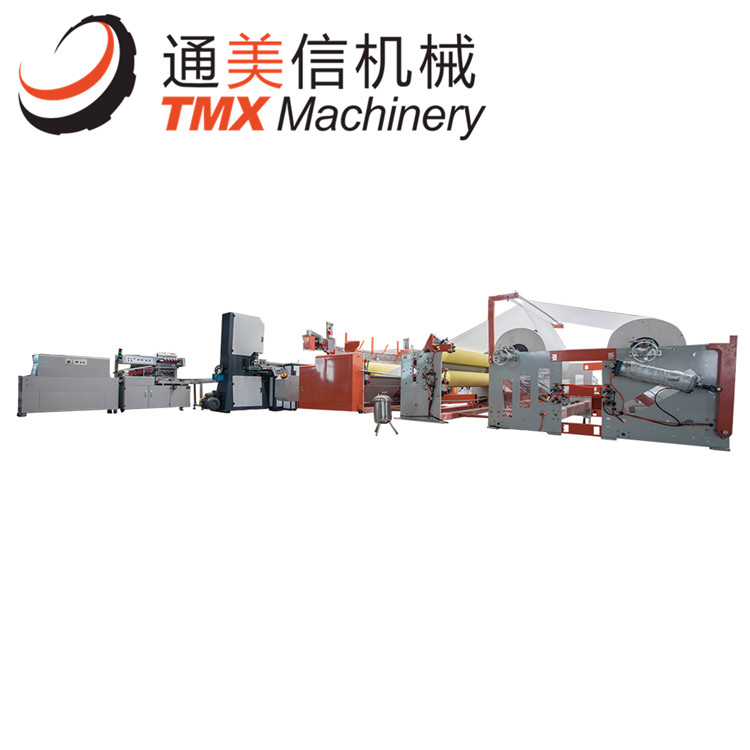
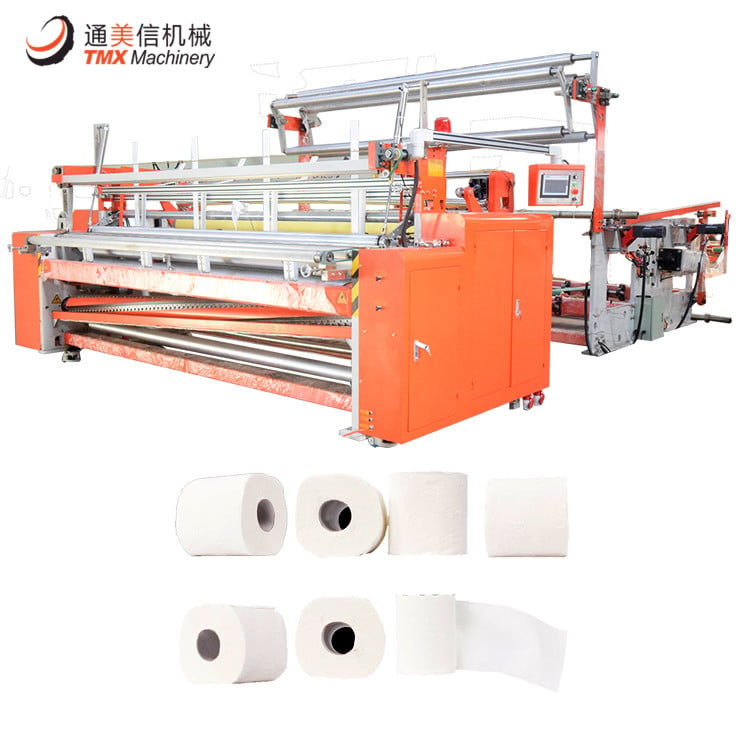
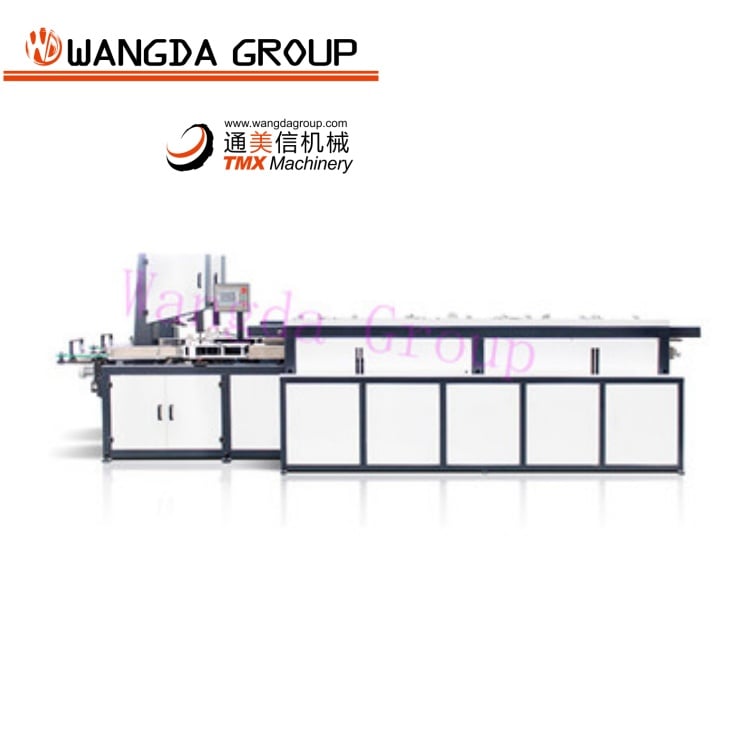
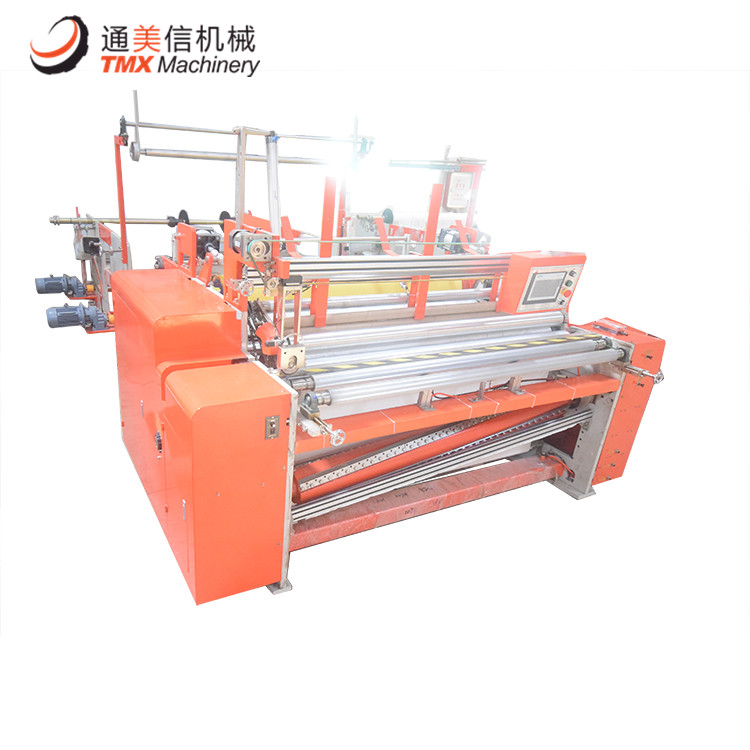
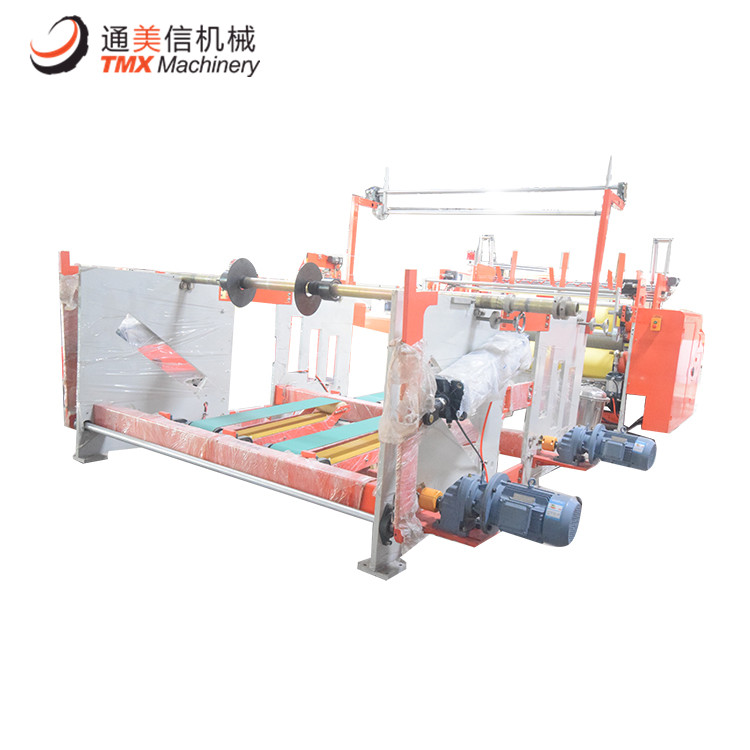
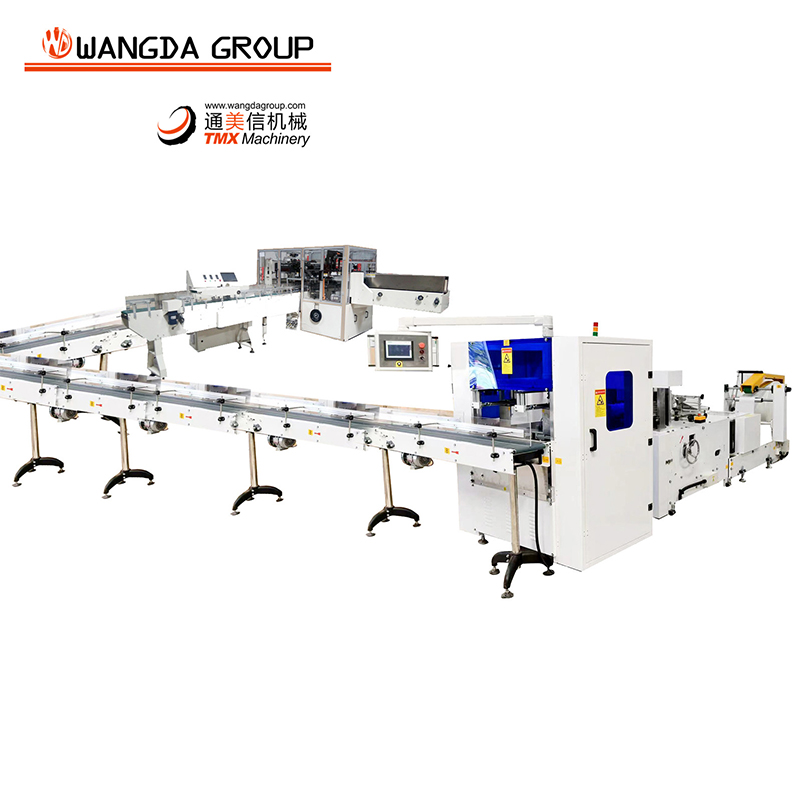
Toilet roll machines are essential for businesses in the hygiene product manufacturing sector, particularly in Ghana, where the demand for toilet paper continues to grow. Investing in a reliable toilet roll machine can significantly enhance production efficiency, product quality, and ultimately, profitability. However, potential buyers often have concerns about selecting the right machinery, understanding specifications, and addressing common operational issues. This article aims to provide comprehensive insights into choosing the right toilet roll machine in Ghana, covering key specifications, common problems, and their solutions, as well as the specific applications of these machines.
Choosing the right toilet roll machine involves understanding your production needs, including capacity, automation level, and budget. Start by determining your expected output volume. For smaller operations, a semi-automatic machine may suffice, while larger toilet tissue making machine should consider fully automated options that can handle higher production rates.
Next, evaluate the machine’s compatibility with your existing production line. It's vital to ensure that the machine can integrate smoothly with any other equipment you have, such as packing machines or conveyors. Additionally, consider the types of raw materials you will use. Different machines may be optimized for various types of paper, which can affect the final product quality.
Finally, assess the manufacturer's reputation and support services. A manufacturer with a strong presence in the market, like Wangda Industrial Co., Limited, can provide valuable insights and after-sales support, ensuring that your investment yields the best return.

When selecting a toilet roll machine, several specifications are crucial:
Production Capacity: This refers to the number of rolls produced per hour. Ensure the capacity aligns with your business requirements to avoid production bottlenecks.
Automation Level: Machines can range from manual to fully automated. Fully automated machines often offer higher efficiency and lower labor costs but come with a higher initial investment.
Material Compatibility: Confirm that the machine can process the types of paper you intend to use. Look for toilet roll making machine that can handle various thicknesses and material compositions.
Machine Dimensions: Ensure that the machine fits within your production space. Overestimating available space can lead to operational challenges.
Energy Consumption: Consider machines that offer energy-efficient operations to reduce long-term operational costs.
Customization Options: Depending on your product range, you may need machines that can produce different roll sizes or types. Verify the manufacturer's customization capabilities before making a decision.

When preparing to purchase a toilet roll machine, gather the following information for your Request for Quotation (RFQ):
Product Type: Specify the type of toilet roll machine you need (semi-automatic or fully automatic).
Production Volume: Indicate your expected daily or monthly production targets.
Material Requirements: Describe the types of paper you will be using, including any specific material grades.
Customization Needs: If you require specific sizes or configurations, mention these in your RFQ.
Packaging Requirements: Discuss how you plan to package the rolls, as this may influence the machine design.
Delivery Destination: Provide the location for shipping to ensure accurate quotes.
Engaging with a reputable supplier, such as Wangda Industrial Co., can facilitate the process, as they can assist in addressing any special requirements or concerns.

Despite their reliability, toilet roll machines can encounter issues that may disrupt production. Some common problems include:
Paper Jam: This can occur due to inconsistent paper quality or incorrect machine settings. Regular maintenance and ensuring the paper meets specified standards can reduce the likelihood of jams.
Poor Cutting Quality: If the cutting blades are dull or improperly aligned, it can result in uneven rolls. Regular inspections and blade maintenance are essential to maintain cutting precision.
Inconsistent Roll Size: Variations in paper thickness can lead to inconsistencies in roll sizing. Ensure that the toilet tissue paper making machine is calibrated correctly and that raw materials are consistent.
Mechanical Failures: Regular maintenance schedules are crucial. Implementing preventative maintenance can help identify potential issues before they lead to significant breakdowns.
Control System Errors: Software glitches can disrupt operations. Ensure that the manufacturer provides adequate training and support for the machine’s control systems.
By anticipating these challenges and collaborating with a knowledgeable supplier, businesses can minimize downtime and maintain efficient production.
Wangda produces toilet tissue machines (including cutting and packing) kitchen towels machines (including cutting and packing) facial tissue machines (including cutting and packing) bags of Toilet tissue machine facial tissue machines. We also make maxi roll rewinding devices as well as perforating machines.
Wangda has over 20 years of manufacturing tissues machines. We pay close attention to the quality of machines, their function and pre and post sales service. We have sold machines in more than 100 countries, which has won us many repeat orders and good reviews from our clients. Wangda has our own R and D departments. Our machines are based on advanced Germany Japanese, Japan and Italian technology and is keeping updated day by day. Our machines have been certified to ISO9002, Tissue paper manufacturing machine, BV and others certifications. We offer turnkey solutions that span from A to Z Not just machines.
Wangda has very professional with a long-standing sales team as well as an after-sales department, with 80% of the team has worked for over 10 years in our company within this Hygienic products industry. Our teams are experienced in the daily use of paper tissue machines, packing machines and many other Hygienic products machines We have a wide range of professional information in this area, we think what our customer would like, and we make sure that our customers are worried about. Our customers aren't just purchasing machines from us We also assist them make money from this Toilet paper machine business. We offer our customers with the after-sales services they require.
Wangda has Toilet roll manufacturing machine with various clients both from home and abroad. We have worked with large companies from GCC countries such as Fine Hygienic across different nations, Nesto Hypermarket, Top one and two hygienic producer Band G, the Meghna Groups of Bangladesh. Outnet Group from African countries. And as well, there are big European brand, American brands, Latin American brands we have cooperated for a great number of years. We have several factories outside of the United States that you can visit to look at our products which is more efficient. Also you are invited to come to our factory to see our products on the spot. We will be happy to answer your questions at any time, and we hope to begin our mutual benefit story right away.
In Ghana, the demand for toilet paper is rising, driven by urbanization and increased hygiene awareness. Toilet roll machines play a critical role in meeting this demand, providing manufacturers with the ability to produce high-quality products efficiently.
These machines can be used in various applications, including:
Household Use: Standard toilet rolls for residential consumers.
Commercial Use: Bulk production for hotels, restaurants, and public facilities, where demand is higher.
Export Opportunities: With Ghana's growing manufacturing sector, there is potential for exporting locally produced toilet paper to neighboring countries, making reliable production machinery essential.
By investing in the right toilet roll machine, manufacturers can enhance their productivity and quality, positioning themselves competitively within the local and regional markets. Understanding the specific needs and applications in Ghana will enable businesses to make informed purchasing decisions that align with market demands.