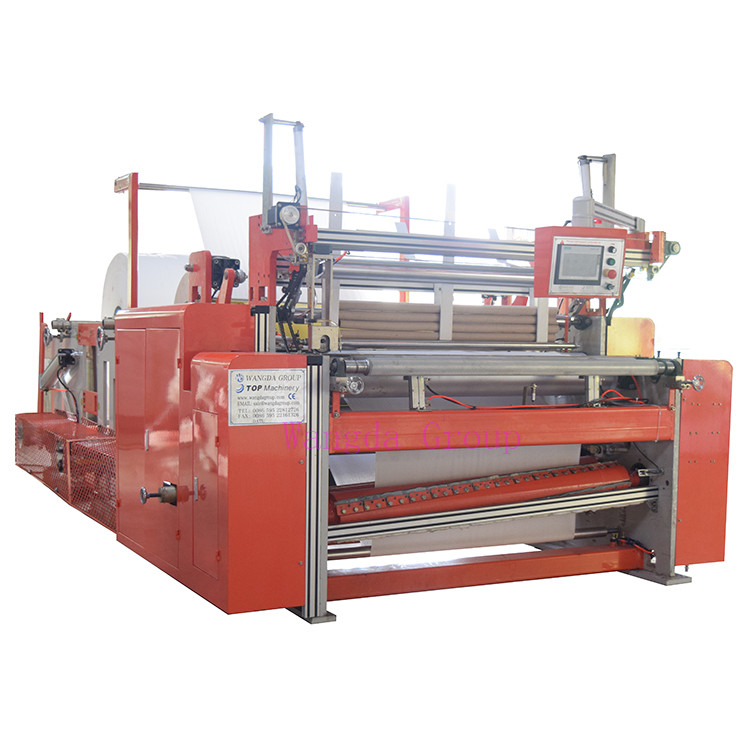
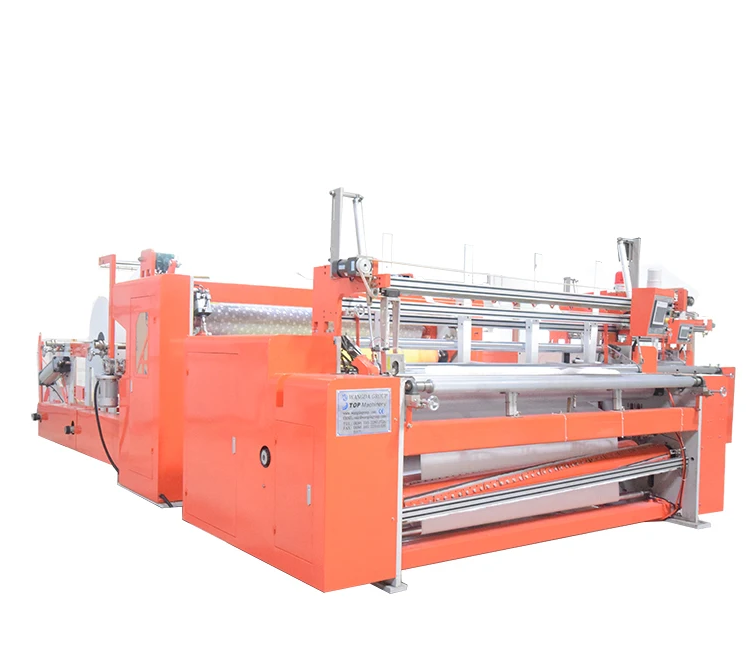
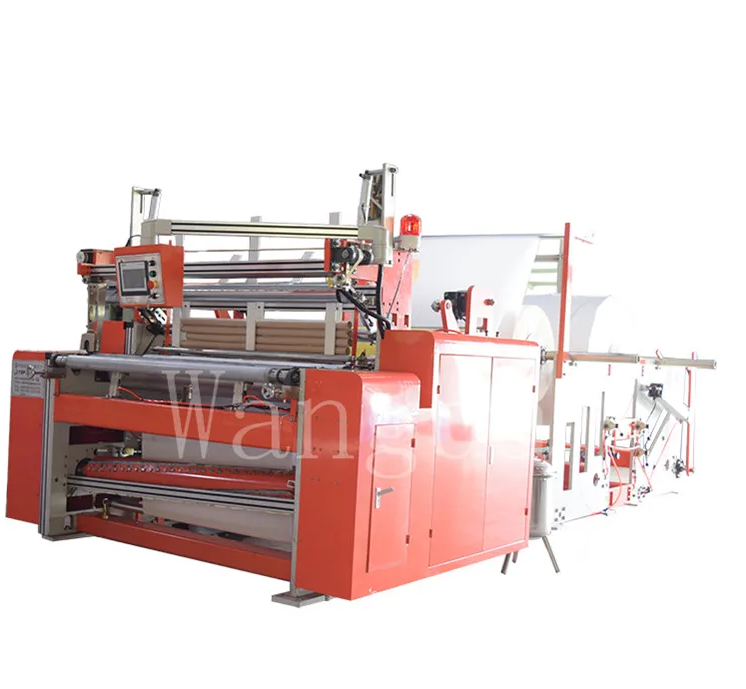
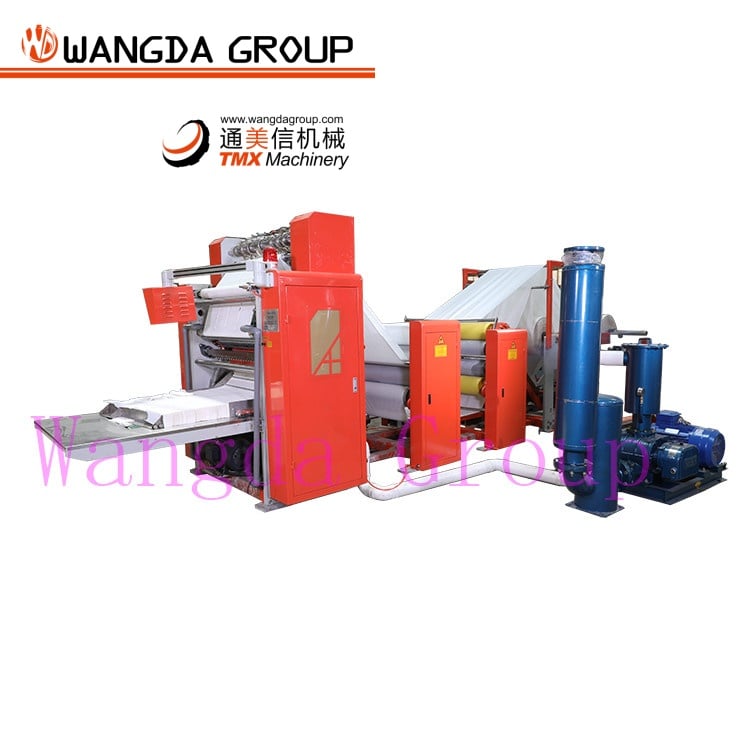
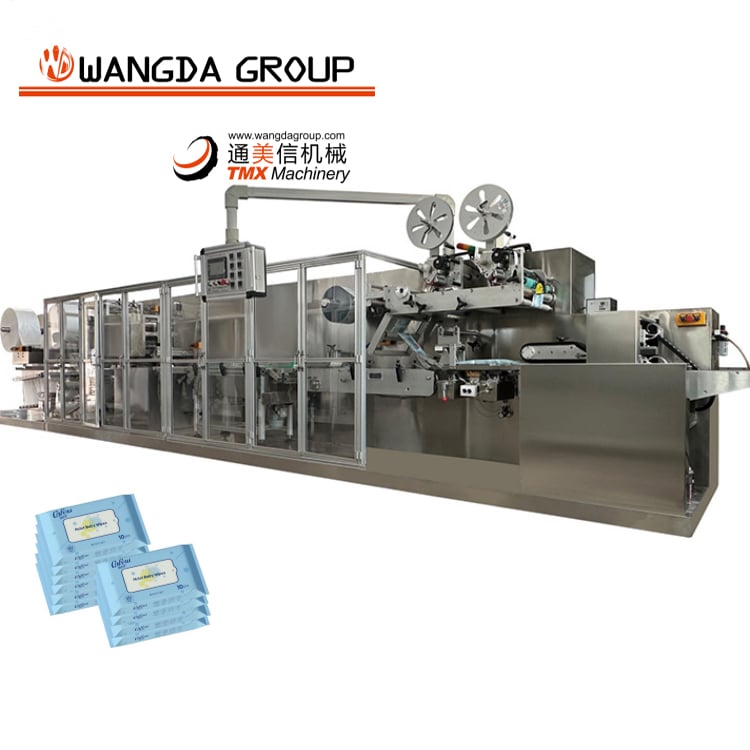
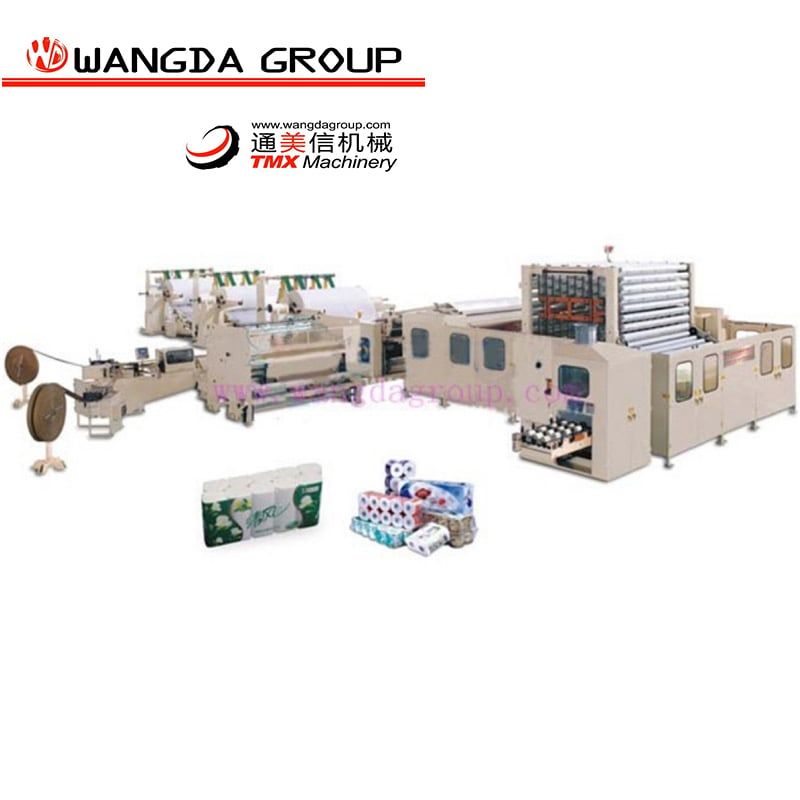
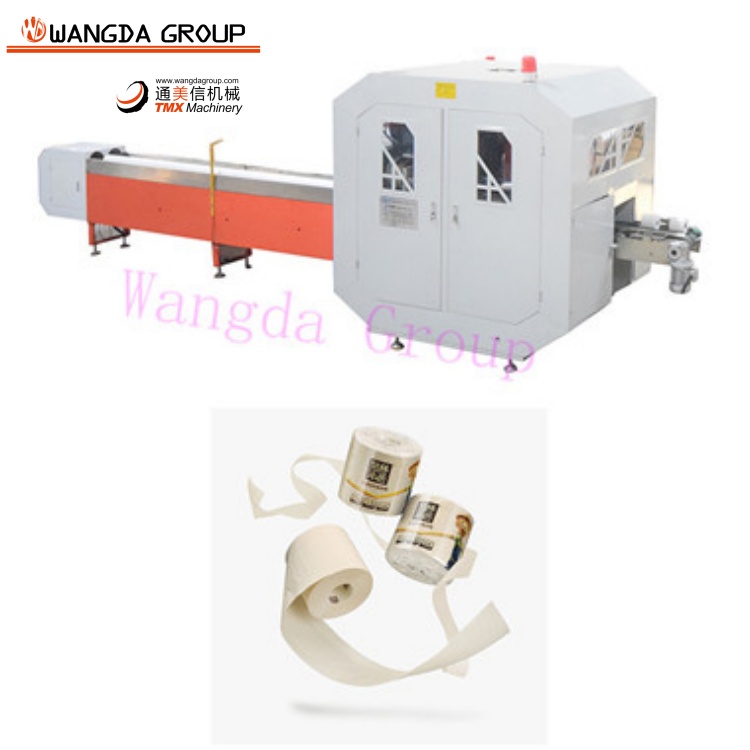
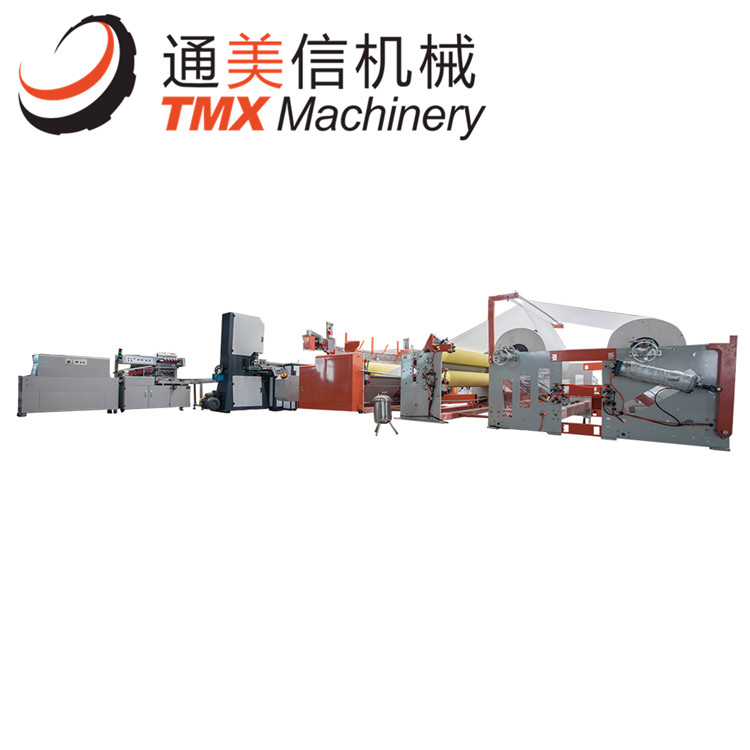
Toilet roll manufacturing involves specialized machinery and processes designed to produce high-quality toilet paper efficiently. For businesses looking to establish or expand their production capabilities, sourcing the right toilet roll machine is crucial. This article will address key considerations for B2B buyers, including quality evaluation, bulk ordering options, cost factors, and potential manufacturing challenges.
When sourcing equipment for a toilet roll factory, several critical factors should be evaluated. First, consider the type of toilet roll machines that suits your production needs. Full-servo production lines are often preferred for their efficiency and precision in handling various paper products. Assess the capacity of the machinery to ensure it aligns with your production goals, particularly in terms of output rates and scalability.
Another essential factor is the compatibility of the machinery with different paper grades and sizes. This flexibility is vital if your business plans to diversify its product offerings. Additionally, evaluate the manufacturer's reputation and experience in the industry. A supplier like Wangda Industrial Co., Limited, known for its high-quality machinery and global export capabilities, can provide valuable insights and support throughout the sourcing process.
Lastly, consider the after-sales support and maintenance services offered by the manufacturer. A reliable service team can significanty contribute to minimizing downtime and maintaining production efficiency.

Quality evaluation of toilet paper production machines involves several key specifications. One critical aspect is the machine's construction quality, which should be durable enough to withstand continuous operation. Look for equipment made from high-grade materials that minimize wear and tear.
The performance of the machine is another important factor. Buyers should assess specifications such as production speed, roll diameter, and sheet count. These parameters directly impact production efficiency and product quality. For instance, a toilet roll making machine that can produce at a higher speed with consistent roll density will likely lead to reduced operational costs.
Furthermore, it's essential to verify that the machinery complies with relevant industry certifications, such as ISO standards. This compliance ensures that the equipment meets specific safety and quality benchmarks, thereby reducing risks during operation.
Lastly, conducting a hands-on inspection or requesting a demonstration can provide insight into the machine's performance under real-world conditions. Such evaluations can help buyers understand the machine's operational capabilities and identify any potential issues that may arise during production.

When considering bulk orders for toilet paper manufacturing machines, it’s vital to discuss pricing structures and available discounts. Many manufacturers offer tiered pricing based on order volume, allowing businesses to benefit from significant cost savings as they scale their operations.
In addition to pricing, buyers should inquire about customization capabilities. A manufacturer that can tailor machinery to specific production requirements will provide added value. This could include modifications for different paper sizes, thicknesses, or even specialized packaging requirements.
Another factor to consider is lead time for bulk orders. Ensure that the supplier can meet your production timelines, especially if you are looking to launch or expand operations quickly. Establishing a clear communication channel with the manufacturer can help in managing expectations regarding delivery schedules and any potential delays.
Finally, discuss warranty and maintenance agreements for bulk orders. Understanding the terms of service and support can provide peace of mind and ensure the longevity of your investment.

Several cost factors influence the overall investment in toilet roll manufacturing equipment. The initial purchase price is just one aspect; buyers should also consider the total cost of ownership, which includes installation, maintenance, and operational expenses.
Operational costs can vary based on the energy efficiency of the machinery. Machines that consume less energy while maintaining high output will ultimately reduce long-term costs. Additionally, the choice of materials used in manufacturing can affect the cost. Durable materials may have a higher upfront cost but can lead to lower maintenance and replacement expenses.
Another critical factor is the availability of spare parts and the ease of sourcing them. Machines that require specialized components may incur higher costs and longer downtimes if parts are not readily available. Therefore, ensure that the supplier has a reliable supply chain for spare parts and can provide timely support.
Lastly, consider any potential hidden costs, such as training for staff or additional equipment needed for operation. A comprehensive understanding of these factors will help buyers make informed purchasing decisions that align with their budget and operational goals.
Tissue paper machine has a very experienced with a long-standing sales team as well as an after-sales staff, 80% of the team has worked for more than 10 years in our business in this hygienic product industry. Our team members have a lot of experience working with daily-use paper tissue machines, related packing machines and so on hygienic product machines We are experts in a range of information in this area, we know what our clients need, and worry about the things that make they are concerned about. We don't only sell machines to our customers, we also assist our customers to make profit from this hygienic business, to provide the lifelong after-sales service to our customers on time.
Wangda Tissue paper making machine toilet tissue machines (including cutting and packing), kitchen towel machines (including cutting and packing) facial tissue machines (including cutting and packing) as well as nylon bag facial tissues machines. We also make maxi roll rewinding equipment as well as perforating machines.
Tissue making machine has cooperated with different customers from both home and abroad. We have collaborated with major companies from GCC countries such as Fine Hygienic across different nations, Nesto Hypermarket, Top One and Two hygienic product producer B and G, Meghna Groups from Bangladesh. Outnet Group of African countries. And as well, there are huge European brand, American brands, Latin American brands with whom we have worked for a great long years. We have a number of sample factories in other countries that you can visit and see our products which is more comfortable. Also we invite you for a visit to our factory and experience our products right in person. We welcome your enquiry at any time, hope to start our mutual benefit story right away.
Wangda has more than 20 years experience in the Toilet tissue machine of all kinds of tissue machines, we pay much attention to the features of the machine and its quality, as well as in addition, after sales and pre-sales services. We've sold machines in over 100 countries. This has resulted in many repeat orders and good reviews from our clients. Wangda has its own R and D departments. Our machine is based on the latest Germany Japanese, Japan and Italian technology, and is upgraded day by day. Our machines have been certified to ISO9002, CE, BV and other certifications. We offer turnkey projects that span from A to Z, not just machines.
In the toilet roll manufacturing process, common problems can arise that may impact production efficiency and product quality. Understanding these issues and their solutions is crucial for maintaining a smooth operation.
One prevalent issue is paper jams, which can occur due to improper machine settings or material inconsistencies. Regular maintenance checks and operator training can significantly reduce the likelihood of jams. Implementing a quality control process that includes testing raw materials before production can also address this issue.
Another challenge is maintaining consistent roll size and tension. Variations can lead to product wastage and customer dissatisfaction. To mitigate this, ensure that the machinery is calibrated correctly, and monitor production closely. Utilizing high-quality raw materials that meet specified thickness and density requirements can also enhance consistency.
Lastly, equipment downtime due to mechanical failures can disrupt production schedules. Investing in reliable machinery and establishing a proactive maintenance routine can help prevent unexpected breakdowns. Additionally, having a contingency plan that includes backup equipment or quick access to repair services can minimize downtime.
By addressing these common manufacturing challenges proactively, businesses can enhance their production efficiency and maintain high-quality standards in their toilet paper products.