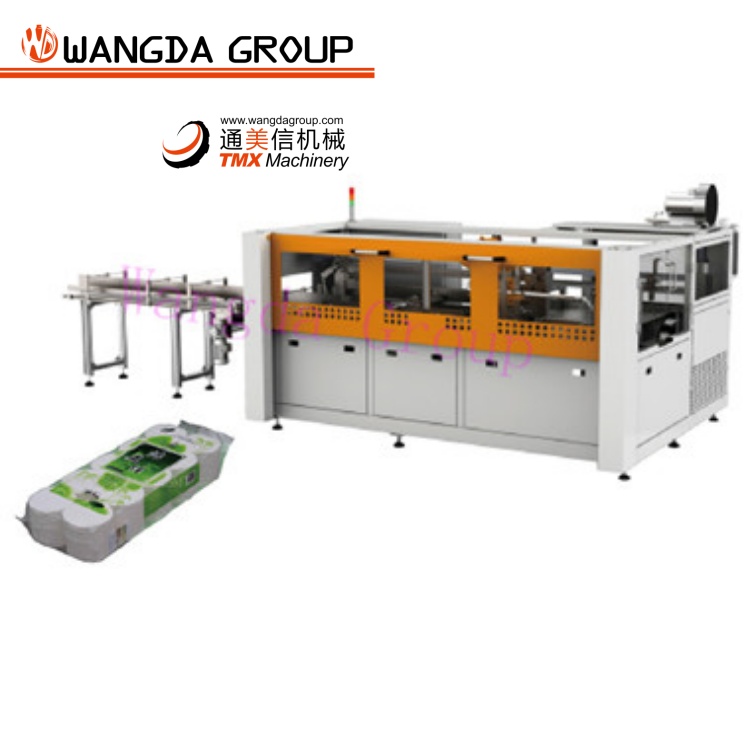
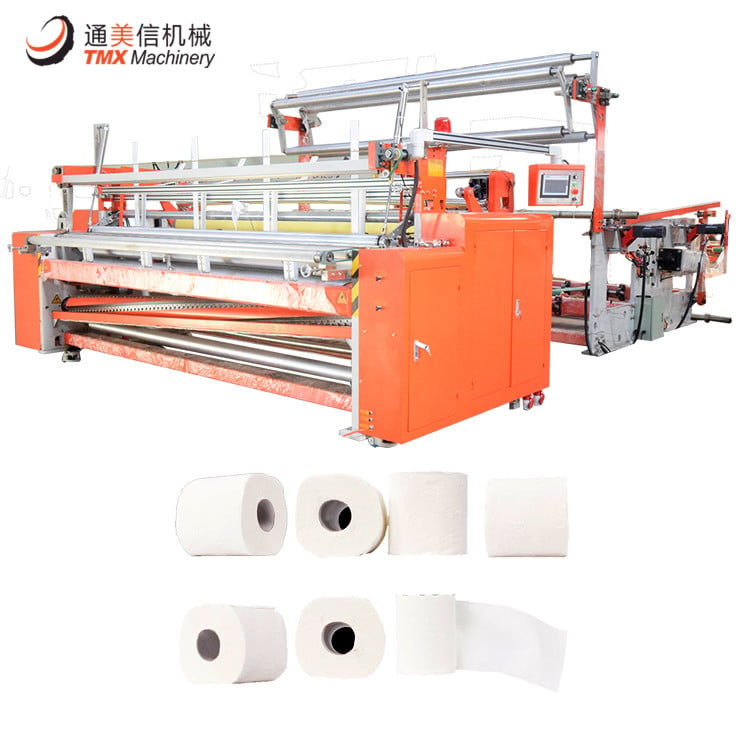
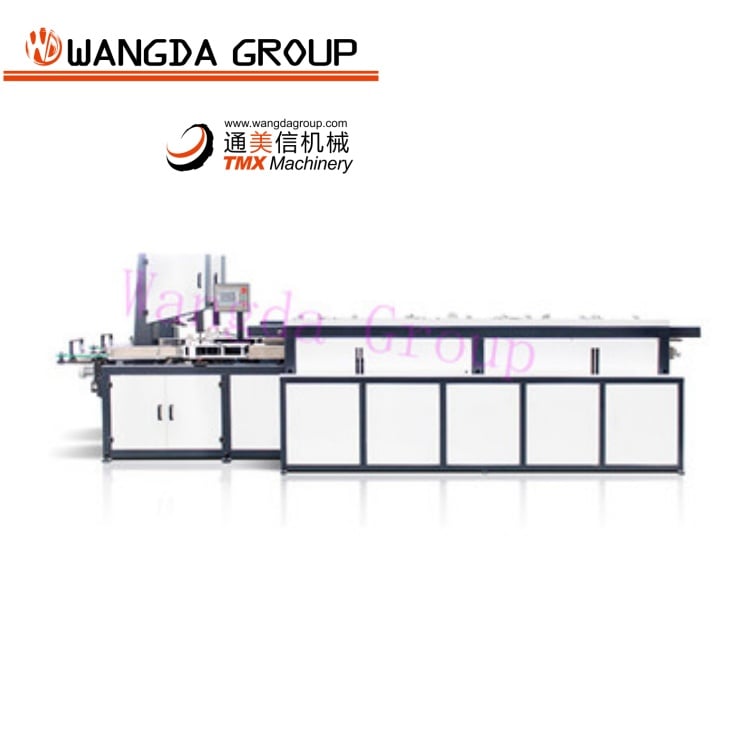
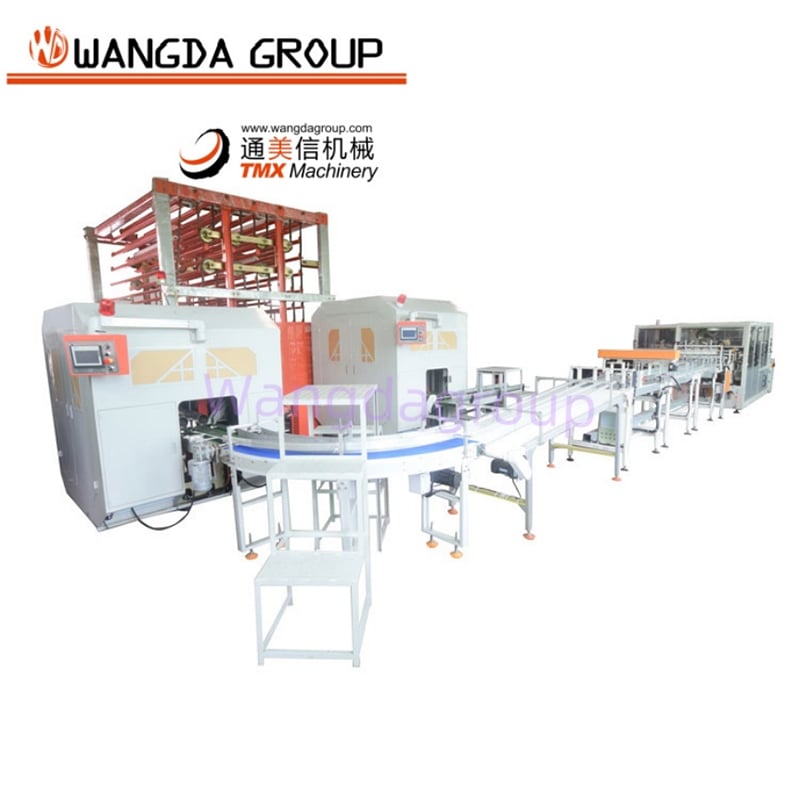
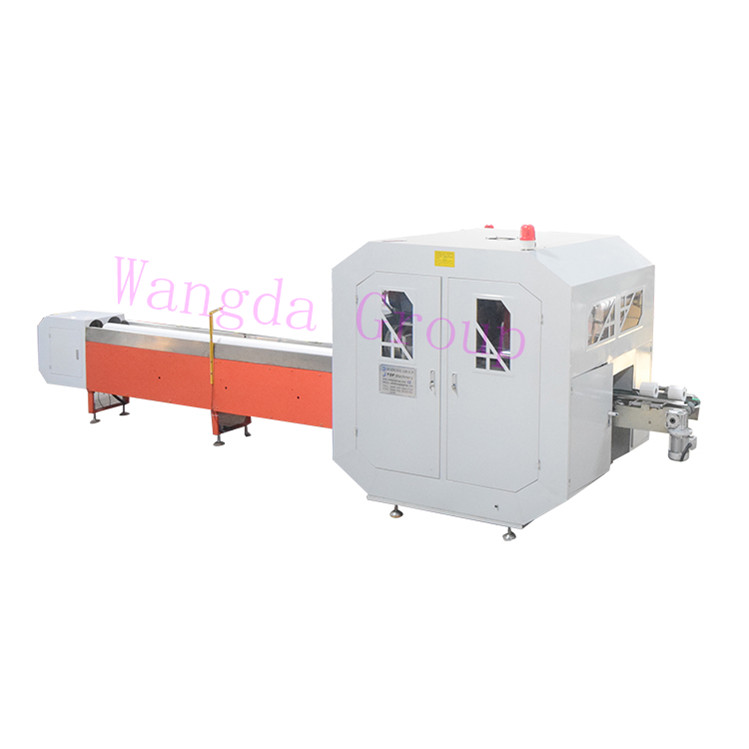
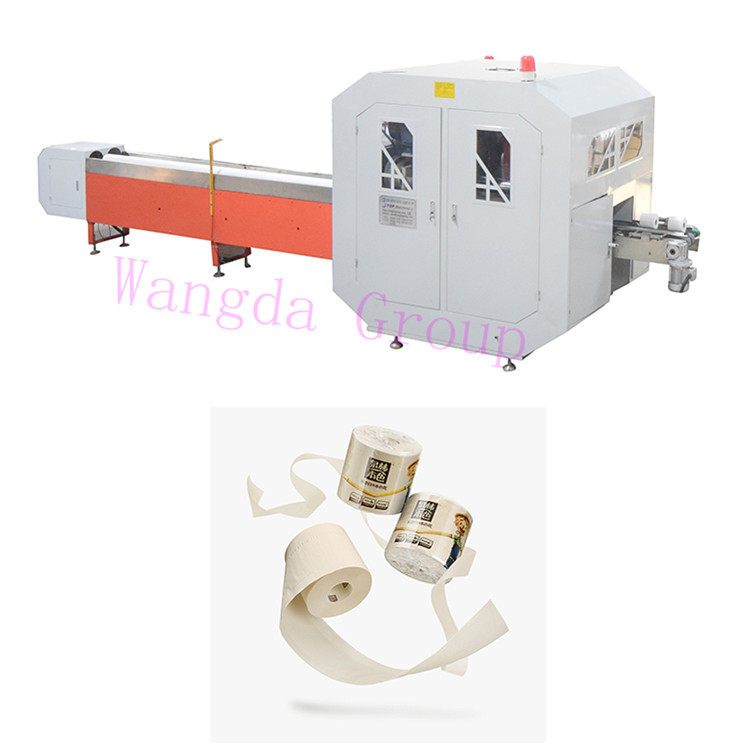
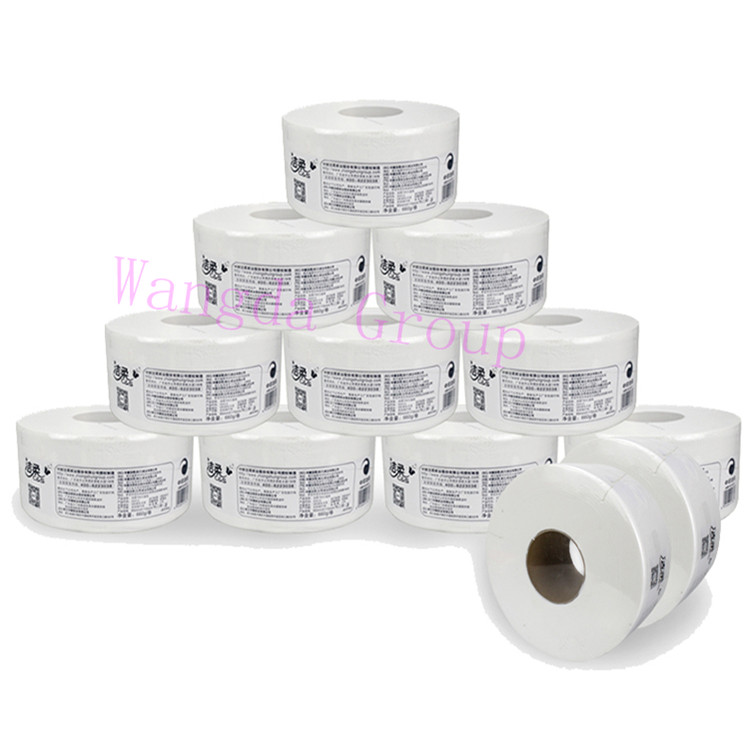
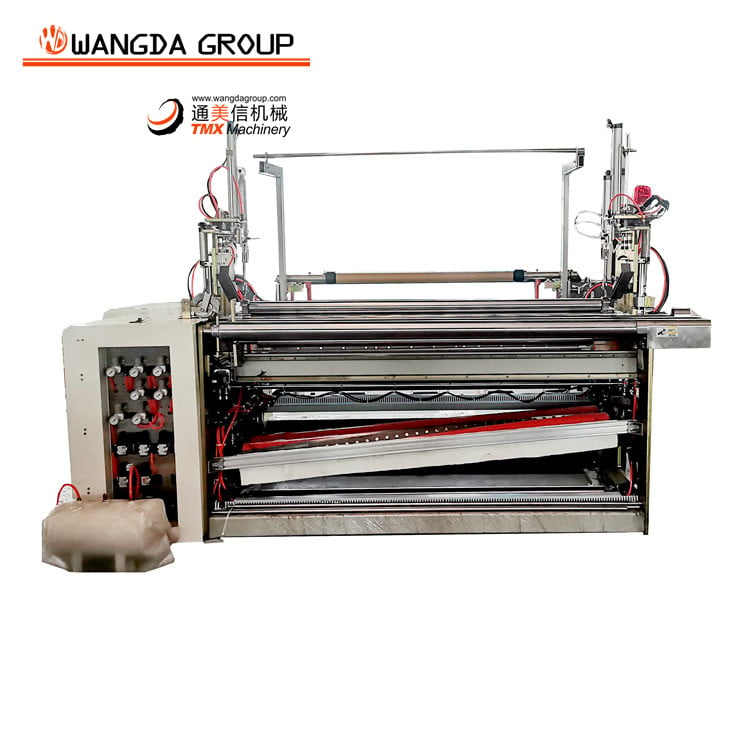
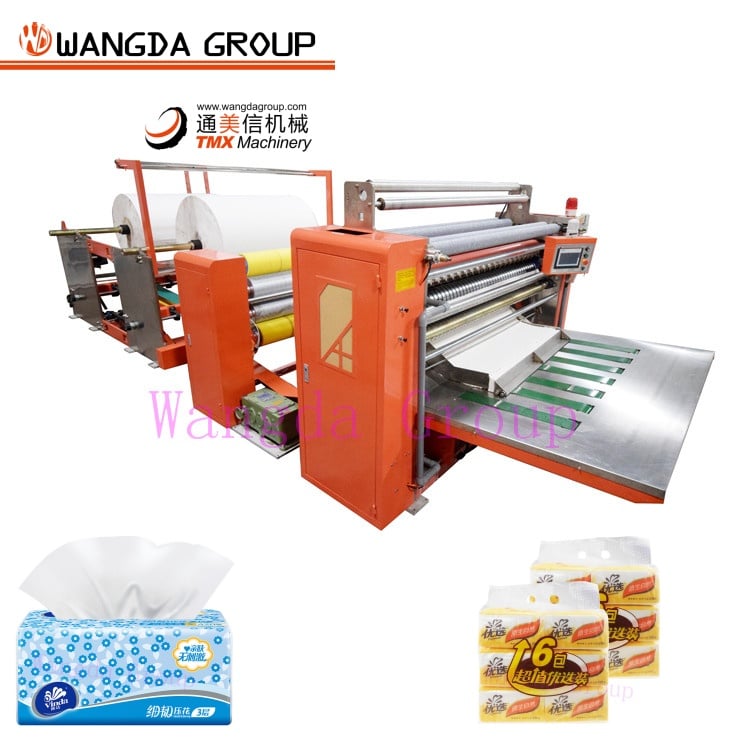
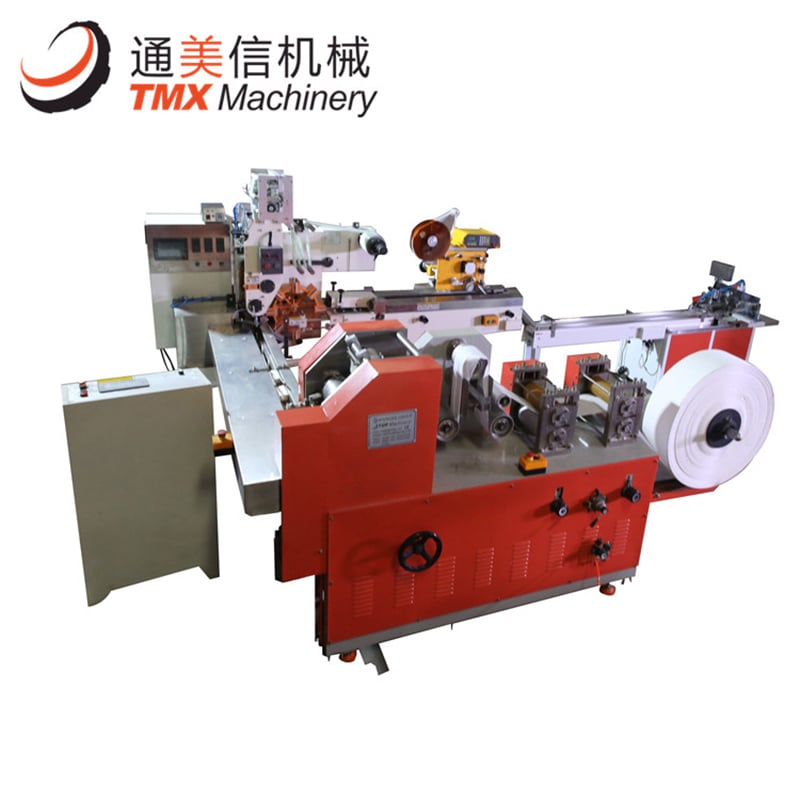
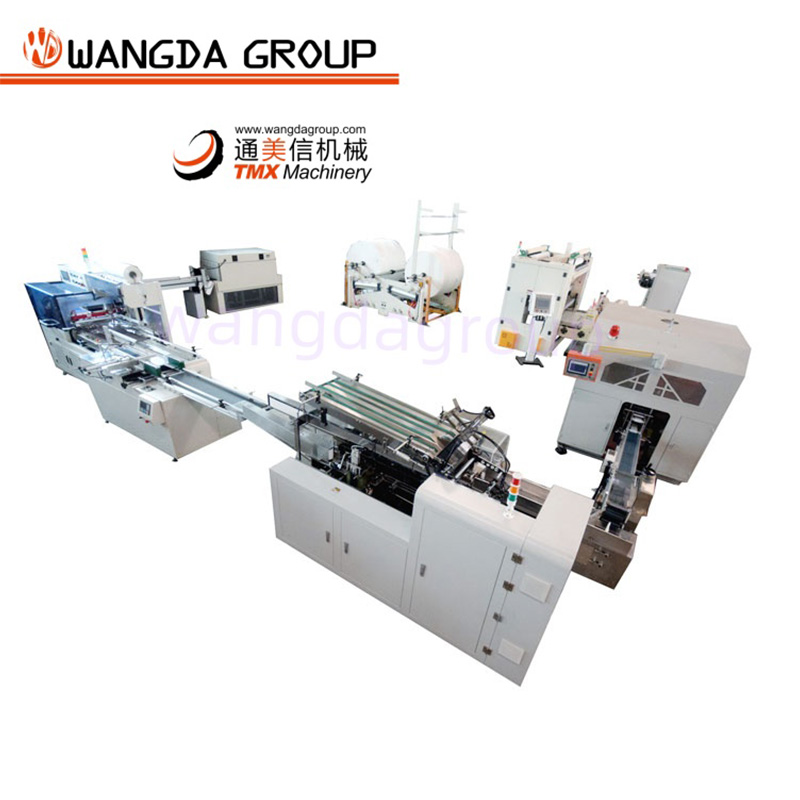
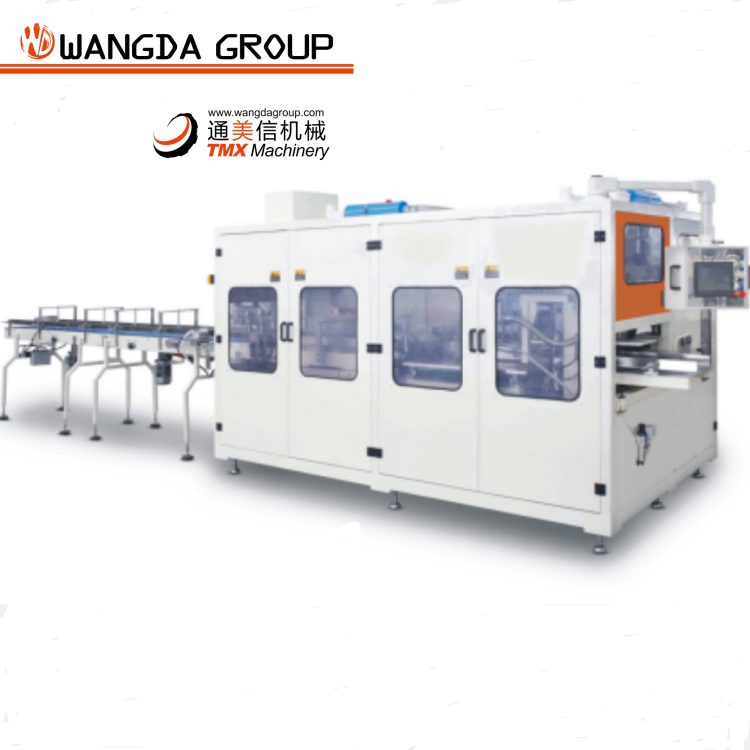
Toilet paper making machines in South Africa are essential for producing one of the most widely used hygiene products worldwide. For businesses looking to invest in such machinery, understanding the key specifications, quality indicators, and installation processes is crucial. This article will guide purchasing managers, distributors, and product managers through the critical aspects of sourcing toilet paper making machines, ensuring they make informed decisions that meet their operational needs.
When sourcing toilet paper making machine, several factors should be evaluated. First, consider the type of production line that best suits your needs. Machines can vary significantly in terms of production capacity, typically measured in tons per day, which should align with your expected output levels.
Next, assess the machine's specifications, including the type of raw materials it can process. Common materials include recycled paper, virgin pulp, and other fibers. Familiarity with these materials is crucial, as they directly affect the quality and texture of the final product. Additionally, inquire about the machine's energy consumption, which can impact operating costs over time.
Another essential aspect is the level of automation. Full-servo production lines offer higher efficiency and consistency, reducing labor costs and minimizing human error. However, they may come at a higher initial investment compared to semi-automated options. Understanding your budget and production goals will help you make the right choice.
Lastly, consider the manufacturer's reputation and experience in the industry. Companies with a solid track record, like Wangda Industrial Co., Limited, which specializes in hygienic product machines, often bring valuable insights and support throughout the purchasing process.

Quality evaluation of toilet paper making machines should start with certified manufacturing processes. Look for machines that comply with international quality standards, such as ISO certifications, which ensure that the equipment meets rigorous safety and performance criteria.
Examine the build quality of the machine itself. High-quality materials are essential for durability and longevity. Key components, such as rollers, cutting blades, and control systems, should be robust and made from materials resistant to wear and tear. A well-constructed machine will not only perform better but also require less frequent maintenance, which is a critical cost factor in long-term operations.
It's also advisable to request sample products from the manufacturer. Testing the output of the machine can give you invaluable insight into its performance. Pay attention to the texture, strength, and overall quality of the toilet paper produced. Engaging in a quality inspection process before finalizing your purchase will help mitigate risks associated with poor-quality machinery.

Toilet paper making machines find applications across multiple sectors, reflecting the versatility of this essential product. In the hospitality industry, hotels and restaurants utilize high-quality toilet paper as part of their customer service offerings, requiring machines that can produce soft, durable products efficiently.
In healthcare, hospitals and clinics prioritize hygiene, necessitating toilet paper that meets strict sanitary standards. This sector often demands toilet paper roll making machine capable of producing bulk supplies at high speeds without compromising quality.
Additionally, educational institutions and corporate offices require reliable toilet paper supplies, benefiting from machines that can cater to varying demand levels. Understanding the specific requirements of your target market can guide your choice of machinery to ensure that it meets the necessary performance standards.

Proper installation of toilet paper making machines is critical for optimal performance. Begin by selecting a suitable location that provides adequate space for the machine, along with necessary utilities such as water, electricity, and waste disposal systems. This consideration is crucial, as the installation environment directly impacts the machine's efficiency and longevity.
Before installation, consult the manufacturer's guidelines for specific setup requirements. Engage qualified professionals for the installation process, particularly when dealing with electrical connections and plumbing. Missteps in installation can lead to operational delays and increased costs.
Once installed, conduct thorough testing of the machine to ensure that all components are functioning as expected. This step should include a dry run to check for any issues, followed by a production test to confirm that the output meets your quality standards.
We've Toilet paper roll making machine with many clients both in the United States as well as abroad.
Toilet paper making machine has a very experienced with a long-standing sales team as well as an after-sales staff, 80% of the team has worked for more than 10 years in our business in this hygienic product industry. Our team members have a lot of experience working with daily-use paper tissue machines, related packing machines and so on hygienic product machines We are experts in a range of information in this area, we know what our clients need, and worry about the things that make they are concerned about. We don't only sell machines to our customers, we also assist our customers to make profit from this hygienic business, to provide the lifelong after-sales service to our customers on time.
Wangda has more than 20 years of experience manufacturing tissue machines. We pay attention to the quality of machines, their function as well as pre and post sales service. We've sold machines to over 100 countries. This has resulted in numerous orders and good feedback from our customers. Our R and D department is a part of Wangda. We have our own R and D departments. Our machines are constantly upgraded and are incorporating the latest technology of Germany, Japan, and Italy. They have received ISO9002, CE and BV certifications. We offer turnkey projects that span from Toilet paper machine that includes more than machines.
Wangda manufactures toilet paper machines and toilet paper cutting machines Toilet paper packing machines, kitchen towel cutting machines, kitchen towel cutting machines. Kitchen towel packing machines. Tissue paper manufacturing machine facial tissue cutting machines, facial tissue packing machines, box drawing facial tissue machine, nylon bag facial tissue machines, maxi roll rewinding machines, napkin paper machines, serviette making machines, napkin paper packing machines, pocket tissue machines, pocket tissue packing machines, wet wipe folding machines as well as packing machines, and the list goes on. We also supply all related materials for these hygienic products.
Several common problems can arise during toilet paper production, and being aware of them can save time and resources. One frequent issue is the occurrence of jams in the machine, often caused by incorrect loading of raw materials or inadequate maintenance. Regular cleaning and inspection of the machinery can help mitigate this problem.
Another common challenge is inconsistent product quality, which can result from fluctuations in raw material quality or mechanical faults. Implementing a robust quality control process, including routine checks on the output, can help identify issues early on. It’s also advisable to work closely with suppliers to ensure consistent quality of raw materials.
Additionally, energy inefficiencies can lead to increased operational costs. Investing in energy-efficient toilet paper machine, such as those offered by reputable manufacturers, can help reduce these costs over time. Regular maintenance and timely upgrades to machinery can also enhance operational efficiency and product quality.
By understanding these common issues and implementing effective solutions, businesses can optimize their toilet paper production processes, ensuring a smooth operation and high-quality output.