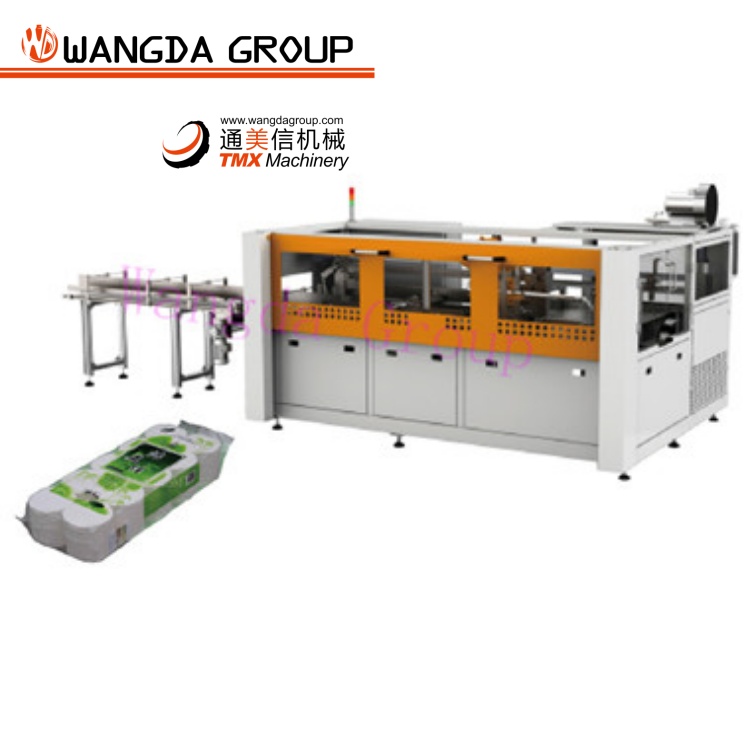
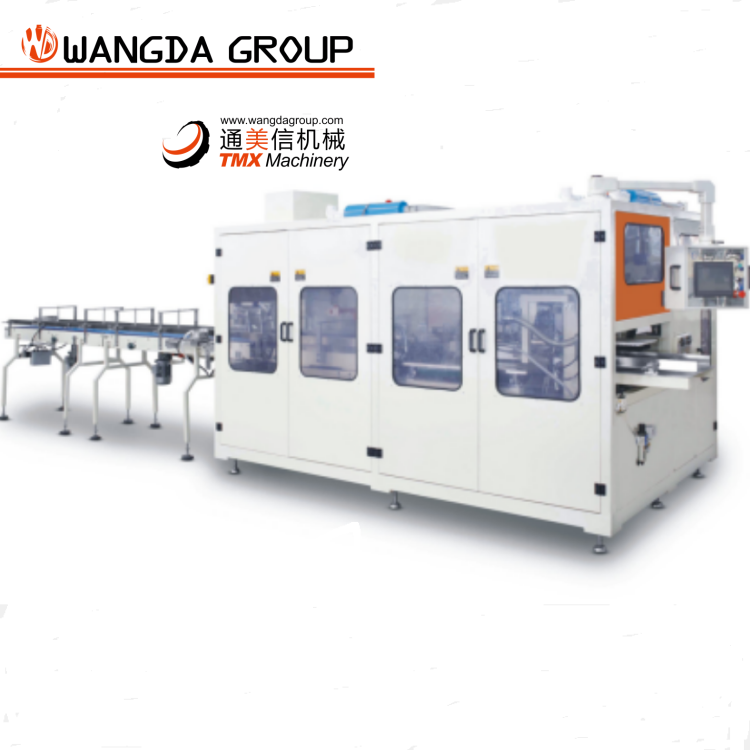
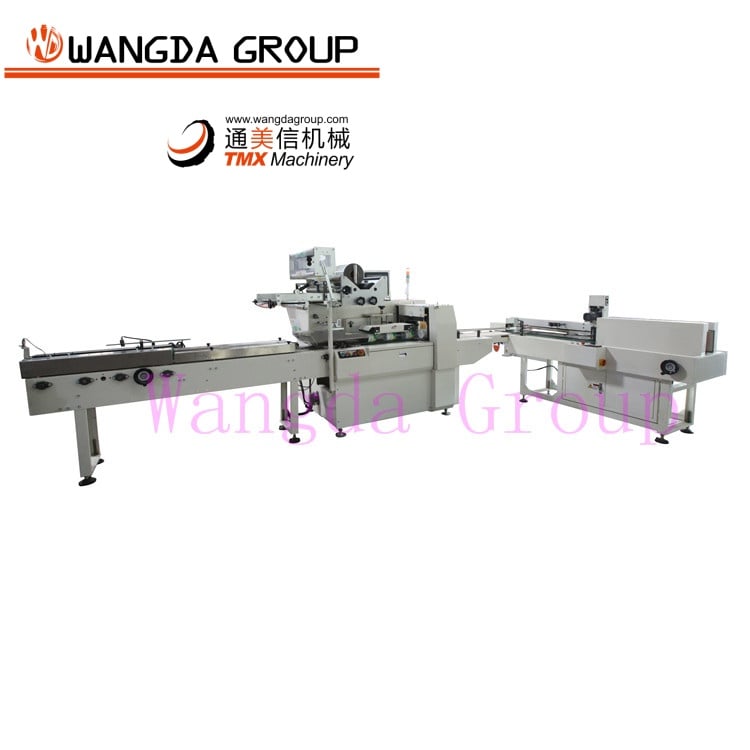
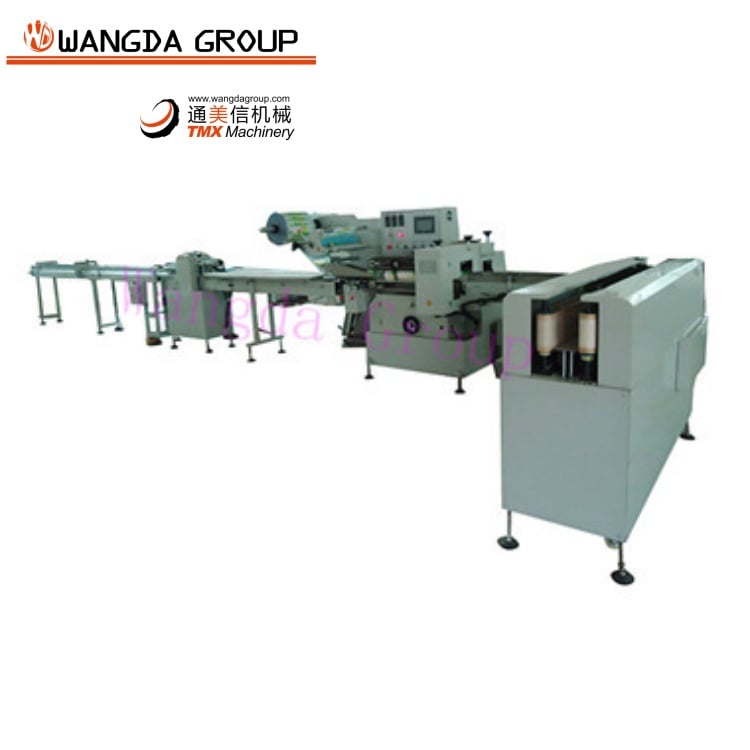
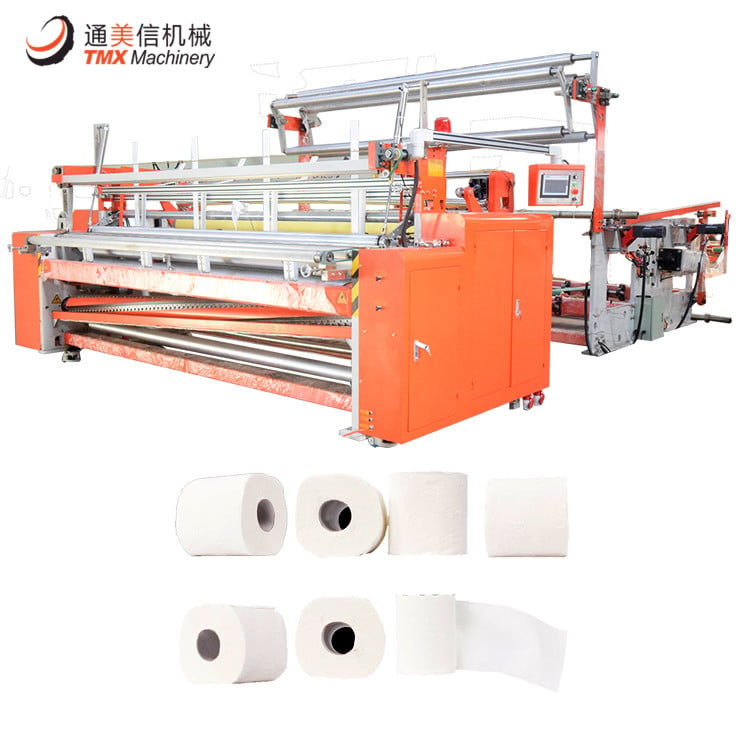
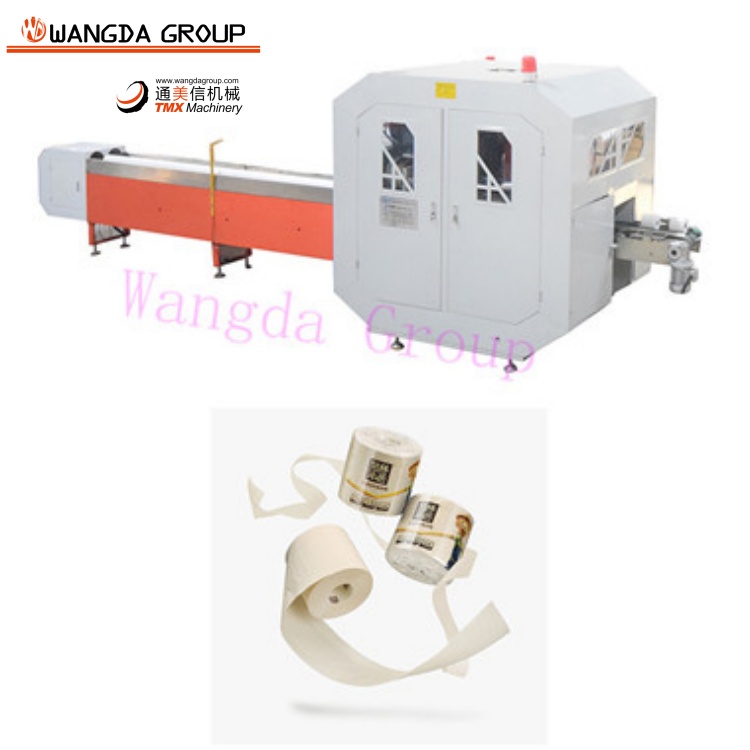
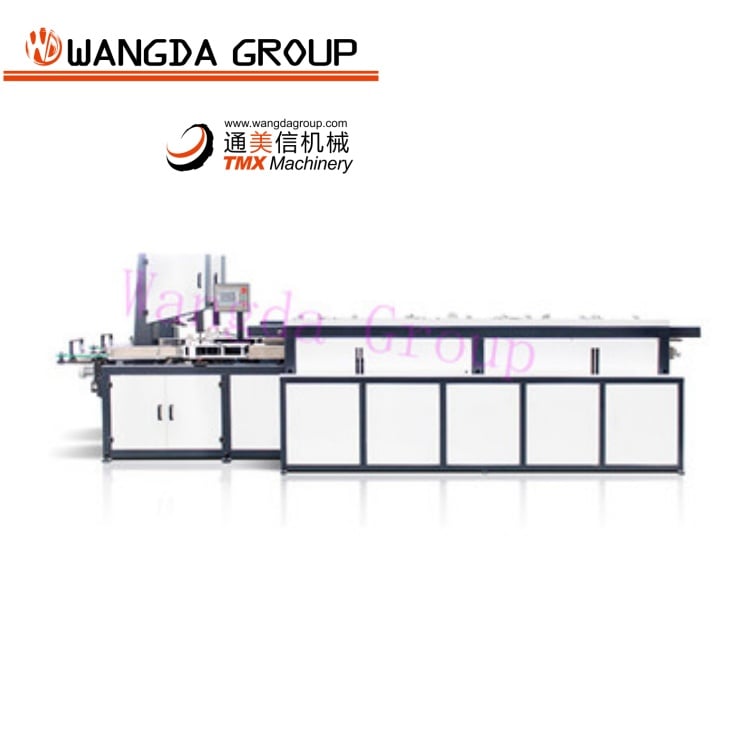
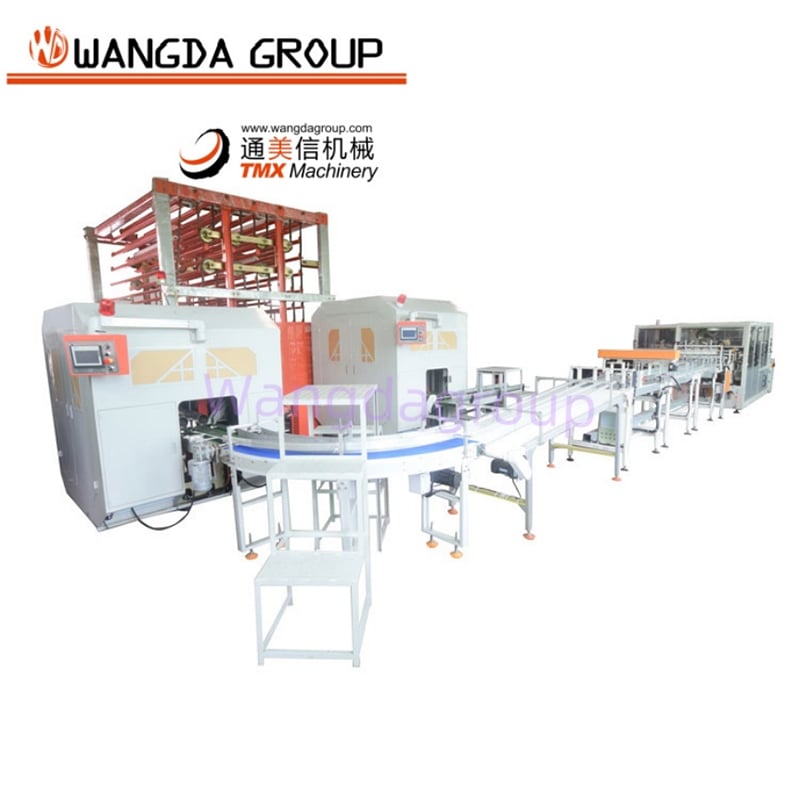
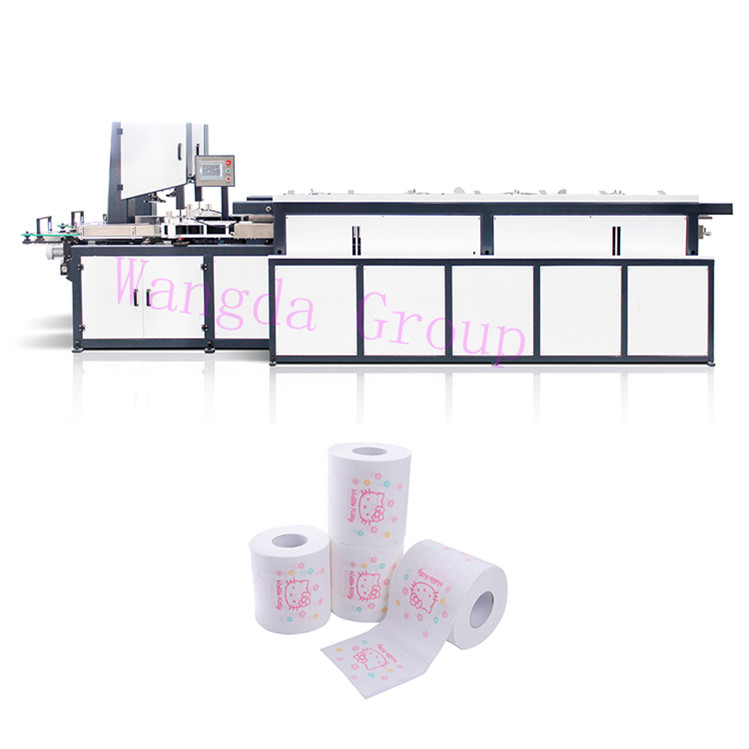
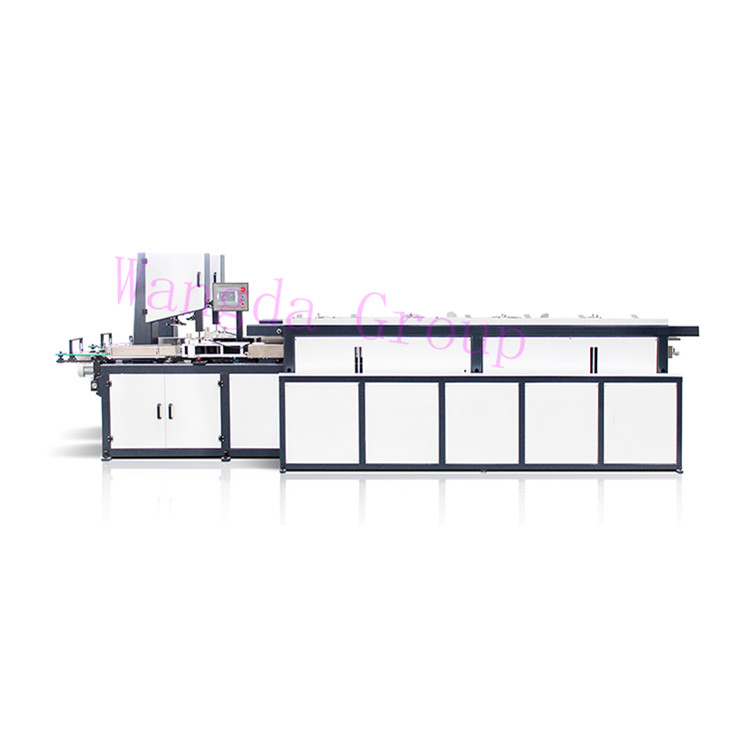
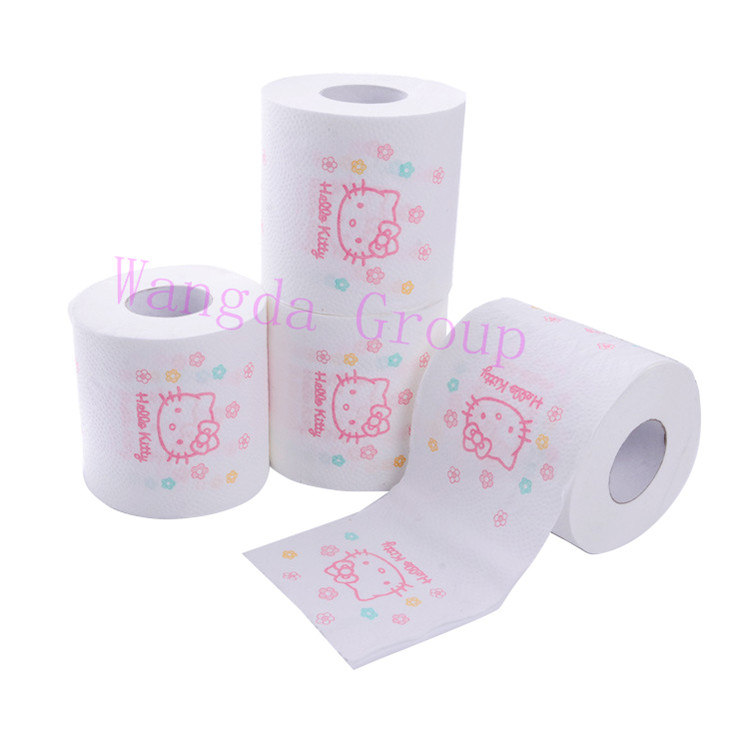
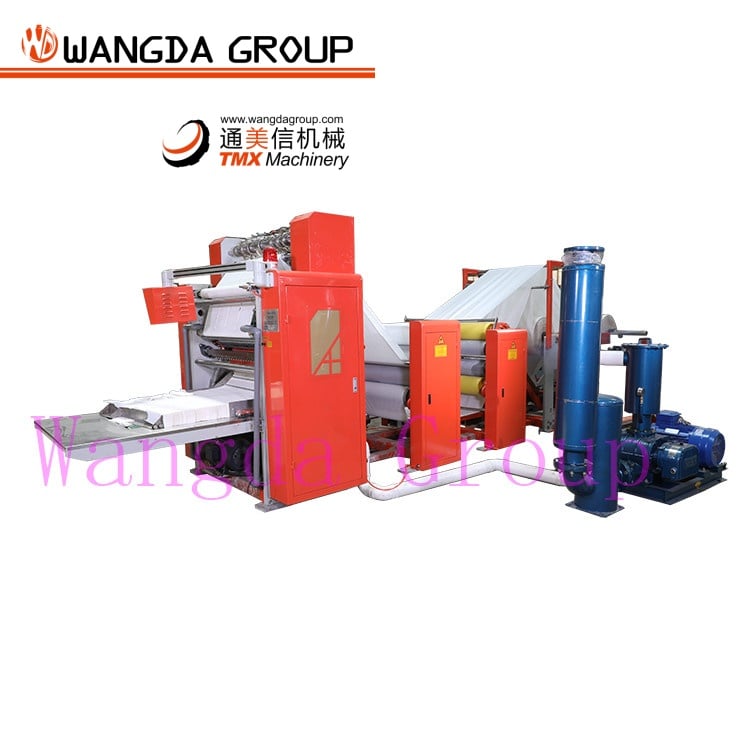
Toilet paper making machines in Japan are essential for manufacturers looking to produce high-quality tissue products efficiently. As purchasing managers and engineers assess their options, concerns typically revolve around machine specifications, production capabilities, and potential suppliers. This article will delve into the key specifications of these machines, cost factors to consider, where to find trustworthy suppliers, installation guidance, and common problems encountered during operation, providing valuable insights for informed purchasing decisions.
When evaluating toilet paper making machines, several key specifications should be prioritized:
Production Capacity: This refers to the amount of toilet paper produced per hour or day. It's essential to match the machine's capacity with market demand to avoid overproduction or shortages. Machines can vary significantly, with some capable of producing thousands of rolls per hour.
Material Compatibility: The toilet paper making machine should be compatible with various types of raw materials, including recycled paper and virgin pulp. Understanding the material requirements ensures that the machine can produce products that meet quality standards while also adhering to sustainability goals.
Automation Level: Full-servo machines offer enhanced precision and efficiency through automation, reducing labor costs and minimizing the risk of human error. Buyers should consider the degree of automation necessary for their operations, as higher automation levels can lead to increased initial costs but lower operational costs over time.
Quality Control Features: Machines equipped with advanced quality control systems can monitor and adjust production parameters in real-time, ensuring consistent product quality. Features such as thickness measurement and roll diameter control are critical for maintaining product standards.
Energy Efficiency: Energy consumption is a significant cost factor in manufacturing. Machines that incorporate energy-saving technologies can reduce operating costs and improve the overall profitability of the production line.
Customization Options: Many manufacturers offer machines that can be tailored to specific production needs, such as varying roll sizes or packaging options. Buyers should inquire about available customization to ensure the machine fits their unique requirements.

Understanding the total cost of ownership is crucial when considering bulk orders of toilet paper making machines. Key cost factors include:
Initial Purchase Price: While it might be tempting to choose the least expensive option, it's important to evaluate the machine's specifications and capabilities to ensure it meets production needs. A higher initial investment may lead to lower operating costs and better quality products in the long run.
Shipping and Import Fees: For machines sourced from Japan, shipping costs and import duties can significantly affect the total purchase price. Buyers should account for these expenses in their budgeting process.
Installation and Training Costs: Proper installation is crucial for optimal machine performance. Manufacturers may offer installation services, but this will add to the overall cost. Additionally, training for operators is necessary to ensure they can effectively use the machinery, which may also incur costs.
Maintenance and Spare Parts: Ongoing maintenance is essential to keep machinery running smoothly. Buyers should consider the availability and cost of spare parts and routine maintenance services when evaluating potential suppliers.
Energy and Operational Costs: The energy consumption of the machine directly impacts operating costs. Machines designed for energy efficiency can lead to significant savings over time.
Financing Options: Many suppliers offer financing options that can make the upfront costs more manageable. Buyers should explore these options to determine the best financial solution for their business.

Finding reliable suppliers for toilet paper making equipment in Japan involves a few key strategies:
Industry Trade Shows and Exhibitions: Participating in industry events allows buyers to meet suppliers face-to-face, see toilet paper roll making machine demonstrations, and network with other professionals. Events like the Tokyo International Packaging Exhibition showcase the latest advancements in packaging and manufacturing technologies.
Online Marketplaces and Directories: Websites dedicated to manufacturing and industrial equipment, such as Alibaba and Made-in-China, can connect buyers with a range of suppliers. However, it's essential to conduct thorough background checks and read reviews to ensure credibility.
Industry Associations: Organizations such as the Japan Paper Association often provide resources and directories of reputable manufacturers and suppliers. Joining these associations can also offer networking opportunities and industry insights.
Referrals and Recommendations: Engaging with industry peers can yield valuable recommendations for trusted suppliers. Personal experiences can help buyers make informed decisions.
Supplier Certifications: Look for suppliers who have relevant certifications, such as ISO 9001, which indicates a commitment to quality management systems. This can provide additional assurance about the reliability and performance of the machinery.

Proper installation is critical for the successful operation of toilet paper making machines. Here are some essential steps to consider:
Site Preparation: Ensure the installation site meets all necessary requirements, such as adequate space, power supply, and ventilation. Check the layout to allow for seamless workflow and maintenance access.
Professional Installation: Hiring skilled technicians or engineers with experience in installing similar machinery is advisable. They will understand the nuances of the equipment and ensure everything is set up according to specifications.
Testing After Installation: Once installed, the machine should undergo thorough testing to confirm it operates correctly. This includes running initial production trials to identify any potential issues before full-scale production begins.
Operator Training: Comprehensive training for operators is vital. This should cover machine operation, maintenance procedures, and troubleshooting practices to minimize downtime and ensure safety.
Documentation: Keep all documentation related to the installation, including manuals and warranty information, readily available. This will facilitate future maintenance and support.
Wangda has over 20 years of experience manufacturing all sorts of Tissue making machine, we focus on the machine functions and quality and additionally, we provide after-sales and pre-sales services. We have sold machines in over 100 countries. This has earned us repeated orders and positive feedback from our customers. Wangda is our own R and D departments. Our machines are based on advanced Germany, Japan and Italian technology and is updated day by day. Our machines have passed ISO9002, CE, BV and other certifications. We provide turnkey projects all the way from A to Z that includes more than machines.
Tissue making machine has cooperated with different customers from both home and abroad. We have collaborated with major companies from GCC countries such as Fine Hygienic across different nations, Nesto Hypermarket, Top One and Two hygienic product producer B and G, Meghna Groups from Bangladesh. Outnet Group of African countries. And as well, there are huge European brand, American brands, Latin American brands with whom we have worked for a great long years. We have a number of sample factories in other countries that you can visit and see our products which is more comfortable. Also we invite you for a visit to our factory and experience our products right in person. We welcome your enquiry at any time, hope to start our mutual benefit story right away.
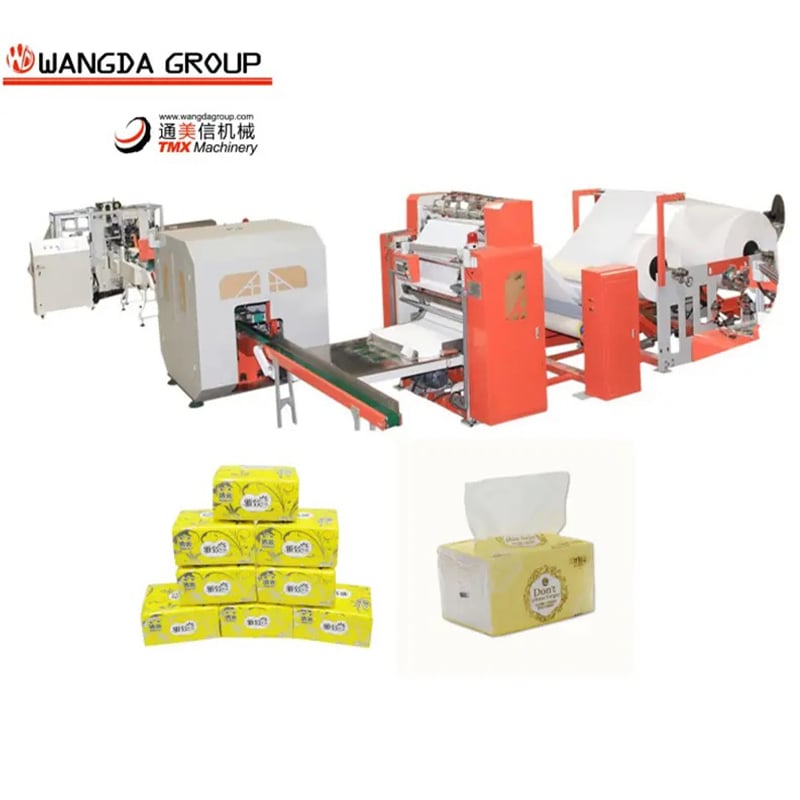
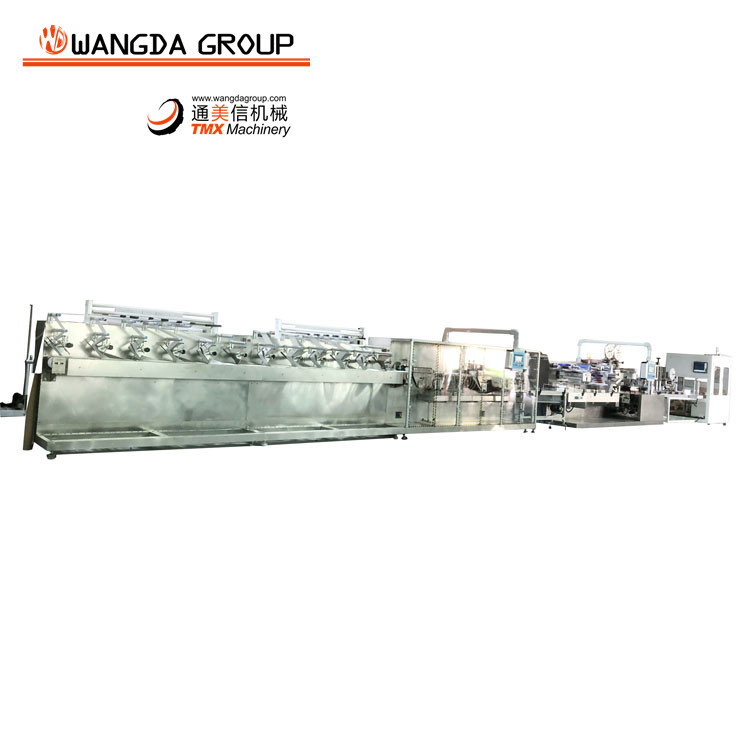
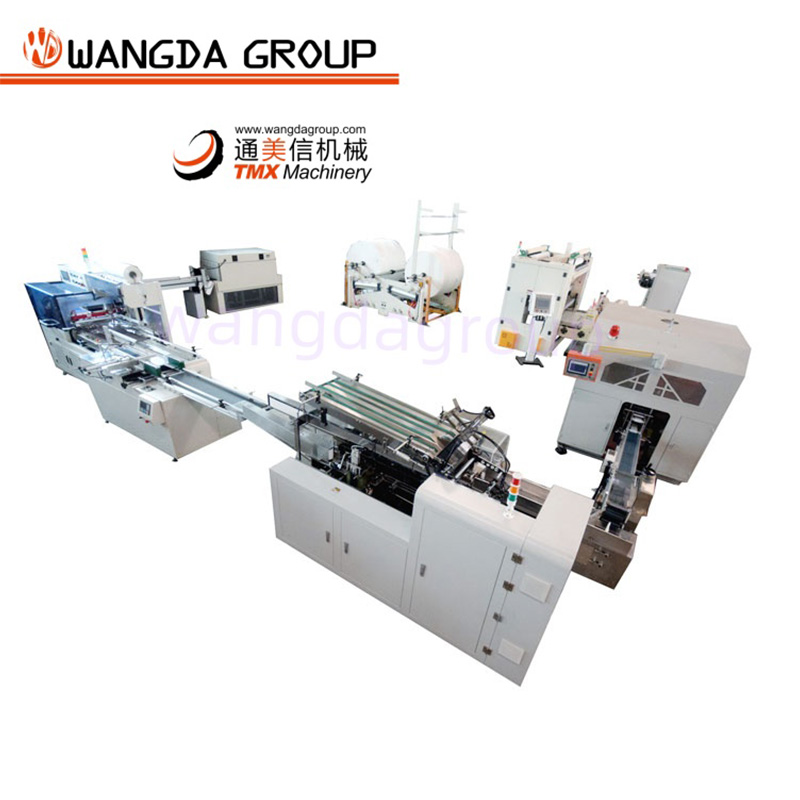
Wangda produces toilet tissue machines (including cutting and packing) kitchen towels machines (including cutting and packing) facial tissue machines (including cutting and packing) bags of Toilet tissue machine facial tissue machines. We also make maxi roll rewinding devices as well as perforating machines.
Tissue paper machine has a very experienced with a long-standing sales team as well as an after-sales staff, 80% of the team has worked for more than 10 years in our business in this hygienic product industry. Our team members have a lot of experience working with daily-use paper tissue machines, related packing machines and so on hygienic product machines We are experts in a range of information in this area, we know what our clients need, and worry about the things that make they are concerned about. We don't only sell machines to our customers, we also assist our customers to make profit from this hygienic business, to provide the lifelong after-sales service to our customers on time.
Even with high-quality machinery, issues may arise during production. Here are common problems and solutions:
Paper Jams: Frequent paper jams can disrupt production. To address this, ensure that the paper quality meets specifications and that the machine is properly calibrated. Regular maintenance checks can help prevent jams by keeping components clean and functioning.
Inconsistent Roll Quality: Variability in roll thickness or diameter can lead to customer dissatisfaction. Implementing automated quality control systems can help monitor production parameters in real-time, allowing for adjustments to maintain consistent quality.
Mechanical Failures: Wear and tear on components can lead to breakdowns. Establishing a preventive maintenance schedule can minimize downtime and extend the lifespan of the machinery.
Poor Adhesive Performance: If using adhesive in packaging, ensure that it is compatible with the materials and machine settings. Testing different adhesive types can help find the best option for production needs.
Operator Errors: Lack of training can result in operational mistakes. Reinforcing training sessions and providing ongoing support can enhance operator proficiency and reduce errors.
By understanding these aspects of toilet paper machine, buyers can make informed decisions that align with their production needs and quality expectations.