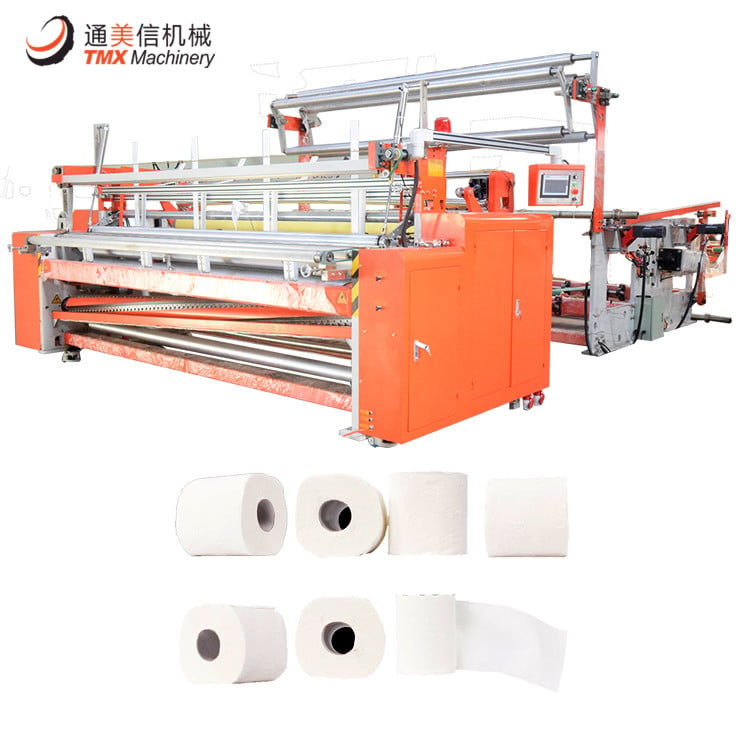
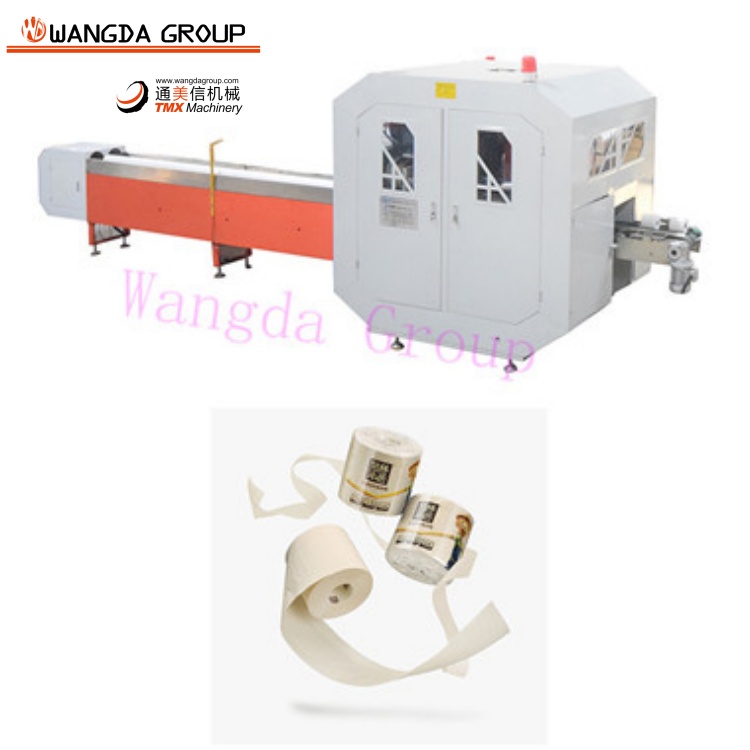
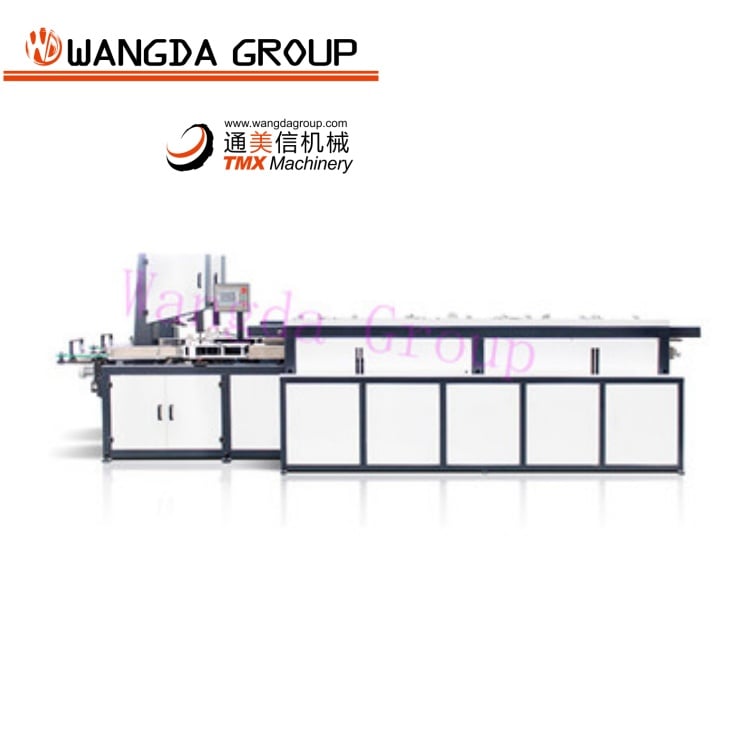
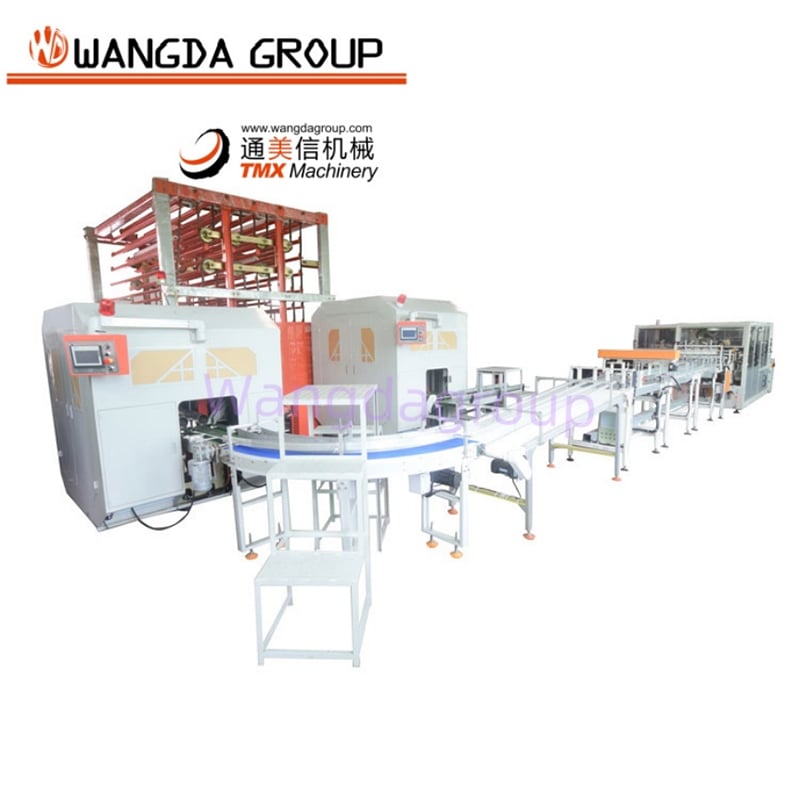
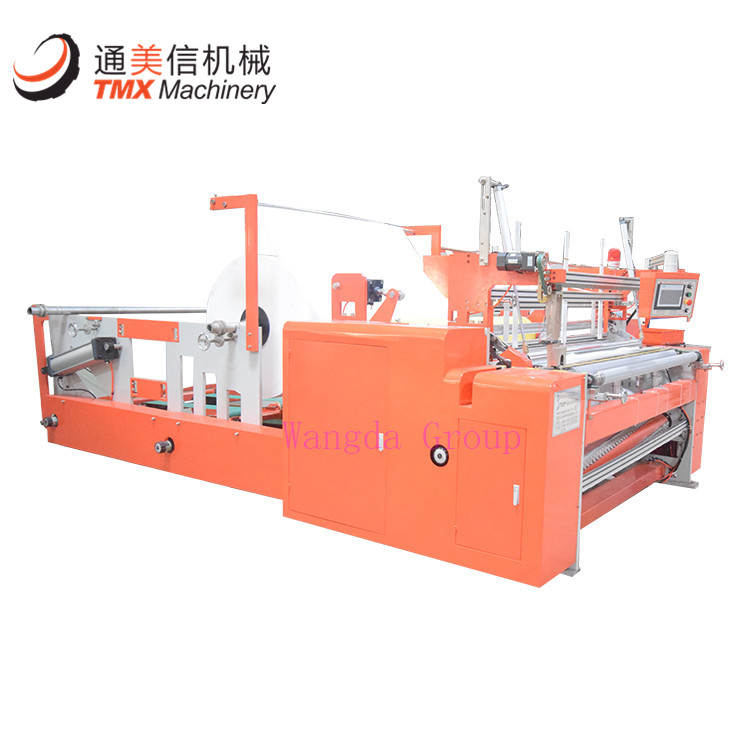
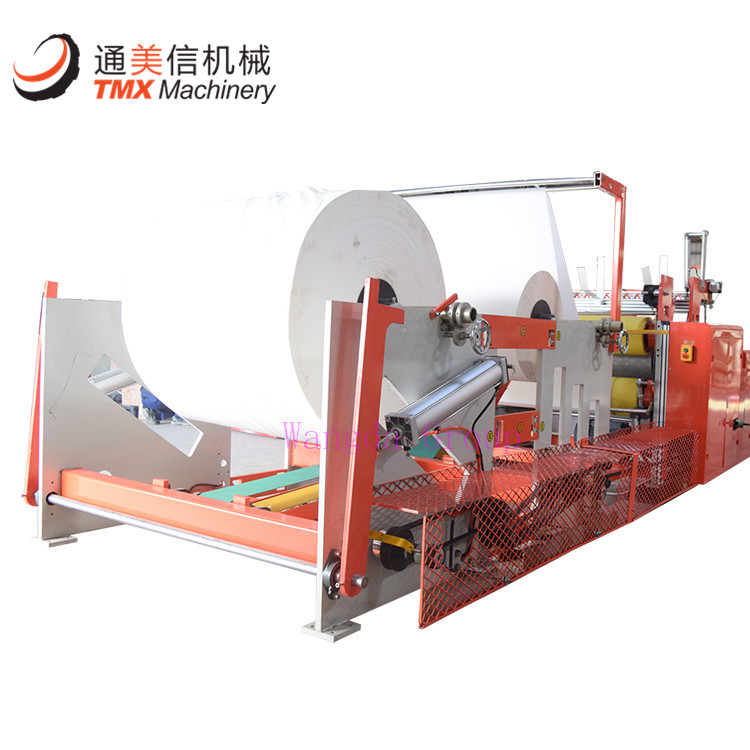
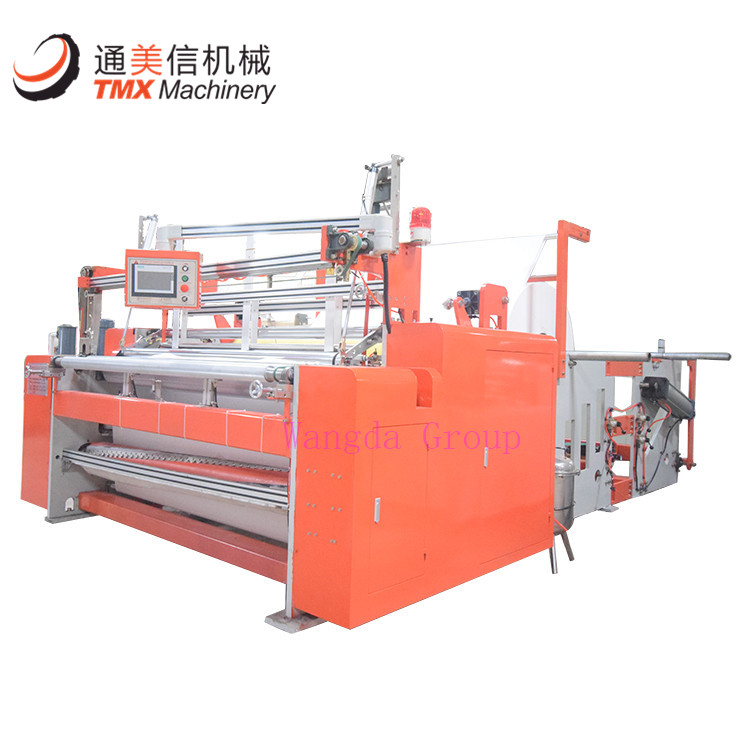
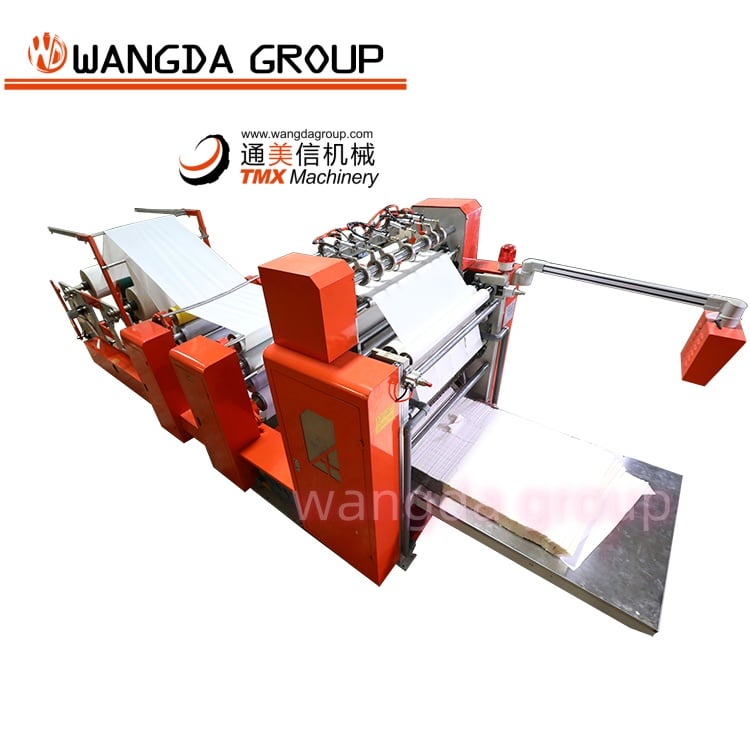
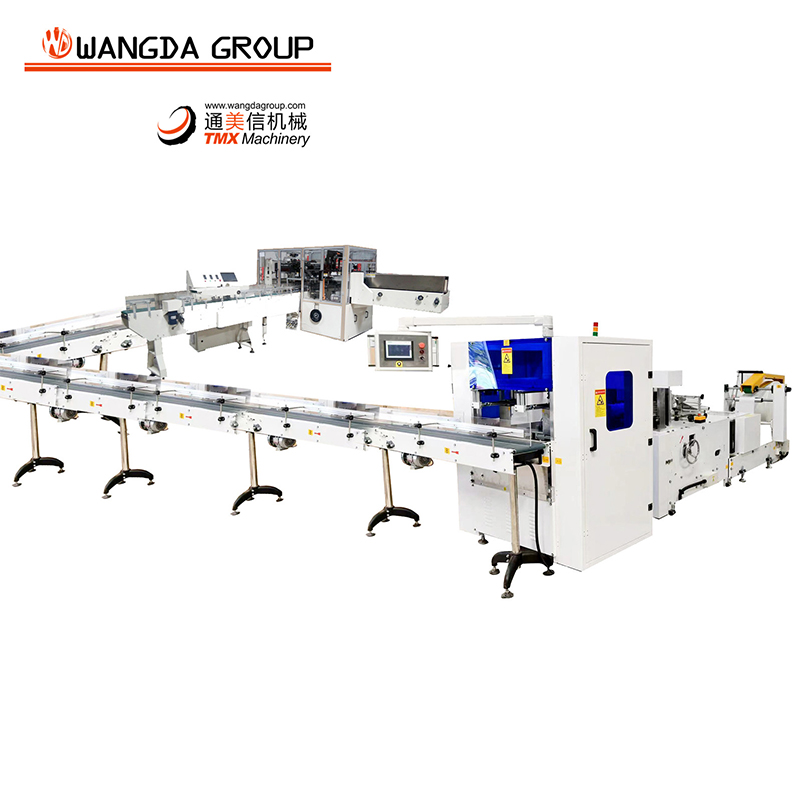
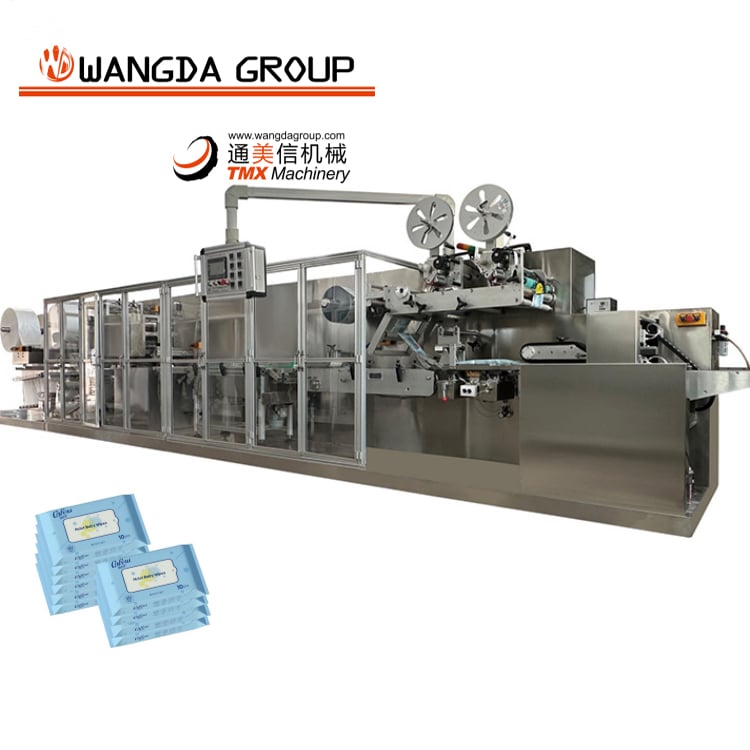
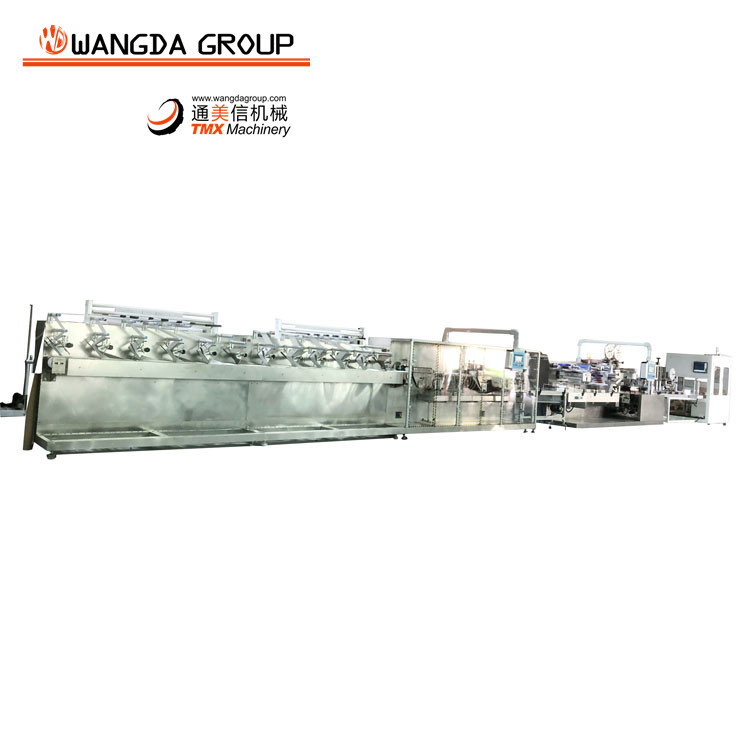
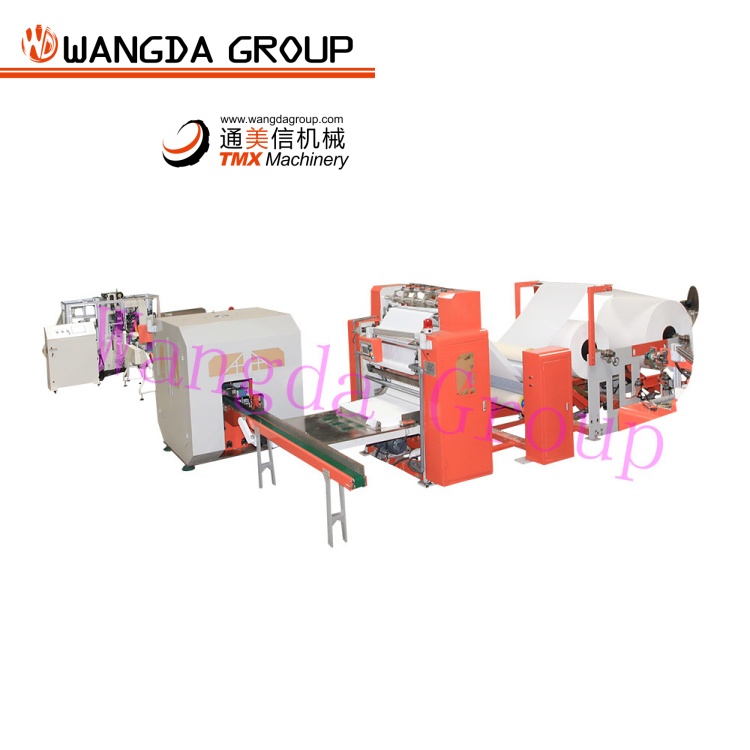
Toilet paper making machines are essential equipment for manufacturers looking to produce high-quality toilet paper efficiently and cost-effectively. In Australia, where the demand for hygienic products continues to rise, investing in the right machinery is crucial for businesses. This article will address key factors that B2B buyers, such as purchasing managers and product managers, should consider when evaluating toilet paper making machines. From bulk order options to quality assessments, we aim to provide comprehensive insights that will assist in informed decision-making.
When considering a bulk order of toilet paper making machine in Australia, it's vital to assess both the production capacity and customization capabilities of the equipment. Many manufacturers, including Wangda Industrial Co., Limited, offer flexible bulk order options that cater to varying production needs.
Buyers should evaluate the minimum order quantity (MOQ) that fits their production scale. Large-scale operations may benefit from negotiating volume discounts, while smaller businesses need to ensure they can meet the MOQ without overextending their resources. Additionally, suppliers may offer tailored solutions to better fit specific operational requirements, such as machine capacity, speed, and integration with existing production lines.
Understanding the lead time for bulk orders is equally important. This includes the time required for manufacturing, assembly, and shipping. Buyers should communicate their expected timelines with potential suppliers to ensure timely delivery aligns with their production schedules.

Evaluating the quality of toilet paper making machines involves a thorough inspection of several key factors. First and foremost, the materials used in the machine's construction play a crucial role in durability and reliability. Look for machines that use high-grade steel and components resistant to wear and tear.
Next, consider the machine’s certifications. Compliance with international standards, such as ISO certifications, can provide assurance of quality and safety. Check for any relevant quality control processes that the manufacturer employs, such as testing for performance consistency and reliability.
Another critical factor is the machine’s performance metrics, including production speed and efficiency. A well-performing machine should produce a consistent output while minimizing waste. Buyers should also inquire about any warranties or guarantees provided by the manufacturer, as these can indicate confidence in the product’s quality.

When sourcing a fully automatic toilet paper making machine, certain specifications are essential to ensure reliable manufacturing. Key specifications to evaluate include:
Production Capacity: This refers to the number of rolls produced per hour. The appropriate capacity will depend on your expected production volume.
Paper Thickness: The machine should be capable of producing toilet paper in various thicknesses according to market demand.
Dimensions: Ensure the machine fits within your existing production space and can integrate with other machinery.
Energy Efficiency: Machines that utilize less energy can significantly reduce operational costs over time.
Technology: Consider whether the machine uses servo technology for improved precision and reduced maintenance needs.
Buyers should also confirm the machine's adaptability to different types of paper, such as recycled or virgin pulp, depending on their product strategy.

Finding reputable suppliers for toilet paper making machines in Australia can be achieved through several avenues. Online platforms, industry trade shows, and trade associations can provide valuable contacts.
Industry exhibitions often showcase the latest technologies and allow for direct interaction with manufacturers and suppliers. Participating in these events can facilitate in-depth discussions about machine specifications, pricing, and after-sales support.
Additionally, consider reaching out to industry associations or networks that can offer recommendations for trusted suppliers. Reviews and testimonials from other buyers can provide insights into the reliability and quality of potential suppliers.
It is advisable to vet suppliers based on their experience in the industry, customer service capabilities, and the availability of technical support post-purchase.
Wangda has more than 20 years experience in the Toilet paper roll making machine of all kinds of tissue machines, we pay much attention to the features of the machine and its quality, as well as in addition, after sales and pre-sales services. We've sold machines in over 100 countries. This has resulted in many repeat orders and good reviews from our clients. Wangda has its own R and D departments. Our machine is based on the latest Germany Japanese, Japan and Italian technology, and is upgraded day by day. Our machines have been certified to ISO9002, CE, BV and other certifications. We offer turnkey projects that span from A to Z, not just machines.
Wangda is a highly professional and knowledgeable sales staff and after-sales team, 80% of the team has been in Toilet tissue machine for more than 10 years in our company in this hygiene-conscious product industry. Our team has a wealth of experience in the daily use of paper tissue machines, related packing machines and many other Hygienic products machines We have a wide range of professional expertise in this field, we are aware of what our customers wants, we worry about what our customers worry about. We not just sell the machines to our clients, but we help our customers earn money through this business of hygienic products, to provide the lifelong after-sale services to our customers at the right time.
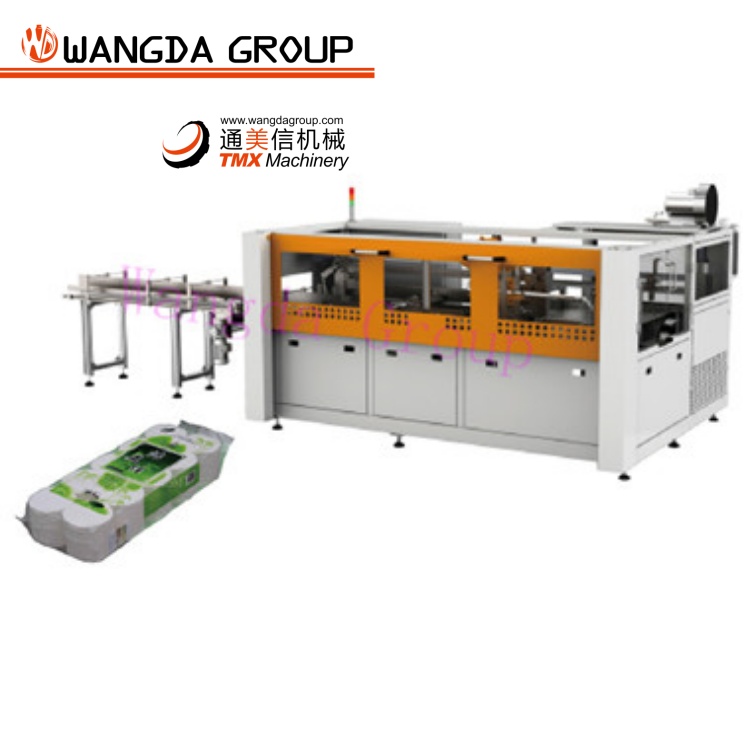
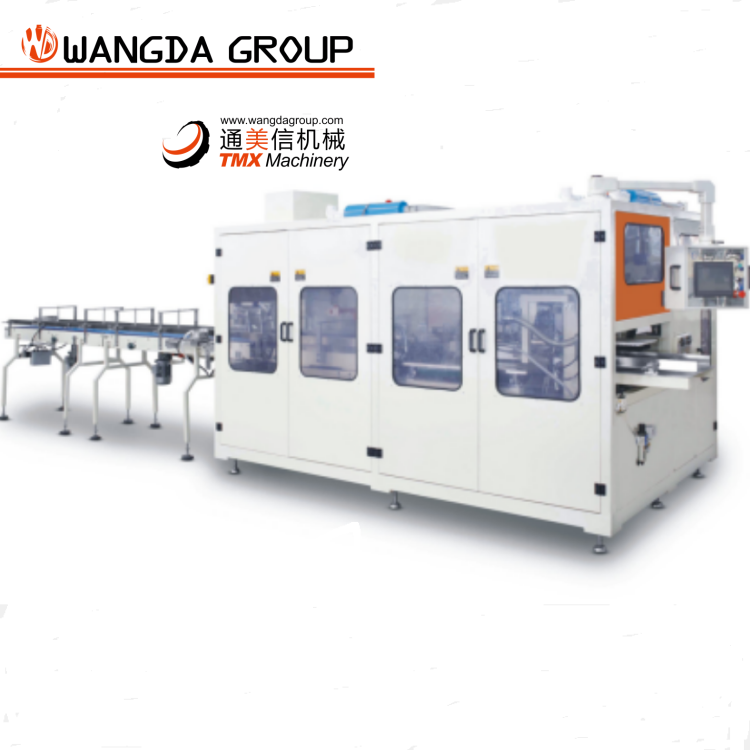
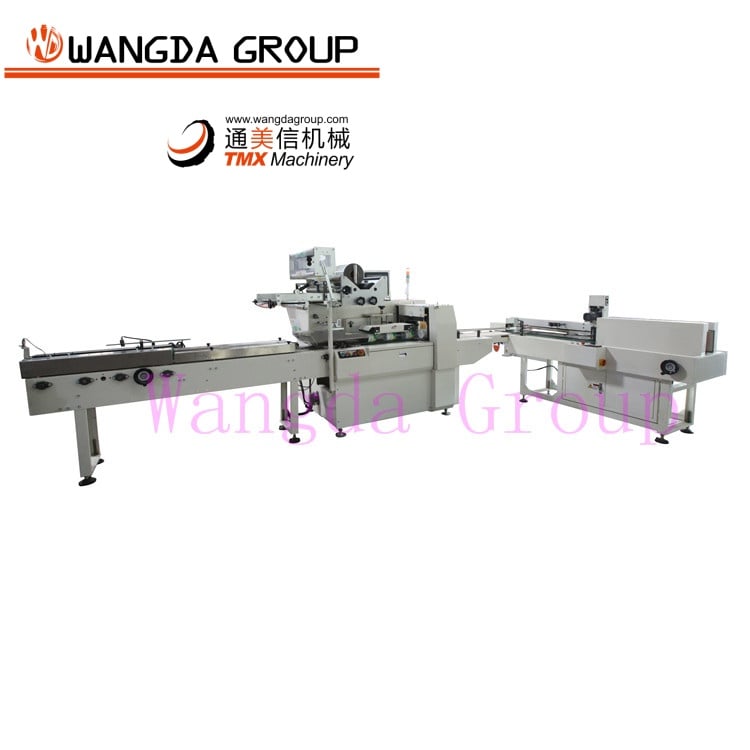
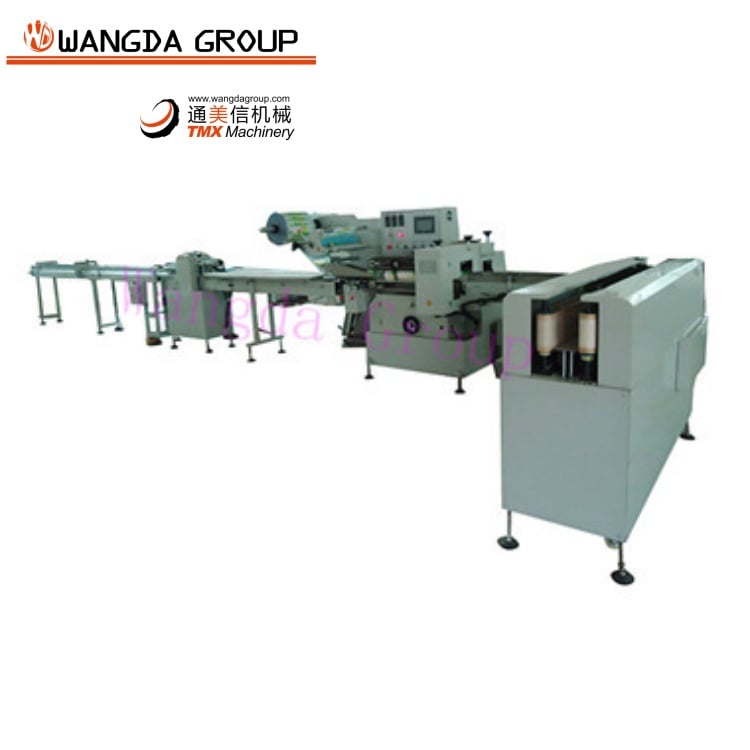
Wangda Tissue making machine toilet tissue machines (including cutting and packing), kitchen towel machines (including cutting and packing) facial tissue machines (including cutting and packing) as well as nylon bag facial tissues machines. We also make maxi roll rewinding equipment as well as perforating machines.
Wangda has cooperated with Tissue paper making machine both from the home country and abroad. We have collaborated with major groups from GCC countries such as Fine Hygienic from several nations, Nesto Hypermarket, Top One and Two hygienic product manufacturer B and G, Meghna Groups of Bangladesh. Outnet Group from African countries. And as well, there are large European brands, American brands, Latin American brands we have worked with for a great number of years. We have a number of sample factories outside of the United States that you can visit to look at our products. This is more convenient. Also we invite you to visit our factory to experience our products right at the moment. We will be happy to answer your questions anytime, and hope to begin our mutual benefit story asap.
Analyzing cost factors is crucial when sourcing toilet paper making machines. The total cost of ownership extends beyond the initial purchase price and includes operational expenses, maintenance, and potential downtime.
Initial Purchase Price: Compare quotes from different suppliers, ensuring you are aware of what is included in the price, such as installation and training.
Operational Costs: Consider energy consumption, labor requirements, and raw material costs. Machines that are energy-efficient may have a higher initial cost but will save money over time.
Maintenance Costs: Inquire about the maintenance schedule and associated costs. Machines that require frequent repairs can lead to increased downtime and lost production.
Financing Options: Some manufacturers may offer financing plans that can ease the upfront financial burden, making it easier to invest in high-quality equipment.
Resale Value: Evaluate the potential resale value of the machine in the future. High-quality machines may retain their value better, providing a financial cushion if you decide to upgrade later.
By considering these cost factors, buyers can make more informed decisions that align with their long-term operational goals.
Investing in a toilet paper making machines is a significant step for any manufacturer in Australia. By carefully evaluating bulk order options, quality specifications, supplier trustworthiness, and cost factors, businesses can secure reliable equipment that meets production demands and supports their growth in the hygienic products market.