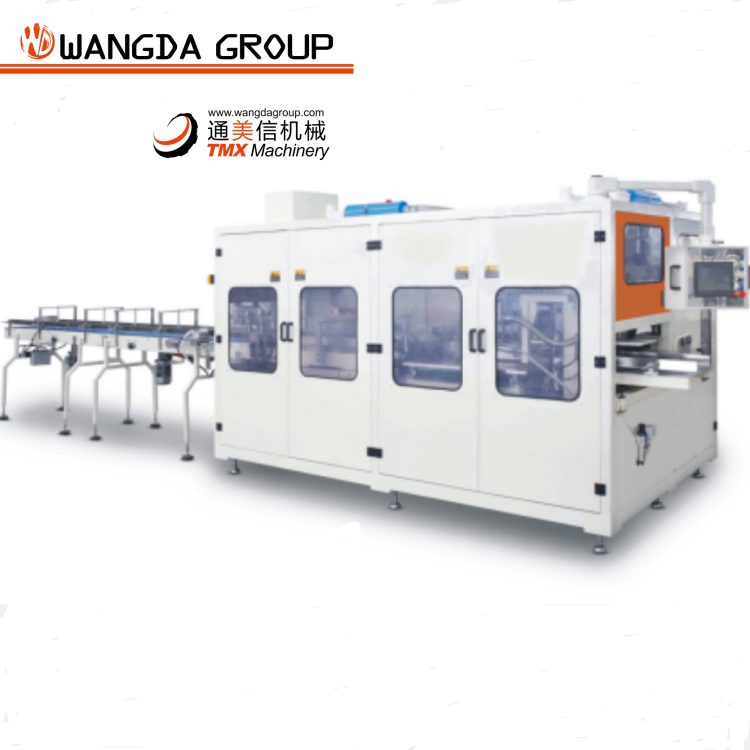
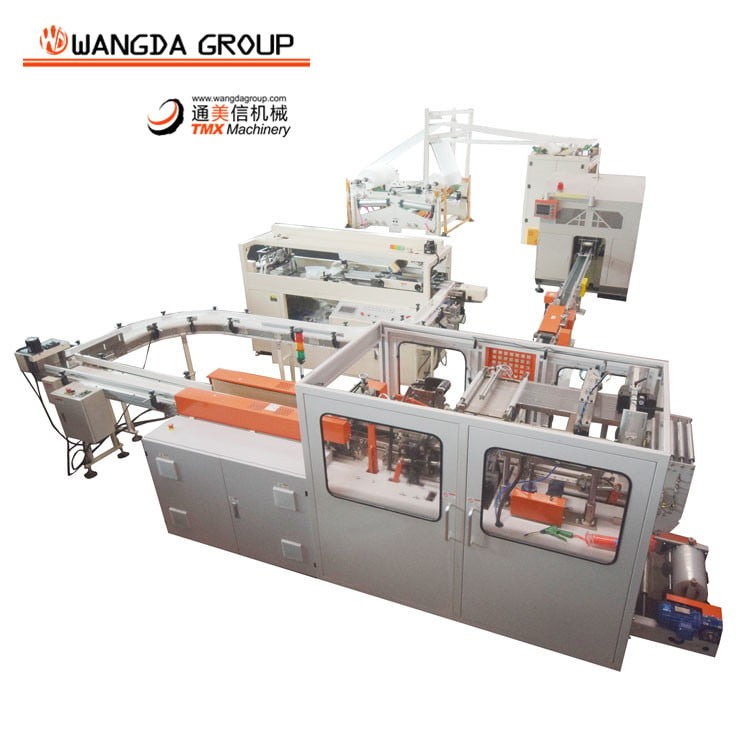
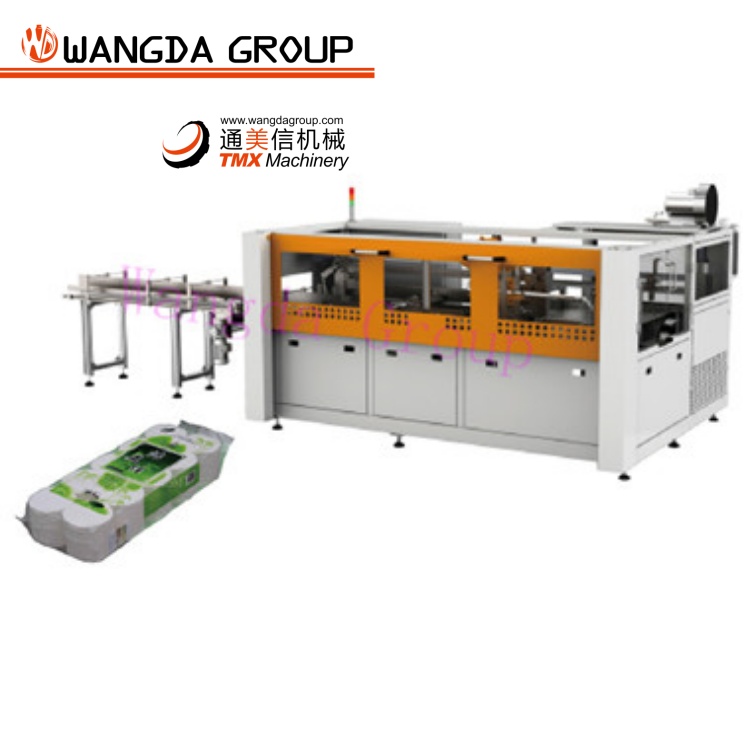
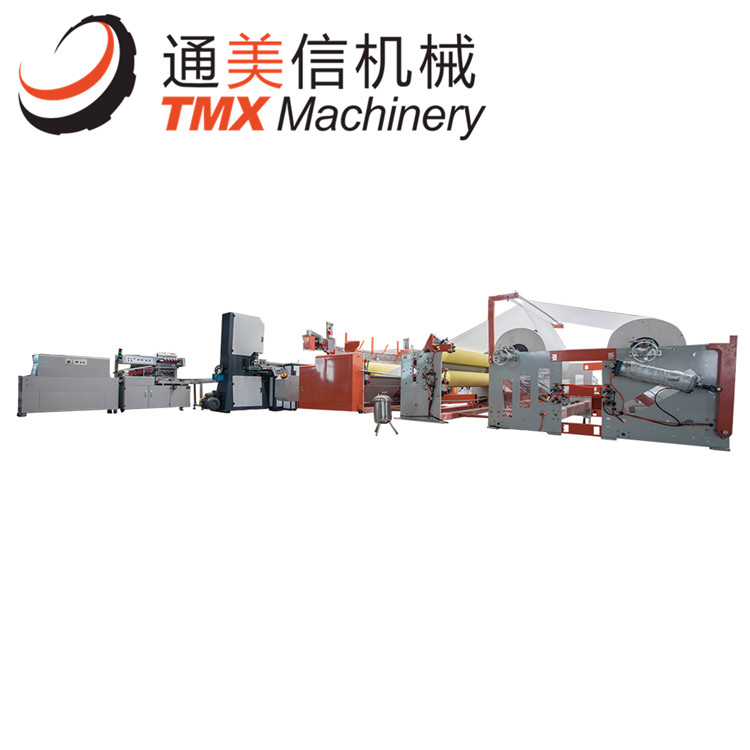
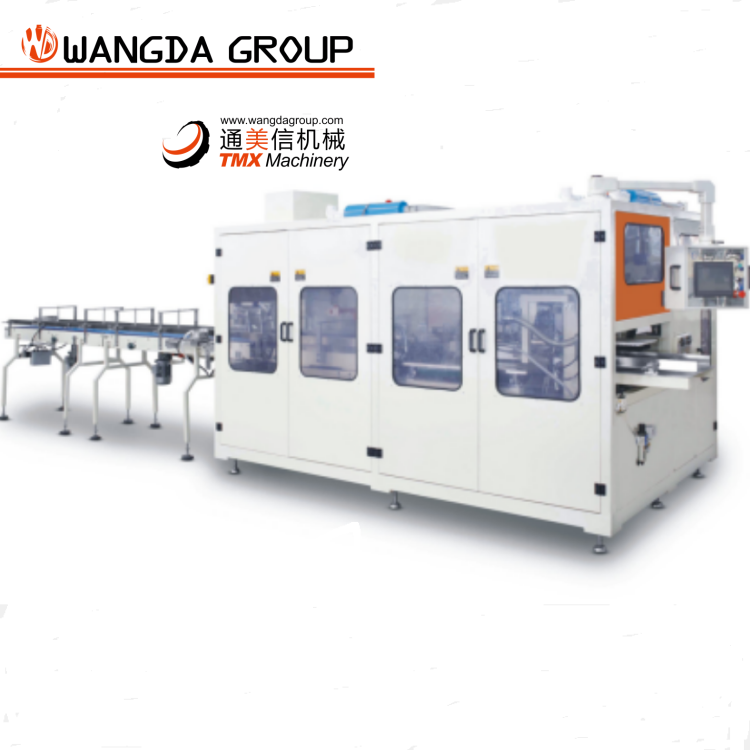
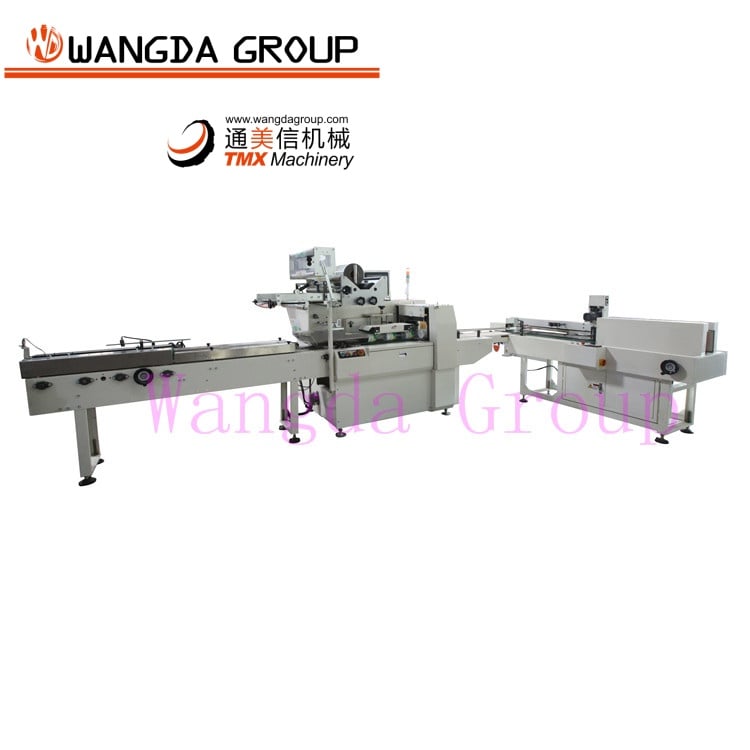
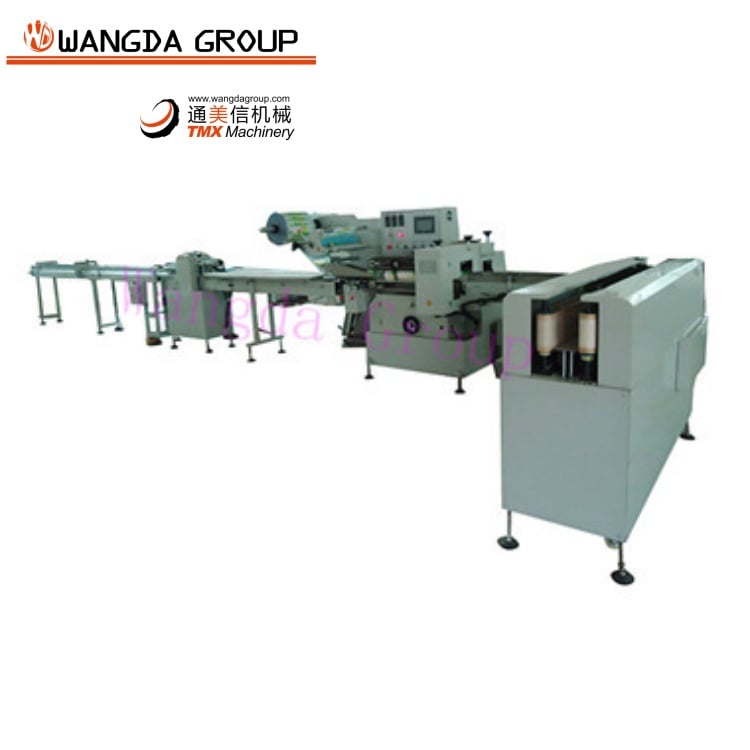
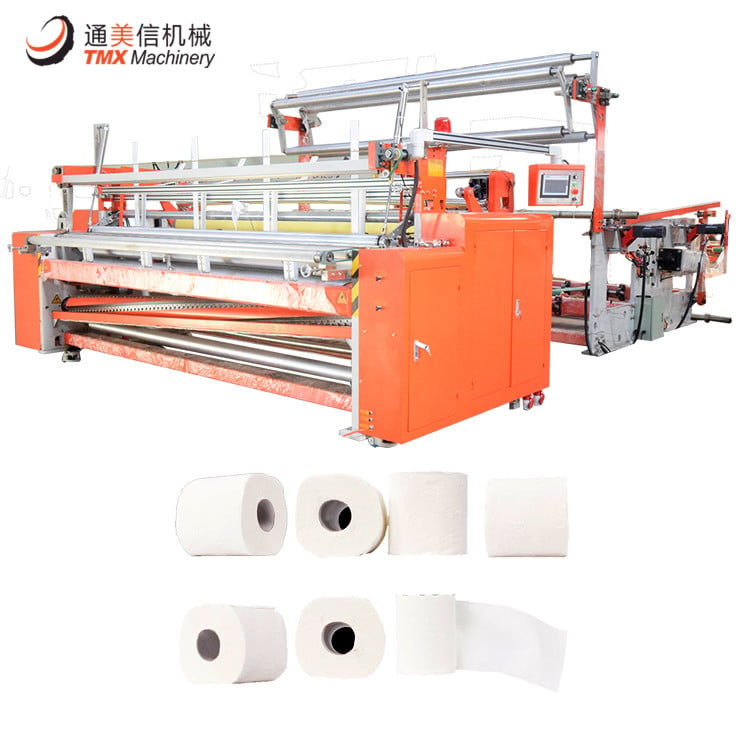
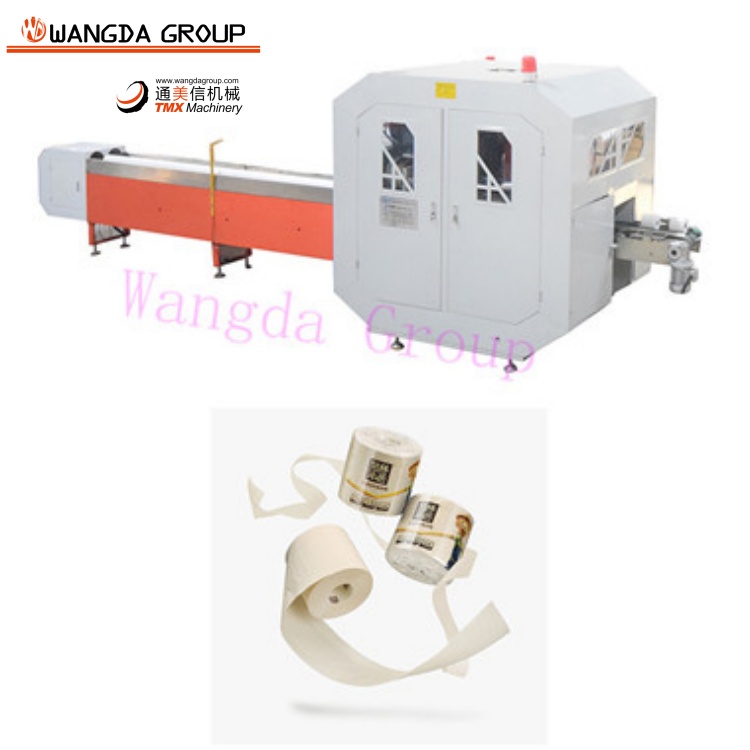
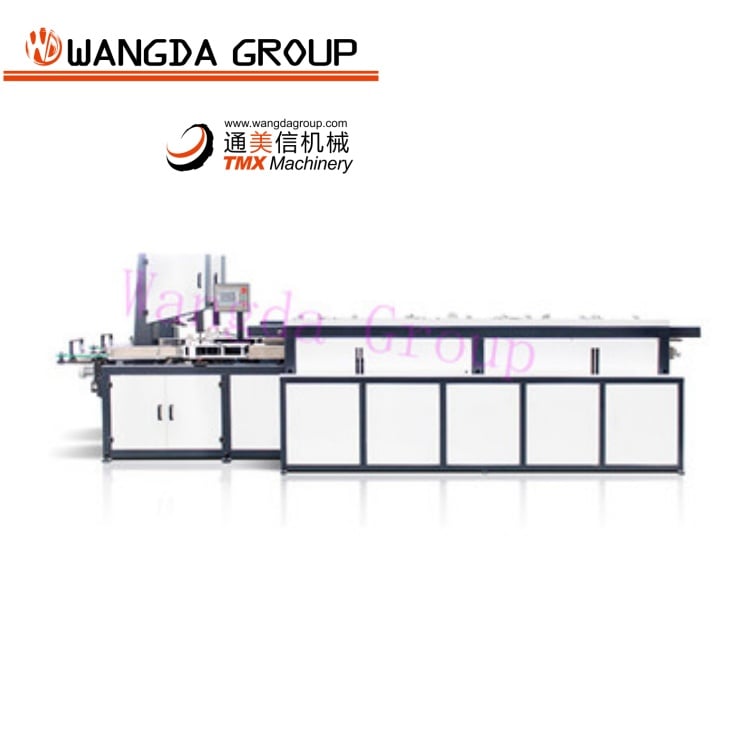
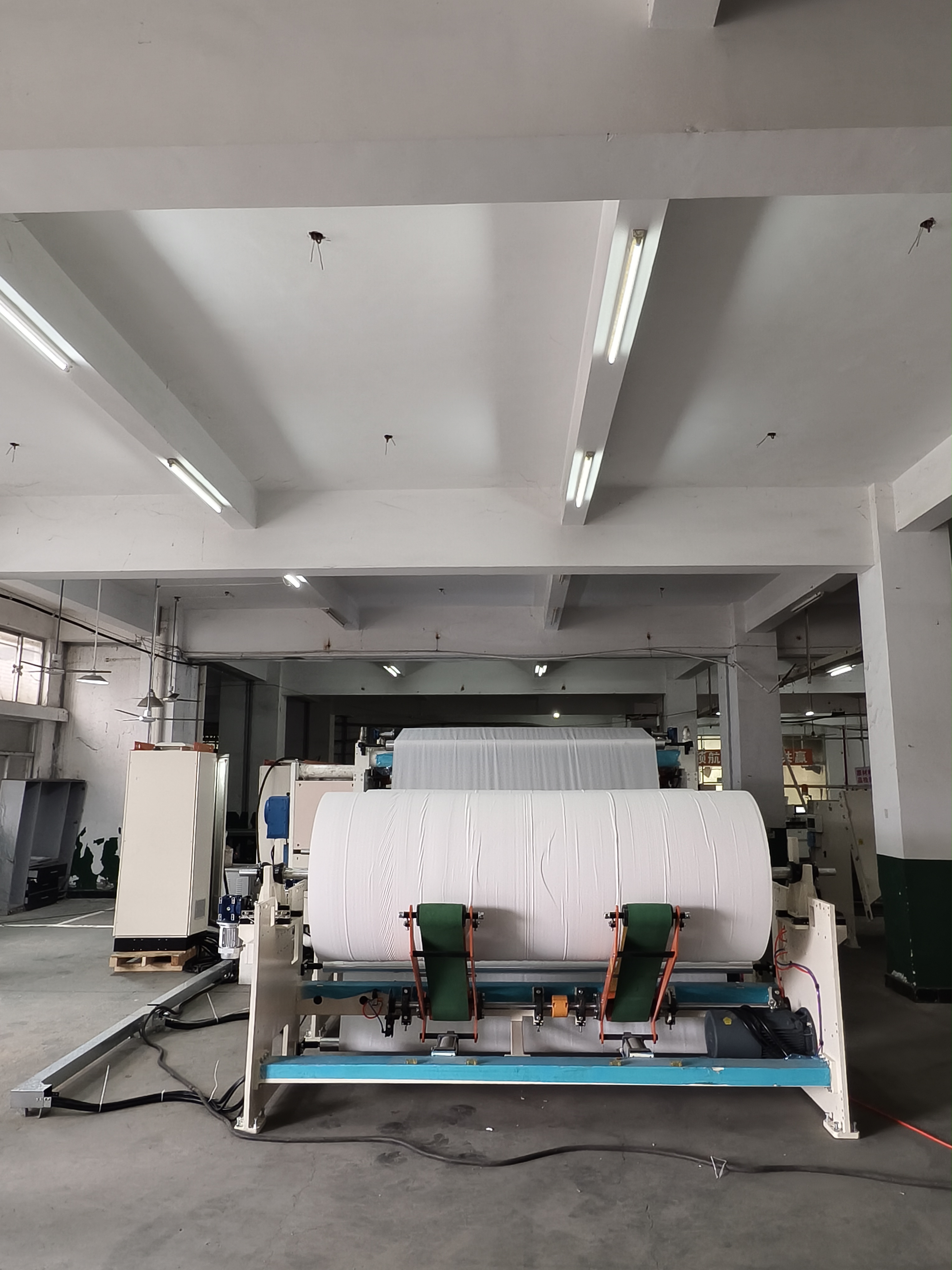
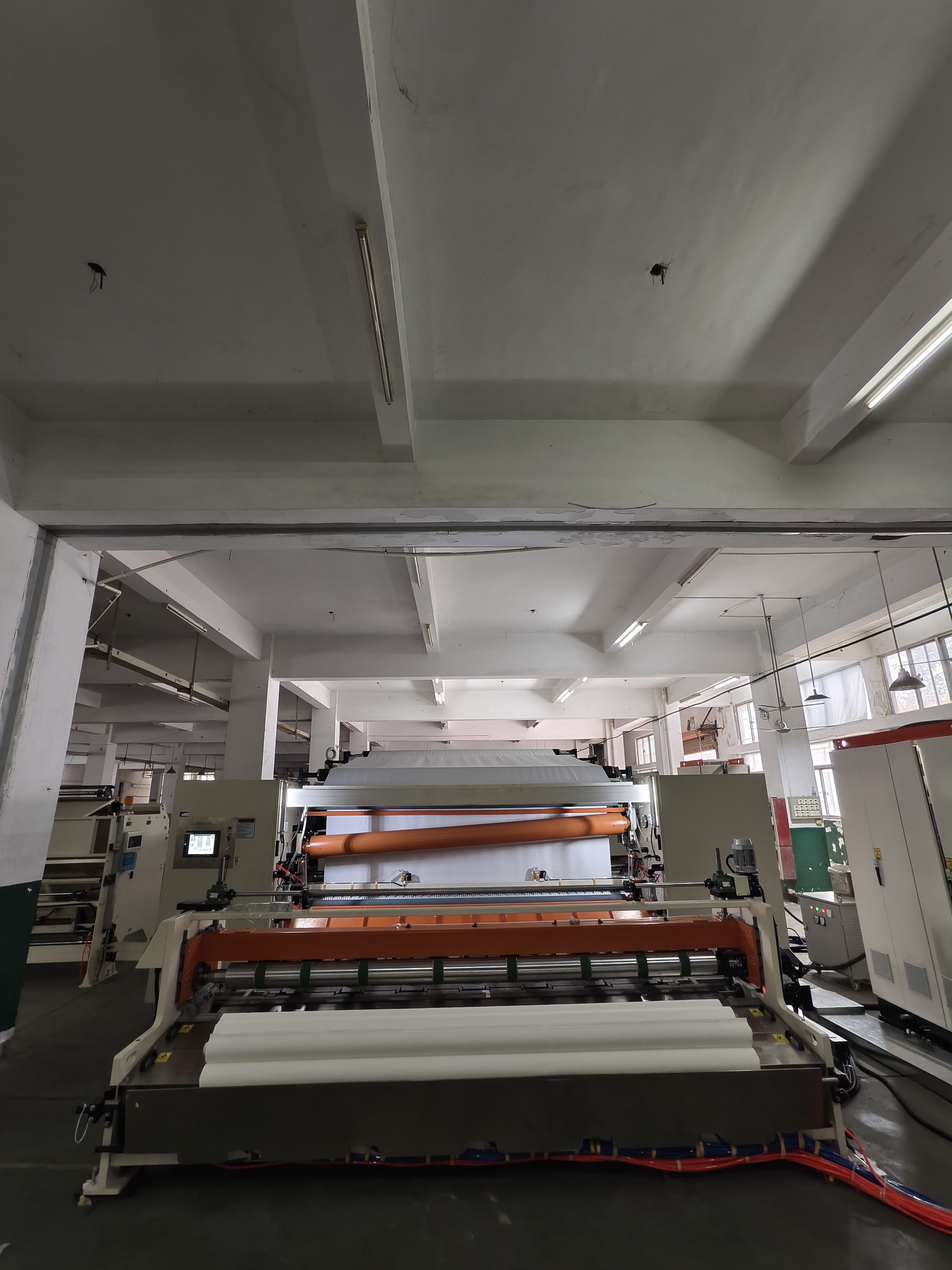
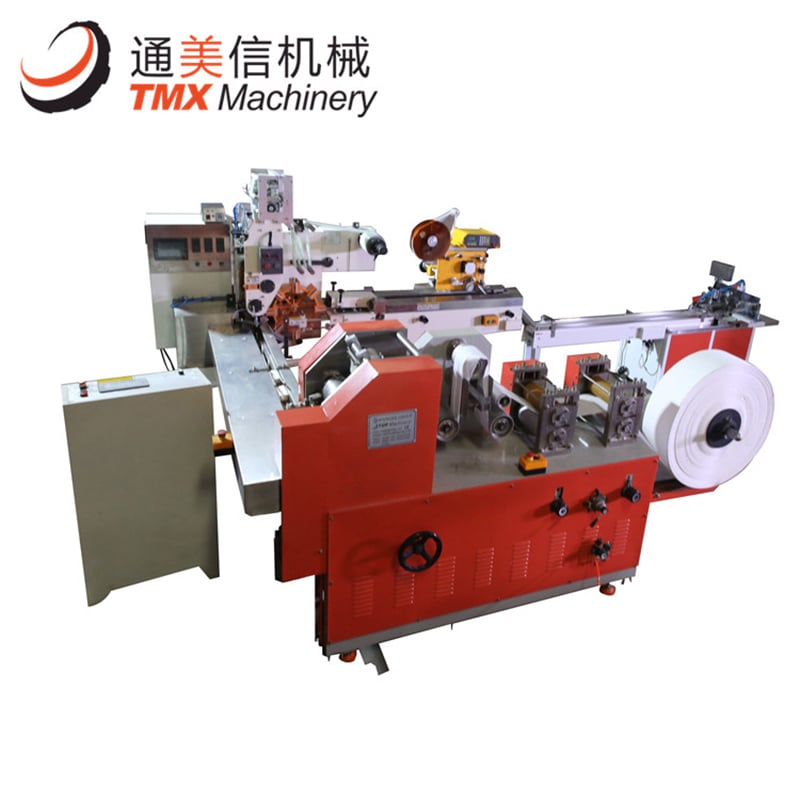
Toilet paper machines are essential for manufacturers looking to produce high-quality products efficiently and effectively. In Ghana, the demand for toilet paper has surged, prompting businesses to invest in reliable machinery that meets local needs. This article will explore the key specifications, cost factors, installation guidance, applications, and reliable suppliers of toilet paper machines in Ghana, helping purchasing managers and industrial buyers make informed decisions.
When selecting a toilet paper machine, several key specifications should be prioritized to ensure optimal production and product quality.
Production Capacity: This specification determines how many rolls can be produced per hour. Manufacturers need to assess their expected demand to choose a machine that aligns with their output requirements. For instance, a machine with a capacity of 1,500 to 2,500 rolls per hour is often suitable for small to medium-sized operations.
Material Compatibility: Toilet paper machines must handle various types of paper, including recycled and virgin fiber. The tissue paper making machine should accommodate the required paper thickness and texture, which directly influences the product's softness and strength.
Automation Level: Full-servo production lines offer enhanced precision and efficiency, reducing labor costs and minimizing errors. Buyers should evaluate whether a fully automated line or a semi-automated solution better fits their operations.
Quality Control Systems: Integrated quality control processes ensure that each roll meets industry standards. Machines equipped with monitoring systems can detect faults in real-time, reducing waste and ensuring consistent product quality.
Energy Efficiency: Given rising energy costs, machines that offer energy-saving features can significantly reduce operational expenses. Look for equipment that utilizes optimized heating and drying processes to lower energy consumption.
By focusing on these specifications, buyers can select a toilet paper machine that not only meets their production needs but also enhances the overall quality of the final product.

Understanding the total cost of ownership is crucial when purchasing toilet paper machinery. Several factors can significantly influence the overall investment:
Initial Purchase Price: The upfront cost of the machine varies depending on its specifications, brand reputation, and level of automation. While cheaper tissue paper manufacturing machine may save money initially, they could lead to higher operational costs due to inefficiencies.
Maintenance Costs: Regular maintenance is essential to ensure machine longevity and performance. Buyers should inquire about the average maintenance costs and the availability of spare parts. Choosing machines from reputable manufacturers often guarantees better support and lower long-term costs.
Installation Expenses: Installation can incur additional costs, especially if specialized skills are required. Buyers should factor in transportation and setup fees when calculating the total investment.
Operational Costs: This includes energy consumption, labor, and raw materials. Machines that are more efficient in their operation can help reduce these ongoing costs, making them a more sustainable choice in the long run.
Customization Fees: If unique specifications are required, customization can increase the cost. It’s important to discuss any specific needs with potential suppliers to avoid unexpected expenses.
Evaluating these cost factors will help buyers make informed decisions, ensuring that they choose a toilet paper machine that aligns with their budget and operational goals.

Proper installation of a toilet paper machine is critical to its performance and longevity. Here are some key considerations for an efficient setup:
Site Preparation: Ensure that the installation site has adequate space, power supply, and water connections. The layout should facilitate smooth workflow and maintenance access.
Technical Support: Engage with the supplier for installation assistance. Experienced technicians can help ensure that the machine is set up correctly, minimizing the risk of operational issues.
Testing and Calibration: Once installed, the machine should undergo thorough testing to calibrate settings for optimal performance. This includes running trial batches to adjust the speed, pressure, and other parameters according to the specific paper type.
Training for Operators: Comprehensive training for machine operators is essential. This training should cover machine operation, maintenance schedules, and troubleshooting techniques to empower staff to handle any issues that arise during production.
Documentation: Keep all installation documents, manuals, and maintenance schedules accessible. This ensures that all team members can refer to them for operational guidelines and troubleshooting.
Following these guidelines will help ensure that the installation process is smooth and that the machine operates efficiently from the start.

In Ghana, the applications of toilet paper machines extend beyond just producing standard toilet paper rolls. Understanding these applications can help manufacturers tailor their production to meet market demands:
Household Use: Most toilet paper produced caters to households, offering a variety of softness and ply options to meet consumer preferences.
Commercial Use: Businesses such as hotels, restaurants, and office buildings often require bulk toilet paper. Machines capable of producing larger rolls or commercial-sized packages can better serve these clients.
Export Opportunities: With the right certifications and quality standards, manufacturers can explore export opportunities within the West African region and beyond. toilet paper machine can increase market reach and profitability.
Customization for Local Preferences: Ghanaian consumers may have specific preferences regarding the thickness, softness, and packaging of toilet paper. Machines that allow for customization can help manufacturers meet these needs effectively.
Environmental Considerations: There is a growing demand for eco-friendly products. Machines that can efficiently produce recycled toilet paper can tap into this niche market, appealing to environmentally conscious consumers.
By aligning production capabilities with these applications, manufacturers can effectively meet local needs and enhance their market presence.
Toilet paper making machine has a very experienced with a long-standing sales team as well as an after-sales staff, 80% of the team has worked for more than 10 years in our business in this hygienic product industry. Our team members have a lot of experience working with daily-use paper tissue machines, related packing machines and so on hygienic product machines We are experts in a range of information in this area, we know what our clients need, and worry about the things that make they are concerned about. We don't only sell machines to our customers, we also assist our customers to make profit from this hygienic business, to provide the lifelong after-sales service to our customers on time.
Wangda has more than 20 years experience in the production of various tissue machines. We take great care of the machines' functions and the quality, and additionally, we provide after-sales and pre-sales services. We've sold machines to over 100 countries, which has resulted in many repeat orders and good reviews from our clients. Wangda has its own R and D departments. Our machines are based on advanced Germany, Japan and Italian technology and is updated day by day. Our machines has passed Toilet roll manufacturing machine, CE, BV and many more certifications. What we supply is not only machines. What we supply is turnkey projects from A-Z. can accept customized requests for these tissue machines.
Wangda produces toilet tissue machines (including cutting and packing) kitchen towels machines (including cutting and packing) facial tissue machines (including cutting and packing) bags of Toilet paper making machine facial tissue machines. We also make maxi roll rewinding devices as well as perforating machines.
Wangda has Toilet roll manufacturing machine with various clients both from home and abroad. We have worked with large companies from GCC countries such as Fine Hygienic across different nations, Nesto Hypermarket, Top one and two hygienic producer Band G, the Meghna Groups of Bangladesh. Outnet Group from African countries. And as well, there are big European brand, American brands, Latin American brands we have cooperated for a great number of years. We have several factories outside of the United States that you can visit to look at our products which is more efficient. Also you are invited to come to our factory to see our products on the spot. We will be happy to answer your questions at any time, and we hope to begin our mutual benefit story right away.
Finding a trustworthy supplier is crucial for acquiring high-quality toilet paper machines. Here are some strategies for identifying reliable sources in Ghana:
Industry Trade Shows: Participating in trade shows focused on manufacturing and industrial equipment can connect buyers with reputable suppliers. These events provide opportunities to see machinery in action and to ask questions directly to manufacturers.
Online Marketplaces: Platforms like Alibaba and TradeIndia host various suppliers, including those specializing in toilet paper machinery. Buyers should carefully vet suppliers by checking reviews and requesting references.
Local Distributors: Partnering with local distributors familiar with the Ghanaian market can streamline the purchasing process. They often have established relationships with manufacturers and can offer valuable insights.
Networking with Industry Peers: Engaging with peers in the manufacturing sector can provide leads on reliable suppliers. Recommendations from other businesses can help ensure that the chosen supplier has a proven track record.
Manufacturer's Reputation: Evaluate the manufacturer’s experience, certifications, and customer service. A company like Wangda Industrial Co., Limited, known for its high-quality production lines and global exports, can be a trustworthy choice.
By leveraging these resources, buyers can find reliable suppliers that meet their specifications and support their operational needs.