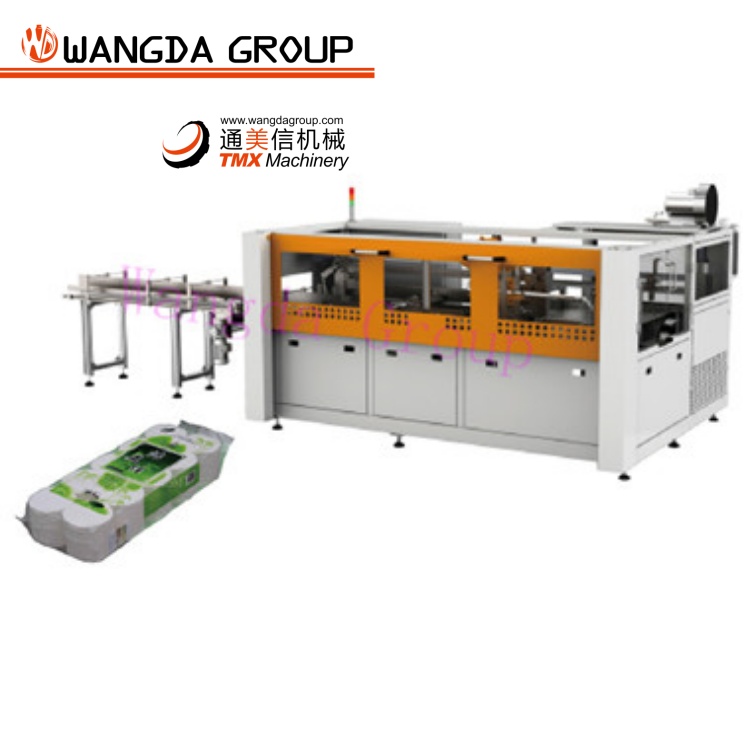
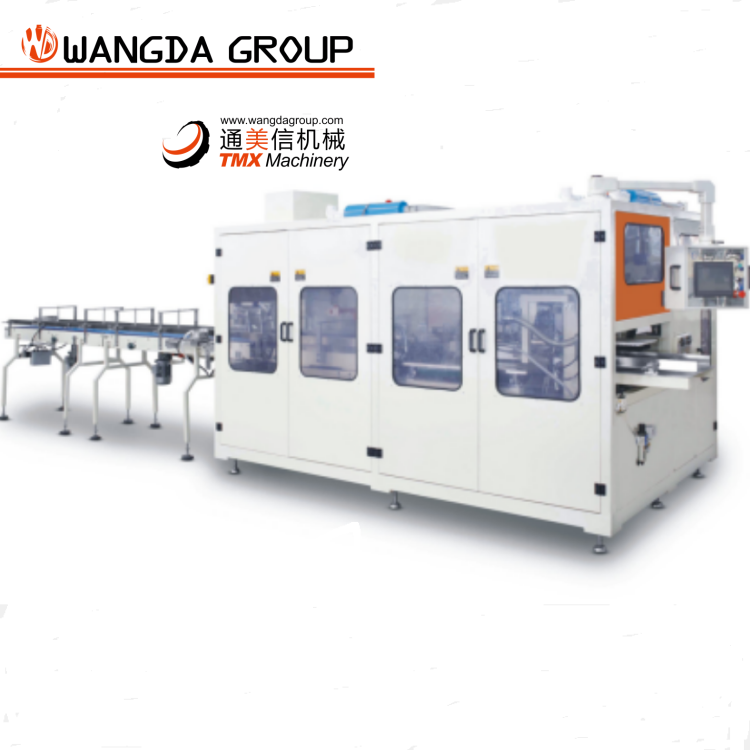
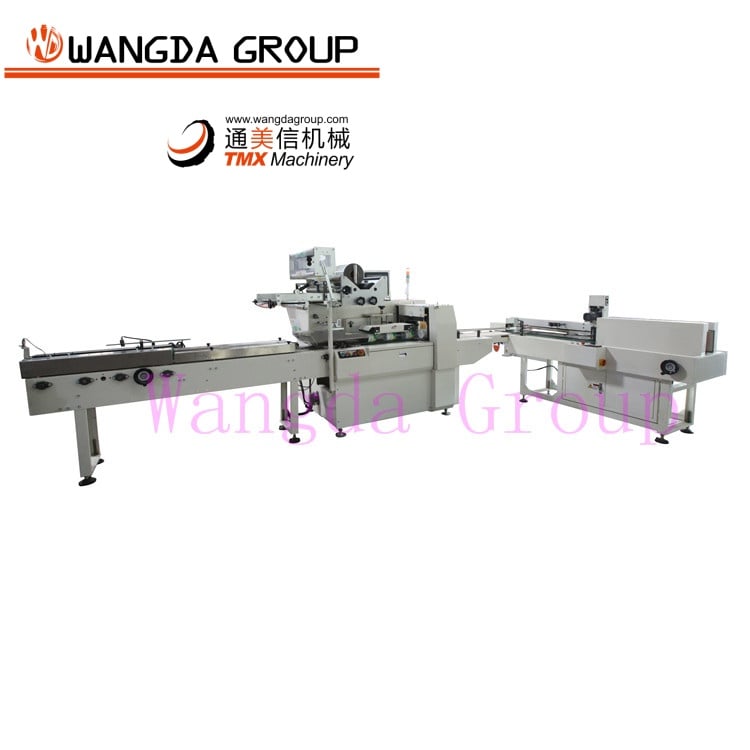
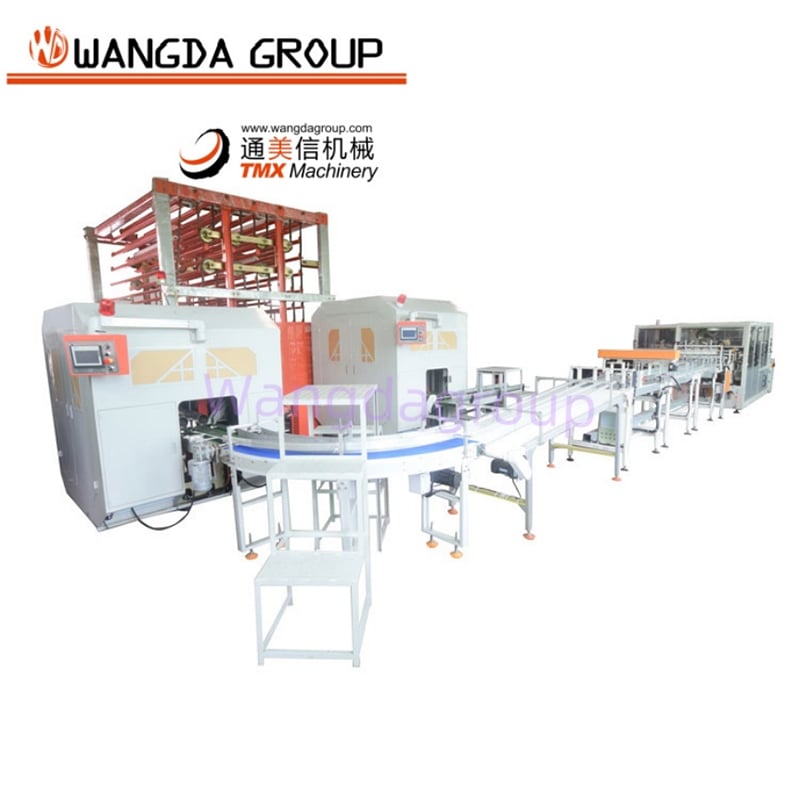
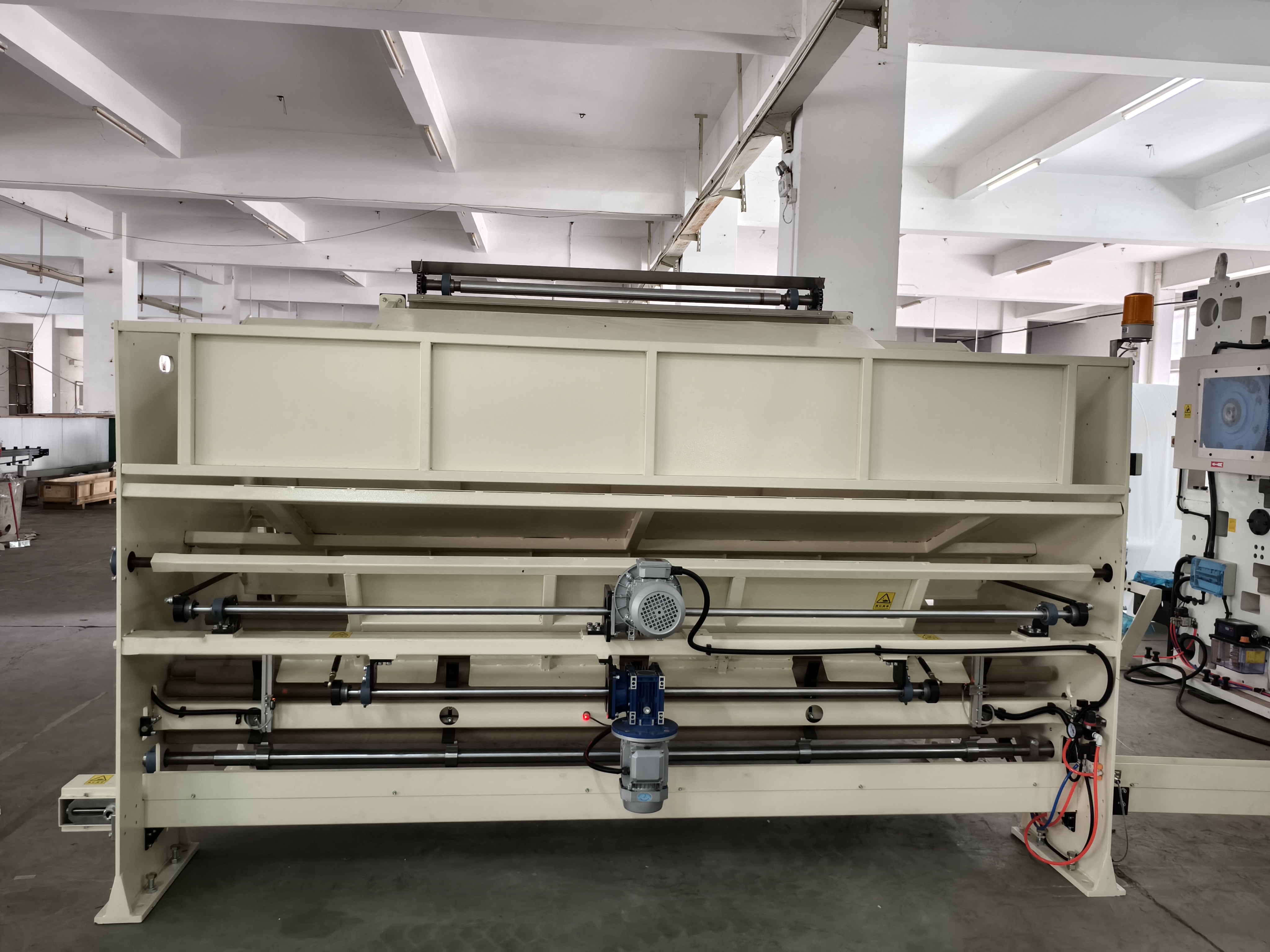
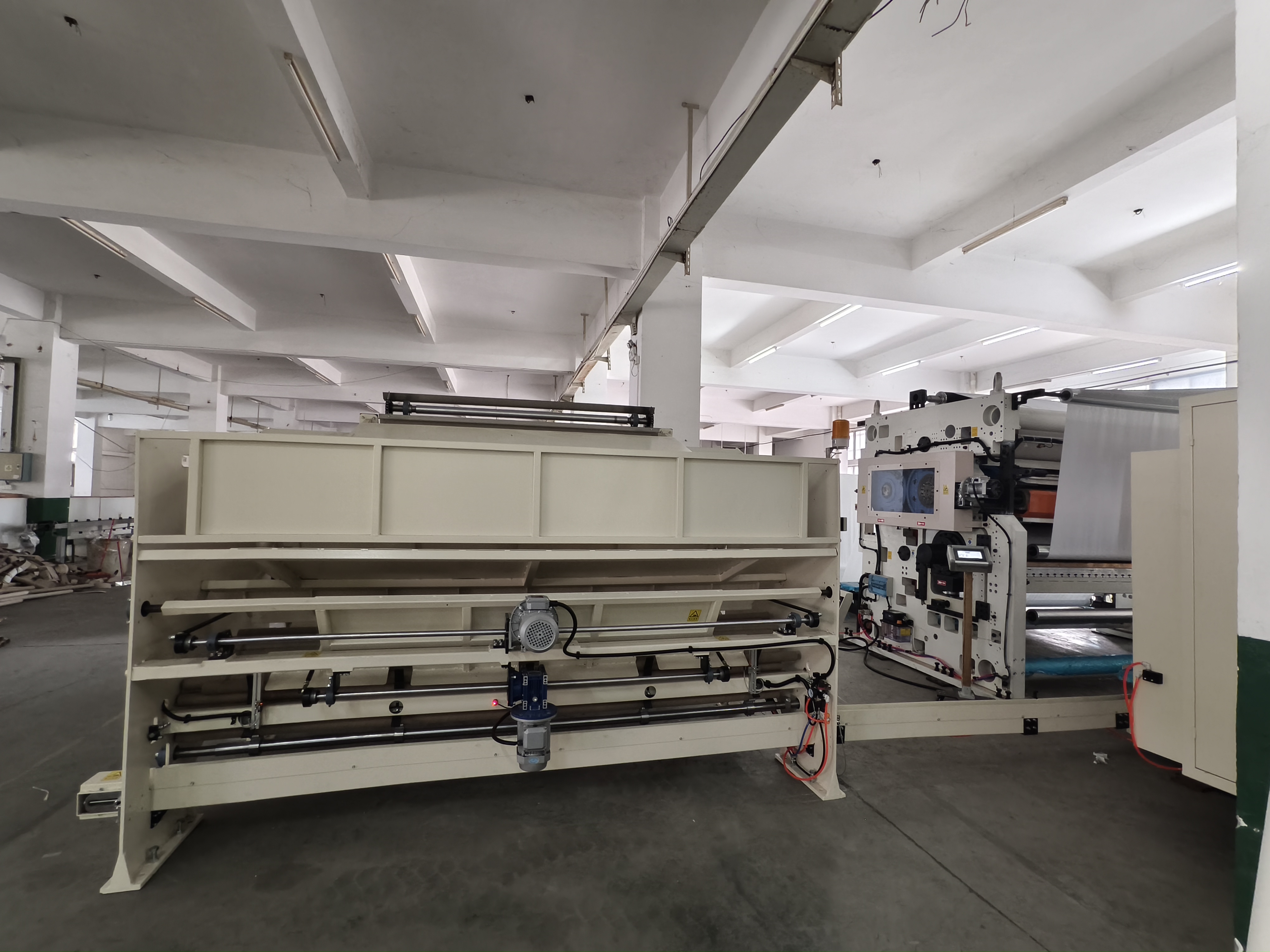
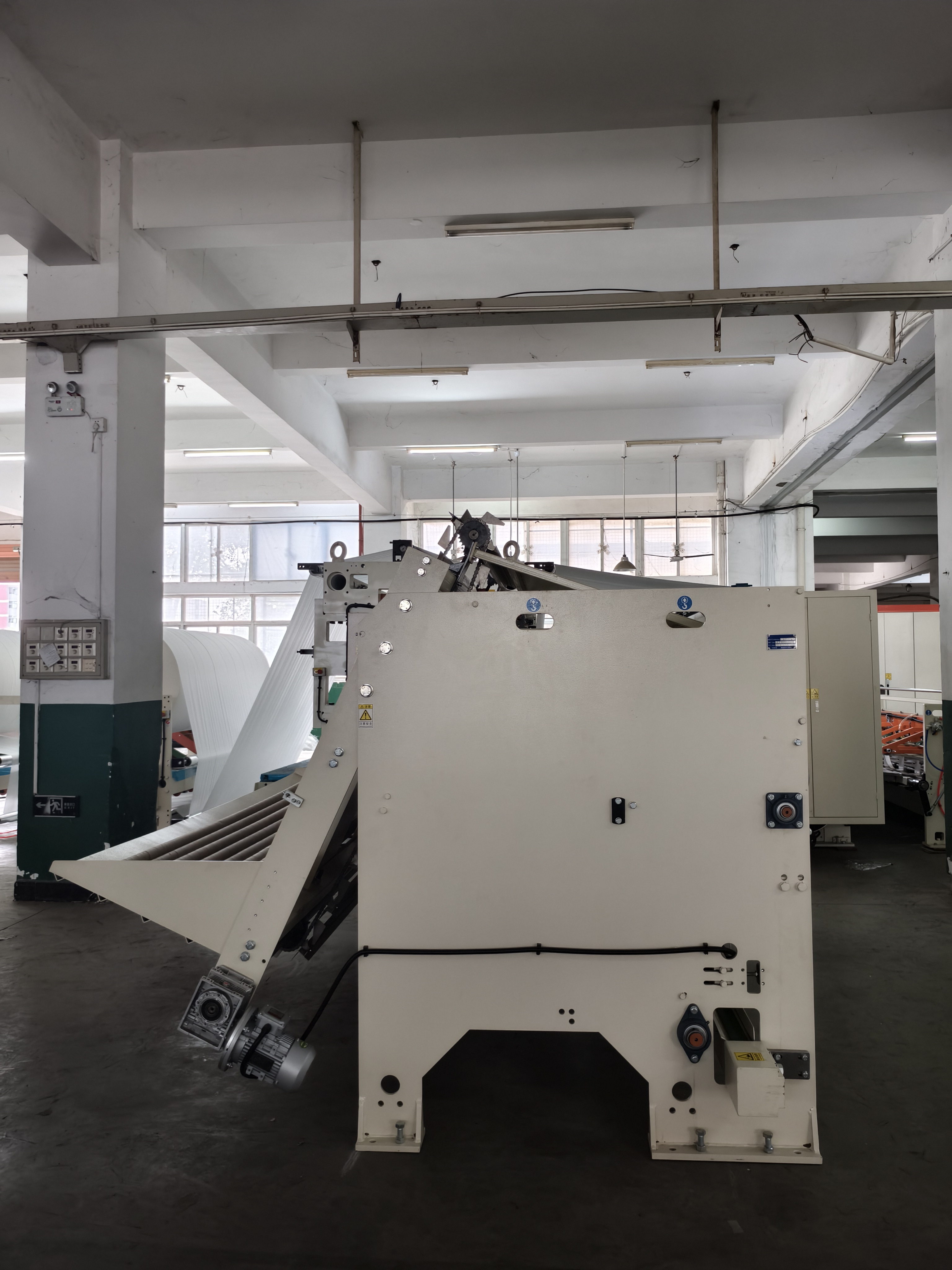
Toilet paper machines are essential manufacturing equipment for producing one of the most widely used hygiene products globally. For businesses in Ghana looking to source a toilet paper machine, there are several critical factors to consider, including quality, production capacity, and the supplier's expertise. This article provides insights into what buyers should look for when sourcing Wangda Industrial toilet paper machine in Ghana, guiding them through the purchasing process and helping them make informed decisions.
When sourcing toilet paper machines in Ghana, several factors can significantly impact your purchase decision:
Production Capacity: Determine the expected output you need based on market demand. Machines vary in capacity, and selecting one that aligns with your production goals is essential to avoid over- or under-investing.
Quality Standards: Ensure that the machine complies with international quality standards. This not only affects the durability of the machine but also the quality of the end product. Certified machinery often indicates adherence to rigorous testing and manufacturing processes.
Customization Options: Depending on your specific needs, you may require a machine that can be customized for different product specifications. Discuss customization capabilities with potential suppliers to ensure they can meet your requirements.
After-Sales Support: Reliable after-sales service is crucial for maintaining production efficiency. Look for suppliers that offer comprehensive support, including installation, training, and troubleshooting assistance.
Local Market Knowledge: Working with a supplier that understands the Ghanaian market can be beneficial, as they can provide insights into local regulations, consumer preferences, and logistical considerations.

Wholesale buyers should focus on Wangda Industrial machines that offer scalability and efficiency. Consider the following when evaluating options:
Machine Specifications: Look for machines with servo-driven systems that enhance precision and speed in production. Features such as adjustable roll diameter and automatic cutting can significantly improve efficiency.
Material Compatibility: Ensure that the machine can handle various types of paper, including recycled options. This flexibility allows for a broader product range and can help meet diverse market demands.
Production Line Integration: If you plan to integrate the automatic toilet paper machine into an existing production line, confirm compatibility with other equipment. Discuss with your supplier about the necessary adjustments or additional machinery required for seamless integration.
Cost Efficiency: Evaluate the total cost of ownership, including energy consumption, maintenance costs, and the lifespan of critical components. A more expensive machine may provide long-term savings through efficiency and lower operational costs.
Minimum Order Quantity (MOQ): Understand the supplier's MOQ requirements, as this can affect your initial investment and cash flow. Negotiating favorable terms may allow for flexibility in your purchasing strategy.

Proper installation of your toilet paper machine is critical for optimal performance. Here are key steps to consider:
Site Preparation: Before installation, ensure that the site meets the machine's space requirements and has the necessary utilities (electricity, water supply, etc.).
Professional Installation: Engage the manufacturer or an experienced technician for installation. This ensures that the machine is set up correctly and operates according to specifications.
Testing and Calibration: After installation, conduct thorough testing to verify that the machine operates smoothly. Calibration may be necessary to ensure that production meets quality standards.
Training for Operators: Provide training sessions for your operators to familiarize them with the machine's controls, maintenance needs, and troubleshooting procedures. This will help minimize downtime and enhance productivity.

Several issues can arise with toilet paper machines, and being aware of these can help prevent production disruptions:
Paper Jam: One of the most common issues, paper jams can result from incorrect loading or misalignment. Regular maintenance checks and operator training can help mitigate this problem.
Quality Control Issues: Variations in product quality can occur due to improper settings or material inconsistencies. Establishing a quality control process that includes regular sampling and adjustments can ensure consistent output.
Mechanical Failures: Components may wear out over time, leading to mechanical failures. Routine maintenance and timely replacement of parts will help extend the machine's lifespan and reduce unexpected downtimes.
Energy Efficiency: Over time, machines may become less energy-efficient, impacting operational costs. Regularly reviewing energy consumption and servicing the machine can enhance efficiency.
Technical Support: Having access to reliable technical support from the supplier can facilitate quick resolutions to any issues that arise, minimizing production delays.
Our after-sales and sales teams are extremely Toilet paper manufacturing machine and skilled. About 80% of our team has been working in the field of hygienic products for over 10 years. We understand what our customers want and what they worry. Our customers aren't only purchasing our machines We also assist them to profit in this business of hygienic items. We provide our customers with the services after-sales they need.
Wangda has Toilet roll manufacturing machine with various clients both from home and abroad. We have worked with large companies from GCC countries such as Fine Hygienic across different nations, Nesto Hypermarket, Top one and two hygienic producer Band G, the Meghna Groups of Bangladesh. Outnet Group from African countries. And as well, there are big European brand, American brands, Latin American brands we have cooperated for a great number of years. We have several factories outside of the United States that you can visit to look at our products which is more efficient. Also you are invited to come to our factory to see our products on the spot. We will be happy to answer your questions at any time, and we hope to begin our mutual benefit story right away.
Wangda has over Toilet paper manufacturing machine of of experience in the production of various tissue machines. We pay much attention to the equipment's functions and quality as well as additionally, we provide after-sales and pre-sales services. We supply self machines to more than 100 countries and regions that get positive feedback from clients and repeat orders. Wangda has its own R and D departments. Our machines use the most advanced Germany Japanese, Japan and Italian technology and is constantly upgraded. Our machines have achieved ISO9002, CE, BV and many other certifications. What we supply is not only machines. What we supply is a complete turnkey solution from A to Z, we can accept customized orders for these machines.
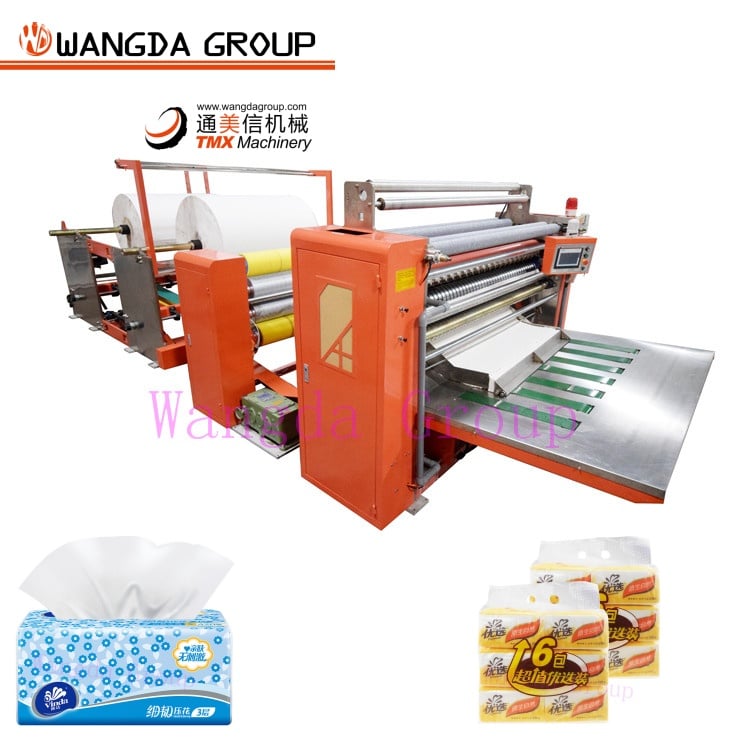
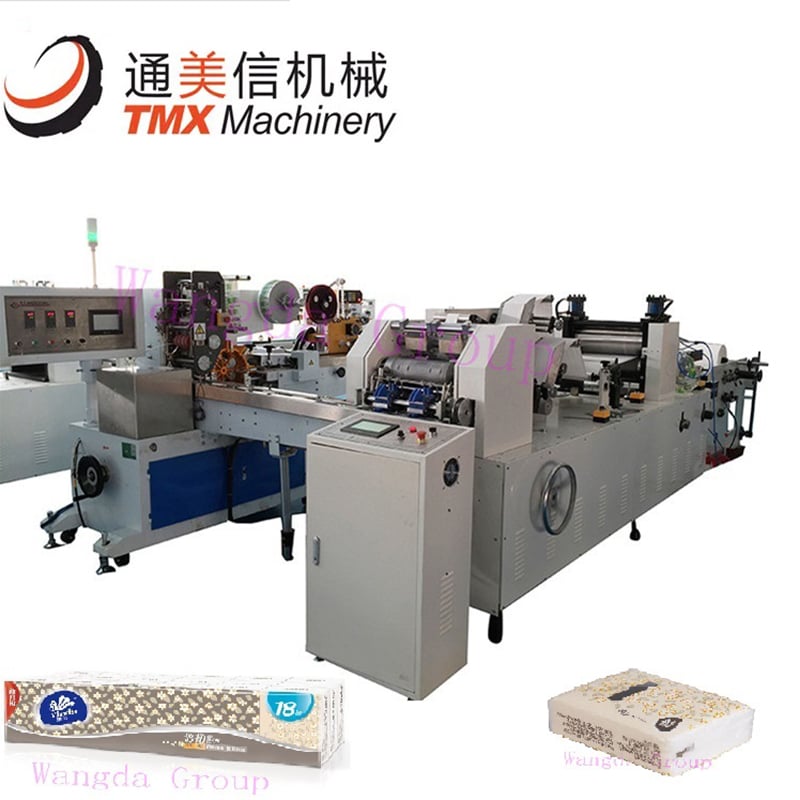
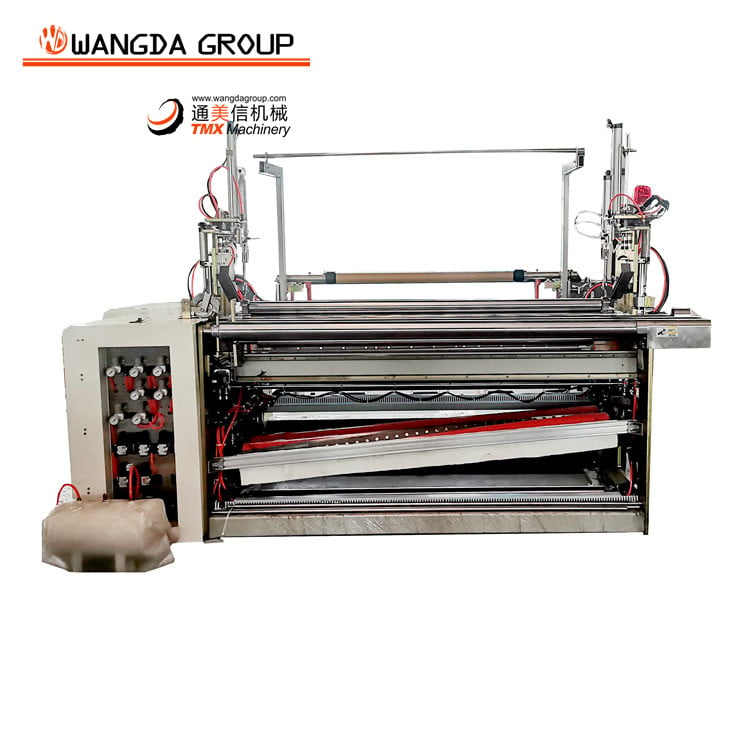
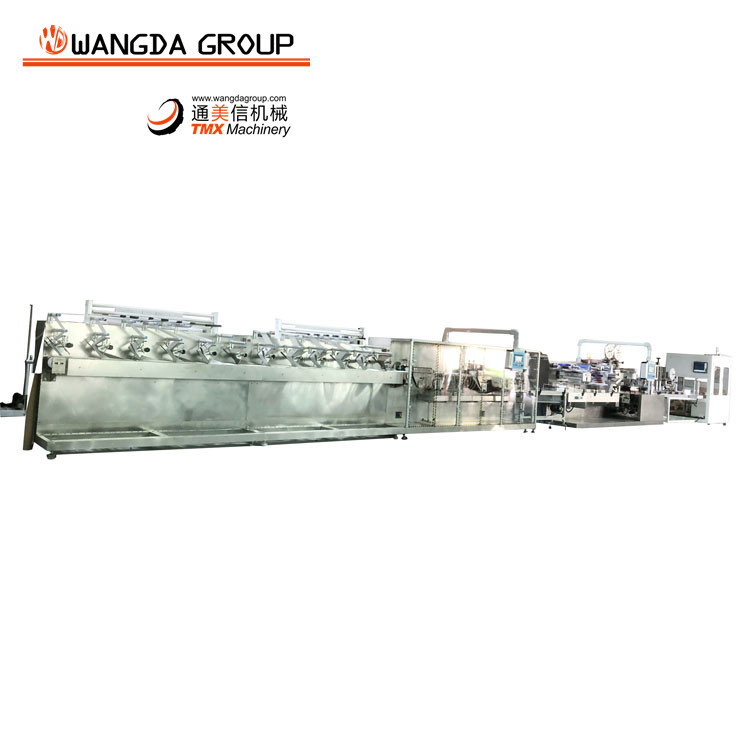
Wangda Tissue paper making machine toilet tissue machines (including cutting and packing), kitchen towel machines (including cutting and packing) facial tissue machines (including cutting and packing) as well as nylon bag facial tissues machines. We also make maxi roll rewinding equipment as well as perforating machines.
The materials used in Wangda Industrial toilet paper production significantly influence the final product's quality and performance:
Pulp Quality: The type of pulp used (e.g., virgin vs. recycled) affects the softness, absorbency, and strength of the toilet paper. High-quality pulp results in a more premium product that can meet consumer expectations.
Chemical Additives: Certain chemicals can enhance the production process and the product's characteristics (e. g., softness or fragrance). Understanding the implications of these additives on the final product is essential.
Paper Thickness and Density: The thickness of the paper is determined by the manufacturing settings and the materials used. Buyers should specify their requirements to ensure the machine is capable of producing paper that meets their needs.
Environmental Considerations: Increasingly, consumers are concerned about the environmental impact of products. Using sustainable materials and processes can improve marketability and align with consumer values.
Testing Requirements: Before finalizing a material selection, conducting tests to evaluate performance characteristics (e. g., absorbency, strength) is crucial. This ensures that the final product meets quality standards and consumer expectations.
By understanding these factors, businesses in Ghana can make informed decisions when sourcing price of toilet paper machine, ensuring they select the right equipment that aligns with their operational goals and market demands.