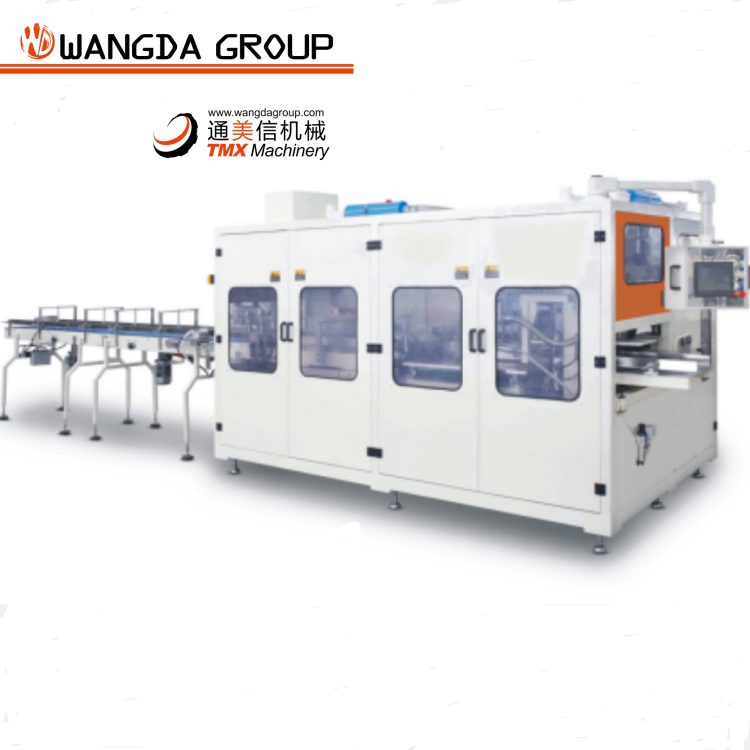
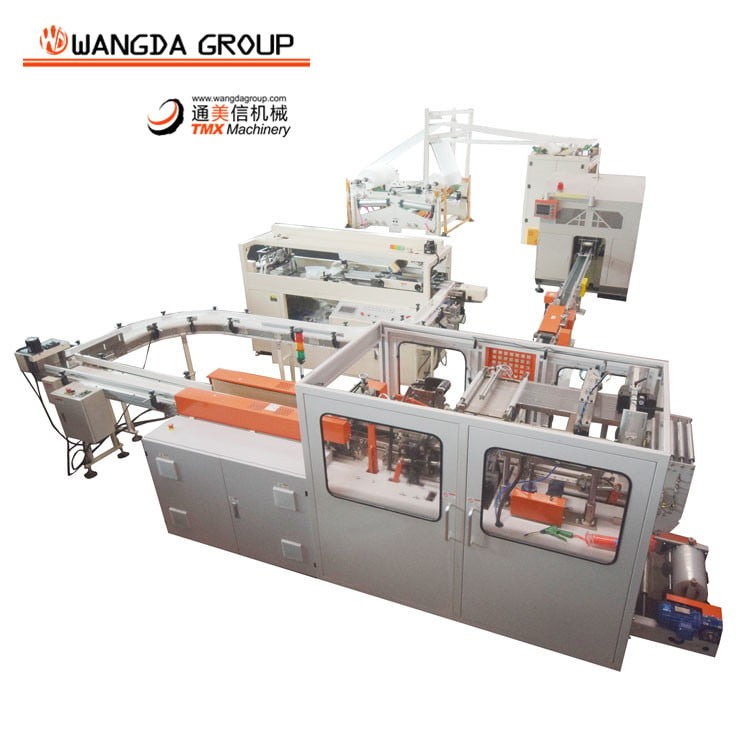
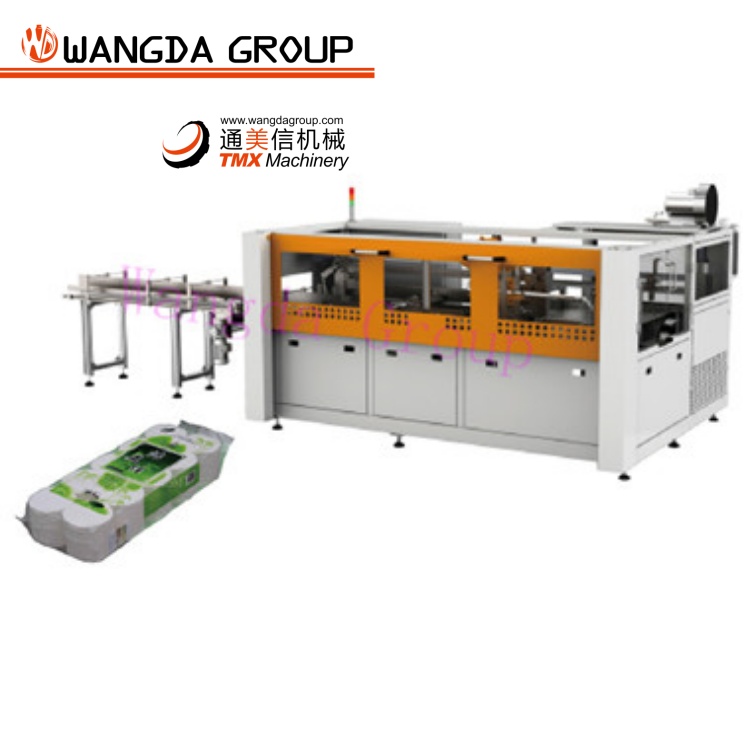
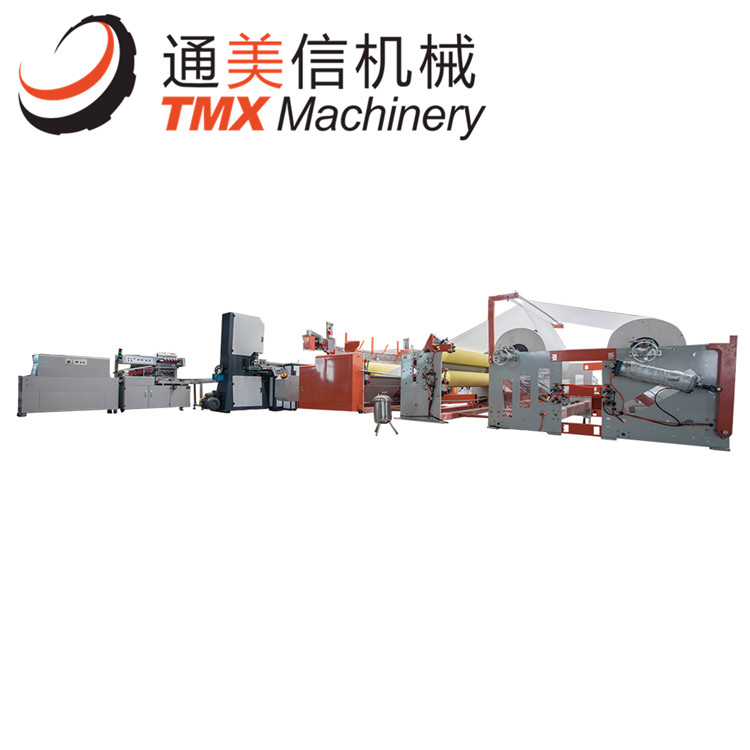
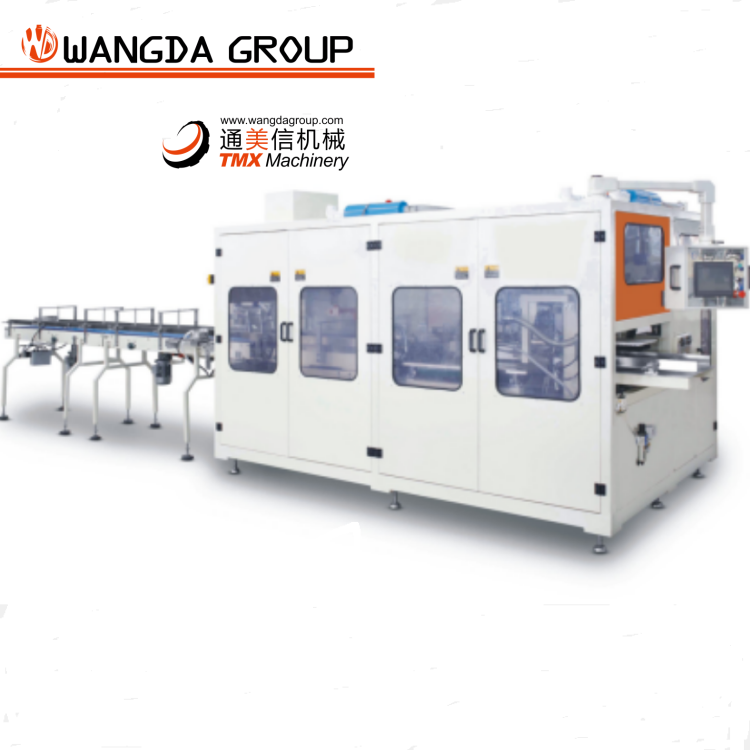
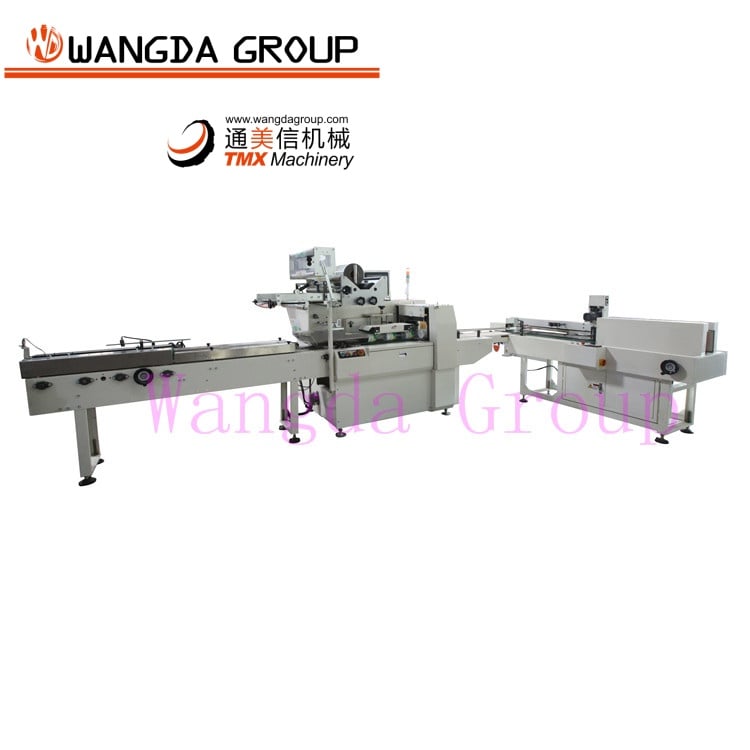
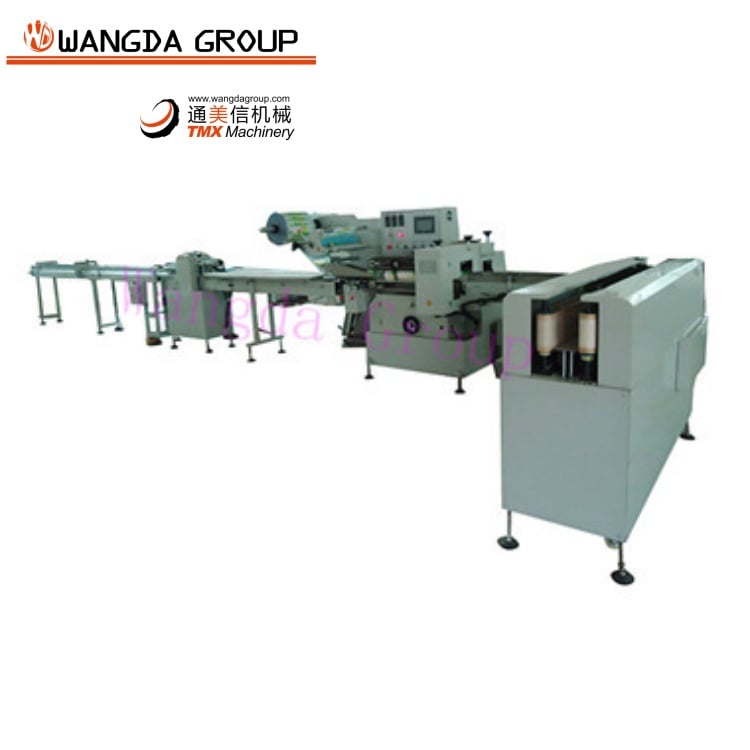
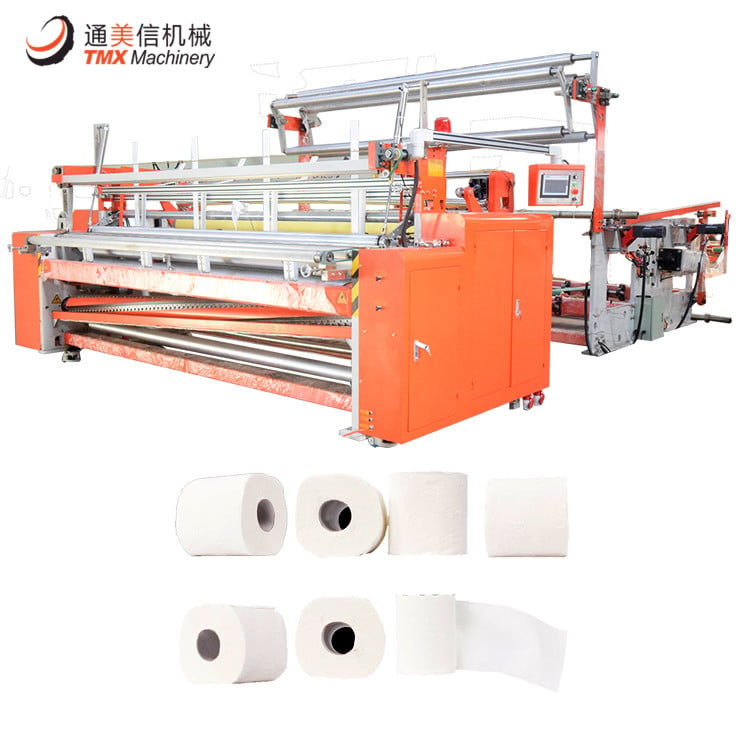
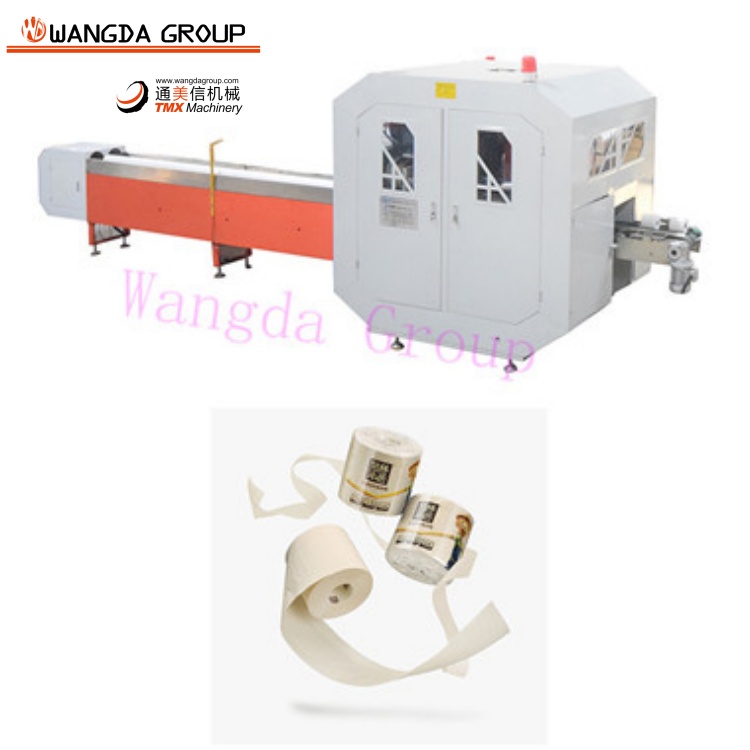
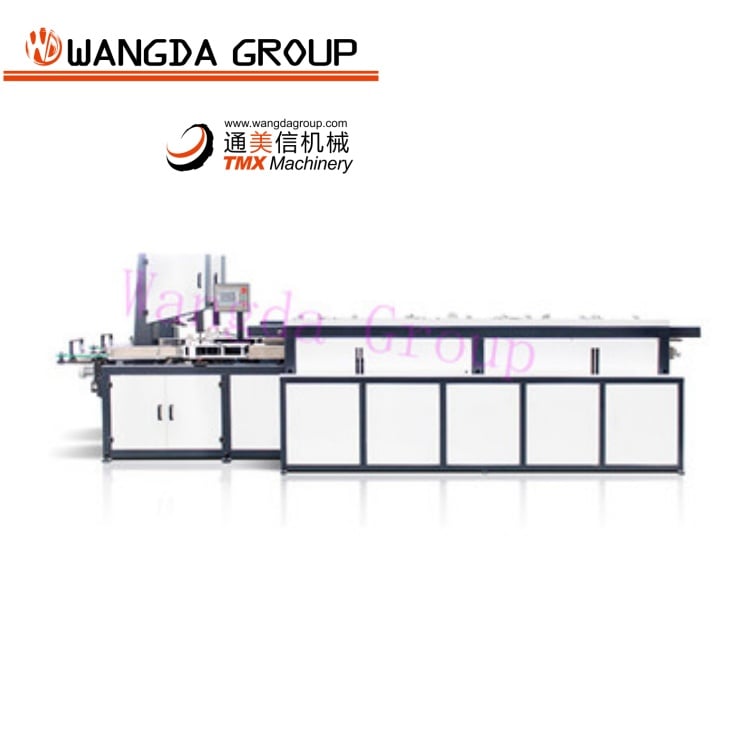
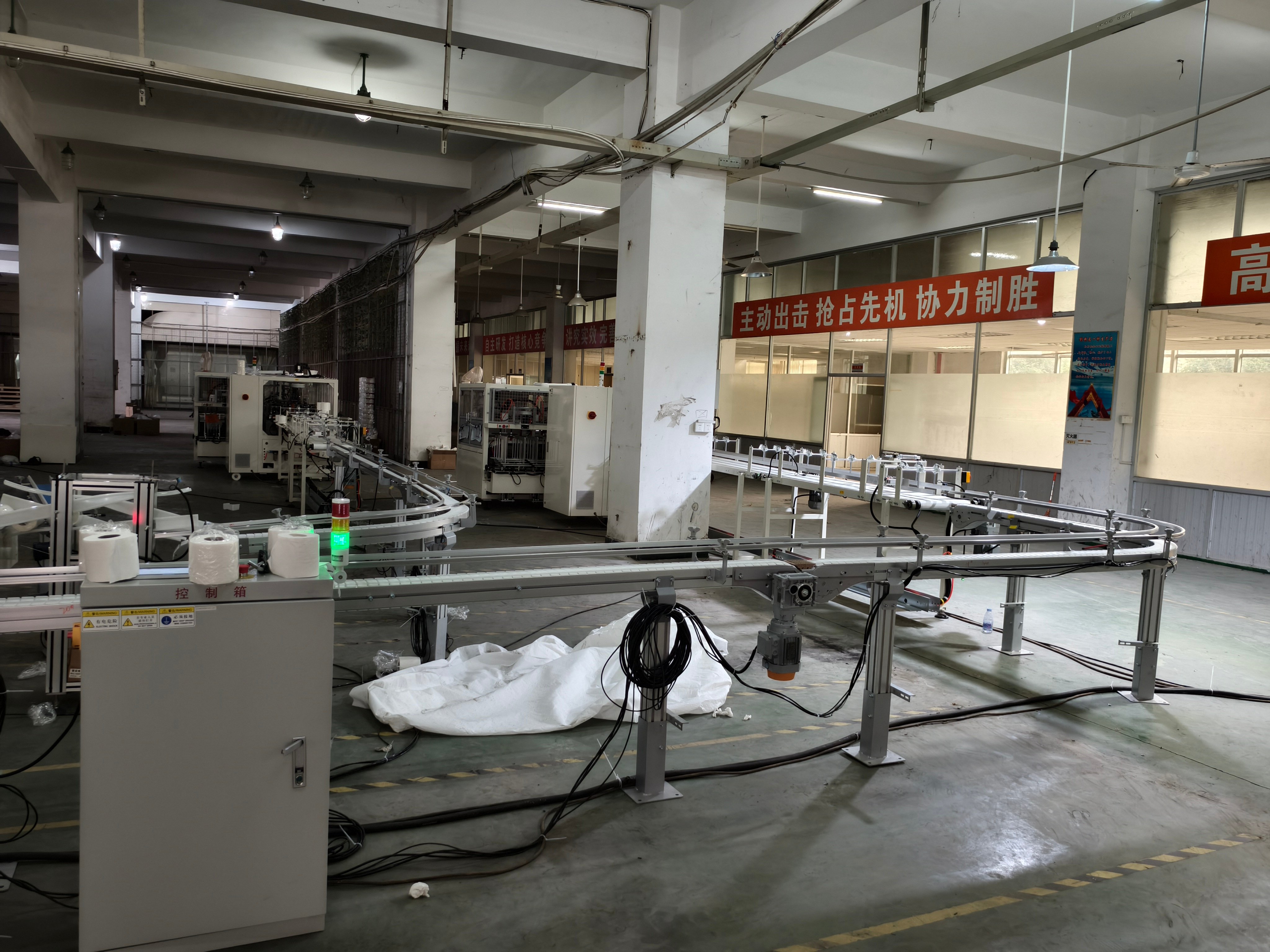
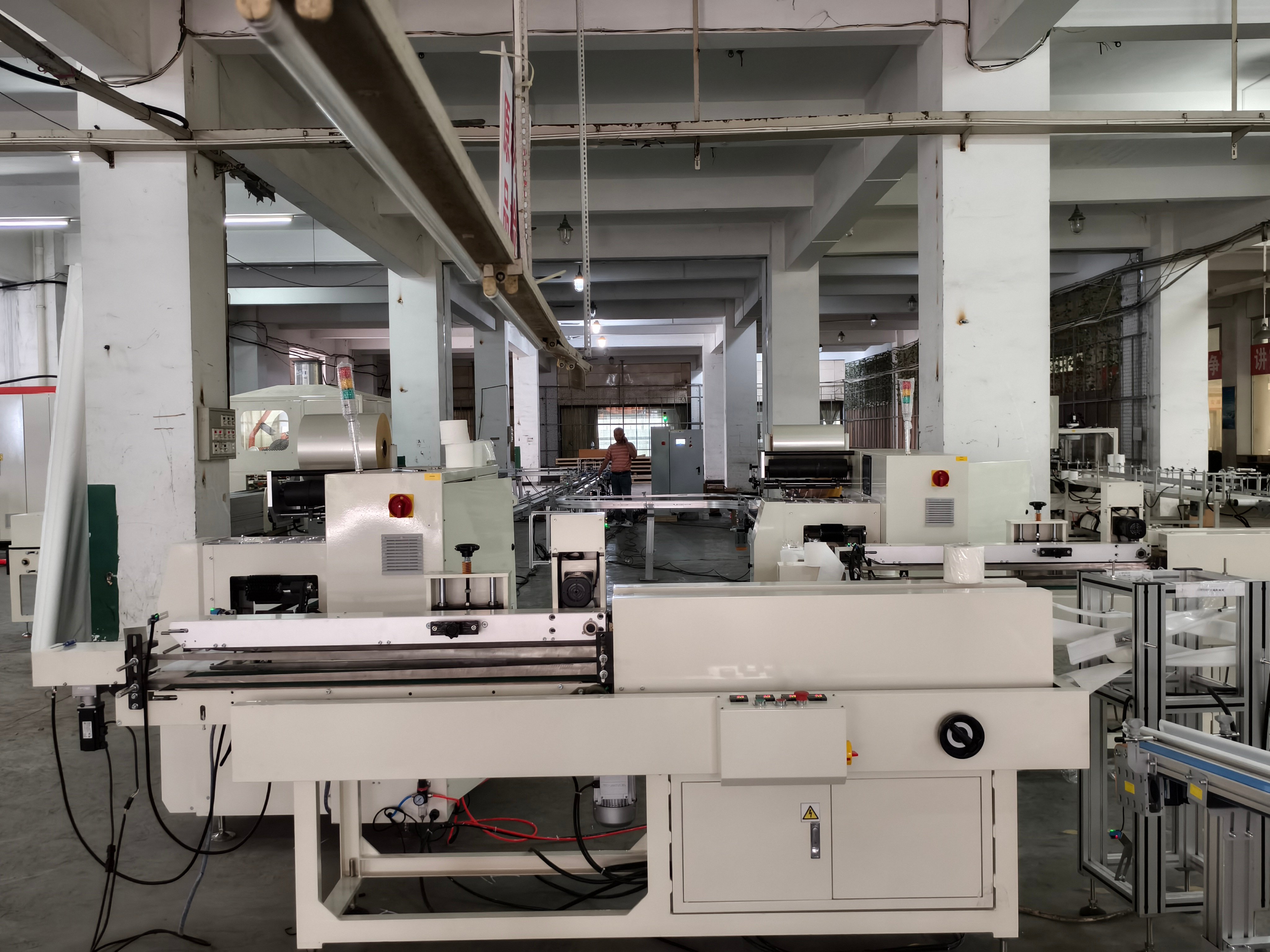
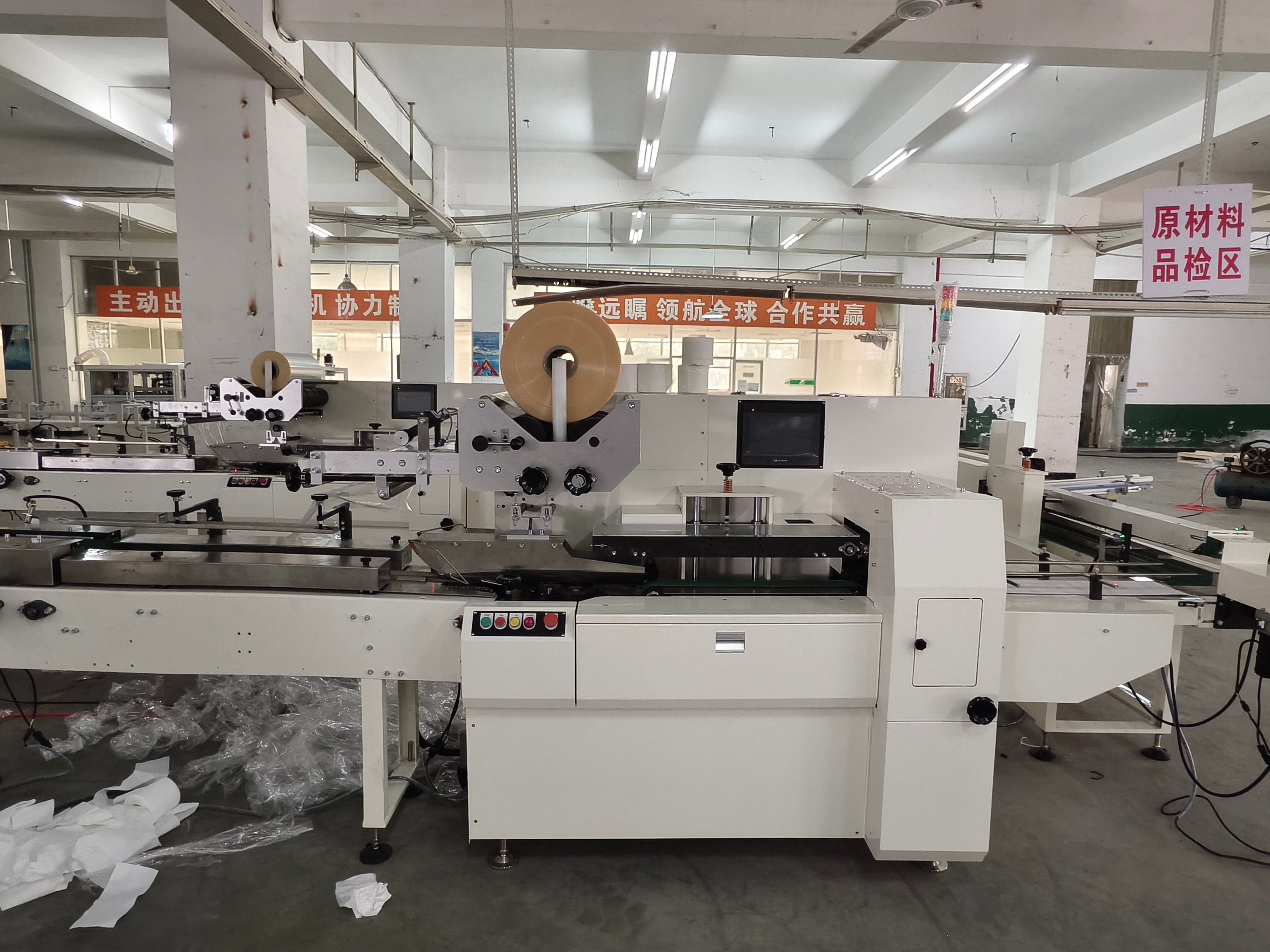
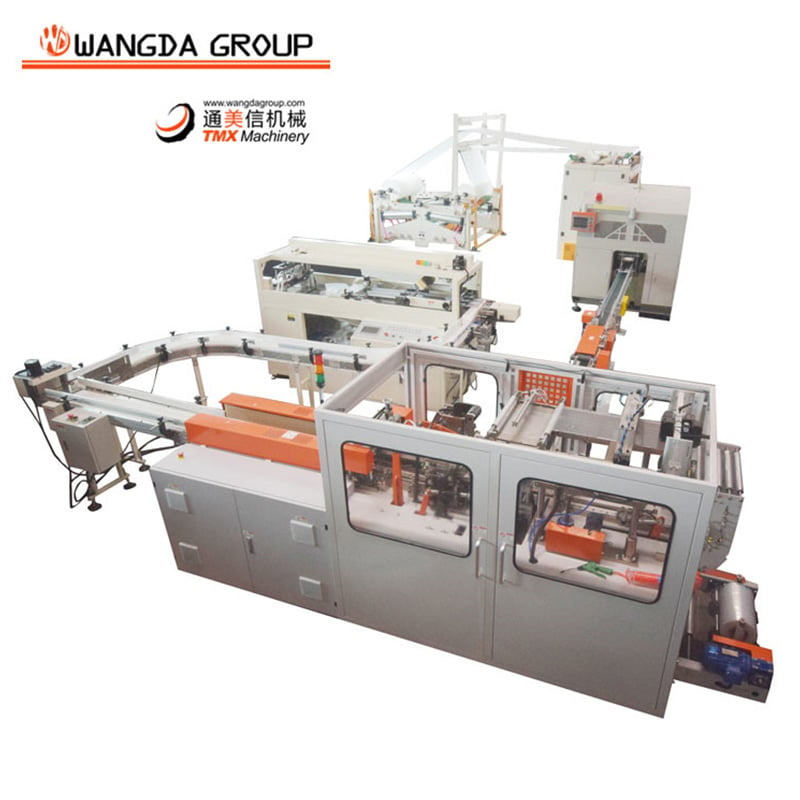
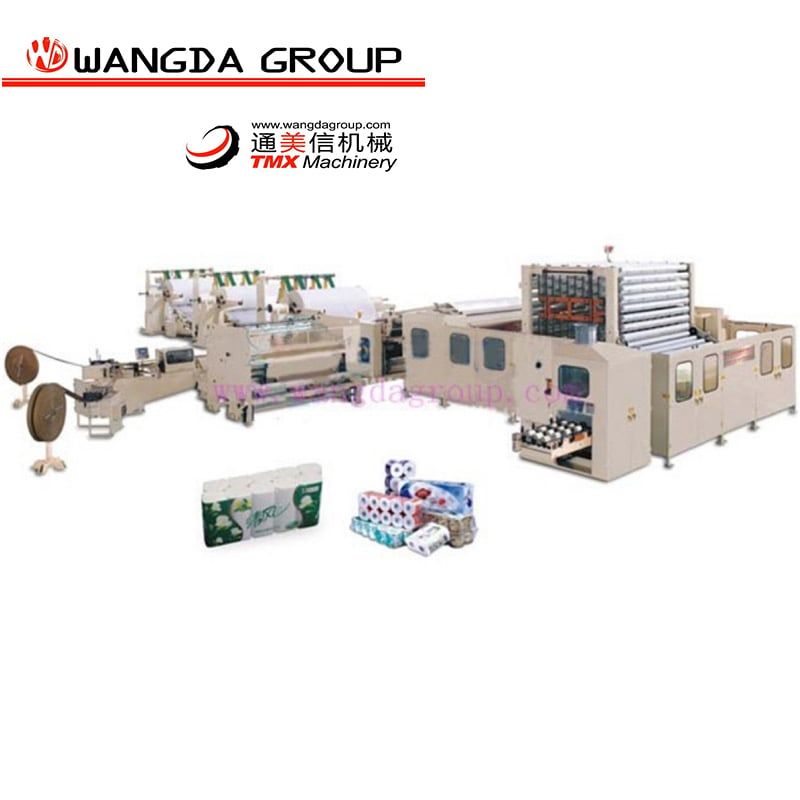
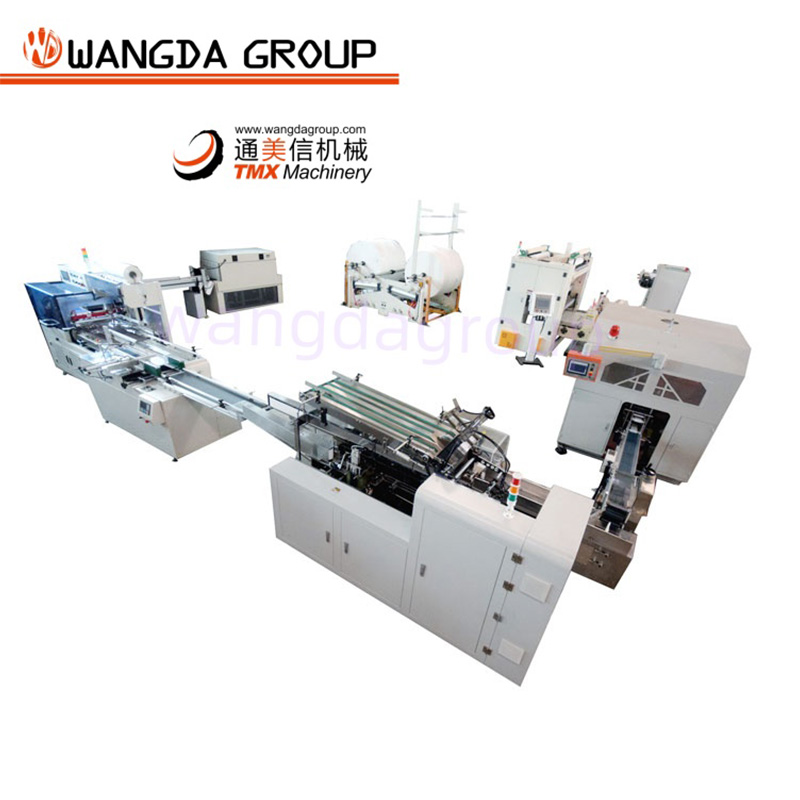
A tissue rewinder is a critical piece of machinery in the production of hygienic paper products, transforming large rolls of raw paper into smaller, more manageable rolls suitable for packaging and distribution. For B2B buyers such as purchasing managers, distributors, and engineers understanding the specifications, cost factors, and operational challenges associated with tissue rewinders is essential for making informed purchasing decisions. This article will guide you through the key specifications to evaluate, purchasing tips, cost considerations, application settings, and common issues faced with tissue rewinders.
When selecting a tissue rewinder, several key specifications should be considered to ensure optimal performance for your specific needs. Here are the primary factors to evaluate:
Production Speed: This is typically measured in meters per minute and directly affects your throughput. A higher speed can lead to increased productivity but may also require more sophisticated control systems.
Roll Diameter: The maximum and minimum roll diameters that the rewinder can handle are crucial. Ensure that the machine can accommodate the sizes of rolls you plan to produce.
Core Size Compatibility: The tissue paper rewinder should be compatible with the core sizes used in your production. Incompatibility can lead to operational delays and increased waste.
Tension Control Mechanisms: Proper tension control is vital for maintaining the quality of the rewound paper. Look for machines that offer advanced tension control features to prevent tearing or wrinkling.
Automation Features: Full-servo systems can enhance precision and reduce manual intervention, leading to more consistent output quality. Evaluate the level of automation that fits your production scale.
Material Handling: Assess how the rewinder handles various types of tissue paper, as different materials may require specific settings or modifications.
Energy Efficiency: With rising energy costs, consider machines that optimize energy use while maintaining production efficiency.
Understanding these specifications helps buyers align their needs with the machine's capabilities, ensuring a smart investment in tissue rewinding technology.

Purchasing tissue rewinders and their accessories in bulk requires careful planning to maximize value. Here are some tips to consider:
Supplier Evaluation: Look for reputable manufacturers with a proven track record in the industry. Verify their production capabilities, quality control processes, and certifications to ensure reliability.
Request Detailed Quotations: Provide potential suppliers with comprehensive information about your requirements, including desired specifications, quantities, and any customization needs. This will help suppliers offer accurate quotes.
Negotiate Terms: Discuss payment terms, delivery schedules, and warranties. Understanding the total cost of ownership, including maintenance and spare parts, is crucial for budget planning.
Sample Approval: Before finalizing a large order, request samples to evaluate the rewinder's performance under actual operating conditions. This helps confirm that the machine meets your quality and operational standards.
Consider Lead Time: Factor in the lead time for manufacturing and delivery, especially if your production schedule is tight. Ensure that the supplier can meet your deadlines.
Explore Bundled Deals: Some manufacturers offer discounts for bundled purchases of machines and accessories. Inquire about such options to reduce overall costs.
Following these tips can streamline the purchasing process and help secure a favorable deal for your business.
The cost of a paper roll slitter rewinder machine can vary significantly based on several factors. Understanding these can help buyers make informed choices:
Machine Specifications: Higher-end models with advanced features, such as greater production speeds and automation, typically come at a premium. Consider whether these features align with your production goals.
Customization Needs: Custom machines tailored to specific applications or production requirements may incur additional costs. Discuss your needs with the manufacturer to get a clear estimate.
Material Quality: The use of higher-quality components often results in a more durable and reliable machine, but it will also increase the upfront cost. Weigh the long-term benefits against initial investment.
Volume Discounts: Purchasing multiple machines or accessories in bulk can lead to significant savings. Always inquire about volume pricing to ensure you get the best deal.
Maintenance and Operational Costs: Factor in ongoing maintenance expenses, as well as energy consumption. A more energy-efficient machine may have a higher initial cost but can lead to lower operational costs over time.
Supplier Location: Depending on the supplier’s location, shipping costs and import duties may affect the overall price. Consider local suppliers to minimize these expenses.
By understanding these cost factors, buyers can evaluate their options more effectively and choose a machine that offers the best value for their budget.

Tissue rewinders play a vital role across multiple manufacturing settings, producing a variety of hygiene products. Here are some common applications:
Napkin and Facial Tissue Production: Tissue rewinders are essential in the production lines for napkin paper and facial tissue, ensuring that large rolls are converted into smaller rolls that meet consumer packaging standards.
Toilet Paper Manufacturing: In toilet paper production, rewinders help create rolls that are both convenient for consumers and suited for retail display.
Specialty Applications: Some manufacturers use tissue rewinders to produce specialty products, such as medical wipes or industrial cleaning wipes, requiring specific material handling and quality control processes.
Diaper Manufacturing: In addition to tissue products, tissue rewinders can be integrated into diaper production lines to ensure that absorbent materials are properly rewound before packaging.
Customization for Specific Markets: Manufacturers targeting niche markets may require custom configurations of tissue rewinders to meet unique specifications, such as eco-friendly materials or specific roll sizes.
Understanding these applications can help buyers select machines that best fit their production needs and align with their target markets.
Wangda has Toilet roll manufacturing machine with various clients both from home and abroad. We have worked with large companies from GCC countries such as Fine Hygienic across different nations, Nesto Hypermarket, Top one and two hygienic producer Band G, the Meghna Groups of Bangladesh. Outnet Group from African countries. And as well, there are big European brand, American brands, Latin American brands we have cooperated for a great number of years. We have several factories outside of the United States that you can visit to look at our products which is more efficient. Also you are invited to come to our factory to see our products on the spot. We will be happy to answer your questions at any time, and we hope to begin our mutual benefit story right away.
The sales and after-sales departments are very experienced and professional. Our team has worked in the field of hygienic products for over 10 years. We are aware of what our customers are looking for and are Tissue making machine of what makes them worry. Our clients are not just purchasing machines from us but also helping them earn a profit from the hygiene-related business. We provide our clients with the services after-sales they need.
Wangda manufactures Toilet roll manufacturing machine tissue machines (including cutting and packing), kitchen towels machines (including cutting and packing), facial tissue machines (including cutting and packing) bags of nylon facial tissues machines. We also manufacture maxi roll rewinding equipment as well as perforating machines.
Wangda has over 20 years of experience manufacturing all sorts of tissue machines, we pay much attention to the machines' functions and the quality, and also Tissue paper machine and after sales services. We have sold machines to more than 100 countries. This has resulted in repeat orders and good comments from our clients. Our R and D department is part of Wangda. We have our own R and D departments. Our machines are continuously upgraded and are incorporating the latest technology of Germany, Japan, and Italy. They have passed ISO9002, CE and BV certifications. We provide turnkey projects all the way from A to Z that includes more than machines.
Even with quality machinery, issues can arise during the operation of tissue rewinder machine. Here are some common problems and their solutions:
Tension Issues: Inconsistent tension can lead to paper tearing or misalignment. Regularly calibrating the tension control system and ensuring that components are well-maintained can mitigate this problem.
Roll Misalignment: Misalignment during the rewinding process can result in uneven rolls. Implementing proper setup procedures and conducting routine checks can help maintain alignment throughout production.
Paper Jamming: Paper jams can disrupt production and lead to wasted material. Ensuring that the machine is properly loaded and that no foreign objects are present can reduce the risk of jamming.
Wear and Tear: Over time, components can wear out, impacting machine performance. Establishing a regular maintenance schedule and promptly replacing worn parts will help maintain operational efficiency.
Inconsistent Quality: Variations in product quality can arise from machine settings or material inconsistencies. Regular quality inspections and adherence to operational standards are crucial for maintaining product integrity.
By being aware of these common problems and their solutions, buyers can ensure smoother operations and minimize downtime in their production lines.