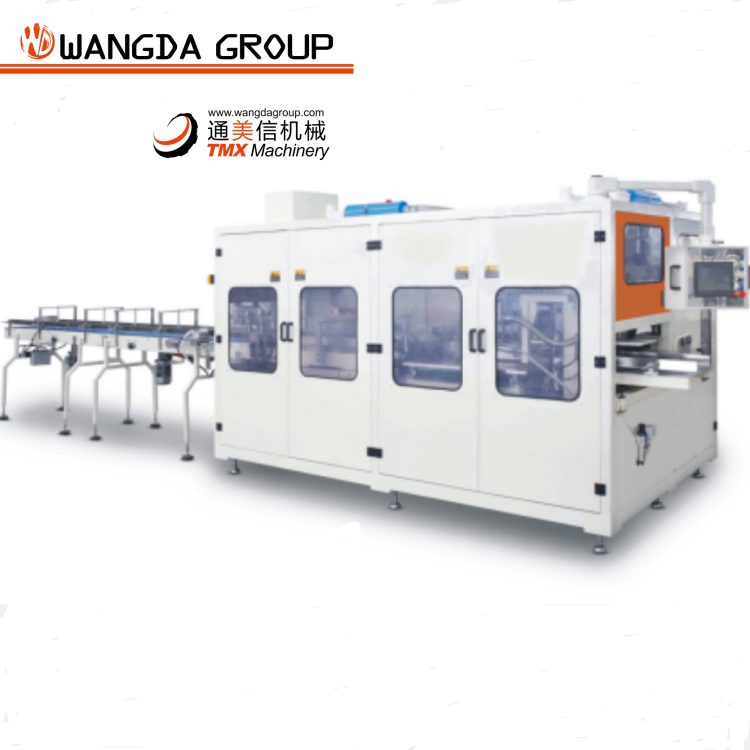
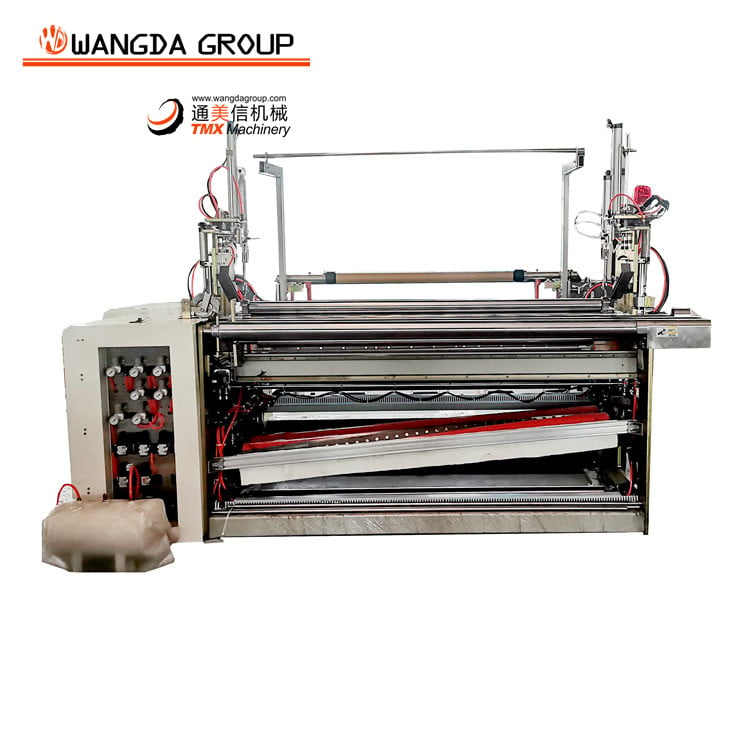
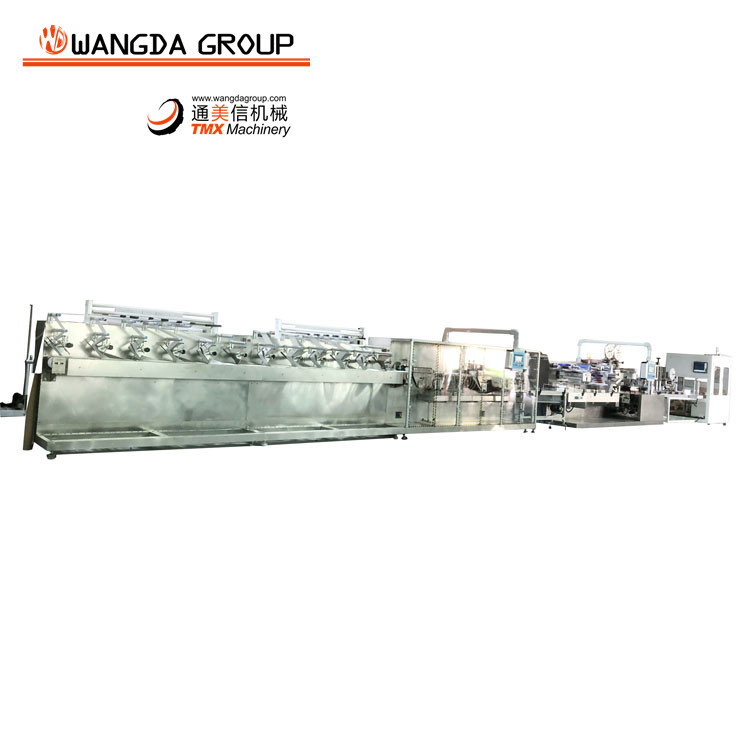
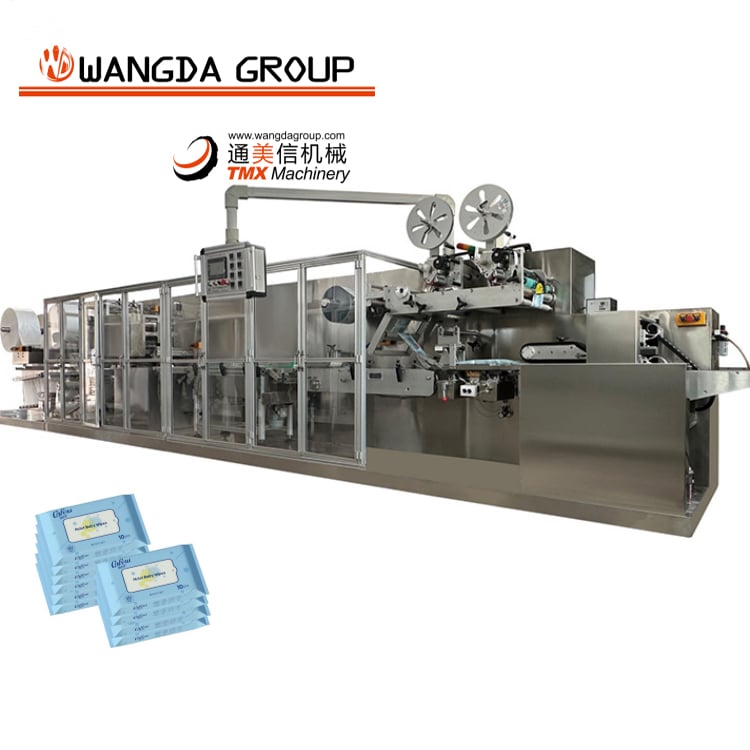
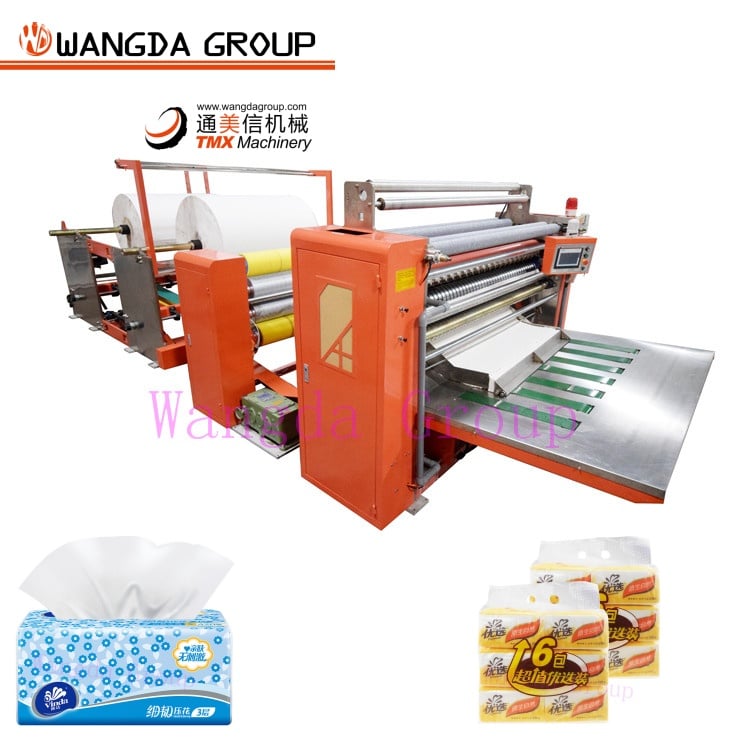
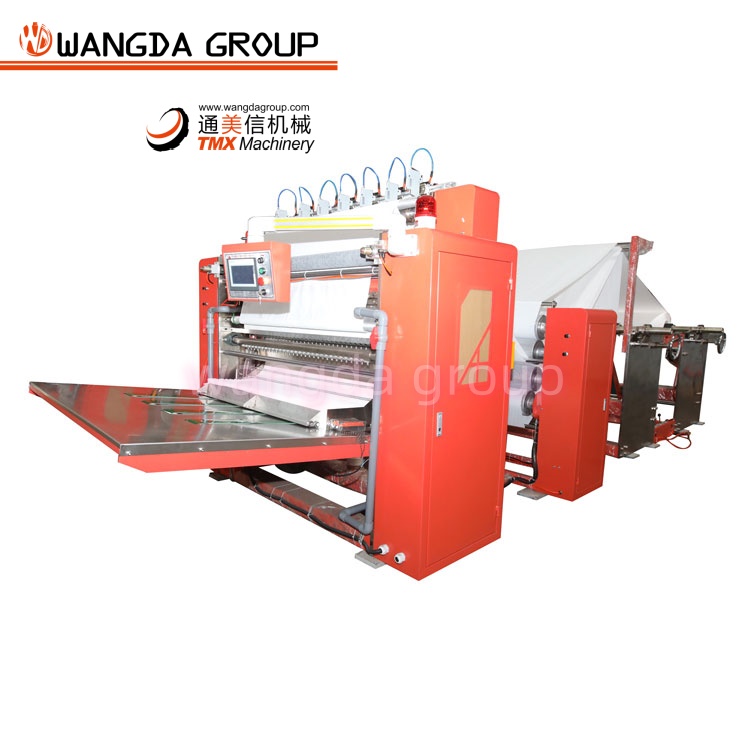
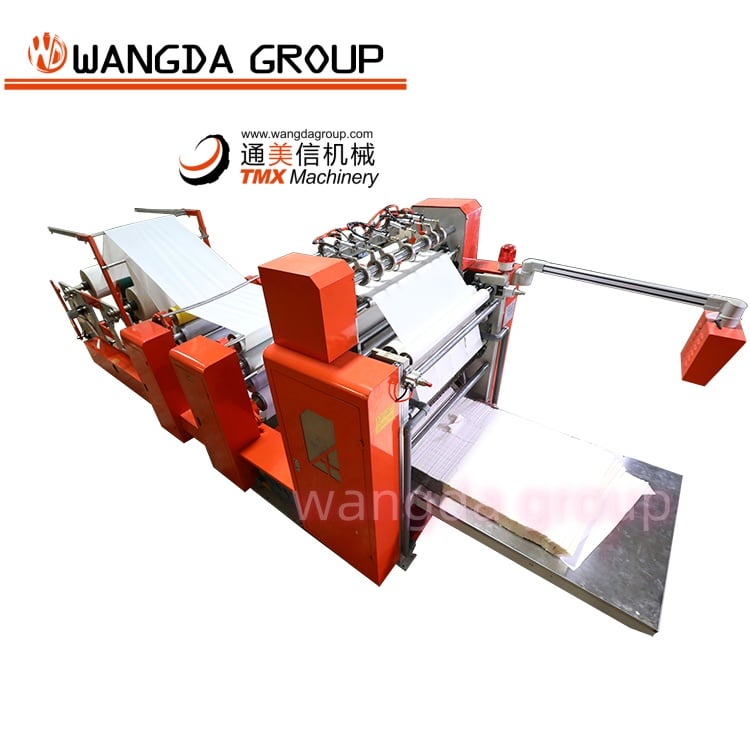
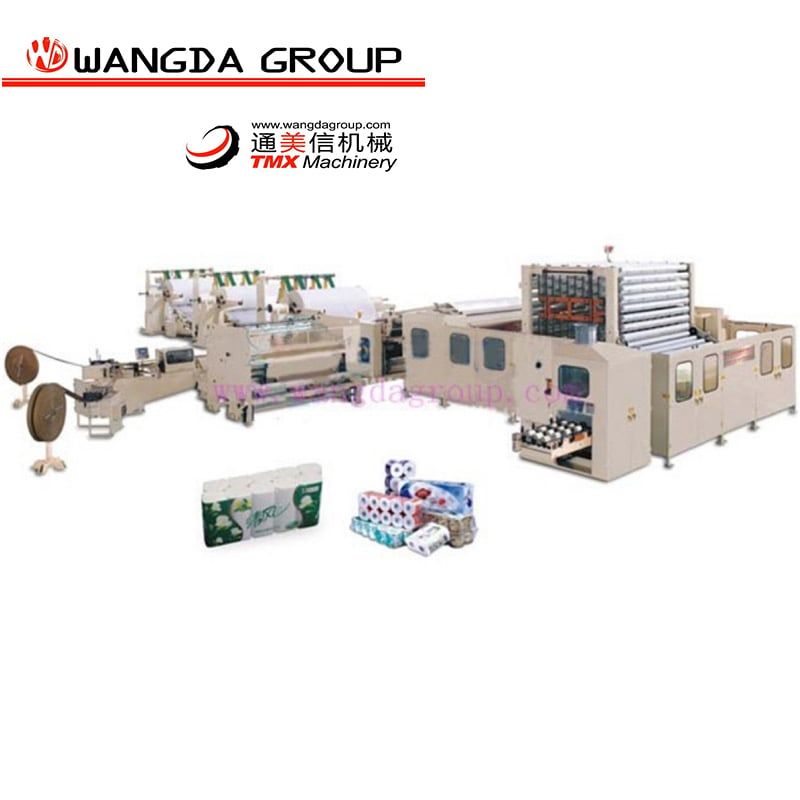
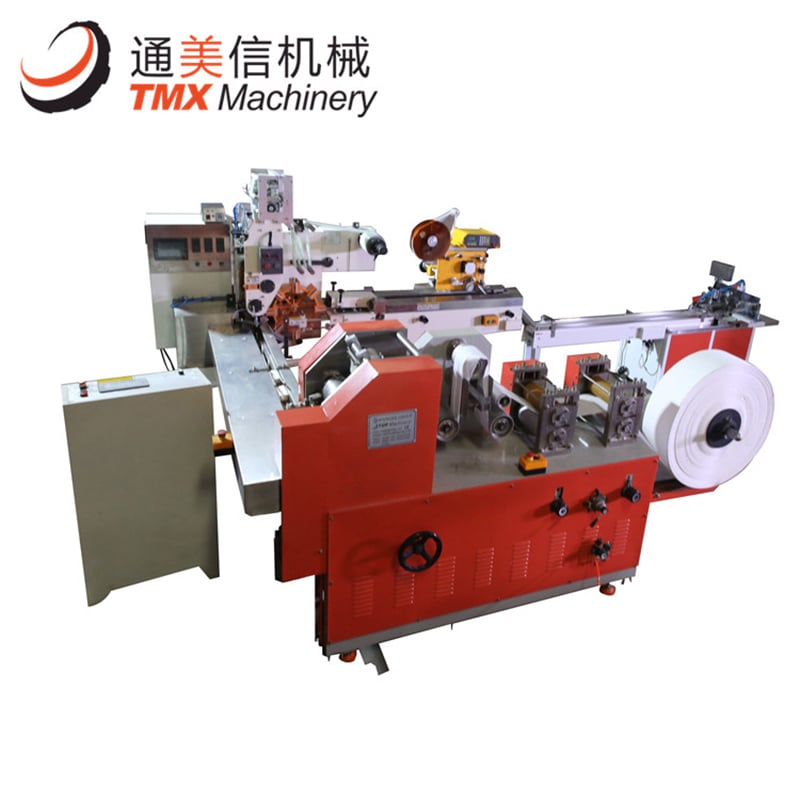
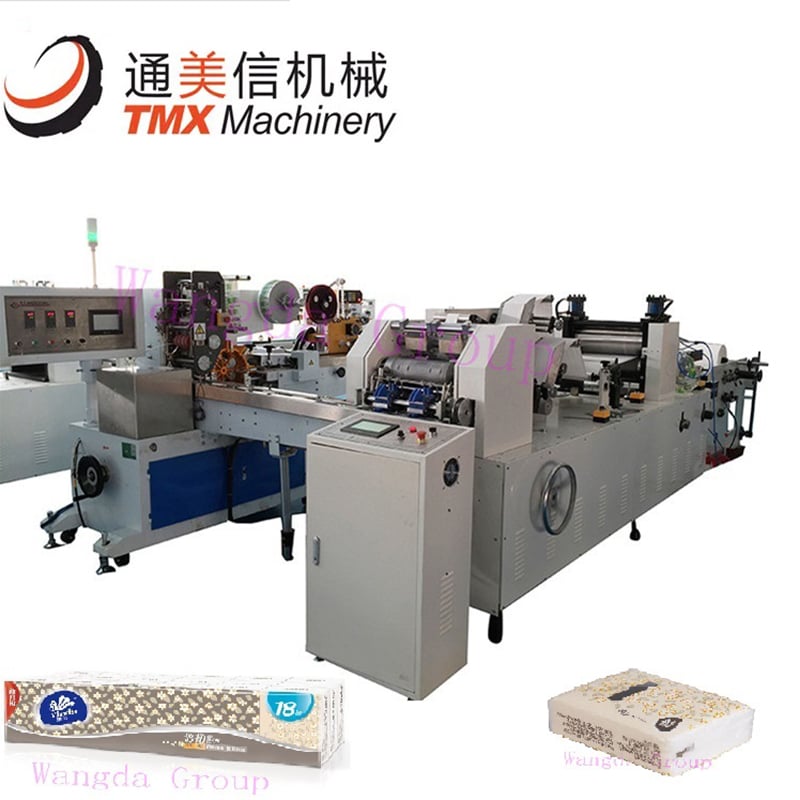
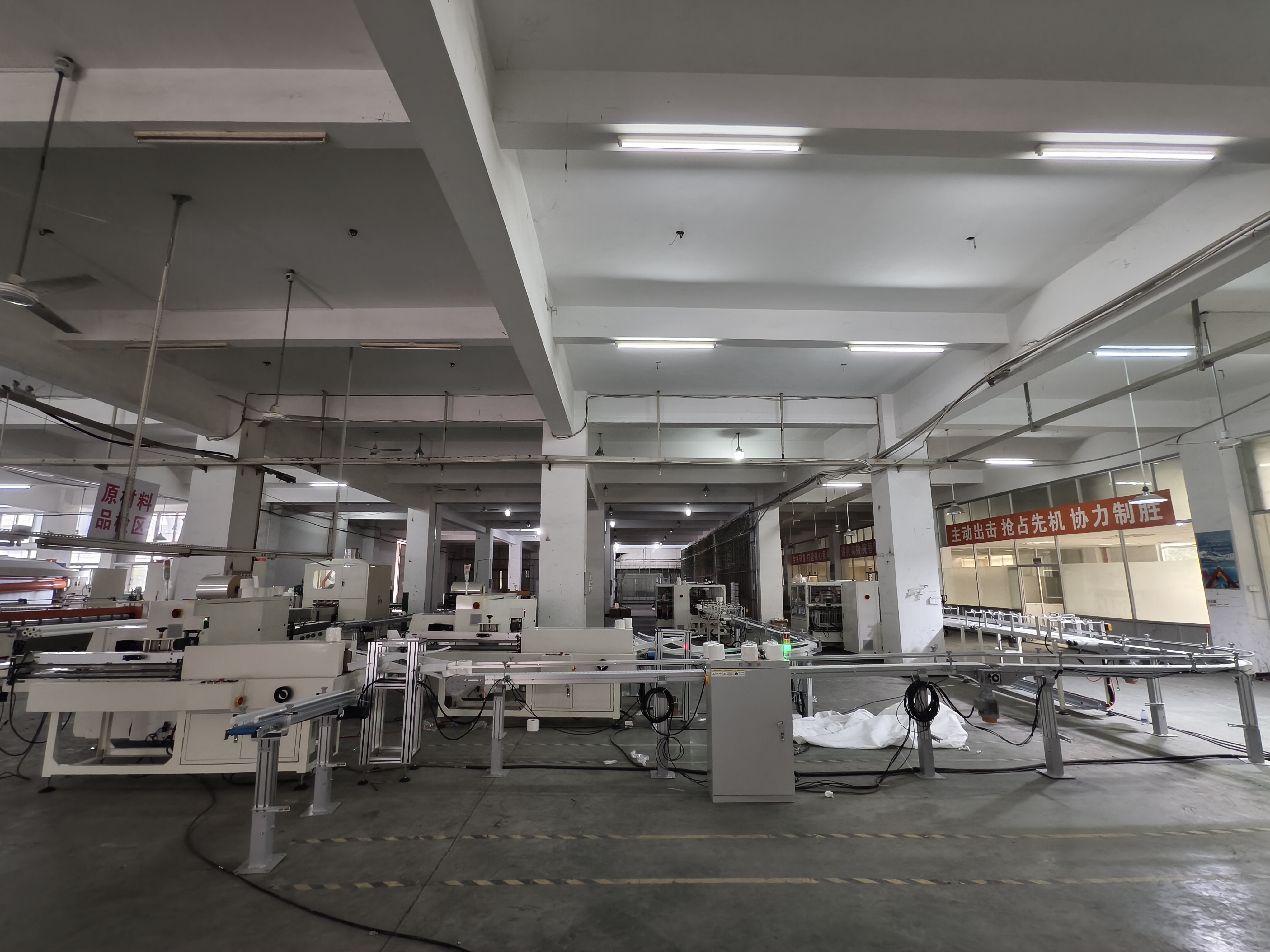
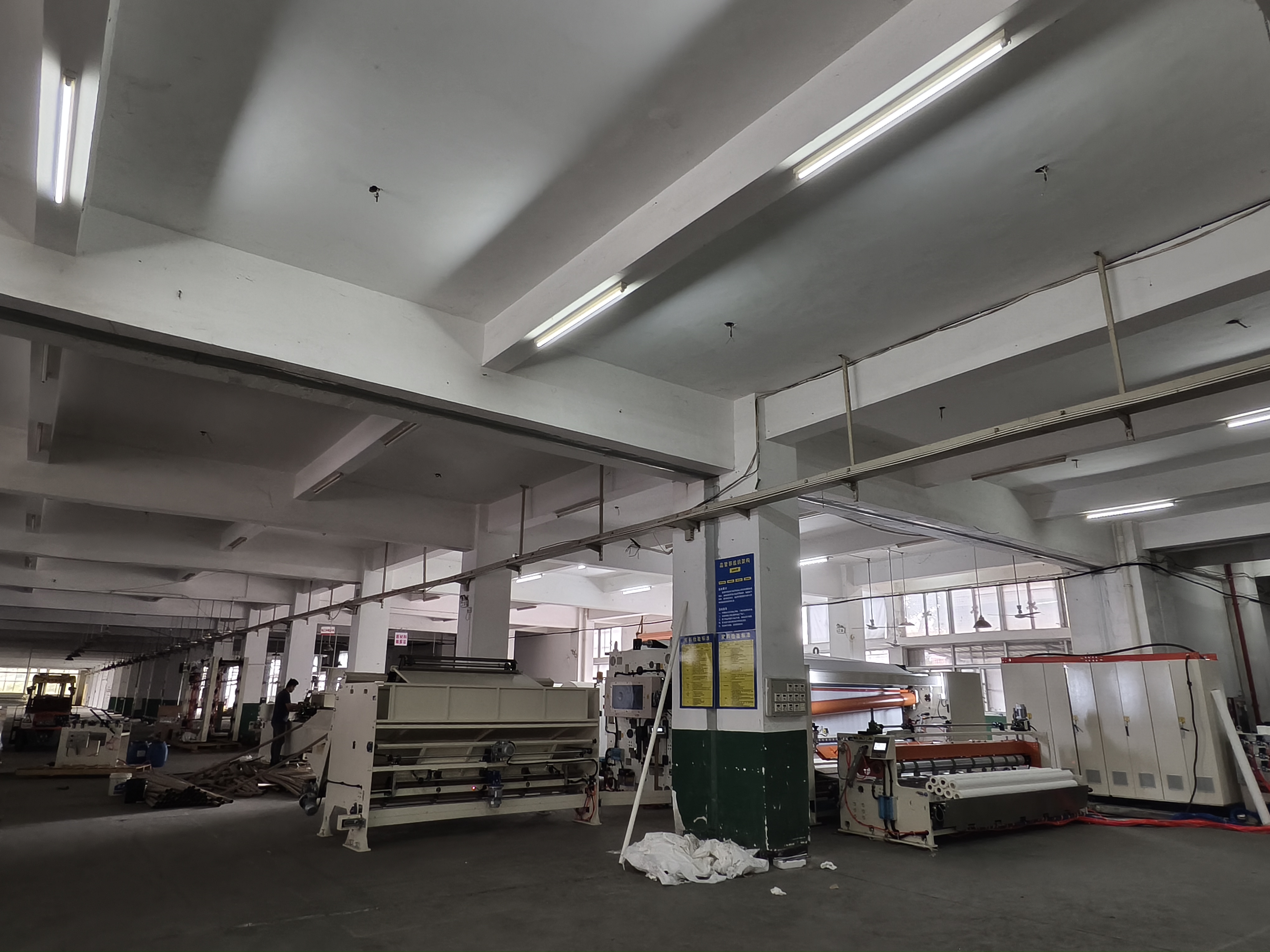
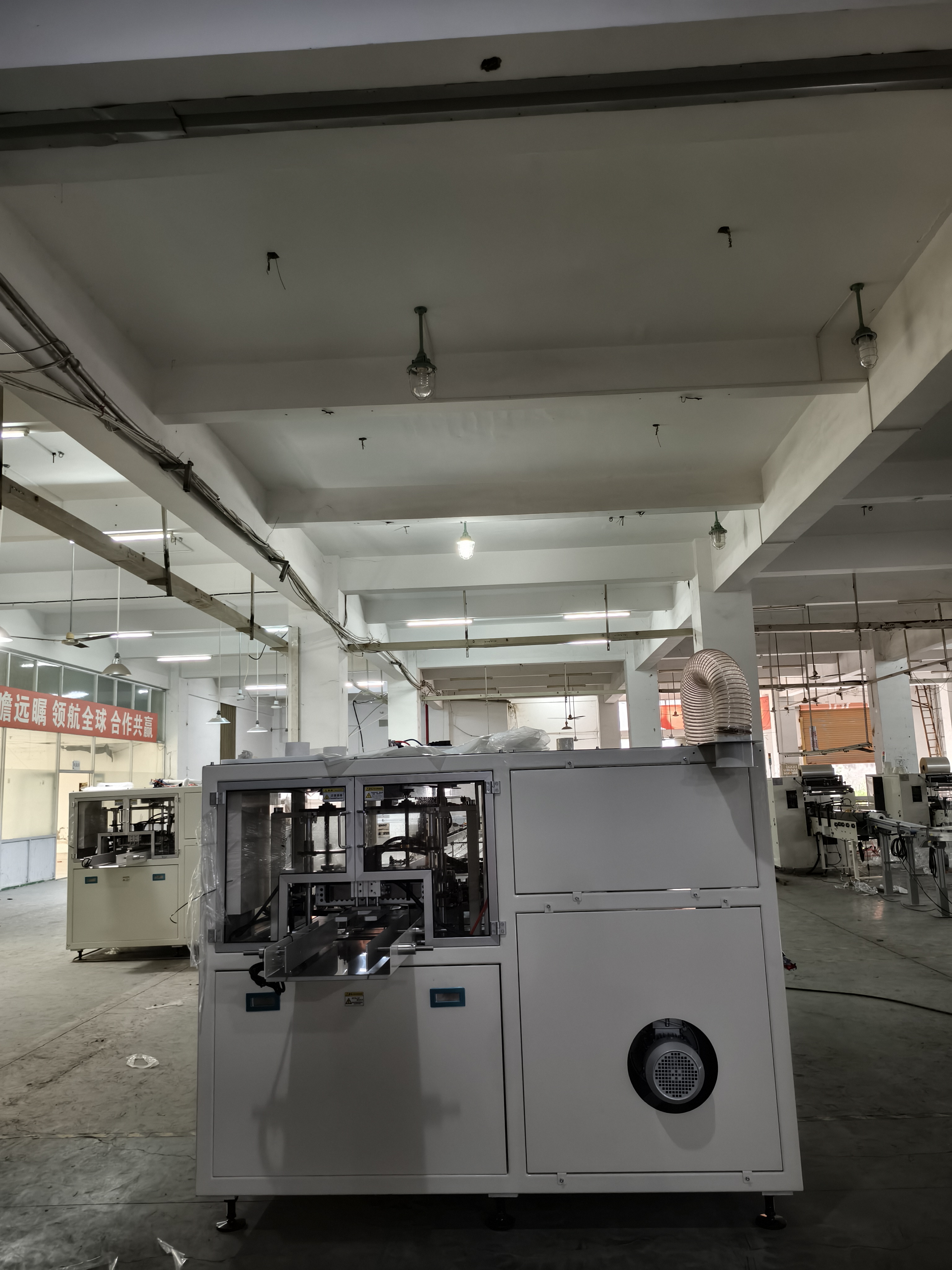
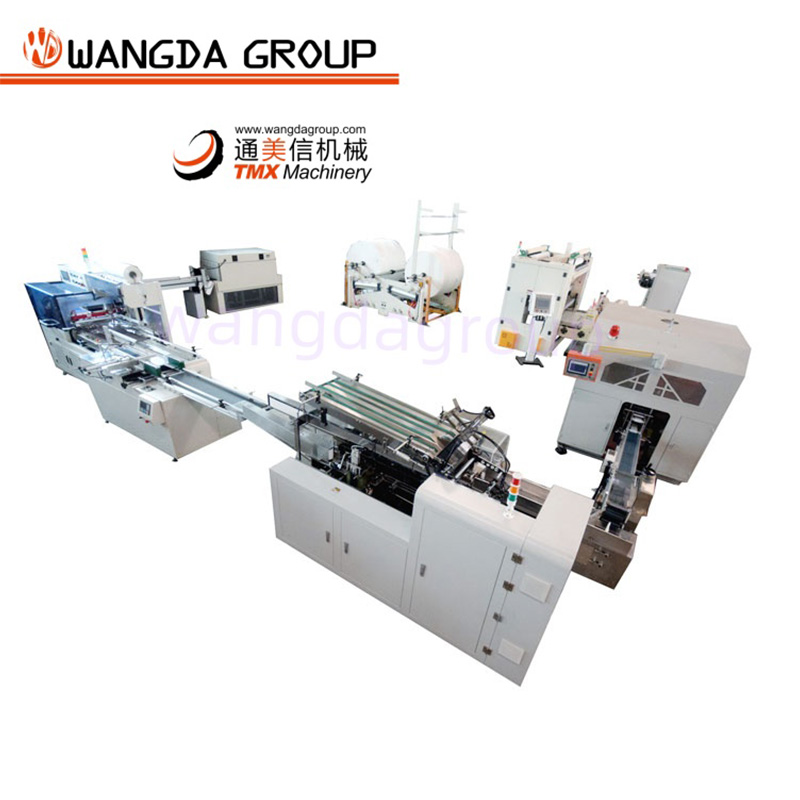
Choosing the right tissue printing machine is crucial for businesses in the hygienic products sector. As a key component in the production of items like facial tissues and napkin paper, these machines significantly influence product quality and operational efficiency. B2B buyers often seek reliable suppliers, specific product details, and operational guidance before making a purchasing decision. This article will cover essential considerations when selecting a toilet tissue making machine, sourcing suppliers, understanding specifications, installation, and applications in the industry.
When selecting a tissue printing machine, several factors should be prioritized to ensure the equipment meets production needs and quality standards. First, consider the machine's production capacity, which should align with your business volume and anticipated demand. A machine that operates efficiently at your required output rate minimizes downtime and maximizes profitability. Next, examine the machine's compatibility with various materials. toilet tissue paper making machine often handle different types of paper, so understanding the material specifications is vital. The machine should accommodate your chosen paper type to prevent jams and ensure quality prints. Lastly, assess the machine's energy efficiency and maintenance requirements. An energy-efficient machine can significantly reduce operational costs over time. Additionally, machines designed for easy maintenance help prevent production delays and minimize unexpected repair costs.

Finding reliable suppliers for tissue printing machines involves thorough research and evaluation. Start by exploring industry trade shows, where manufacturers often showcase their latest technologies and innovations. This allows you to see machines in action and ask technical questions directly.
Online platforms and industry directories can also provide valuable leads. Look for suppliers with strong reputations, as indicated by customer reviews and testimonials. Engaging with industry forums can also yield recommendations from fellow professionals who have firsthand experience with specific suppliers.
When evaluating potential suppliers, consider their manufacturing capabilities, certifications, and after-sales support. A manufacturer with a robust quality control process and a good track record in your target market (such as the Middle East or Africa) is typically a safer choice.

Understanding the key specifications of tissue printing machines is essential for making an informed purchasing decision. Important parameters include:
Printing Speed: This is measured in meters per minute (m/min) and indicates how quickly the machine can print tissue. Higher speeds can increase productivity but may require a balance with print quality.
Print Resolution: Typically measured in dots per inch (DPI), this specification affects the clarity and detail of the printed design. Higher DPI values result in sharper images, which is crucial for branding and consumer appeal.
Material Compatibility: Ensure that the machine can handle the specific types of tissue paper you plan to use. Some machines may have limitations regarding thickness or texture, which can affect production quality.
Automation Features: Look for machines with advanced features such as automatic color registration and ink management systems. These features can enhance operational efficiency and reduce manual errors.
Energy Consumption: Machines with lower energy requirements can significantly reduce operational costs, making them more appealing in the long run.
Before finalizing your choice, confirm these specifications against your production requirements to ensure compatibility and efficiency.

Proper installation is crucial for the efficient operation of tissue printing machines. Begin by preparing the installation site, ensuring adequate space for the machine and any necessary ancillary equipment. The area should have proper ventilation and comply with safety regulations to support a safe working environment.
During installation, follow the manufacturer's guidelines closely. Key aspects to consider include:
Electrical Requirements: Ensure that the electrical supply matches the machine's specifications to avoid power issues.
Calibration: Proper calibration of the machine is essential for achieving optimal print quality. Follow the manufacturer's instructions for setting up print parameters.
Training: Provide training for operators on the machine's functionality and maintenance requirements. Well-trained staff can significantly reduce the likelihood of operational errors.
Finally, conduct a test run to identify any issues before starting full-scale production. This initial run can help fine-tune settings and ensure that the machine operates smoothly.
Wangda has over 20 years of experience manufacturing all sorts of Tissue making machine, we focus on the machine functions and quality and additionally, we provide after-sales and pre-sales services. We have sold machines in over 100 countries. This has earned us repeated orders and positive feedback from our customers. Wangda is our own R and D departments. Our machines are based on advanced Germany, Japan and Italian technology and is updated day by day. Our machines have passed ISO9002, CE, BV and other certifications. We provide turnkey projects all the way from A to Z that includes more than machines.
Wangda Tissue making machine toilet tissue machines (including cutting and packing), kitchen towel machines (including cutting and packing) facial tissue machines (including cutting and packing) as well as nylon bag facial tissues machines. We also make maxi roll rewinding equipment as well as perforating machines.
Toilet paper making machine has a very experienced with a long-standing sales team as well as an after-sales staff, 80% of the team has worked for more than 10 years in our business in this hygienic product industry. Our team members have a lot of experience working with daily-use paper tissue machines, related packing machines and so on hygienic product machines We are experts in a range of information in this area, we know what our clients need, and worry about the things that make they are concerned about. We don't only sell machines to our customers, we also assist our customers to make profit from this hygienic business, to provide the lifelong after-sales service to our customers on time.
We've worked Tissue paper manufacturing machine a variety of clients both at home and internationally.
Tissue printing machines play a pivotal role in the hygienic products industry by enabling the production of various paper products, including facial tissues, napkins, and toilet paper. These machines facilitate customized printing for branding and consumer engagement, allowing businesses to differentiate their products in a competitive market.
In addition to traditional printing, modern tissue printing machines are increasingly used for eco-friendly applications. For instance, they can print on recycled paper or biodegradable materials, catering to the growing demand for sustainable products. This capability not only aligns with environmental regulations but also enhances brand reputation among eco-conscious consumers.
Moreover, tissue paper making machine price are adaptable for use in different packaging methods. For instance, they can be integrated into packaging lines to print directly on wrappers or boxes, providing seamless branding solutions throughout the supply chain.
By understanding the diverse applications of tissue printing machines, B2B buyers can make informed choices that align with their product offerings and market demands.
In summary, selecting a tissue printing machine involves careful consideration of specifications, supplier reliability, installation processes, and industry applications. By focusing on these areas, businesses can enhance their production capabilities and meet the evolving needs of their customers in the hygienic products sector.