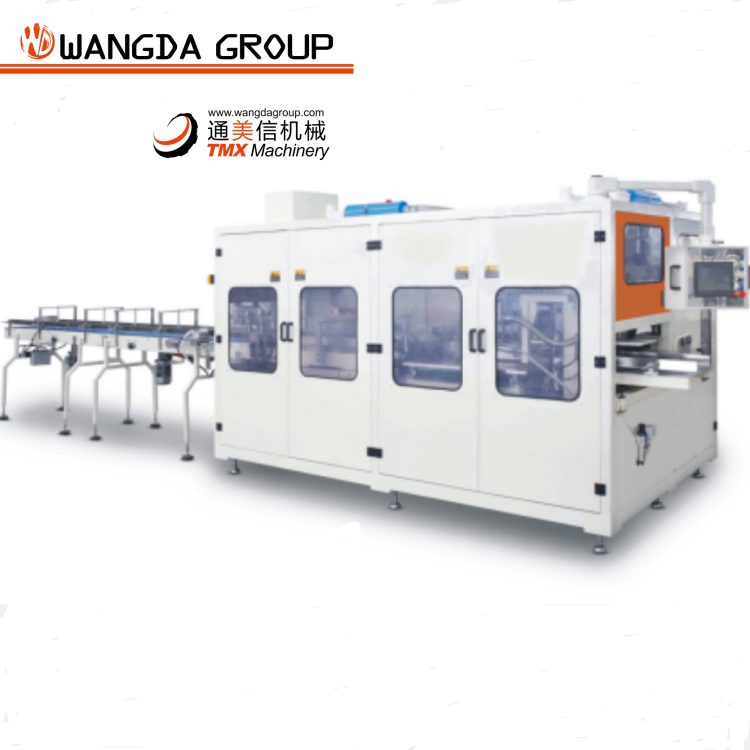
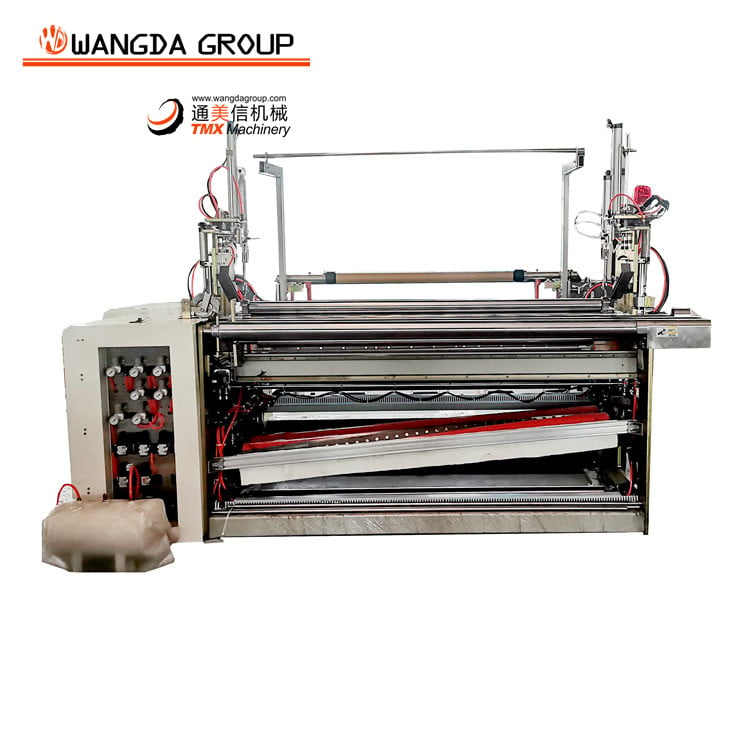
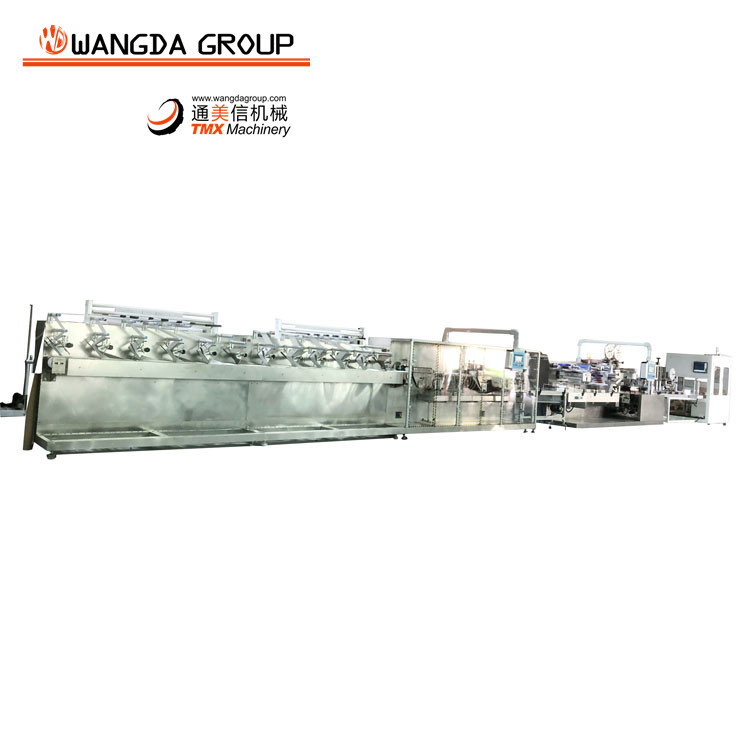
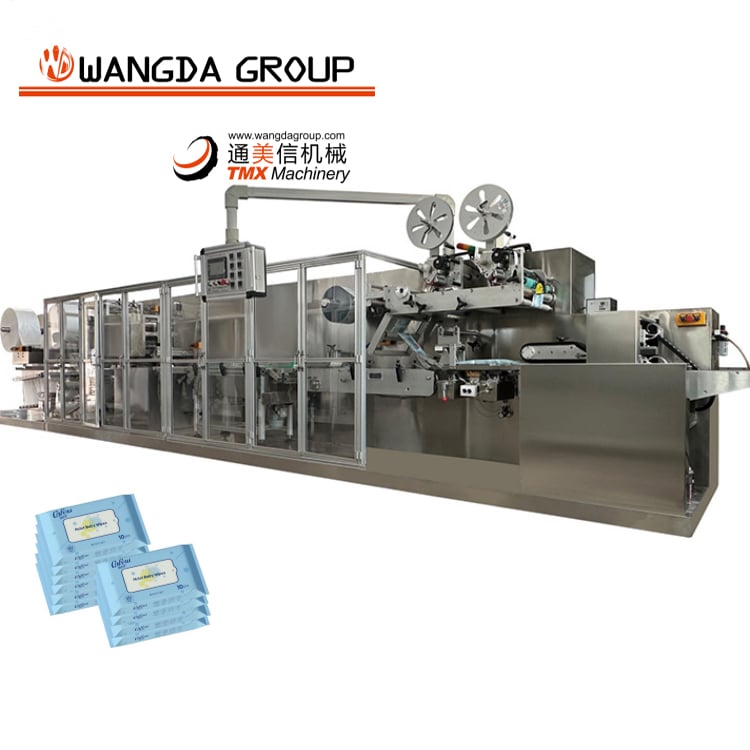
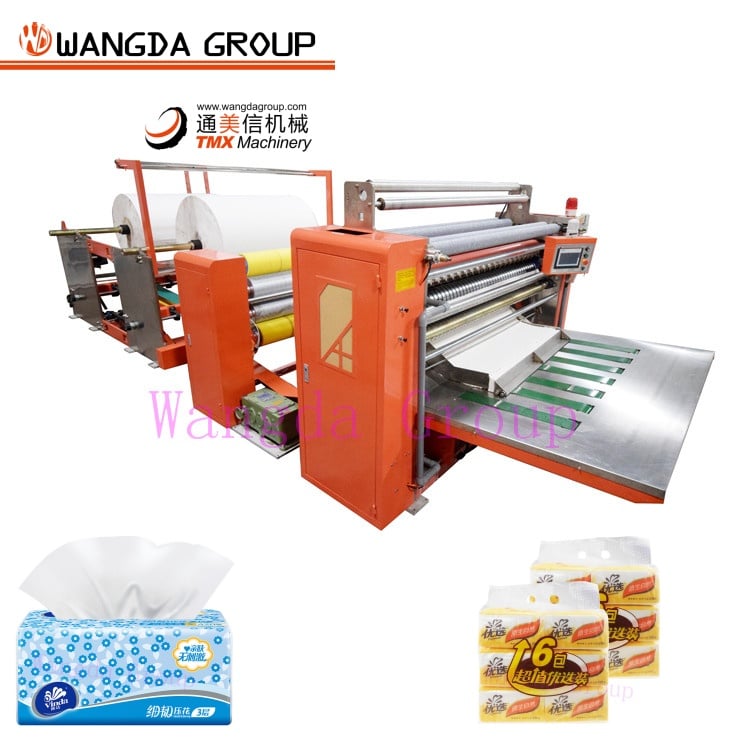
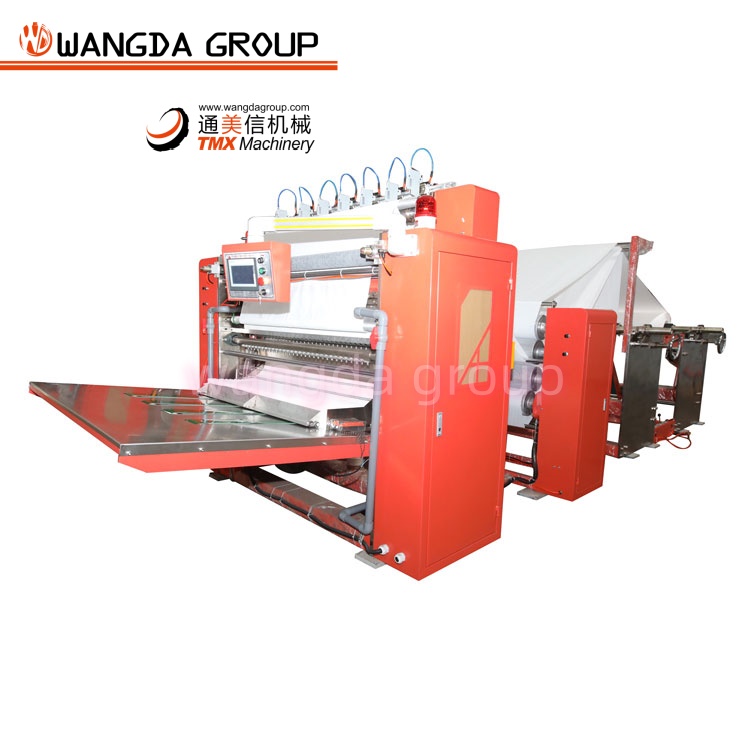
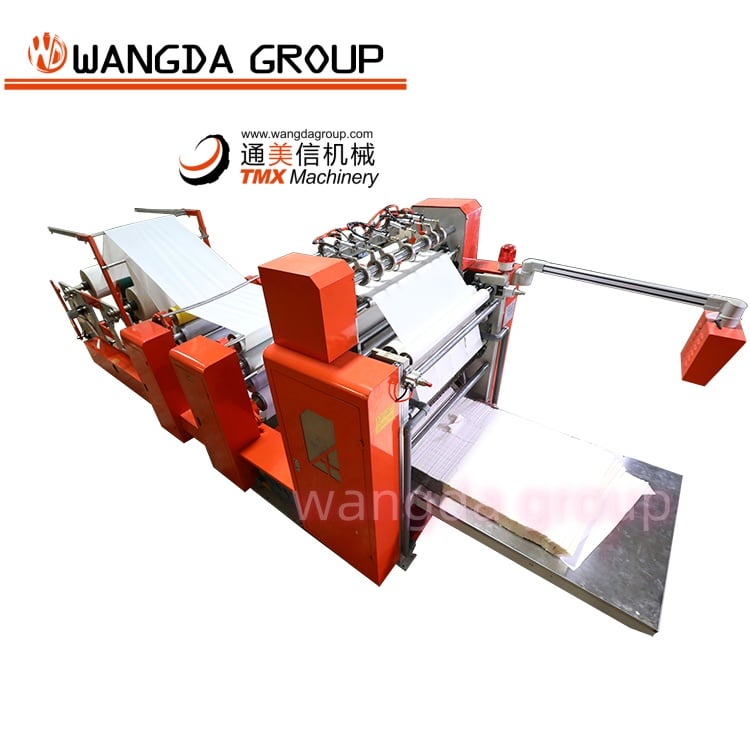
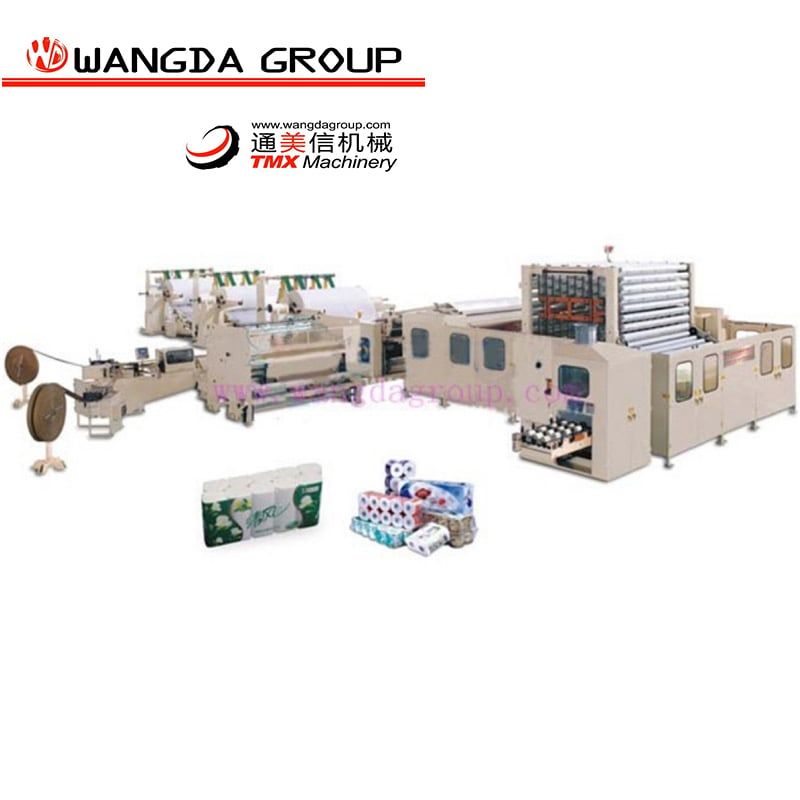
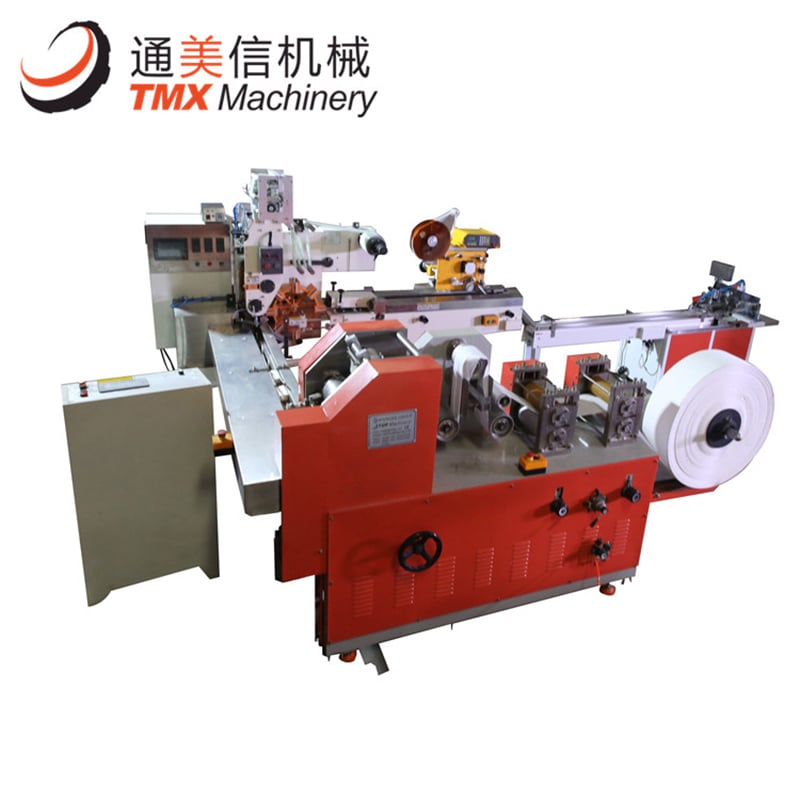
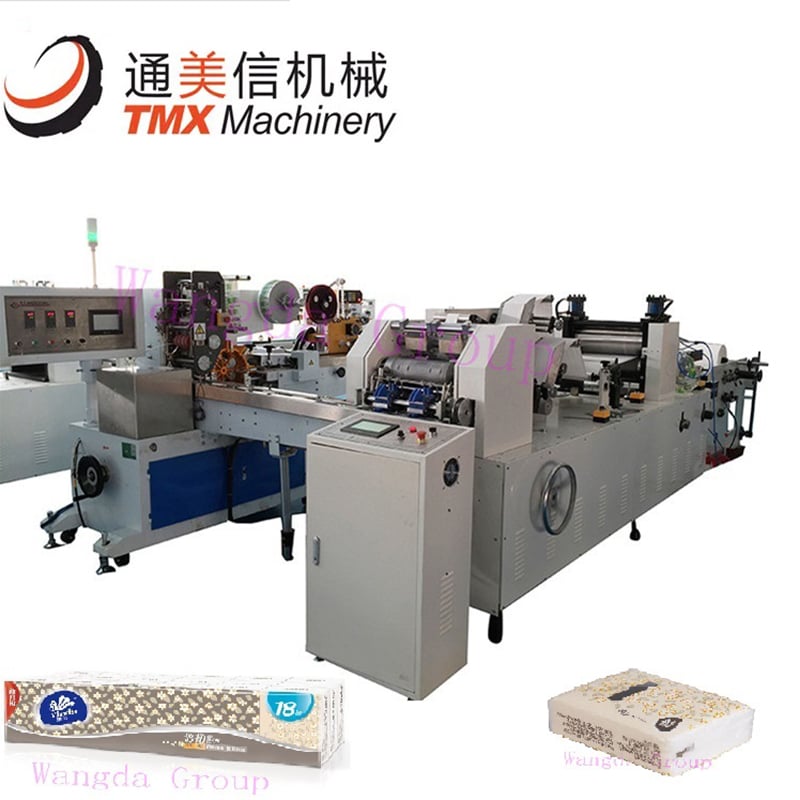
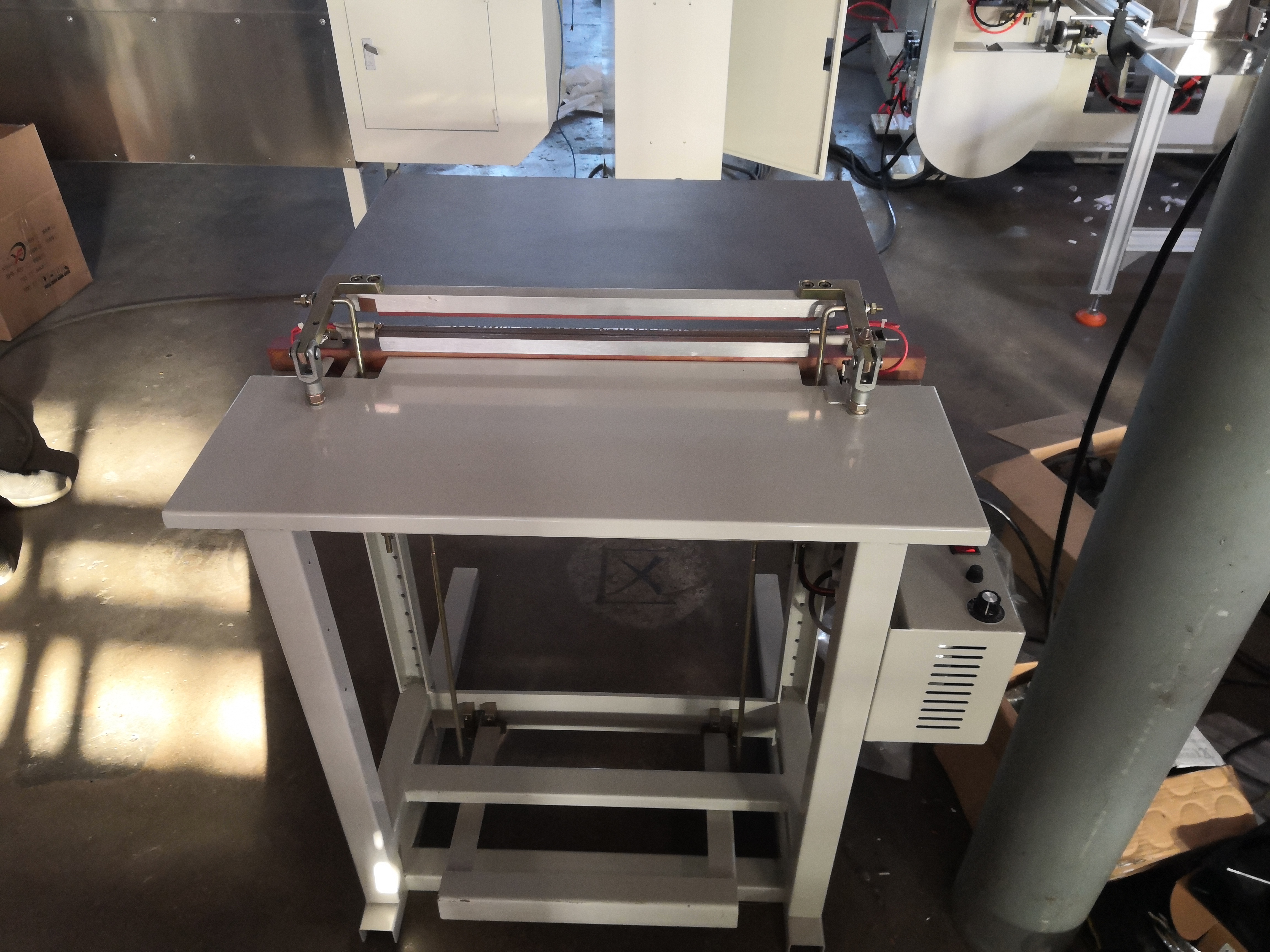
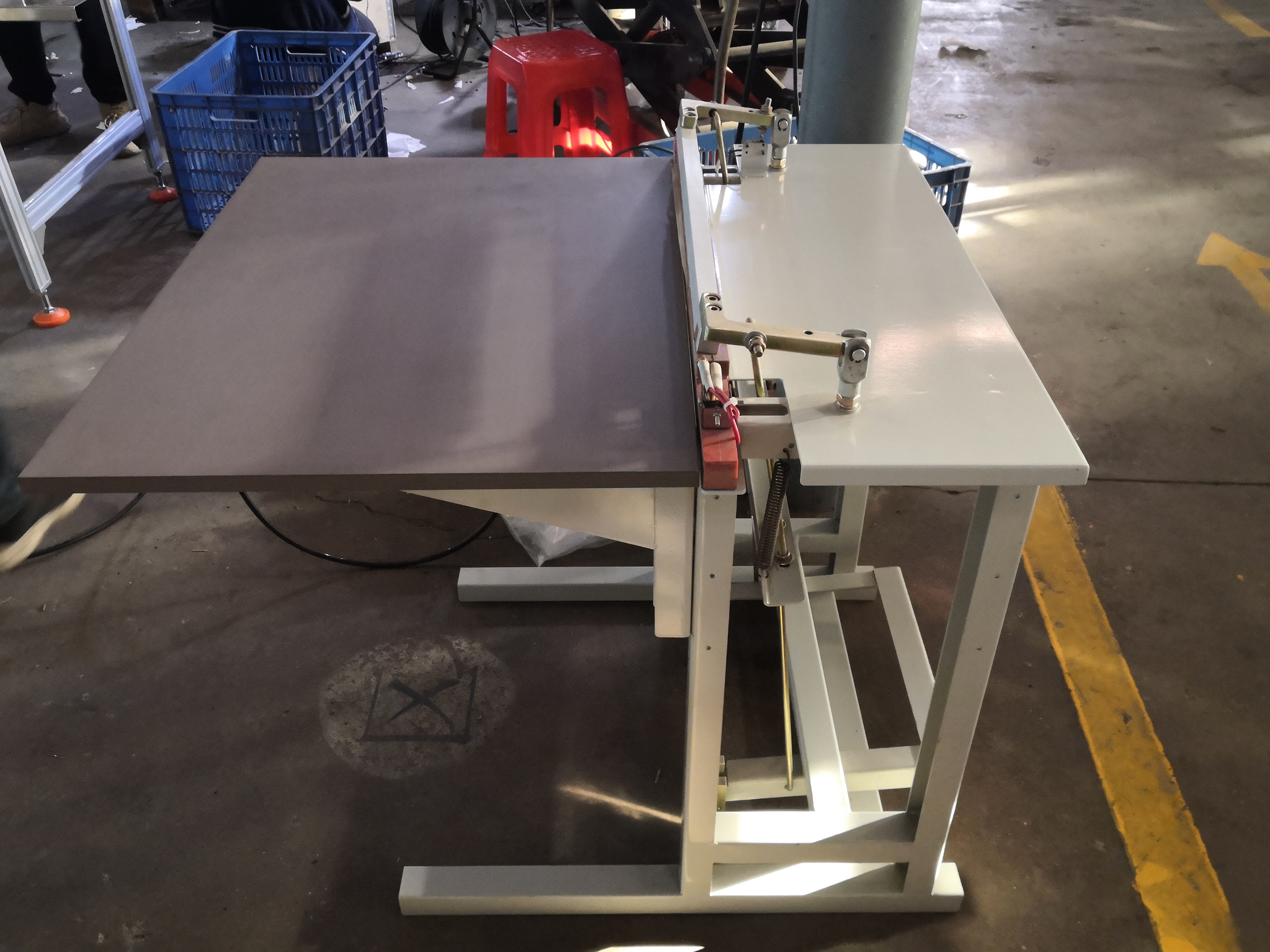
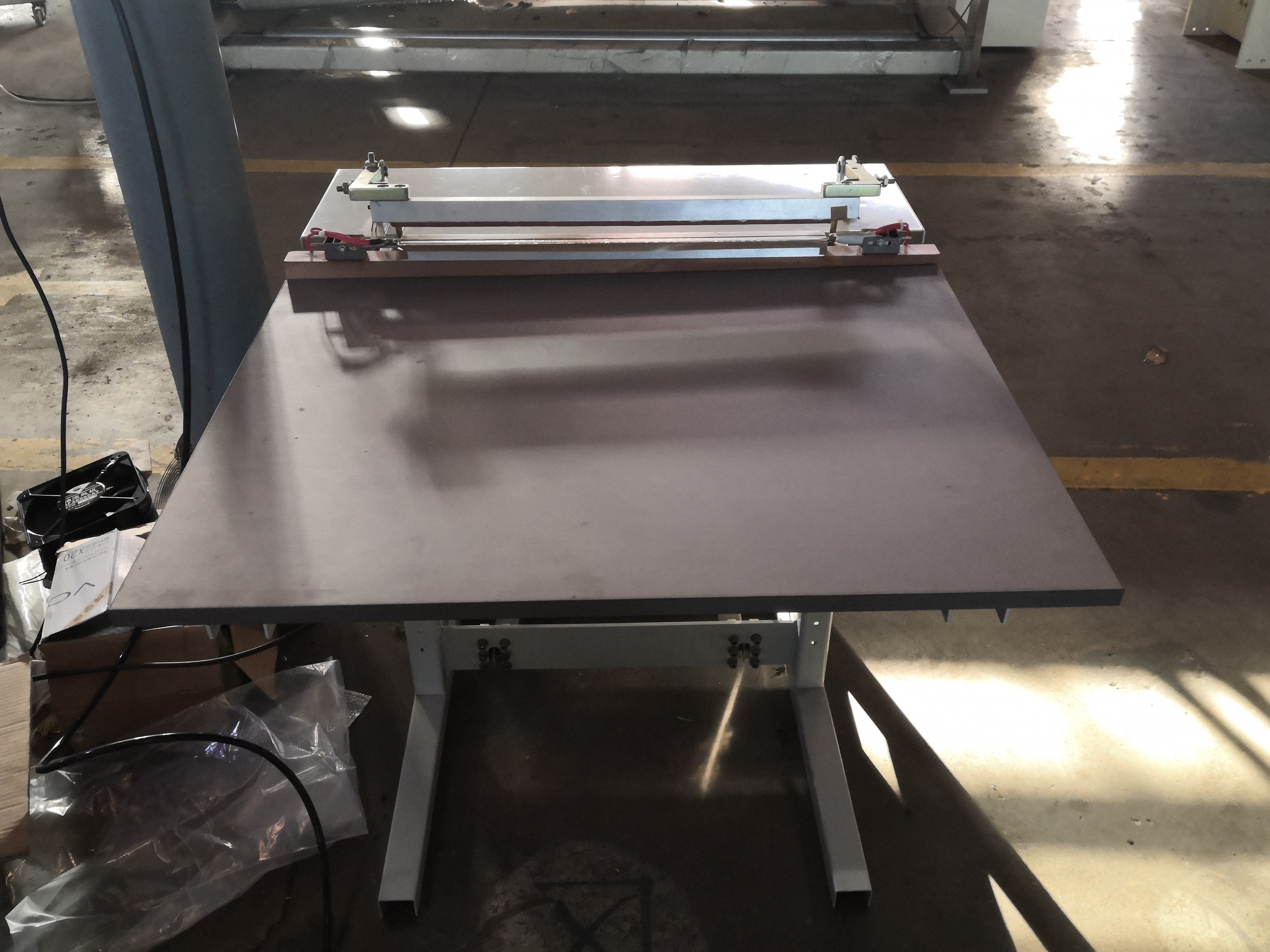
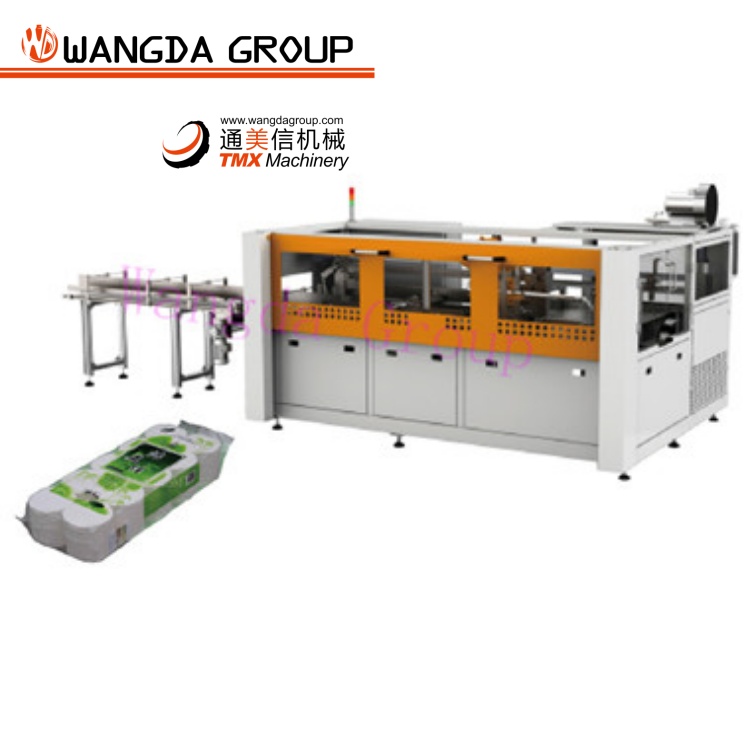
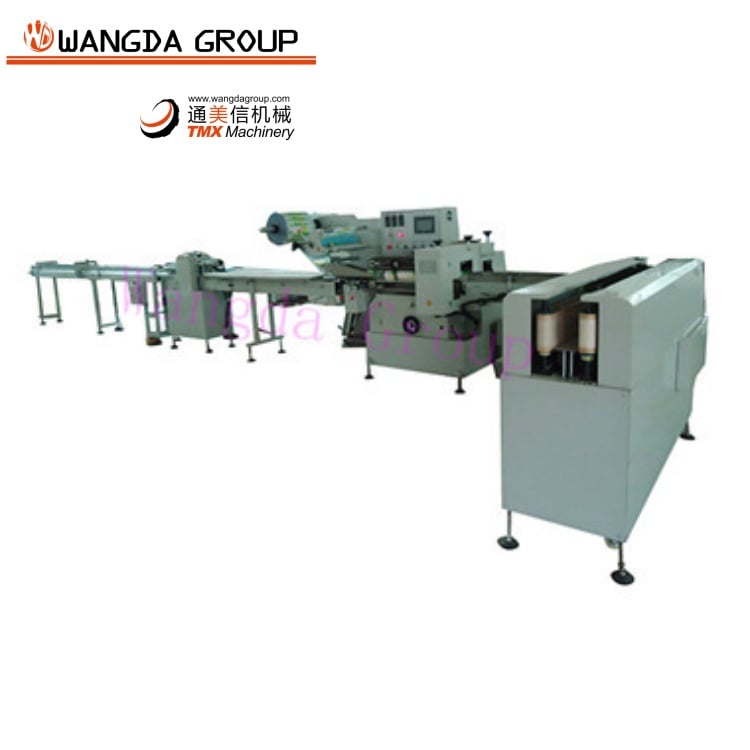
A tissue paper sealing machine is essential for manufacturers looking to efficiently package hygienic products like napkin paper, facial tissue, and toilet paper. These machines not only ensure product integrity but also enhance shelf appeal through secure sealing. As a B2B buyer, understanding the key specifications, potential challenges, and cost factors associated with these tissue paper machine price can significantly impact your purchasing decisions. This article will guide you through the critical considerations when selecting a tissue paper sealing machine, helping you make informed choices that align with your production needs.
When evaluating a tissue paper sealing machine, several critical factors come into play. First, consider the machine's compatibility with your existing production line. It's essential to ensure that the sealing machine can integrate seamlessly with your other equipment, such as tissue paper folding machines and packing systems.
Next, assess the machine's production capacity to meet your output requirements. For instance, if you are producing high volumes of tissue products, a machine with a higher throughput will be necessary. Additionally, consider the flexibility of the toilet tissue paper making machine. Can it handle various types of tissue products, or is it limited to specific formats?
Finally, evaluate the machine's ease of use and maintenance. A user-friendly interface reduces training time for operators, while easy maintenance ensures less downtime in your production schedule. Look for machines that offer robust after-sales support and training from the manufacturer, which can enhance operational efficiency.

Several specifications play a crucial role in the performance of a tissue paper sealing machine:
Sealing Method: This can include heat sealing, ultrasonic sealing, or cold sealing. Each method has its advantages depending on the material and application. For instance, heat sealing is commonly used for plastic films, while ultrasonic sealing may be more suitable for delicate tissue products.
Speed and Throughput: Measured in products per minute, this specification indicates how quickly the machine can seal packages. Ensure that the machine can keep pace with your production demands without sacrificing quality.
Adjustable Settings: Look for machines with adjustable sealing temperature and pressure settings. This flexibility allows you to customize the sealing process according to the specific materials used, ensuring optimal performance.
Material Compatibility: The machine should be compatible with the tissue paper making machine price types of packaging materials you intend to use, whether they are plastic films, paper, or biodegradable materials. Confirm that the sealing technology can effectively bond the chosen materials.
Control Systems: Advanced machines may feature PLC (Programmable Logic Controller) systems that allow for precise control over the sealing process. This can enhance consistency and reduce the risk of errors.
Understanding these specifications helps ensure that the chosen machine meets your production needs and maintains quality standards.

It's crucial to understand the operational requirements and potential limitations of tissue paper sealing machines. For instance, the suitable sealing method may vary based on the thickness and type of tissue being packaged. A thicker material might require a different sealing technique compared to lighter tissue products.
Additionally, be aware that production consistency can fluctuate, especially during initial runs. Monitoring the sealing quality closely after the first few batches can help identify any adjustments needed in the machine settings.
Moreover, consider the importance of sample testing before committing to large orders. Requesting a production sample allows you to evaluate the machine’s performance in real-world conditions and ensures it meets your standards for sealing quality and package integrity.

Despite the reliability of modern tissue paper sealing machines, manufacturers may encounter several common issues:
Inconsistent Seals: This can result from incorrect temperature settings, pressure fluctuations, or material incompatibility. Regularly calibrating the machine and adhering to the recommended settings for different materials can mitigate this issue.
Material Jamming: Jams may occur due to improper alignment or foreign objects in the machine. Regular inspection and maintenance can prevent this problem. Ensure operators are trained to recognize early signs of jamming.
Sealing Failures: If seals are breaking or not holding, it may indicate insufficient sealing time or incorrect sealing temperature. Conducting tests with varying settings can help identify the optimal parameters for each material type.
Wear and Tear: Over time, sealing bars and other components may wear down. Implementing a regular maintenance schedule can help prolong the machine's lifespan and maintain consistent performance.
Addressing these issues proactively can save costs associated with downtime and product recalls.
Wangda is a highly professional and knowledgeable sales staff and after-sales team, 80% of the team has been in Toilet roll manufacturing machine for more than 10 years in our company in this hygiene-conscious product industry. Our team has a wealth of experience in the daily use of paper tissue machines, related packing machines and many other Hygienic products machines We have a wide range of professional expertise in this field, we are aware of what our customers wants, we worry about what our customers worry about. We not just sell the machines to our clients, but we help our customers earn money through this business of hygienic products, to provide the lifelong after-sale services to our customers at the right time.
We've worked with many clients, both Tissue paper machine home and abroad.
Wangda manufactures toilet paper machines and toilet paper cutting machines Toilet paper packing machines, kitchen towel cutting machines, kitchen towel cutting machines. Kitchen towel packing machines. Tissue paper manufacturing machine facial tissue cutting machines, facial tissue packing machines, box drawing facial tissue machine, nylon bag facial tissue machines, maxi roll rewinding machines, napkin paper machines, serviette making machines, napkin paper packing machines, pocket tissue machines, pocket tissue packing machines, wet wipe folding machines as well as packing machines, and the list goes on. We also supply all related materials for these hygienic products.
Wangda has over Toilet paper manufacturing machine of of experience in the production of various tissue machines. We pay much attention to the equipment's functions and quality as well as additionally, we provide after-sales and pre-sales services. We supply self machines to more than 100 countries and regions that get positive feedback from clients and repeat orders. Wangda has its own R and D departments. Our machines use the most advanced Germany Japanese, Japan and Italian technology and is constantly upgraded. Our machines have achieved ISO9002, CE, BV and many other certifications. What we supply is not only machines. What we supply is a complete turnkey solution from A to Z, we can accept customized orders for these machines.
When considering the purchase of tissue paper sealing machines, several cost factors come into play:
Initial Investment: The cost of the machine itself can vary significantly based on features, capacity, and brand reputation. It's essential to evaluate the total cost of ownership, which includes maintenance and operational costs, rather than focusing solely on the purchase price.
Volume Discounts: If purchasing machines in bulk, inquire about volume discounts. Many manufacturers offer reduced prices for larger orders, which can significantly lower the cost per unit.
Operational Costs: These include energy consumption, maintenance, and the cost of replacement parts. Machines that are energy-efficient or require less frequent maintenance may provide long-term savings.
Customization Costs: If your production line requires specific modifications to the machine, be prepared for additional costs. Customization can enhance the machine's suitability for your needs but may impact the overall budget.
Training and Support: Consider the costs associated with operator training and ongoing support from the manufacturer. A machine with comprehensive training resources can reduce operational errors and improve productivity.
By carefully evaluating these cost factors, you can make an informed decision that aligns with your budget and operational goals.
selecting the right tissue paper sealing machine involves a thorough assessment of specifications, potential challenges, and cost factors. By understanding these elements and preparing adequately, you can enhance your manufacturing efficiency and product quality.