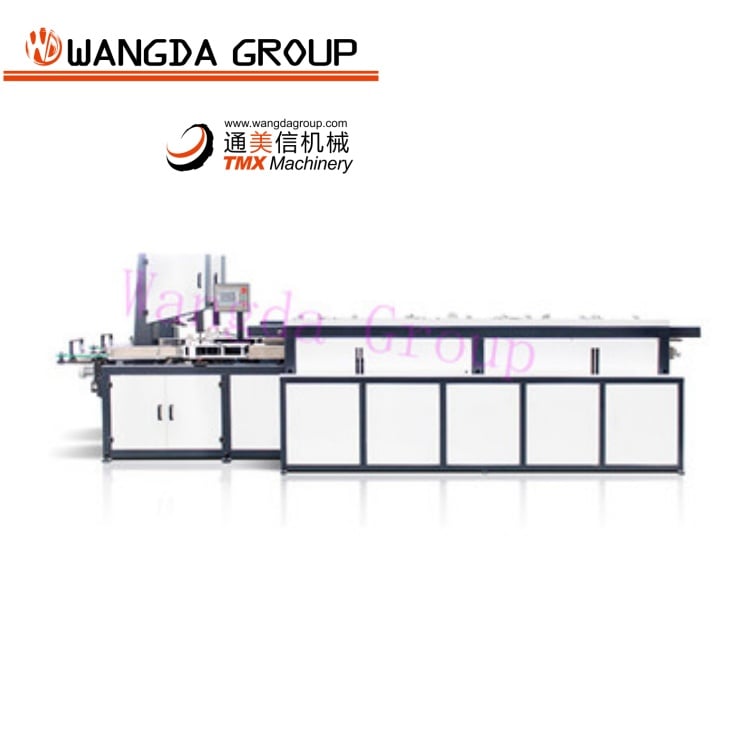
In South Africa, the demand for hygiene products is continually rising, making the availability of high-quality tissue paper making machines critical for manufacturers in the region. These machines play a vital role in the production of essential products such as toilet paper, facial tissues, and napkins. For B2B buyers, purchasing the right tissue paper making machine involves understanding machine specifications, supplier reliability, and associated costs. This article will guide you through evaluating tissue paper machines, identifying reliable suppliers, comparing specifications, understanding cost factors, and exploring applications across various industries.
When assessing the quality of tissue paper making machine, buyers should consider several critical specifications and features. Key factors include the machine's production capacity, efficiency, and the materials used in construction. A high-quality machine should be built with durable materials to withstand continuous operation, ensuring longevity and reliability.
Another crucial aspect is the machine's automation level. Full-servo production lines often offer enhanced precision and reduced waste, which can significantly improve overall product quality and operational efficiency. Buyers should also inquire about the machine's compliance with international standards and certifications, as these can indicate adherence to quality and safety protocols.
Additionally, evaluating the manufacturing process is essential. Machines that undergo rigorous quality control checks during production are more likely to perform reliably throughout their operational life. Requesting detailed specifications and performance data from suppliers can also help in making an informed decision.

Finding reliable suppliers of tissue paper making machines involves thorough market research and vetting processes. Start by exploring industry directories, trade shows, and online marketplaces that specialize in manufacturing equipment. Networking with other businesses in the hygiene products sector can also yield valuable recommendations.
When assessing potential suppliers, consider their reputation, years of experience, and customer feedback. A supplier with a strong track record in exporting to various regions, including Africa, is often more reliable. Additionally, verify their after-sales support and service capabilities, as these will be crucial for maintenance and troubleshooting.
It can be beneficial to request samples or case studies from suppliers to understand their equipment's performance and how it integrates into existing production lines. Engaging directly with suppliers through meetings or virtual consultations can also provide insights into their commitment to quality and service.

Importers should carefully compare the specifications of different automatic tissue paper making machine to ensure they meet their production needs. Key specifications to consider include:
Production Capacity: This indicates how much tissue paper the machine can produce in a given time frame. Buyers should assess whether the machine can meet their expected demand.
Material Specifications: The type of materials used in production affects the final product's quality. Buyers must ensure that the machine supports the necessary raw materials, whether recycled paper or virgin pulp.
Dimensions and Footprint: Understanding the machine's size is critical for space planning within the manufacturing facility. Ensure that it fits within the designated area without compromising workflow.
Energy Efficiency: Machines that offer energy-saving features can significantly reduce operating costs over time. This is particularly important for long-term sustainability.
Customization Options: Depending on the specific needs of the business, buyers may require machines that allow for customization, such as varying paper thickness or roll sizes.
By comparing these specifications across different models, importers can identify the best equipment for their production requirements and budget constraints.

Several cost factors influence the pricing of tissue paper making machines. The initial purchase price is only one consideration; operational costs, maintenance, and potential downtime should also be factored in.
Initial Cost: Prices can vary based on the machine's specifications, brand reputation, and technology level. Full-servo machines may have a higher upfront cost but can lead to savings through efficiency gains.
Operational Costs: These include energy consumption, labor costs, and raw material prices. A machine with better energy efficiency can reduce ongoing expenses significantly.
Maintenance and Service: Factor in the costs associated with servicing the machine and sourcing replacement parts. Reliable suppliers often provide comprehensive maintenance packages that can mitigate these expenses.
Shipping and Import Duties: Importers should also consider the logistics of transporting the machine, including shipping costs and any applicable duties or taxes.
Financing Options: Some suppliers may offer financing plans that allow for easier budget management. Understanding the terms and conditions of these options can aid in decision-making.
By evaluating these cost factors, buyers can better understand the total cost of ownership and make informed purchasing decisions.
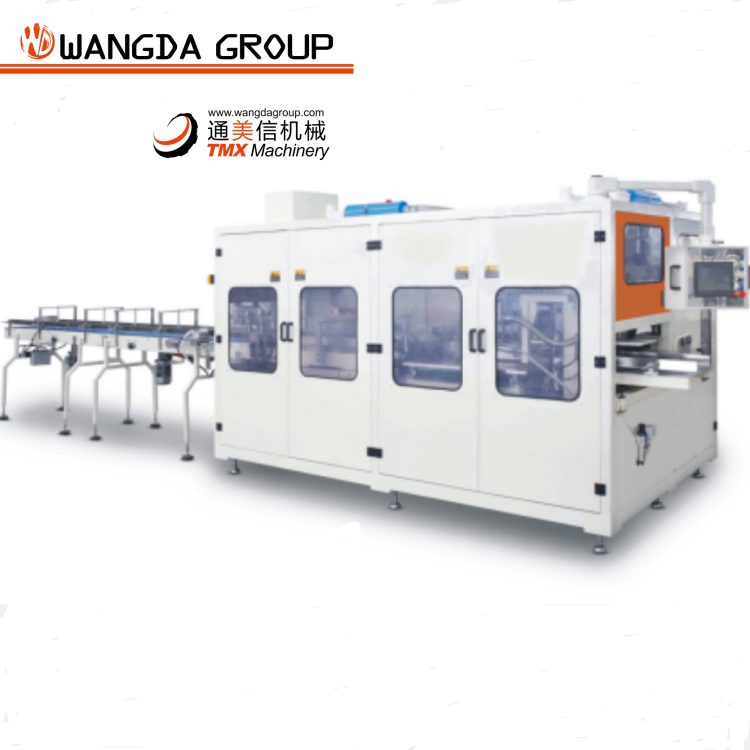
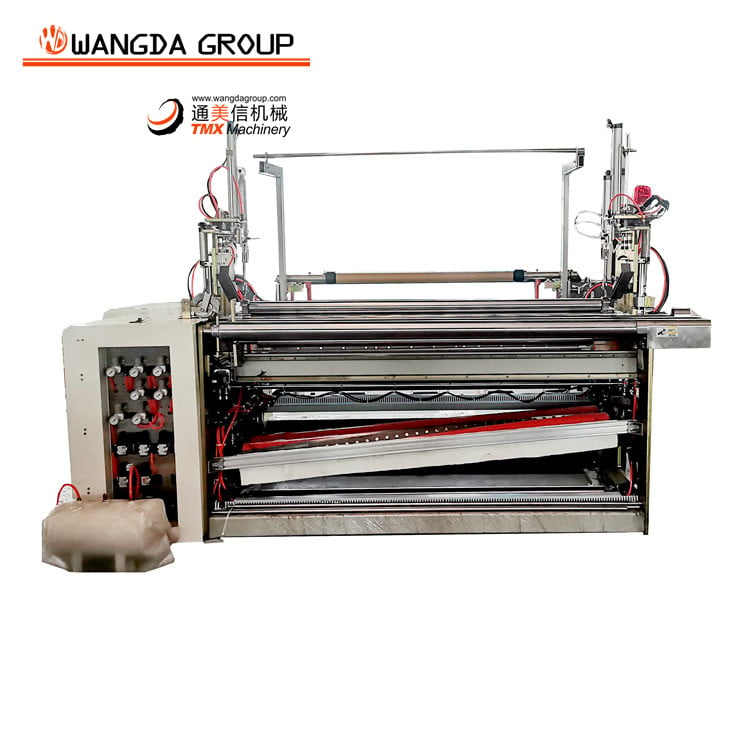
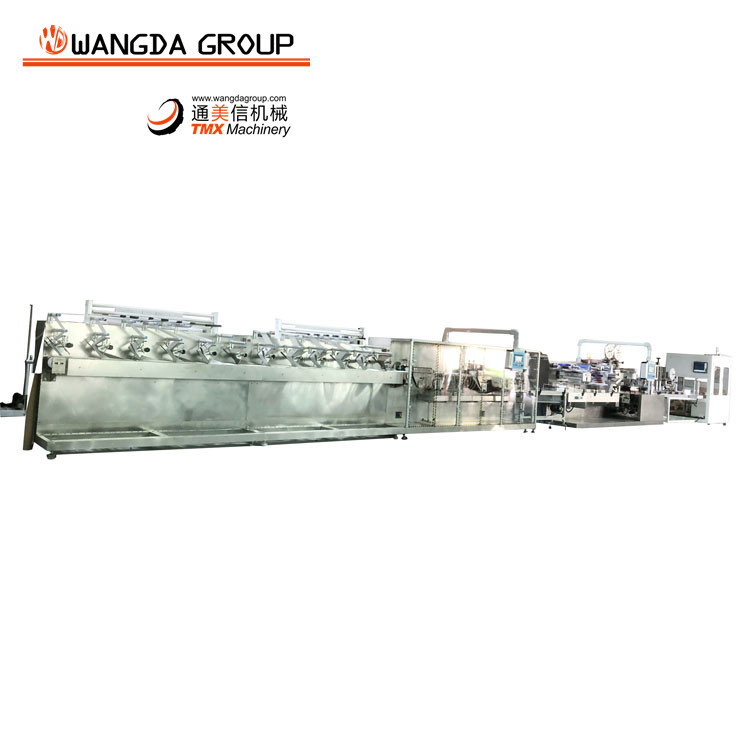
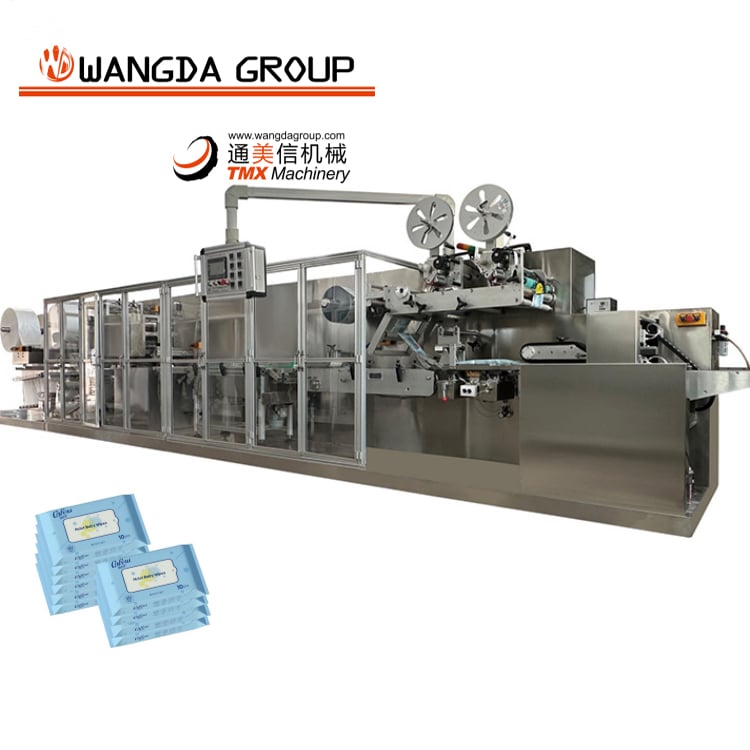
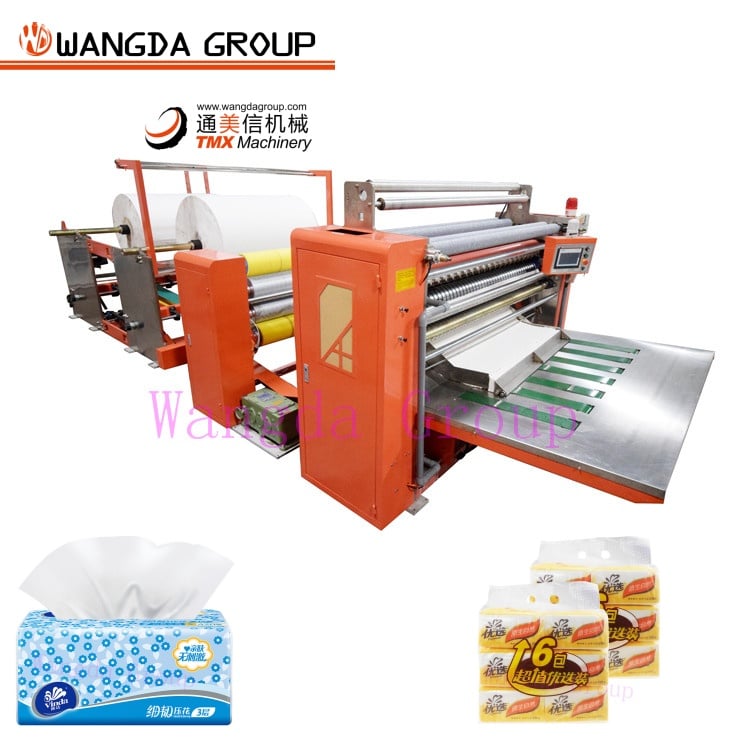
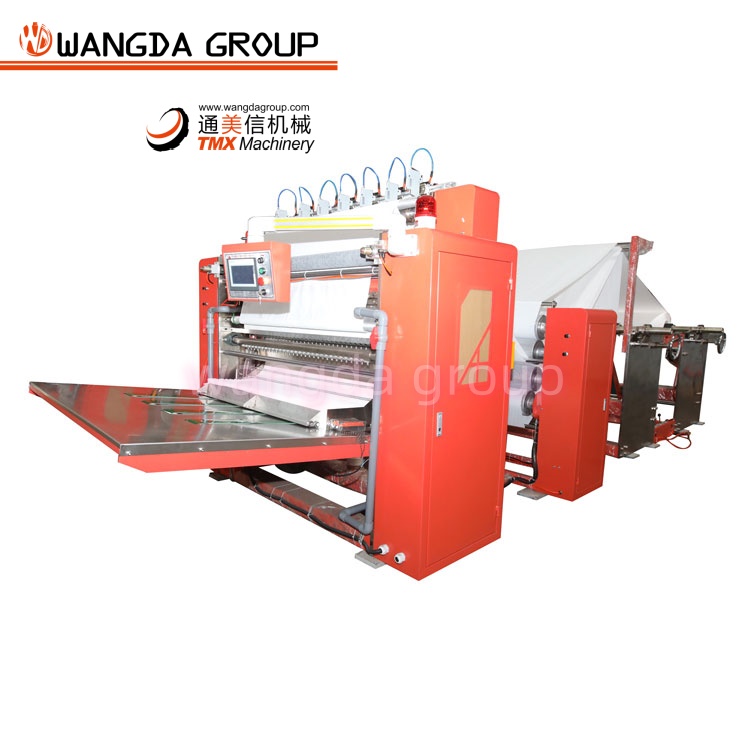
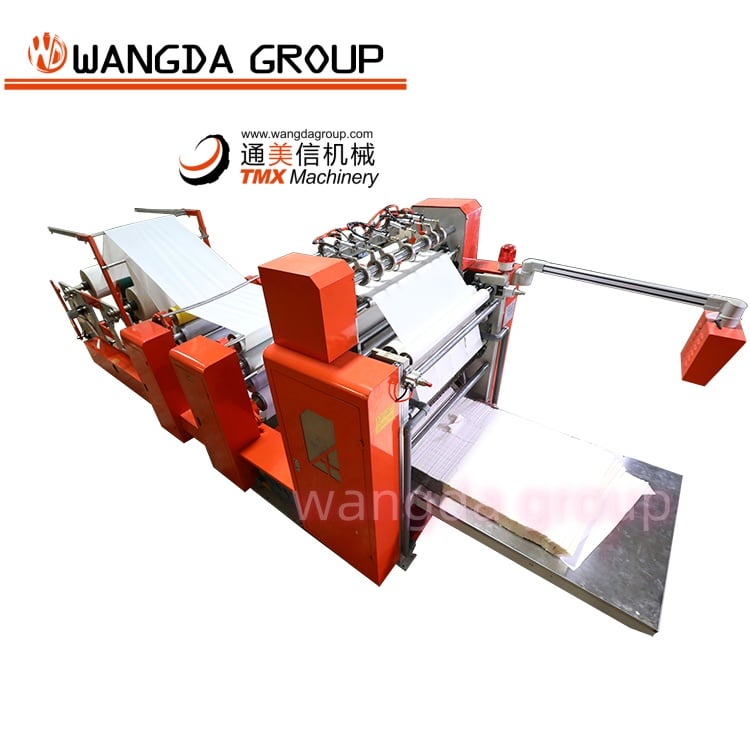
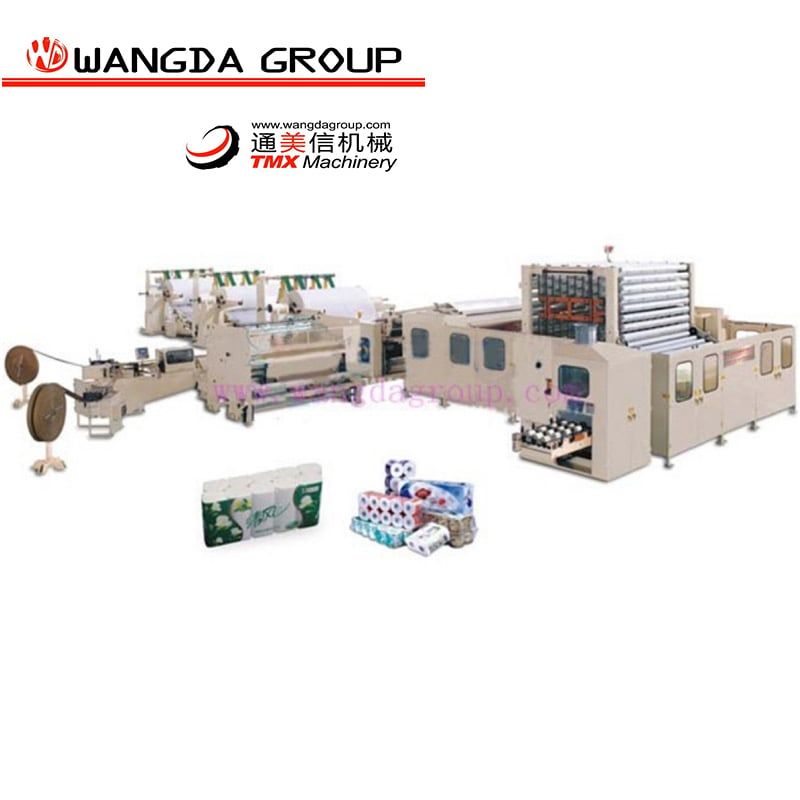
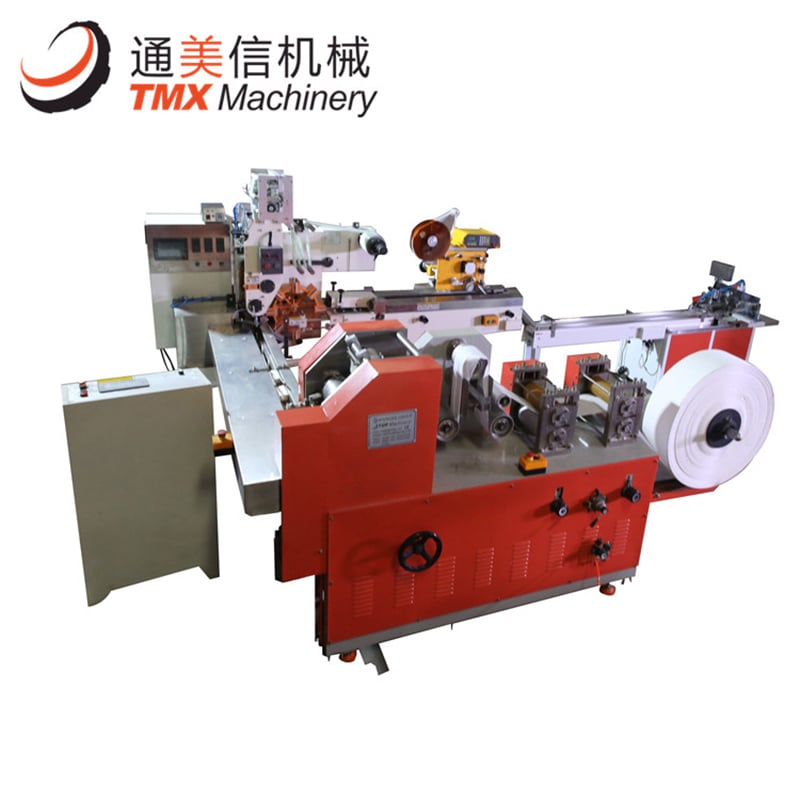
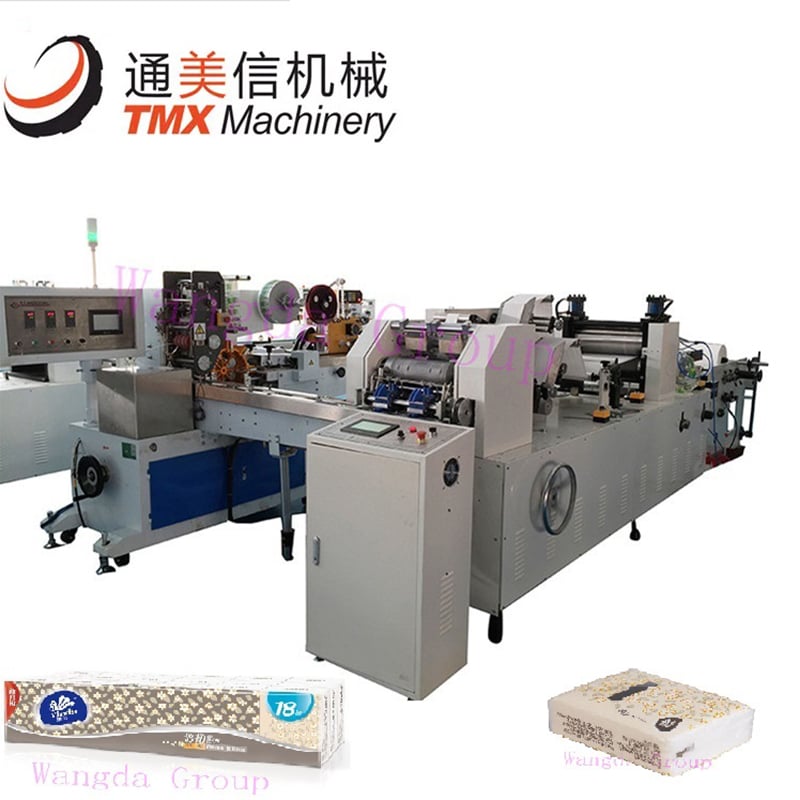
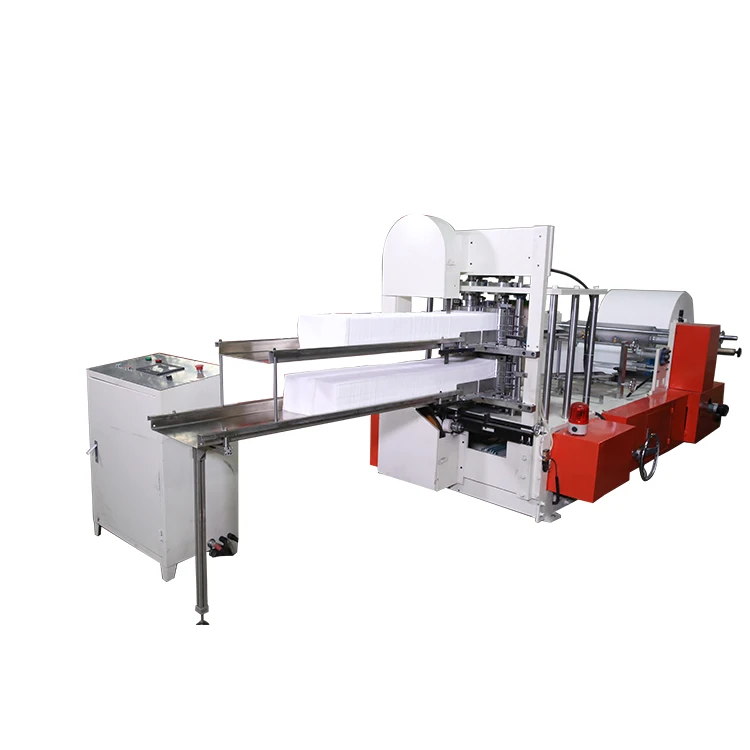
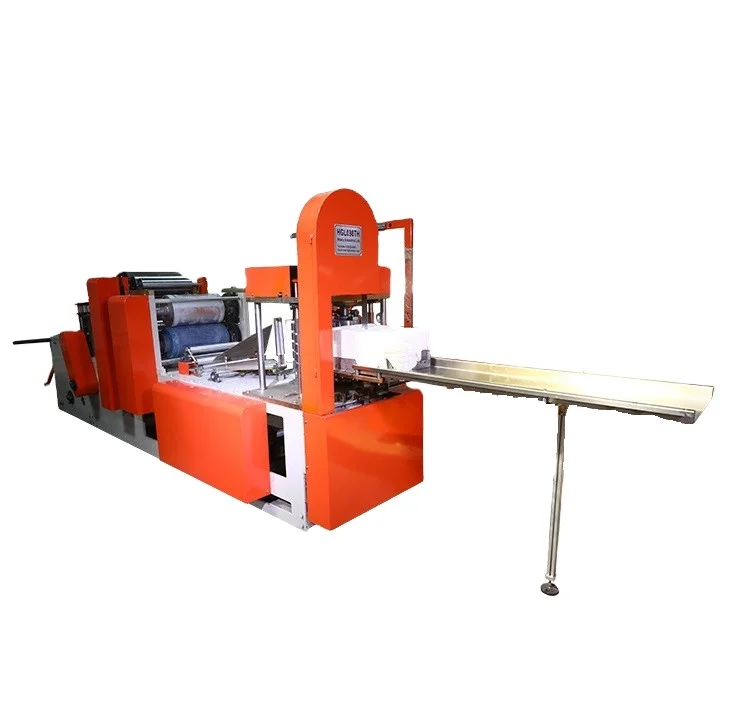
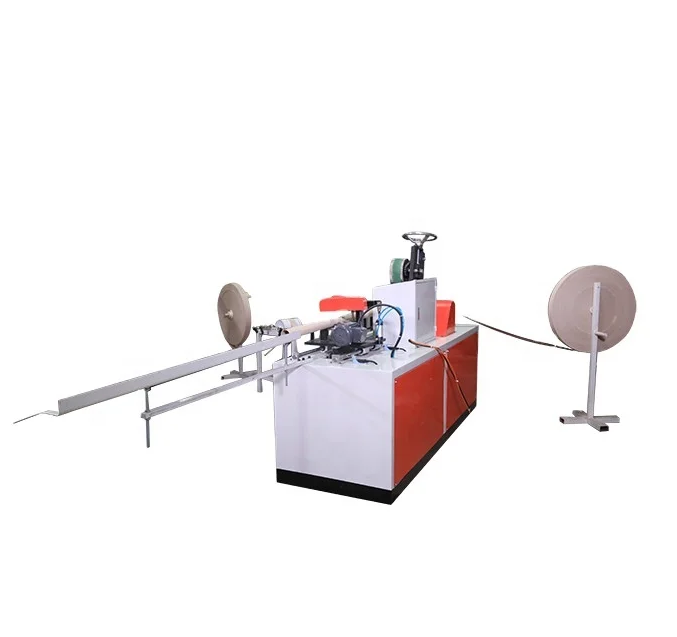
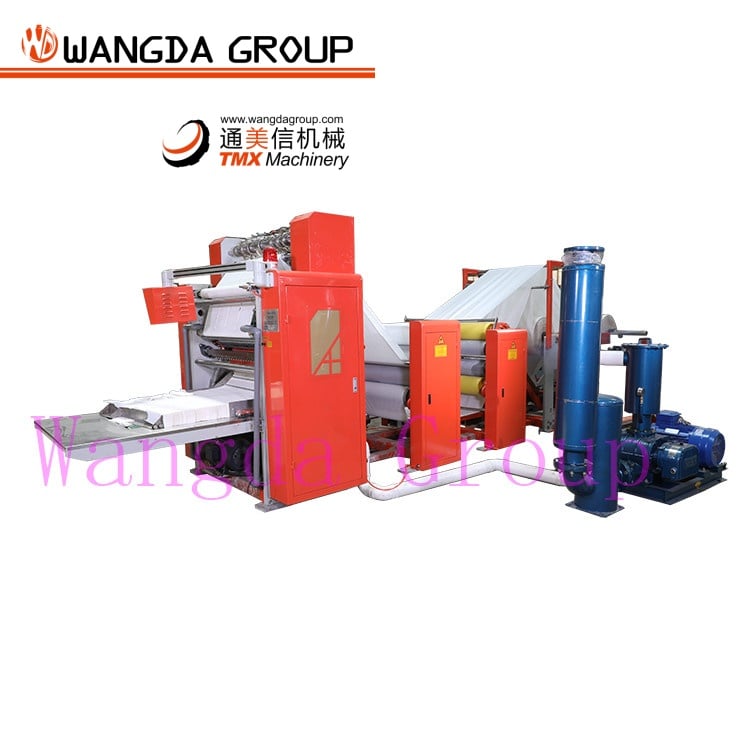
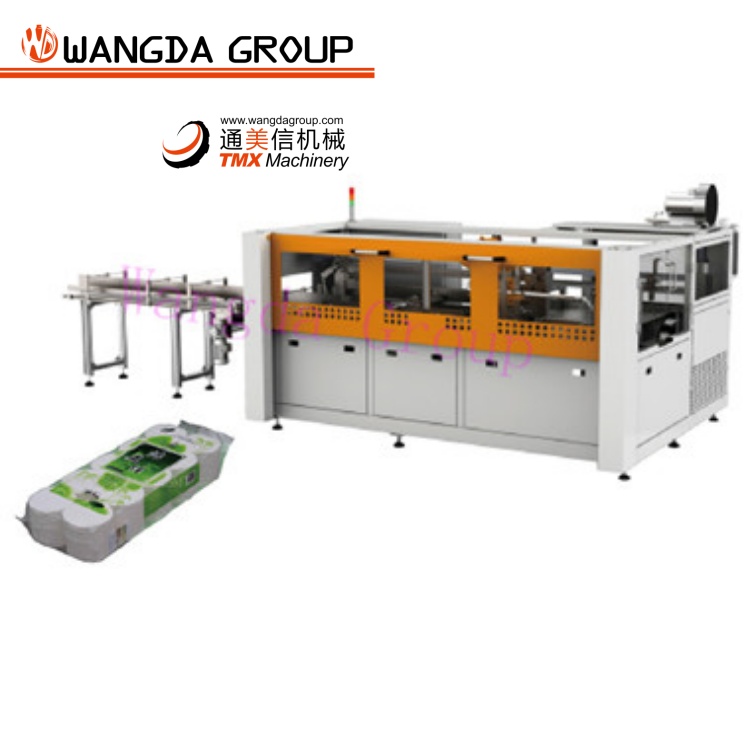
Wangda manufactures toilet paper machines and toilet paper cutting machines Toilet paper packing machines, kitchen towel cutting machines, kitchen towel cutting machines. Kitchen towel packing machines. Tissue paper manufacturing machine facial tissue cutting machines, facial tissue packing machines, box drawing facial tissue machine, nylon bag facial tissue machines, maxi roll rewinding machines, napkin paper machines, serviette making machines, napkin paper packing machines, pocket tissue machines, pocket tissue packing machines, wet wipe folding machines as well as packing machines, and the list goes on. We also supply all related materials for these hygienic products.
Wangda has over 20 years of experience manufacturing all sorts of Tissue making machine, we focus on the machine functions and quality and additionally, we provide after-sales and pre-sales services. We have sold machines in over 100 countries. This has earned us repeated orders and positive feedback from our customers. Wangda is our own R and D departments. Our machines are based on advanced Germany, Japan and Italian technology and is updated day by day. Our machines have passed ISO9002, CE, BV and other certifications. We provide turnkey projects all the way from A to Z that includes more than machines.
We've worked Tissue paper manufacturing machine a variety of clients both at home and internationally.
Toilet paper making machine has a very experienced with a long-standing sales team as well as an after-sales staff, 80% of the team has worked for more than 10 years in our business in this hygienic product industry. Our team members have a lot of experience working with daily-use paper tissue machines, related packing machines and so on hygienic product machines We are experts in a range of information in this area, we know what our clients need, and worry about the things that make they are concerned about. We don't only sell machines to our customers, we also assist our customers to make profit from this hygienic business, to provide the lifelong after-sales service to our customers on time.
Tissue paper making machines have versatile applications across various industries, including hospitality, healthcare, and consumer goods. Understanding these applications can help buyers tailor their purchasing decisions to specific market needs.
Hospitality: Hotels and restaurants require a steady supply of high-quality napkins and facial tissues. Machines that produce these products in bulk can help meet the high demand in this sector.
Healthcare: Hospitals and clinics use disposable tissue products for hygiene and patient care. Machines that can produce antimicrobial or hypoallergenic products cater to this sensitive market.
Retail: Supermarkets and convenience stores need a variety of tissue products. Machines that allow for customization in packaging and branding can provide a competitive edge in the retail environment.
Personal Care: The demand for personal hygiene products, including toilet paper and handkerchief tissues, continues to grow. Machines that offer flexibility in production can help manufacturers respond quickly to changing consumer preferences.
Industrial Use: Certain industries require tissue products for wiping and cleaning purposes. Machines that can produce heavier-duty products are essential for these applications.
By understanding these applications, buyers can select machines that not only meet production requirements but also align with market demand and customer preferences.
When considering toilet tissue paper making machine in South Africa, buyers must evaluate quality, supplier reliability, specifications, cost factors, and industry applications. This comprehensive understanding will facilitate informed purchasing decisions, ultimately leading to successful production outcomes.