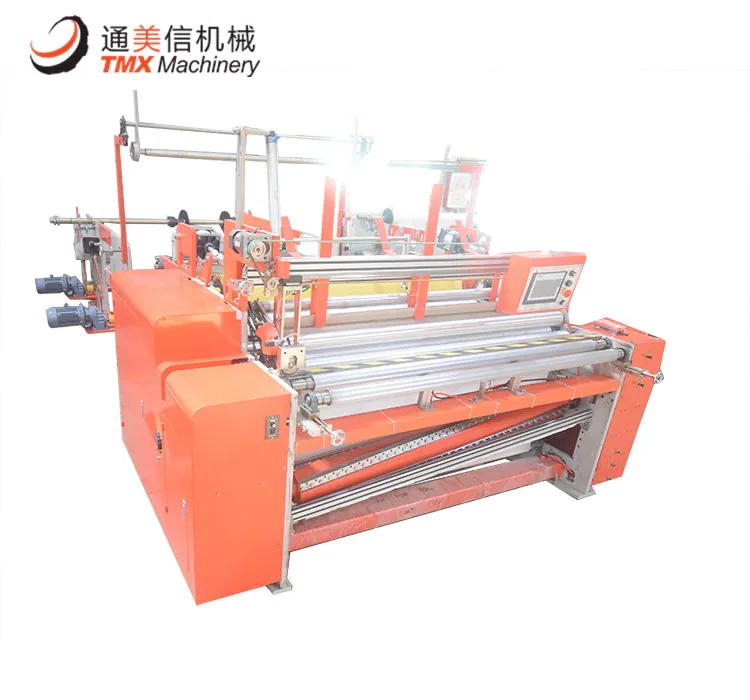
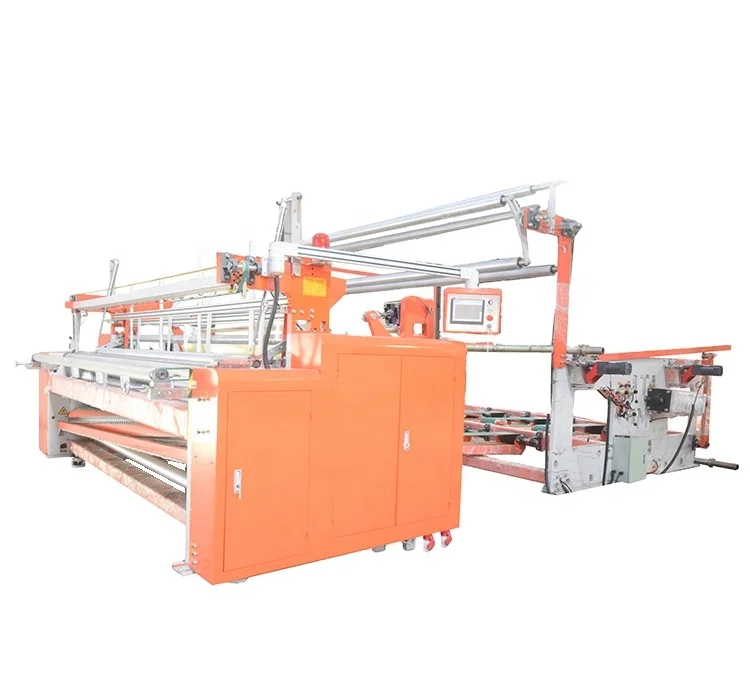
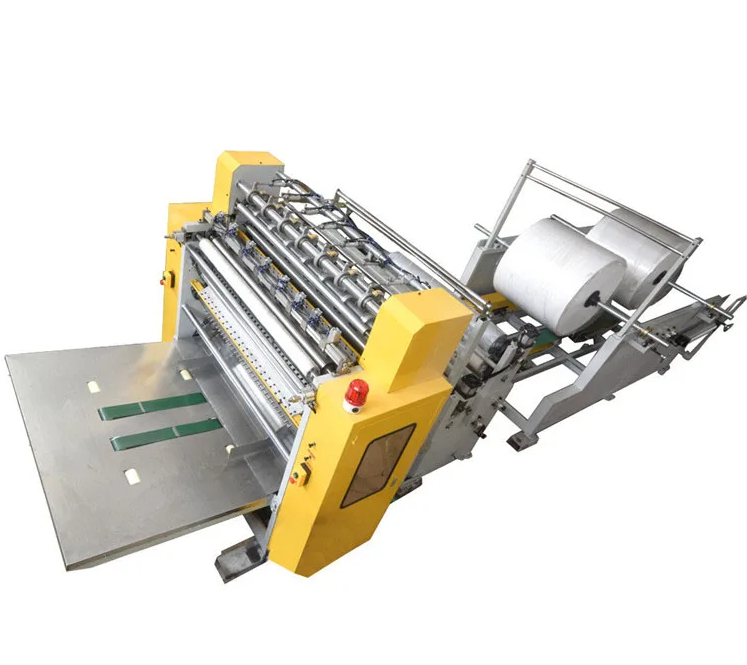
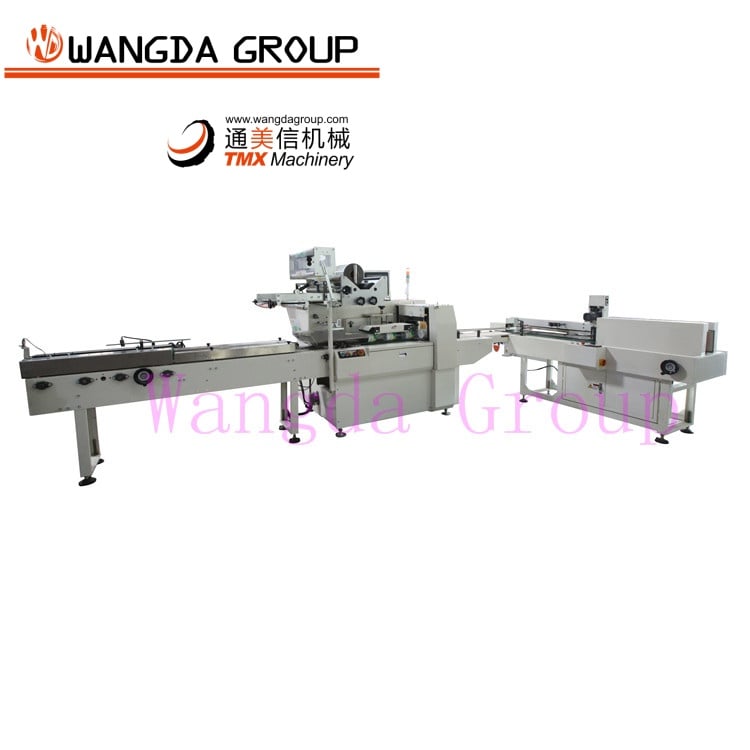
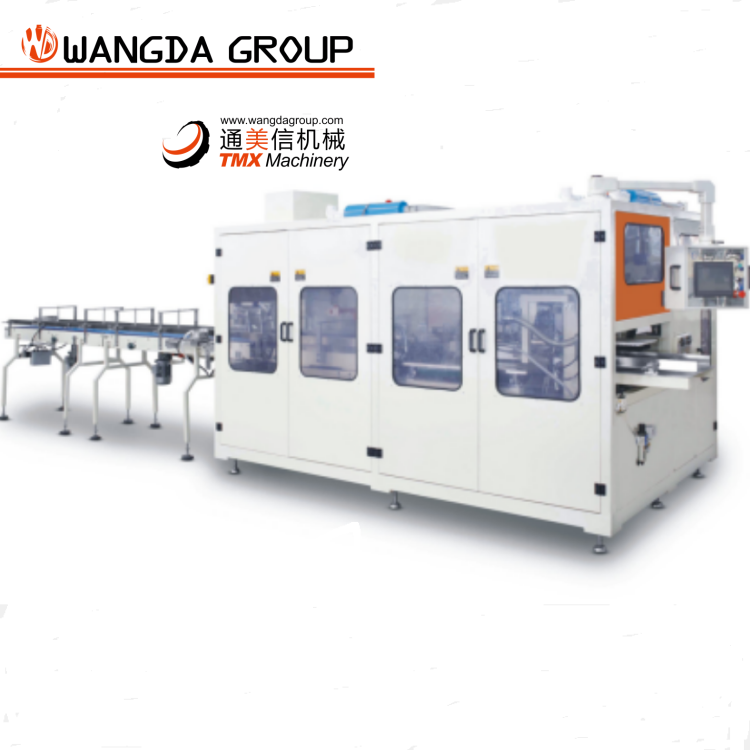
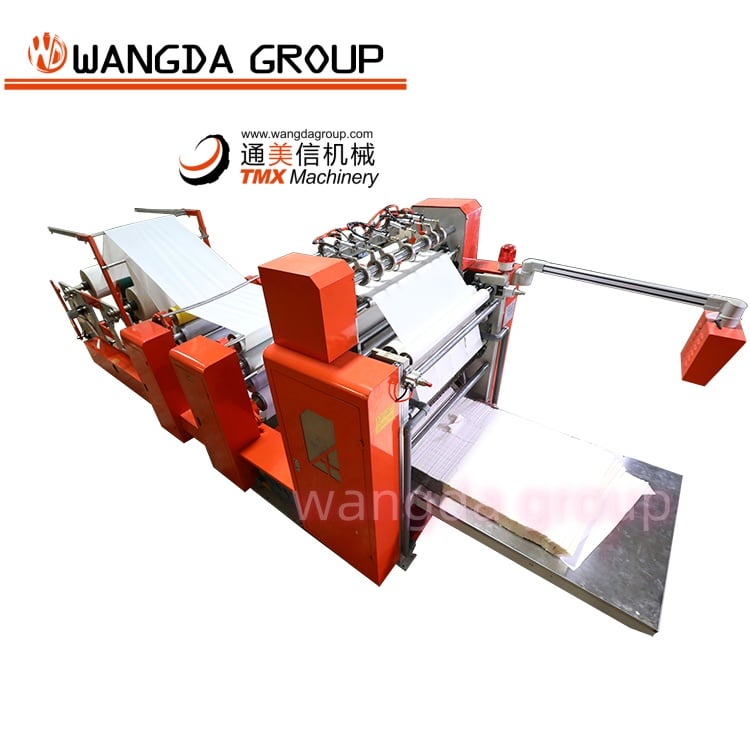
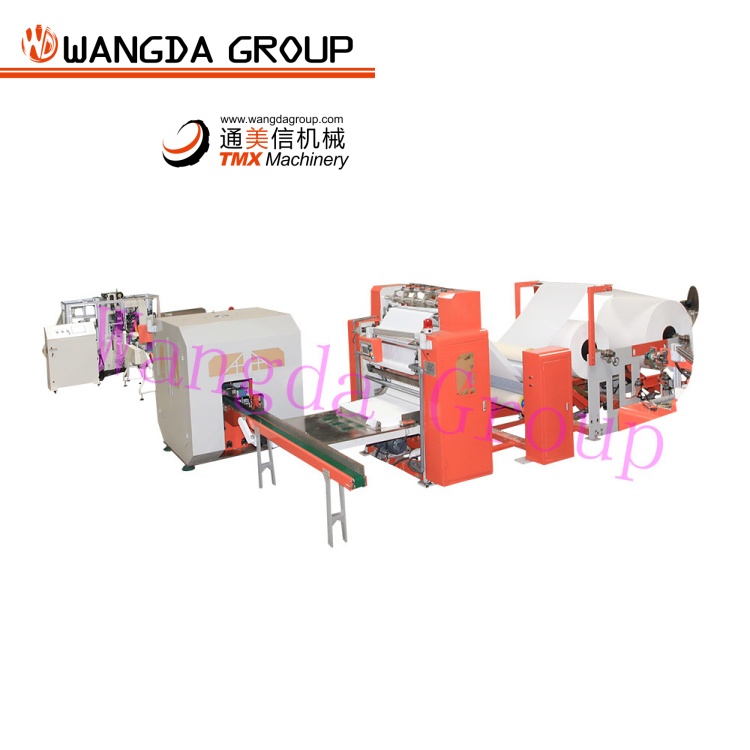
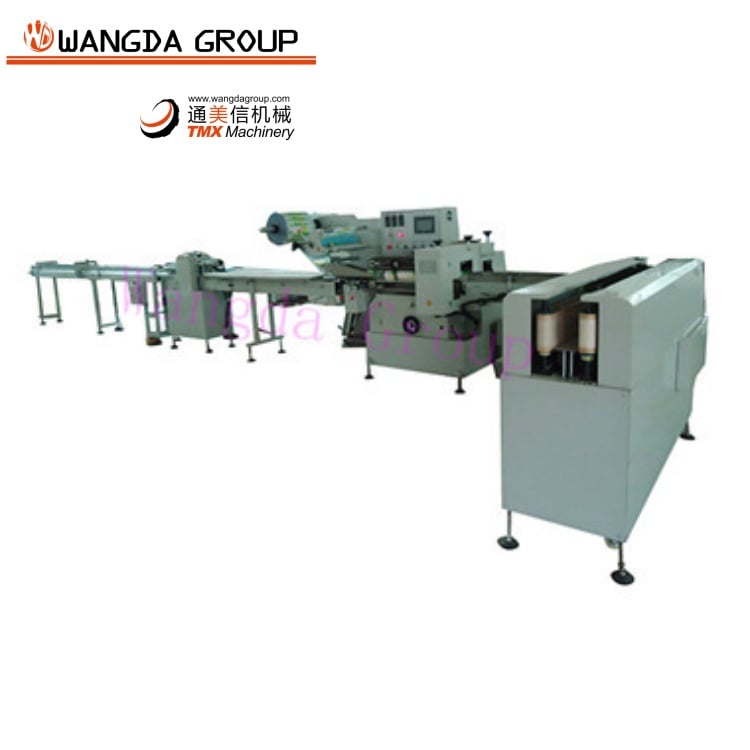
Tissue paper embossing machines are essential equipment in the production of various paper products, including facial tissues, napkins, and toilet paper. These machines enhance the aesthetic and functional qualities of tissue paper through embossing, which adds texture and improves absorbency. As a B2B buyer, you may be concerned about machine specifications, compatibility with your production line, and overall cost-effectiveness. This article will guide you through the key considerations when selecting a tissue making machine price, enabling informed purchasing decisions.
Selecting the right tissue paper embossing machine involves considering several factors tailored to your specific production requirements. First, evaluate the type of products you plan to manufacture. Different machines cater to various applications; for instance, napkin making machine designed for facial tissues may differ from those intended for toilet paper.
Next, assess the production capacity you need. Machines vary in their output rates, so understanding your expected volume will help in selecting a machine that can meet your demands without causing delays. Additionally, consider the machine's compatibility with your existing production line. Ensure the embossing machine can integrate seamlessly with your other equipment to avoid operational disruptions.
Lastly, take into account the customization options available. Some manufacturers, like Wangda Industrial Co., Limited, offer machines that can be tailored to unique specifications, allowing you to create specialized products that stand out in the market.

When evaluating tissue paper embossing machines, several key specifications should be scrutinized to ensure they align with your operational needs:
Embossing Pattern: The design of the embossing pattern affects both the visual appeal and functionality of the final product. Different patterns can enhance absorbency or provide a decorative touch.
Production Speed: Measured in meters per minute, the production speed is critical for meeting output targets. Ensure the machine can handle your required speed without sacrificing quality.
Material Compatibility: Verify that the machine can work with the types of tissue paper you plan to use, as different materials may require specific settings or adjustments.
Power Consumption: Energy efficiency is an important consideration, as it impacts operating costs. Look for machines that offer lower energy consumption without compromising performance.
Ease of Maintenance: Machines that are designed for easy maintenance will reduce downtime and prolong the life of the equipment. Consider features like accessibility for cleaning and parts replacement.
Understanding these specifications will help you assess how well a machine meets your production needs and contributes to your overall efficiency.

Finding a reliable supplier for tissue paper embossing machines is crucial for ensuring consistent quality and support. It’s advisable to choose manufacturers with a proven track record in the industry. Wangda Industrial Co., Limited, for example, specializes in producing high-quality napkin production machine tailored for the hygienic product sector, with a strong export presence in markets like the Middle East, Asia, Africa, and the Americas.
When evaluating suppliers, consider their certification status. Certifications can indicate adherence to industry standards and quality assurance processes. Additionally, request references or case studies from previous clients to gauge their satisfaction with the products and services provided.
Lastly, inquire about after-sales support, including installation assistance, training, and availability of spare parts. A reputable supplier will be committed to supporting their customers even after the initial sale.

The cost of tissue paper embossing machines can vary significantly based on several factors. First, the machine's specifications, including its production capacity, features, and materials, will directly influence the price. More advanced machines with higher production capabilities and additional features like automated controls will generally come at a premium.
Additionally, consider the total cost of ownership, which includes ongoing operational costs such as energy consumption, maintenance, and repair expenses. Machines that are more energy-efficient may have higher upfront costs but could lead to significant savings over time.
Furthermore, the supplier's location and shipping costs can also impact the overall expense. If you are importing machinery, be mindful of import duties and taxes that can add to the initial investment.
It's beneficial to engage in discussions with multiple suppliers to obtain quotes and compare the total cost of ownership associated with each option.
Wangda has over Toilet paper manufacturing machine of of experience in the production of various tissue machines. We pay much attention to the equipment's functions and quality as well as additionally, we provide after-sales and pre-sales services. We supply self machines to more than 100 countries and regions that get positive feedback from clients and repeat orders. Wangda has its own R and D departments. Our machines use the most advanced Germany Japanese, Japan and Italian technology and is constantly upgraded. Our machines have achieved ISO9002, CE, BV and many other certifications. What we supply is not only machines. What we supply is a complete turnkey solution from A to Z, we can accept customized orders for these machines.
Wangda produces toilet tissue machines (including cutting and packing) kitchen towels machines (including cutting and packing) facial tissue machines (including cutting and packing) bags of Toilet tissue machine facial tissue machines. We also make maxi roll rewinding devices as well as perforating machines.
Wangda has cooperated with Toilet paper making machine both from the home country and abroad. We have collaborated with major groups from GCC countries such as Fine Hygienic from several nations, Nesto Hypermarket, Top One and Two hygienic product manufacturer B and G, Meghna Groups of Bangladesh. Outnet Group from African countries. And as well, there are large European brands, American brands, Latin American brands we have worked with for a great number of years. We have a number of sample factories outside of the United States that you can visit to look at our products. This is more convenient. Also we invite you to visit our factory to experience our products right at the moment. We will be happy to answer your questions anytime, and hope to begin our mutual benefit story asap.
Tissue paper machine has a very experienced with a long-standing sales team as well as an after-sales staff, 80% of the team has worked for more than 10 years in our business in this hygienic product industry. Our team members have a lot of experience working with daily-use paper tissue machines, related packing machines and so on hygienic product machines We are experts in a range of information in this area, we know what our clients need, and worry about the things that make they are concerned about. We don't only sell machines to our customers, we also assist our customers to make profit from this hygienic business, to provide the lifelong after-sales service to our customers on time.
Tissue paper embossing machines play a significant role in various applications within the hygienic product manufacturing sector. These machines are widely used to produce embossed tissue paper products such as:
Facial Tissues: Embossing adds a soft texture, enhancing user experience and absorbency. Napkin Papers: Embossed napkins can improve their strength and aesthetic appeal, making them more attractive to consumers. Toilet Papers: The embossing process can enhance the softness and thickness of toilet paper, providing a more luxurious feel.
In addition to these products, embossing can also be applied to specialty paper products such as handkerchief tissues and paper towels. Understanding the specific requirements of these applications will help in selecting a machine that not only meets production goals but also aligns with market trends and consumer preferences.
By focusing on these applications and their respective needs, manufacturers can leverage tissue paper embossing machines to create high-quality products that stand out in a competitive marketplace.