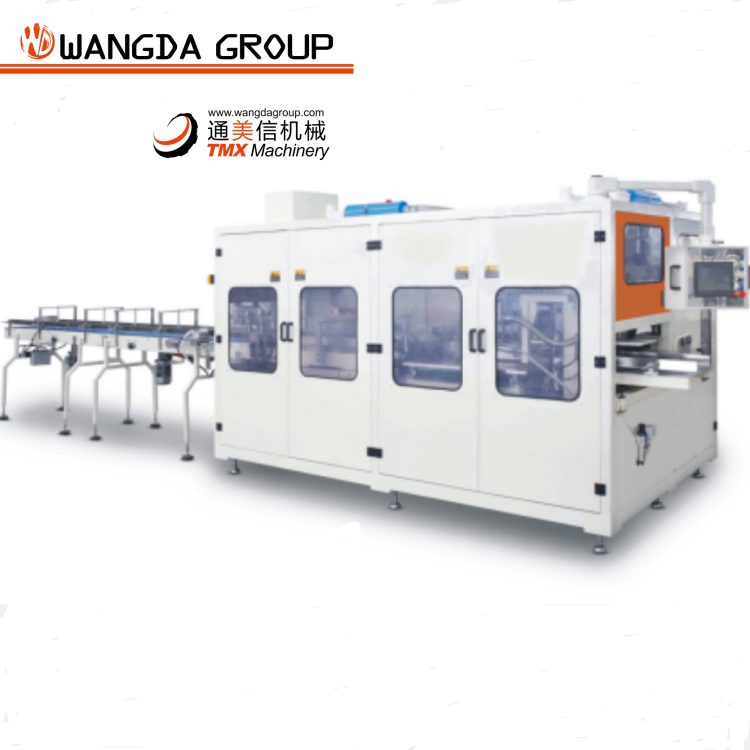
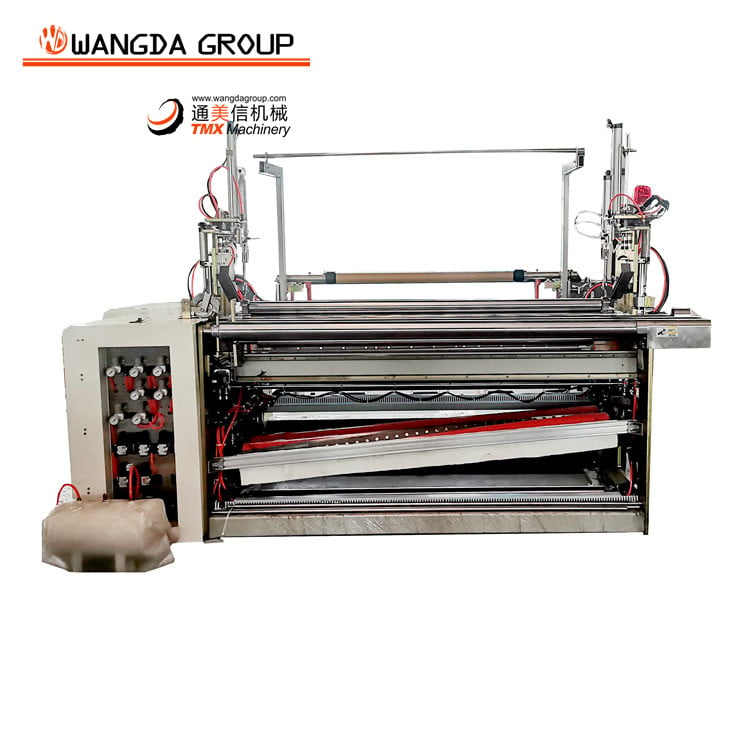
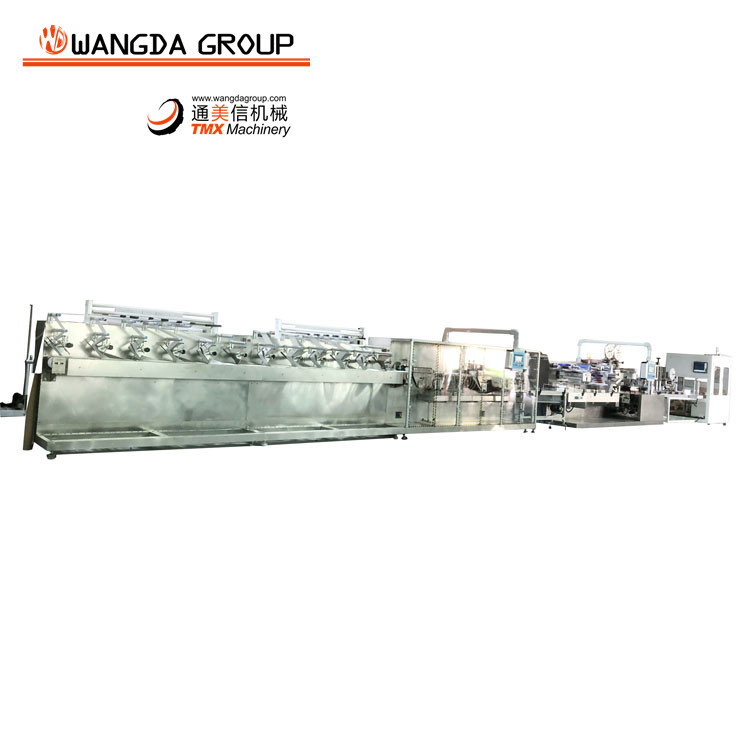
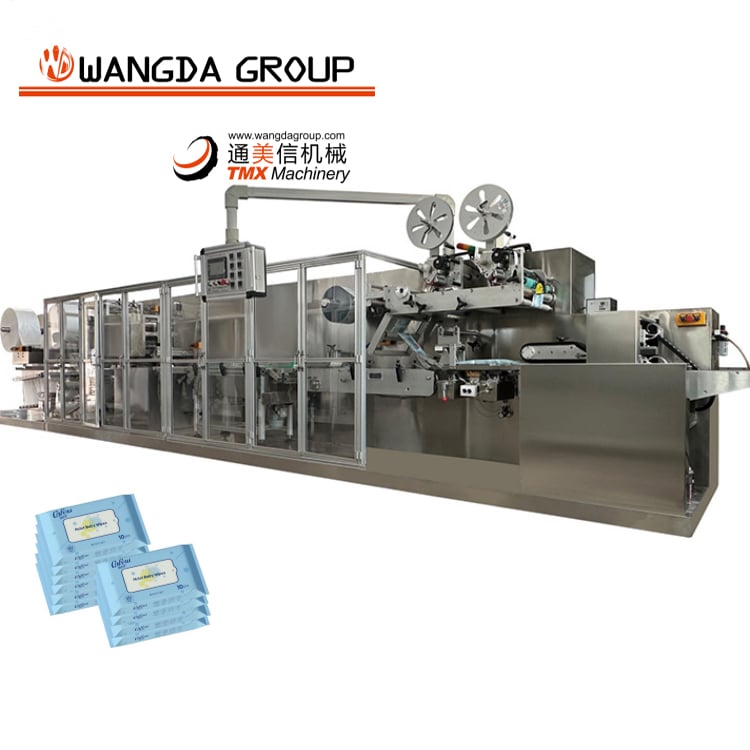
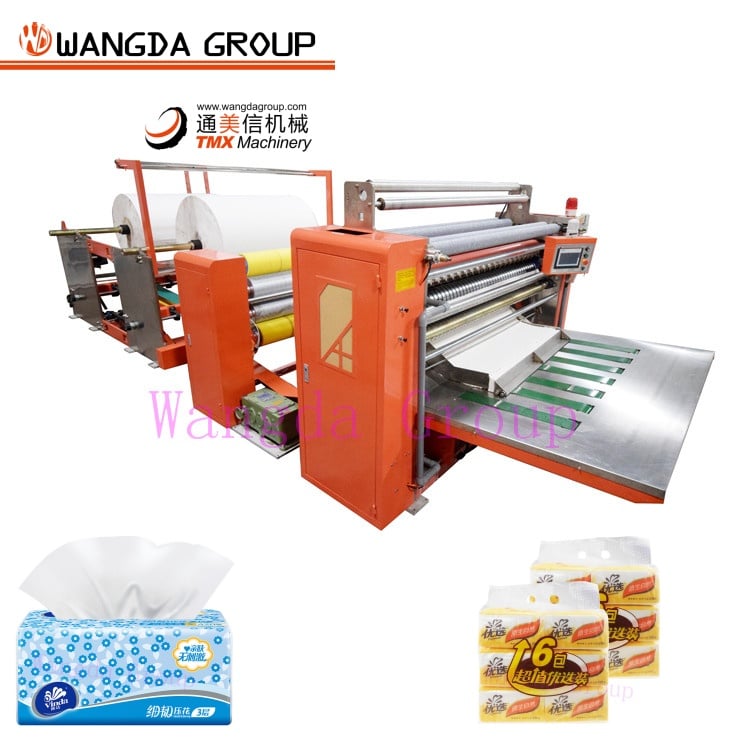
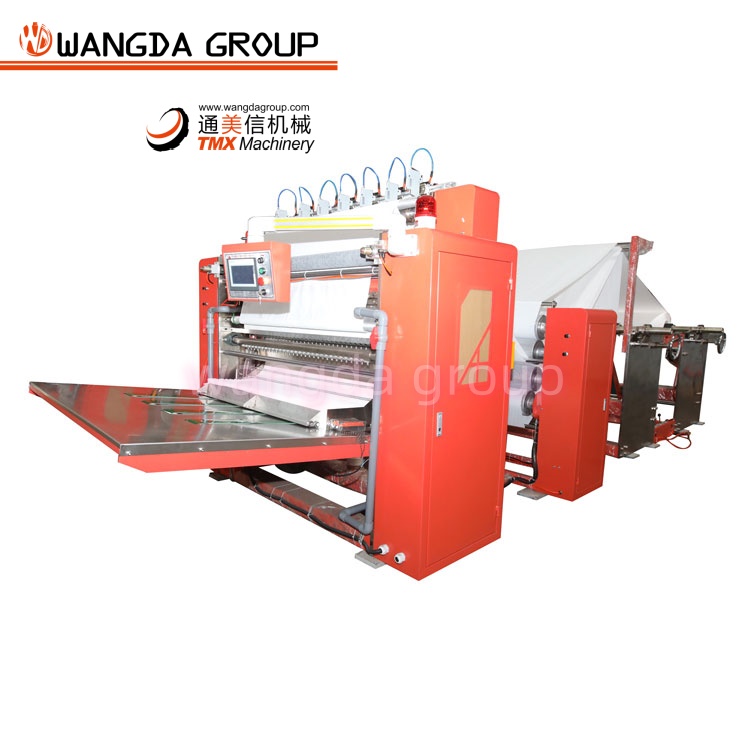
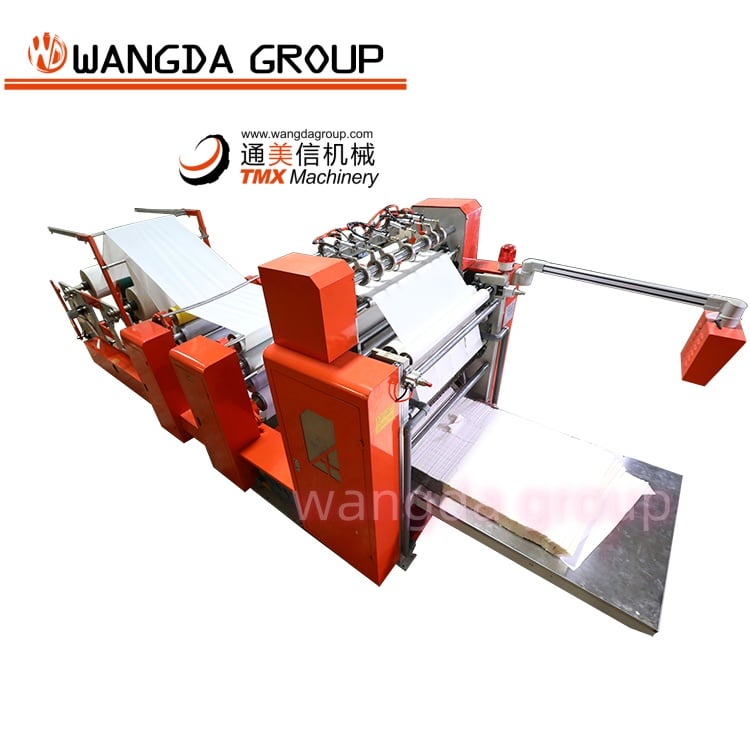
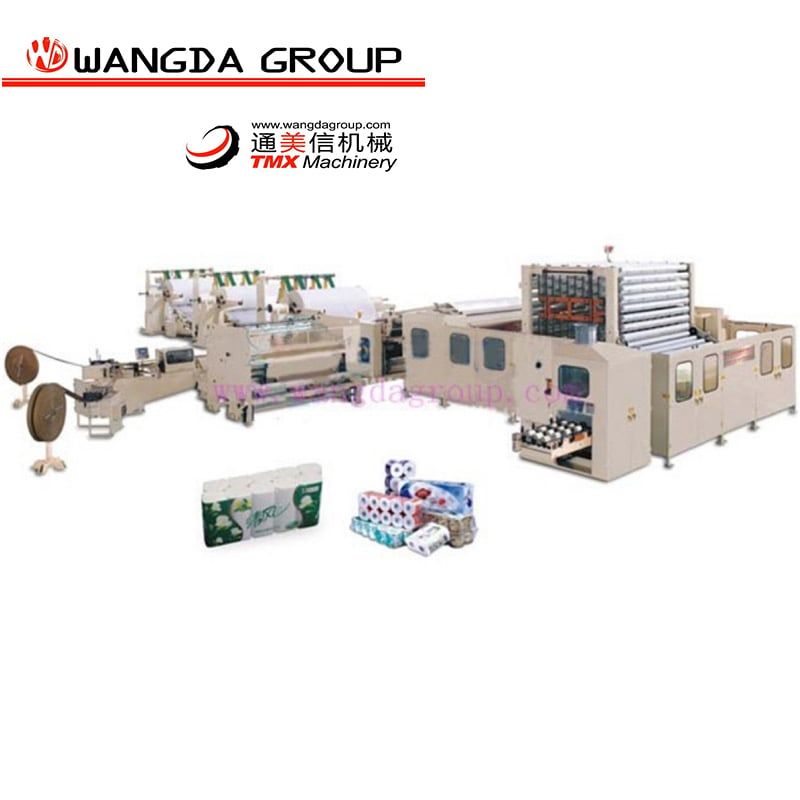
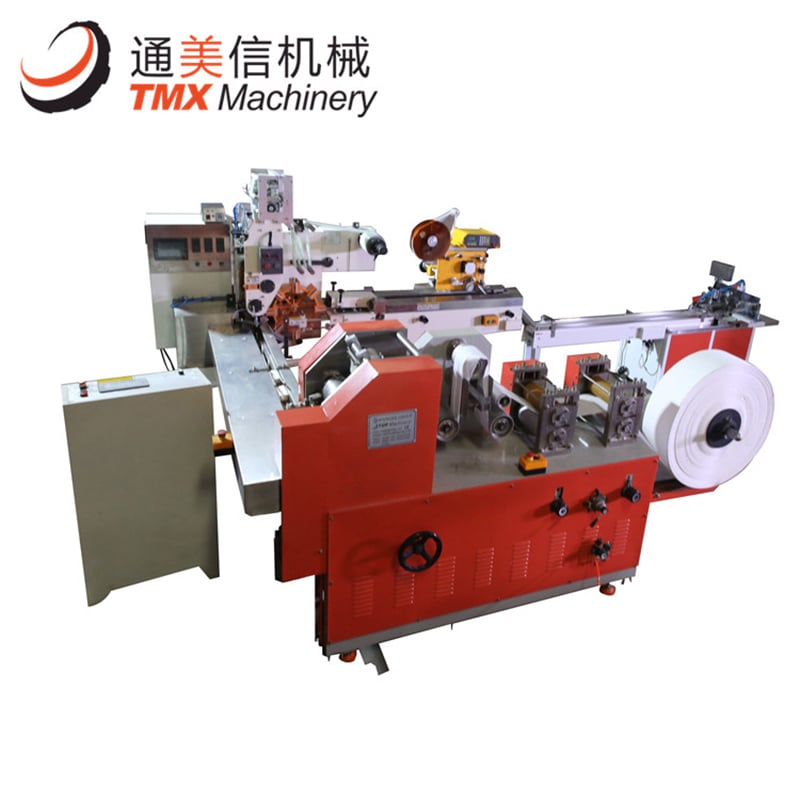
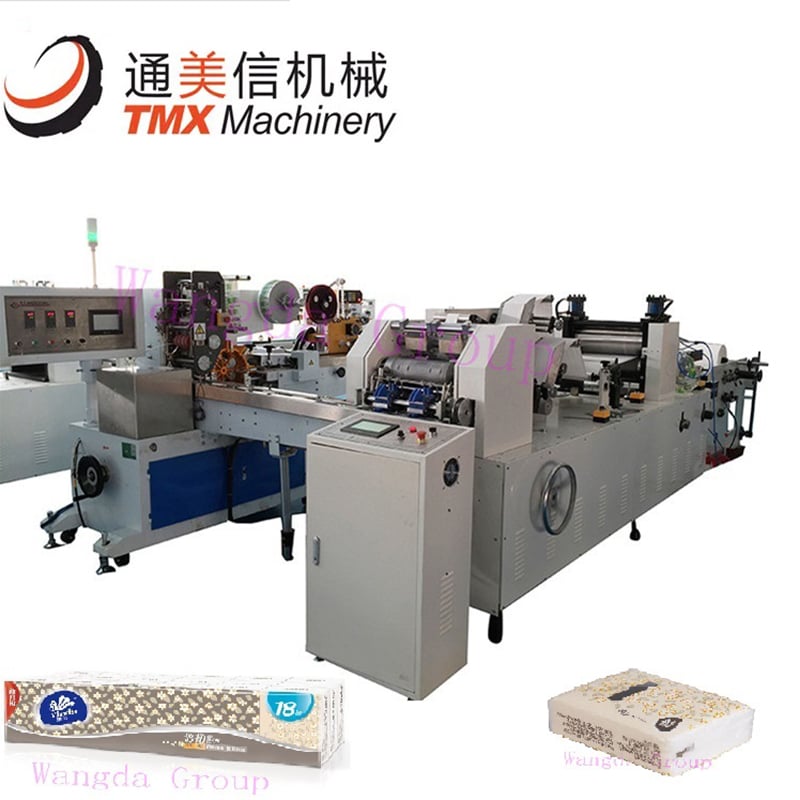
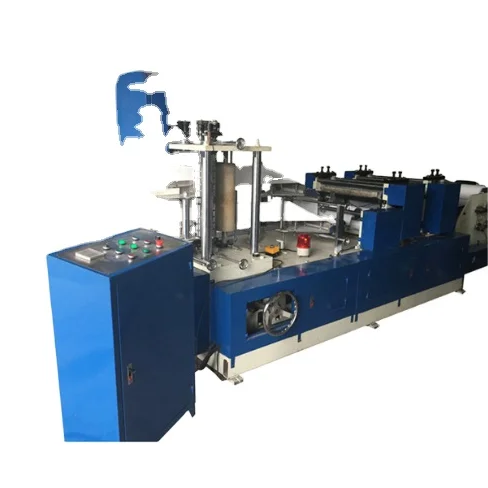
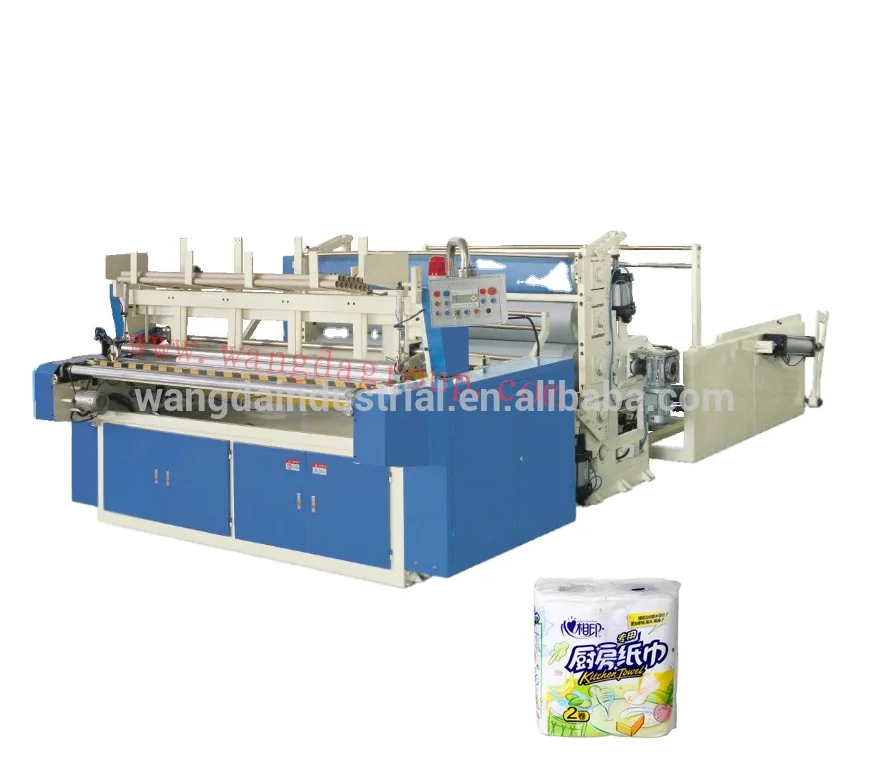
Tissue paper banane ki machine plays a crucial role in the production of various hygienic paper products, from napkins to facial tissues. As a B2B buyer, understanding the right machine for your manufacturing needs is essential. This article will address critical considerations when selecting a tissue paper machine, including specifications, quality control, common issues, and applications across different industries. By the end, you will be better equipped to make informed purchasing decisions.
Selecting the appropriate tissue paper banane ki machine involves evaluating several factors tailored to your specific wholesale needs. First, consider the production capacity required for your business. Machines are available in various outputs, often measured in tons per day. Depending on your order volume, you may need a high-capacity machine for bulk production or a smaller unit for specialized products. Next, analyze the types of tissues you intend to manufacture. Different machines are designed for specific products, such as facial tissue paper machine price, toilet paper, or napkin paper. Each type demands unique specifications, including the width of the paper roll and the thickness of the sheets. Ensure that the machine you choose is compatible with your desired product range. Additionally, think about the level of automation you require. Fully automatic machines can significantly reduce labor costs and improve efficiency, while semi-automatic options may offer a more budget-friendly solution for smaller operations.

When evaluating tissue paper machines, several key specifications should guide your decision-making:
Production Speed: Typically measured in meters per minute (m/min), production speed affects your overall output. Machines with higher speeds can meet large-scale demands but may require more careful monitoring of quality.
Paper Grammage: This refers to the weight of the paper per unit area, commonly expressed in grams per square meter (gsm). Selecting the right grammage is vital for achieving the desired softness and strength of the final product.
Roll Diameter: The maximum roll diameter that a toilet tissue paper making machine machine can handle is crucial to ensure compatibility with your packaging processes. Larger rolls may require more robust handling systems.
Energy Consumption: Understanding the energy requirements of the machine helps in calculating long-term operational costs. Machines designed for efficiency can lead to significant savings in energy bills.
Customization Options: Depending on your product specifications, you may require tailored features, such as embossing or perforation capabilities. Discuss these options with your supplier to ensure your machine meets your specific needs.

Quality control is a critical aspect of tissue paper manufacturing that ensures the end products meet industry standards and customer expectations. A robust quality control process typically includes:
Raw Material Inspection: Before production, it's essential to verify the quality of raw materials, such as pulp and additives. Low-quality materials can compromise the integrity of the final product.
In-Process Monitoring: Continuous monitoring during production helps detect issues early, preventing defects from reaching the final stages. This may involve checking grammage, thickness, and tensile strength at various points in the process.
Final Product Testing: Once the tissue paper making machine price tissue paper is produced, conducting tests for softness, absorbency, and durability is crucial. These tests ensure the product meets market requirements and regulatory standards.
Investing in machines with integrated quality control features can streamline this process, saving time and reducing waste.

Tissue paper machines may encounter several common issues during operation. Here are some problems and their potential solutions:
Paper Jamming: This is one of the most frequent issues and can occur due to improper alignment or debris in the feed. Regular cleaning and maintenance, including checking the alignment, can help reduce jamming incidents.
Inconsistent Product Quality: Variations in thickness or density can arise from fluctuations in raw material quality or machine settings. Regular calibration and using high-quality materials are essential to maintain consistency.
Mechanical Failures: Wear and tear on components can lead to unexpected downtime. Implementing a preventive maintenance schedule can help identify potential mechanical failures before they occur.
Energy Inefficiency: If your machine consumes more energy than expected, it may indicate a mechanical issue or the need for an upgrade. Regular audits of energy usage and machine performance can help identify inefficiencies.
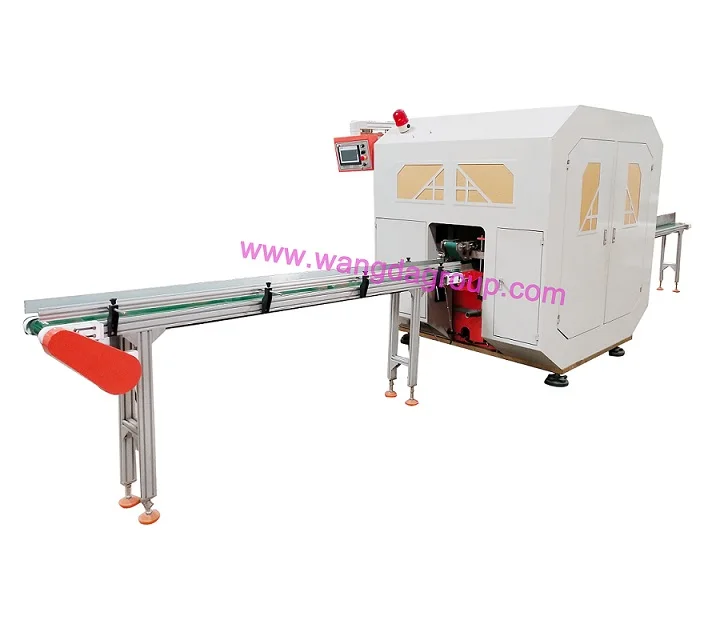
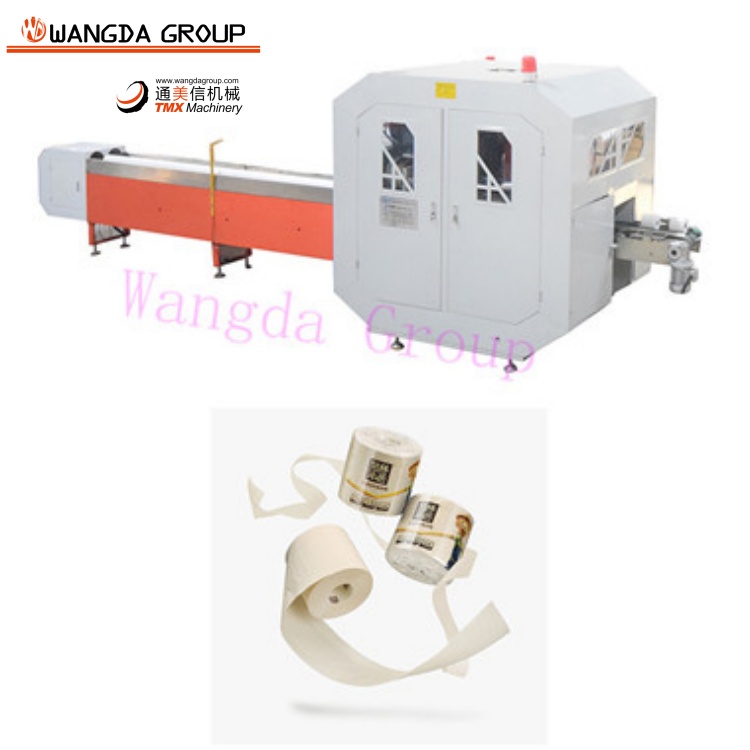
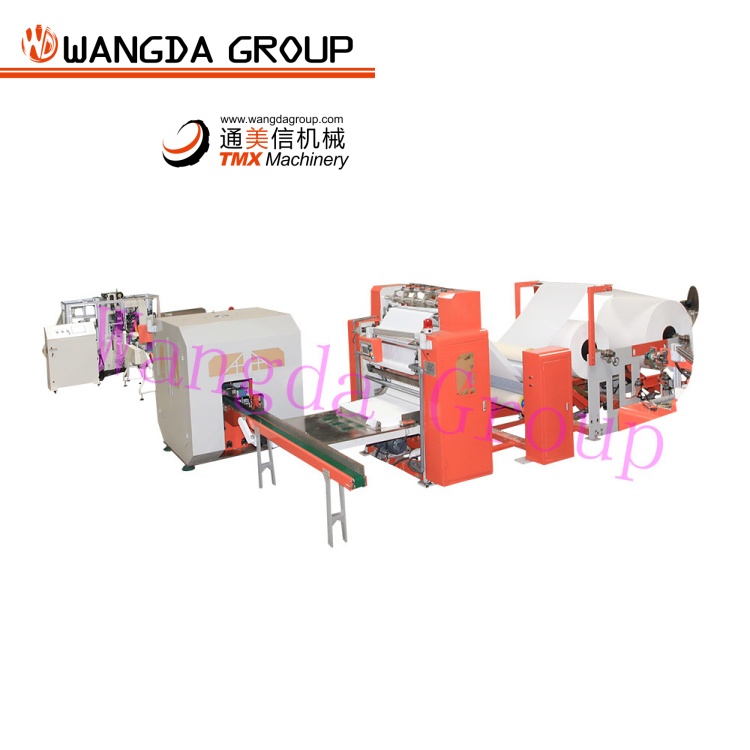
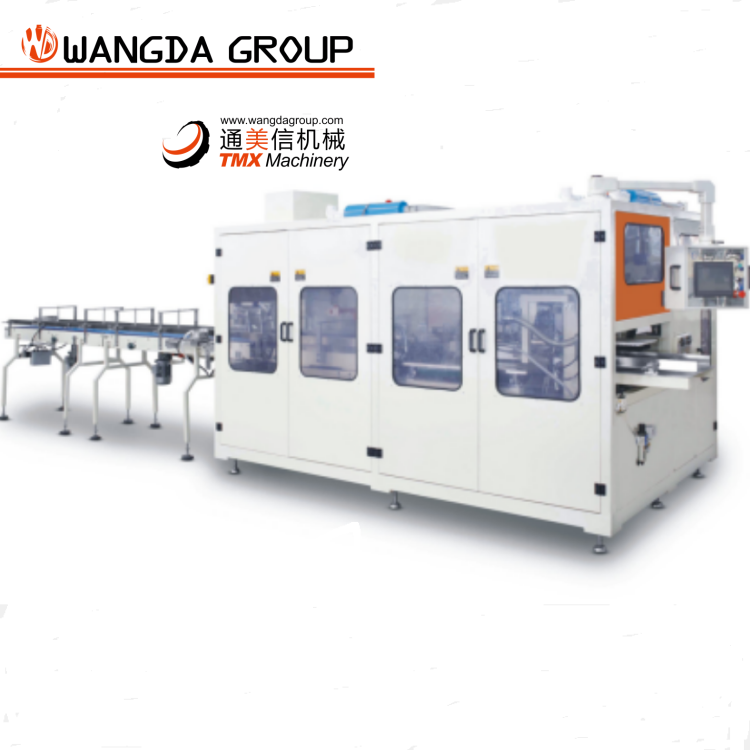
Wangda manufactures toilet tissue machines (including cutting and Toilet paper roll making machine) Kitchen towel machines (including cutting and packing) facial tissue machines (including cutting and packing) and nylon bag facial tissues machines. We also produce maxi roll rewinding as well as perforating machines.
Wangda has cooperated with Toilet paper making machine both from the home country and abroad. We have collaborated with major groups from GCC countries such as Fine Hygienic from several nations, Nesto Hypermarket, Top One and Two hygienic product manufacturer B and G, Meghna Groups of Bangladesh. Outnet Group from African countries. And as well, there are large European brands, American brands, Latin American brands we have worked with for a great number of years. We have a number of sample factories outside of the United States that you can visit to look at our products. This is more convenient. Also we invite you to visit our factory to experience our products right at the moment. We will be happy to answer your questions anytime, and hope to begin our mutual benefit story asap.
Wangda has over 20 years of manufacturing tissues machines. We pay close attention to the quality of machines, their function and pre and post sales service. We have sold machines in more than 100 countries, which has won us many repeat orders and good reviews from our clients. Wangda has our own R and D departments. Our machines are based on advanced Germany Japanese, Japan and Italian technology and is keeping updated day by day. Our machines have been certified to ISO9002, Tissue paper making machine, BV and others certifications. We offer turnkey solutions that span from A to Z Not just machines.
Wangda is a highly professional and knowledgeable sales staff and after-sales team, 80% of the team has been in Toilet tissue machine for more than 10 years in our company in this hygiene-conscious product industry. Our team has a wealth of experience in the daily use of paper tissue machines, related packing machines and many other Hygienic products machines We have a wide range of professional expertise in this field, we are aware of what our customers wants, we worry about what our customers worry about. We not just sell the machines to our clients, but we help our customers earn money through this business of hygienic products, to provide the lifelong after-sale services to our customers at the right time.
Tissue paper machines serve diverse applications across multiple industries, making them a versatile investment. Key industries include:
Hospitality: Hotels and restaurants rely heavily on high-quality napkin paper and facial tissues, making efficient production essential for meeting customer demand.
Healthcare: Hospitals require tissues and paper products that are not only soft but also hygienic. Machines designed for medical-grade tissues must adhere to strict quality standards.
Consumer Goods: Retailers and wholesalers of everyday products, such as toilet paper and kitchen towels, benefit from machines that can produce high volumes efficiently.
Food Packaging: Tissue paper is increasingly used in food packaging, providing an eco-friendly option for wrapping and serving food items.
By understanding the specific applications of tissue paper machines, buyers can better align their purchasing decisions with industry demands and customer preferences.
Investing in a tissue paper banane ki machine involves careful consideration of your wholesale needs, machine specifications, quality control processes, and potential operational challenges. With this knowledge, you’re better equipped to engage suppliers and ensure that your production capabilities meet the demands of your target market.