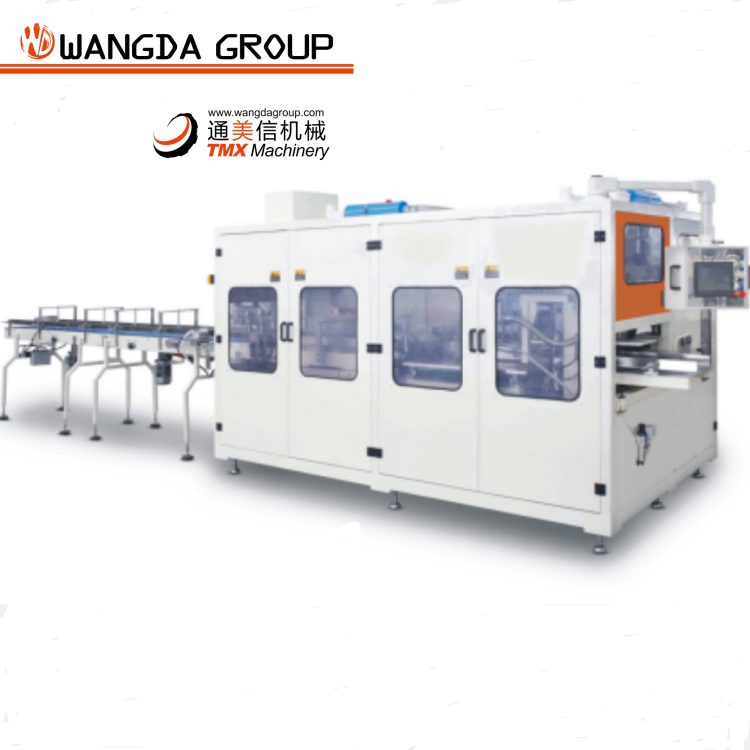
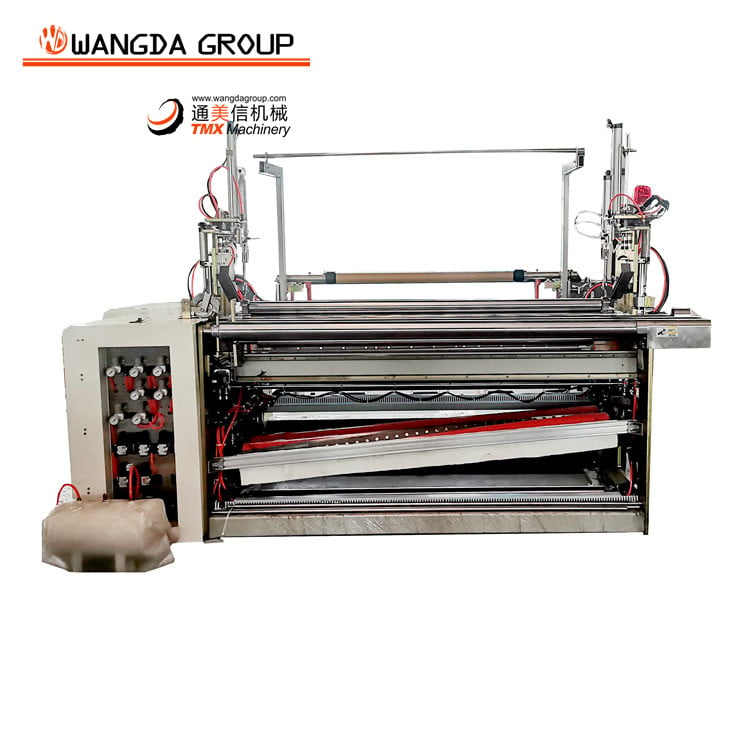
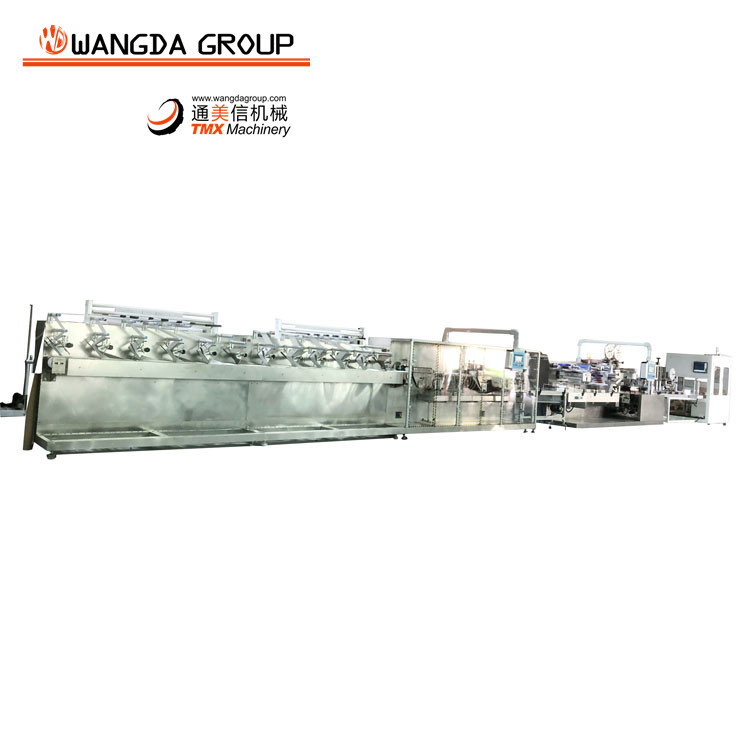
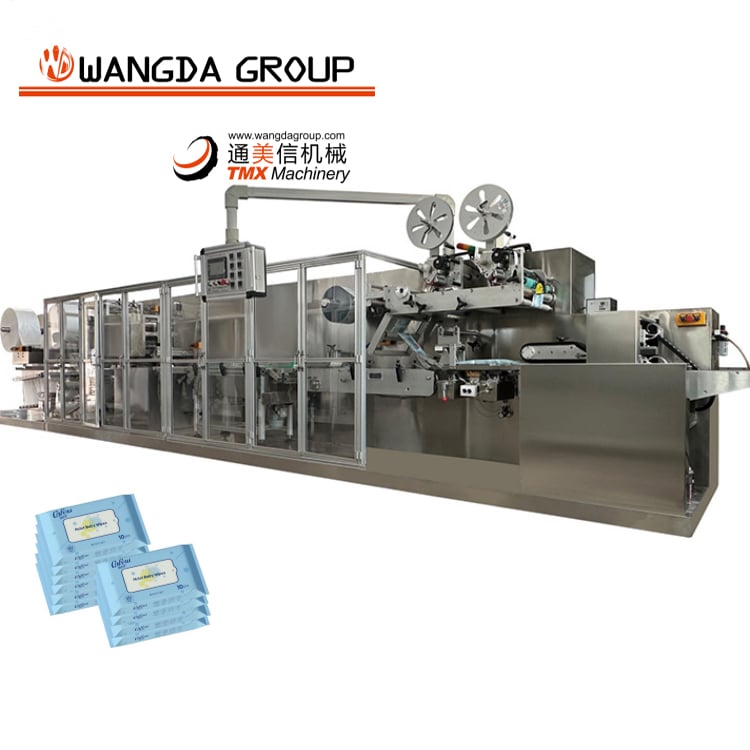
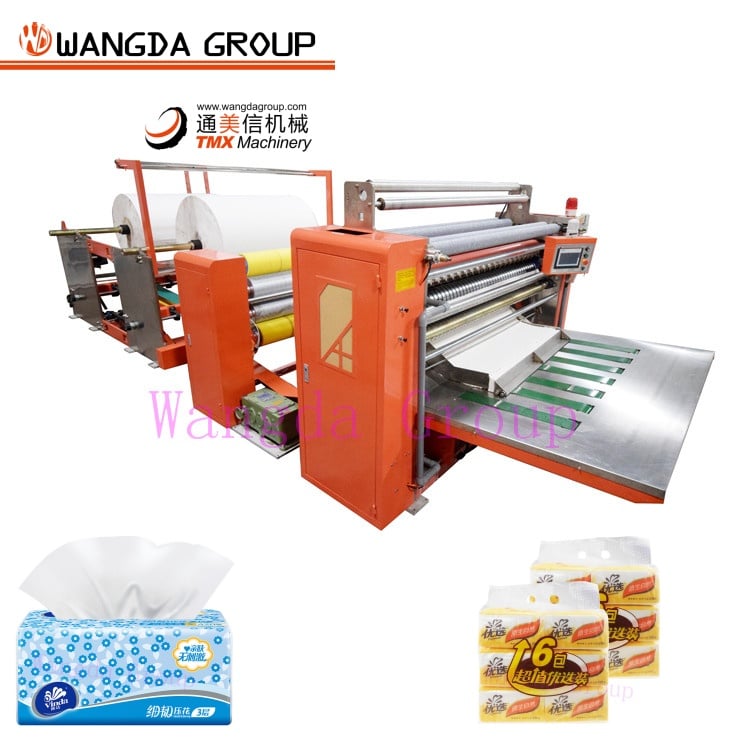
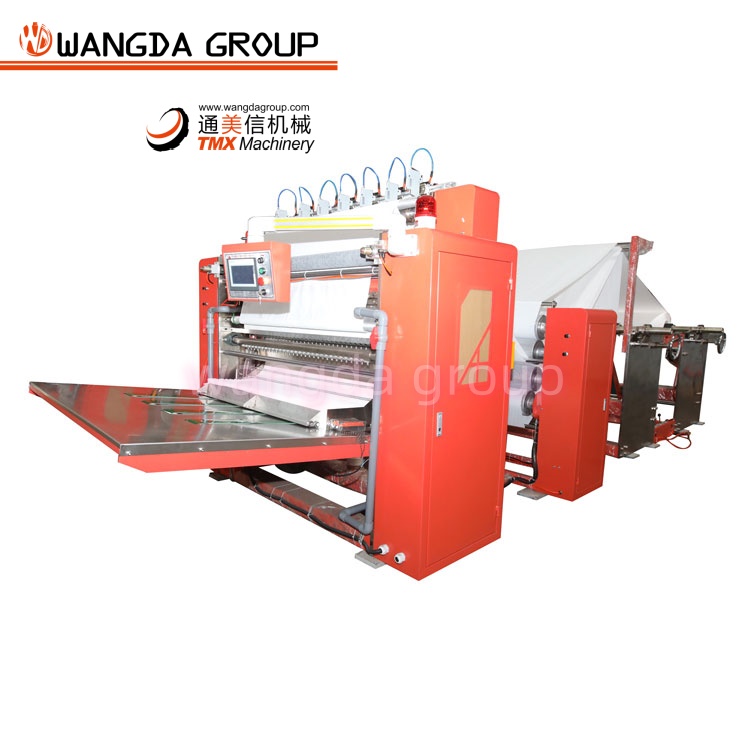
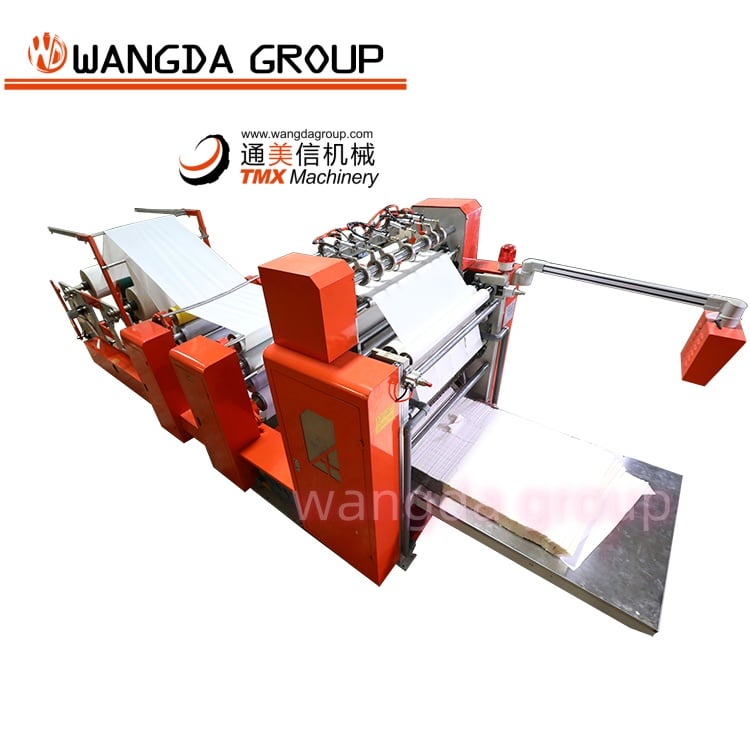
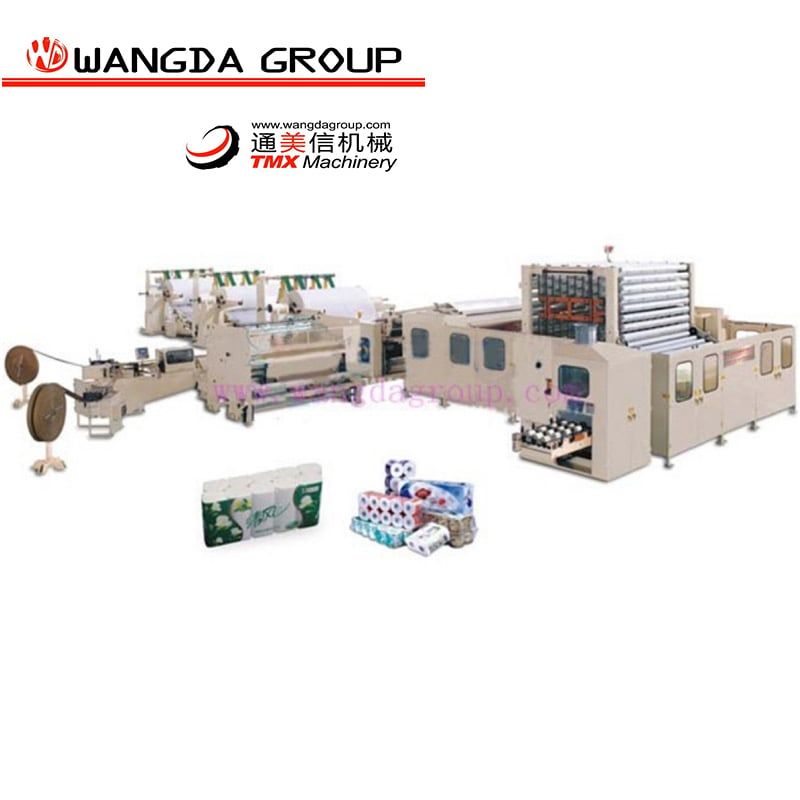
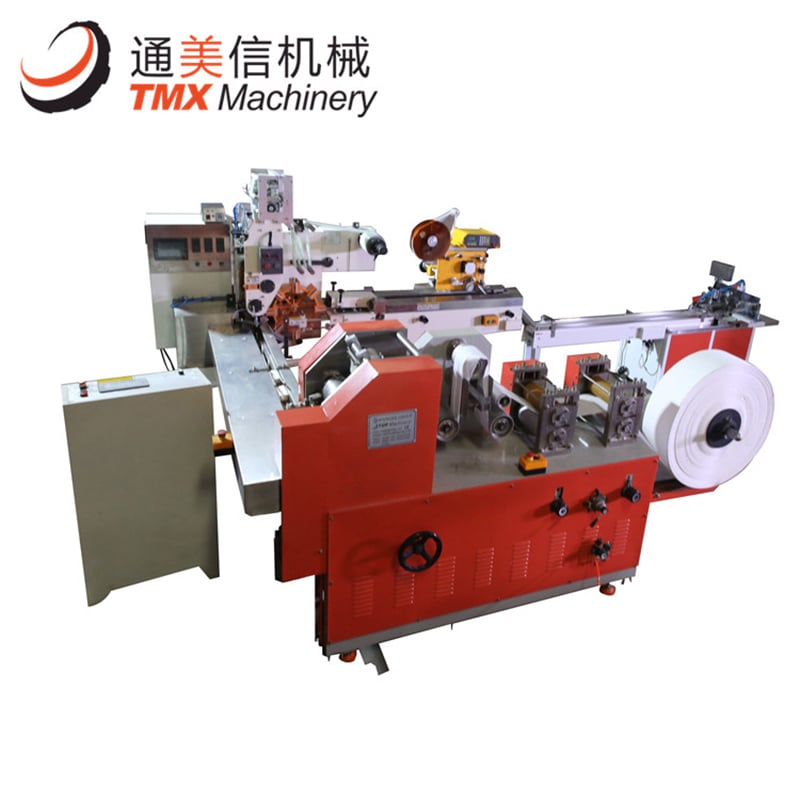
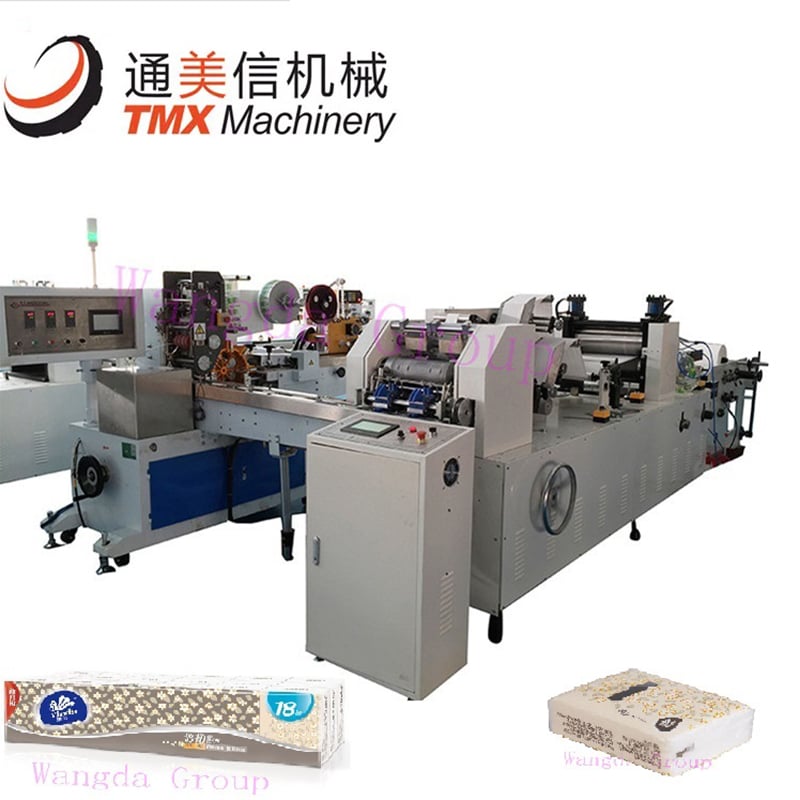
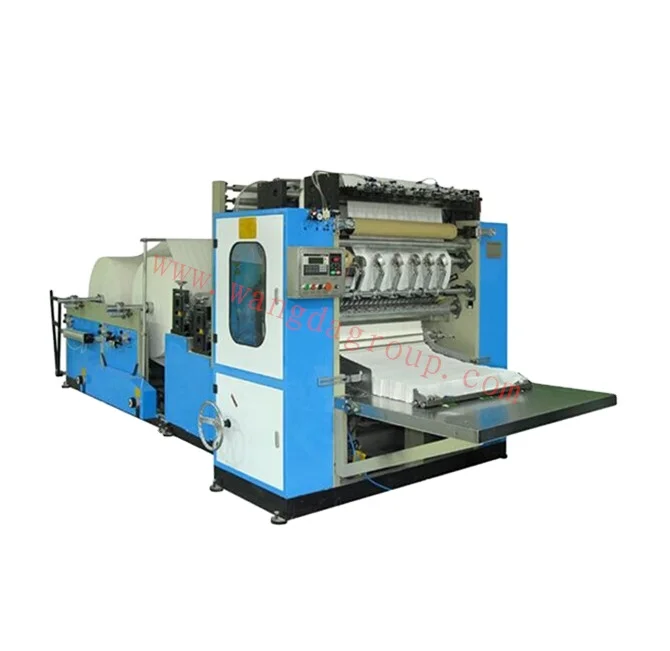
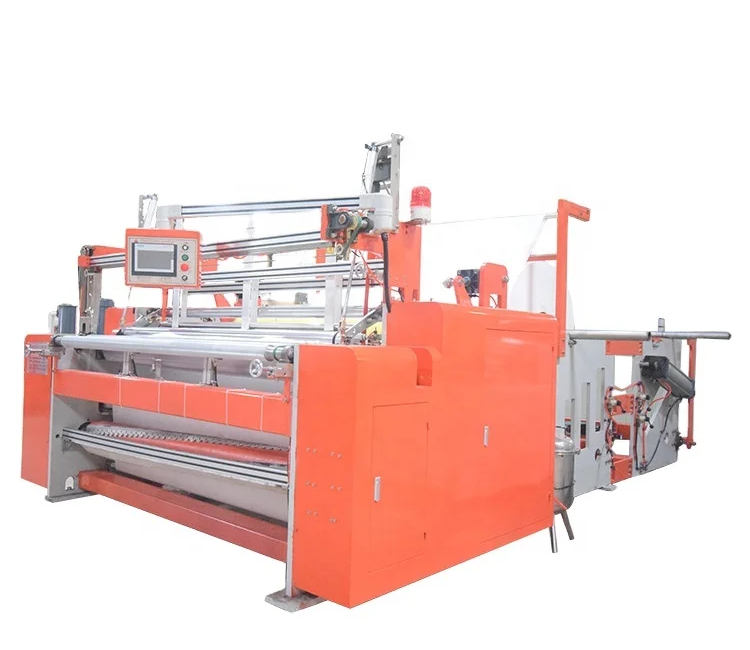
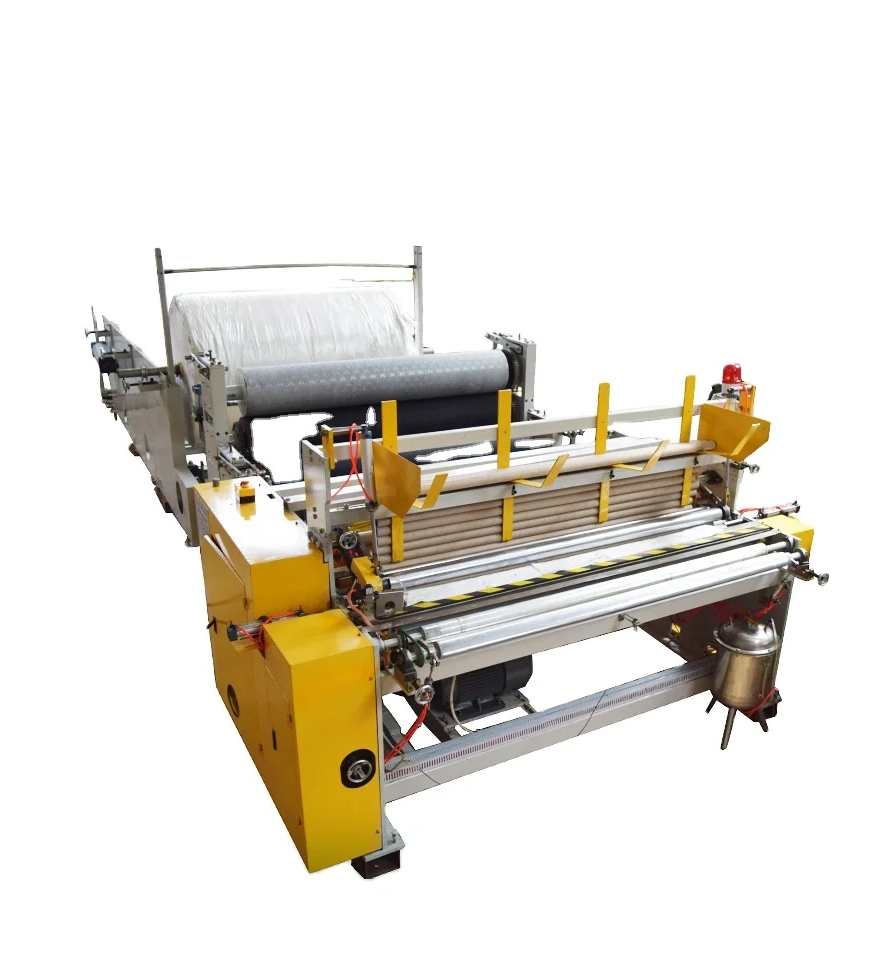
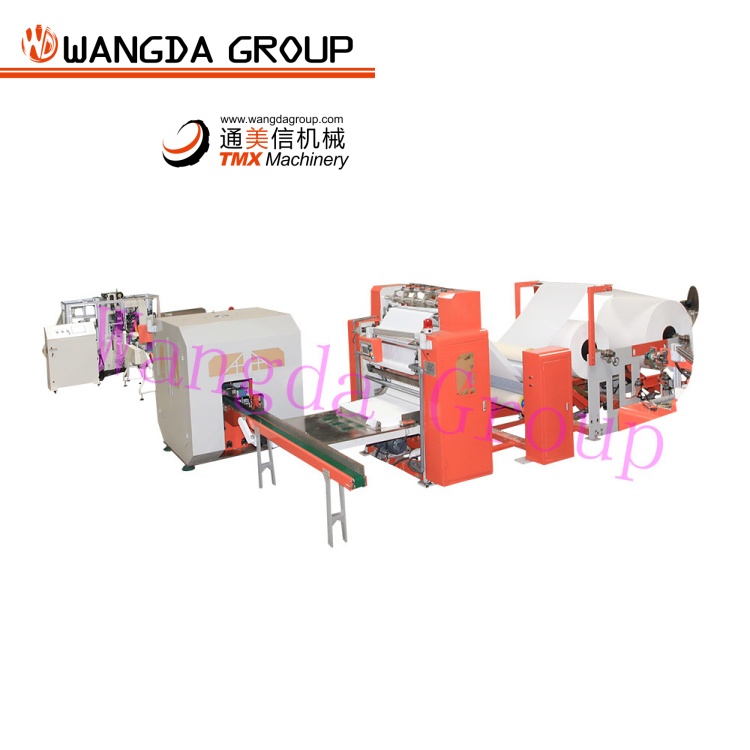
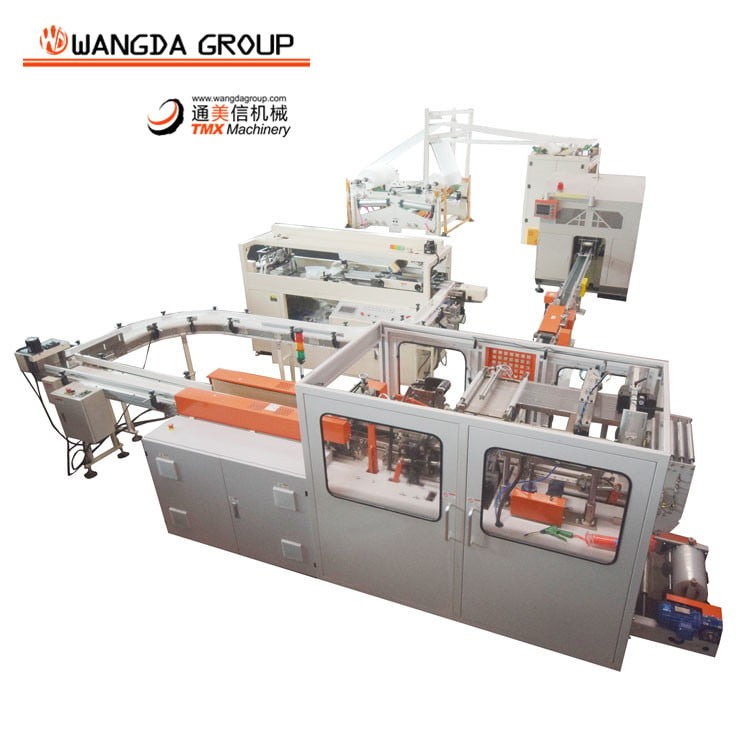
The tissue maker machine is a vital piece of equipment in the hygiene industry, designed to produce various tissue products such as napkins, facial tissues, handkerchiefs, and toilet paper. B2B buyers, including purchasing managers and distributors, often seek machines that combine efficiency and reliability while adhering to industry standards. This article will help you understand the tissue paper machine key specifications to consider, evaluate suppliers effectively, ensure proper installation, address common issues, and explore the applications of tissue maker machines.
When selecting a tissue maker machine, several key specifications should be prioritized to ensure optimal performance and product quality. These include:
Production Capacity: This refers to the number of units the machine can produce per hour. It's crucial to match this capacity with your anticipated demand to avoid bottlenecks.
Material Compatibility: The machine should be compatible with the specific types of paper you intend to use, such as recycled or virgin fibers. This impacts the final product's quality and cost.
Dimensions and Footprint: Ensure that the machine's dimensions fit within your production facility. A machine that is too large may require additional installation space or lead to inefficiencies.
Automation Level: Full-servo production lines offer higher automation levels, reducing manual intervention and increasing production efficiency. Consider what level of automation aligns with your operational capabilities.
Quality Control Features: Look for machines equipped with sensors and monitoring systems that ensure consistent quality throughout the production process.
Energy Efficiency: Machines that consume less energy can significantly reduce operational costs. Verify energy ratings and consumption statistics.
Safety Standards and Certifications: Ensure the tissue paper machine price meets relevant safety and quality certifications, which can vary by region and application.
These specifications collectively contribute to the machine's overall effectiveness, impacting your production line's efficiency and the quality of the final products.

Choosing the right supplier for your tissue maker machine is as crucial as selecting the machine itself. Here are some factors to consider:
Experience and Reputation: Look for suppliers with a proven track record in the industry. Check customer testimonials and case studies to gauge their reliability.
Manufacturing Capabilities: Ensure the supplier has advanced manufacturing facilities and technologies. This ensures they can meet your specifications, including any customization needs.
After-Sales Support: A reliable supplier should provide comprehensive after-sales support, including installation assistance, training, and maintenance services. Verify their response times for technical support.
Quality Assurance Processes: Investigate the supplier's quality control measures. This includes testing toilet tissue making machine before shipment and having certifications like ISO that demonstrate their commitment to quality.
Global Experience: Suppliers with experience in export markets, such as the Middle East, Asia, and Africa, are often better equipped to handle international shipping and compliance issues.
Customization Options: If your production needs are unique, ensure the supplier can accommodate specific customization requests without compromising quality.
By thoroughly evaluating these criteria, you can select a supplier that aligns with your operational needs and can support you throughout the lifecycle of the machine.

Proper installation of your tissue maker machine is crucial for ensuring optimal performance. Here are some essential steps to follow:
Site Preparation: Before installation, ensure that the designated area is clean, adequately sized, and equipped with the necessary utilities such as power and water supply.
Professional Installation Team: Engage a qualified installation team, preferably from the supplier, to ensure the machine is set up according to the manufacturer's specifications. This minimizes the risk of operational issues.
Calibration: After installation, the machine should be calibrated to meet the production requirements. This may involve adjusting settings for speed, pressure, and tension.
Initial Testing: Conduct thorough testing of the machine with trial runs to ensure everything operates smoothly. Monitor for any irregularities and adjust settings as needed.
Training: Ensure that your operators are adequately trained on the machine's operation, maintenance, and safety protocols. This will enhance operational efficiency and reduce the likelihood of accidents.
Documentation: Keep all installation and user manuals accessible for reference. This documentation includes warranty information, maintenance schedules, and troubleshooting guidelines.
Following these guidelines can help you avoid common pitfalls during installation and ensure your tissue maker machine operates at peak performance.
Even the most advanced tissue maker machines can encounter issues. Here are some common problems and their solutions:
Paper Jamming: This is often caused by improper loading or incorrect machine settings. Regularly check the paper path for obstructions and ensure that the paper is loaded correctly.
Quality Fluctuations: If the tissue quality varies, it may be due to inconsistencies in raw materials or improper machine calibration. Conduct regular quality checks on raw materials and recalibrate the machine as necessary.
Mechanical Failures: Components may wear out or malfunction over time. Implement a preventative maintenance schedule to replace worn parts proactively and reduce downtime.
Noise Issues: Excessive noise can indicate misalignment or mechanical issues. Regularly inspect and service the machine to ensure all components operate smoothly.
Production Downtime: This can arise from unexpected machine failures. Keep a stock of critical spare parts on hand to minimize downtime during repairs.
Understanding these potential issues and their resolutions can help you maintain the efficiency of your tissue maker machine and ensure consistent production quality.
Wangda has more than 20 years experience in the production of various tissue machines. We take great care of the machines' functions and the quality, and additionally, we provide after-sales and pre-sales services. We've sold machines to over 100 countries, which has resulted in many repeat orders and good reviews from our clients. Wangda has its own R and D departments. Our machines are based on advanced Germany, Japan and Italian technology and is updated day by day. Our machines has passed Toilet roll manufacturing machine, CE, BV and many more certifications. What we supply is not only machines. What we supply is turnkey projects from A-Z. can accept customized requests for these tissue machines.
We've Toilet paper roll making machine with many clients both in the United States as well as abroad.
Wangda manufactures toilet tissue machines (including Toilet paper manufacturing machine and packing) Kitchen towel machines (including cutting and packing) facial tissue machines (including cutting and packing), nylon bag facial tissues machines. We also manufacture maxi roll rewinding machines as well as perforating machines.
Wangda has very professional with a long-standing sales team as well as an after-sales department, with 80% of the team has worked for over 10 years in our company within this Hygienic products industry. Our teams are experienced in the daily use of paper tissue machines, packing machines and many other Hygienic products machines We have a wide range of professional information in this area, we think what our customer would like, and we make sure that our customers are worried about. Our customers aren't just purchasing machines from us We also assist them make money from this Toilet paper machine business. We offer our customers with the after-sales services they require.
Tissue maker machines are integral to various applications within the hygiene industry. Their primary uses include:
Production of Napkin Paper: These machines can produce napkin paper for restaurants, cafeterias, and food service establishments, ensuring a consistent supply of hygienic options for customers.
Facial Tissue Manufacturing: Tissue maker machines create soft and durable facial tissues, essential for personal care and hygiene. This application often requires specific softness and absorbency standards.
Toilet Paper Production: High-capacity tissue maker machines are utilized to produce toilet paper, a staple in households and commercial establishments. These machines must maintain high quality while producing large volumes.
Handkerchief Tissue: Machines can also be configured to produce handkerchief tissues, meeting specific size and folding requirements for retail packaging.
Diaper Production: Some tissue maker machines can be adapted for diaper production, catering to the growing demand for hygienic baby products.
By understanding these applications, buyers can better assess the capabilities of tissue maker machines and how they align with their production goals in the hygiene industry.