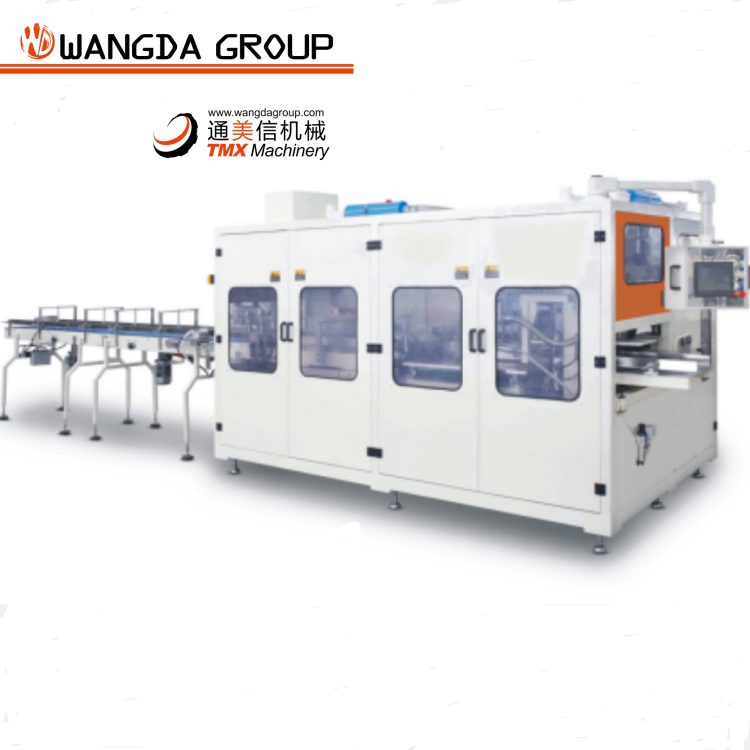
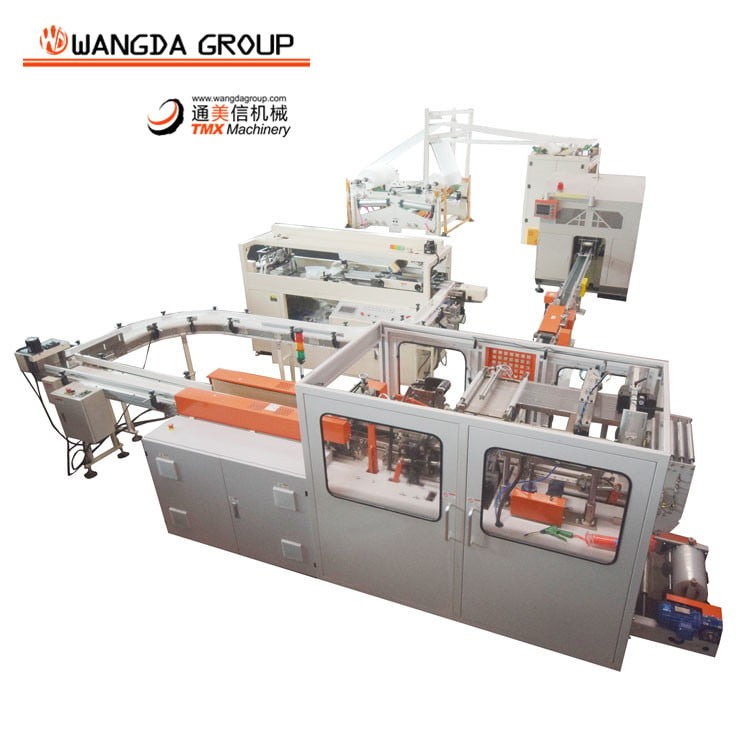
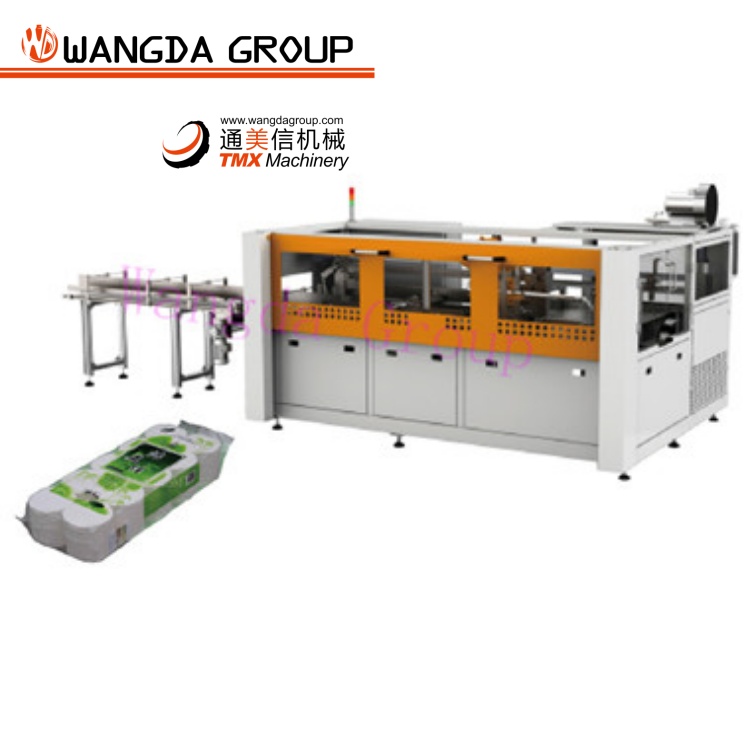
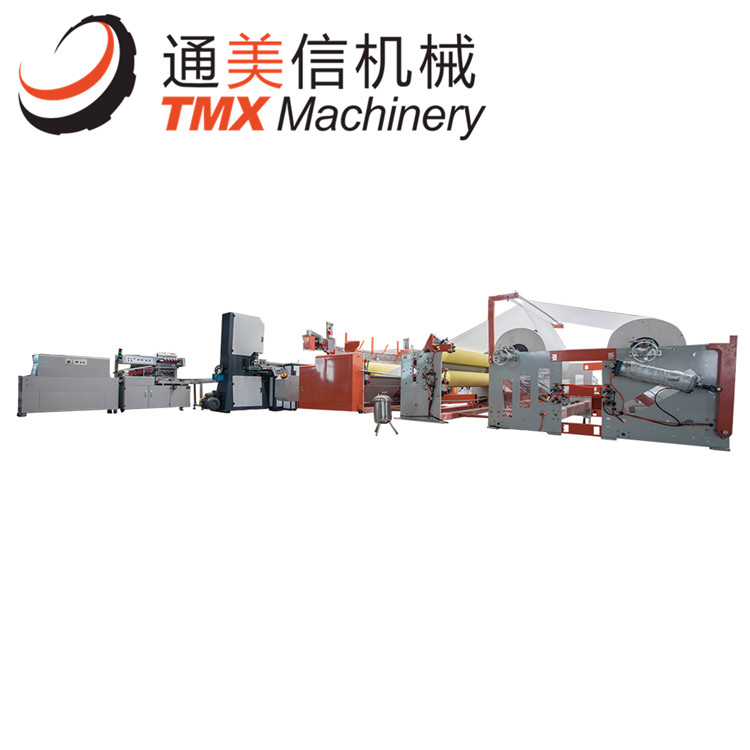
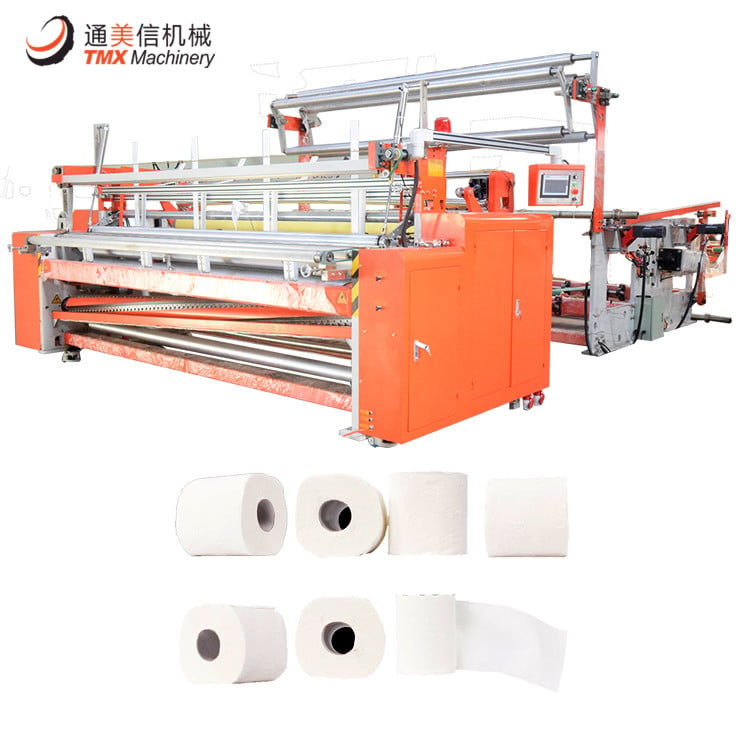
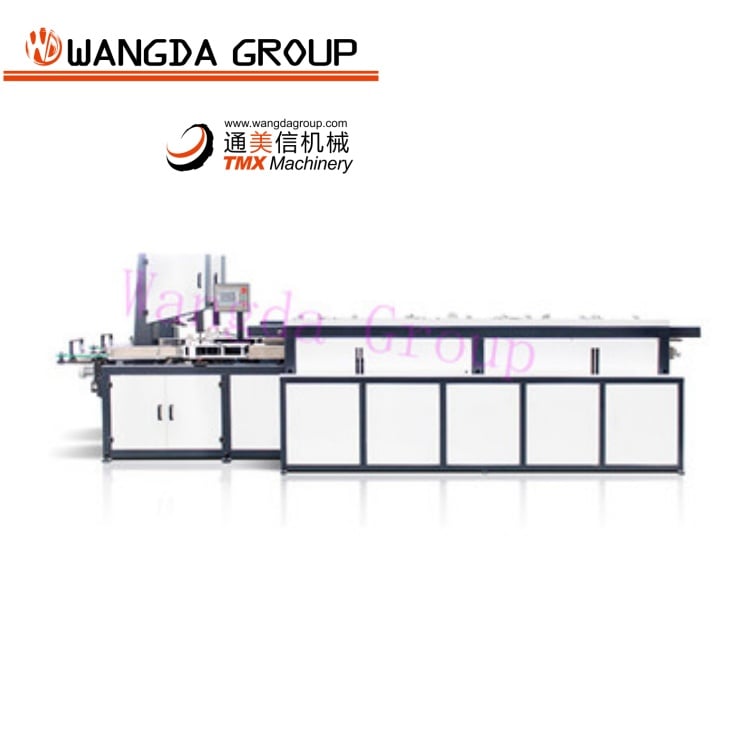
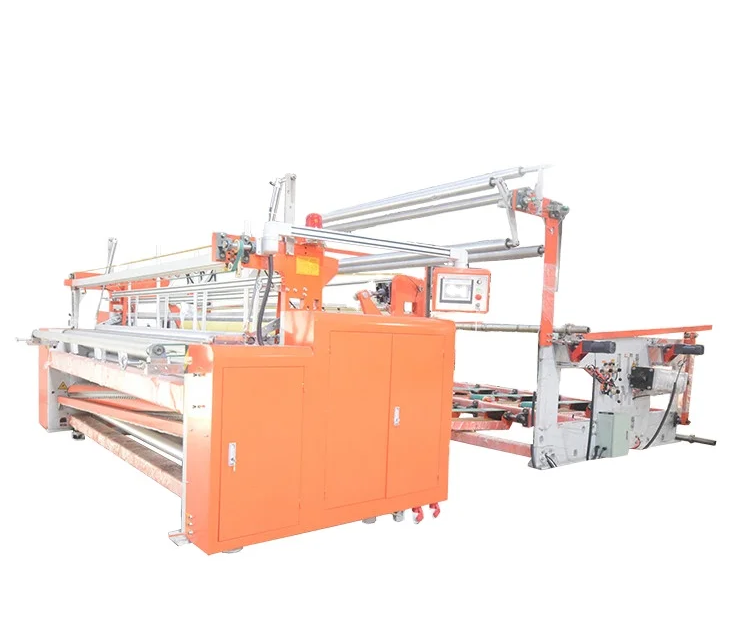
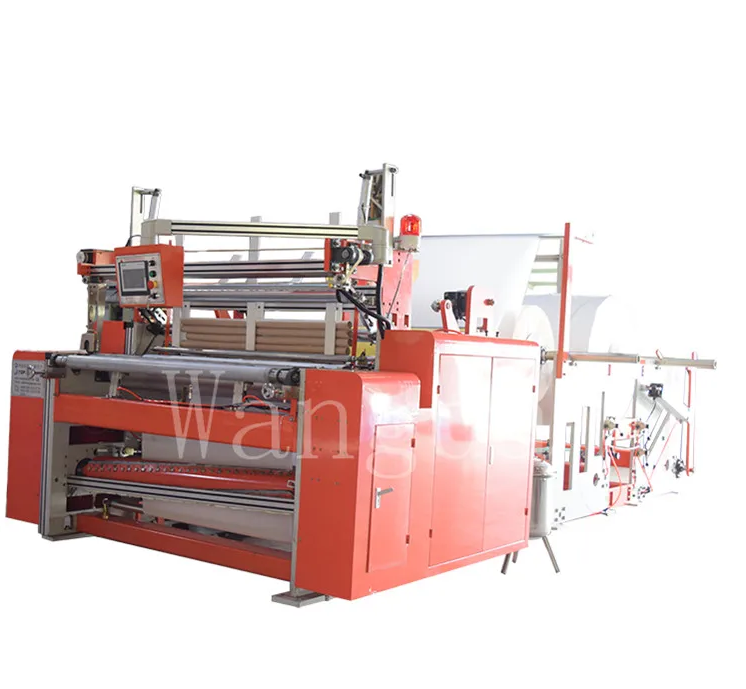
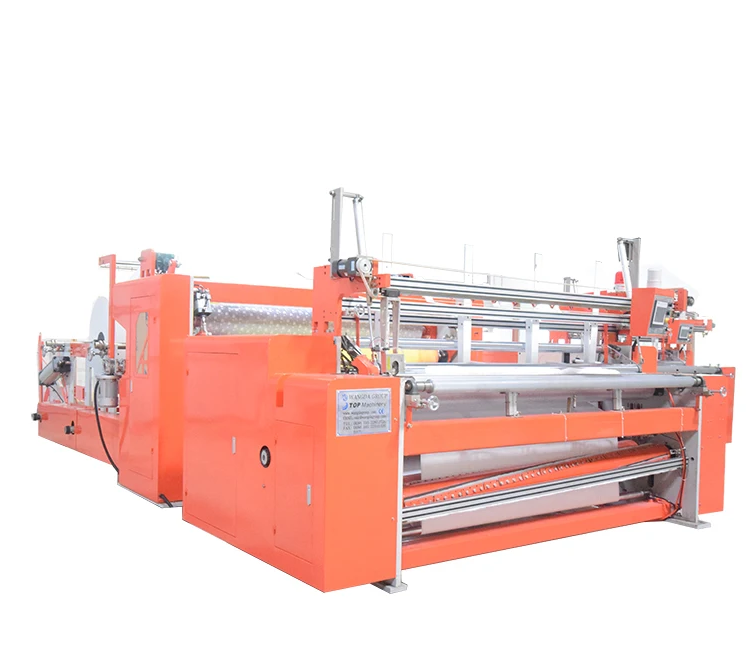
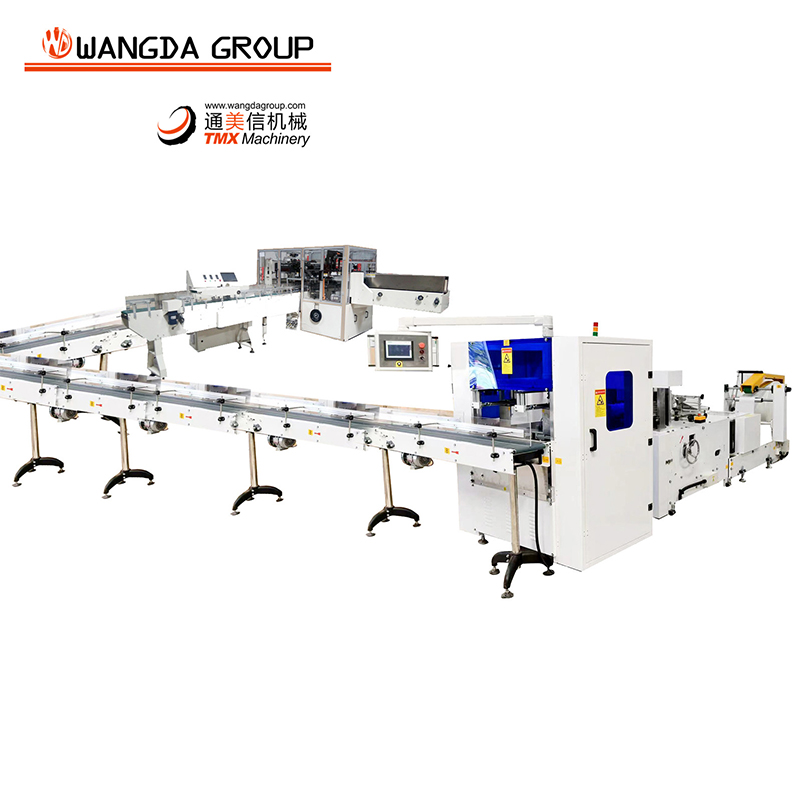
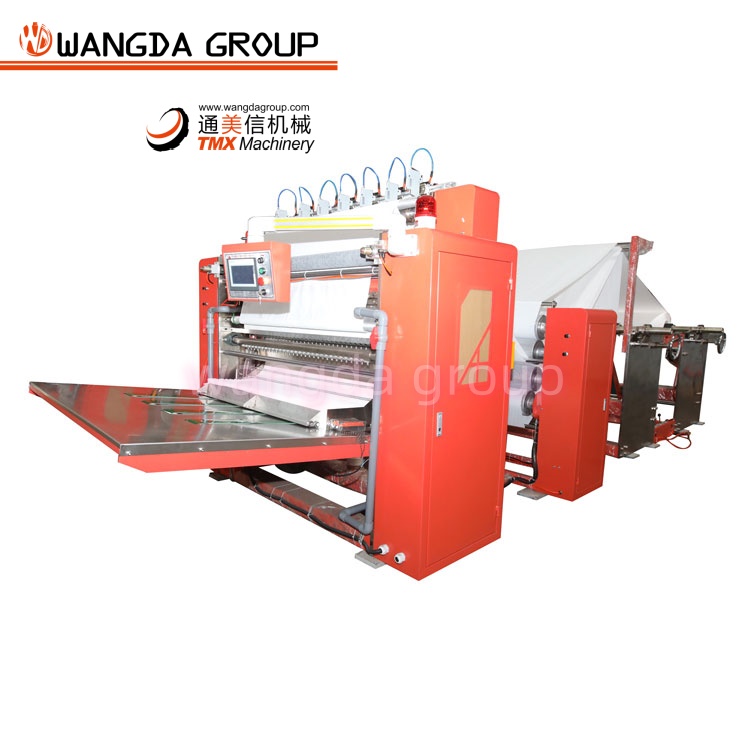
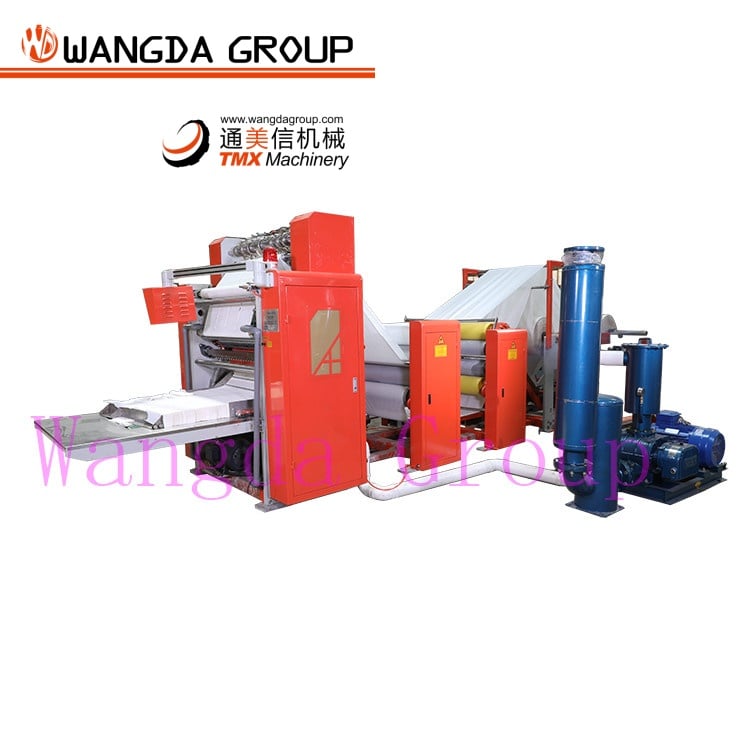
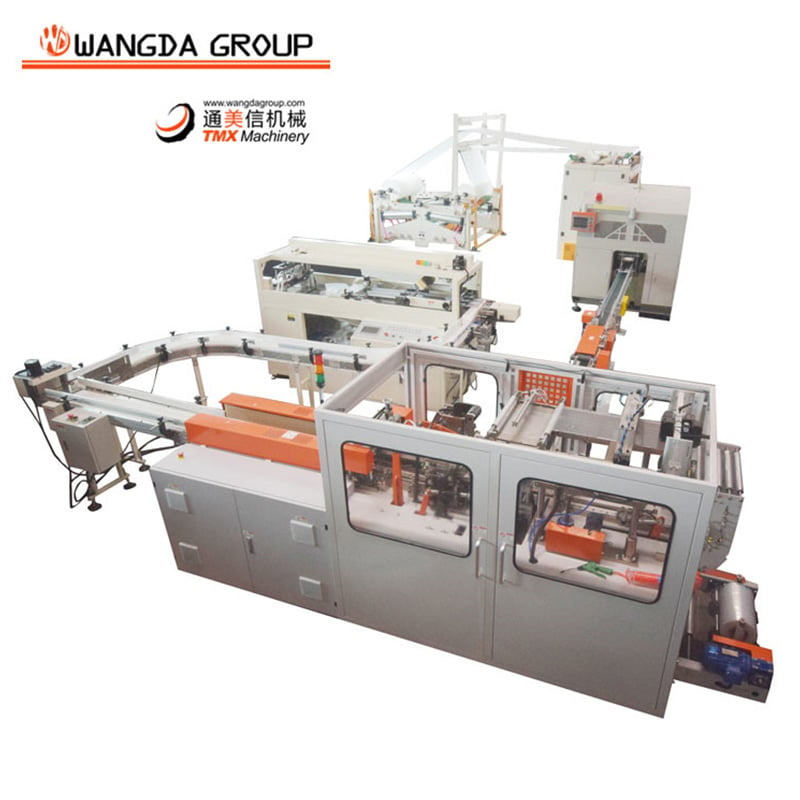
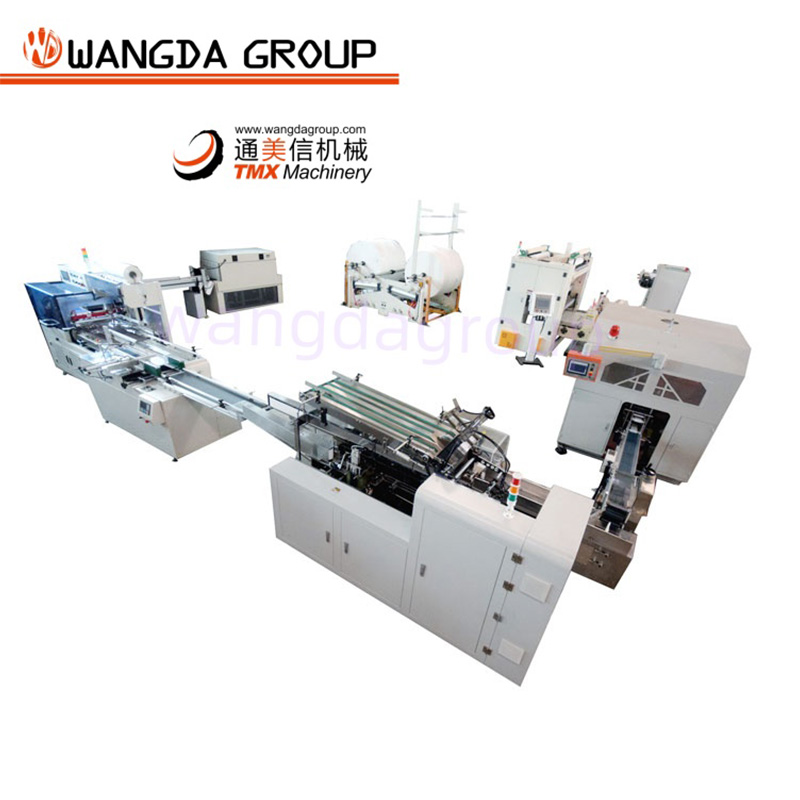
Small toilet paper making machines are specialized equipment designed for the efficient production of toilet paper. As a crucial component in the sanitary paper manufacturing industry, these machines cater to various business needs, from small-scale operations to larger manufacturing setups. Buyers often seek reliable performance, quality output, and cost-effectiveness when considering such machines. This article will provide insights into the key specifications, supplier options, installation guidance, quality control measures, and applications related to small toilet paper making machines, helping purchasing managers and decision-makers make informed choices
When evaluating small toilet paper making machines or toilet paper making machine price, several specifications should be prioritized
Production Capacity: This refers to the amount of toilet paper the machine can produce within a specific timeframe, typically measured in tons per day. Buyers should assess their operational needs to ensure the machine can meet production demands
Material Compatibility: The machine should accommodate various types of raw materials, such as recycled paper or virgin pulp, depending on the desired quality of the final product. Understanding material compatibility can prevent production delays and ensure optimal performance
Automation Level: Machines can range from manual to fully automated systems. Full-servo lines, like those offered by Wangda Industrial Co., Limited, provide higher efficiency and reduced labor costs, making them suitable for businesses looking to streamline operations
Dimensions and Space Requirements: The footprint of the machine is critical, especially for facilities with limited space. Buyers must ensure that the machine fits within their production area while allowing for necessary maintenance access
Energy Consumption: Efficiency in energy use can significantly impact operating costs. Understanding the machine's energy requirements helps buyers make informed decisions regarding long-term operational expenses
By focusing on these specifications, buyers can align their equipment choices with their production goals and operational constraints

When seeking wholesale suppliers for small toilet paper making machines, it's essential to consider a few key factors
Reputation and Experience: Look for manufacturers with a proven track record in the industry. Suppliers like Wangda Industrial Co., Limited, known for their high-quality and certified machinery, can provide confidence in the equipment's reliability and performance
Customization Capabilities: Many businesses have specific production requirements. Suppliers that offer customization options can provide machines tailored to unique needs, such as varying sizes or specific output capacities
Pricing and Minimum Order Quantity (MOQ): Buyers should inquire about pricing structures and MOQs to ensure alignment with their budget and production needs. Understanding these factors upfront helps avoid unexpected costs later on
After-Sales Support and Maintenance: Reliable after-sales service is crucial for maintaining machine performance. Suppliers should offer comprehensive support, including training, spare parts availability, and troubleshooting assistance
Global Reach: Suppliers with a strong export history, particularly to regions like the Middle East, Asia, Africa, and the Americas, are often better equipped to meet international standards and shipping requirements
Evaluating these supplier options can enhance the purchasing experience and ensure that businesses secure the right equipment for their operations

Proper installation of small toilet paper making machines or toilet paper machine price is critical for optimal performance. Here are key considerations
Site Preparation: Before installation, ensure the location is prepared according to the manufacturer’s specifications. This includes adequate electrical supply, water connections, and space for maintenance
Professional Installation: It is advisable to have the machine installed by trained professionals who understand the equipment's intricacies. This reduces the risk of operational issues and ensures all components are correctly calibrated
Testing and Calibration: Post-installation, conduct thorough testing to verify that the machine operates as intended. This includes checking production speeds, quality of the output, and ensuring that all safety features function correctly
Operator Training: Ensuring that operators are trained on the machine’s functionality and maintenance procedures is vital. This training should cover emergency protocols, daily maintenance checks, and troubleshooting common issues
Documentation: Maintain all installation and operational manuals for reference. Having accessible documentation can expedite troubleshooting and repairs in the future
By following these installation guidelines, companies can enhance the efficiency and lifespan of their toilet paper production machines

Quality control is essential in the toilet paper manufacturing process to ensure that the final product meets industry standards. Key measures include
Raw Material Inspection: Prior to production, all raw materials should undergo thorough inspection to ensure they meet quality specifications. This step can prevent defects in the final product
In-Process Monitoring: Regular monitoring during production helps identify potential issues early. This includes checking for consistency in product dimensions, texture, and weight
End-of-Line Testing: Finished products should be subjected to quality tests to confirm they meet the required standards for absorbency, softness, and durability
Calibration of Machines: Regular calibration of machinery ensures that production processes remain consistent. Deviations can lead to variations in product quality
Feedback Loops: Establishing a feedback system with operators and quality assurance teams can help identify recurring issues and implement corrective actions promptly
Implementing these quality control measures can significantly enhance the reliability and marketability of toilet paper products
We've worked Tissue paper manufacturing machine a variety of clients both at home and internationally.
Wangda is a highly professional and knowledgeable sales staff and after-sales team, 80% of the team has been in Toilet tissue machine for more than 10 years in our company in this hygiene-conscious product industry. Our team has a wealth of experience in the daily use of paper tissue machines, related packing machines and many other Hygienic products machines We have a wide range of professional expertise in this field, we are aware of what our customers wants, we worry about what our customers worry about. We not just sell the machines to our clients, but we help our customers earn money through this business of hygienic products, to provide the lifelong after-sale services to our customers at the right time.
Wangda has over 20 years of manufacturing tissues machines. We pay close attention to the quality of machines, their function and pre and post sales service. We have sold machines in more than 100 countries, which has won us many repeat orders and good reviews from our clients. Wangda has our own R and D departments. Our machines are based on advanced Germany Japanese, Japan and Italian technology and is keeping updated day by day. Our machines have been certified to ISO9002, Tissue paper making machine, BV and others certifications. We offer turnkey solutions that span from A to Z Not just machines.
Wangda manufactures Toilet roll manufacturing machine tissue machines (including cutting and packing), kitchen towels machines (including cutting and packing), facial tissue machines (including cutting and packing) bags of nylon facial tissues machines. We also manufacture maxi roll rewinding equipment as well as perforating machines.
Small toilet paper making machines serve a diverse range of applications across multiple markets
Retail and Wholesale Distribution: Businesses can use these machines to produce branded toilet paper for retail, allowing for customization in packaging and quality
Hospitality Industry: Hotels and restaurants often require specific types of toilet paper. Small machines enable these establishments to produce customized products tailored to their brand image
Healthcare Facilities: Hospitals and clinics require high-quality hygiene products. Machines that produce soft, strong toilet paper are essential for meeting the stringent hygiene standards in these environments
Educational Institutions: Schools and universities can benefit from producing their own toilet paper, ensuring it meets the specific needs of students and faculty while controlling costs
Export Markets: Small toilet paper making machines or toilet roll making machine price can cater to international markets, adapting to different regulations and consumer preferences. This capability is essential for suppliers looking to expand their reach
Understanding these applications can help businesses identify new opportunities and tailor their production strategies to meet market demands effectively