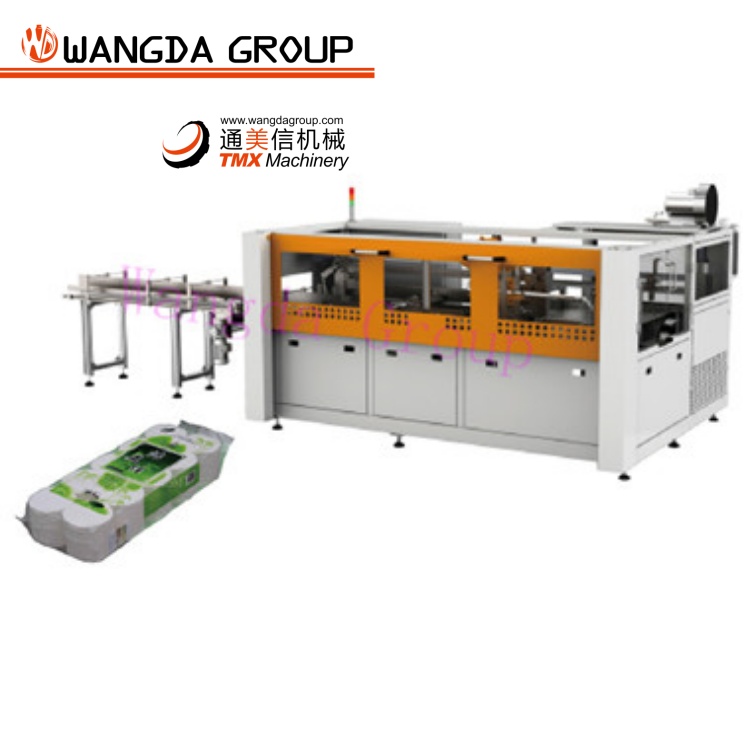
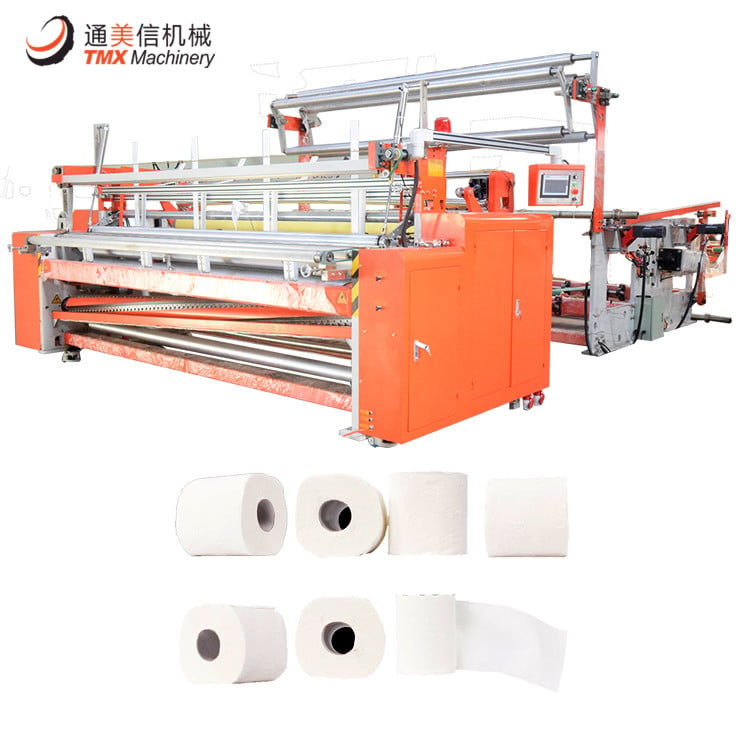
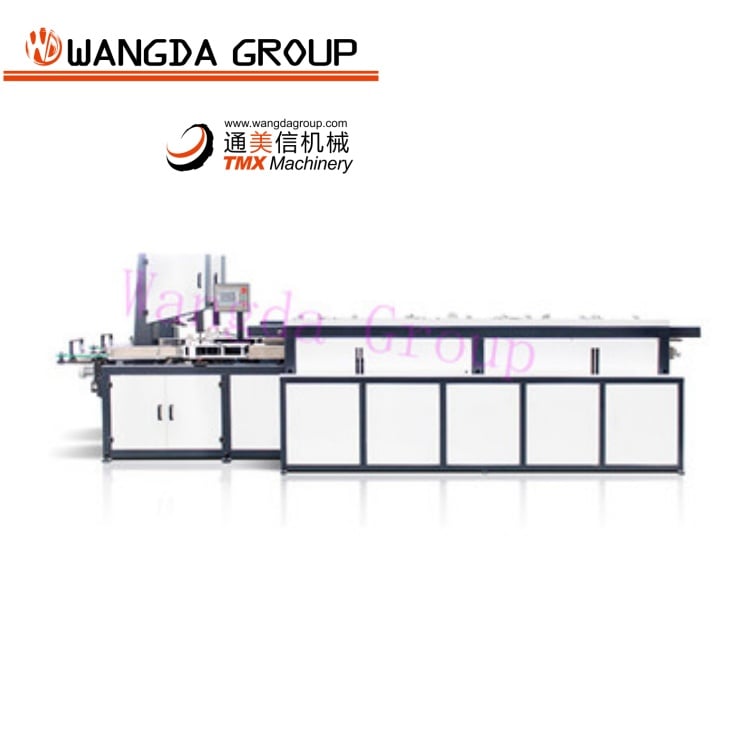
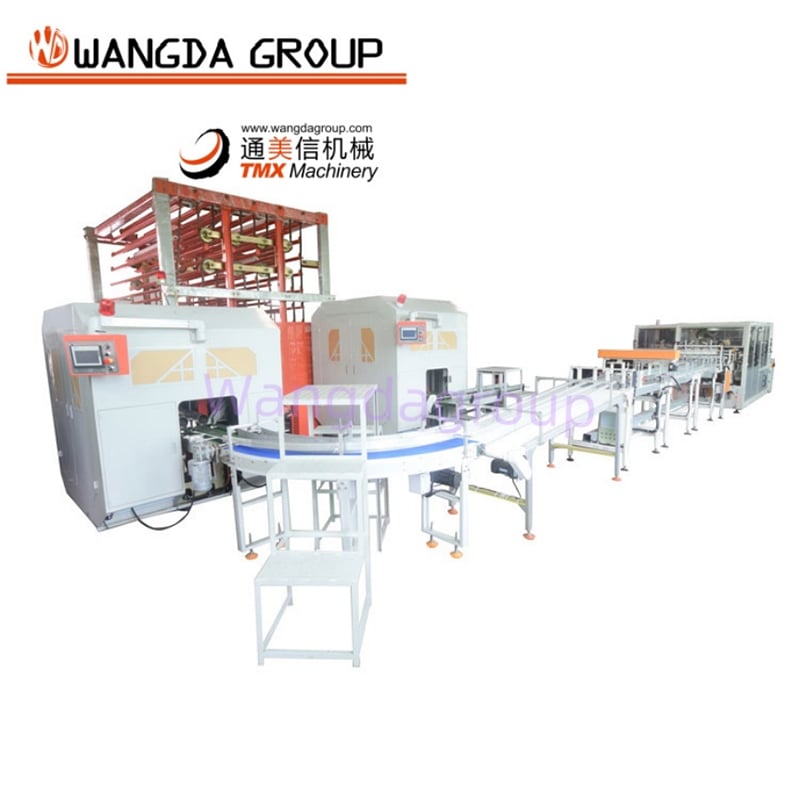
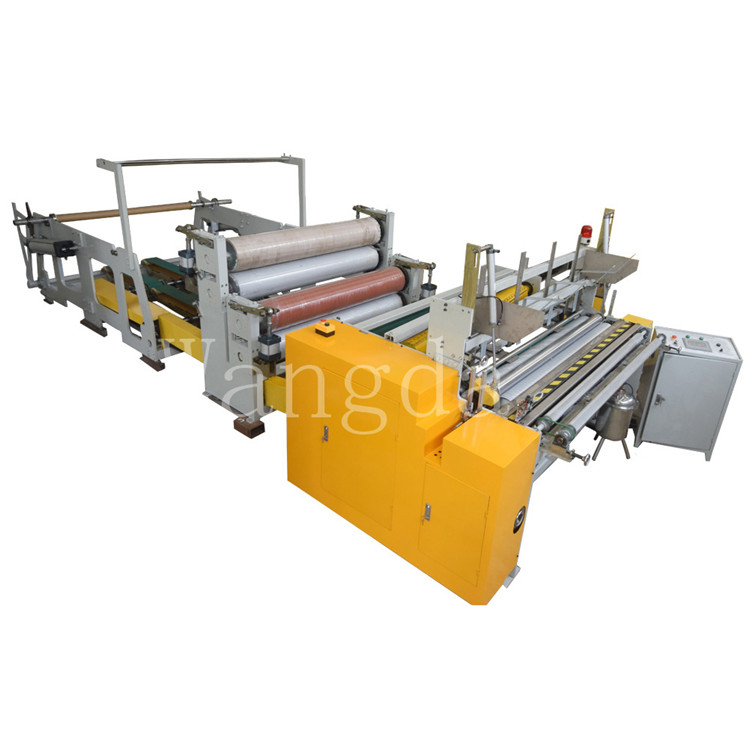
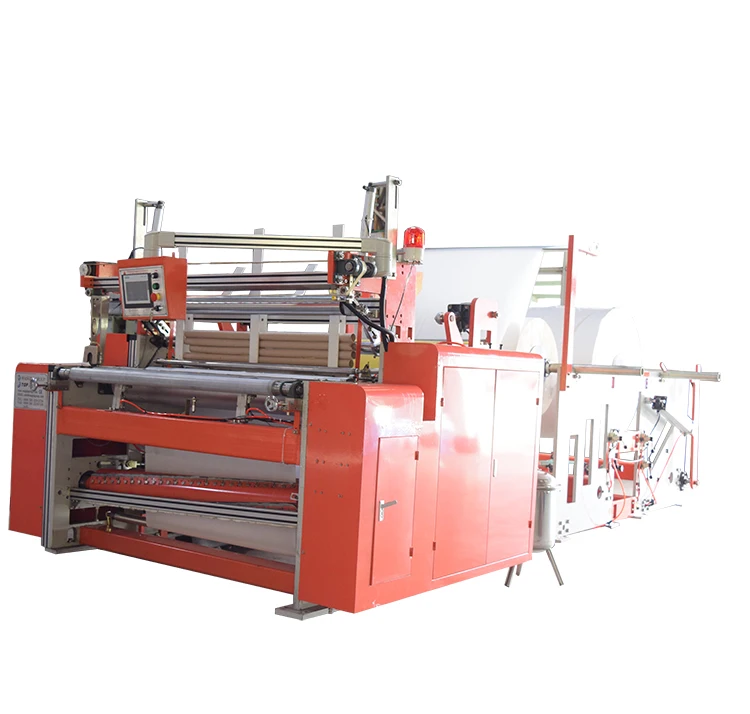
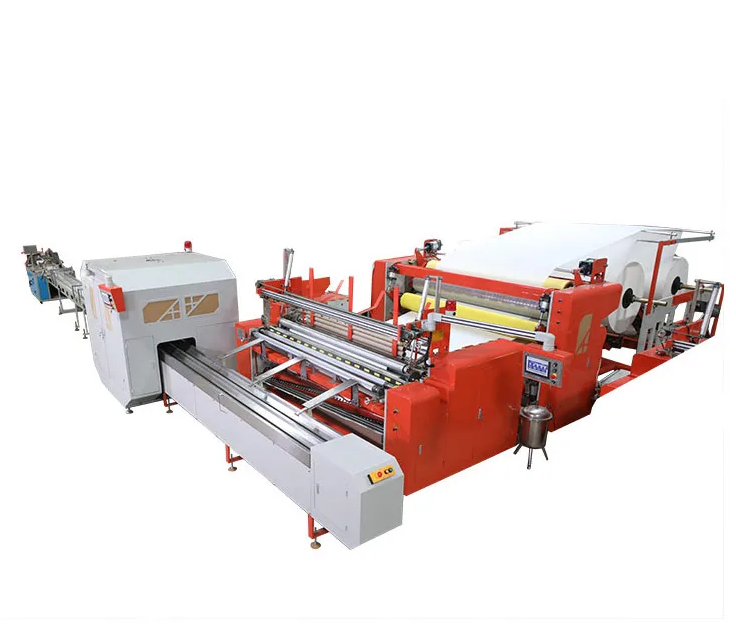
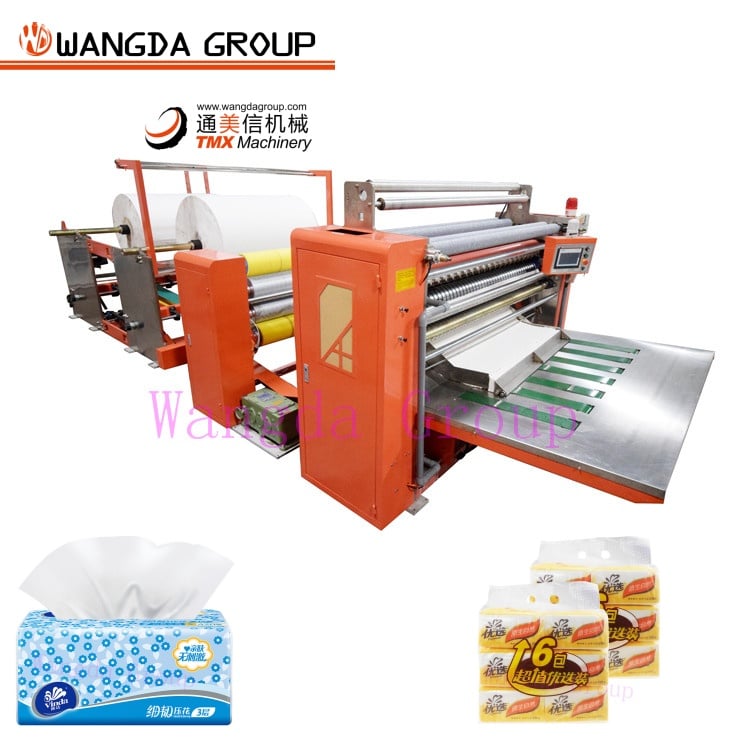
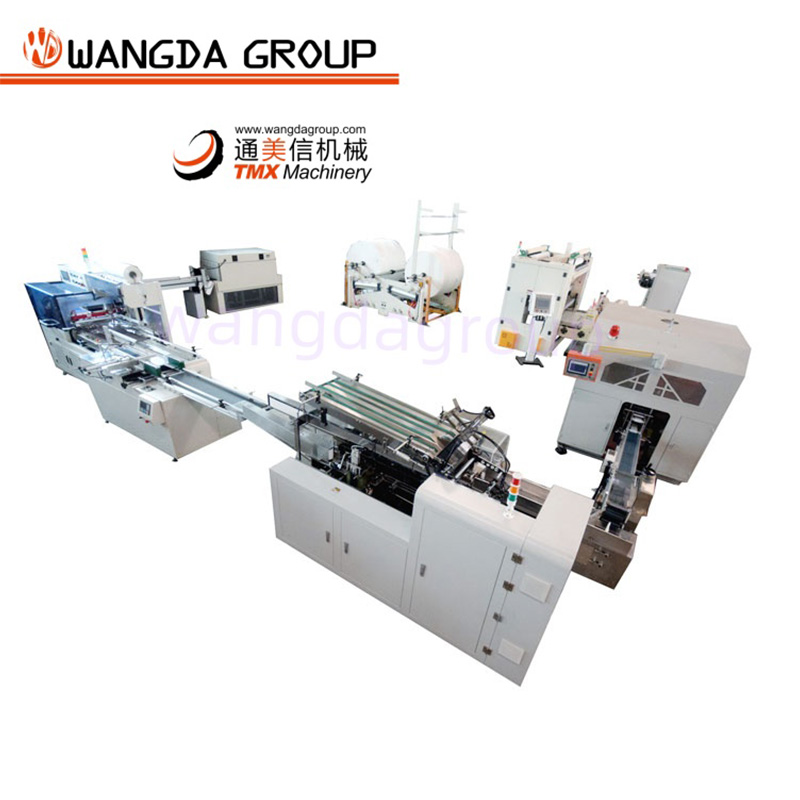
The demand for hygienic products continues to rise globally, and one essential product is toilet paper. For businesses looking to enter or expand in this market, investing in a small toilet paper making machine in Kenya can be an excellent opportunity. This article discusses key considerations when selecting such a toilet paper machine, pricing factors, specifications, quality control standards, and installation guidelines. Understanding these aspects will help potential buyers make informed decisions and ensure a successful investment.
When selecting a small toilet paper making machine, several critical factors need to be considered to ensure it meets your business needs. First, assess the machine's production capacity, which should align with your expected output. A toilet paper making machine with a capacity of 150 to 300 kg per day may be suitable for small to medium-sized operations, but you should confirm this based on your projected demand.
Next, consider the machine's specifications, including its dimensions, power requirements, and the materials it can process. The machine should be capable of handling the specific raw materials you plan to use, whether recycled paper or virgin pulp. Look for features such as automated controls and energy-efficient components that can enhance productivity and reduce operational costs.
Additionally, review the machine's technology and manufacturing process. Full-servo systems are becoming popular due to their precision and efficiency. It's also wise to inquire about the manufacturer's after-sales support and availability of spare parts, as this can significantly impact your machine's long-term performance.

Pricing for small toilet paper making machines in Kenya can vary based on several factors, including the machine's specifications, production capacity, and additional features. Generally, wholesale prices for these toilet paper manufacturing machine can range from $10,000 to $50,000. However, this price can be influenced by the level of automation and customization required.
When budgeting for your purchase, consider the total cost of ownership, which includes not just the initial purchase cost but also installation, maintenance, and operational costs. Look for suppliers who offer transparent pricing and are willing to provide a detailed quote that breaks down these costs. Additionally, check if there are any financing options available to help manage your investment better.

When comparing different small toilet paper making machines, focus on specifications that directly affect production quality and efficiency. Key specifications to consider include:
Production Speed: Measured in meters per minute, this indicates how quickly the machine can produce toilet paper. Higher speeds can lead to increased output but may also require more stringent quality control measures.
Roll Diameter and Width: Ensure the machine can produce rolls that meet your market requirements. Common roll widths range from 100 to 200 mm, but this should match your customer specifications.
Power Consumption: Evaluate the machine's energy efficiency, as this will impact your operational costs. Machines with lower power consumption can lead to significant savings over time.
Material Compatibility: Confirm that the machine can handle the types of paper you plan to use, whether it’s recycled or virgin pulp.
Understanding these specifications allows you to choose a machine that not only meets your current needs but can also adapt to future demands.

Quality control is critical in the manufacturing process of toilet paper, as it ensures the final product meets industry standards. When selecting a small toilet paper making machine, inquire about the quality control systems in place during production. Look for machines that have built-in quality assurance features, such as:
Tension Control Systems: These systems help maintain consistent pressure throughout the production process, preventing defects in the final product.
Automated Inspection: Machines that include automated inspection capabilities can detect issues in real-time, allowing for immediate corrective actions.
Certification Compliance: Verify that the machine complies with relevant industry standards and certifications, which can include ISO or CE certifications. This compliance demonstrates that the machine has undergone rigorous testing and meets safety and quality expectations.
Implementing a strong quality control process not only ensures a high-quality product but also builds customer trust and satisfaction.
Wangda has more than 20 years experience in the Toilet tissue machine of all kinds of tissue machines, we pay much attention to the features of the machine and its quality, as well as in addition, after sales and pre-sales services. We've sold machines in over 100 countries. This has resulted in many repeat orders and good reviews from our clients. Wangda has its own R and D departments. Our machine is based on the latest Germany Japanese, Japan and Italian technology, and is upgraded day by day. Our machines have been certified to ISO9002, CE, BV and other certifications. We offer turnkey projects that span from A to Z, not just machines.
Wangda is a highly professional and knowledgeable sales staff and after-sales team, 80% of the team has been in Tissue paper manufacturing machine for more than 10 years in our company in this hygiene-conscious product industry. Our team has a wealth of experience in the daily use of paper tissue machines, related packing machines and many other Hygienic products machines We have a wide range of professional expertise in this field, we are aware of what our customers wants, we worry about what our customers worry about. We not just sell the machines to our clients, but we help our customers earn money through this business of hygienic products, to provide the lifelong after-sale services to our customers at the right time.
We've Toilet paper manufacturing machine with many clients both in the United States as well as abroad.
Wangda manufactures toilet tissue machines (including cutting and Toilet paper roll making machine) Kitchen towel machines (including cutting and packing) facial tissue machines (including cutting and packing) and nylon bag facial tissues machines. We also produce maxi roll rewinding as well as perforating machines.
Proper installation of a small toilet paper making machine is essential for optimal performance. Here are some guidelines to consider:
Site Preparation: Ensure that the installation site meets all the necessary requirements, including space for the machine, proper power supply, and ventilation. The area should be clean and free from obstructions.
Foundation Requirements: Depending on the machine's weight and specifications, a solid foundation may be needed to support it. Consult with your supplier for specific foundation requirements.
Alignment and Calibration: The machine should be precisely aligned during installation to ensure smooth operation. Calibration of components such as tension controls and speed settings should also be performed to match your specific production requirements.
Testing: After installation, conduct thorough testing to ensure the machine operates correctly. This should include running trial batches to verify that the output meets quality standards.
Training: Ensure that your operators are properly trained on the machine's operation and maintenance. This will help prevent operational issues and enhance productivity.
By following these guidelines, you can maximize the efficiency and lifespan of your small toilet paper making machine, leading to a successful manufacturing operation.