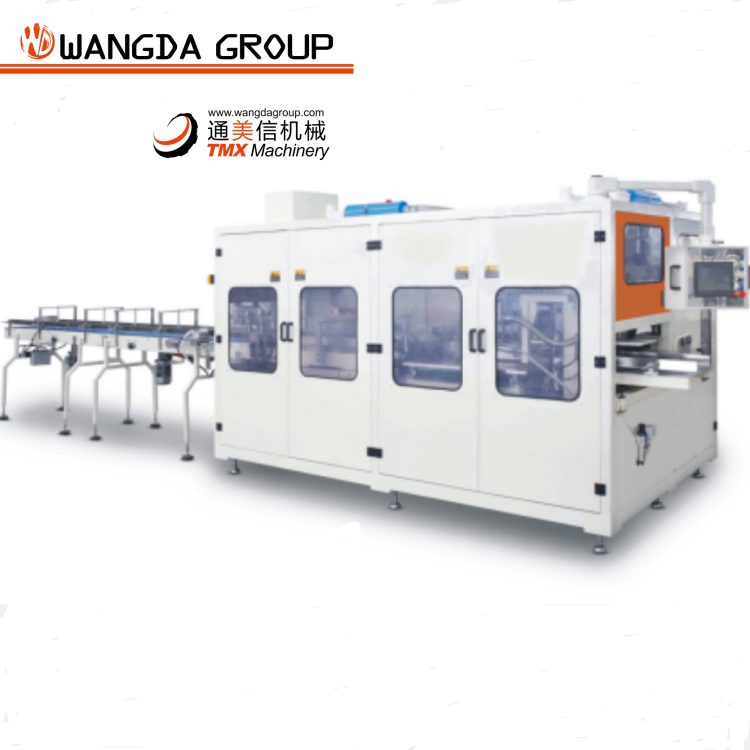
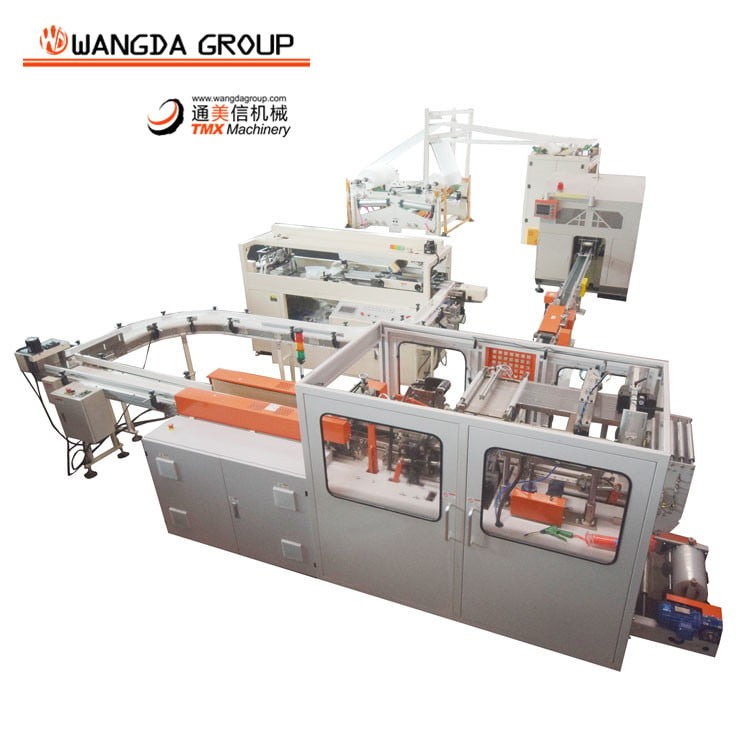
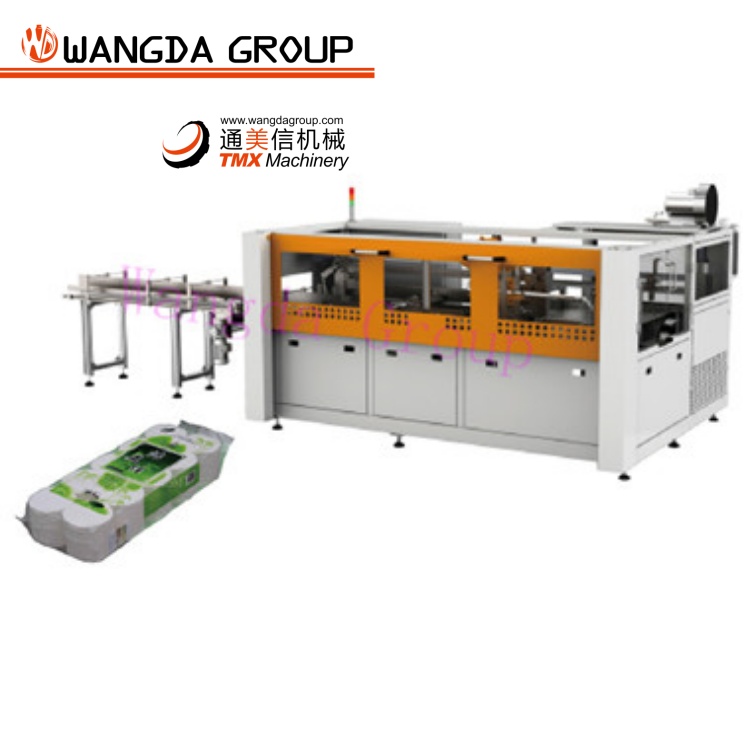
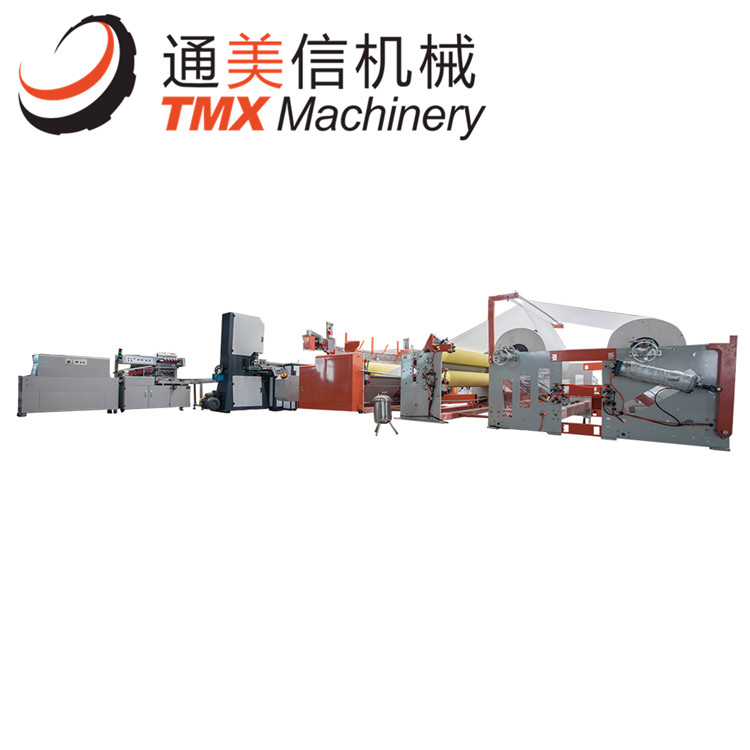
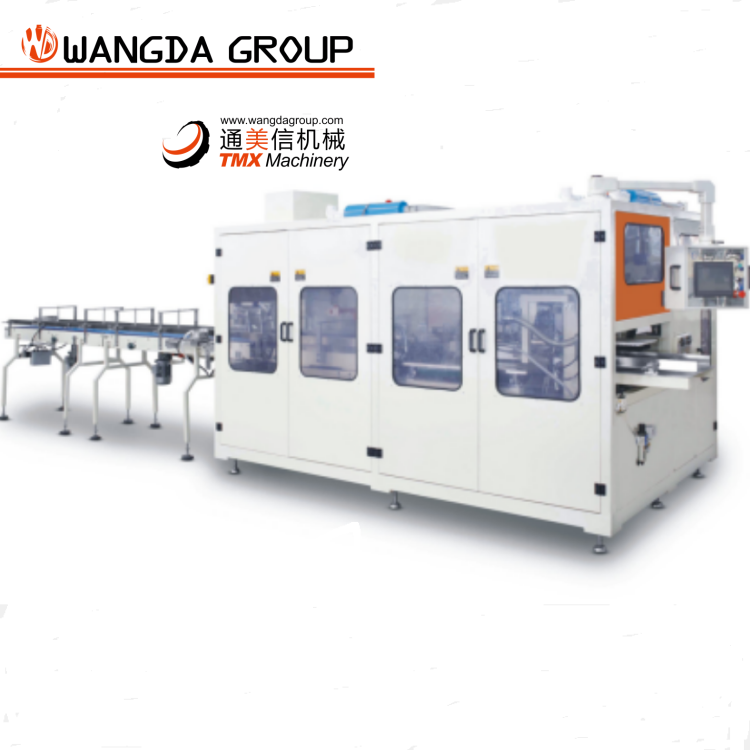
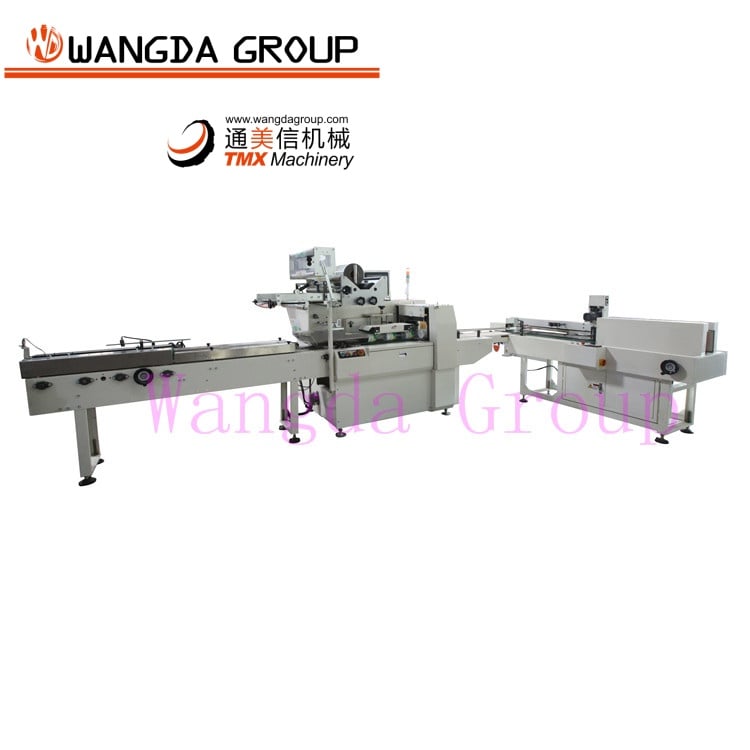
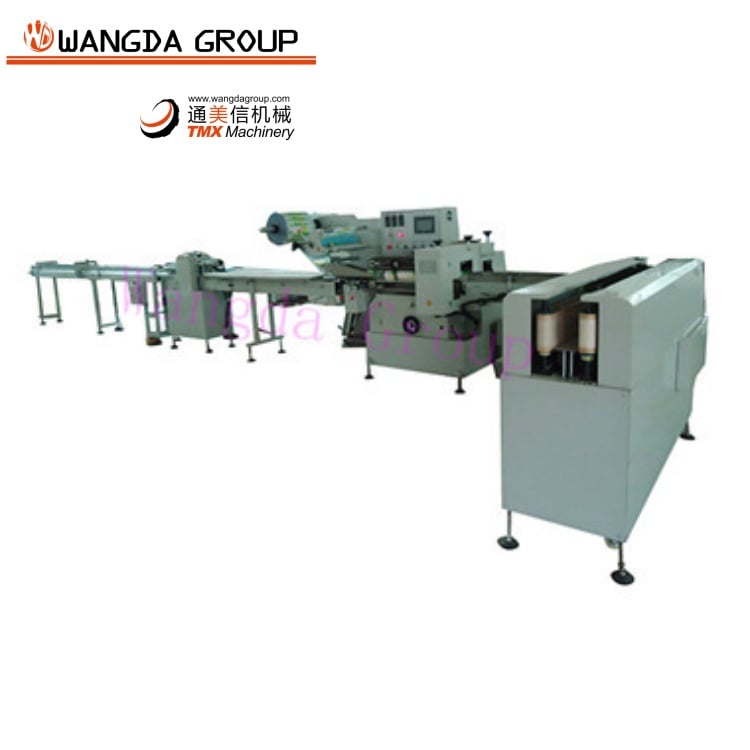
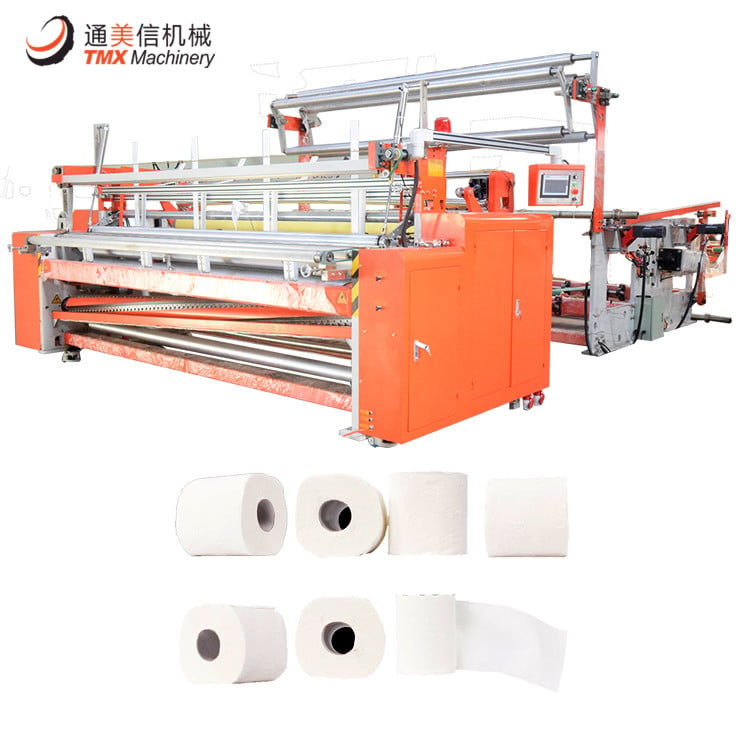
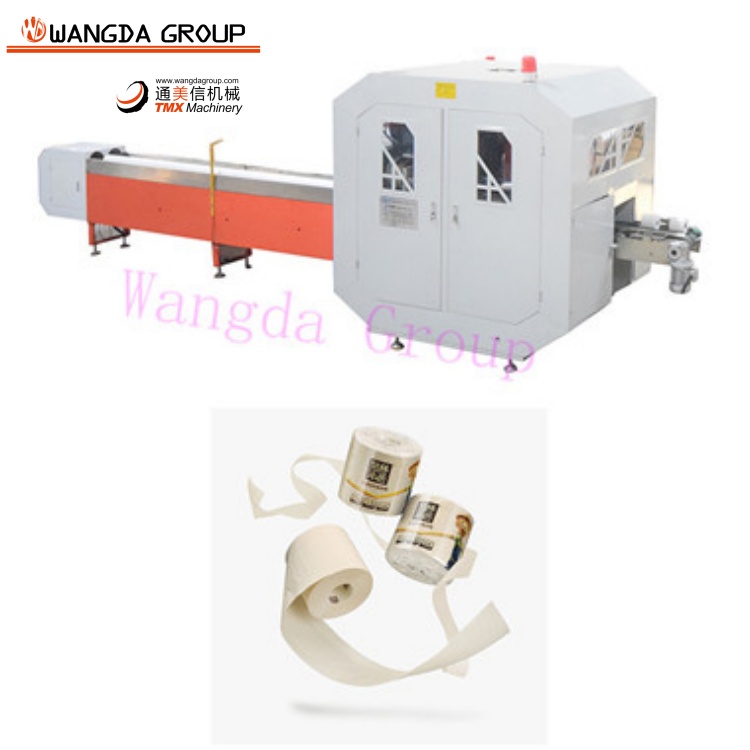
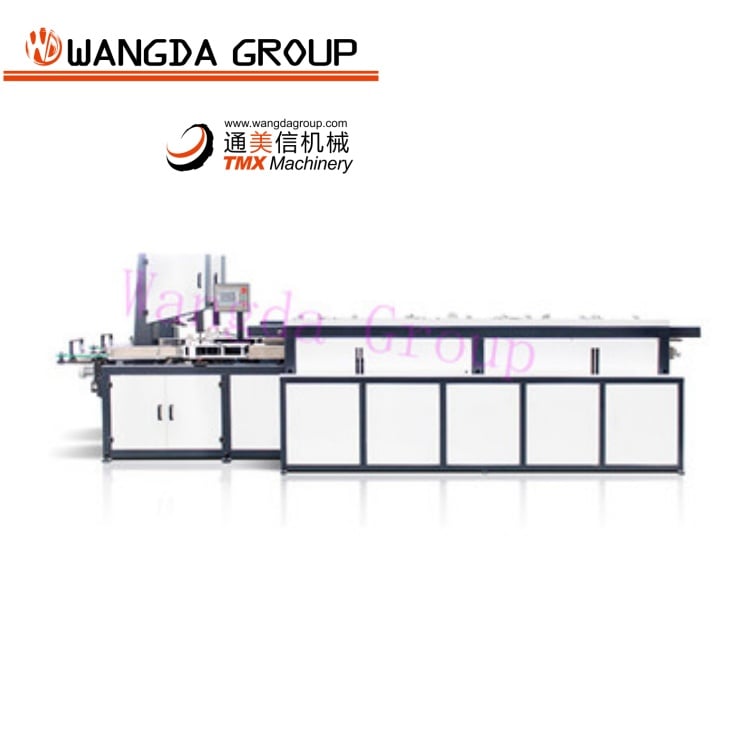
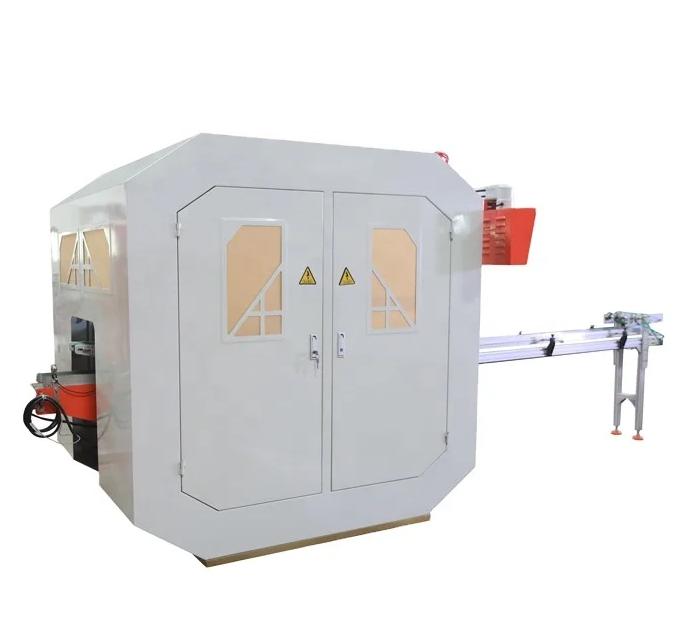
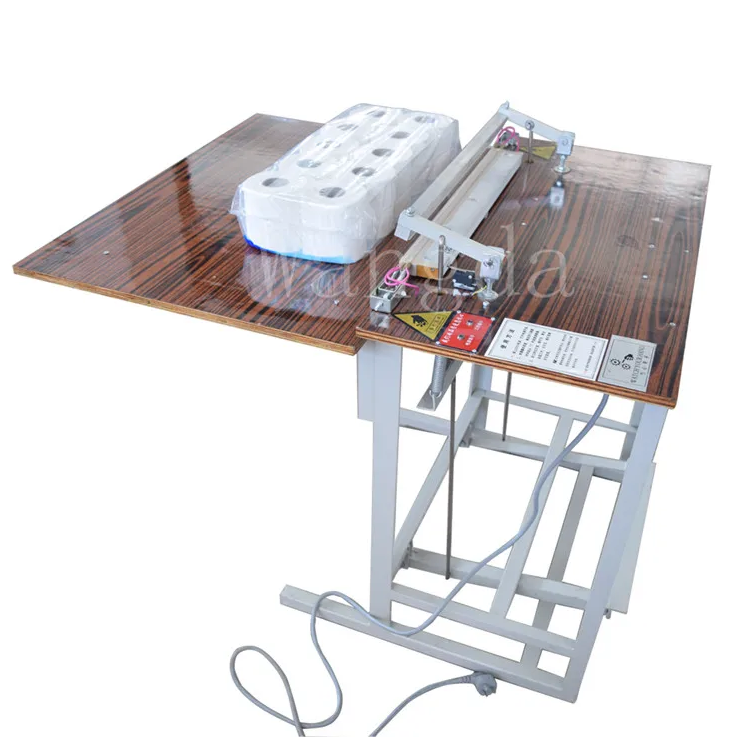
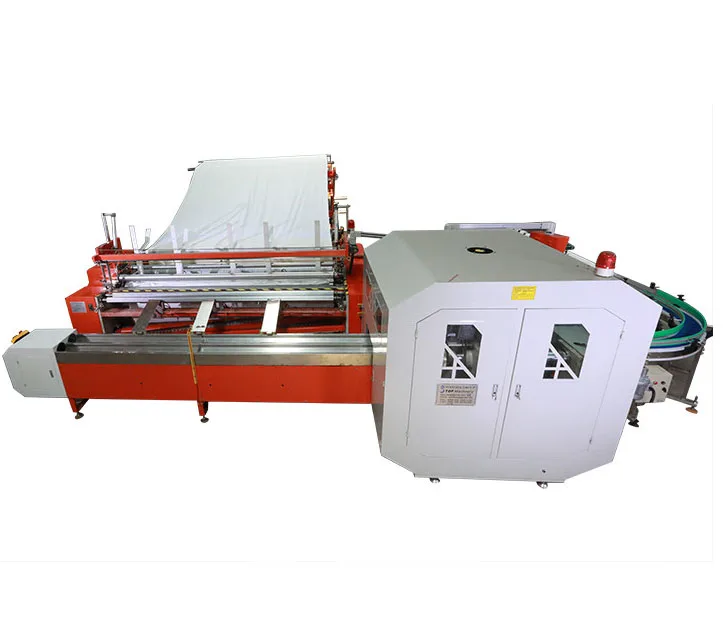
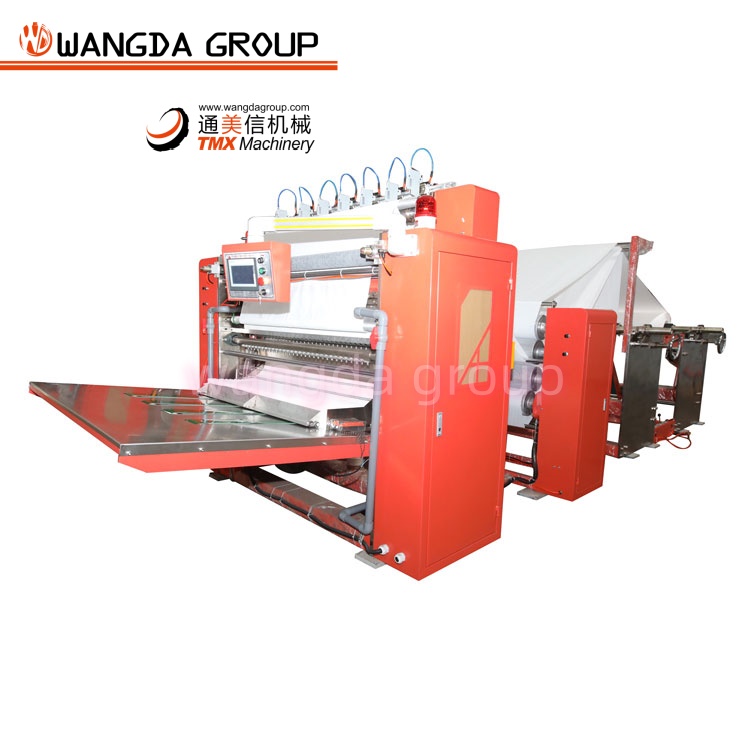
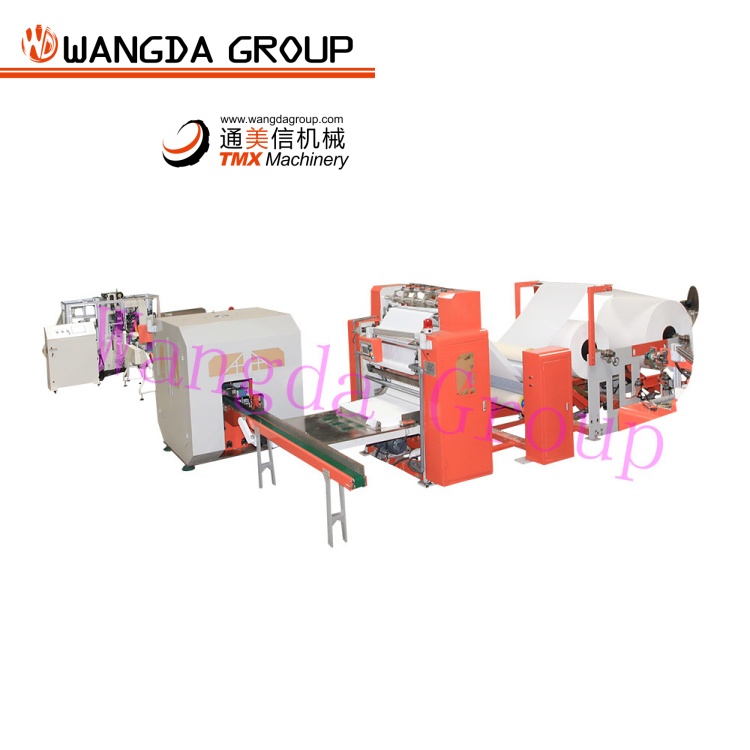
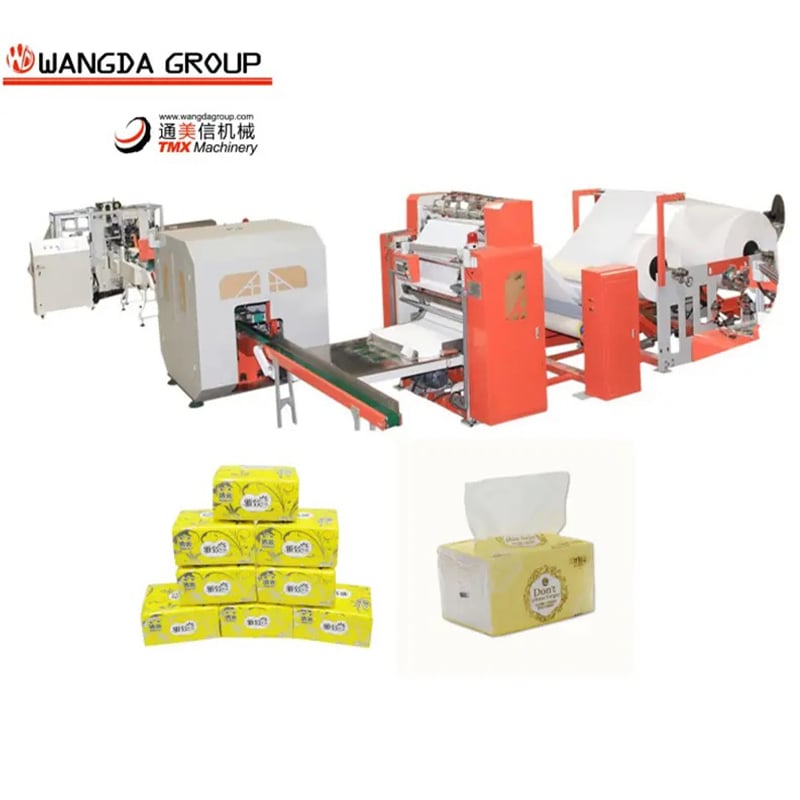
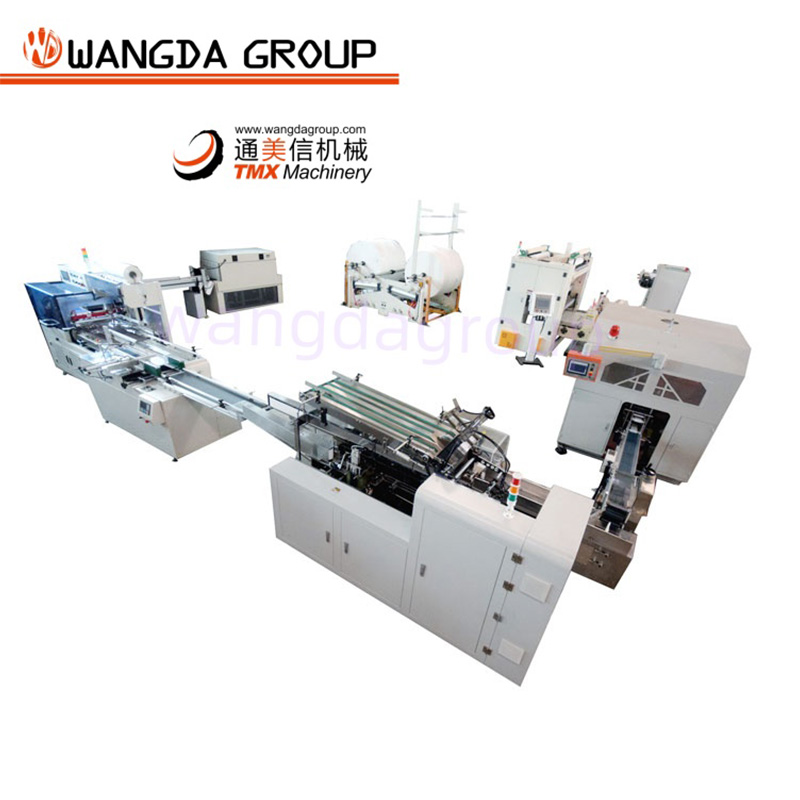
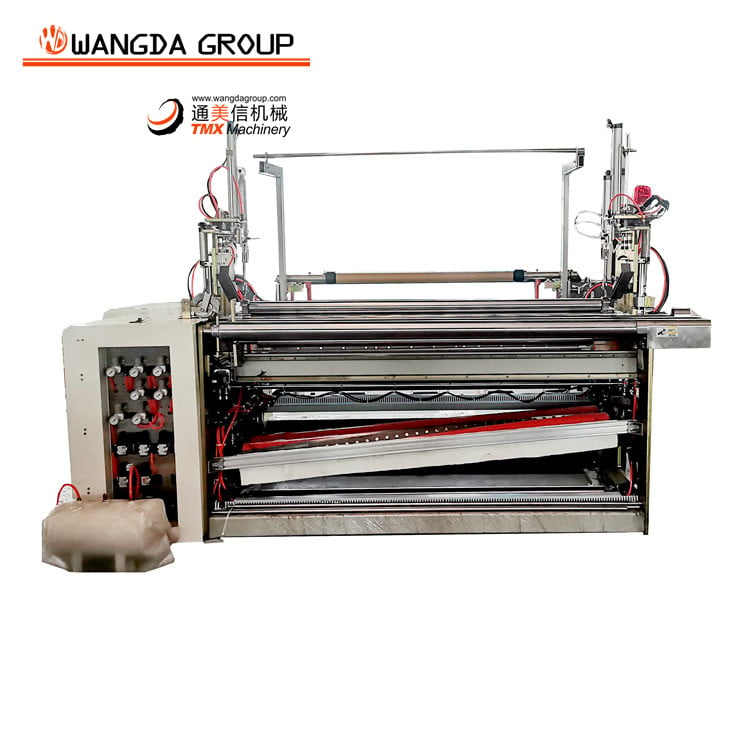
When considering the production of toilet paper, a small toilet paper making machine can be a strategic investment for B2B buyers looking to enter or expand within the hygiene products market. These machines are designed for efficiency, allowing manufacturers to produce high-quality toilet paper while managing costs and ensuring flexibility in production. This article addresses key concerns for purchasing managers, distributors, and engineers by exploring essential considerations when selecting a small toilet paper making machine, including quality evaluation, installation guidance, and common operational challenges.
Selecting the appropriate small toilet paper making machine begins with understanding your specific production requirements. Consider factors such as production capacity, desired paper specifications, and automation level. Machines can range from semi-automatic to fully automatic systems, each offering different levels of efficiency and operator involvement.
For example, if you are producing for a local market with modest demand, a semi-automatic machine may suffice, offering a lower initial investment. However, for larger-scale operations or export to regions with high demand, such as the Americas or Asia, a fully automated line could enhance productivity and reduce labor costs.
It’s also crucial to evaluate the machine’s ability to handle various paper grades and thicknesses, which can affect the final product's quality. Prioritize machines equipped with adjustable settings for paper thickness to ensure adaptability to market changes. Additionally, consider the overall space and layout of your production facility when choosing the size and configuration of your equipment.

When purchasing a small toilet paper making machine wholesale, buyers should focus on several key factors to ensure a successful transaction. First, always request detailed quotations that specify the machine's model, features, and any additional costs, such as shipping and installation. tissue paper making machine clarity helps in comparing offers from different suppliers effectively.
Additionally, inquire about the minimum order quantity (MOQ) and discuss volume discounts. Many manufacturers, including Wangda Industrial Co., Limited, offer competitive pricing for bulk orders, which can significantly reduce your overall costs.
Before finalizing your purchase, it's wise to request references or case studies from existing clients, particularly those in similar markets. This feedback can provide valuable insights into the machine's performance and the supplier's service quality. Lastly, ensure that the supplier can provide after-sales support, spare parts, and maintenance services to minimize downtime in your production process.

Quality is paramount in the production of toilet paper, and evaluating the machinery is a critical step in your purchasing process. Begin by examining the manufacturing materials of the machine. Machines constructed from high-grade steel and components are likely to offer better durability and performance, particularly under continuous operation.
Next, assess the production specifications, such as speed (measured in meters per minute), energy consumption, and waste levels. Each of tissue making machine metrics directly impacts operational efficiency and cost-effectiveness. A machine with a higher speed can produce more rolls per hour, but it should also maintain consistent quality to prevent wastage.
It's also essential to verify if the equipment complies with international quality standards and certifications. Certifications can provide assurance regarding the machine's safety, efficiency, and environmental compliance, which are increasingly important in today’s market. Finally, consider the manufacturer's quality control processes during production; a reliable manufacturer will typically have stringent quality checks throughout the production cycle.

Proper installation of your small toilet paper making machine is crucial for achieving optimal performance. First, ensure that your facility meets the operational requirements specified by the manufacturer, including electrical supply, water supply, and space for ventilation and maintenance access.
Engaging professional installation services is highly recommended. Experienced technicians can ensure that the machine is calibrated correctly, reducing the risk of operational issues. During installation, it's also a good opportunity to train your staff on the machine's operation, maintenance, and troubleshooting procedures.
Consider creating a detailed operation manual specific to your setup, which includes guidelines for daily operations, maintenance schedules, and emergency procedures. toilet tissue machine resource will empower your team to operate the machinery safely and efficiently, ultimately leading to a smoother production process.
We've Toilet paper manufacturing machine with many clients both in the United States as well as abroad.
The sales and after-sales departments are very experienced and professional. Our team has worked in the field of hygienic products for over 10 years. We are aware of what our customers are looking for and are Tissue making machine of what makes them worry. Our clients are not just purchasing machines from us but also helping them earn a profit from the hygiene-related business. We provide our clients with the services after-sales they need.
Wangda Tissue paper making machine toilet tissue machines (including cutting and packing), kitchen towel machines (including cutting and packing) facial tissue machines (including cutting and packing) as well as nylon bag facial tissues machines. We also make maxi roll rewinding equipment as well as perforating machines.
Wangda has more than 20 years experience in the Toilet tissue machine of all kinds of tissue machines, we pay much attention to the features of the machine and its quality, as well as in addition, after sales and pre-sales services. We've sold machines in over 100 countries. This has resulted in many repeat orders and good reviews from our clients. Wangda has its own R and D departments. Our machine is based on the latest Germany Japanese, Japan and Italian technology, and is upgraded day by day. Our machines have been certified to ISO9002, CE, BV and other certifications. We offer turnkey projects that span from A to Z, not just machines.
Despite their advanced design, small toilet paper making machines can encounter operational issues. Common problems include paper jams, inconsistent roll sizes, and maintenance challenges.
Paper jams are often caused by improper threading or variations in paper tension. To mitigate this, ensure that your staff is well-trained in machine threading and regularly monitor the tension settings. Keeping the machine clean and well-lubricated can also help prevent jams.
Inconsistent roll sizes can arise from miscalibrated cutting mechanisms. Regular calibration checks are essential, particularly after maintenance or when switching between different paper specifications.
Finally, routine maintenance is critical for longevity. Establish a maintenance schedule that includes regular inspections of moving parts, electrical systems, and safety features. Keeping an inventory of spare parts can also minimize downtime when repairs are needed.
By understanding these common issues and their solutions, buyers can enhance the reliability and efficiency of their small toilet paper making machines, ensuring a successful operation in the competitive hygiene products market.