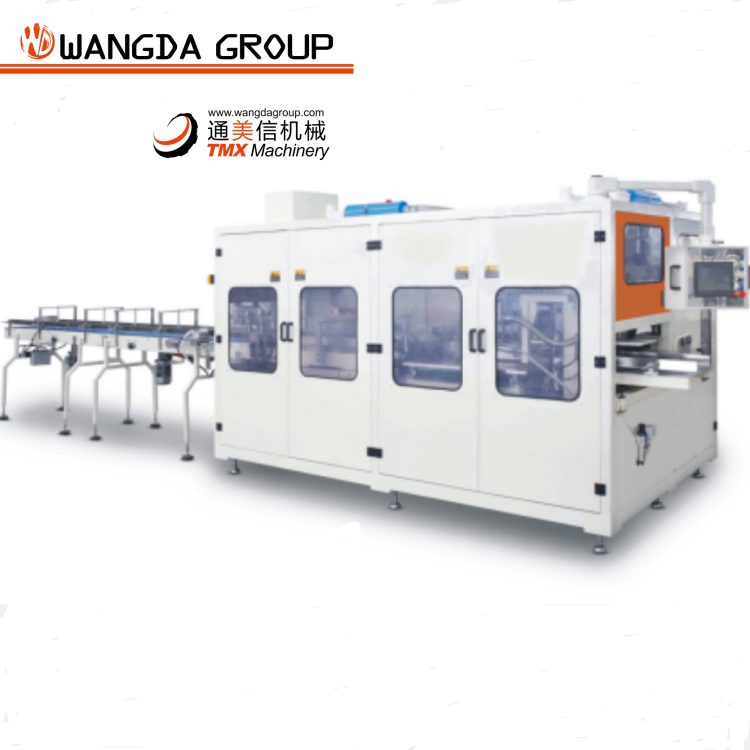
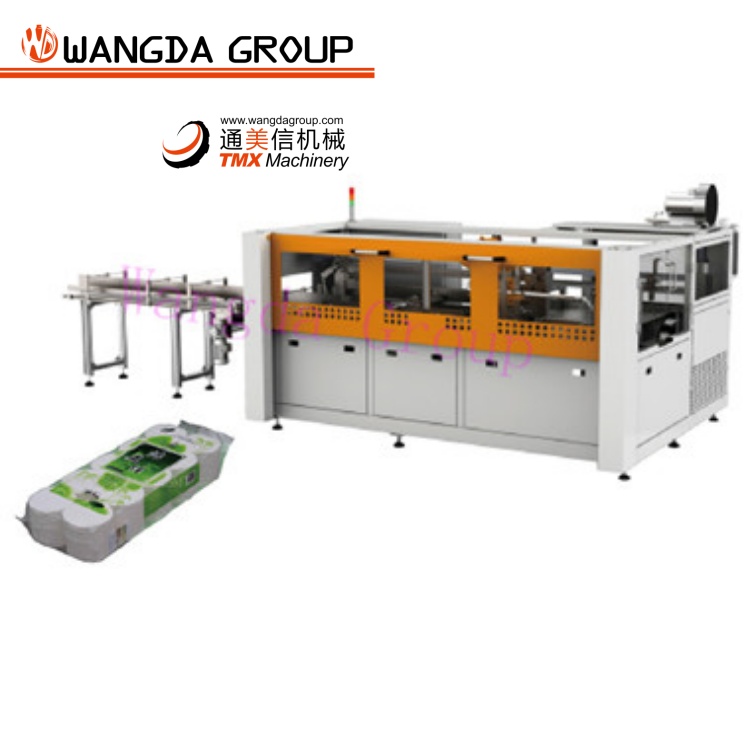
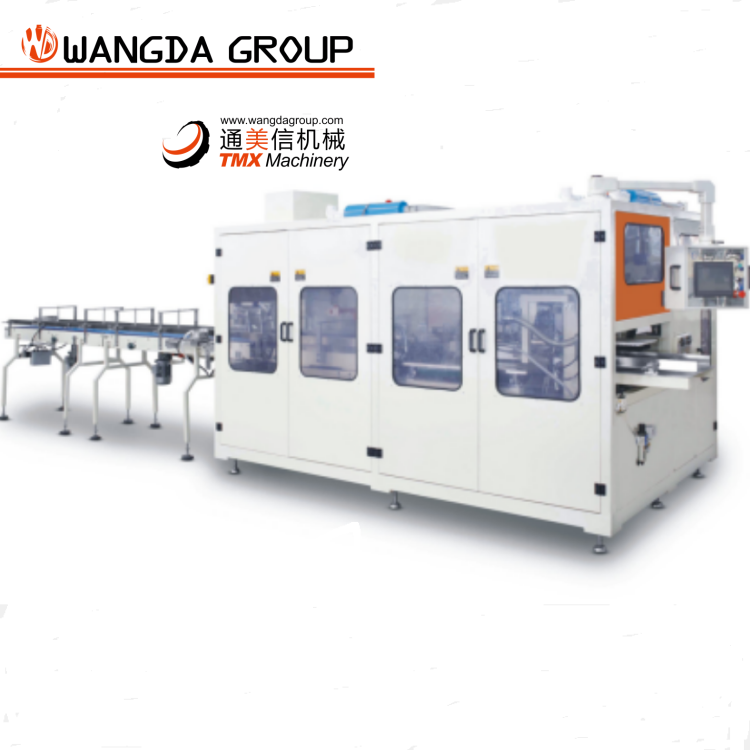
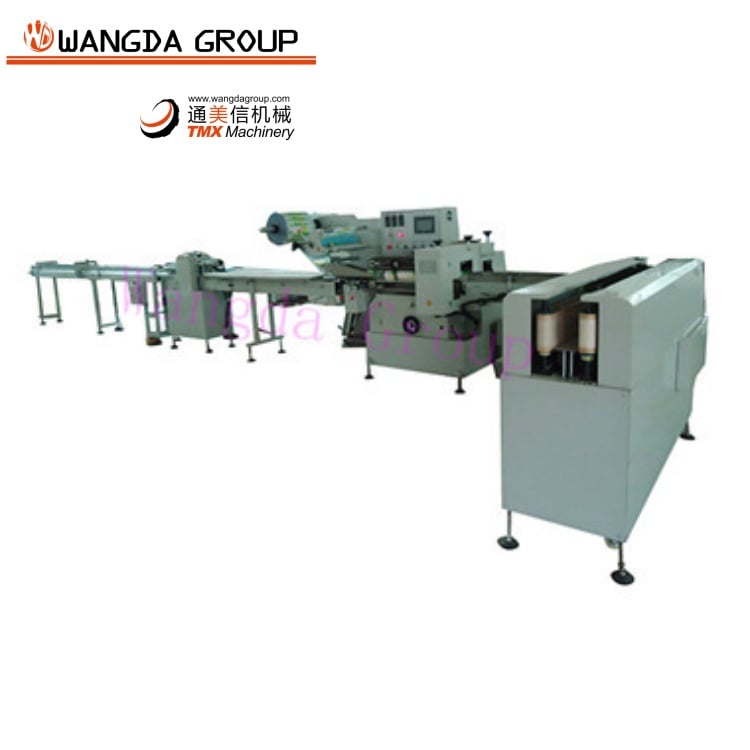
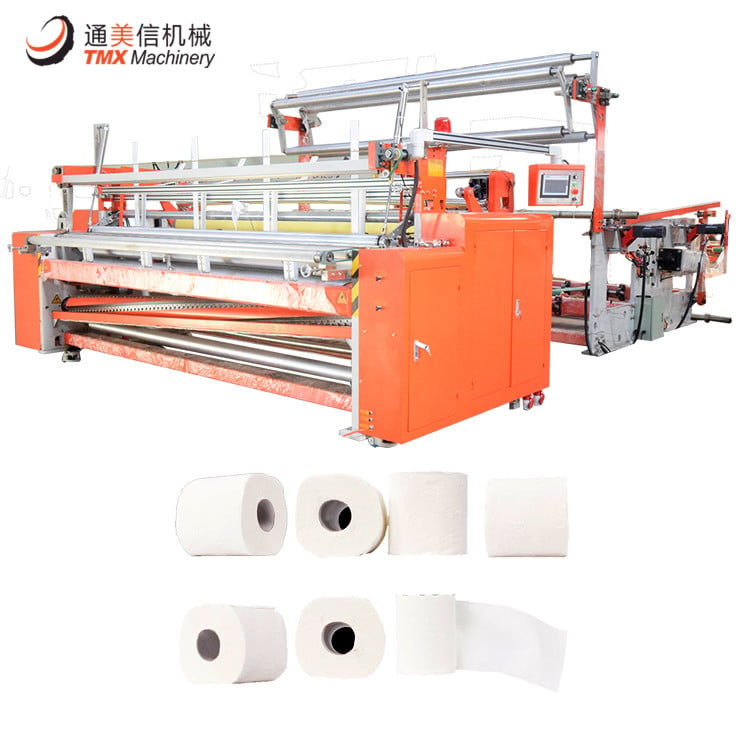
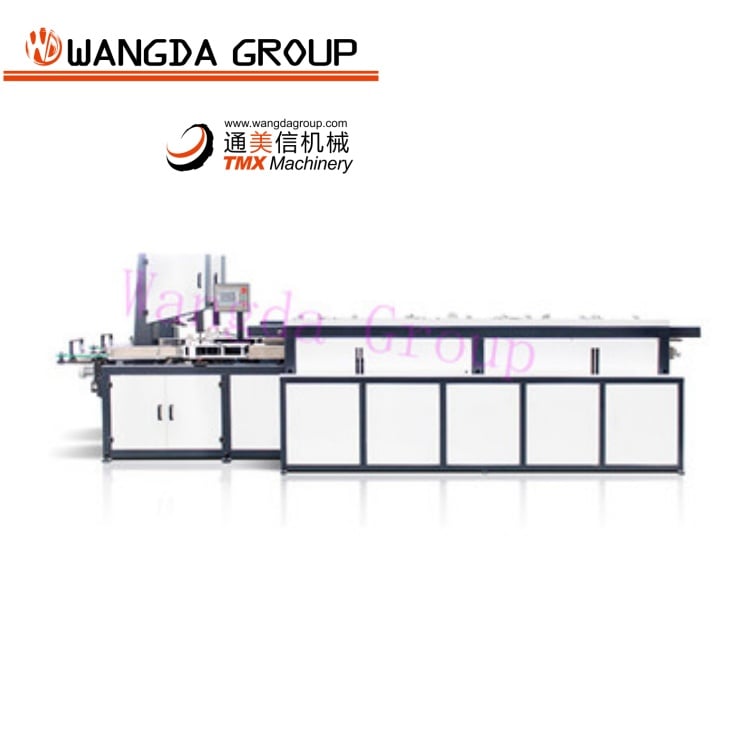
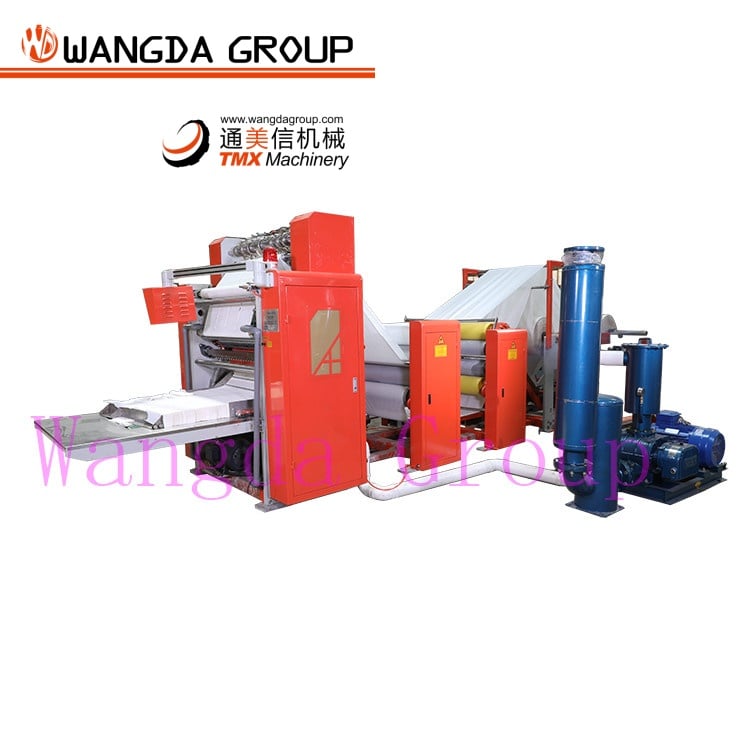
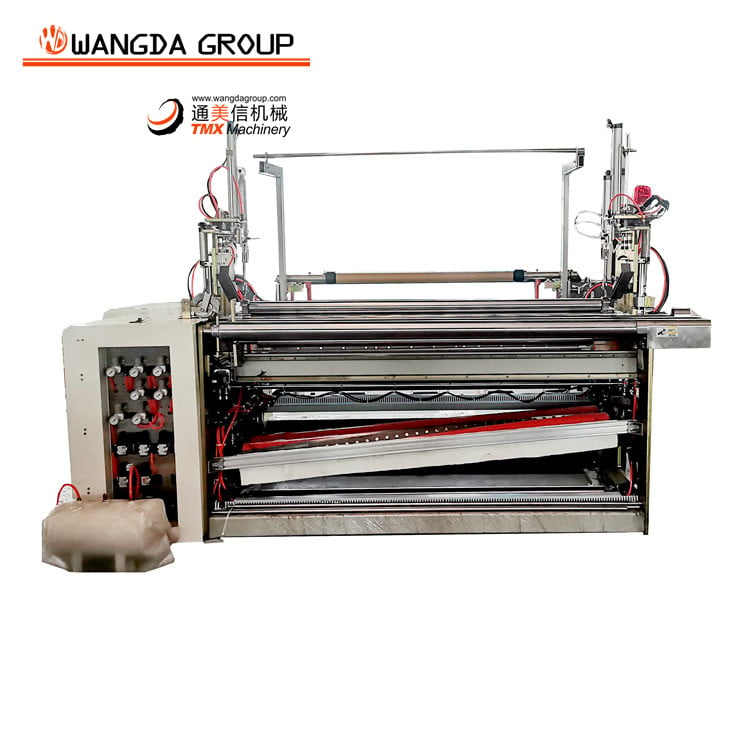
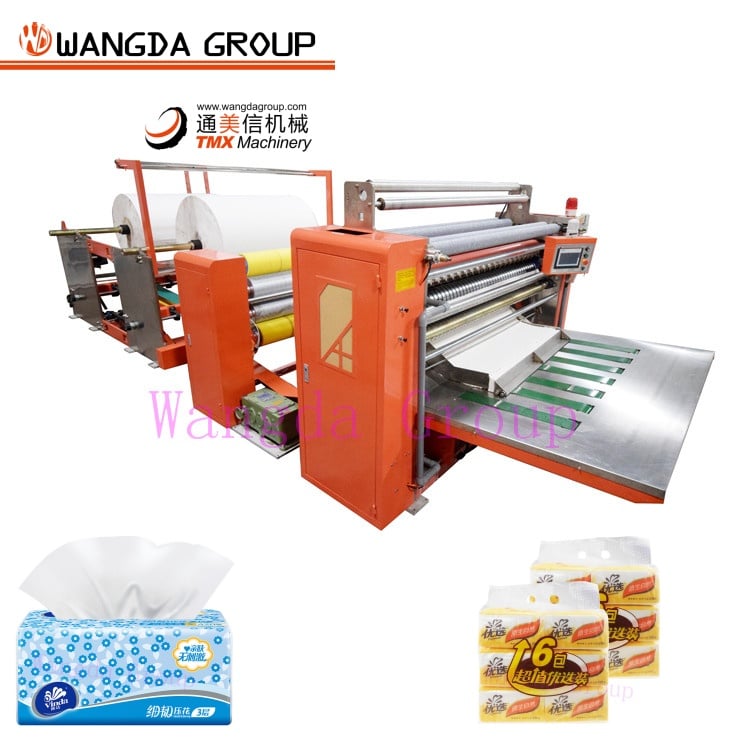
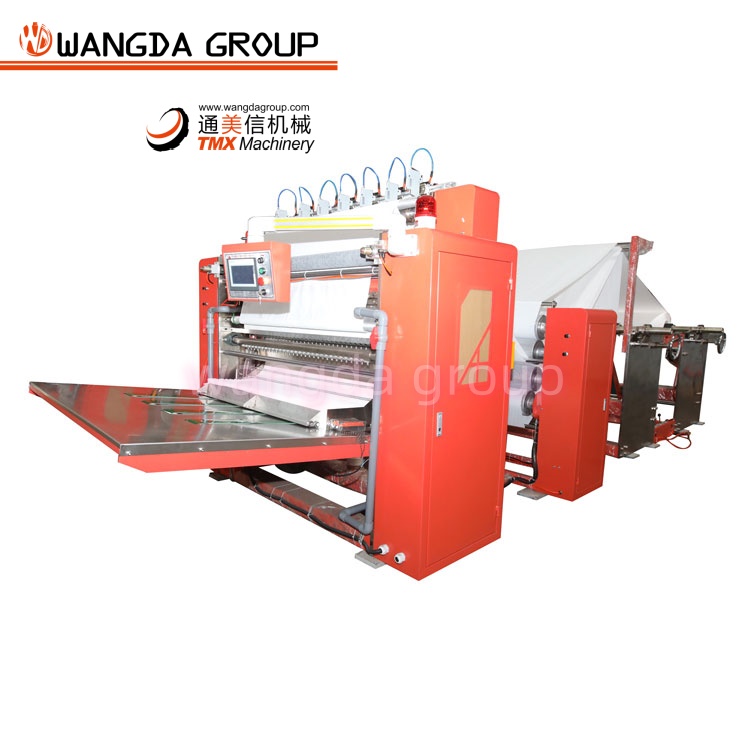
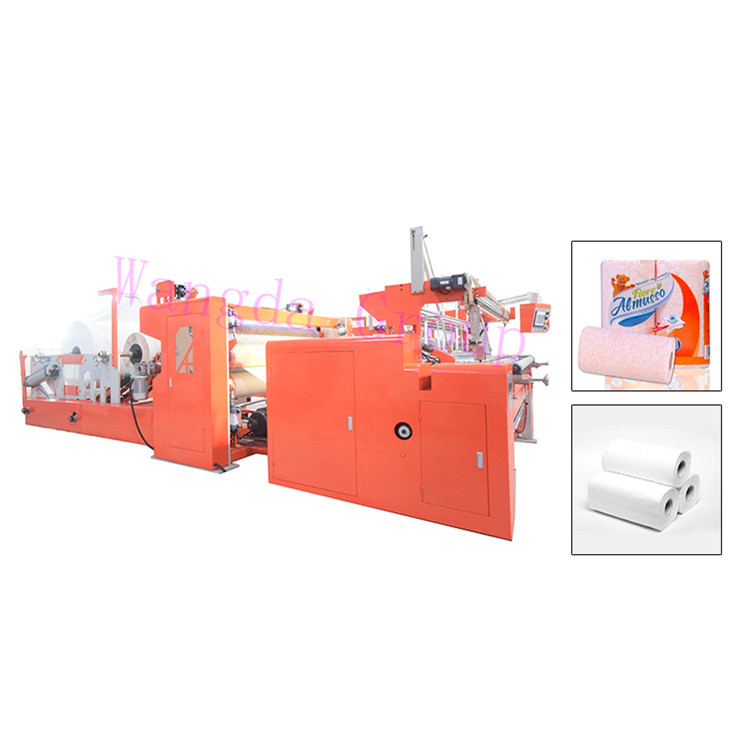
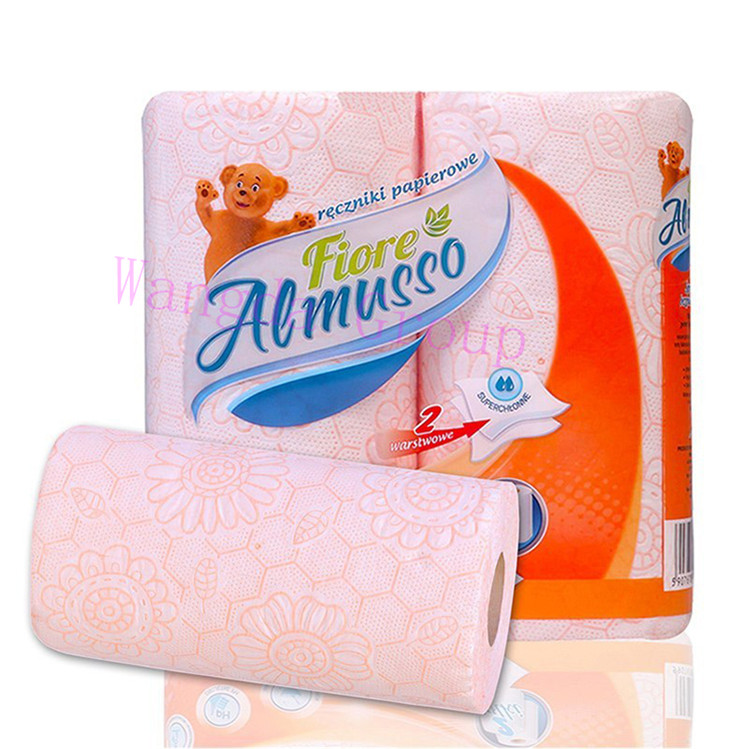
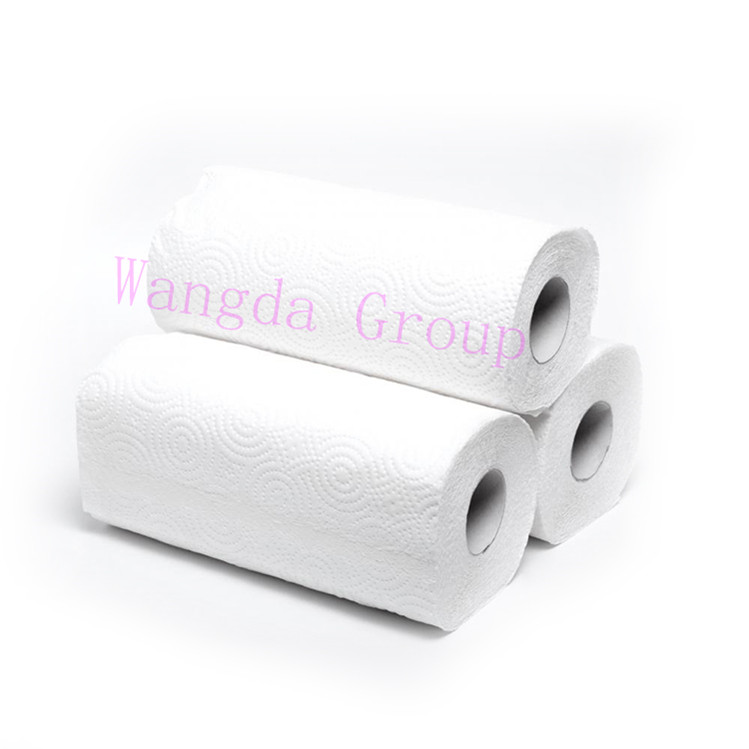
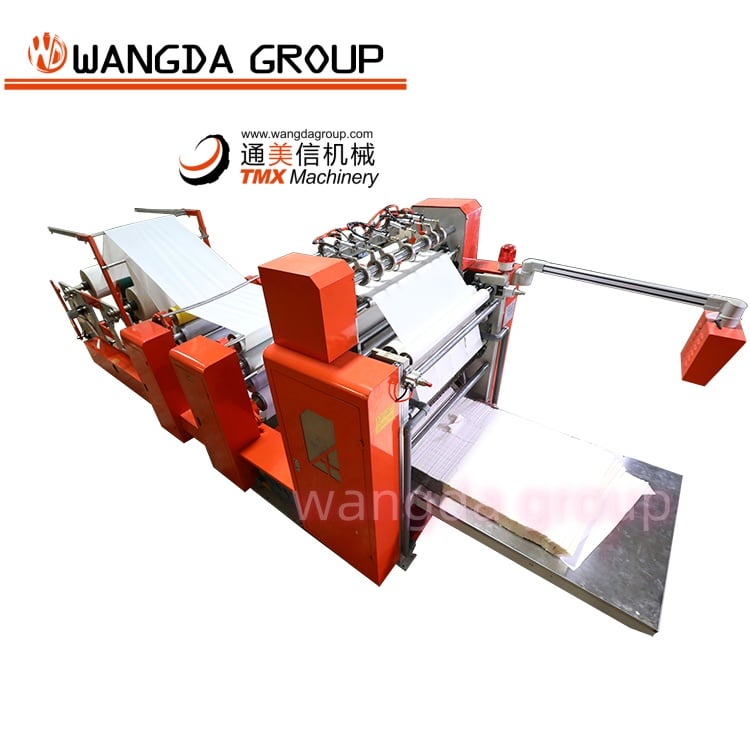
Choosing the right small kitchen towel machine is essential for businesses looking to produce high-quality, hygienic products efficiently. As a critical component in the manufacturing of kitchen towels, these machines must align with specific operational needs and quality standards. This article will help B2B buyers, such as purchasing managers and product specialists, understand key considerations when selecting Wangda Industrial small kitchen towel machines, cost factors, applications, and common challenges faced during operation.
When selecting a small kitchen towel machine, several factors should be taken into account:
Production Capacity: Assess how many towels you need to produce within a specific timeframe. Machines vary in their output rates, so it’s vital to choose one that meets your demand without compromising quality.
Technology: Look for hand towel machine with advanced technology, such as full-servo systems, which can enhance precision and efficiency in production. This can lead to better quality towels and reduced waste during the manufacturing process.
Material Compatibility: Ensure the machine can handle the materials you intend to use. Whether you are using recycled paper or virgin pulp, the machine's specifications should align with the material properties.
Customization Options: Depending on your market requirements, some machines offer customization capabilities for different towel sizes, thicknesses, and packaging formats. Tailoring the production line to your specific needs can enhance market competitiveness.
Quality Control Features: Integrated quality control systems are essential for maintaining product standards. Machines that allow for real-time monitoring of production can help identify issues early on.
Ease of Maintenance: Consider machines that are designed for easy maintenance and troubleshooting. This can reduce downtime and ensure consistent production.

To find the Wangda Industrial best small kitchen towel machine, begin by researching various suppliers. Look for manufacturers with a proven track record in producing high-quality machinery. Evaluate their product offerings against your specific requirements.
Reading customer reviews and testimonials can provide insights into the machine's performance and reliability. Additionally, request product demonstrations or samples to assess the machine’s capabilities firsthand.
Lastly, consider the supplier's after-sales support and availability of spare parts, as this is crucial for maintaining long-term operational efficiency.

The cost of a small kitchen towel machine can vary widely based on several factors:
Initial Investment: The upfront cost of the machine is usually the most significant factor. However, it’s important to look beyond just the purchase price.
Operating Costs: Evaluate the energy consumption, maintenance requirements, and expected lifespan of the machine. High operating costs can offset initial savings.
Production Efficiency: Machines that produce high-quality towels with minimal waste will ultimately save money in the long run. Consider the continuous cloth roll towel machine efficiency ratings and output capabilities.
Customization Fees: If you require specific features or adaptations, be aware that customization can incur additional costs. Request a detailed quote that outlines all potential expenses.
Financing Options: Explore financing choices that might be available, including leases or payment plans, which can ease the financial burden of a large capital investment.

Wangda Industrial Small kitchen towel machines find applications across multiple sectors, including:
Food Service Industry: Restaurants and catering companies rely on high-quality kitchen towels for hygiene and efficiency during food preparation and service.
Healthcare: Hospitals and clinics require disposable kitchen towels for maintaining cleanliness in medical environments.
Hospitality: Hotels utilize kitchen towels for housekeeping and in-room dining services, necessitating a consistent supply of quality towels.
Retail: Supermarkets and convenience stores often sell kitchen towels, meaning they require a reliable production line to meet customer demand.
Cleaning Services: Companies specializing in cleaning services need durable and effective towels for various applications, from home cleaning to industrial maintenance.
Each industry may have different requirements for towel specifications, so understanding these application needs is essential for selecting the right machine.
Our after-sales and sales teams are extremely Toilet paper manufacturing machine and skilled. About 80% of our team has been working in the field of hygienic products for over 10 years. We understand what our customers want and what they worry. Our customers aren't only purchasing our machines We also assist them to profit in this business of hygienic items. We provide our customers with the services after-sales they need.
We've Toilet paper manufacturing machine with many clients both in the United States as well as abroad.
Wangda has more than 20 years experience in the Toilet paper making machine of all kinds of tissue machines, we pay much attention to the features of the machine and its quality, as well as in addition, after sales and pre-sales services. We've sold machines in over 100 countries. This has resulted in many repeat orders and good reviews from our clients. Wangda has its own R and D departments. Our machine is based on the latest Germany Japanese, Japan and Italian technology, and is upgraded day by day. Our machines have been certified to ISO9002, CE, BV and other certifications. We offer turnkey projects that span from A to Z, not just machines.
Wangda Toilet paper machine toilet tissue machines (including cutting and packing), kitchen towel machines (including cutting and packing) facial tissue machines (including cutting and packing) as well as nylon bag facial tissues machines. We also make maxi roll rewinding equipment as well as perforating machines.
While small kitchen towel machines are designed for efficiency, several common issues may arise during operation:
Paper Jams: This can occur due to improper alignment or material issues. Regular maintenance and checks can help prevent jams. Ensure that the machine is calibrated correctly to handle the specific paper thickness used.
Inconsistent Quality: Variability in product quality can stem from fluctuating machine settings or material inconsistencies. Implementing real-time monitoring systems can help catch these discrepancies early.
Mechanical Failures: Like any machinery, wear and tear can lead to failures. Establishing a routine maintenance schedule can mitigate this risk and prolong the machine's life.
Inadequate Training: Operators unfamiliar with the machine’s features may inadvertently cause issues. Providing thorough training for all personnel involved in the production process is crucial.
Supply Chain Challenges: Delays in material supply can disrupt production. Maintain good relationships with suppliers and consider multiple sourcing options to ensure a steady supply of materials.
By anticipating these challenges and implementing proactive measures, manufacturers can enhance the reliability and efficiency of their small kitchen towel machines.
Selecting the right kitchen towel machine involves careful consideration of various factors, including production capacity, technology, and cost-effectiveness. Understanding the specific needs of your industry can guide you in making an informed decision, ultimately leading to enhanced operational efficiency and product quality.