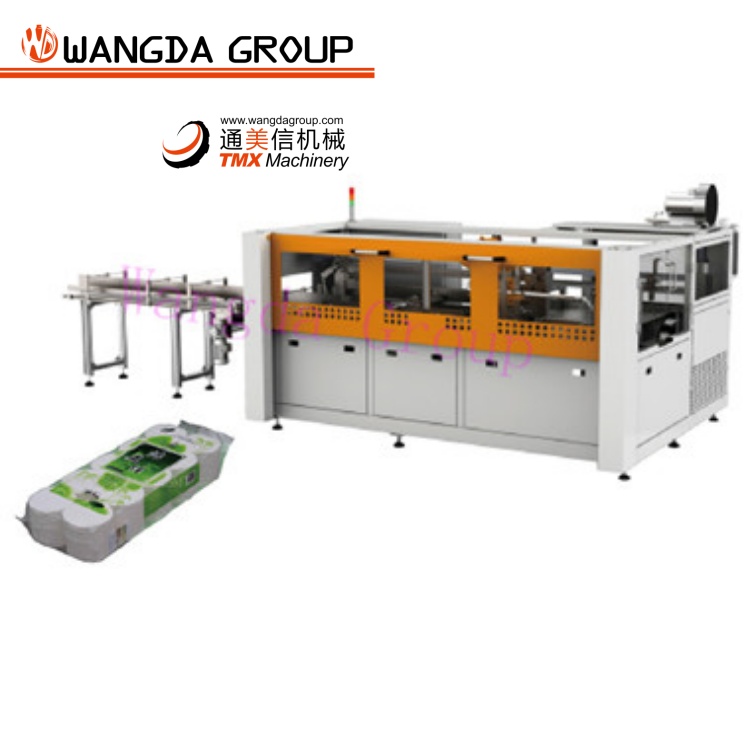
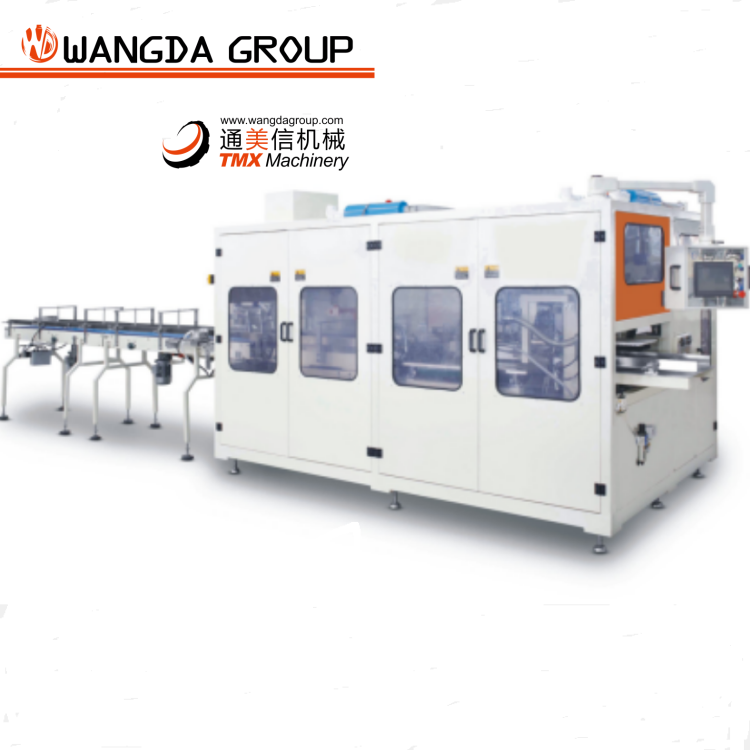
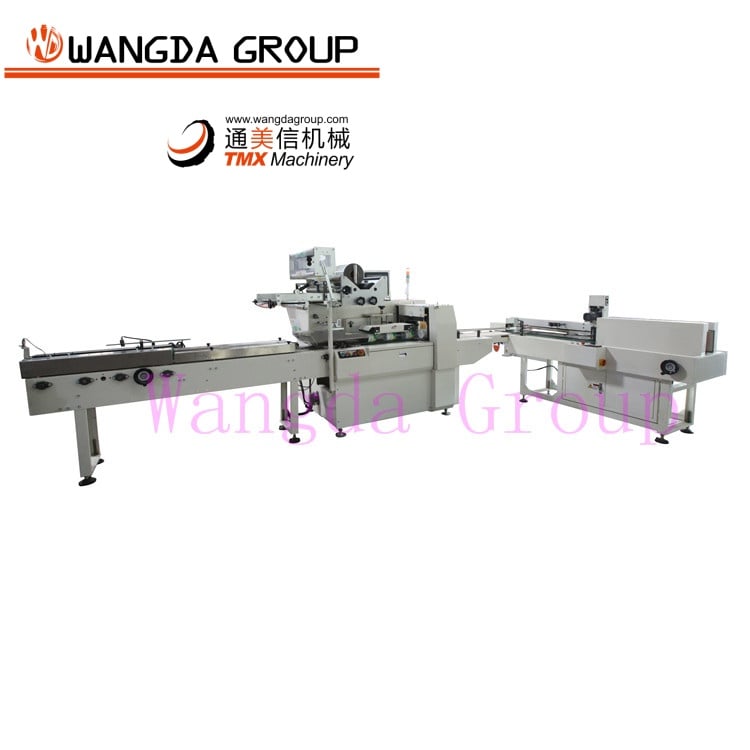
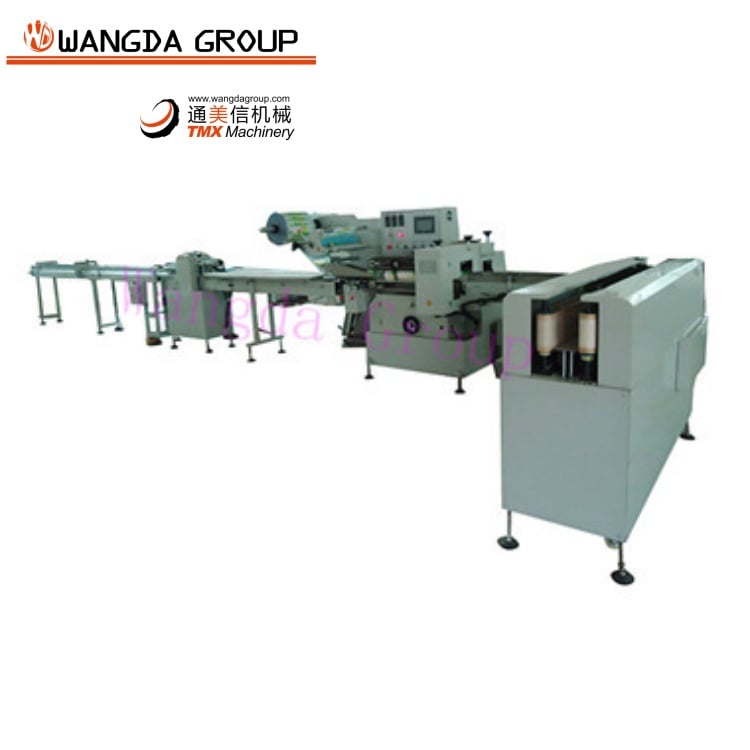
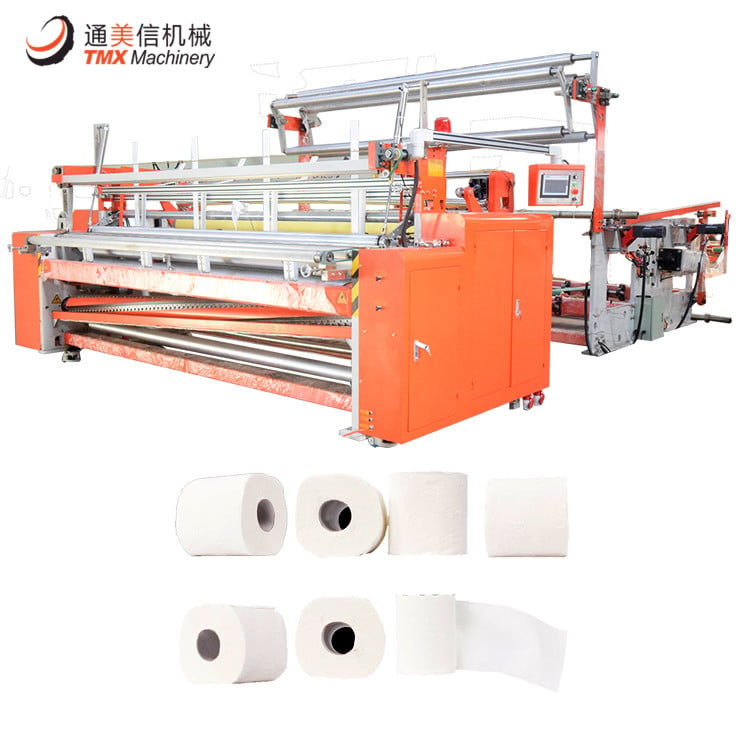
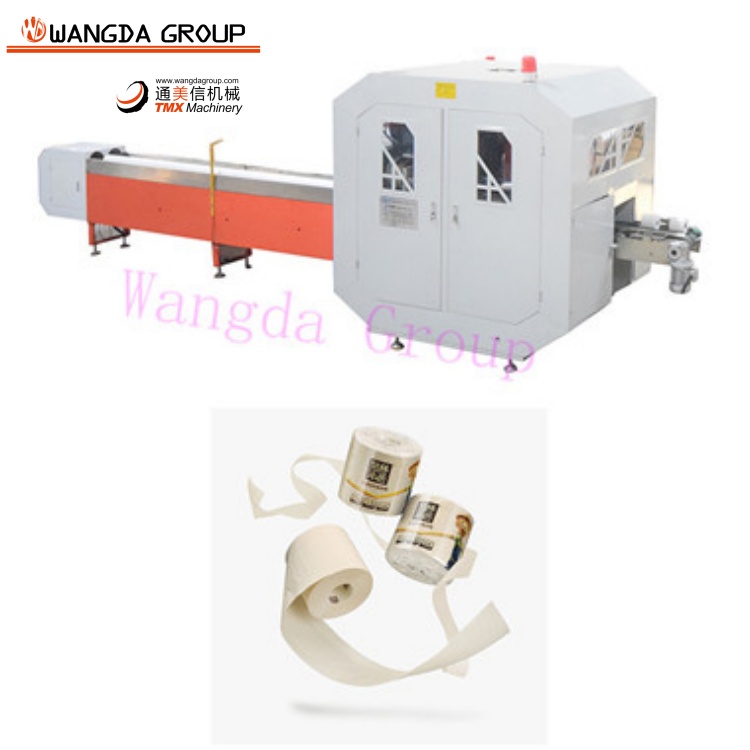
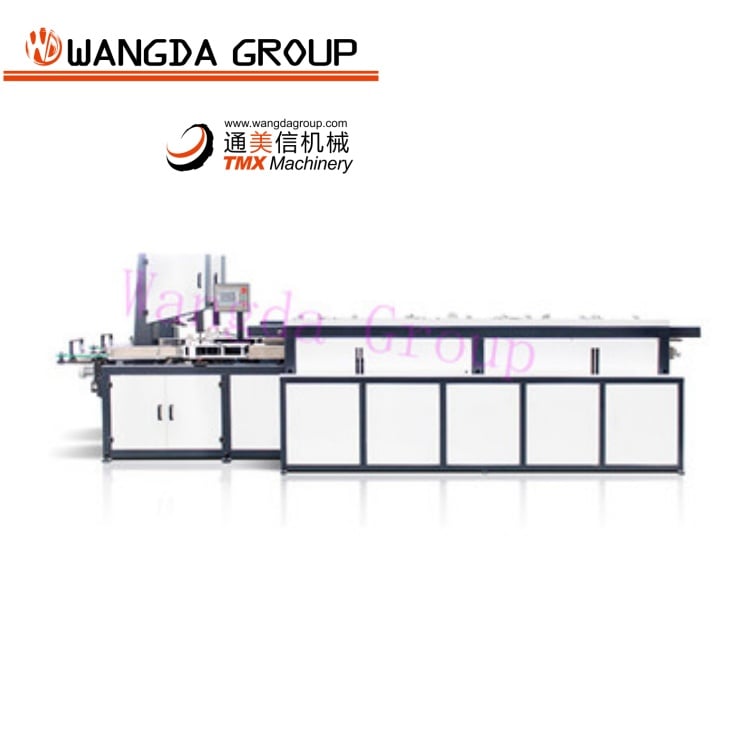
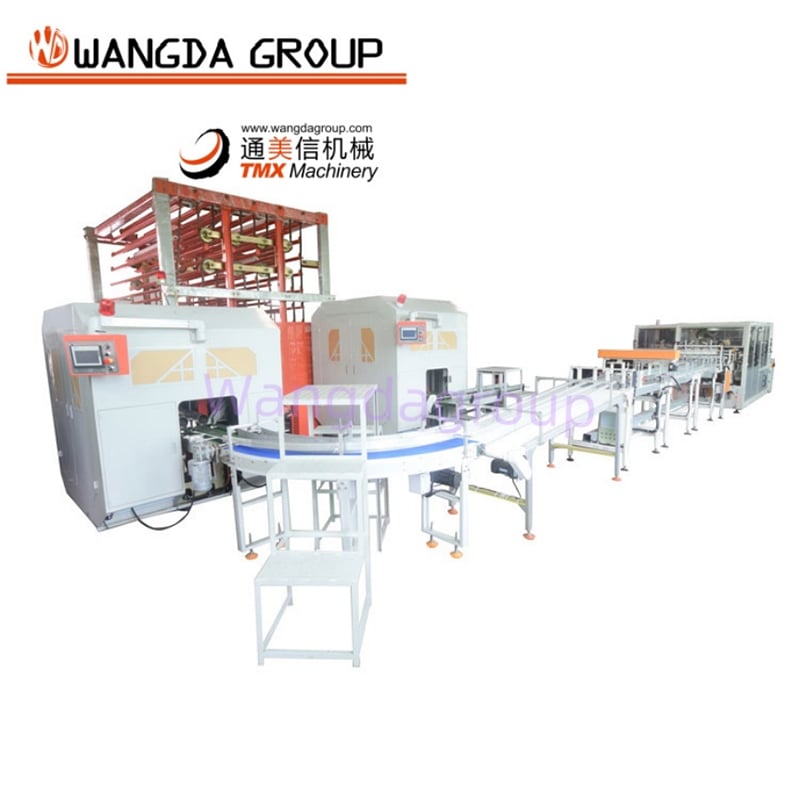
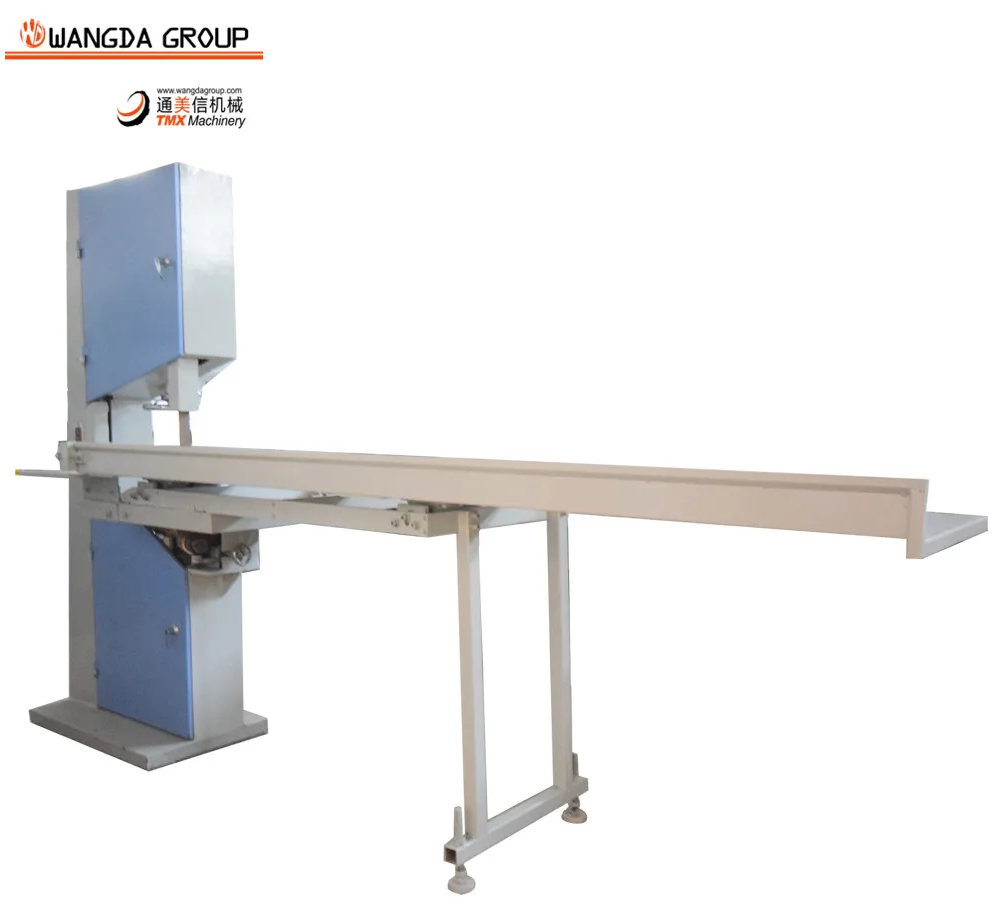
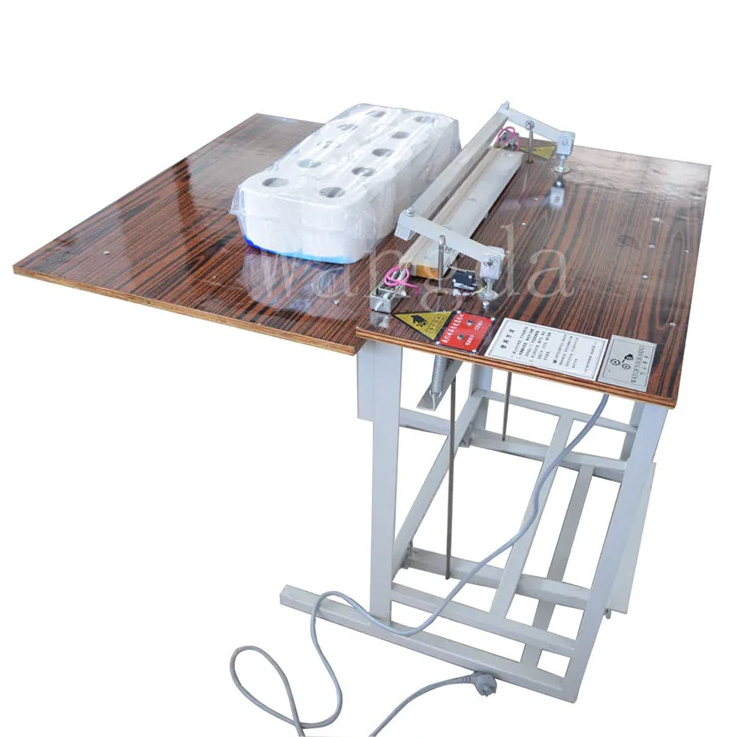
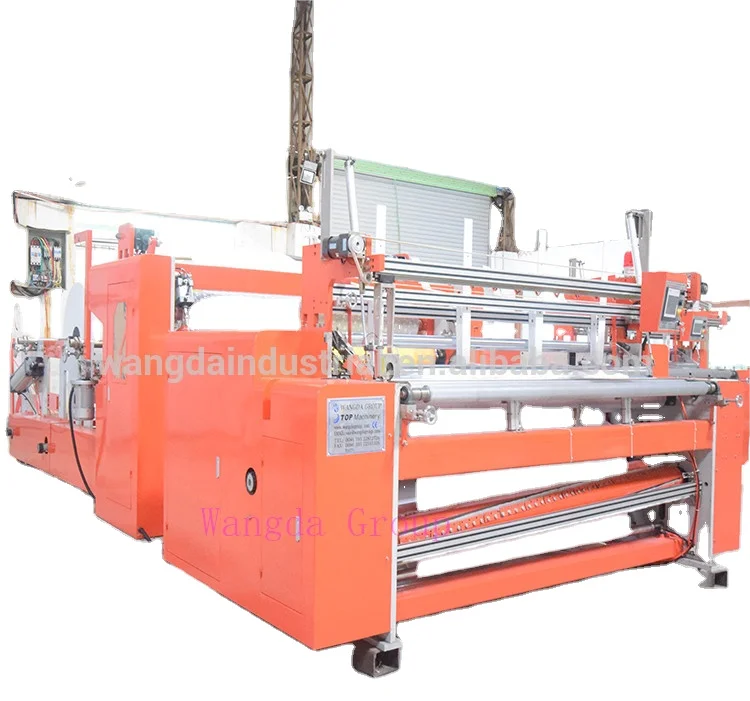
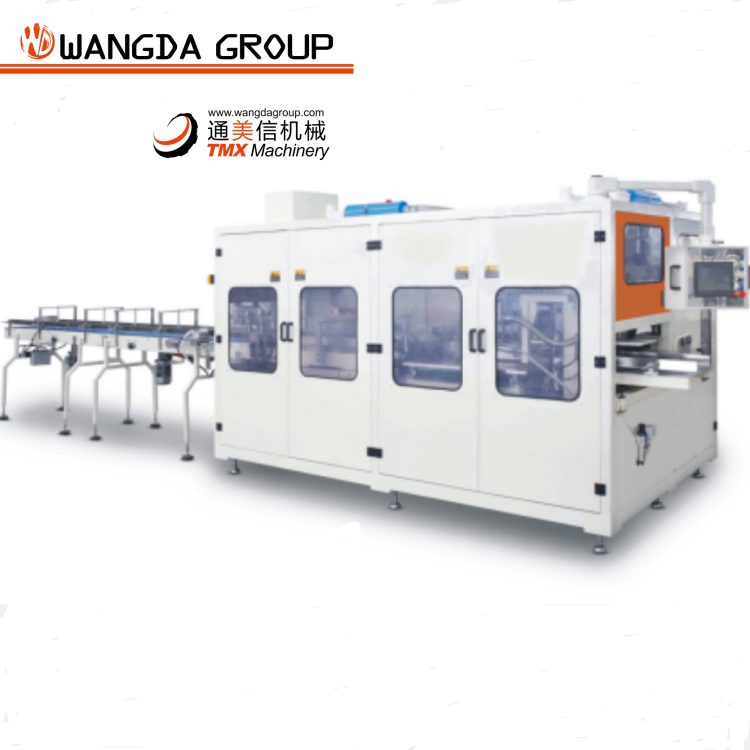
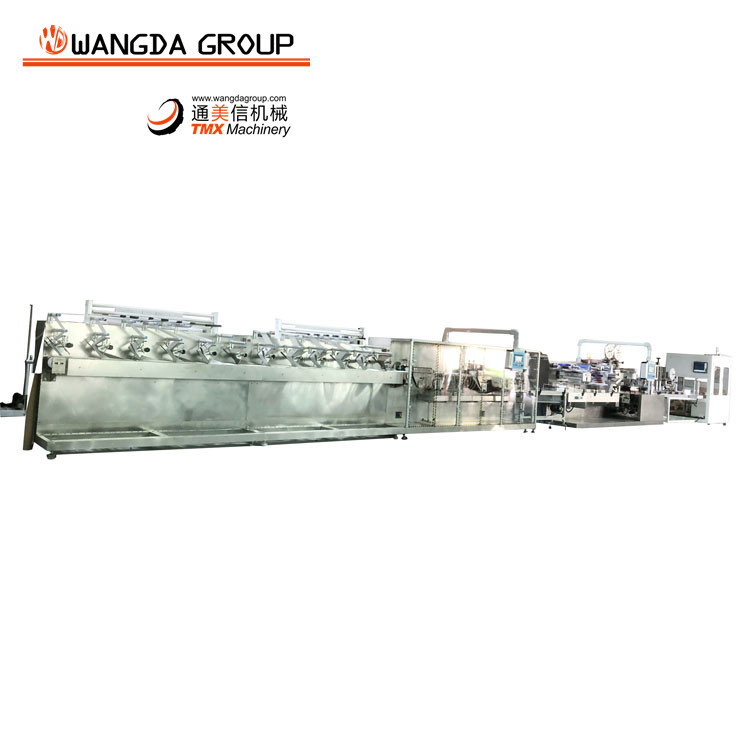
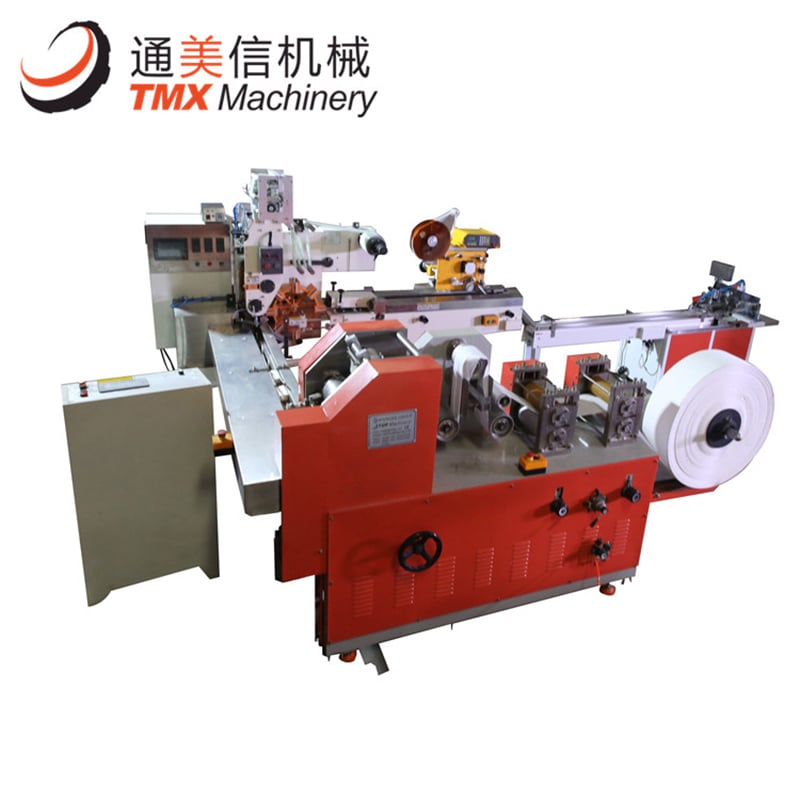
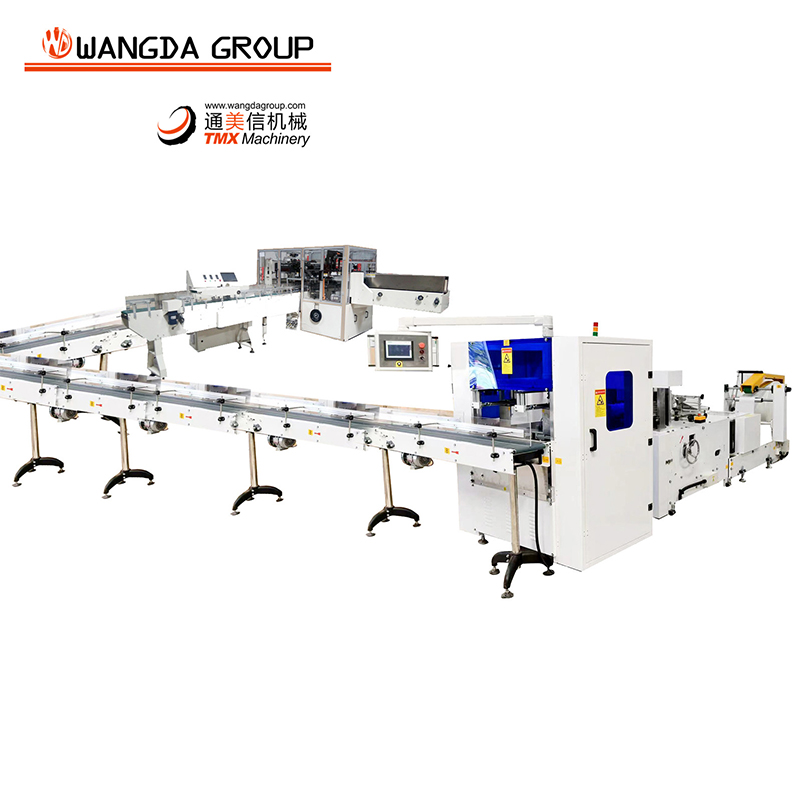
Semi automatic toilet paper machines are essential equipment for manufacturers looking to produce toilet paper efficiently while maintaining flexibility in production volume. These toilet paper machine offer a balance between manual and fully automated processes, enabling businesses to adapt to varying production demands without incurring the high costs associated with fully automatic lines. This article addresses key concerns for B2B buyers, including specifications, supplier sourcing, cost considerations, installation guidance, and comparisons with fully automatic systems, to help make informed purchasing decisions.
When selecting a semi automatic toilet paper machine, it's crucial to consider several specifications and features that impact performance and efficiency. Key specifications include:
Production Capacity: Typically ranges from 1 to 5 tons per day, depending on the model and configuration. Buyers should assess their production needs to ensure the machine can meet demand without excess downtime.
Raw Material Compatibility: These machines can handle various raw materials, including recycled paper and virgin pulp, allowing for flexibility based on cost and quality preferences.
Machine Dimensions: The size of the machine can affect installation and space requirements. Ensure that the dimensions fit within your production facility without hindering workflow.
Energy Efficiency: Look for machines designed with energy-saving features to reduce operational costs over time. This includes efficient motors and optimized production processes.
Control System: Advanced semi automatic machines often feature PLC (Programmable Logic Controller) systems for better monitoring and control, enhancing operational efficiency.
Understanding these specifications can significantly influence the machine's effectiveness in your production line, ensuring that it aligns with your operational goals.

Finding a trustworthy supplier for Wangda Industrial semi automatic toilet paper machines involves thorough research and evaluation. Start by exploring:
Industry Trade Shows: Attending trade shows can provide firsthand insight into various manufacturers and allow for direct discussions regarding product features, pricing, and support services.
Online Marketplaces: Websites such as Alibaba, Made-in-China, and Global Sources can be useful for identifying suppliers. Ensure to check reviews, ratings, and the supplier's history before engaging.
Manufacturer Directories: Utilize directories like ThomasNet or IndustryNet to find established manufacturers specializing in automatic toilet paper machine.
Recommendations: Networking within industry forums or groups can yield reliable recommendations from peers who have experience with specific suppliers.
When evaluating suppliers, consider their certifications, manufacturing capabilities, and after-sales support to ensure they can meet your quality and operational requirements.

The cost of a semi automatic toilet paper machine varies based on several factors:
Machine Specifications: Higher capacity machines with advanced features generally come at a premium. Assess your production needs against these specifications to avoid over-investing.
Customization: Custom-built machines tailored to specific production processes may incur higher costs. Discuss customization options early to understand the financial implications.
Shipping and Import Fees: If sourcing from international suppliers, factor in shipping costs, tariffs, and customs duties, which can significantly impact the total price.
Maintenance and Operating Costs: Consider the long-term costs associated with maintenance, spare parts, and energy consumption. Machines with lower operating costs can provide better ROI over time.
Preparing a detailed budget that includes these factors will aid in making a more informed purchasing decision, ensuring alignment with overall business objectives.

Proper installation of Wangda Industrial semi automatic toilet paper machines is critical for optimal performance. Here are important considerations:
Site Preparation: Ensure that the installation site is adequately prepared, including electrical and plumbing configurations. The machine should be positioned for easy access to power and water sources.
Professional Installation: Engage qualified technicians for installation to prevent issues that could arise from improper setup. This includes aligning machinery components and calibrating settings for optimal operation.
Testing and Calibration: After installation, conduct thorough testing to ensure all systems operate correctly. This includes checking the paper production quality and adjusting settings based on initial performance.
Providing comprehensive installation support is essential for minimizing downtime and ensuring your production line runs smoothly from the start.
We've worked with many clients, both Tissue paper machine home and abroad.
Wangda has more than 20 years experience in the Toilet paper roll making machine of all kinds of tissue machines, we pay much attention to the features of the machine and its quality, as well as in addition, after sales and pre-sales services. We've sold machines in over 100 countries. This has resulted in many repeat orders and good reviews from our clients. Wangda has its own R and D departments. Our machine is based on the latest Germany Japanese, Japan and Italian technology, and is upgraded day by day. Our machines have been certified to ISO9002, CE, BV and other certifications. We offer turnkey projects that span from A to Z, not just machines.
Wangda manufactures toilet tissue machines (including cutting and packing), Tissue paper machine (including cutting and packing), facial tissue machines (including cutting and packing) as well as nylon bag facial tissues machines. We also produce maxi roll rewinding as well as perforating machines.
Wangda is a highly professional and knowledgeable sales staff and after-sales team, 80% of the team has been in Toilet tissue machine for more than 10 years in our company in this hygiene-conscious product industry. Our team has a wealth of experience in the daily use of paper tissue machines, related packing machines and many other Hygienic products machines We have a wide range of professional expertise in this field, we are aware of what our customers wants, we worry about what our customers worry about. We not just sell the machines to our clients, but we help our customers earn money through this business of hygienic products, to provide the lifelong after-sale services to our customers at the right time.
When deciding between Wangda Industrial semi automatic and fully automatic toilet paper machines, consider the following comparisons:
Production Volume: Fully automatic machines generally have higher production capacities, making them suitable for large-scale operations. In contrast, semi automatic machines offer flexibility for smaller runs and varied product types.
Operational Complexity: Semi automatic machines require more manual intervention, which may be beneficial for smaller operations or those just starting. However, fully automatic machines reduce labor costs and increase efficiency once set up.
Initial Investment: The upfront cost of fully automatic machines is typically higher. Semi automatic machines provide a more budget-friendly option for businesses looking to enter the market or those with limited capital.
Maintenance and Support: Fully automatic systems may require more specialized maintenance due to their complexity. Semi automatic machines are often easier to maintain, making them a more practical choice for companies with limited technical support.
Ultimately, the choice between these two types of machines should align with your production goals, budget, and operational capabilities, ensuring you select the best fit for your business needs.
By understanding these aspects of china toilet paper machine, B2B buyers can make informed decisions that align with their operational goals and budget constraints.