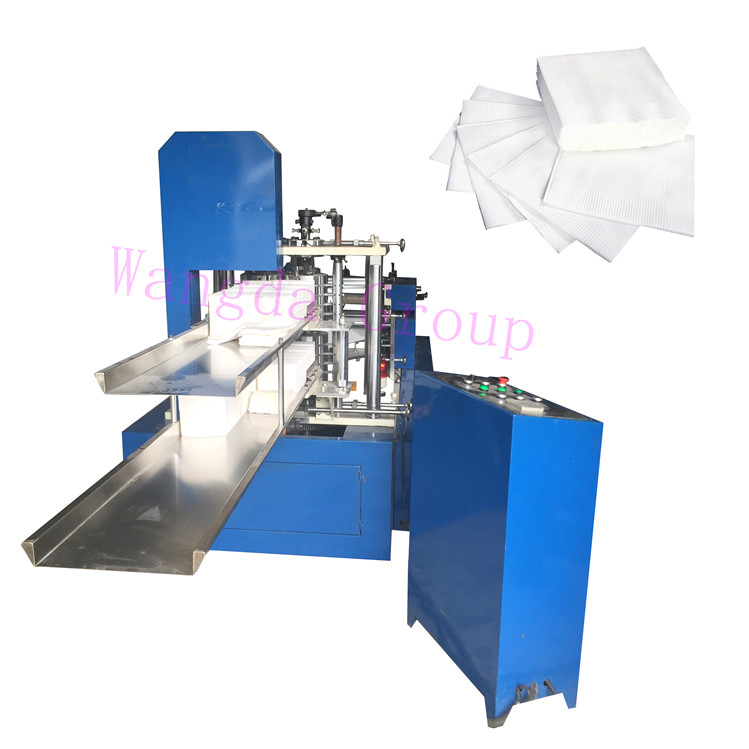
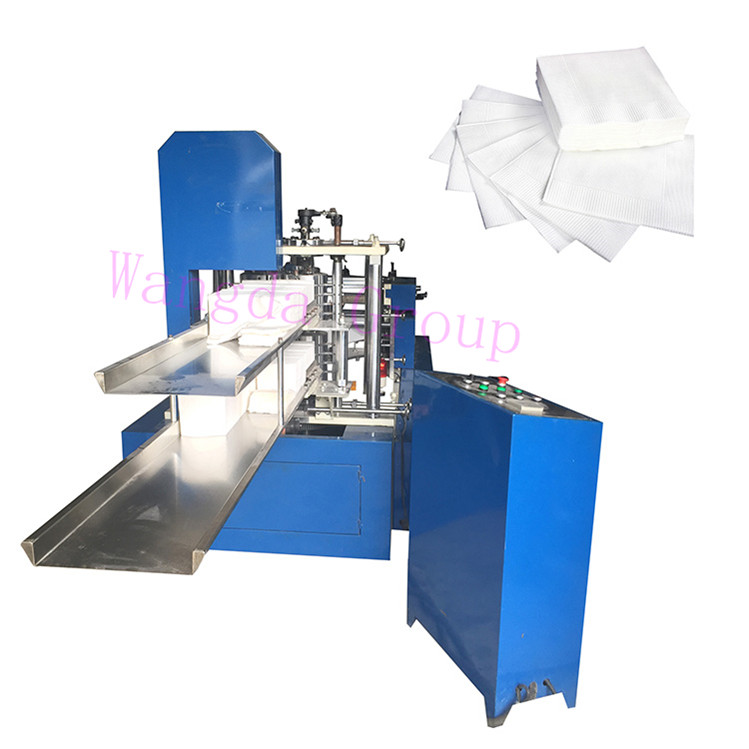
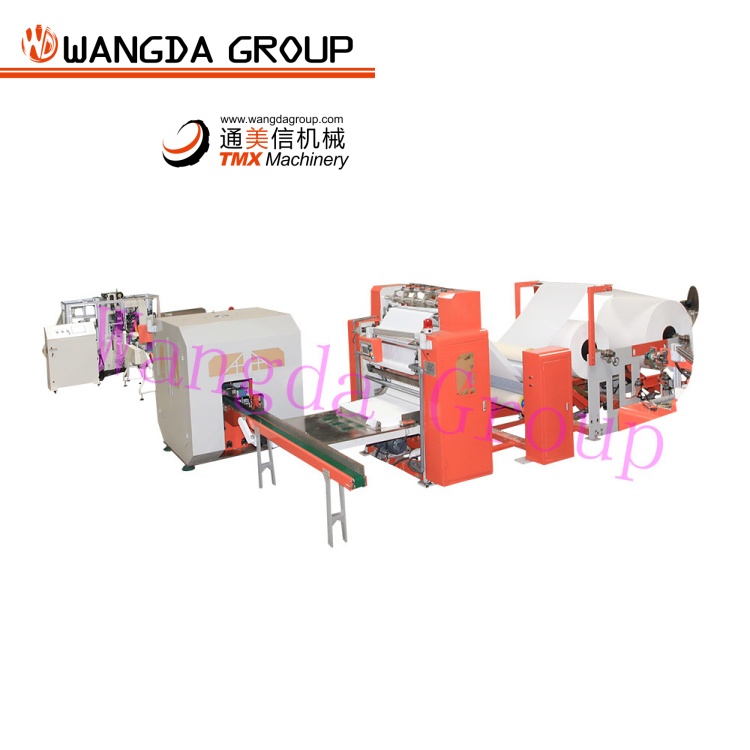
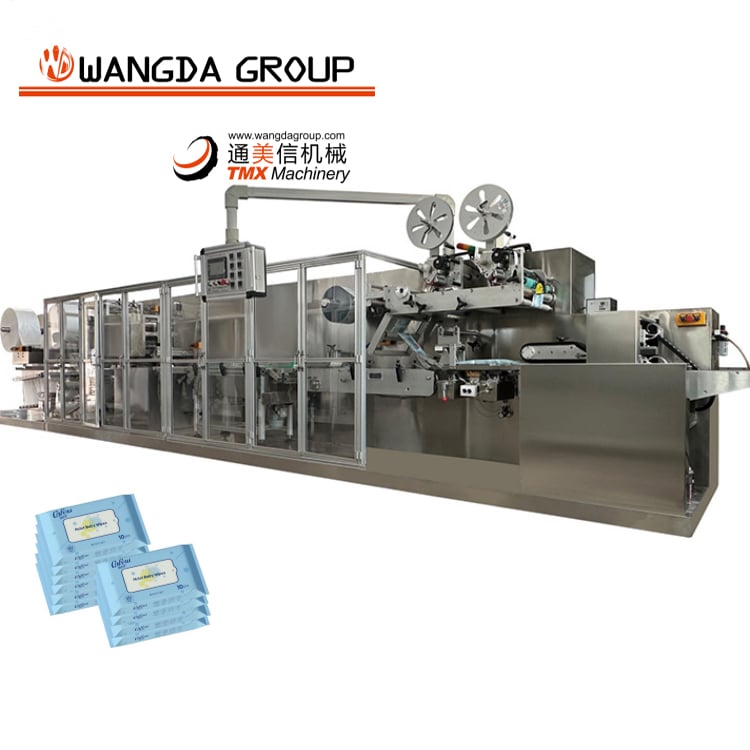
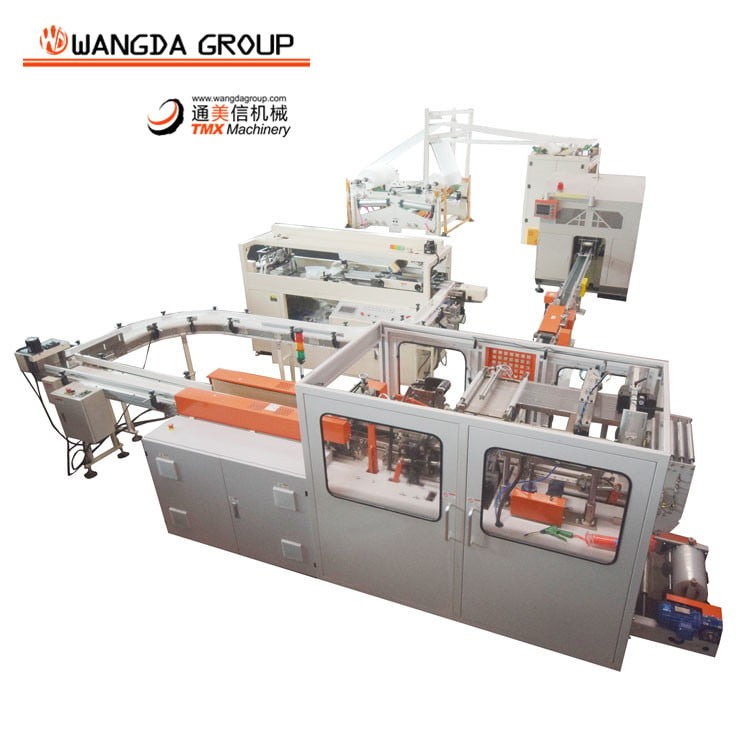
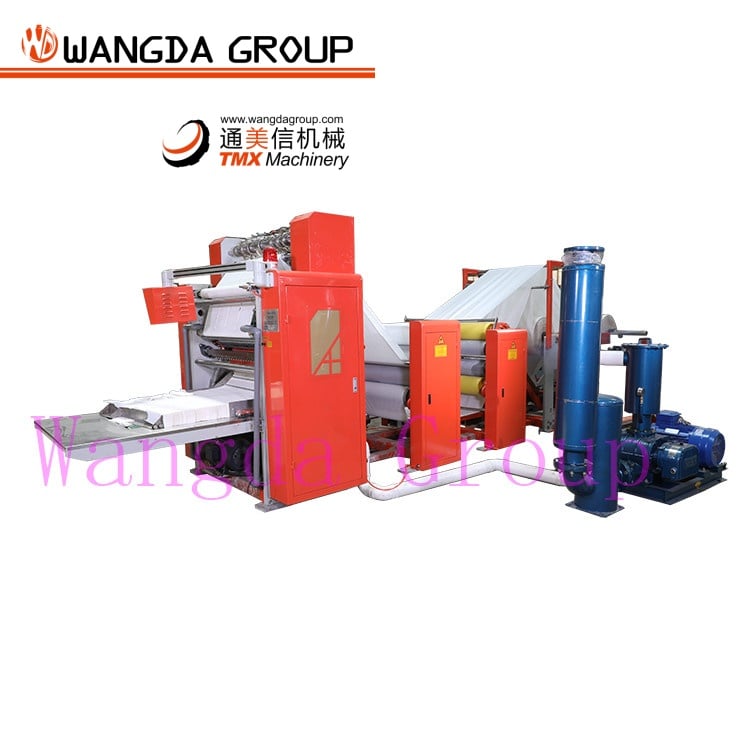
The paper napkin making machine in India is essential for manufacturers aiming to produce high-quality napkins efficiently and cost-effectively. Choosing the right machine involves addressing key buyer concerns such as specifications, production capacity, and installation requirements. This article will help prospective buyers understand the critical factors to consider when selecting a tissue paper machine price, ensuring they make informed purchasing decisions.
When selecting a paper napkin making machine in India, buyers should evaluate several factors to ensure they meet production needs. First, consider the machine's production capacity, which should align with your anticipated output requirements. toilet paper making machine can vary significantly in terms of speed and efficiency, so understanding your volume demands is crucial.
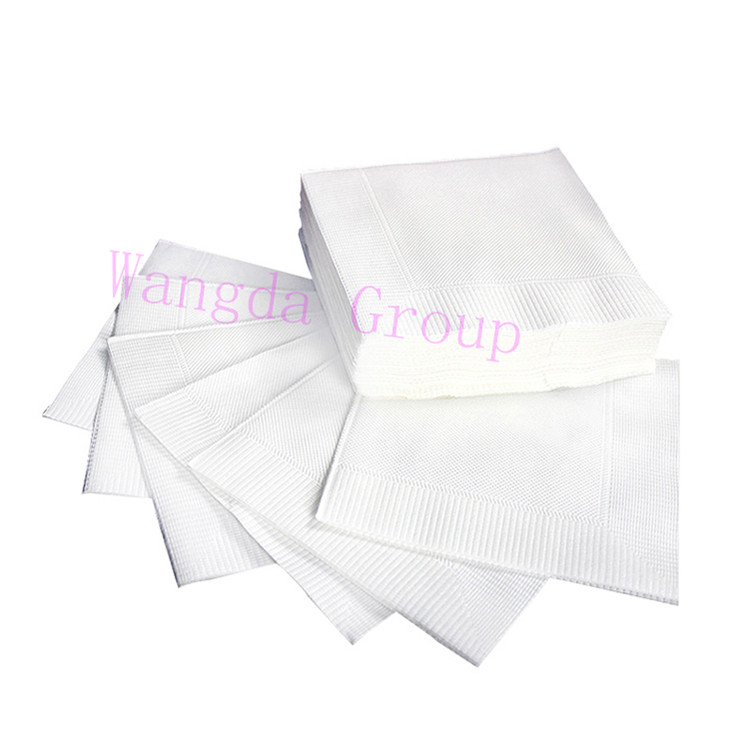
Next, assess the types of napkins you plan to produce. Some machines are designed for specific sizes or styles, such as single or multi-fold napkins. Additionally, look for machines that offer flexibility in customization, as this can be essential for meeting diverse customer needs.
Quality control is another critical aspect. Ensure that the machine is equipped with features that allow for consistent quality in the final product, such as precise cutting and folding mechanisms. Finally, consider the after-sales support and availability of spare parts from the manufacturer, as reliable service can significantly impact long-term operational efficiency.

When evaluating paper napkin making machines, several key specifications should be prioritized:
Production Speed: This is typically measured in pieces per minute (PPM). A higher speed means increased output but may require closer attention to quality control to maintain standards.
Paper Thickness: Machines should accommodate the thickness of the paper you intend to use. This affects not only the quality of the napkin but also the machine's ability to process the material efficiently.
Power Consumption: Energy efficiency is an important consideration for reducing operational costs. Look for machines that offer lower power consumption rates without sacrificing performance.
Automation Level: Full-servo machines provide higher precision and automation, which can reduce labor costs and increase production efficiency. Assess how much automation is needed based on your workforce and operational strategy.
Material Compatibility: Ensure the machine can handle the specific paper grades required for your products. This includes evaluating the quality and type of raw materials you will use.
Machine Dimensions: The footprint of the machine is also vital, particularly if space is a constraint in your production facility. Ensure that the machine fits within your available space while allowing for safe operation and maintenance access.

When considering the purchase of a paper napkin making machine, understanding the cost factors is critical. The initial purchase price is often just one part of the total cost of ownership. Here are several aspects that influence the overall investment:
Machine Type and Features: The complexity of the machine, including automation levels and additional features like inline printing or packaging capabilities, can significantly affect the price.
Production Capacity: Machines designed for higher output typically come at a higher cost. Evaluate your production needs carefully to avoid over-investing in capacity you won't use.
Customization Options: Custom-built machines tailored to specific production requirements may have higher upfront costs but can lead to better efficiency and product quality in the long run.
Import Duties and Taxes: If sourcing machinery from abroad, be aware of any tariffs, import duties, or taxes that may apply, as these can add to the total expense.
Maintenance and Spare Parts: Consider the cost of maintaining the machine over its lifespan. Machines that require specialized parts may incur higher ongoing costs.
Energy Consumption: Factor in the operational costs associated with energy use over time. More efficient tissue paper machine may have higher initial costs but offer savings in the long run.

Proper installation is crucial for the effective operation of paper napkin making machines. Here are some key guidelines:
Site Preparation: Ensure that the installation site is ready, with adequate space and infrastructure such as electrical connections and ventilation. The area should allow safe movement around the machine for operators and maintenance personnel.
Leveling and Stability: The machine must be installed on a level surface to prevent operational issues. Use leveling tools to ensure stability, as any imbalance can lead to mechanical problems.
Electrical Requirements: Verify that the electrical supply matches the machine's specifications. This includes voltage, phase, and frequency requirements. Installation should comply with local electrical standards.
Testing and Calibration: After installation, conduct thorough testing and calibration to ensure the machine operates within specified tolerances. This phase is crucial for identifying any potential issues before full-scale production begins.
Operator Training: Provide comprehensive training for operators to ensure they understand the machine's functions, safety protocols, and troubleshooting techniques.
Wangda has over 20 years of experience manufacturing all sorts of Tissue making machine, we focus on the machine functions and quality and additionally, we provide after-sales and pre-sales services. We have sold machines in over 100 countries. This has earned us repeated orders and positive feedback from our customers. Wangda is our own R and D departments. Our machines are based on advanced Germany, Japan and Italian technology and is updated day by day. Our machines have passed ISO9002, CE, BV and other certifications. We provide turnkey projects all the way from A to Z that includes more than machines.
Wangda is a highly professional and knowledgeable sales staff and after-sales team, 80% of the team has been in Toilet roll manufacturing machine for more than 10 years in our company in this hygiene-conscious product industry. Our team has a wealth of experience in the daily use of paper tissue machines, related packing machines and many other Hygienic products machines We have a wide range of professional expertise in this field, we are aware of what our customers wants, we worry about what our customers worry about. We not just sell the machines to our clients, but we help our customers earn money through this business of hygienic products, to provide the lifelong after-sale services to our customers at the right time.
We've Toilet tissue machine with many clients both in the United States as well as abroad.
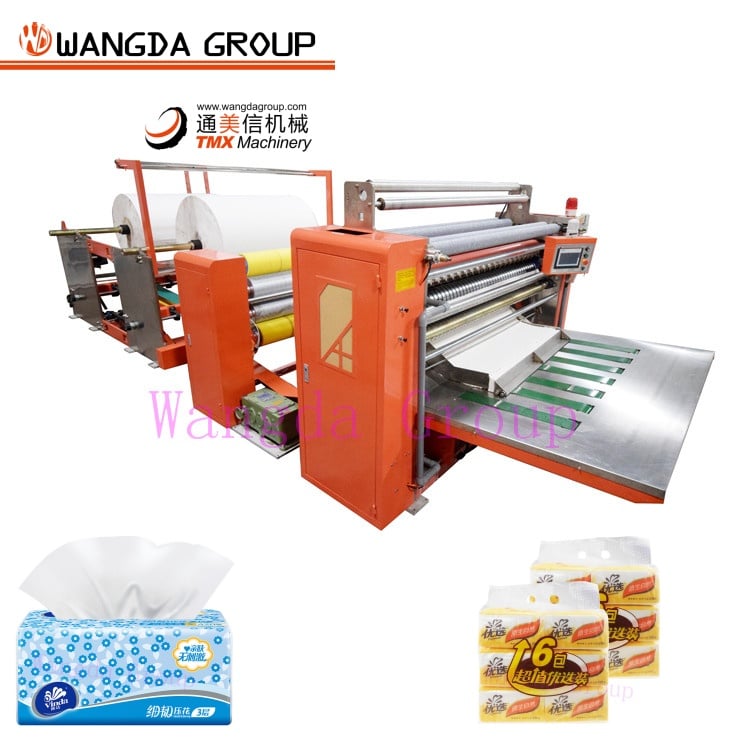
Wangda produces toilet tissue machines (including cutting and packing) kitchen towels machines (including cutting and packing) facial tissue machines (including cutting and packing) bags of Toilet tissue machine facial tissue machines. We also make maxi roll rewinding devices as well as perforating machines.
Paper napkin making machines find applications across multiple industries, reflecting their versatility and demand. Key sectors include:
Food Service: Restaurants, cafes, and catering services rely heavily on disposable napkins for hygiene and convenience. Machines that produce high-quality, absorbent napkins are essential in this sector.
Hospitality: Hotels and event venues require large quantities of napkins for events and dining services. Customization options, such as printed logos, can enhance brand visibility.
Retail: Supermarkets and convenience stores often sell napkins in bulk. Efficient production capabilities allow for competitive pricing in retail environments.
Healthcare: Hospitals and clinics use napkins for hygiene purposes, necessitating machines that can produce compliant and high-quality products.
Household Products: Manufacturers of consumer goods produce napkins for household use, requiring machines that can handle a variety of paper types and packaging options.
selecting the right paper napkin making machine in India involves careful consideration of specifications, cost factors, installation requirements, and industry applications. By understanding these elements, buyers can make informed decisions that align with their production goals and market demands.