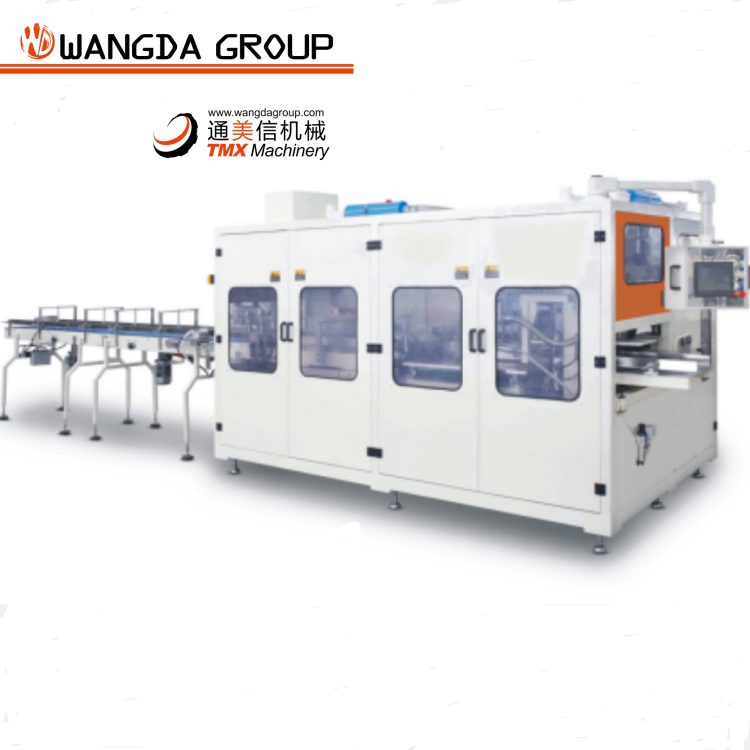
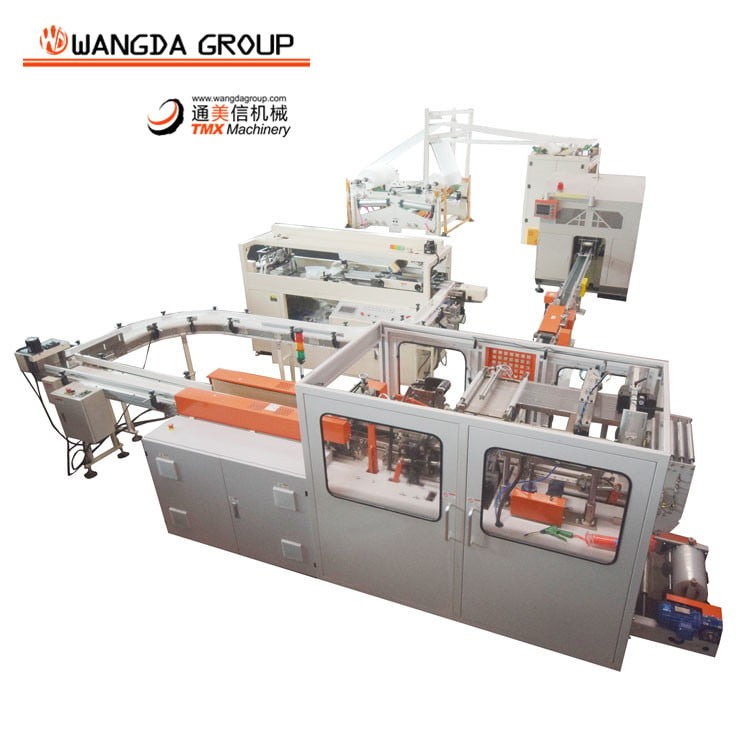
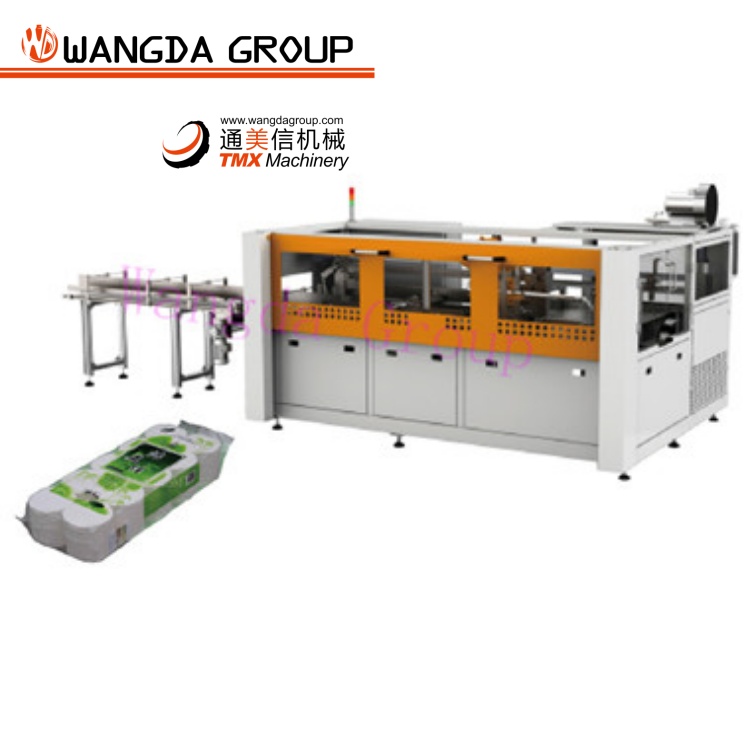
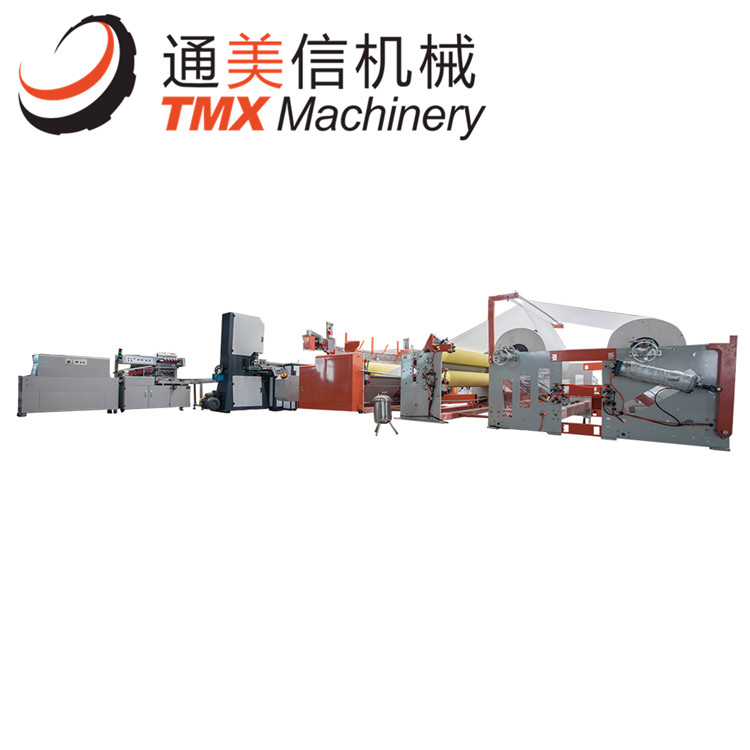
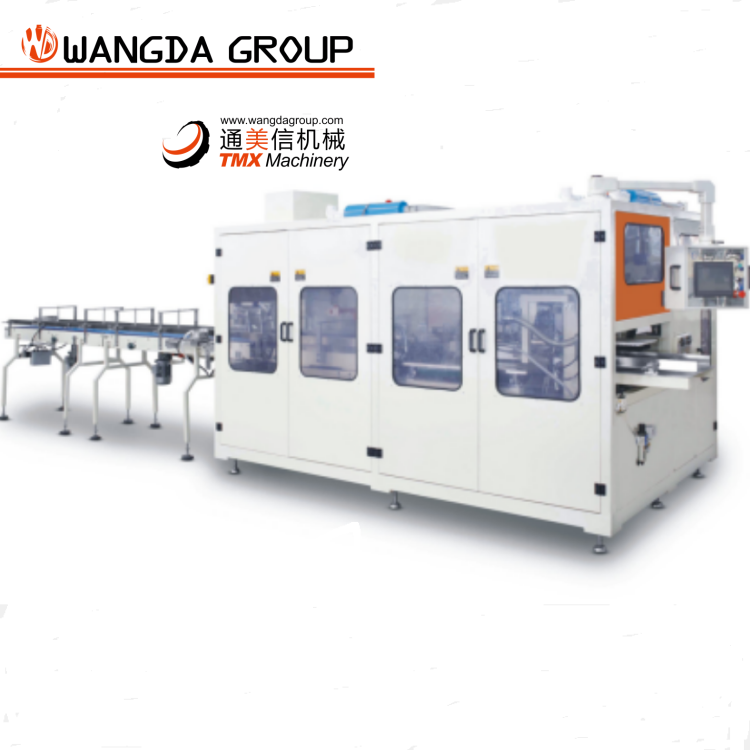
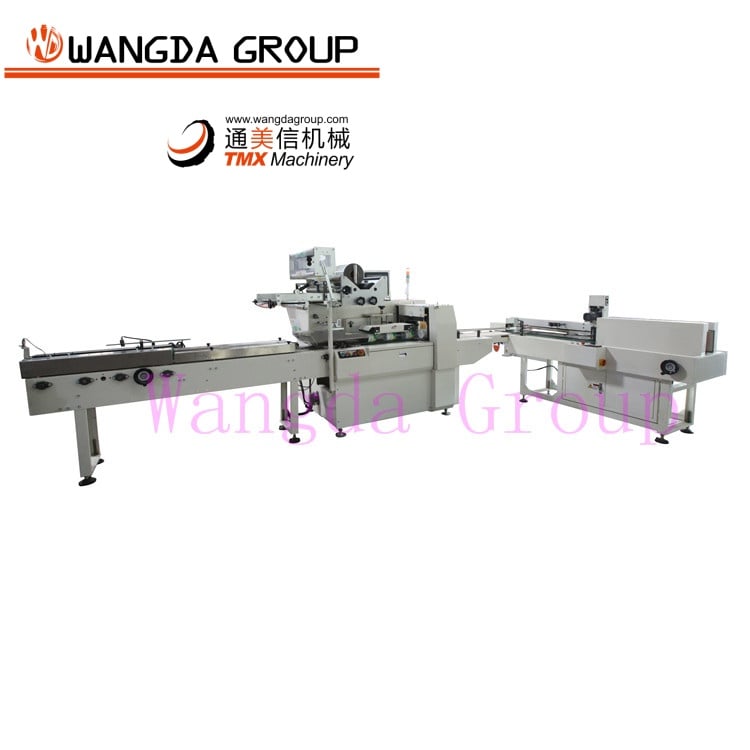
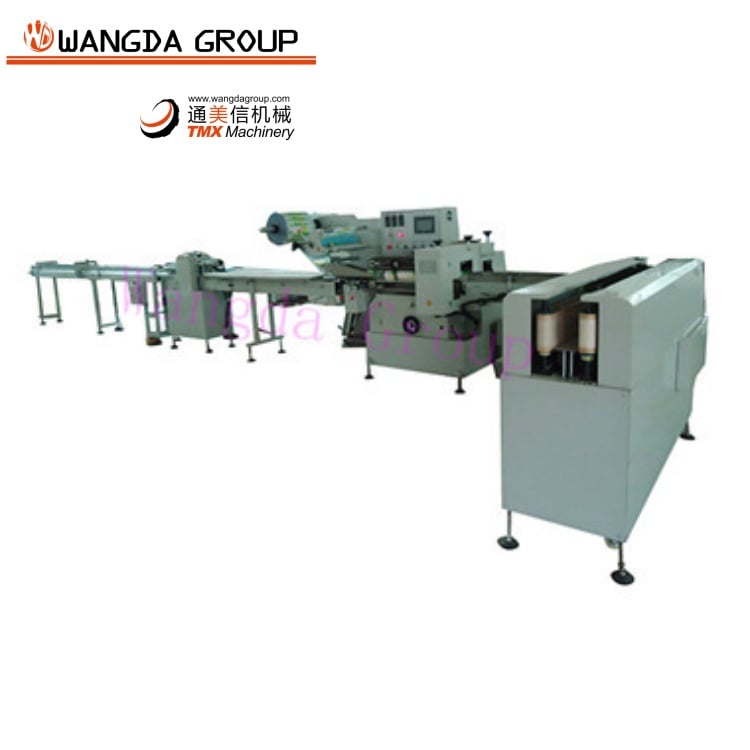
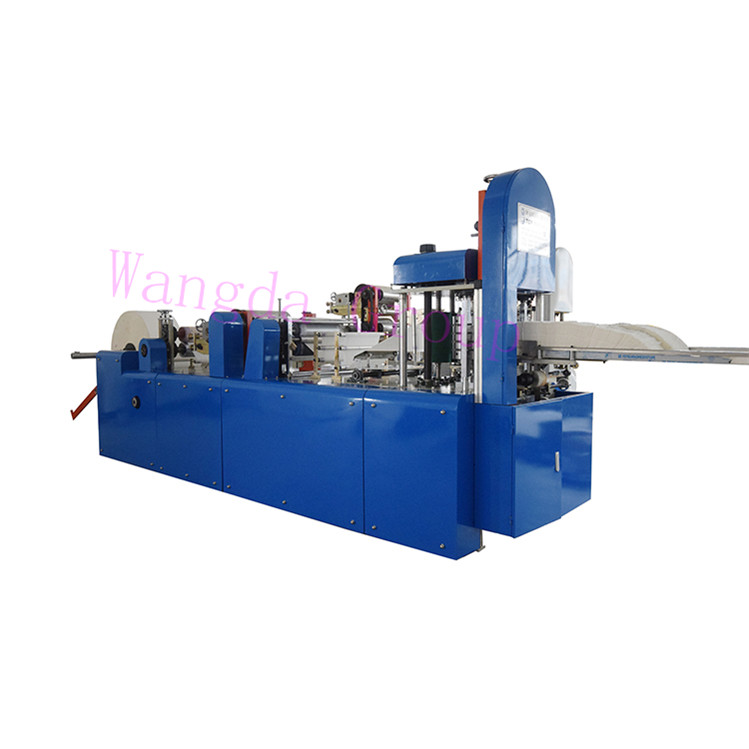
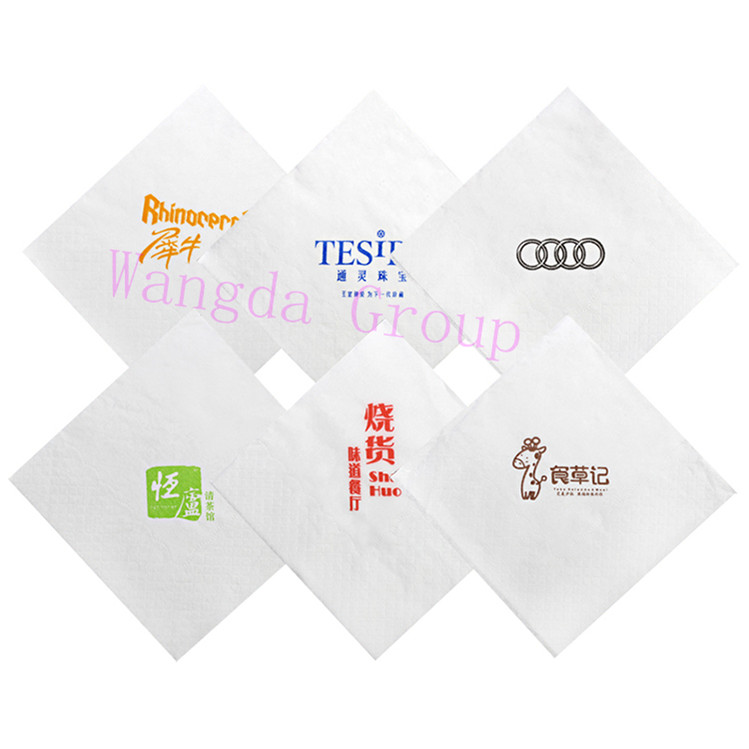
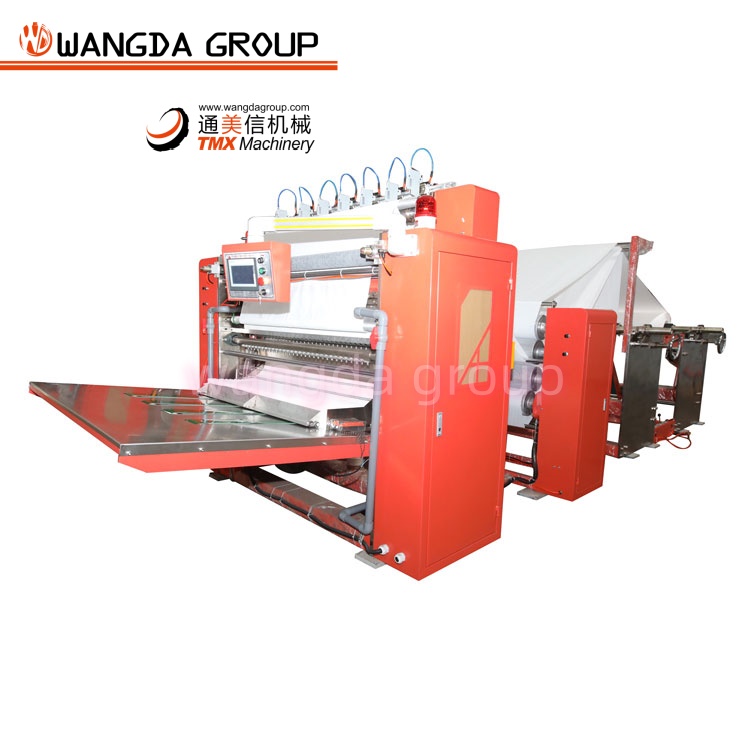
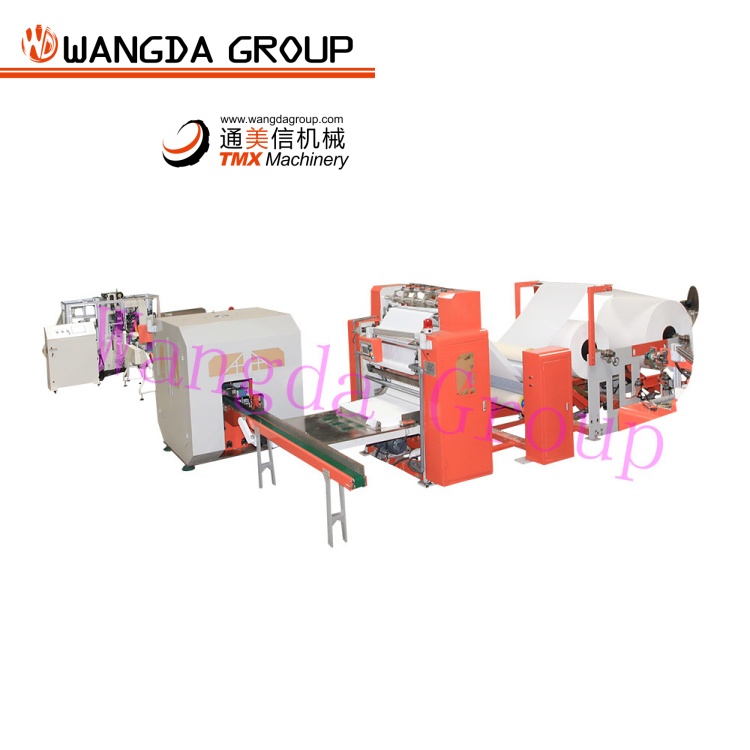
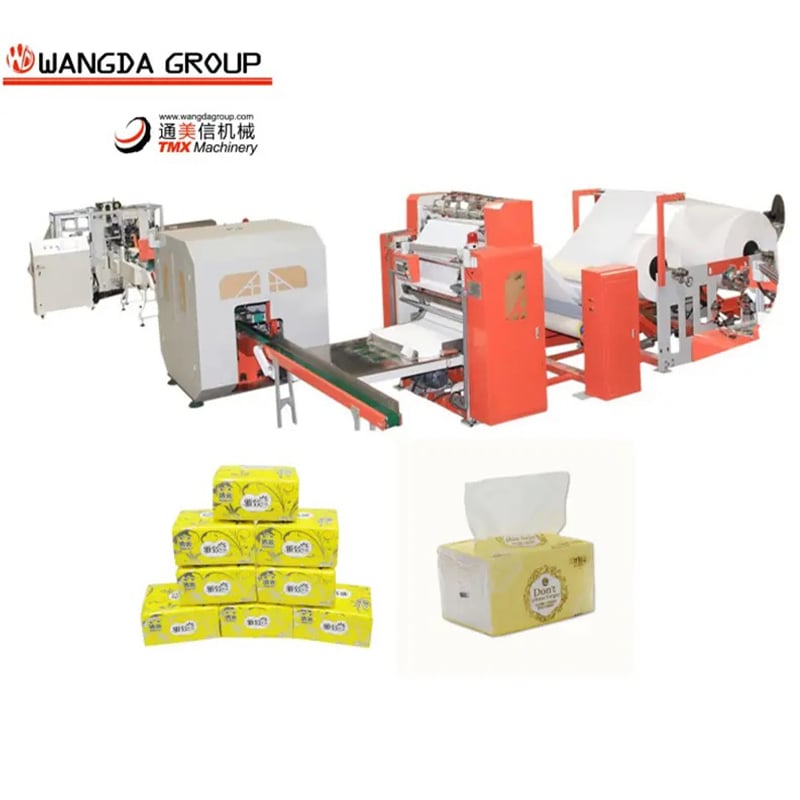
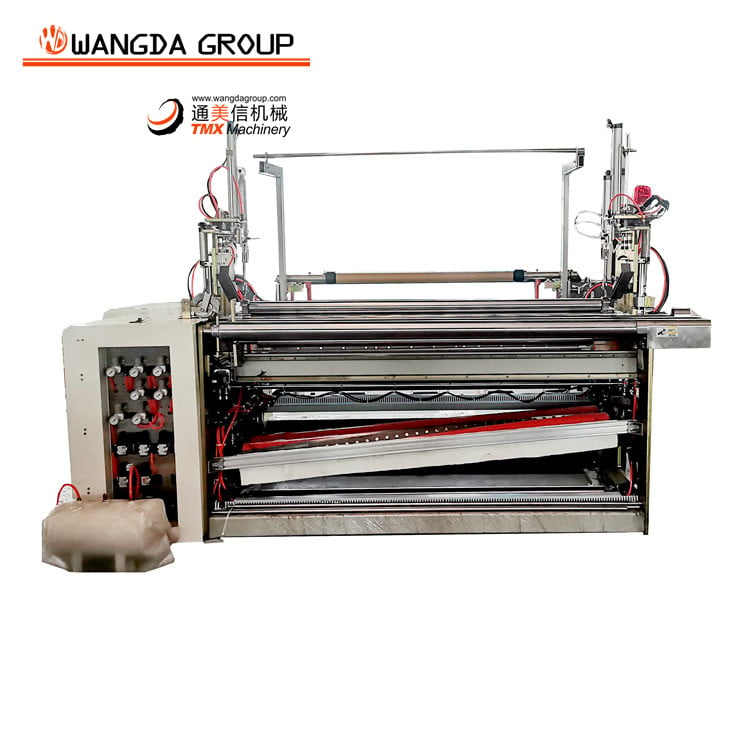
In the hygiene product manufacturing industry, a paper napkin machine is essential for producing high-quality napkins that meet consumer demands. For businesses in Delhi looking to invest in a paper napkin machine, understanding the various factors that influence selection, cost, and operation is essential. This article will guide purchasing managers and business owners through the decision-making process, highlighting key considerations to help them choose the right machine for their manufacturing needs
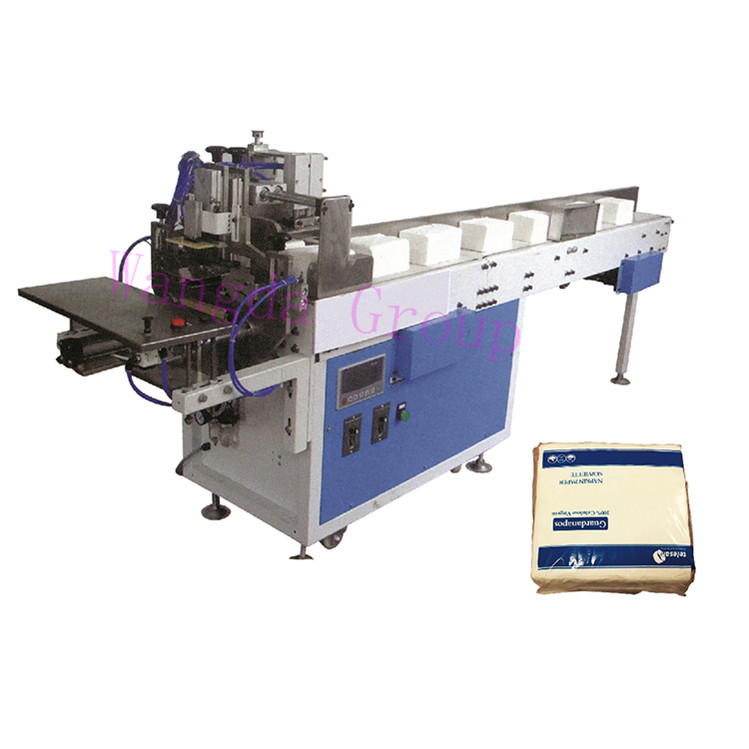
Wangda Industrial Co., Ltd., part of Wangda Group, specializes in manufacturing machinery for daily-use hygiene products. Its product range includes automatic napkin paper production lines, facial tissue production lines, handkerchief tissue production lines, toilet paper roll-making machines, kitchen towel production lines, and various tissue packaging machines. For B2B buyers evaluating paper napkin machines from Wangda Industrial, key factors include production speed, automation level, paper material compatibility, napkin dimensions, folding patterns, embossing capabilities, power consumption, machine configuration, installation requirements, maintenance needs, production capacity, quality control, customization options, delivery schedules, and after-sales technical support.

Selecting the appropriate napkin paper machine involves assessing your production capacity, the specifications of the machine, and the type of paper napkins you aim to produce. Consider the following factors:
Production Capacity: Identify your expected output per day or month. Machines typically range from small, semi-automatic models to large, fully automated lines capable of producing thousands of napkins per hour. A clear understanding of your production needs will help narrow down your options
Specifications and Features: Different machines offer various features such as servo drives, which enhance precision and speed, and the ability to produce different sizes and types of napkins. Evaluate the specifications to ensure the machine aligns with your production goals
Quality Standards: Look for machines that meet industry certifications for safety and quality. This not only ensures compliance but also enhances your brand reputation
Customization Options: If you have unique requirements, such as specific napkin sizes or packaging methods, inquire about customization capabilities with the manufacturer.

Understanding the total cost of ownership is crucial when evaluating paper napkin machines. Here are key cost factors to consider:
Initial Investment: The upfront price of the napkin making machine can vary significantly based on features, capacity, and manufacturer. A more sophisticated machine with advanced technology may have a higher initial cost but could lead to better efficiency and lower operating costs in the long run
Operational Costs: Consider ongoing expenses such as energy consumption, maintenance, and labor. Energy-efficient machines will reduce operational costs over time
Material Costs: The type and quality of paper used will affect your production costs. Sourcing high-quality raw materials may result in higher initial costs but will yield better product quality
Shipping and Installation: Factor in additional costs for shipping, installation, and any necessary training for your staff to operate the machine effectively.

Like any machinery, paper napkin machines can encounter operational issues. Here are some common problems and their solutions:
Jamming: This can occur due to improper paper feed or foreign objects. Regular maintenance and proper setup can prevent jams. Ensure that your team is trained to troubleshoot and resolve these issues quickly
Quality Variations: Inconsistent napkin quality may arise from material issues or machine calibration. Conduct regular quality checks and calibrate your machine as needed to maintain consistent output
Wear and Tear: Over time, components may wear out, affecting performance. Establish a routine maintenance schedule to replace worn parts before they lead to significant downtime
Electrical Issues: Electrical malfunctions can halt production. Investing in a machine with reliable electrical systems and ensuring proper installation can minimize these risks.

When comparing models for bulk orders, it's essential to evaluate several key aspects:
Output Speed and Efficiency: Compare the production rates of different machines. A higher output speed can significantly increase efficiency and reduce per-unit costs
Features and Automation: Examine the automation level of each model. Fully automated machines may have a higher initial cost but can reduce labor costs and increase production consistency
Space Requirements: Assess the physical size of each model to ensure it fits within your production area. Additionally, consider the layout for optimal workflow
After-Sales Support: Investigate the manufacturer's reputation for customer service and technical support. Reliable support can be invaluable, especially during installation and initial operation.
Wangda has over 20 years of experience manufacturing all sorts of tissue machines, we pay much attention to the machines' functions and the quality, and also Tissue paper machine and after sales services. We have sold machines to more than 100 countries. This has resulted in repeat orders and good comments from our clients. Our R and D department is part of Wangda. We have our own R and D departments. Our machines are continuously upgraded and are incorporating the latest technology of Germany, Japan, and Italy. They have passed ISO9002, CE and BV certifications. We provide turnkey projects all the way from A to Z that includes more than machines.
Wangda has Toilet roll manufacturing machine with various clients both from home and abroad. We have worked with large companies from GCC countries such as Fine Hygienic across different nations, Nesto Hypermarket, Top one and two hygienic producer Band G, the Meghna Groups of Bangladesh. Outnet Group from African countries. And as well, there are big European brand, American brands, Latin American brands we have cooperated for a great number of years. We have several factories outside of the United States that you can visit to look at our products which is more efficient. Also you are invited to come to our factory to see our products on the spot. We will be happy to answer your questions at any time, and we hope to begin our mutual benefit story right away.
Wangda is a highly professional and knowledgeable sales staff and after-sales team, 80% of the team has been in Toilet roll manufacturing machine for more than 10 years in our company in this hygiene-conscious product industry. Our team has a wealth of experience in the daily use of paper tissue machines, related packing machines and many other Hygienic products machines We have a wide range of professional expertise in this field, we are aware of what our customers wants, we worry about what our customers worry about. We not just sell the machines to our clients, but we help our customers earn money through this business of hygienic products, to provide the lifelong after-sale services to our customers at the right time.
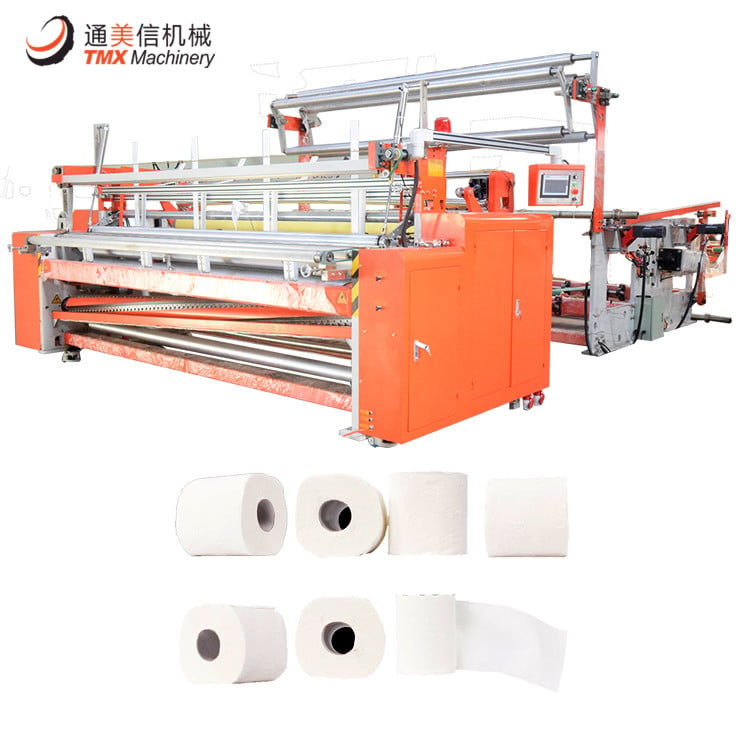
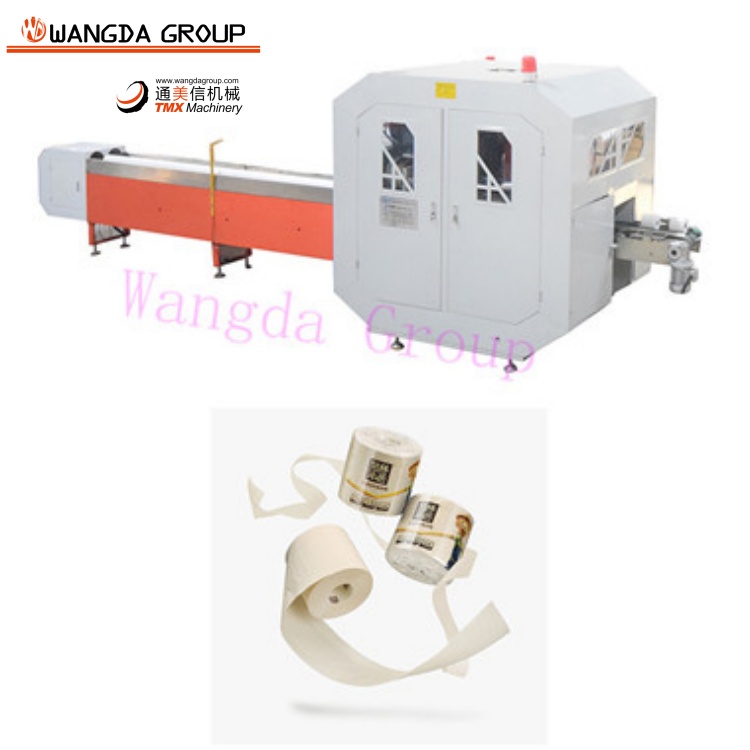
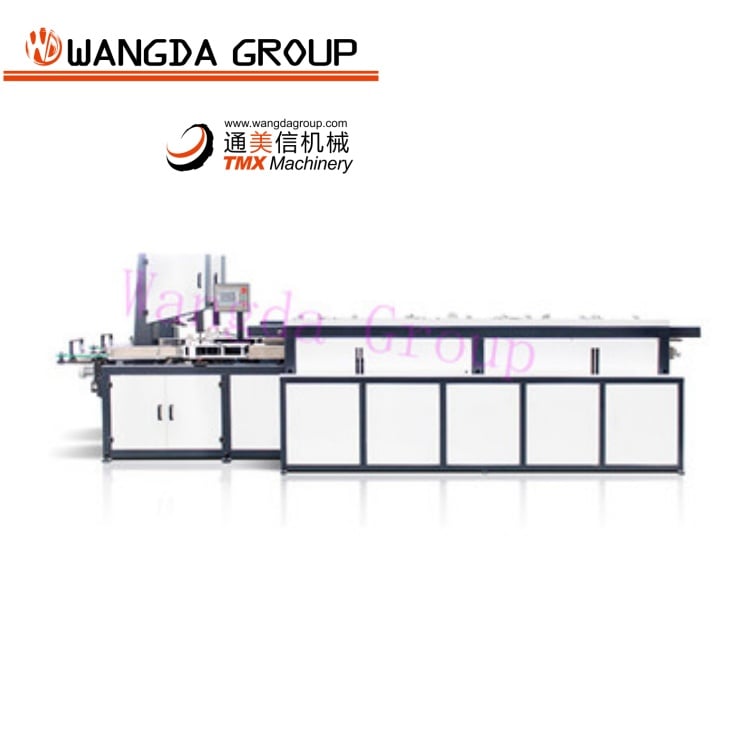
Wangda manufactures toilet tissue machines (including cutting and Toilet paper roll making machine) Kitchen towel machines (including cutting and packing) facial tissue machines (including cutting and packing) and nylon bag facial tissues machines. We also produce maxi roll rewinding as well as perforating machines.
Investing in high-quality materials for your paper napkin machine can offer several benefits:
Durability: Machines made with robust materials are more resilient to wear and tear, leading to longer lifespans and fewer replacements
Performance: High-quality components often enhance machine performance, resulting in better precision and fewer operational issues
Product Quality: The quality of the machine directly impacts the final product. Machines built with superior materials typically produce napkins that meet higher quality standards, which can enhance customer satisfaction
Cost Efficiency: While high-quality machines may come with a higher initial price tag, they can lead to lower maintenance costs and less downtime, ultimately saving money over time
By understanding these factors, businesses in Delhi can make informed decisions when investing in a paper napkin machine. This knowledge will help ensure that they select equipment that meets their production needs and aligns with their quality standards, leading to successful operations in the hygiene product manufacturing sector.