All Categories

Get in touch

Oshibori machine

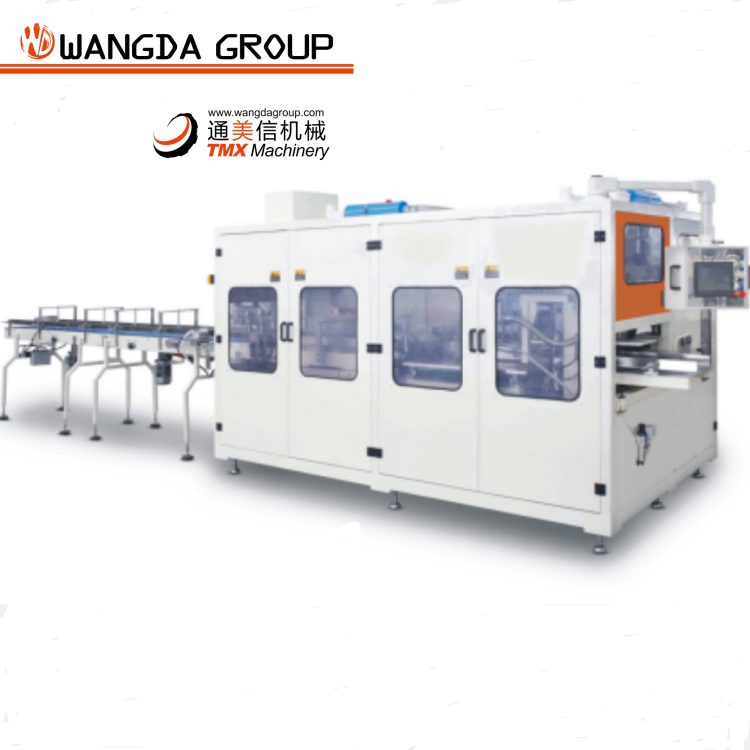
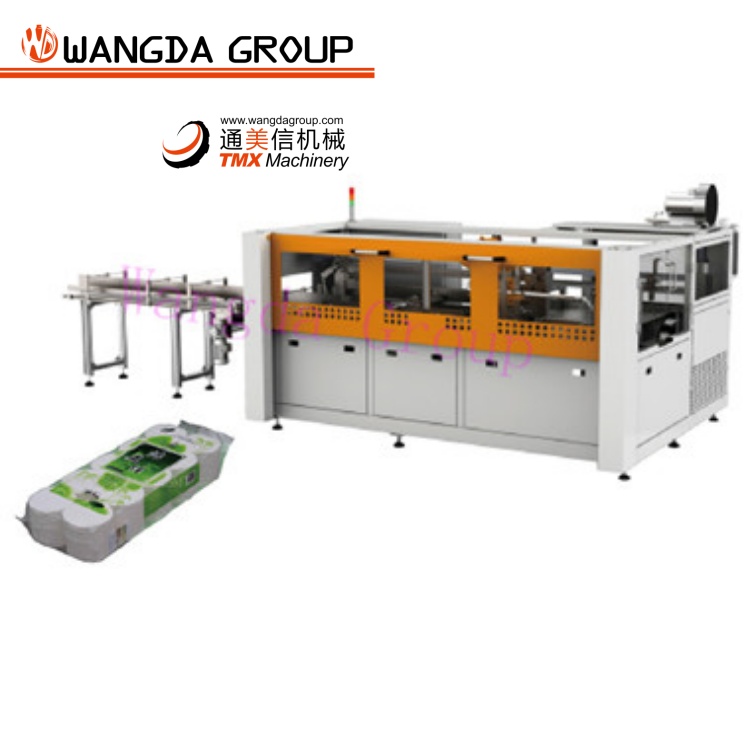
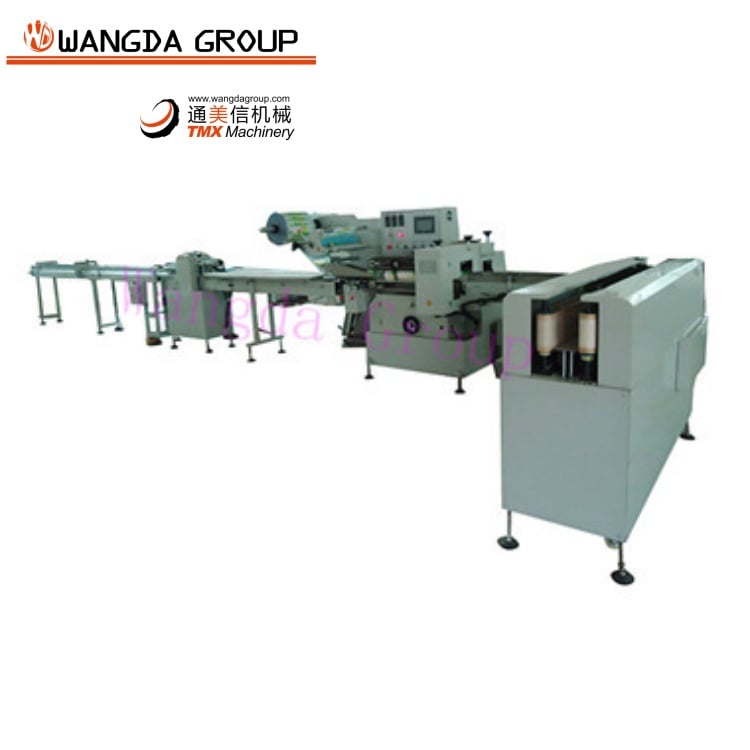
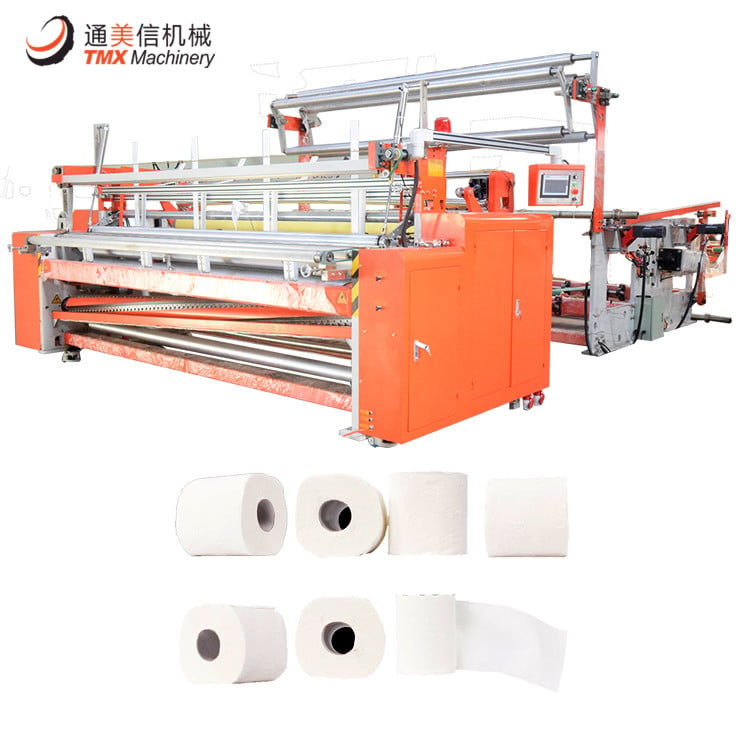
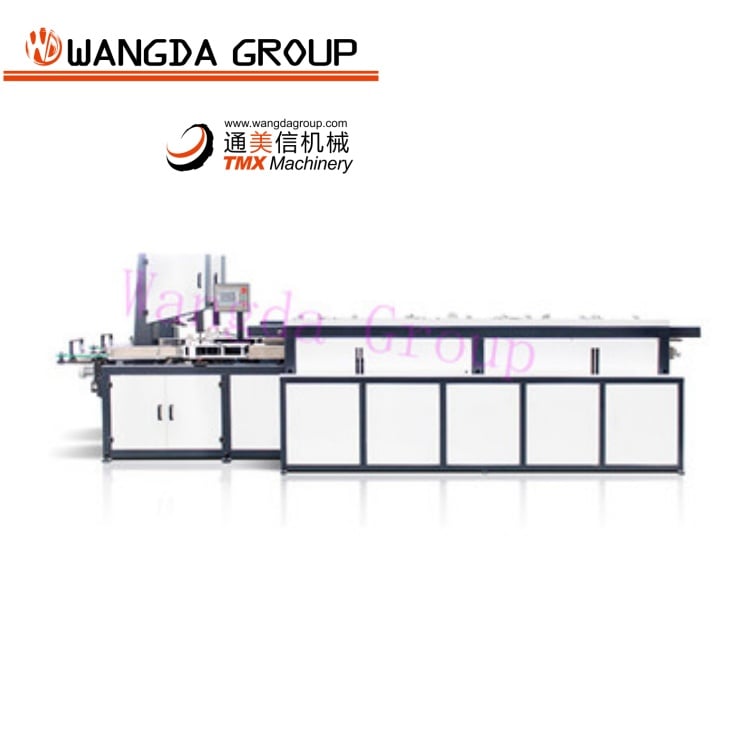
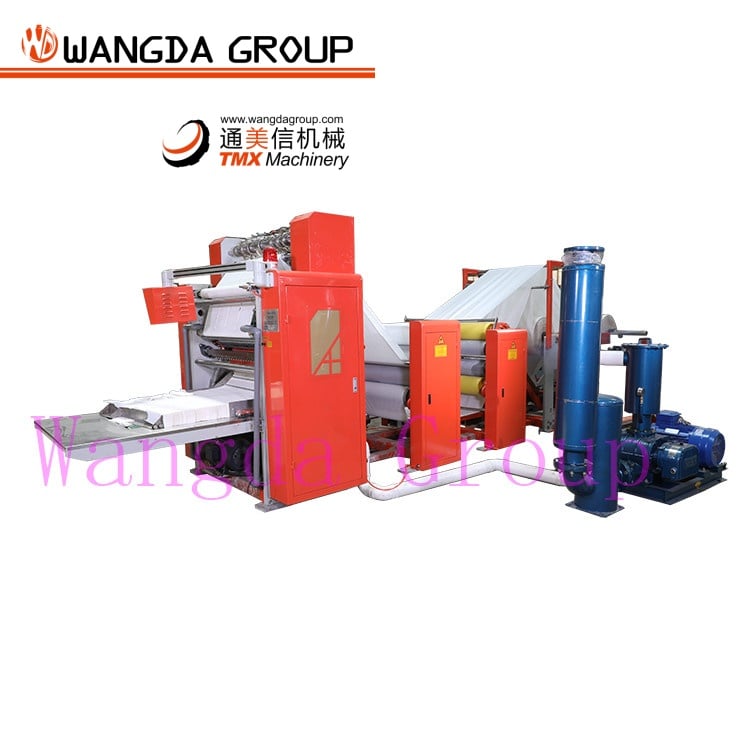
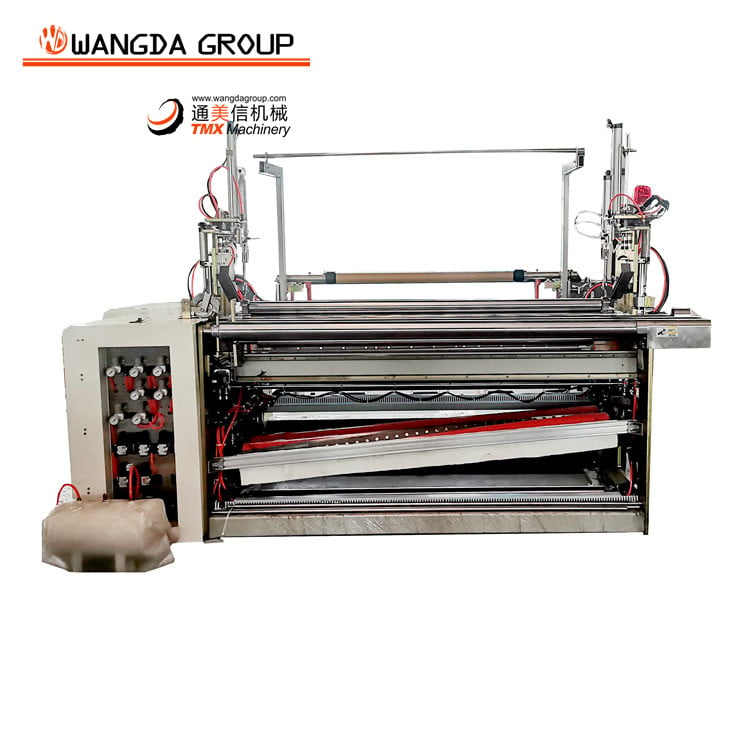
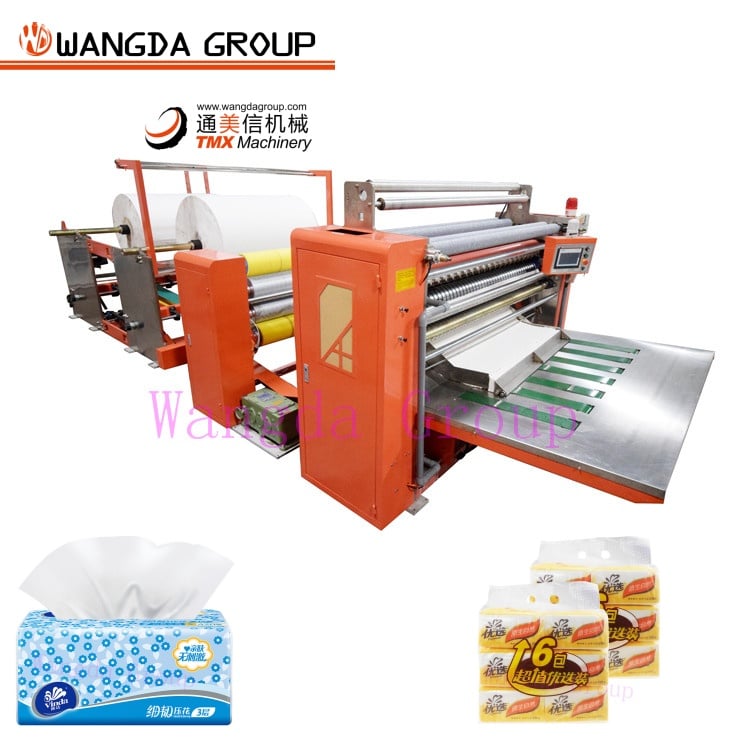
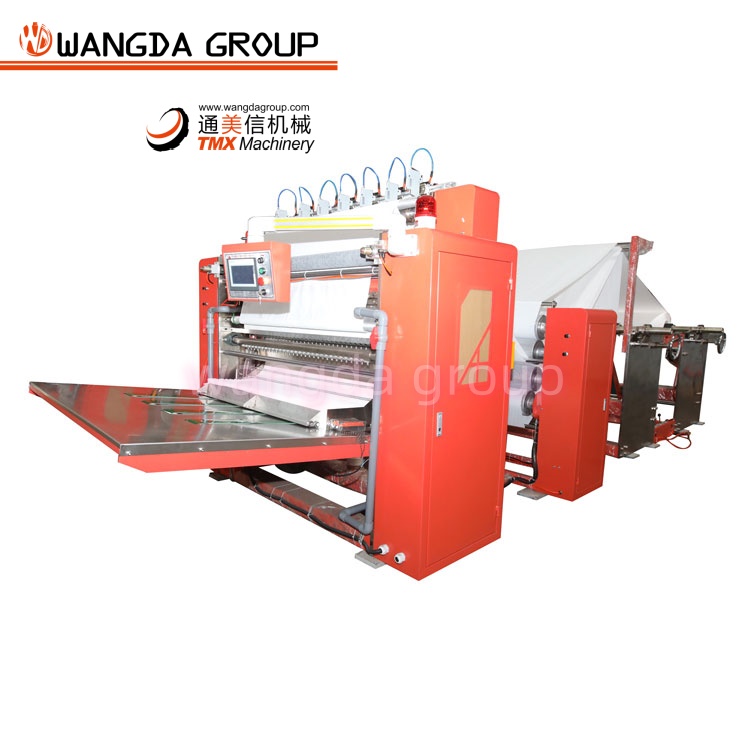
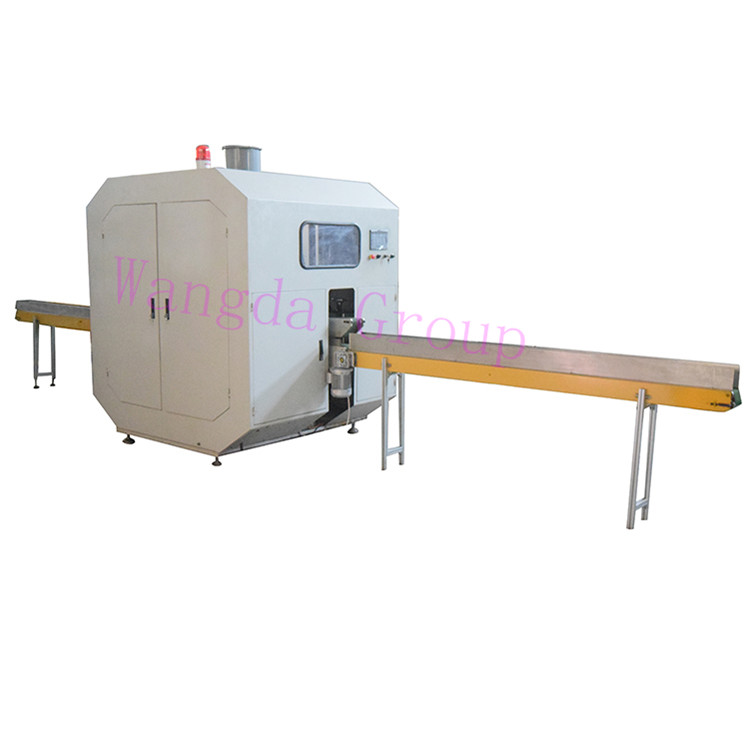
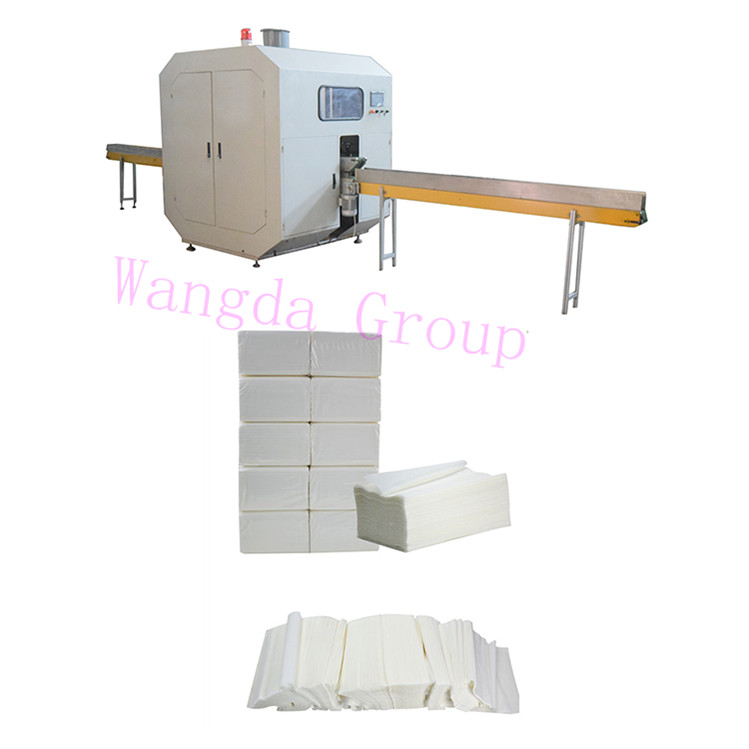
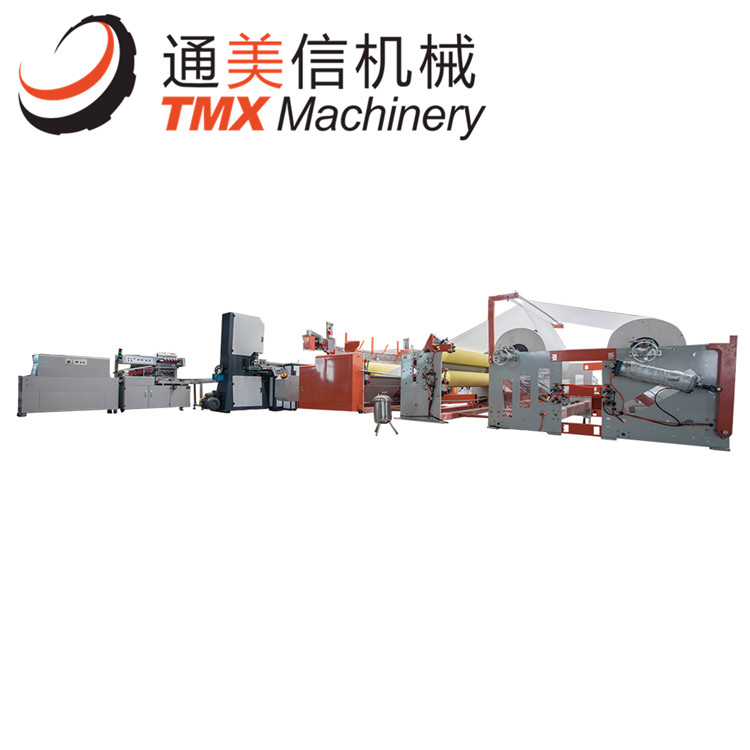
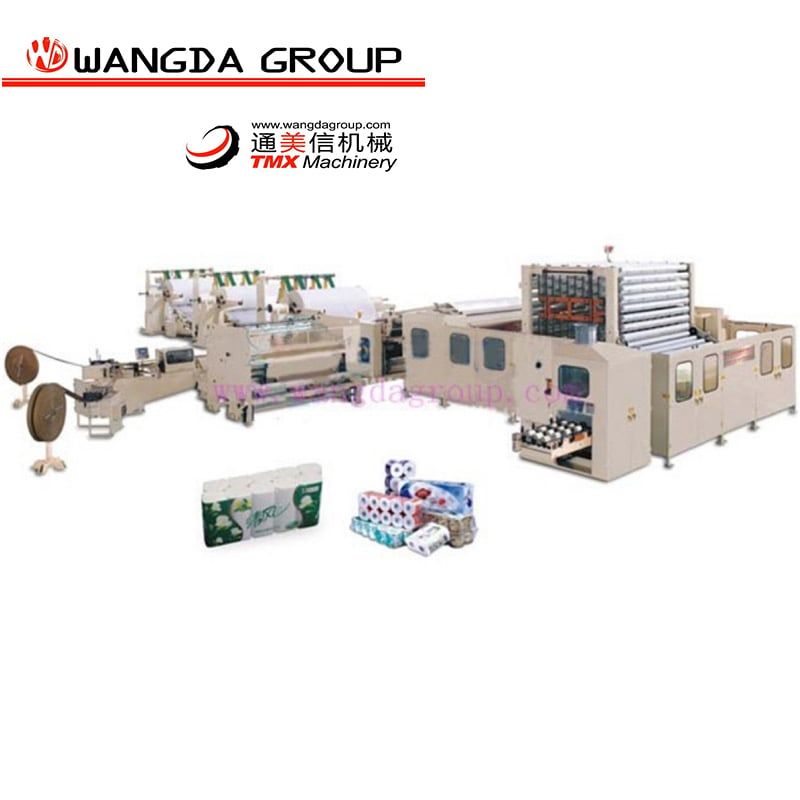
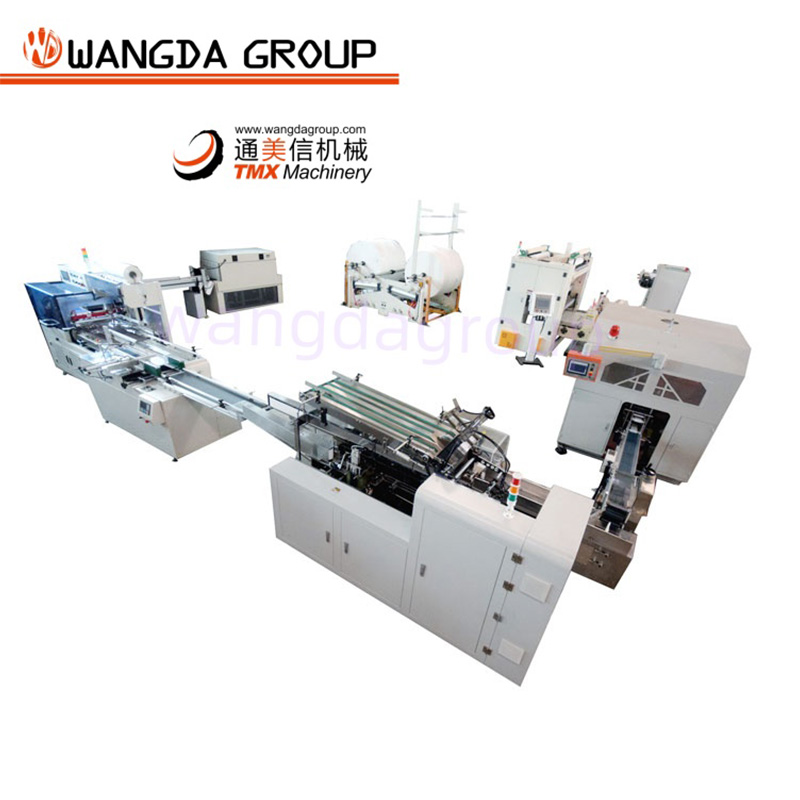
Oshibori machines are essential for producing hygienic, moist towelettes that are widely used in various industries, including hospitality, healthcare, and food service.  With increasing demand for personal hygiene products, buyers often seek reliable suppliers who can provide high-quality machines at competitive prices. This article will explore key specifications of toilet tissue machine, offer guidance on sourcing suppliers, provide installation tips, address common issues, and help buyers compare different models to make informed decisions. 

Key Specifications of Oshibori Machines for Bulk Orders

When considering oshibori machines, several specifications are critical for ensuring they meet production needs. Key specifications include: 

Production Capacity: Buyers should evaluate the machine's output per hour, which typically ranges from 2,000 to 20,000 pieces, depending on the model. This capacity should align with your production goals to avoid bottlenecks. 

Dimensions and Weight: The size and weight of the machine will affect installation space and mobility. Make sure to assess the layout of your production facility to accommodate the machine comfortably. 

Power Requirements: Understanding the electrical specifications, including voltage and wattage, is crucial. A mismatch can lead to operational issues, so confirm that your facility can support the machine’s power needs. 

Material Compatibility: Different toilet paper making machine may use various materials for producing the towelettes, including spunlace non-woven fabric or paper. The selection will influence the product’s quality and usability. 

Automation Features: Full-servo or semi-automatic systems can significantly impact efficiency and labor costs. Fully automated systems often offer higher precision and reduced wastage, making them suitable for high-volume production. 

Customization Options: Buyers should inquire about customization capabilities to produce specific sizes, scents, or packaging styles that meet market demands. 

Ensuring that these specifications align with your operational requirements is essential for maximizing productivity and minimizing costs. 

Why choose Wangda Industrial Oshibori machine?

Other Products

Related product categories

How to Compare Different Oshibori Machines for Your Projects

When evaluating various oshibori machines, consider the following factors to make an informed comparison: 

Specifications: Review each machine's specifications, including production capacity, dimensions, and power requirements. Ensure they align with your production goals and facility capabilities. 

Cost Analysis: Compare the initial purchase price as well as operating costs, including maintenance and energy consumption. A lower initial cost may not always equate to lower long-term expenses. 

Supplier Reputation: Research the reputation of different manufacturers. Look for reviews, case studies, and testimonials regarding their products and customer service. 

Customization Options: If your project requires specific features, check which suppliers offer customization. This flexibility can be crucial for meeting niche market demands. 

After-Sales Support: Investigate the level of after-sales service provided by each supplier. Efficient support can save time and costs in case of operational issues. 

Warranty and Certifications: Ensure that the machines come with a warranty and check for any relevant certifications. This can give you confidence in the quality and reliability of the product. 

By carefully evaluating these factors, you can select an oshibori machine that best suits your production needs and aligns with your business objectives. 

Faq

Not finding what you're looking for?
Contact our consultants for more available products.

Request A Quote Now

Get in touch