All Categories

Get in touch

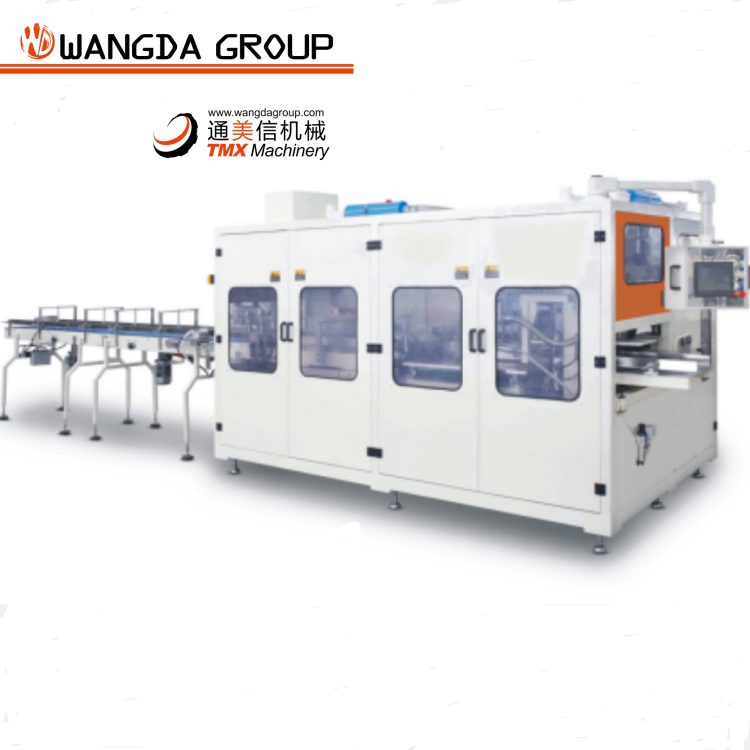
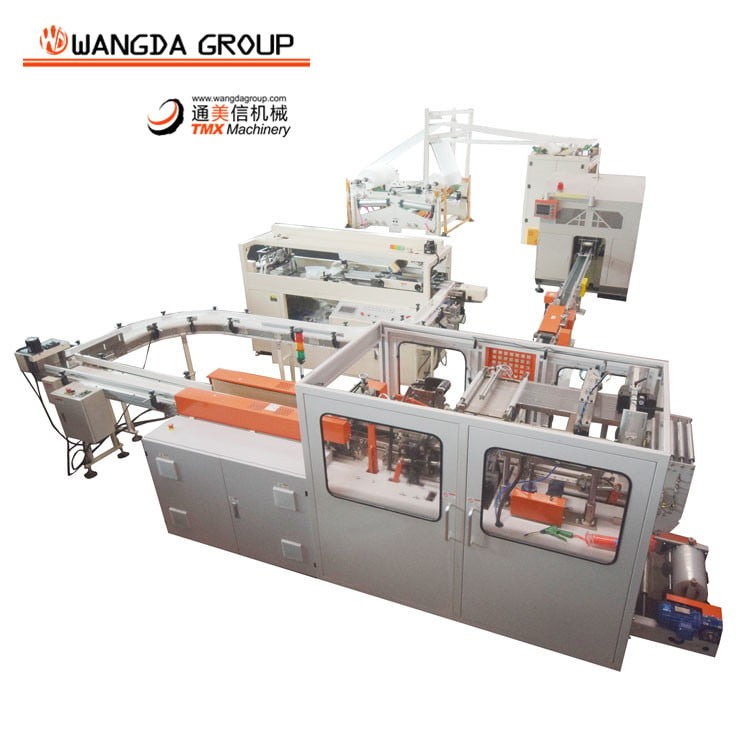
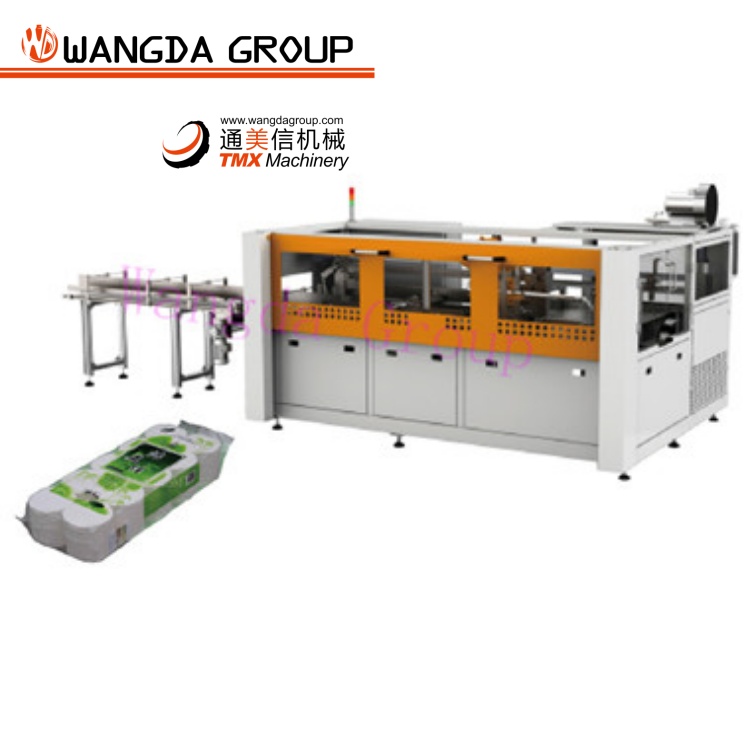
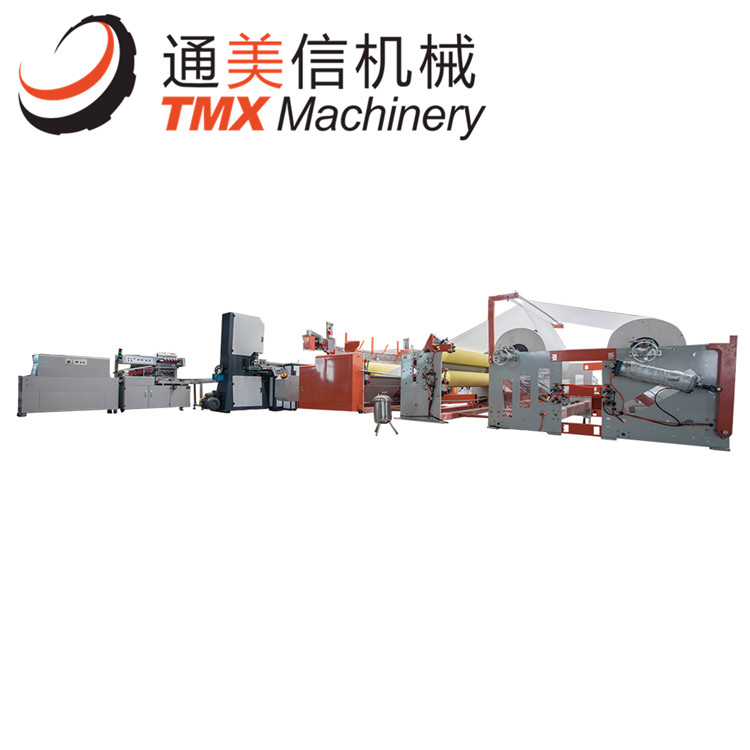
Of toilet paper making machine in kenya

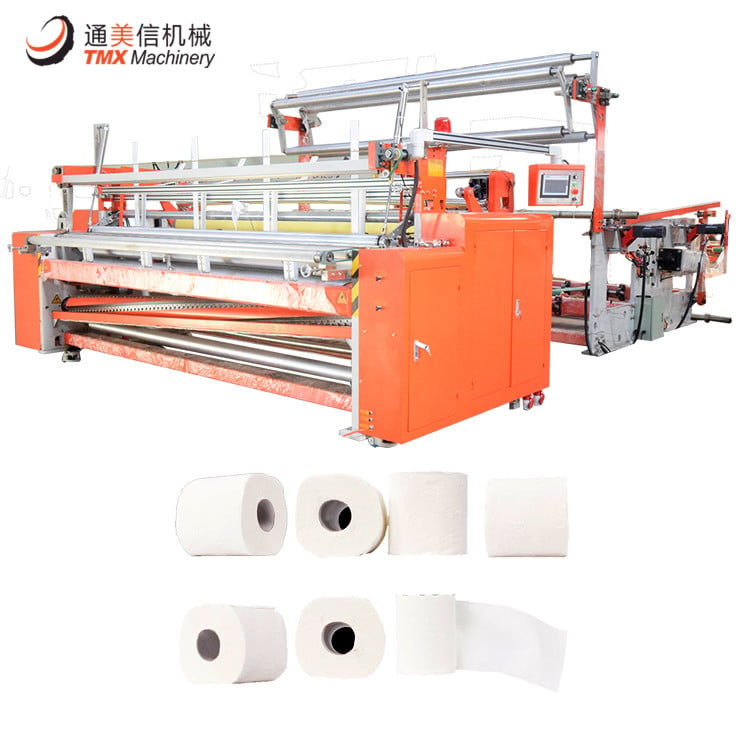
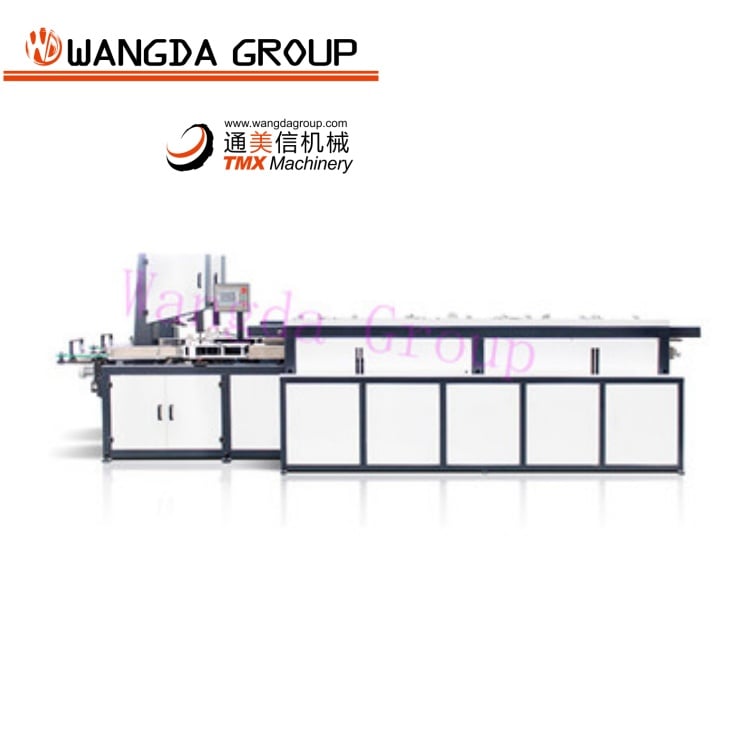
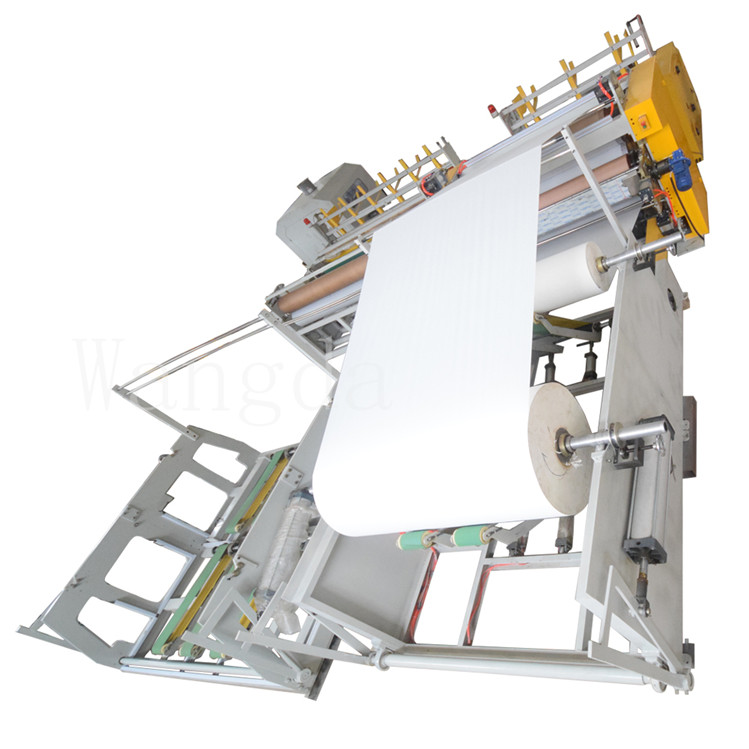
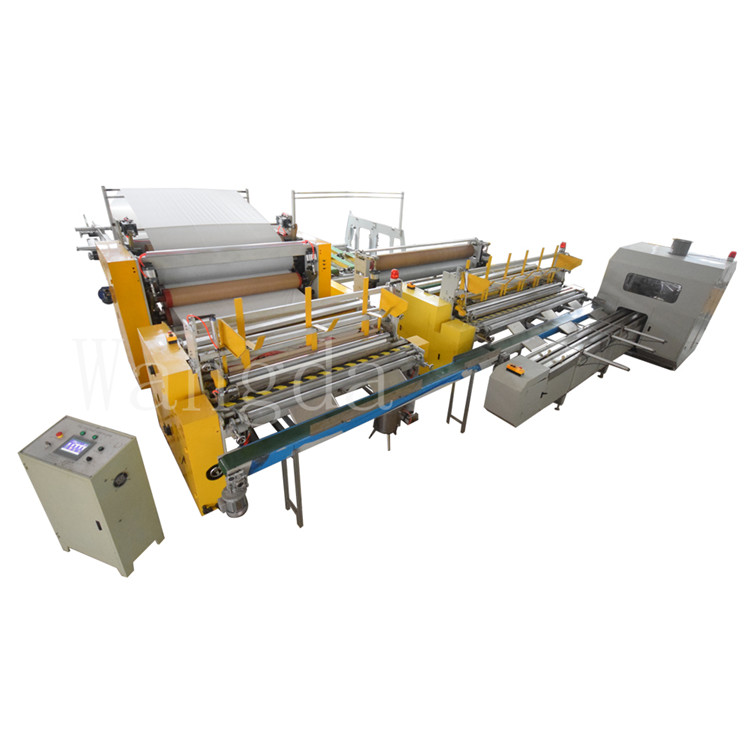
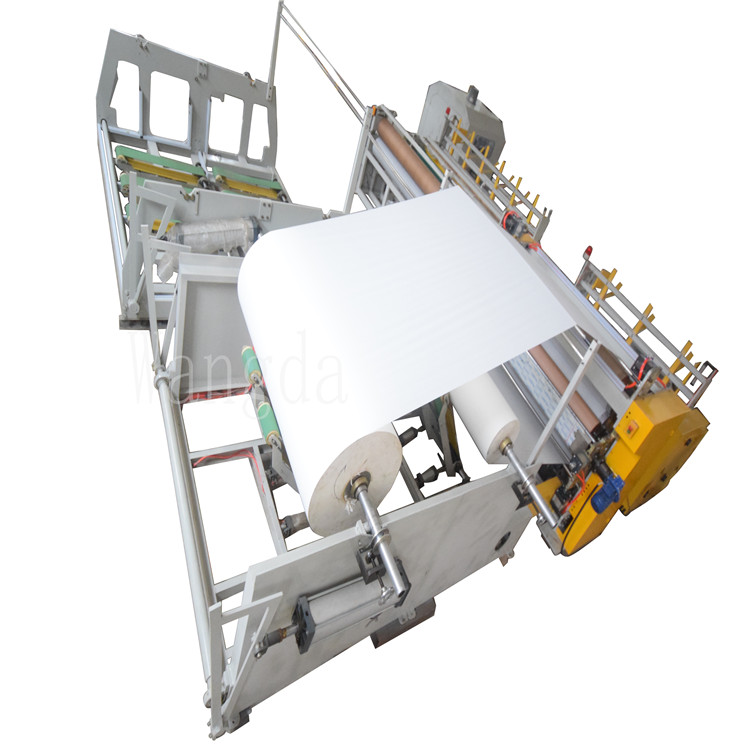
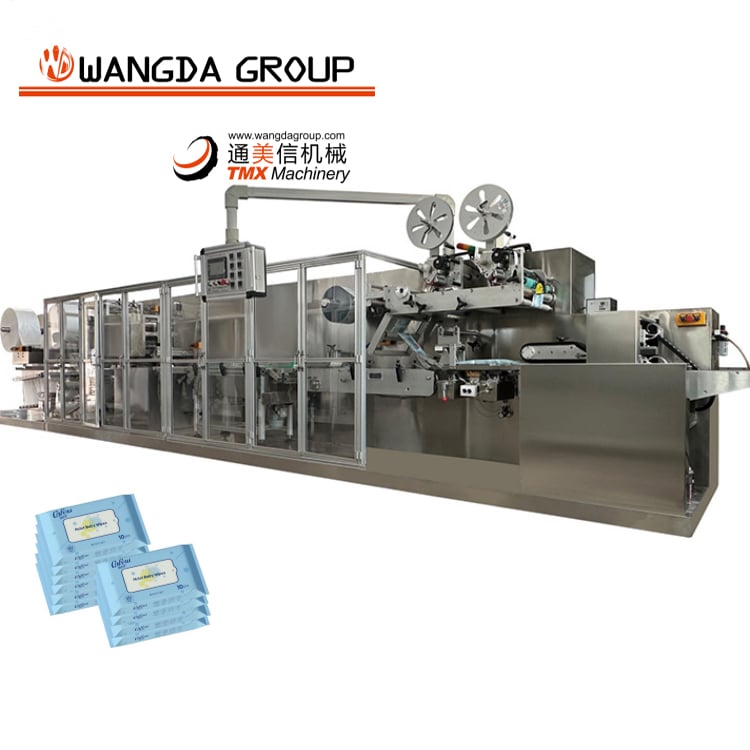
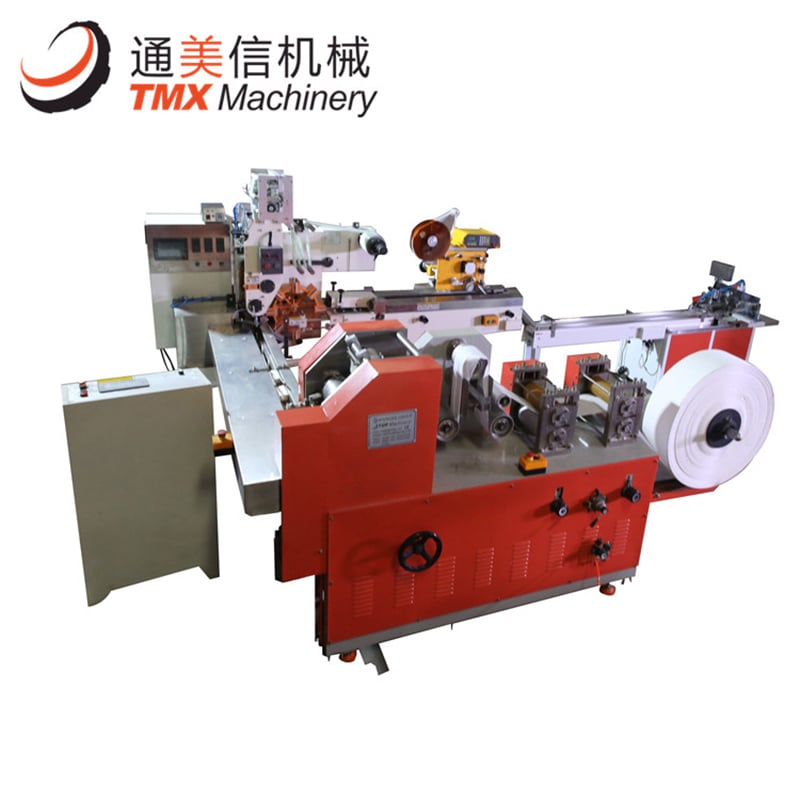
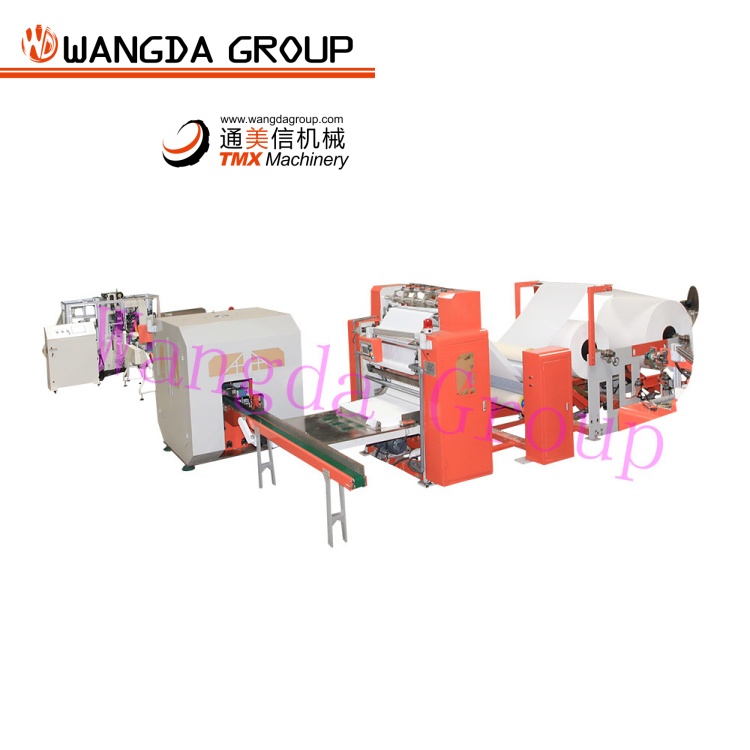
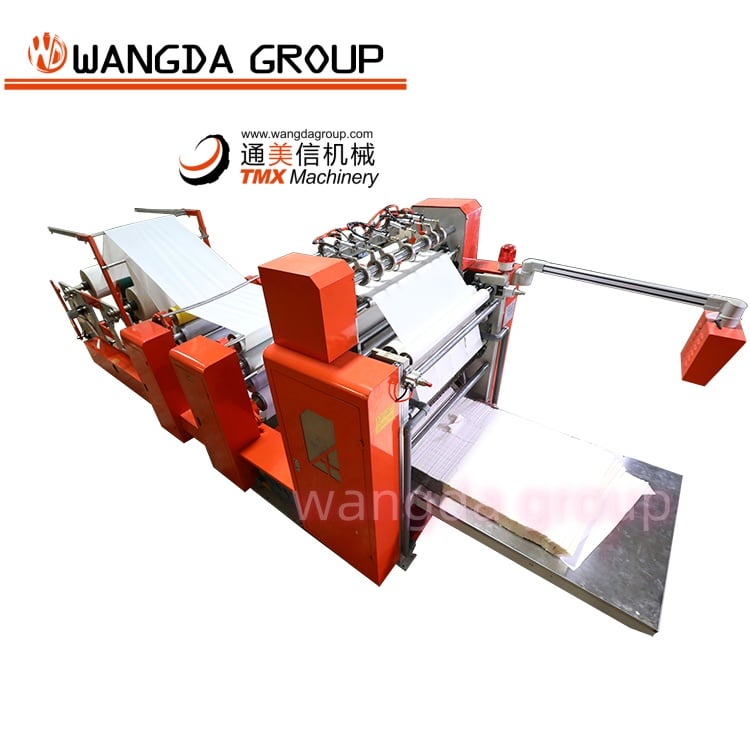
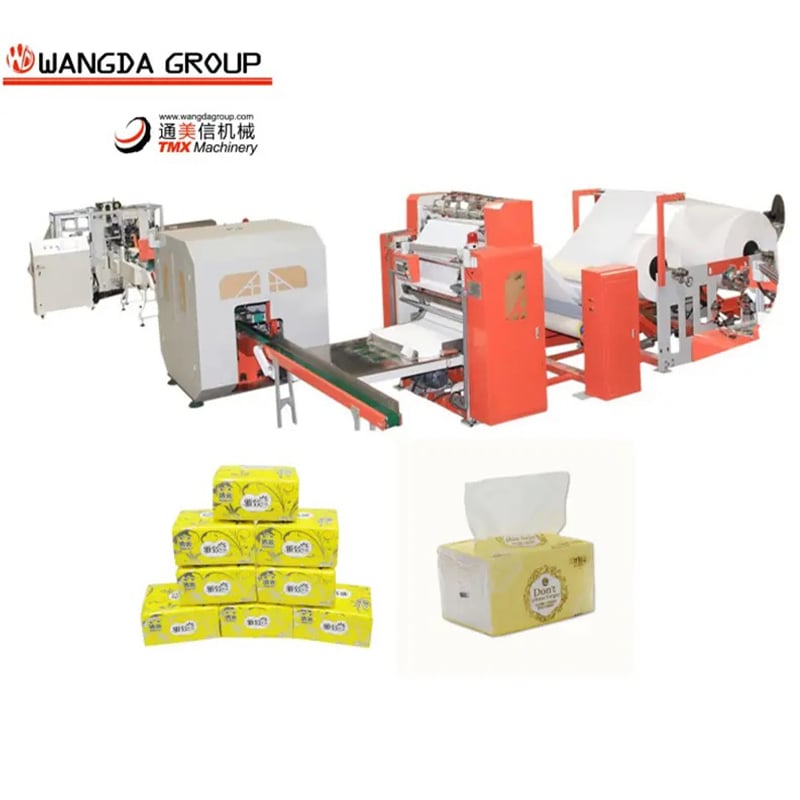
Toilet paper making machines are essential for manufacturers looking to produce high-quality toilet paper efficiently and economically. In Kenya, where the demand for hygienic products is increasing, investing in a reliable toilet paper making machine can significantly streamline operations and meet market needs. This article will address key considerations for B2B buyers, including how to choose the right machine, understand cost factors, ensure quality, and navigate installation and common production challenges. 

How to Choose the Right Toilet Paper Machine for Wholesale Orders

Selecting the right toilet paper making machine involves evaluating several factors to ensure it meets your production needs. First, consider the machine's production capacity, which should align with your expected output volume. Machines typically vary in capacity, so understanding your demand will help you select the appropriate model. 

Next, assess the specifications of the machine, including its speed, automation level, and the types of toilet paper it can produce (e. g., single-ply, double-ply). For wholesale orders, machines that offer flexibility in production settings and can switch between different paper types without extensive downtime can enhance efficiency. 

Additionally, examine the material compatibility of the machine. If you plan to work with recycled paper or specific raw materials, confirm that the machine can handle these inputs efficiently. Lastly, consider the level of customization available; some manufacturers provide options tailored to your specific requirements, which can improve overall production efficiency. 

Why choose Wangda Industrial Of toilet paper making machine in kenya?

Other Products

Related product categories

Common Problems in Toilet Paper Production and Their Solutions

Manufacturers may encounter various challenges during toilet paper production, but many can be mitigated with proper planning. One common issue is paper jams, often caused by incorrect settings or poor-quality raw materials. Regularly checking and maintaining raw material quality can minimize this risk. Additionally, training operators on machine settings can help prevent jams. 

Another challenge is inconsistent product quality, which can arise from fluctuations in raw material characteristics or machine calibration. Implementing strict quality control measures and conducting regular checks on machine settings can help maintain consistent output. 

Energy inefficiency can also be a concern, particularly with older machines. Upgrading to more energy-efficient models or retrofitting existing machines with energy-saving technologies can significantly reduce operational costs.  

Lastly, downtime due to maintenance or repairs can disrupt production schedules. Establishing a preventive toilet paper machine program that includes regular inspections and timely replacements of worn parts will help minimize unexpected outages and keep production on track. 

By carefully considering these factors and implementing best practices, B2B buyers can effectively navigate the complexities of acquiring and operating a toilet paper making machine in Kenya. This approach will not only enhance production efficiency but also ensure the delivery of high-quality products to meet the growing market demand. 

Faq

Not finding what you're looking for?
Contact our consultants for more available products.

Request A Quote Now

Get in touch